
Fuel Your Day The Right Way: Unveiling How To Boost Energy With Food

Let food be thy medicine and medicine be thy food.
Hippocrates
Summary (TL;DR)
To boost energy, women should focus on foods that offer sustained fuel, not quick spikes. Small, frequent meals stabilize blood glucose. Prioritize complex carbohydrates, lean protein, and healthy fats for all-day energy.
Stay hydrated, as even mild dehydration reduces energy. Avoid crash diets and be mindful of caffeine and alcohol intake. Choose oatmeal, sweet potatoes, and quinoa for sustained energy.
You wake up rested. By 2 p.m., you're running on fumes. Sound familiar?
Millions of women experience this daily energy rollercoaster — not because of poor willpower or not sleeping enough, but because of what and how they eat. The good news: food is one of the most powerful tools you have to regulate energy, stabilize mood, and feel sharp from morning to night.
This guide cuts through the noise and shows you exactly how to boost energy with food — using evidence-based strategies, not trendy supplements or extreme diets.
Medical & Referral Disclaimer
The information in this article is for educational and informational purposes only and is not intended as medical advice. It does not replace consultation with a qualified healthcare professional. If you experience severe or persistent fatigue, please consult your physician — it may indicate an underlying health condition such as thyroid dysfunction, anaemia, or sleep disorder that requires professional evaluation. Individual nutritional needs vary; the guidance here represents general evidence-based principles, not personalized medical recommendations.
Key Takeaways
- Eating smaller, more frequent meals every 3–4 hours stabilizes blood glucose and prevents brain fog.
- Complex carbohydrates, lean protein, and healthy fats are the triple-threat foundation of all-day energy.
- Even mild dehydration — as little as 1–2% fluid loss — measurably reduces energy and concentration.
- Crash dieting below 1,200 calories (women) or 1,500 calories (men) depletes energy reserves and triggers fatigue.
- Most commercial "energy bars" have glycemic indices comparable to candy bars — they cause crashes, not fuel.
- Caffeine after 2 p.m. disrupts sleep quality, creating a fatigue cycle the next day.
- Alcohol is a sedative — that lunchtime glass of wine is quietly draining your afternoon energy.
- Sustained vitality comes from four pillars: balanced nutrition, regular movement, hydration, and quality sleep.
What Does It Mean To Boost Energy With Food?
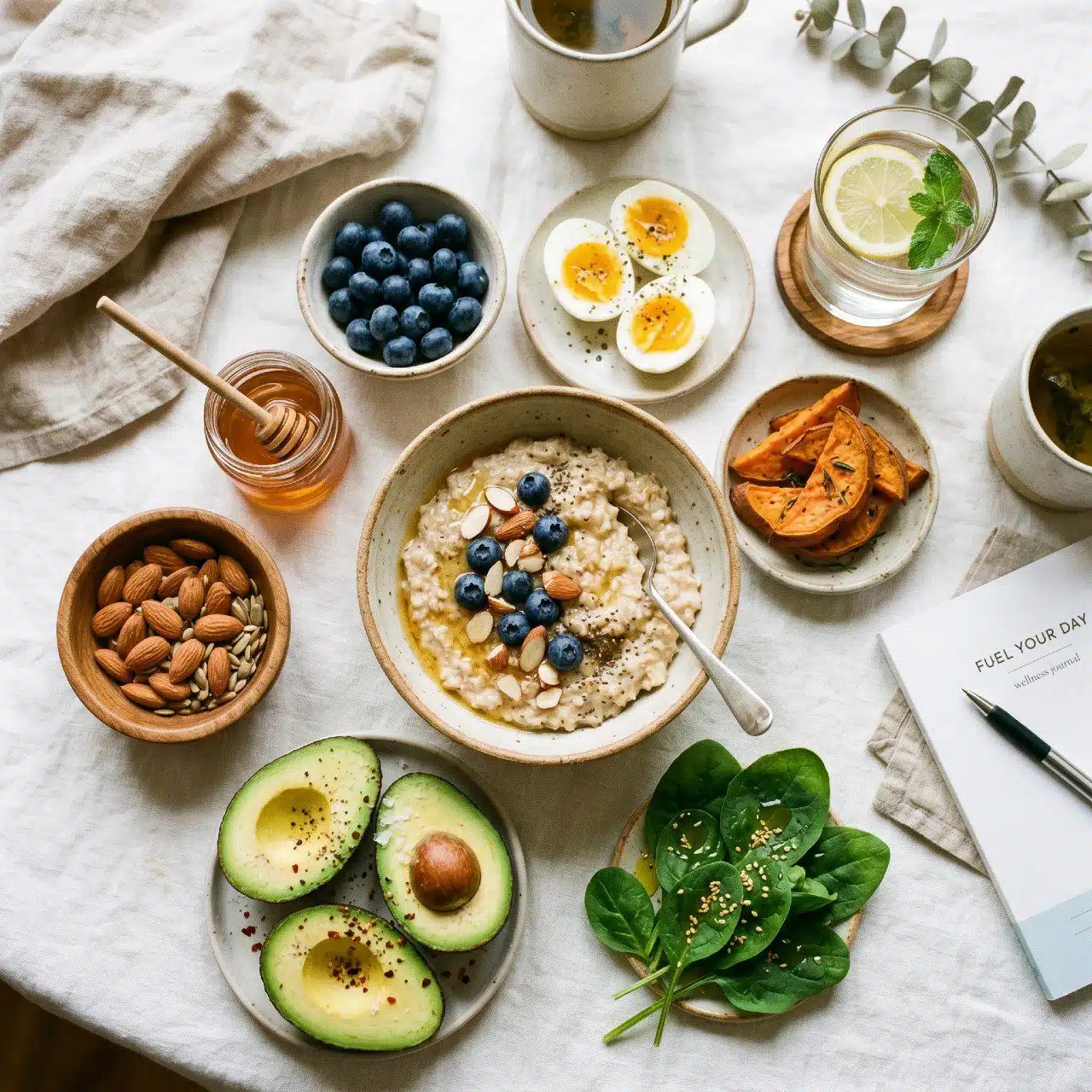
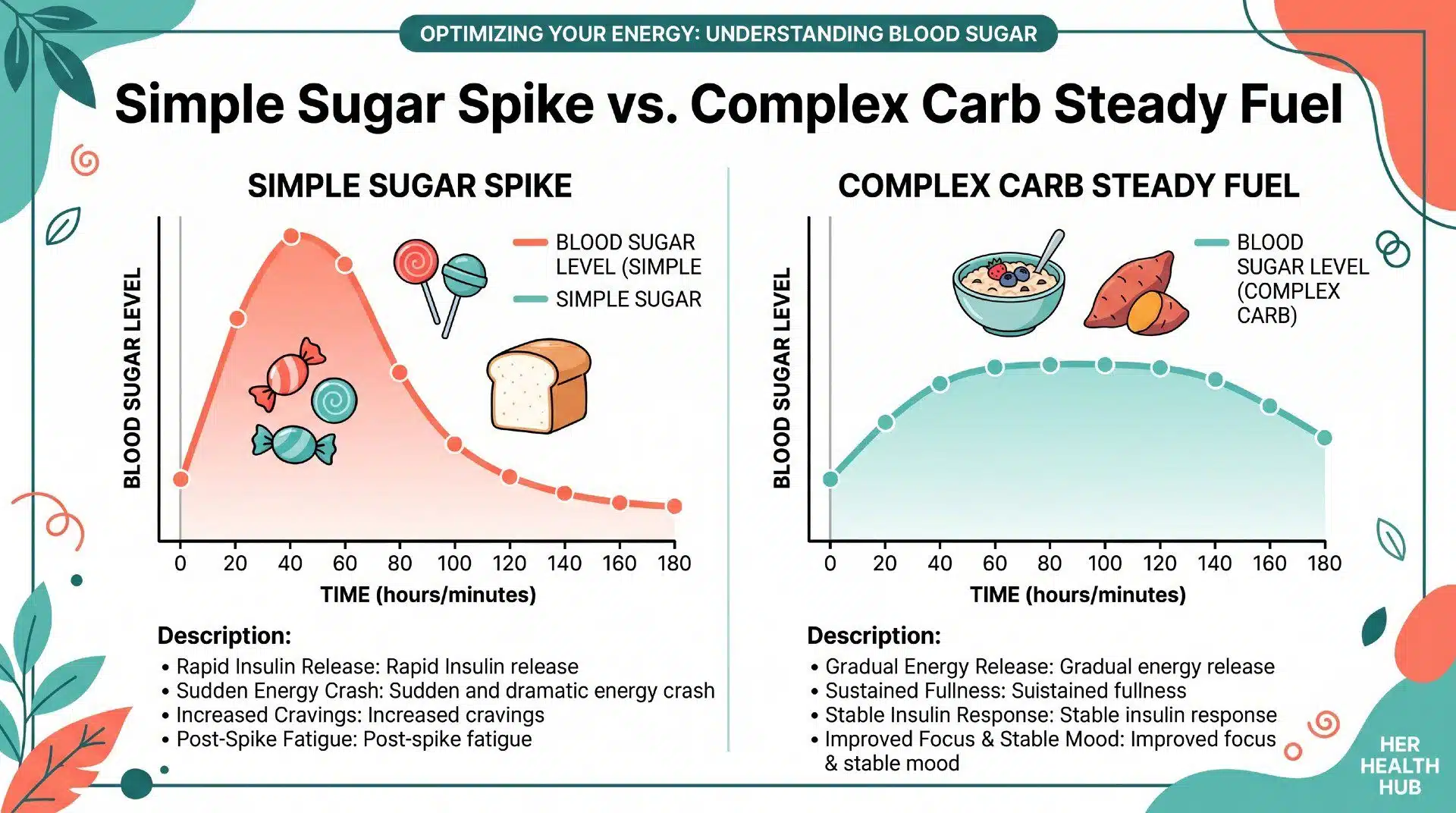
To boost energy with food means choosing nutrients that provide slow, steady fuel for your brain and body — rather than quick sugars that spike and crash. The goal is stable blood glucose throughout the day, not short bursts of stimulation followed by exhaustion.
Your body converts everything you eat into adenosine triphosphate (ATP) — the molecule your cells use for fuel. But not all foods create ATP at the same rate or for the same duration. Simple sugars burn fast and hard. Complex carbohydrates, fats, and proteins burn slower and longer.
Understanding this distinction is the foundation of all sustainable energy management through diet. It's not about eating more — it's about eating smarter.
Which Foods Give You The Most Sustained Energy?
The best foods for sustained energy are complex carbohydrates, healthy fats, and lean proteins — eaten together. This combination slows digestion, prevents blood sugar spikes, and delivers a steady stream of glucose to the brain and muscles over several hours.
Complex Carbohydrates: Your Brain's Preferred Fuel
Your brain runs almost exclusively on glucose. Complex carbohydrates digest slowly, releasing glucose gradually rather than flooding the bloodstream all at once. This is the difference between a steady, focused afternoon and an energy crash by 2 p.m.
Best complex carbohydrate sources for energy:
- Oatmeal (steel-cut or rolled) — low glycemic index, high fiber
- Sweet potatoes — packed with B vitamins and potassium
- Quinoa — complete protein + complex carb combination
- Brown rice — slower-digesting than white, steadier glucose release
- Legumes (lentils, chickpeas, black beans) — protein + carb + fiber triple benefit
- Whole grain bread — choose 100% whole wheat, not "multigrain"
For more on which carbohydrates to keep in your diet, see our guide on foods you should never cut from your diet.
Healthy Fats: The Slow-Burn Engine
Dietary fats provide more than double the energy per gram compared to carbohydrates (9 kcal/g vs. 4 kcal/g). More importantly, they slow gastric emptying — meaning everything you eat alongside fat gets digested more slowly, producing longer-lasting energy.
Best healthy fat sources for energy:
- Avocado — monounsaturated fats + B vitamins + potassium
- Walnuts and almonds — omega-3s + magnesium (critical for ATP production)
- Chia seeds — omega-3 fatty acids + sustained energy release
- Olive oil — anti-inflammatory, cardiovascular support
- Coconut oil — medium-chain triglycerides (MCTs) convert to energy rapidly
Our article on the 5 benefits of coconut oil explores how MCTs support metabolism and energy in more detail.
Lean Protein: The Stabilizer
Protein doesn't provide quick energy, but it plays a critical role in energy stability. It slows carbohydrate absorption, prevents blood sugar spikes, and supports the production of neurotransmitters — including dopamine and serotonin — that regulate alertness and mood.
Best lean protein sources for energy:
- Eggs — complete amino acid profile + B12 + choline for brain function
- Chicken and turkey breast — high protein, low fat, iron-rich
- Wild-caught salmon — protein + omega-3s for brain and mitochondrial health
- Greek yogurt — protein + probiotics + calcium
- Legumes — dual-purpose: protein + complex carbs
Read our deep dive on 5 powerful protein foods for dieting to understand how to incorporate protein strategically for energy and weight management.

Hydrating Foods: The Overlooked Energy Source
Many women forget that water-rich foods contribute significantly to hydration status — and hydration is directly tied to energy. Dehydration reduces blood volume, which forces your heart to work harder to deliver oxygen to muscles and brain tissue.
High-hydration foods that also support energy:
- Cucumber (96% water)
- Watermelon (92% water + natural sugars + electrolytes)
- Spinach and leafy greens (91% water + iron + magnesium)
- Oranges (87% water + Vitamin C + natural glucose)
- Berries (85-91% water + antioxidants + low glycemic index)
Top Energy-Boosting Foods At A Glance
| Food | Key Nutrients | Energy Benefit | Glycemic Index |
|---|---|---|---|
| Steel-cut oats | Fiber, B vitamins, iron | Slow glucose release, sustained fuel | Low (55) |
| Sweet potato | Potassium, B6, Vitamin C | Complex carb, steady energy curve | Medium (63) |
| Eggs | B12, choline, complete protein | Neurotransmitter support, satiety | N/A |
| Walnuts | Omega-3, magnesium, Vitamin E | ATP support, brain function | Low |
| Avocado | Monounsaturated fats, potassium | Slow-burn fuel, blood sugar stabilizer | Low |
| Lentils | Protein, fiber, iron, folate | Dual protein+carb, long-lasting | Low (32) |
| Wild salmon | Omega-3, B12, protein | Mitochondrial health, brain energy | N/A |
| Quinoa | All 9 amino acids, magnesium | Complete fuel, anti-fatigue | Low (53) |
| Blueberries | Antioxidants, glucose, Vitamin C | Fast + sustained energy, brain protection | Low (53) |
| Greek yogurt | Protein, probiotics, calcium | Blood sugar stability, gut-brain axis | Low |
Glycemic Index (GI): Low = under 55, Medium = 56–69, High = 70+. Lower GI = more stable blood sugar.
How Does Meal Timing Affect Your Energy Levels?
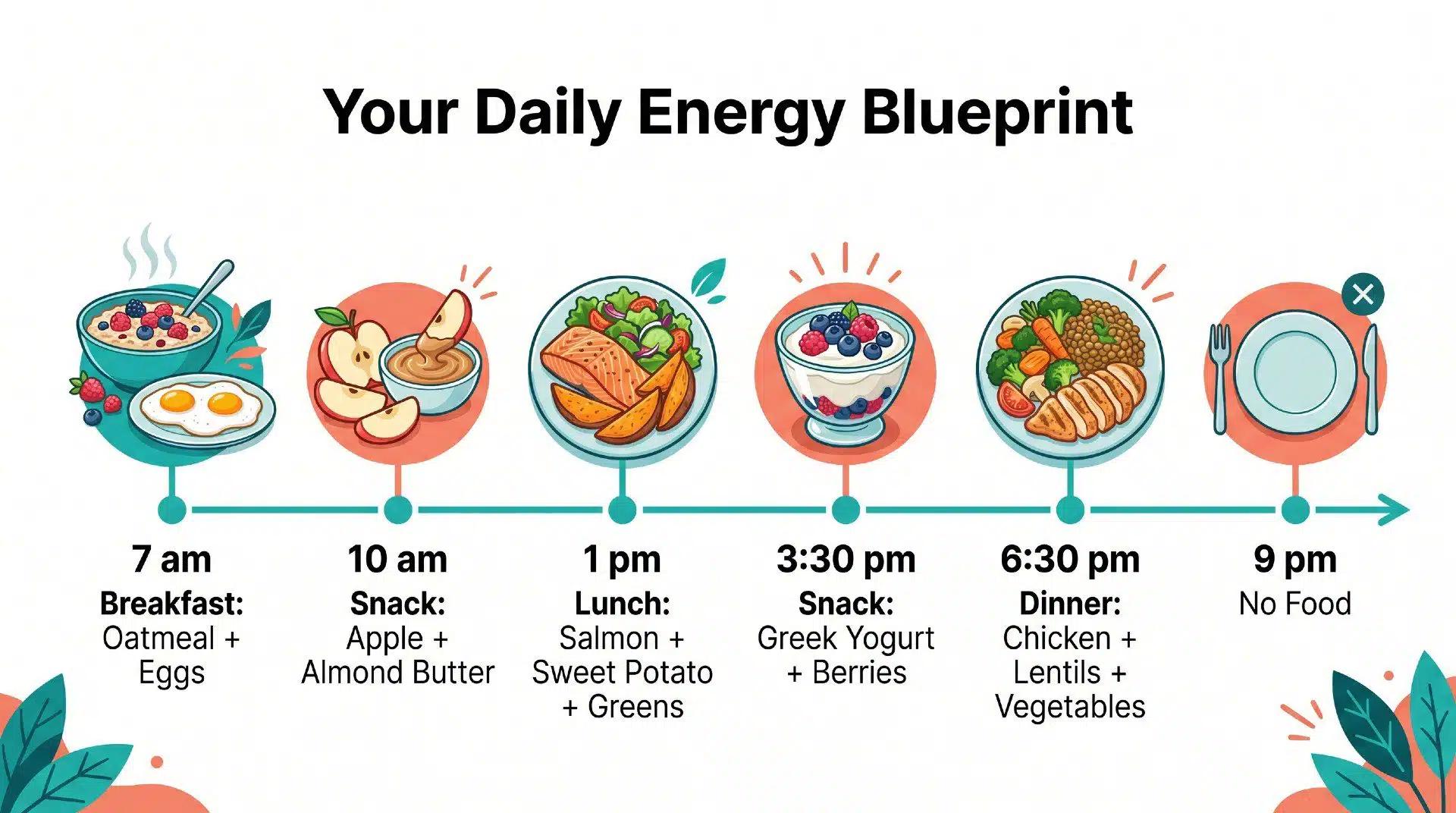
Meal timing directly affects energy because your brain has almost no energy reserves of its own. Eating small amounts every 3–4 hours maintains consistent blood glucose, preventing the sharp drops that cause brain fog, fatigue, and cravings. Large, infrequent meals spike then crash glucose — especially at lunch.
Eat More Frequently to Feed Your Brain
Why the Three-Meal-a-Day Model Fails Women
The traditional three-meals-a-day structure was built around agricultural work schedules — not brain chemistry. For sustained cognitive and physical energy, your brain needs consistent glucose delivery. When you go more than 4–5 hours without eating, blood sugar drops, cortisol rises, and fatigue sets in.
Evidence-based meal timing for all-day energy:
- Eat within 1 hour of waking to break the overnight fast
- Space meals or snacks every 3–4 hours
- Keep portions moderate — a large lunch triggers its own post-meal energy dip
- Include protein + fat + fiber at every meal to slow absorption
- Plan a small afternoon snack (3–4 p.m.) to bridge lunch and dinner
Smart Snack Combinations for Sustained Energy
| Snack | Why It Works |
|---|---|
| Apple + almond butter | Natural sugar + healthy fat = gradual fuel |
| Greek yogurt + berries | Protein + antioxidants + low-GI carbs |
| Hard-boiled egg + cucumber | Protein + hydration + no sugar spike |
| Handful of walnuts + a few dates | Omega-3s + fast-acting natural sugar |
| Hummus + carrot sticks | Protein + fiber + complex carb |
Avoid Skipping Meals — Especially Breakfast
How Crash Dieting Depletes Your Energy
Severe calorie restriction is one of the fastest paths to chronic fatigue. When you eat far below your metabolic needs, your body prioritizes survival over performance — reducing thyroid output, lowering motivation, and triggering cortisol-driven exhaustion.
For sustainable weight loss and maintained energy, research supports a modest deficit of 250–500 calories daily combined with 30 minutes of movement. This approach produces half a pound to one pound of weight loss per week without depleting your energy reserves.
Critical minimums (do not go below without medical supervision):
- Women: 1,200 calories per day
- Men: 1,500 calories per day
If you're struggling with finding the right calorie target, our article on how many calories you should be eating provides a practical framework.
For a complete approach to losing weight without triggering fatigue through restriction, read our ultimate guide to lose weight without dieting.
What Foods And Habits Are Draining Your Energy?
The biggest energy drains in most women's diets are refined sugars, processed foods, alcohol, crash dieting, and poorly timed caffeine. Each one disrupts blood glucose stability, sleep quality, or nutrient delivery — creating a cycle of fatigue that builds over time.
Refined Sugar And Simple Carbohydrates
The Blood Sugar Spike-And-Crash Cycle
Refined sugars and simple carbohydrates — white bread, pastries, candy, soda, fruit juice — digest rapidly and flood the bloodstream with glucose. Your pancreas responds with a surge of insulin to clear it, often overcorrecting and dropping blood sugar below baseline.
The result: 60–90 minutes after eating that muffin, you feel more tired than before you ate it.
Common simple carb culprits disguised as healthy:
- Flavored yogurt (often 20–30g added sugar)
- Granola bars and energy bars
- Fruit smoothies without protein or fat
- "Whole grain" crackers with refined flour
- Low-fat salad dressings (fat replaced with sugar)
To get your sugar intake under control, see our practical guide on 4 tips for reducing daily sugar intake, and if cravings are the issue, 5 simple ways to manage your sugar cravings.
The "Energy Bar" Myth
Most Commercial Energy Bars Are Candy Bars In Disguise
Research from Ohio State University found that many commercial energy bars have glycemic indices comparable to standard candy bars. Despite marketing claims about "ideal macro ratios," there is no scientific consensus supporting proprietary carb-protein-fat ratios for energy.
These bars frequently contain high-fructose corn syrup, maltodextrin, and artificial sweeteners — all of which trigger blood sugar instability. The initial glucose hit creates a brief alert state, followed by a crash that leaves you reaching for another bar.
What to look for if you do use bars:
- Fewer than 8g added sugar
- At least 5g fiber
- At least 10g protein from whole food sources
- Ingredients list you can actually read

Alcohol: The Hidden Afternoon Energy Thief
Why That Lunchtime Wine Is Costing You Your Afternoon
Alcohol is a central nervous system depressant. Even one drink during lunch directly suppresses alertness, reduces reaction time, and triggers early afternoon sedation. It also disrupts REM sleep later that night, compounding the next day's fatigue.
Moderation guidelines for energy preservation:
- Maximum one drink daily for women
- Consume only at dinner, when energy decline is acceptable
- Allow at least 3 hours between your last drink and bedtime
- Avoid alcohol entirely during high-output workdays
Chronic Stress Eating And Emotional Triggers
Stress elevates cortisol, which triggers cravings for high-sugar, high-fat foods. These foods provide momentary comfort but accelerate the blood glucose cycle that depletes energy. Understanding the stress-food-fatigue connection is explored in our article on why you can't stop being tired all the time.
Energy-Boosting vs. Energy-Draining Foods
| Energy-Boosting | Why It Works | Energy-Draining Equivalent | Why It Crashes You |
|---|---|---|---|
| Steel-cut oats | Low GI, slow glucose | Sugary breakfast cereal | High GI, rapid insulin spike |
| Almonds + apple | Fat + fiber slows absorption | Commercial granola bar | High sugar, low fiber |
| Water + electrolytes | Maintains blood volume | Soda or energy drinks | Sugar crash + dehydration |
| Wild salmon | Omega-3, B12, protein | Fried fast food fish | Inflammatory fats, no nutrition |
| Green tea | L-theanine + gentle caffeine | 3 pm coffee | Cortisol spike, sleep disruption |
| Sweet potato | Complex carb + potassium | White bread | Rapid glucose spike + crash |
| Lentil soup | Protein + fiber + iron | Fast food burger | Digestive load + blood sugar spike |
| Dark chocolate (70%+) | Magnesium + mild stimulant | Milk chocolate bar | Sugar crash, minimal nutrients |
How Does Caffeine Affect Your Energy Levels?
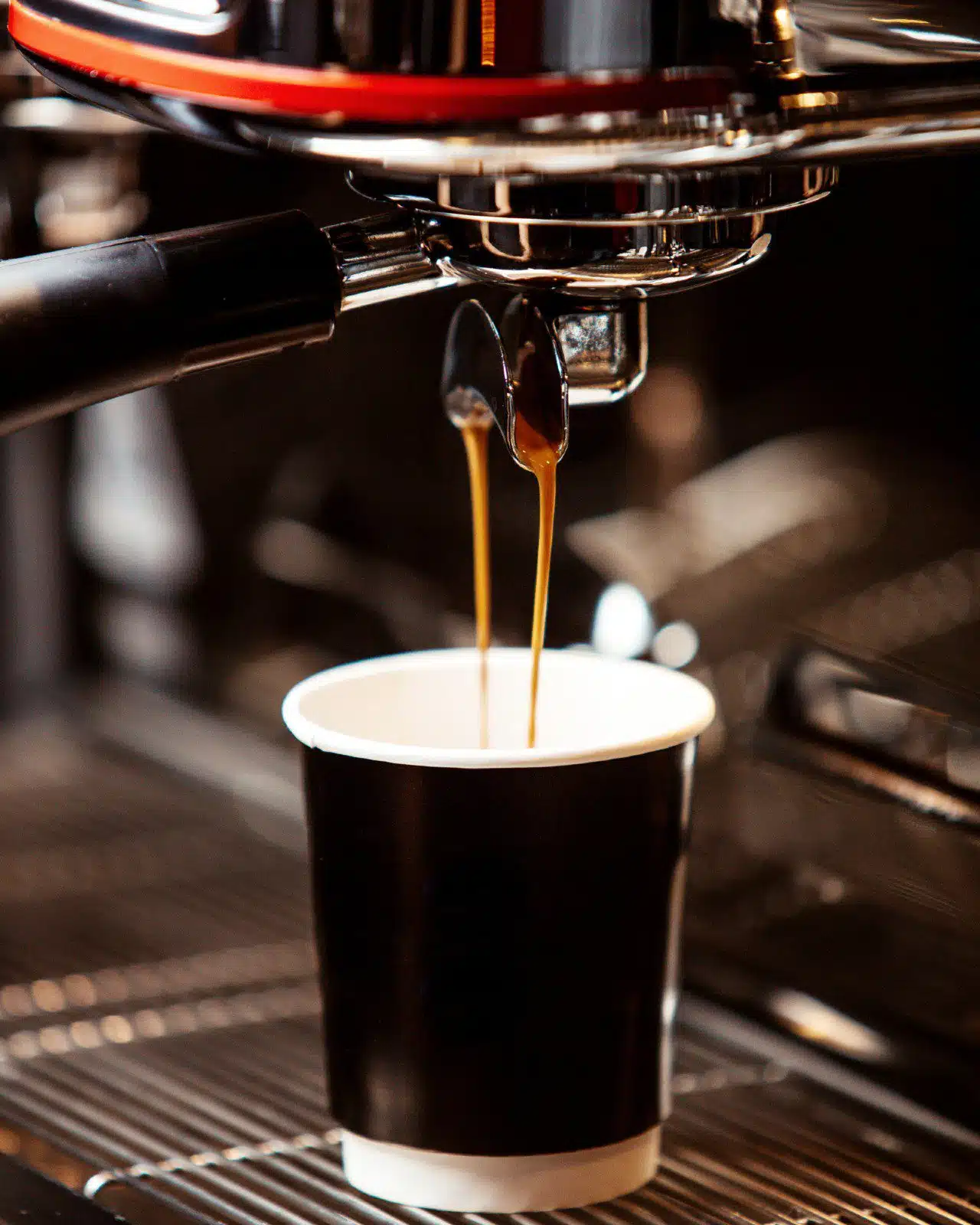
Caffeine boosts energy by blocking adenosine receptors in the brain — the receptors that signal tiredness. Used at the right time and dose, it improves focus and alertness. Used too late or too frequently, it builds tolerance, disrupts sleep, and creates dependency-driven fatigue cycles.
Use Caffeine Strategically, Not As A Crutch
The Optimal Caffeine Window
Caffeine has a half-life of approximately 5–7 hours in most adults. Drinking coffee at 3 p.m. means half that caffeine is still in your system at 9–10 p.m. — reducing sleep quality, increasing waking time, and making you more tired the following day.
Evidence-based caffeine guidelines:
- Avoid caffeine in the first 90 minutes after waking (cortisol is naturally peaking — caffeine adds no additional boost and builds tolerance faster)
- Optimal caffeine window: 9:30 a.m. – 11:30 a.m. and a second dose no later than 1 p.m.
- Hard cutoff: 2 p.m. (noon if you're caffeine-sensitive)
- Maximum 400mg daily for most adults (roughly 4 cups of coffee)
- Cycle off caffeine for 1–2 weeks every 3 months to reset adenosine receptor sensitivity
Caffeine sources ranked by L-theanine content (gentler energy):
- Matcha green tea — highest L-theanine, smooth, calm alertness
- Black tea — moderate L-theanine, lower caffeine than coffee
- Green tea — low caffeine + L-theanine combination
- Coffee — highest caffeine, no L-theanine, most abrupt effect
For more on how your habits are affecting your energy levels, read why you might be tired all the time.
Does Hydration Really Affect Your Energy?
Yes — significantly. Even losing 1–2% of body weight in fluids causes measurable declines in physical performance, concentration, and mood. Dehydration reduces blood volume, forcing your heart to work harder to deliver oxygen and glucose to your brain and muscles.
How Much Water Do You Actually Need?
The "8 glasses a day" rule is a useful starting point, but doesn't account for body size, activity level, or climate. A more accurate approach:
Daily hydration targets:
- Baseline: Half your body weight in ounces (e.g., 150 lbs = 75 oz / ~9 cups)
- Add 16 oz for every 30 minutes of exercise
- Add 8–16 oz in hot weather or dry environments
- Increase intake if consuming alcohol or caffeine (both are diuretic)
Signs of dehydration that look like fatigue:
- Headache in the late morning or early afternoon
- Difficulty concentrating or "mental fog"
- Low-grade irritability
- Dark yellow urine (pale yellow = well hydrated)
- Craving sweets (often thirst masked as hunger)
Hydration tips for all-day energy:
- Drink 16 oz of water first thing in the morning before coffee
- Keep a visible water bottle at your desk
- Eat water-rich foods (cucumber, watermelon, spinach, oranges)
- Add electrolytes (sodium, potassium, magnesium) if exercising more than 30 minutes
For a deeper look at how sleep and hydration interact with weight and energy, see our article on how sleep affects weight loss in women.
What Vitamins And Nutrients Support Energy?
The key nutrients for energy production are B vitamins (especially B12 and B6), iron, magnesium, CoQ10, and Vitamin D. Deficiencies in any of these — common in women — directly cause fatigue, brain fog, and reduced exercise tolerance.
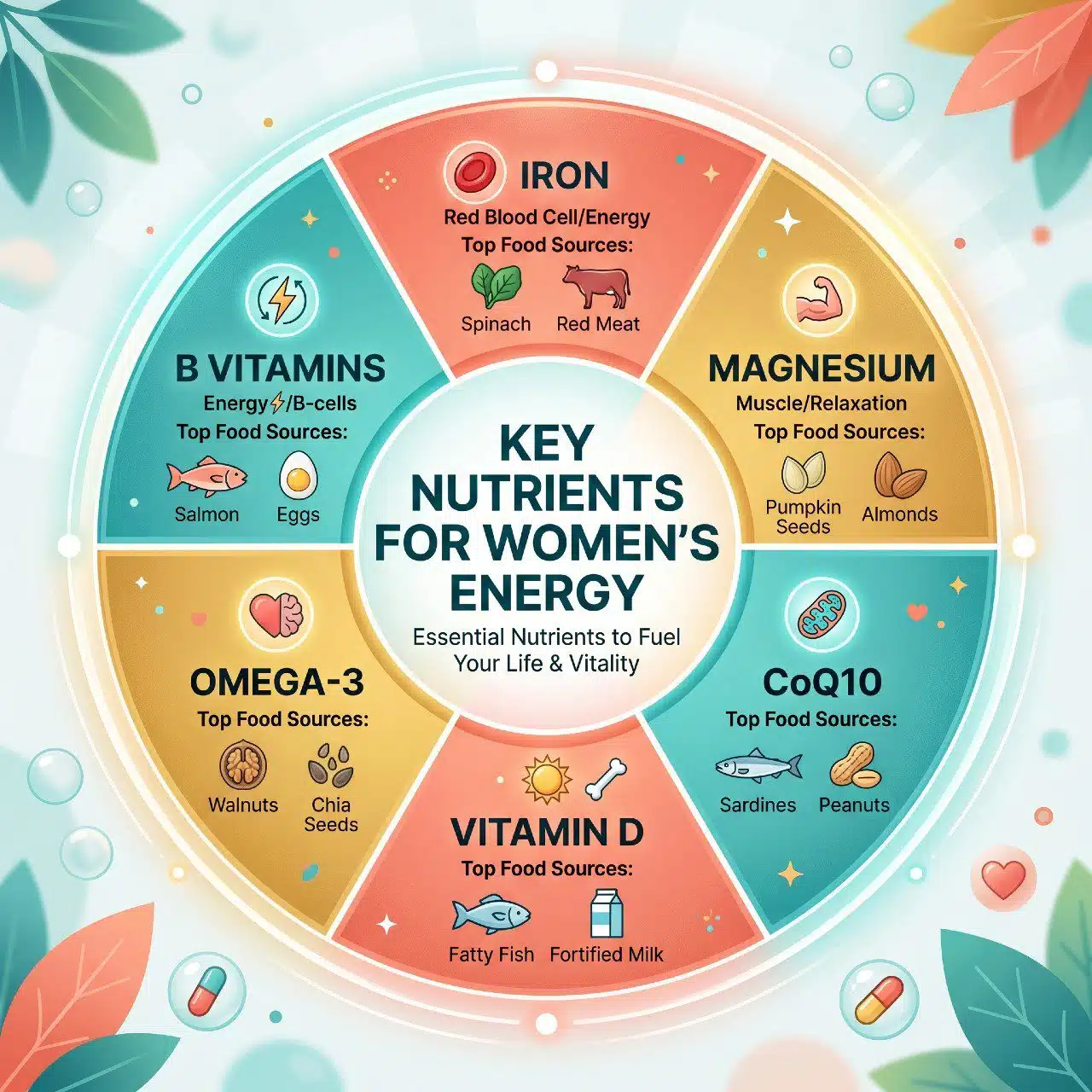
The Top Energy-Supporting Nutrients
B Vitamins
B vitamins are essential cofactors in converting food into ATP. Deficiency — particularly B12, which is poorly absorbed by many women — is one of the most common and underdiagnosed causes of fatigue.
Food sources:
- B12: Eggs, salmon, beef, dairy, nutritional yeast
- B6: Poultry, tuna, bananas, potatoes
- B1 (Thiamine): Whole grains, legumes, pork
- Folate (B9): Leafy greens, legumes, asparagus
Iron
Iron deficiency anaemia is the most common nutritional deficiency worldwide, and women are disproportionately affected. Iron is essential for hemoglobin production — the protein that carries oxygen in red blood cells. Low iron = low oxygen delivery = fatigue.
Best food sources of iron for women:
- Lean red meat (heme iron — most bioavailable)
- Spinach and dark leafy greens (non-heme iron — pair with Vitamin C to improve absorption)
- Lentils and beans
- Pumpkin seeds
- Fortified cereals (check for added sugar)
Magnesium
Magnesium is involved in over 300 enzymatic reactions in the body, including ATP synthesis. Deficiency — very common in women — impairs energy production at the cellular level.
Best food sources of magnesium:
- Dark chocolate (70%+)
- Almonds, cashews, peanuts
- Avocado
- Whole grains
- Leafy greens
CoQ10 And Adaptogenic Herbs
Coenzyme Q10 (CoQ10) is found in every cell and is central to the mitochondrial energy production chain. Natural food sources include fatty fish, organ meats, and whole grains.
Adaptogenic herbs — including ashwagandha and Rhodiola Rosea — are increasingly studied for their capacity to reduce perceived fatigue and cortisol-driven exhaustion. These work best as supplements; consult your physician before adding them to your routine.
For guidance on choosing supplements wisely, read our articles on 4 benefits of taking supplements and 4 ways to find the best dietary supplement.
External reference: NIH Office of Dietary Supplements — Iron Fact Sheet | Harvard T.H. Chan School of Public Health — The Nutrition Source

How To Build An All-Day Energy Plan With Food
To build an all-day energy plan with food, pair complex carbohydrates with lean protein and healthy fat at each meal, eat every 3–4 hours, hydrate consistently, and time caffeine before noon. This prevents blood glucose swings and keeps cognitive and physical performance stable from morning through evening.
Morning Energy Blueprint (6–9 a.m.)
Your goal in the morning: break the overnight fast, deliver protein and complex carbs to a fasting brain, and hydrate.
Sample morning energy meals:
- Overnight oats with chia seeds, walnuts, and berries + 2 boiled eggs
- Whole grain toast + avocado + poached egg + handful of spinach
- Greek yogurt bowl with quinoa puffs, flaxseed, and sliced banana
Morning energy rules:
- Drink 16 oz of water before your first coffee
- Eat within 60 minutes of waking
- Include protein in every breakfast — it stabilizes glucose all morning
- Delay caffeine until 9:30–10 a.m. for maximum effect
Midday Energy Blueprint (12–1:30 p.m.)
Your goal at lunch: prevent the post-lunch energy dip by keeping the meal moderate in size and rich in protein and fiber.
Sample midday energy meals:
- Grilled salmon + sweet potato + large green salad with olive oil dressing
- Lentil soup + whole grain bread + side of roasted vegetables
- Chicken and quinoa bowl + avocado + cucumber + tahini dressing
Midday energy rules:
- Keep lunch moderate in portion — overeating at lunch is the #1 cause of the 2 p.m. crash
- Eat 20% less than you think you need; hunger will return at the 3:30 p.m. snack time
- Walk for 5–10 minutes after lunch — even brief movement prevents post-meal glucose dips
For structured meal prep to support this approach, see our weight loss meal prep ideas for women.
Afternoon Energy Blueprint (3–4 p.m.)
Your goal in the afternoon: bridge the gap between lunch and dinner with a strategic, small snack that prevents blood sugar dips without causing a new spike.
Ideal afternoon energy snacks:
- 1 apple + 2 tbsp almond butter
- Small handful of walnuts + 3–4 Medjool dates
- Greek yogurt + blueberries + drizzle of honey
- Celery + hummus + hard-boiled egg
- Handful of pumpkin seeds + a piece of 70%+ dark chocolate
Afternoon energy rules:
- This is your last caffeine cutoff — no coffee after 2 p.m.
- Avoid simple carbs alone (crackers, candy, chips) — they'll cause another crash by 5 p.m.
- Drink a full glass of water with your snack — afternoon fatigue is often dehydration
Want The Habits Behind Lasting Weight Loss? Get the free guide: 10 research-backed habits that help women lose body fat and keep it off, with no extreme diets. Send Me The Free Guide.
The Bottom Line
Sustained, all-day energy is built in the kitchen — not the supplement aisle.
The women who feel consistently energized aren't relying on caffeine cycling, energy bars, or crash diets. They're eating complex carbohydrates with protein and fat at regular intervals, staying consistently hydrated, sleeping well, and moving their bodies daily.
Start with the fundamentals: stabilize your blood glucose, address any nutrient deficiencies (iron, B12, magnesium), time your caffeine strategically, and treat food as fuel rather than entertainment or comfort.
The results — sharper focus, better mood, stronger workouts, and no more 2 p.m. wall — compound quickly. Most women notice a meaningful shift in energy within 5–7 days of implementing these changes consistently.
Energy isn't something that happens to you. It's something you build — one meal at a time.
Glossary Of Key Terms
- Adenosine Triphosphate (ATP): The primary molecule used by cells for fuel; it is the end product of the body converting food into usable energy.
- Adenosine Receptors: Receptors in the brain that signal tiredness; caffeine works by temporarily blocking these receptors to increase alertness.
- Complex Carbohydrates: Slower-digesting starches and fibers (like quinoa or legumes) that release glucose gradually into the bloodstream for sustained energy.
- Cortisol: A hormone released in response to stress or low blood sugar that can trigger exhaustion and cravings for high-sugar foods when chronically elevated.
- Glycemic Index (GI): A ranking system that measures how quickly a food triggers a rise in blood glucose; low GI foods (below 55) provide the most stable energy.
- Heme Iron: The most bioavailable form of iron found in animal products, essential for creating hemoglobin to transport oxygen throughout the body.
- L-Theanine: An amino acid found in teas (especially matcha) that promotes a "smooth" alertness and helps mitigate the jittery effects of caffeine.
- MCTs (Medium-Chain Triglycerides): Specific fats found in substances like coconut oil that the body can convert into energy more rapidly than other fat types.
- Microbiome: The community of bacteria in the gut responsible for nutrient absorption and the production of the majority of the body's serotonin.
- Serotonin: A neurotransmitter produced largely in the gut that is critical for regulating mood, motivation, and perceived energy levels.
FAQ
What Is The Fastest Way To Boost Energy With Food?
The fastest food-based energy boost combines a small amount of natural sugar with protein and fat — for example, an apple with almond butter. The fruit provides immediate glucose; the fat and protein slow the absorption and prevent a crash. Effects begin within 15–30 minutes and last 2–3 hours. Avoid reaching for candy or energy drinks. Their high glycemic load produces a steep spike and a harder crash, leaving you more depleted than before.
What Are The Best Energy-Boosting Foods For Women Specifically?
The best energy-boosting foods for women address the nutrient gaps most common in women: iron (found in spinach, lentils, lean red meat), magnesium (almonds, avocado, dark chocolate), and B12 (eggs, salmon, Greek yogurt). These three nutrients are the most common deficiency-driven causes of fatigue in women. Hormonal fluctuations also affect energy — particularly during the menstrual cycle. To understand how hormones intersect with energy and weight, see our guide on hormones and weight loss for women.
Which Foods Should Women Avoid To Prevent Energy Crashes?
Avoid refined carbohydrates, sugary drinks, large lunches, alcohol during active hours, and commercial energy bars. These all trigger the blood glucose spike-and-crash cycle that creates afternoon fatigue. Also, avoid eating too little — chronic under-eating is as damaging to energy as poor food quality.
How Does Gut Health Affect Energy Levels?
Your gut produces approximately 90% of your body's serotonin — a neurotransmitter that directly influences energy, mood, and motivation. A disrupted gut microbiome (caused by processed foods, antibiotics, or chronic stress) impairs serotonin production and nutrient absorption, contributing to fatigue. Gut-supporting foods for energy: Our article on the top health benefits of garlic covers its prebiotic properties in detail.
- Fermented foods (Greek yogurt, kefir, sauerkraut, kimchi)
- Prebiotic fiber (garlic, onions, leeks, asparagus, bananas)
- Polyphenol-rich foods (blueberries, green tea, dark chocolate, olive oil)
Can Supplements Replace Energy-Boosting Foods?
No supplement reliably replaces the energy benefits of whole foods. Supplements can address specific deficiencies (B12, iron, Vitamin D) when diet alone is insufficient, but they don't provide the fiber, phytonutrients, or satiety that whole foods deliver. Food first — supplement to fill verified gaps. External reference: National Institutes of Health — Office of Dietary Supplements
Does Hydration Affect Energy Levels?
Yes — significantly. Losing just 1–2% of body weight in fluids reduces physical performance, concentration, and mood. Dehydration lowers blood volume, forcing the heart to work harder to deliver oxygen and nutrients to the brain. Drink half your body weight in ounces of water daily, plus 16 oz per 30 minutes of exercise.
How Does Meal Timing Affect Energy?
Eating every 3–4 hours maintains stable blood glucose and prevents the sharp drops that cause fatigue and brain fog. Large, infrequent meals — especially a heavy lunch — cause pronounced glucose spikes and crashes. Small, balanced meals containing protein, fat, and fiber at regular intervals provide the most consistent energy across the day.
This is an amazing blog post. Loved it and agree with the overall pointers mentioned
Thank you Albas. It’s very kind of you!
As a athletes, I wanted to boost my energy but was unable to decide how to start. After reading your article, I have started eating small meals and snacks every few hours than three large meals a day. I also started drink Plenty Of Water before start my workout and after finished workout and got the best results as soon as possible. Thanks for sharing this excellent tips which is really beneficial for me; to boost my energy level!