The Next Thing To Immediately Do About Diet
By Kyle Cooper
Ever since the 1970s when folks like Jim Fix with his jogging book and of course fitness icon Richard Simmons began to get the world onto the fitness bandwagon, a lot of information has come through our TV’s about diet, how to lose weight and get healthy.
Unfortunately, much of it is inaccurate, misunderstood, or even dangerous over time. The weight loss industry generates something over $70 billion in the U.S. alone...
It’s a big business and these companies and personalities know how to tap into our psyches and tickle those nerves that make us want to try their pills, foods, workouts and vibrating belts that melt the fat while you veg out in front of the tube.
Food & Weight Loss Craze
Food has always been one of these areas that’s capitalized on the last 40+ years of America’s and other nations’ weight loss craze.
First, it was reduced fat and fat-free! Sounds great, right? Yeah, except that when they take the fat out of your favourite cookies, they simply replace it with more sugar... Hmm, doesn’t sound so great, does it?
In the early 2000s, if you recall, carbs became fitness public enemy #1. All of a sudden, people who, a year before, barely even knew what carbohydrates were began to go on no carb diets.
Then it was (and is) gluten. Again, before 2010 or so, most folks never even heard of this thing... and now, it seems like every food has a gluten-free substitute and half of all living humans are allergic to it.

Good Old Sodium Chlorine
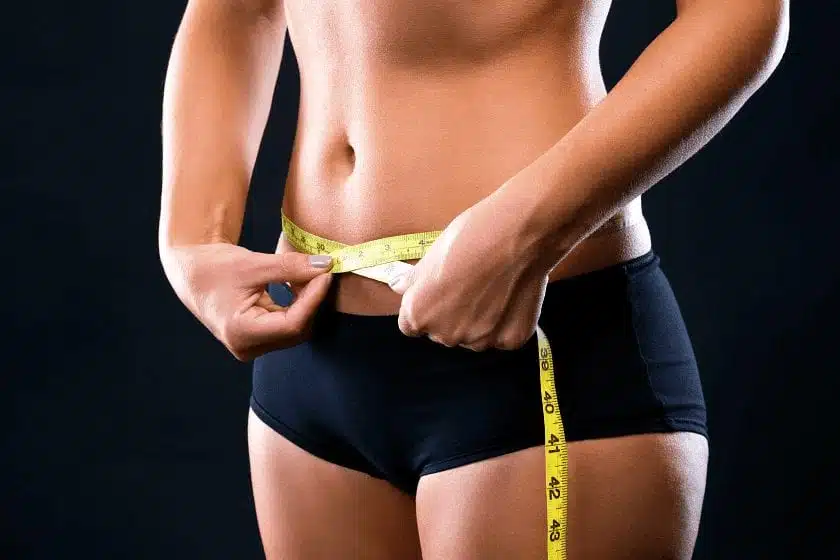
Weird, right? But you know what one of the most attacked food items has always been, even before the 70s – salt! Yes, good old sodium chloride is the arbiter of all that’s evil in the world.
Salt raises your cholesterol... oh, no that’s actually not true... salt is a key ingredient in weight gain... oh, that’s false too... The truth is, in fact, that salt is absolutely vital to your body’s health. It’s needed in the biochemistry of your cells.
Yet even more obvious is that when you cut salt out of your diet, you actually inhibit your body’s ability to digest food! And of course, that means putting on more weight and also limiting the number of nutrients you can absorb.
Salt helps your body balance and optimize the pH level in your stomach. In other words, it helps to make sure that your stomach acid is strong enough to break down the food you eat so that the nutrients in it can more effectively be absorbed as it passes through your digestive tract.
Salt Importance For Weight Loss
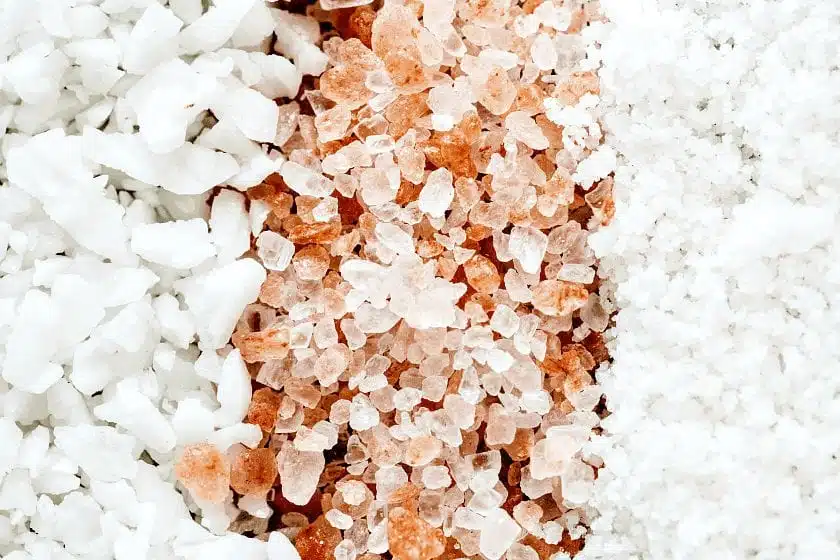
Salt is actually one incredibly important element in any good weight loss program. Like many people, I thought differently until running into a Korean medical student in Afghanistan who opened my eyes to a whole new – yet ironically ancient way of looking at health, fitness, and weight loss. He showed me the science behind what eastern cultures have known for millennia.
If you’re looking to lose weight, or you’ve ever been frustrated by your lack of progress... some of the latest science may shock you why. There are myths about weight loss that we’ve been fed for far too long, and yet the scientifically proven and tested truth has simply been lying in the grass, waiting to be uncovered.
Want The Habits Behind Lasting Weight Loss? Get the free guide: 10 research-backed habits that help women lose body fat and keep it off, with no extreme diets. Send Me The Free Guide.
The Bottom Line
FAQ
Should I Cut Salt Completely Out Of My Diet To Lose Weight?
No. Extremely low sodium can leave you flat, fatigued, and more likely to rebound into salty processed foods. Most women do better moderating packaged sodium while keeping enough salt for normal cooking and hydration—especially if they train and sweat.
Why Do So Many Diet Plans Tell Me To Avoid Salt?
Salt is an easy villain because cutting it can drop water weight quickly on the scale. That early change is mostly fluid, not fat, and it doesn't mean zero-sodium eating is a sustainable fat-loss strategy.
Does Salt Cause Permanent Weight Gain?
Salt can increase water retention for a day or two, which shows up on the scale, but it isn't the same as gaining body fat. Fat gain still comes from a sustained calorie surplus—not from seasoning your food.
How Much Salt Is Reasonable If I'm Trying To Lose Fat?
Focus less on a rigid milligram target and more on pattern: cook most meals at home, limit ultra-processed snacks, and salt food to taste. If you have high blood pressure or a medical sodium limit, follow your clinician's guidance first.
Will Eating Salt Make Me Look Bloated?
A high-sodium restaurant meal or a hard training day can temporarily increase puffiness. That usually settles with normal hydration, potassium-rich foods, and your usual routine—it isn't proof you need a salt-free diet forever.
Are "Low Sodium" Packaged Foods Always The Healthier Choice?
Not always. Some low-sodium products add sugar, refined starches, or odd additives to keep flavor. Whole foods you season yourself are usually simpler—and easier to stick with—than chasing every low-sodium label.
What Should I Focus On Instead Of Fear Of Salt?
Prioritize protein, produce, strength training, sleep, and a calorie intake you can maintain. Those levers move fat loss far more reliably than trying to erase salt from an otherwise inconsistent diet.
Salt is an important element in any weight loss program. It helps to regulate fluid levels in the body, which can help reduce bloating and water retention. Salt also helps the body to absorb other nutrients more effectively. If you're looking to shed some pounds, you might be surprised to learn that salt can actually be a helpful weight loss tool. Here's how it works.