
Natural Fat Burners Ranked By Evidence: The Foods, Drinks And Habits That Help (And The Ones That Don’t)
JACK LALANNE
Fitness & nutrition pioneer
Exercise is king. Nutrition is queen. Put them together, and you’ve got a kingdom.
Summary (TL;DR)
You’ve seen the posts. A spoonful of this, a pinch of that, a tea that promises to fix belly fat while you sleep. And if you’re over 40, there’s a quieter worry underneath: maybe your body has changed so much that only something like this can help now.
Here’s the honest version. Some natural fat burners do something measurable. None of them does what the labels and reels suggest. The useful question isn’t “does it work?” but “how much, for whom, and at what cost?”
So let’s rank them. We’ll go food by food and drink by drink, put real numbers next to each one, and flag the safety catches that matter for women in perimenopause and beyond. Then we’ll look at the natural fat burner most articles skip because it doesn’t come in a jar, and it matters at every stage of your weight loss journey.
Medical & Referral Disclaimer
This article is for informational and educational purposes only. It is not a substitute for professional medical advice, diagnosis, or treatment. Always consult your physician or qualified health provider before starting any new diet, supplement or exercise program, especially if you take medication, are pregnant, or have a heart, liver, kidney or blood pressure condition.
Key Takeaways
- The strongest natural fat burners are boring: protein-rich foods, soluble fiber and water before meals.
- Green tea, oolong tea, coffee and cayenne pepper have real but modest effects, and regular use blunts some of them.
- Grapefruit and apple cider vinegar have small, short trials behind them, plus medication and tooth enamel cautions.
- Supplement versions (green tea extract, CLA, L-carnitine) add risk faster than they add results.
- A steady caloric deficit, enough protein, and two or more strength sessions a week do the heavy lifting. Everything else is a side dish.

What Are Natural Fat Burners?
Natural fat burners are foods, drinks and plant compounds that slightly raise the calories you burn, increase fat oxidation, or help you feel full sooner. They support a caloric deficit, but they don’t replace one.
That last part matters. Your body loses fat when it uses more energy than it takes in over time. A natural fat burner can tilt that balance a little, either by nudging your metabolic rate up for a few hours or by taking the edge off your appetite at the next meal.
The word “burner” suggests heat and speed. In reality, most items on this list work quietly, at the dinner table, by making a smaller portion feel like enough.
Do Natural Fat Burners Actually Work?
Yes, a little: across controlled trials, the effect usually lands between a few hundred grams and a few kilograms over several months. Diet and exercise combinations consistently outperform thermogenic supplements used alone.
The clearest test of this comes from a 2021 systematic review and meta-analysis comparing fat burners with diet and exercise. Across 21 studies lasting longer than eight weeks, the supplement effect trended positive, but its confidence interval crossed zero.
Compared with results from exercise, or diet plus exercise, the supplements were less effective. A much larger review of 315 randomized trials found only a small slice of them were both well run and showed a real difference. Where they did, the gap ranged from 0.3 to 4.93 kg.
Here’s how the most-searched natural fat burners compare when you line up the evidence.
| Natural Fat Burner | Main Way It Helps | Realistic Effect In Trials | Watch-Outs |
|---|---|---|---|
| Protein-rich foods | Higher digestion cost, more fullness | Best-supported everyday habit, plus muscle protection | Spread it across meals |
| Soluble fiber (psyllium, oats, beans) | Slows digestion, curbs appetite | About 3.7 kg with psyllium in pooled trials | Increase slowly, drink water |
| Water before meals | Fills the stomach before eating | About 2 kg extra over 12 weeks in adults 55 to 75 | Works alongside a calorie-controlled diet |
| Green tea and catechins | Small rise in energy use and fat oxidation | About 1.3 kg; close to zero in trials outside Japan | Weaker if you already drink lots of coffee |
| Coffee and caffeine | Short-term rise in metabolic rate | Dose-linked, very mixed results | Sleep, heart rate, hot flashes |
| Cayenne and chili (capsaicin) | Reduces how much you eat at the next meal | About 74 kcal less at a meal | Heartburn and gut upset |
| Grapefruit | Mechanism unclear | 1.6 kg vs 0.3 kg placebo in one 12-week trial | Interacts with many medications |
| Apple cider vinegar | Unclear | Small, short trials; one recent trial retracted | Always dilute it |
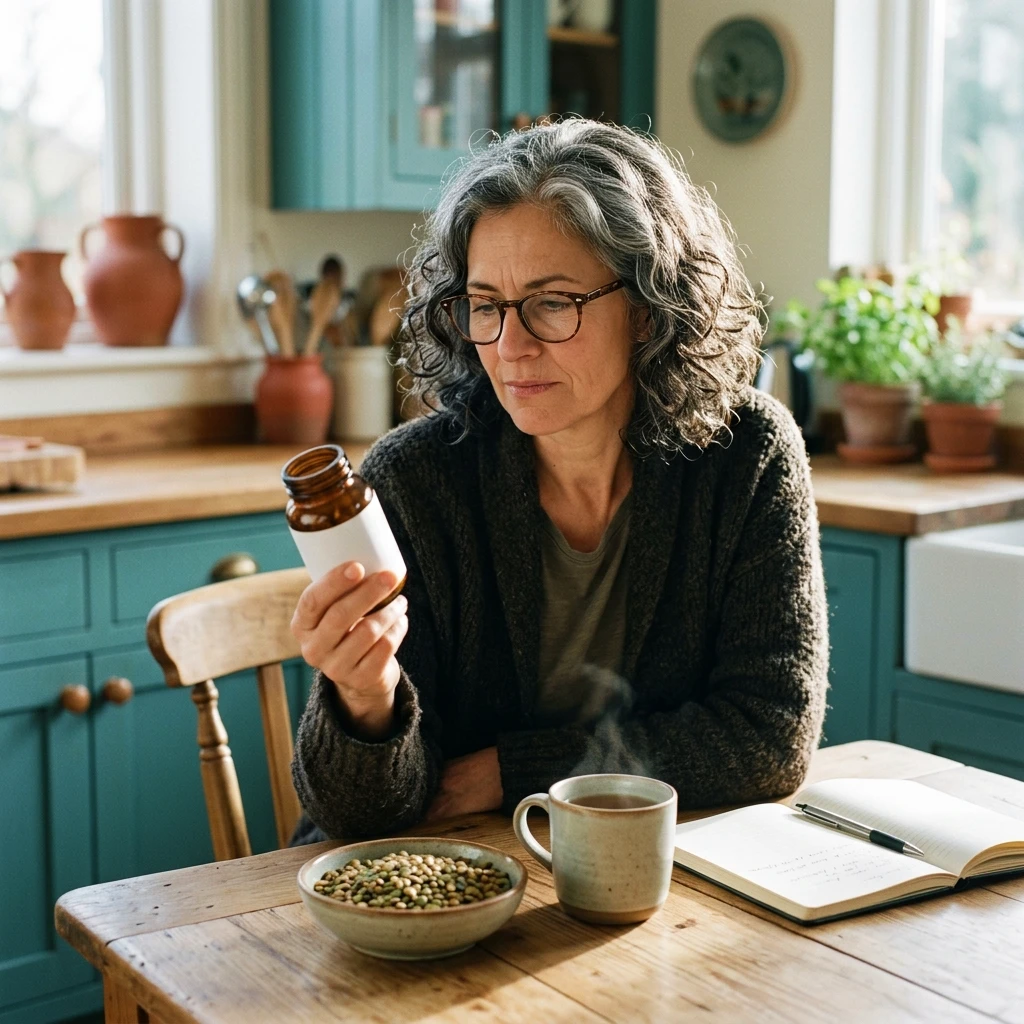
Natural Fat Burner Foods And Drinks, Ranked By Evidence
The best-supported natural fat burner foods are the least exciting ones. Protein, soluble fiber and water lead; tea, coffee and chili follow, and grapefruit and vinegar sit at the bottom with thin evidence.
Remember, these aren’t meant to be stacked into a “fat burning” smoothie. They work best slotted into ordinary meals, so they keep working on busy, tired days.
Protein-Rich Foods: The Strongest Case
Protein is the best-supported everyday natural fat burner on your plate. Your body spends more energy digesting it than carbs or fat, and it keeps you full longer, which makes a caloric deficit easier to hold.
A review of diet-induced thermogenesis ranks protein above carbohydrate and fat for the energy your body uses processing food, and links that extra cost to satiety. On a mixed diet, digestion accounts for roughly 5 to 15% of the calories you burn each day.
For women over 40, protein also protects lean muscle mass. The PROT-AGE expert group recommends at least 1.0 to 1.2 g per kg of body weight daily for older adults, and 1.2 g or more for those who are active. Harvard’s guide to protein-rich foods is a good place to start building meals.
- Breakfast anchor: Greek yogurt, eggs or cottage cheese instead of toast alone.
- Lunch anchor: A palm-sized portion of chicken, fish, tofu or lentils.
- Dinner anchor: Build the plate around the protein first, then add vegetables and grains.
- Snack swap: A boiled egg, edamame or a protein-rich yogurt in place of crackers.
Soluble Fiber Benefits: The Quiet Appetite Brake
Soluble fiber turns into a gel in your gut, slowing digestion so you feel full sooner and for longer. In pooled trials, psyllium fiber produced one of the biggest weight differences of any natural ingredient tested.
In the POUNDS Lost trial, fiber intake predicted both weight loss and how well 345 adults stuck to their calorie-restricted diets over six months. A 2023 network meta-analysis of 111 trials found psyllium produced an average loss of 3.70 kg, the strongest result among the 18 nutraceuticals studied.
Food sources work too: oats, barley, beans, lentils, chia seeds, apples and pears. Go slowly if you’re not used to much fiber, and drink extra water, or your gut will let you know.
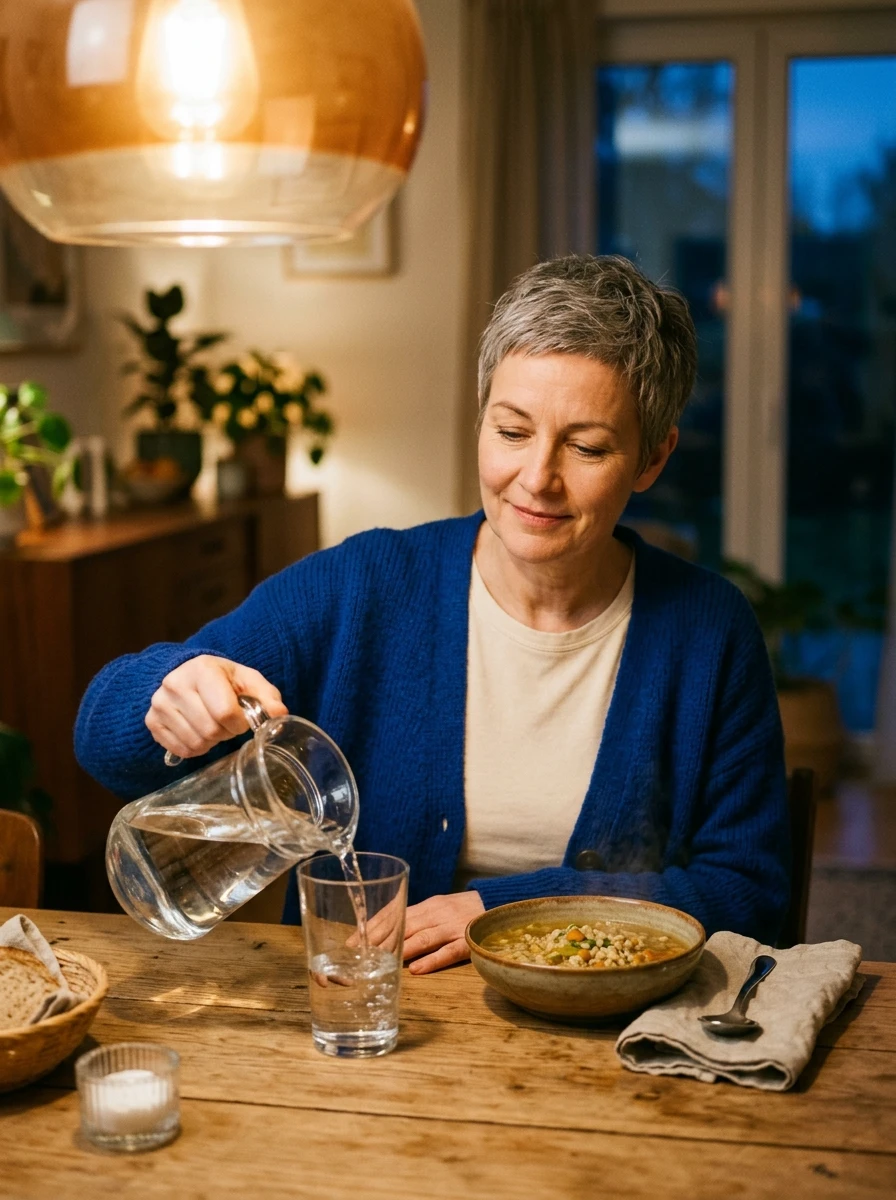
Hydration And Weight Loss: Water Before Meals
Water won’t burn fat on its own, but drinking about 500 ml before each main meal helped adults aged 55 to 75 lose around 2 kg more over 12 weeks than diet alone.
That figure comes from a 12-week trial in middle-aged and older adults on a calorie-controlled diet. At the start of the study, a 500 ml water preload cut how much people ate at a test meal. The likely reason is simple: a fuller stomach before eating.
Hydrate! It’s the cheapest item on this list, and it has no side effects for most people. If you have a heart or kidney condition that limits fluids, follow your doctor’s advice instead.
Coffee And The Caffeine Boost
Caffeine raises your metabolic rate for a few hours, but its effect on body weight is inconsistent. After 40, the trade-offs (sleep, heart rate, hot flashes) deserve more attention.
A meta-analysis of 13 trials linked higher caffeine intake with greater reductions in weight and fat mass. The studies varied so much in results that the size of any single effect is hard to pin down.
Two catches matter here. First, your body adapts. In one small 14-day trial in 12 men, caffeine raised fat oxidation by about 20% but didn’t change total calories burned over 24 hours. Second, a Mayo Clinic study of 1,806 women found caffeine use was linked with more bothersome hot flashes and night sweats after menopause.
The FDA puts 400 mg a day, about two to three 12-ounce cups of coffee, as an amount not generally linked to negative effects in healthy adults. Sensitivity varies a lot, so stop earlier in the day if your sleep is fragile.
Green Tea And Oolong Tea
Green tea and oolong tea slightly raise energy use and fat oxidation. Pooled results show around 1.3 kg of extra weight loss, and less if you already drink a lot of coffee.
A meta-analysis of green tea catechins found an average extra loss of 1.31 kg. People with a high habitual caffeine intake saw almost none of it (0.27 kg). The Cochrane review was blunter: in studies outside Japan, the difference was 0.04 kg, which isn’t meaningful.
Oolong tea has a smaller evidence base. In a small study of 11 young women, oolong raised energy use by 10% over two hours, compared with 4% for green tea. That’s a short lab window, not a weight-loss result.
So enjoy the tea, and swap a sugary drink for it. Just don’t buy it for the fat burning.

Cayenne Pepper Metabolism: Capsaicin And Chili
Capsaicin, the compound that makes cayenne and chili hot, mainly works by reducing how much you eat. Taken before a meal, it cut intake by about 74 calories in pooled trials.
That number comes from a meta-analysis of capsaicinoid trials covering 191 participants. It’s a small nudge, and the authors said longer randomized trials are still needed. Capsaicin is also used in topical pain products, which is a different use entirely.
If spicy food gives you heartburn, skip it. Other options here do more.
Grapefruit Benefits: Promising But Thin
In one trial, half a fresh grapefruit before meals helped adults lose 1.6 kg over 12 weeks, versus 0.3 kg on placebo. It also interacts with many common medications.
That’s from a 2006 trial of 91 adults, and the authors said the mechanism was unknown. One trial is not a pattern.
The bigger issue for women over 40 is medication. The FDA warns that grapefruit can change how some drugs work, including certain statins, blood pressure medicines and anti-anxiety drugs. Check with your pharmacist before making it a daily habit.
Apple Cider Vinegar: Small Trials, Big Claims
Apple cider vinegar has a few small trials behind it, and one widely shared 2024 trial was retracted. Treat it as a salad dressing, not a fat burner.
A 12-week Japanese trial found 15 to 30 ml of vinegar daily lowered weight, visceral fat and waist size compared with placebo. A widely shared 2024 trial reporting much larger losses has since been retracted.
If you use it, dilute it in water or use it in food rather than taking it neat.
The Supplement Shelf: Green Tea Extract, CLA, And L-Carnitine
Supplement forms rarely beat the food versions, and some carry real risks. Green tea extract has been linked to liver injury, while CLA and L-carnitine deliver about 1 kg each.
A capsule changes the dose, and sometimes the safety profile. The European Food Safety Authority found that green tea catechin (EGCG) doses of 800 mg a day or more may be linked to early signs of liver damage. Brewed tea is generally considered safe.

| Supplement | Pooled Result | Main Concern |
|---|---|---|
| Green tea extract | About 1.25 kg (low certainty) | Liver injury at high EGCG doses |
| Conjugated linoleic acid (CLA) | About 0.70 kg, clinical relevance uncertain | Very small benefit |
| L-carnitine | About 1.21 kg, no change in waist size | Generally tolerated; modest effect |
| Psyllium fiber supplement | About 3.70 kg (moderate certainty) | Bloating; take with plenty of water |
If you’re weighing up a specific product, our ingredient-by-ingredient guide to fat loss supplements goes deeper, including how to spot a label worth trusting.
Myths About Fat-Burning Creams And “Natural” Diet Pills
Fat-burning creams can’t remove fat from one area, and “natural” weight loss pills are a regulatory gray zone. The FDA has found many fat-burning products contaminated with hidden drug ingredients.
- Creams don’t spot-reduce: Mayo Clinic notes that cellulite treatments, creams included, give temporary improvement at best, and you can’t target fat loss in one place (see why spot reduction doesn’t work).
- “Natural” isn’t a safety label: The FDA warns that many diet pills, fat-burning pills and teas may contain dangerous hidden ingredients.
- No pre-approval: Supplements don’t need FDA approval before they’re sold, as the NIH Office of Dietary Supplements explains.
- Glowing reviews prove nothing: The FDA notes that tainted products often have many positive reviews and spread through social media.
Why Fat Burning Feels Different After 40
During the menopause transition, the rate of fat gain doubles while lean muscle starts to decline. Your metabolism isn’t broken; it’s losing some of the muscle that powers it.
The long-running Study of Women’s Health Across the Nation (SWAN) tracked women’s body composition with DEXA body-composition scans. At the start of the menopause transition, the rate of fat gain doubled, and lean mass began to fall, continuing until about two years after the final period.
Add the 3 to 8% muscle loss per decade seen in inactive adults, plus broken sleep and caffeine that can make hot flashes worse, and it’s no surprise the old tricks stop working. That frustration is real, but it points to a different fix than another tea.
If blood sugar swings are part of your picture, our guide to insulin resistance in perimenopause explains how that piece fits in.
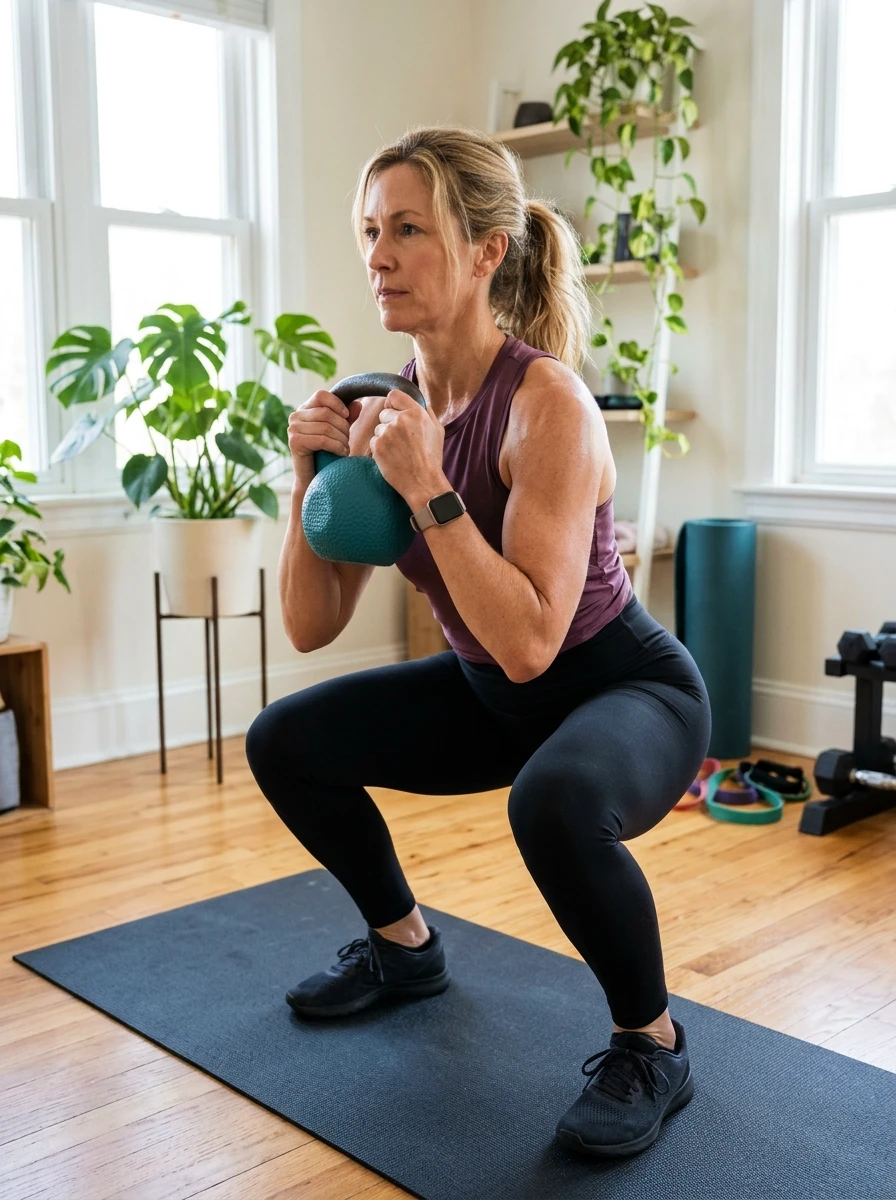
The Contrarian Take: Muscle Is The Natural Fat Burner
The best natural fat burner for women over 40 isn’t a food or a drink. It’s the lean muscle you keep through protein and strength training.
Let’s be precise, because this claim gets exaggerated too. Muscle doesn’t burn huge numbers of calories at rest: resting skeletal muscle burns about 13 kcal per kg per day, compared with 4.5 for fat tissue. One extra kilo of muscle won’t transform your daily calorie burning.
The bigger effect comes from training itself. In one review of resistance training research, 10 weeks of strength work added about 1.4 kg of lean weight, raised resting metabolic rate by 7% and cut 1.8 kg of fat. No tea or spice on this list comes close, and that fat loss includes belly fat loss, since you can’t choose where fat comes off.
- Lift twice a week, at least: The US Physical Activity Guidelines recommend muscle-strengthening work on 2 or more days each week.
- Keep moving the rest of the week: Aim for 150 to 300 minutes of moderate activity, like brisk walking or cycling.
- Pair it with protein: Training without enough protein leaves results on the table.
- Start where you are: A simple plan like this lean core workout plan is enough to begin.
This is the part the “fat burner” industry can’t sell you. That’s exactly why it gets left out.
The K.E.Y. Check: How To Judge Any Natural Fat Burner
The K.E.Y. Check is a three-step filter: Kitchen first, Expect small effects, and Your body after 40. Run any new “fat burning” food, drink or product through it before you spend money.
K: Kitchen First
Can you get it from ordinary food or drink? If the capsule version is a concentrated food (green tea extract, grapefruit extract, vinegar gummies), the food version is usually the safer choice.
E: Expect Small Effects
Ask what the best trial actually found, in kilograms, over how many weeks. If the answer is under a kilo or two over months, it’s a helper, not a plan. If a product promises more, that’s your red flag.

Y: Your Body After 40
Check it against your real life: your sleep, hot flashes, heart rate, medications and gut. Caffeine, grapefruit and concentrated extracts are where midlife trade-offs show up most.
Expert Commentary: What The Research Actually Shows
After more than 10 years of reading weight loss trials, I keep seeing the same pattern: diet and exercise combinations beat thermogenic supplements alone. Real-world fat burner effects add up to a few hundred grams to a few kilograms over months.
The 2021 meta-analysis reached the same conclusion when it put fat burners next to diet and exercise, and it’s the same range the larger reviews keep landing on. When a single ingredient looks impressive, it’s usually one small, short study that hasn’t been repeated.
If you’ve tried teas, spices or capsules and felt like you failed, you didn’t. You were sold a tool that was never big enough for the job.
A Simple Natural Fat Burner Day For Women Over 40
A practical natural fat burner day combines protein at every meal, fiber, water before meals, coffee or tea before noon, and some movement. None of it needs a supplement.
Spreading protein and fiber across the day also helps with sustained energy, so you’re less likely to hit the 4 p.m. slump that sends you looking for snacks.
- Morning: Coffee or green tea with a protein breakfast, such as eggs with oats or Greek yogurt with berries and chia.
- Before lunch: A large glass of water, then a plate built around fish, chicken, tofu or beans plus vegetables.
- Afternoon: Switch to water or herbal tea to protect your sleep. Take a 20-minute walk if you can.
- Dinner: Water first, protein first, add lentils or barley for soluble fiber, and use chili or vinegar for flavor if you enjoy them.
- Twice a week: A strength session, even 30 minutes at home, as part of an active lifestyle.
Prefer not to track every calorie? This approach fits most healthy diet plans and pairs well with our guide to weight loss without counting calories.

The Bottom Line
Natural fat burners work a little, mostly by helping you eat less. After 40, protecting your muscle with protein and strength training does more than any of them.
So skip the miracle tea. Build your meals around protein and fiber, drink water before you eat, enjoy your coffee earlier in the day, and lift something heavy twice a week. That healthy lifestyle is the version that keeps working long after the trend has moved on.
Ready to swap the hype for habits that hold up? Our free guide, 10 Actions That Support Permanent Weight Loss, gives you the research-backed basics in one place. No restriction plans. No guilt. Just what actually works for real women with real lives. Get your free guide here.
Glossary Of Key Terms
- Caloric Deficit: Taking in fewer calories than your body uses over time, which is what drives fat loss.
- Capsaicin: The compound that makes chili and cayenne peppers hot; it mainly reduces how much you eat at the next meal.
- Catechins: Plant compounds in green and oolong tea, including EGCG, studied for small effects on energy use.
- Diet-Induced Thermogenesis: The energy your body uses to digest and process food; it’s highest for protein.
- Fat Oxidation: Your body breaking down fat for fuel. More fat oxidation doesn’t always mean more fat loss.
- Lean Muscle Mass: The muscle part of your body weight, which supports your metabolic rate, strength and blood sugar control.
- Metabolic Rate: The number of calories your body burns over a set time, including at rest.
- Natural Appetite Suppressants: Foods or drinks, like protein, soluble fiber and water, that help you feel full sooner.
- Soluble Fiber: Fiber that forms a gel in your gut, found in oats, beans, psyllium and apples.
- Thermogenic Foods: Foods or drinks, such as coffee, tea and chili, that briefly raise how much heat and energy your body produces.
FAQ
What Are Natural Fat Burners?
Natural fat burners are foods, drinks and plant compounds, like protein, soluble fiber, green tea, coffee and chili, that slightly raise energy use or reduce appetite. They support a caloric deficit but can’t create fat loss on their own.
Are Natural Fat Burners Effective For Weight Management?
Modestly. Controlled trials usually show a few hundred grams to a few kilograms of extra loss over several months. A 2021 meta-analysis found fat burners less effective than diet and exercise without them.
What Are Some Examples Of Natural Fat Burners?
The best-supported examples are protein-rich foods, soluble fiber such as psyllium and oats, and water before meals. Green tea, oolong tea, coffee, cayenne pepper, grapefruit and apple cider vinegar have smaller or weaker evidence.
Are There Any Side Effects Or Risks Associated With Natural Fat Burners?
Yes. Caffeine can disturb sleep, raise heart rate and worsen hot flashes. Grapefruit interacts with some medications. High-dose green tea extract has been linked to liver injury. Check with your doctor or pharmacist if you take medication.
What Is The Best Way To Incorporate Natural Fat Burners Into A Weight Loss Plan?
Build them into normal meals: protein at every meal, a fiber source daily, water before eating and coffee or tea earlier in the day. Pair that with a modest caloric deficit and at least two strength sessions a week.
Are There Any Natural Fat Burners That Help Suppress Appetite?
Yes. Protein, soluble fiber, water before meals and capsaicin from chili all reduce how much people eat in trials. Appetite control is how most natural fat burners actually help with weight loss.
Can Natural Fat Burners Replace Diet And Exercise?
No. They may slightly support metabolism or appetite, but they can’t replace a caloric deficit, protein-rich meals and regular movement. After 40, strength training to protect muscle matters more than any single food.