

Beyond Weight Loss: The Biological Case For Why Every Woman Should Visit A Gym

If you make exercise your hobby instead of your enemy, it becomes your friend; it's the one thing that will never let you down. It will always be there for you, and it will always make you better than you were before. Remember, every time you go to the gym, every time you put the right supplement in your mouth, you're better than you were ten minutes ago.
Sylvester Stallone
Summary (TL;DR)
If you've ever stood at the edge of the weight room and decided the treadmill was safer, this is for you. The science is blunt: when women strength train, they get a bigger payoff from less effort than men do. A 400,000-person study found women cut their risk of early death by 24% and fatal heart events by 36% — and reached the same benefit in roughly half the gym time men needed. The gym isn't a place to shrink yourself. It's where you build the muscle, bone, and hormonal stability that decide how strong you'll be at 70. Here's the biological blueprint, minus the myths.
For many women, visiting a gym feels less like a sanctuary and more like a source of quiet frustration. Maybe it's the hesitation to walk into a male-dominated weights room — a documented phenomenon researchers call "Gymtimidation."
Maybe it's the exhaustion of seeing almost nothing change after hours on the treadmill. These hurdles aren't in your head, and they aren't a willpower problem.
Here's what I want you to understand: most women have been handed a fitness script written for men's bodies, then blamed when it doesn't work. The female body navigates menstrual cycles, pregnancy, perimenopause, and menopause — and each of those shifts changes how you should train.
Once you stop fighting your physiology and start working with it, the gym stops being a punishment and becomes the single highest-return investment you can make in your future self.
So let's drop the "skinny jeans" narrative and look at the gym the way it actually pays off: as a tool for functional longevity — staying strong, mobile, and independent for decades.
Medical & Referral Disclaimer
This article is for informational and educational purposes only. It is not a substitute for professional medical advice, diagnosis, or treatment. Always consult your physician or a qualified health provider before starting any new exercise or nutrition program.
Key Takeaways
- Women get more out of the gym than men — for less time. A Journal of the American College of Cardiology study of 400,000+ adults found regular exercise cut women's all-cause death risk by 24% (vs. 15% for men) and fatal cardiovascular events by 36% (vs. 14%).
- Lifting won't make you bulky — it makes you smaller. Muscle is roughly 15–18% denser than fat, so trading fat for muscle shrinks your silhouette even if the scale barely moves.
- Strength training is a bone "retirement fund." Women lose 1.5–2.5% of bone mass per year in the decade after menopause; weight-bearing exercise is one of the few non-drug ways to slow it.
- Your knees need it more than a man's do. Women are 3–6 times more likely to suffer a non-contact ACL tear, and building hip and core strength is a primary defence.
- Exercise is hormonal medicine. It improves insulin sensitivity in PCOS by up to ~30% within 12 weeks, independent of weight loss.
- Real change takes ~90 days, not two weeks. Energy and mood lift in month one; readers consistently report noticeably better sleep, mood, and confidence by week 4 — but body composition follows a 3-month timeline.
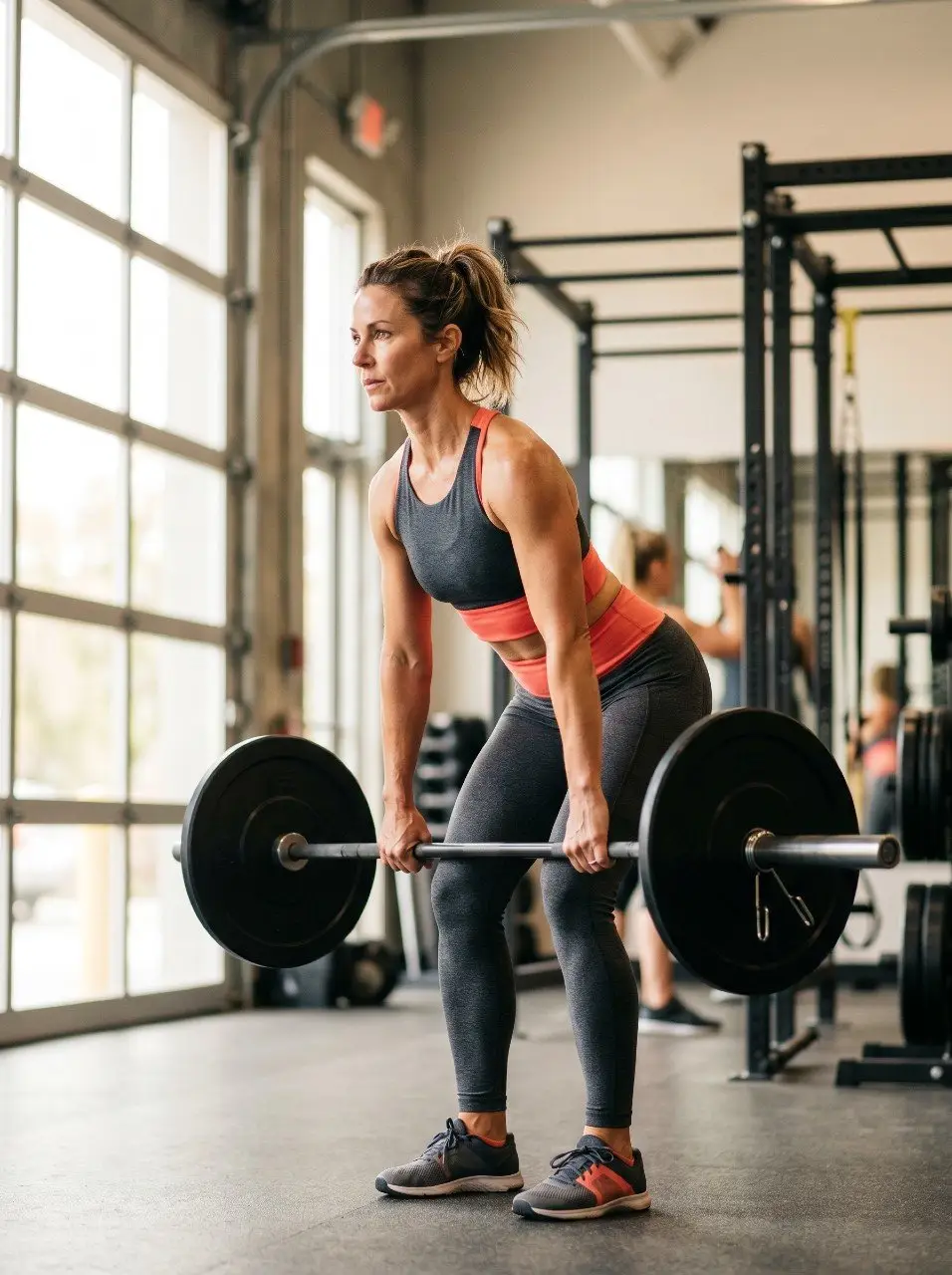
Why The Gym Is A Woman's Secret Weapon For Longevity
The gym isn't a calorie-burning station — it's the only place that builds the muscle, bone, and metabolic resilience that protect a woman's independence for life. That's the reframe that changes everything.
Let's be honest: the weight area of a local gym can feel like someone else's territory. Many of us stay on the cardio deck because it feels safe, or skip the gym altogether out of "gymtimidation" or fear of "bulking up."
But the evidence points the other way. In the largest study of its kind, women saw greater health returns from exercise than men did — and reached those returns in less time. Whether your goal is a sharper metabolism, stronger bones, or simply feeling at home in your own skin, the gym offers tools no living-room workout can match.
The Density Trade: Why Lifting Makes You Smaller, Not Bigger
Lifting weights won't make you bulky — it makes you more compact. The most stubborn myth in women's fitness is that picking up a barbell builds a bulky physique. The biology says the opposite.
I call it the Density Trade — and it's the single most freeing idea I share with nervous beginners. Here's the mechanism: muscle is about 15–18% denser than fat, meaning a pound of muscle takes up noticeably less space than a pound of fat.
When you build muscle and lose fat, you are trading volume for density — swapping "fluff" for a tighter, more defined frame. Two women can weigh the same and look completely different, and density is why.
And "bulking up" like a bodybuilder is nearly impossible for the average woman. Women carry far lower testosterone than men, the primary hormone driving large-scale muscle growth. So strength training isn't a size-building exercise; it's a sculpting tool that creates the lean, defined shape cardio alone can't.
Pro tip: "Toned" simply means having muscle definition and low enough body fat to see it. You cannot tone what you haven't built — and you build it with resistance.
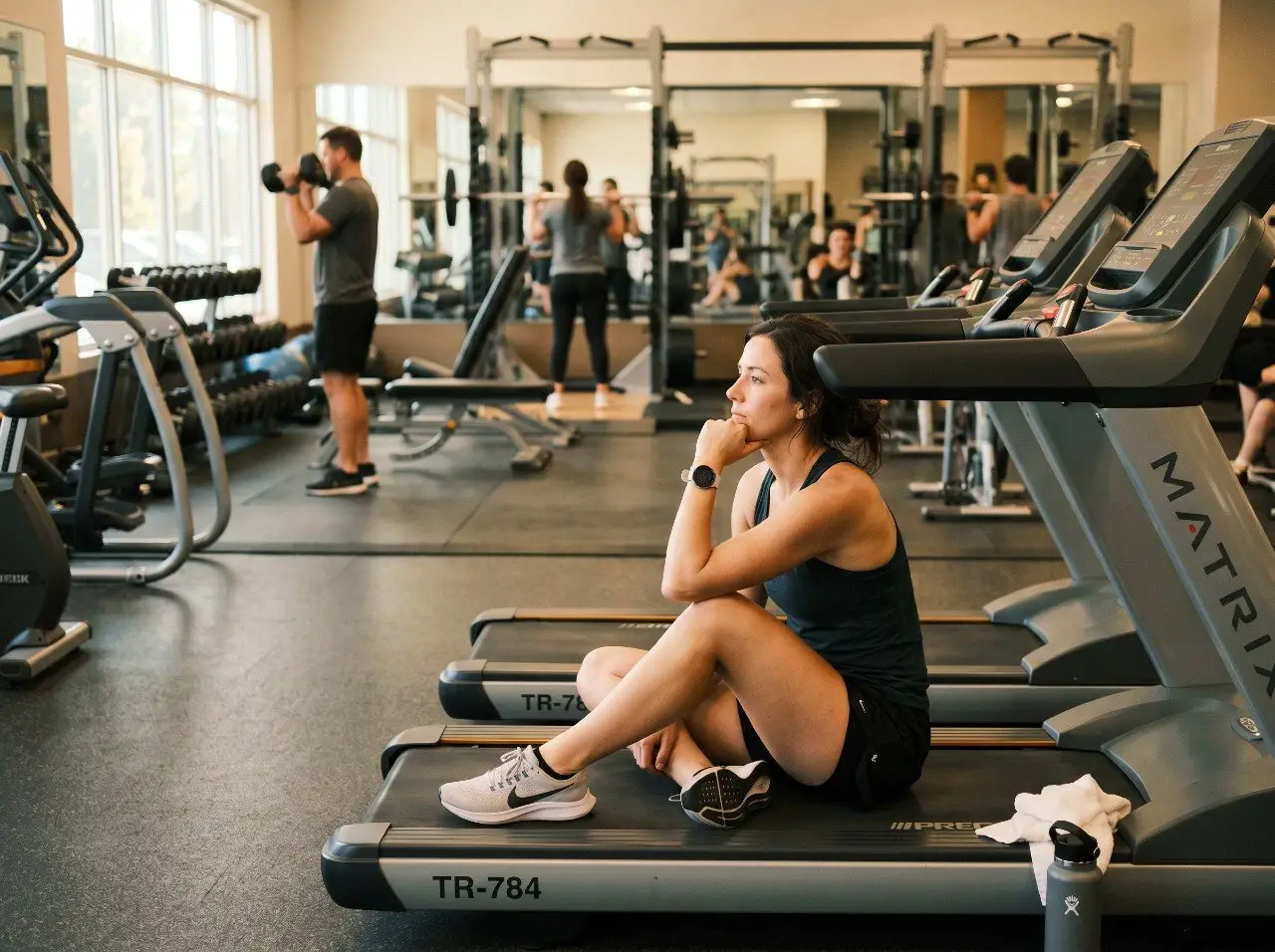
The "Cardio-Only" Trap Is Real
Using cardio as your only tool for "toning" can quietly work against you. While cardio is essential for cardiovascular health, excessive steady-state cardio can burn muscle tissue alongside fat — leaving a "skinny fat" result: thinner on the scale, softer in the mirror.
That's a strategic loss, because muscle is the engine that shapes your body and keeps your metabolism elevated. Resistance training turns your body into a more efficient fat-burner: unlike cardio, where the burn largely stops when you step off the machine, muscle is metabolically active around the clock.
"Strength has a funny way of bleeding into all areas of your life, in the gym and out."— Jen Sinkler, strength coach
Ignite Your Metabolic Fire (Resting Energy Expenditure)
Building muscle raises the number of calories you burn at rest — turning your body into a slow, steady furnace. When you train with squat racks, dumbbells, and cable machines, you stimulate hypertrophy, and the added lean muscle costs energy to maintain.
The science, with honest numbers:
- Resting burn goes up. A meta-analysis of exercise interventions found that resistance training raised resting metabolic rate by roughly 96 calories per day versus controls. It's not a magic furnace — but it's a daily dividend that compounds over years.
- The "afterburn" is real but modest. High-effort sessions create Excess Post-exercise Oxygen Consumption (EPOC). In aerobically fit women, metabolism stayed elevated for at least 14 hours after resistance training — meaningful, though smaller than the "36-hour" claims you'll see online.
| Approach | Calories burned during | Calories burned after | Effect on resting metabolism |
|---|---|---|---|
| Steady-state cardio | High | Drops off quickly | Little to none |
| Resistance training | Moderate | Elevated up to ~14–24 hrs (EPOC) | Raised long-term via added muscle |
| HIIT | High | Elevated (EPOC) | Moderate |
Your Hormones Are The Hidden Architect Of Your Progress
Movement is one of the most effective levers a woman has for hormonal balance. Physical activity improves insulin sensitivity and lowers inflammation, which matters enormously for conditions like PCOS and PCOD.
The evidence is specific: exercise has improved insulin sensitivity by up to ~30% in women with PCOS within 12 weeks, independent of weight loss. Movement also releases dopamine and serotonin, giving a real sense of control over your own body — the kind of steady-state resilience no caffeine fix delivers.
| Condition / Goal | How Exercise Helps |
|---|---|
| PCOD / PCOS | Improves insulin sensitivity and helps balance androgen levels |
| PMS Symptoms | Eases menstrual discomfort and cycle-related bloating |
| Stress & Anxiety | Regulates cortisol and releases mood-lifting endorphins |
| Low Energy | Improves circulation and sleep quality, supporting daytime energy |
The "Q-Angle" And Why Your Knees Need Strength Training
Women's anatomy puts their knees at higher risk — and strength training is the protection. Because women tend to have a wider pelvis, the "Q-angle" (where the thigh bone meets the shin) is more pronounced, contributing to greater knee instability.
The honest figure: women are 3–6 times more likely than men to suffer a non-contact ACL tear, driven by a mix of anatomy, hormones, and neuromuscular patterns — not the Q-angle alone, and not the "10×" sometimes quoted.
The good news is that the biggest risk factors are trainable. Building hip and core strength stabilises the pelvis and reduces stress on the knee joint, including the ACL. Strong glutes aren't just aesthetic — they're a knee-injury insurance policy.
Bone Density Is A Retirement Fund For Your Health
Resistance training is a deposit into your skeleton that pays out in your 60s and 70s. As estrogen falls during menopause, bone loss accelerates sharply — women lose roughly 1.5–2.5% of bone mass per year in the first decade after menopause.
Here's the mechanism: when you do weight-bearing exercise, your muscles pull on the bone, and that mechanical stress signals your body to build new bone tissue, increasing density.
A randomised controlled trial found that structured resistance training improved bone mineral density in postmenopausal women with osteopenia. Think of it as a retirement fund: the earlier you start investing — ideally in your 20s and 30s — the more structural wealth you carry into later life.
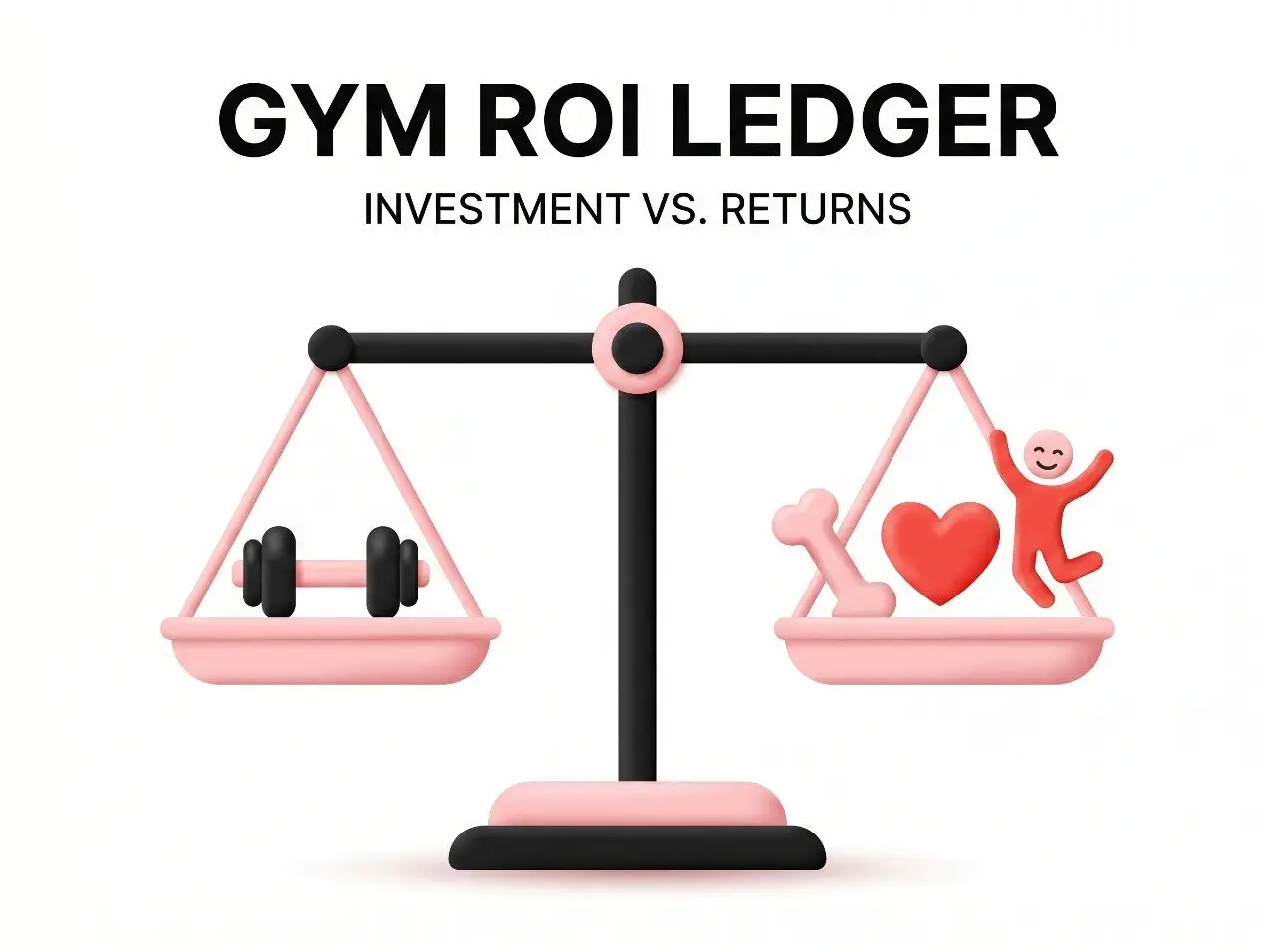
The Gym ROI Ledger: A Woman's Investment Framework
Stop thinking of the gym as a cost (time, sweat, effort) and start reading it as a ledger of deposits and payouts. This is the framework I come back to whenever motivation dips — because the returns are real, compounding, and disproportionately large for women.
| Your Deposit | The Payout | The Evidence |
|---|---|---|
| 2–3 strength sessions/week | 19% lower all-cause death risk; 30% lower CV-death risk (women) | JACC, 400k adults |
| Weight-bearing exercise | Slows post-menopausal bone loss, builds density | PMC meta-analysis |
| Hip & core training | Reduced knee/ACL injury risk | ACL risk review |
| 12 weeks of regular exercise | Up to ~30% better insulin sensitivity (PCOS) | PCOS systematic review |
| ~140 min/week moderate activity | Same mortality benefit, men need 300 min for | NIH/NHLBI |
The standout line: women reach the same survival benefit in roughly half the weekly minutes men require. You are not behind. You are, biologically, set up to win this trade.
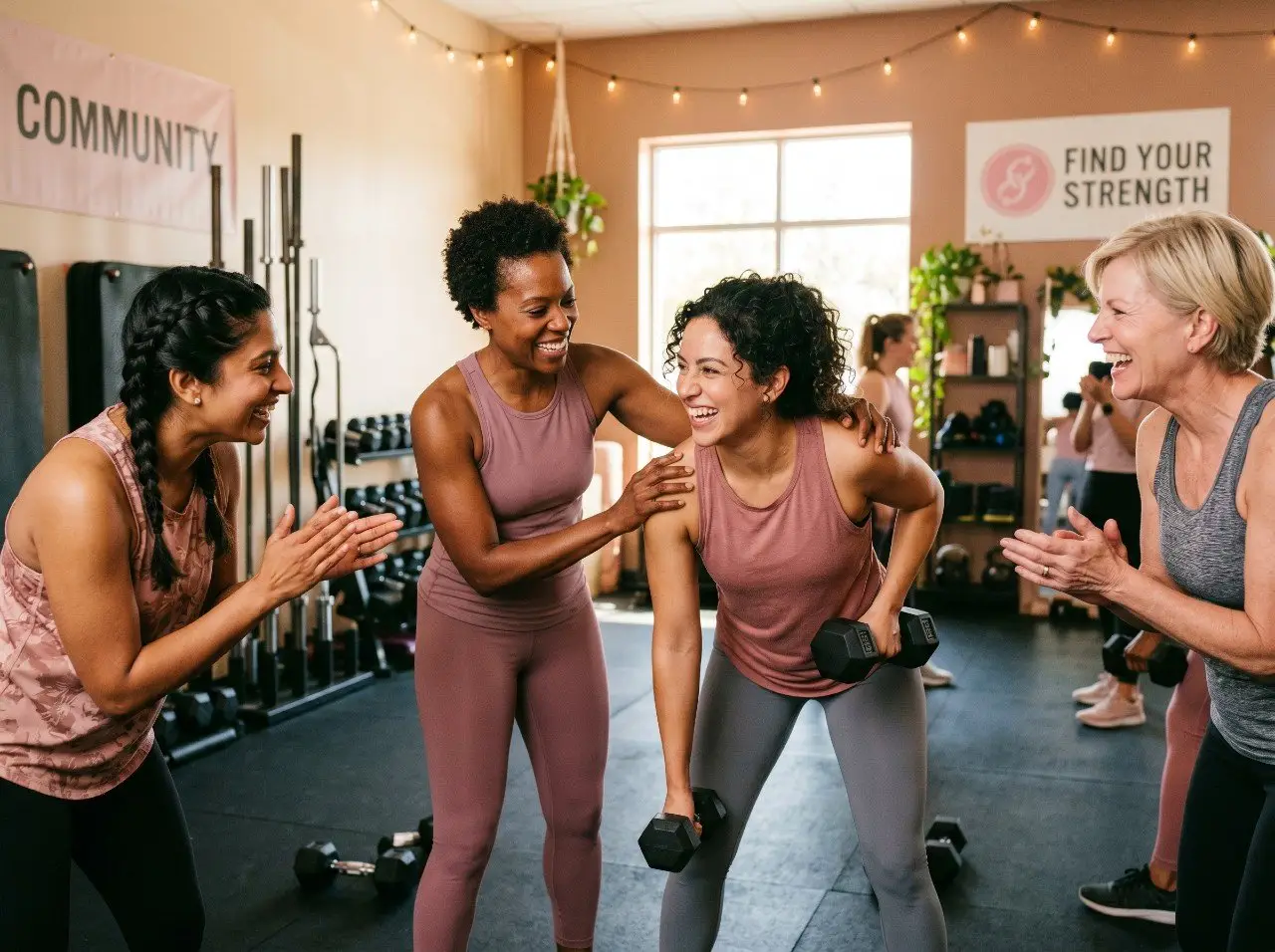
Gym vs. Home Workout: What Actually Differs
A home workout builds habits; a gym builds progressive overload — and for bone and strength, overload is the active ingredient. This is the gap the "you can do it all at home" advice glosses over.
| Factor | Home Workout | The Gym |
|---|---|---|
| Progressive overload (heavier weight over time) | Limited by what you own | Effectively unlimited |
| Bone-loading stimulus | Modest | Strong (heavy weight-bearing loads) |
| Form feedback / coaching | Usually none | Trainers, mirrors, community |
| Equipment for full-body strength | Partial | Squat racks, cables, machines |
| Cost & convenience | Low cost, zero commute | Membership + travel |
| Social accountability | Low | High (community effect) |
Home training is a brilliant start — and far better than nothing. But if your goals are bone density and real strength, the gym's ability to keep adding load is the thing that keeps results coming.
"Gymtimidation" Is Real — And Beatable
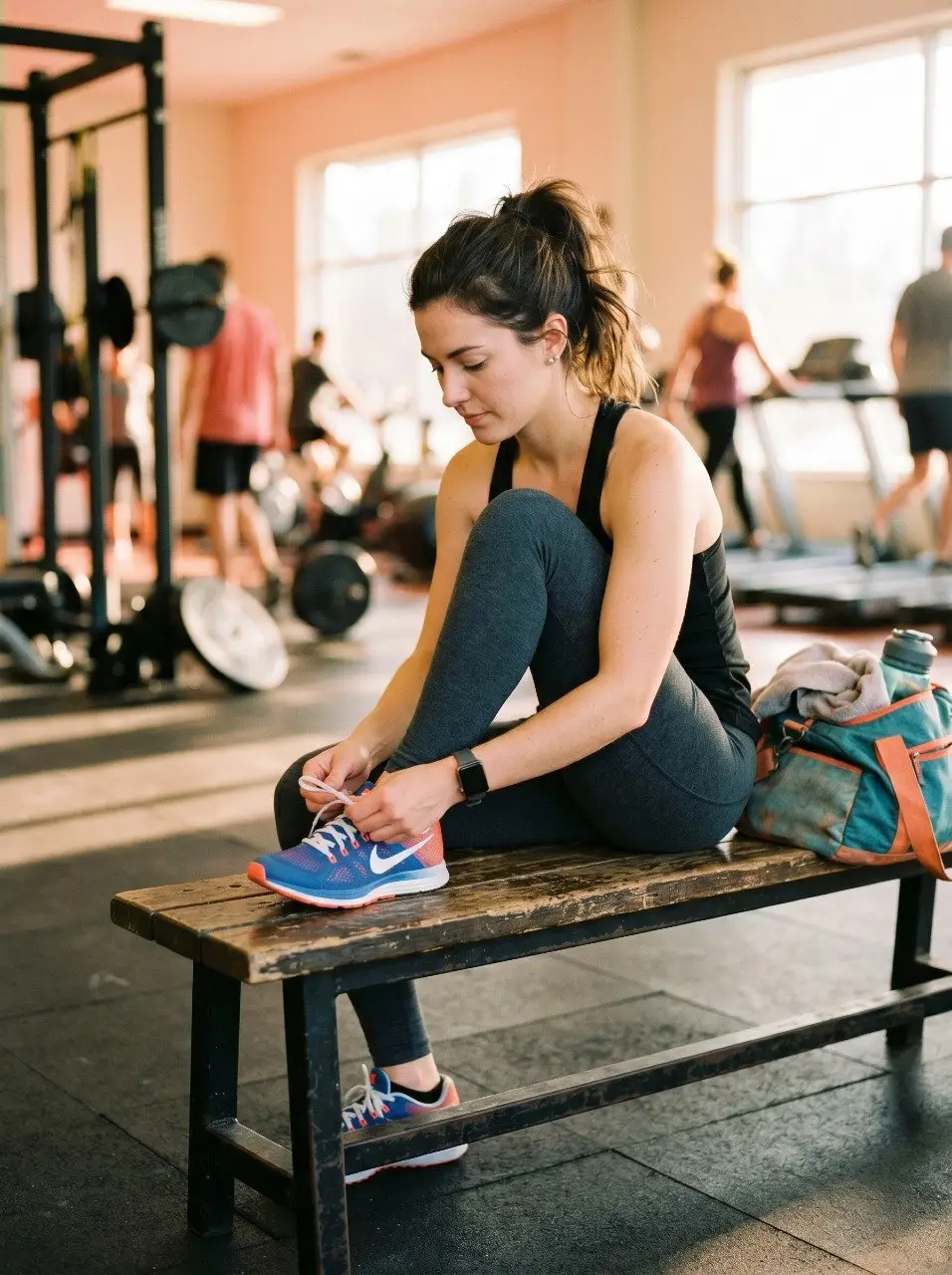
The fear of the weight room is documented, not a personal flaw — and it fades fastest in the right environment. Many women feel watched and judged near the racks; naming that anxiety is the first step to defusing it.
What helps most is the type of space. Women-only gyms or community-focused environments shift the experience from being "watched" to being supported, which is why so many women find their footing there.
If you'd like a gentler on-ramp, our guide on getting started at the gym without feeling intimidated walks through it step by step, and a personal trainer for women can remove the guesswork entirely in your first weeks.
Realistic Timelines vs. The "Two-Week Lie"
Real transformation runs on a roughly 90-day clock, not the two-week miracle the industry sells. You'll feel changes early — energy, mood, sleep — but visible body composition change follows a longer, honest timeline.
Instead of watching the scale, watch for functional wins, the daily markers that prove your body is getting more capable:
- Carrying all the grocery bags in one trip without strain.
- Climbing several flights of stairs without losing your breath.
- Lifting a child or grandchild with ease and stability.
Sample 7-Day Foundation Schedule
| Day | Focus Area | Workout Type |
|---|---|---|
| Sunday | Lower Body | Squats, Lunges, Hip Thrusts |
| Monday | Upper Body | Back, Arms, and Chest |
| Tuesday | Rest / Recovery | Light Walk or Yoga |
| Wednesday | Glutes & Core | Deadlifts, Planks, Glute Bridges |
| Thursday | Full Body | Compound Lifts / Strength Mix |
| Friday | Cardio & Abs | HIIT and Core Training |
| Saturday | Rest | Active Stretching |
What To Expect In Your First Month
- Week 1 — The Energy Lift. Initial soreness gives way to a better mood and less daily fatigue.
- Week 2 — The Coordination Phase. As the equipment becomes familiar, the "fear of the unknown" starts to fade.
- Week 3 — The Hormonal Shift. Many notice a steadier appetite and improved sleep as insulin sensitivity responds.
- Week 4 — Habit Forms. Readers consistently report noticeably better sleep, mood, and confidence by week 4 — and clothes starting to fit differently, even before the scale moves much.
A trainer in this first month is one of the highest-value investments you can make — for safe form and a plan built around your physiology, not a generic template.
Join Our Mailing List
Join thousands of women inside our community and receive our free guide, 10 Actions That Support Permanent Weight Loss — the exact behavioural shifts that make the difference between a two-week attempt and a lasting transformation.
No restriction plans. No guilt. Just what actually works — for real women with real lives.
Women See Greater Health Benefits From Exercise Than Men
A new study from the American College of Cardiology finds that regular exercise reduces the risk of death in women, even if they exercise for less time than men.
Ready To Turn The "Why" Into A "How"?
You now know why every woman should visit a gym. The next step is a simple plan you'll actually stick to. Join thousands of women inside our community and get our free guide — 10 Actions That Support Permanent Weight Loss — the practical, sustainable habits that turn everything you just read into lasting results. No fad diets. No extreme plans. Just what the research supports, written for real women.
Related Articles
The Bottom Line
For women, fitness isn't vanity — it's the foundation of staying strong, mobile, and independent for life. The gym strengthens your bones, steadies your hormones, protects your joints, and hands you a survival benefit that — pound for pound, minute for minute — outpaces what men get from the same effort.
This was never about shrinking yourself to fit someone else's standard. It's about reclaiming your body as a powerful vehicle for strength and freedom. Every session is a deposit in a future where you carry your own groceries, climb your own stairs, and lift your own grandchildren without a second thought.
So if you stopped fearing the weight room and started leveraging your own biology, what could you build? Stop waiting for the perfect moment. Start this week — your way — and own your strength.
Glossary Of Key Terms
FAQ
Because the gym builds the three things that decide how strong you'll be at 70: muscle, bone, and metabolic health. For women specifically, the payoff is outsized — regular exercise is linked to a 24% lower risk of early death and a 36% lower risk of fatal heart events, often achieved in less time than men need.
No. Women carry far less testosterone than men, the hormone behind large-scale muscle growth, so bodybuilder-style bulk is extremely difficult. Because muscle is denser than fat, building it actually makes you more compact and defined — not bigger.
Home workouts are a great start, but the gym offers progressive overload — the ability to keep adding weight over time — which is the active ingredient for building bone density and real strength. It also adds coaching, proper equipment, and community accountability.
Exercise improves insulin sensitivity, which is central to managing PCOS. Studies show improvements of up to roughly 30% within 12 weeks, even without weight loss, alongside better mood through cortisol regulation and endorphin release.
Women are 3–6 times more likely to suffer a non-contact ACL tear due to anatomy, hormones, and movement patterns. Strengthening the hips and core stabilises the knee and is one of the most effective ways to lower that risk.
Expect energy, mood, and sleep improvements within the first month — readers consistently report these by around week 4. Visible body-composition change follows a roughly 90-day timeline, so judge progress by strength and how clothes fit, not just the scale.
You're not alone — "gymtimidation" is documented and very common. Start in a supportive or women-only environment, consider a few sessions with a trainer to learn the equipment, and remember that everyone around you is focused on their own workout, not yours.
You Know Why. Now Learn Exactly How
Join thousands of women inside our community and receive our free guide: 10 Actions That Support Permanent Weight Loss — the practical, sustainable habits that translate everything you just read into real, lasting results.
No fad diets. No extreme plans. Just what the research actually supports — written for real women.