Surprising High-Protein Foods To Transform Your Weight Loss Journey

The only secret to food combination is a balance of protein, carbs and fat - they all play a key role in our health.
Jorge Cruise
Summary (TL;DR)
For women dieting, protein foods are key because they manage hunger hormones and burn calories during digestion. Turkey breast and shrimp have high protein-to-calorie ratios. Greek yogurt offers protein and probiotics.
Tempeh provides complete plant protein, while lentils offer fiber. Women over 40 may require more protein to maintain muscle mass. Use the Add-a-Zero trick (protein grams × 10 ≥ calories) to assess food quality, and spread intake across meals.
The most effective tool for women who want to lose fat and keep it off isn't a new supplement or calorie-tracking app — it's the protein foods already available at your grocery store. Here's the science-backed case for five of them.
You've tried eating less. You've cut carbs, tracked calories, and pushed through hunger that made every afternoon feel like a test of character. And yet the scale barely moves — or worse, it moves down for a week and then stalls while your energy tanks and your cravings come back louder than before.
Here's what most diets get wrong: they focus on subtracting food. The research points in the opposite direction.
The five protein foods in this guide don't work by restricting you. They work by changing your hunger biology.
Protein is the only macronutrient that actively suppresses ghrelin (the hormone that tells your brain you're starving), raises peptide YY and GLP-1 (the hormones that signal fullness), and burns 20–30% of its own calories during digestion — before a single workout, before any willpower is required. That's not a marketing claim. It's documented in peer-reviewed clinical trials involving thousands of women.
The problem isn't that women don't try hard enough. The problem is that most diets are built on calorie math while ignoring the hormonal levers that control hunger in the first place.
This guide fixes that. Below, you'll find five protein foods that have the highest evidence base for helping women lose fat, preserve lean muscle, and stay full between meals — along with the exact numbers behind why they work, how much of each you actually need, and the one quick mental test that tells you whether any food at the grocery store qualifies as a true high-protein choice.
No supplements. No complicated meal timing. Just the foods that make dieting feel manageable instead of miserable.
Medical & Referral Disclaimer
This article is for informational and educational purposes only and does not constitute medical or nutritional advice. Individual protein needs vary based on age, body weight, activity level, kidney function, and overall health status. The recommendations in this article are based on population-level research and may not apply to every individual. Consult a registered dietitian or licensed healthcare provider before making significant dietary changes, especially if you have a chronic health condition such as kidney disease, diabetes, or a history of eating disorders.
Key Takeaways
- Protein is the most effective dietary lever for women dieting — it suppresses hunger hormones, raises satiety hormones, and burns 20–30% of its own calories during digestion.
- Turkey breast and shrimp offer the best protein-to-calorie ratios among whole foods, outperforming chicken breast in calorie efficiency at equal protein yield.
- Greek yogurt delivers a dual weight-loss mechanism: immediate protein satiety plus probiotic support for long-term leptin sensitivity and gut-driven inflammation control.
- Tempeh is the only complete plant protein on this list — all nine essential amino acids with superior mineral bioavailability over tofu due to fermentation.
- Lentils belong here despite lower protein density — their 16g of fiber per cup creates a combined satiety effect competitive with animal proteins at 2× the protein content.
- Women over 40 need 25–30% more daily protein than standard guidelines suggest to preserve muscle mass during weight loss — this is the single most under-applied piece of evidence in women's nutrition.
- Use the Add-a-Zero Trick (protein grams × 10 ≥ calories) for instant grocery-store assessment of any food's protein quality.
- Spreading protein across three meals (25–35g per meal) maximises satiety and muscle preservation better than a single large protein meal.
Why Protein Foods Are The Foundation Of Any Successful Diet
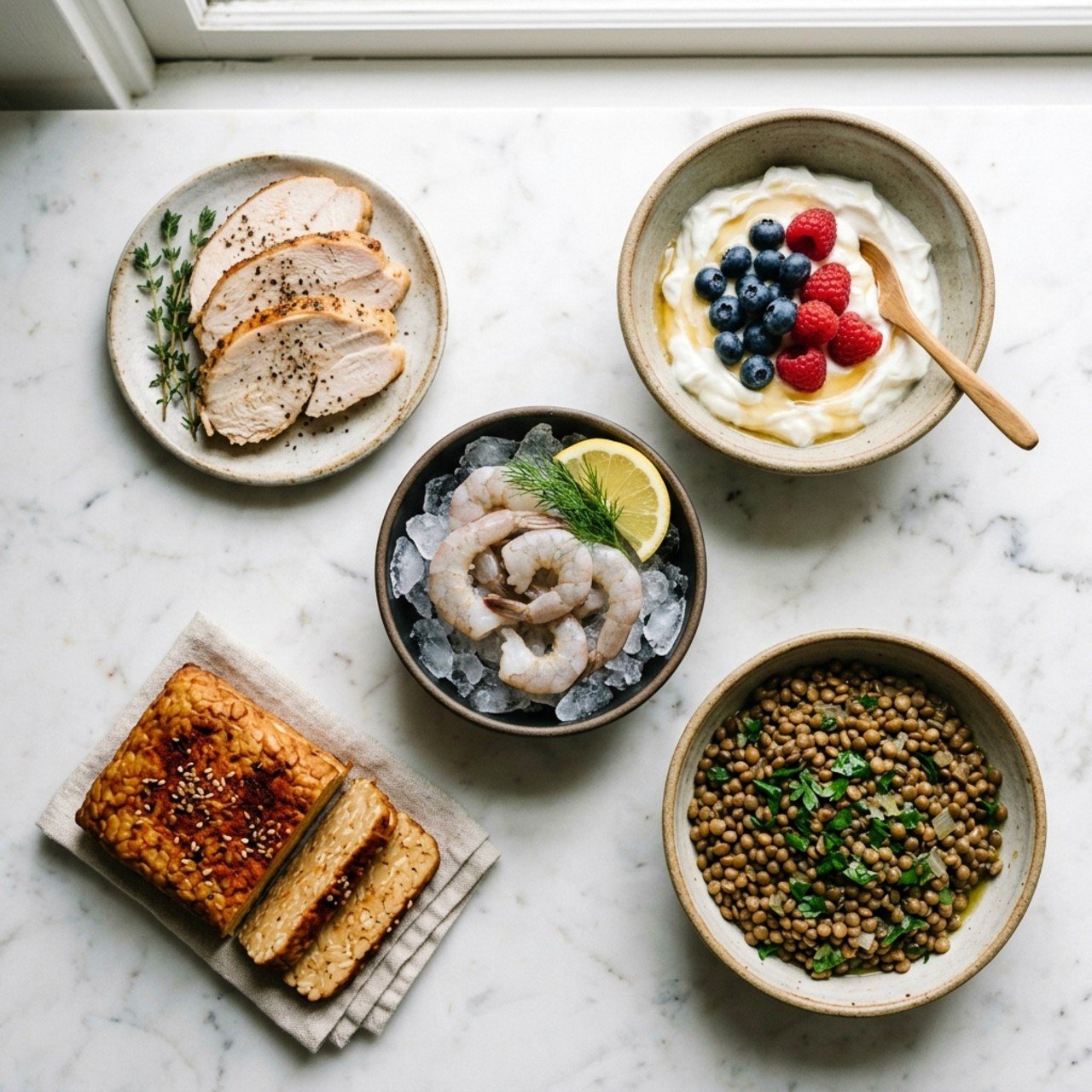
Protein foods are the most effective macronutrient for weight loss because they raise satiety hormones, suppress hunger signals, and burn 20–30% of their own calories during digestion — advantages that no other food group can match.
Most women who struggle to lose weight aren't failing at willpower — they're failing at protein. When daily protein intake falls short, ghrelin (the hunger hormone) spikes between meals, metabolism slows to protect against perceived starvation, and the body burns muscle instead of fat. The five protein foods in this guide directly counter all three of those obstacles.
A landmark meta-analysis of high-protein diet research found that protein creates a self-regulating satiety loop: the more protein you eat, the more satiety hormones your gut releases, and the less you need to consciously restrict food intake. That's not motivation. That's biology working in your favor.
The Hunger Gap Problem And Why Protein Solves It
The hunger gap is the 2–3 hour window before your next meal where cravings hit hardest. It's where most diets collapse. Protein closes that gap by slowing gastric emptying and sustaining blood glucose, making each meal's fullness last longer. Research published in PMC confirms that high-protein intake stimulates GLP-1 and peptide YY — two key satiety hormones — while simultaneously suppressing ghrelin.
The Thermic Effect: Protein Burns Calories By Being Digested
Every macronutrient requires energy to digest. Protein requires the most — 20–30% of its own calories. Carbohydrates require 5–10%. Fat requires just 0–3%. A 2024 meta-analysis of 52 studies confirmed that higher-protein meals produce significantly greater diet-induced thermogenesis than lower-protein meals, adding a meaningful calorie deficit without any dietary restriction.
Does eating protein help burn belly fat?
Yes. A 2025 study in Nature Scientific Reports confirmed that protein-rich meals after exercise minimized fat accumulation while maintaining muscle mass, with abdominal fat showing the most significant improvements. Protein also reduces insulin spikes, which directly reduces visceral fat storage.
How To Identify A True High-Protein Food: The Add-A-Zero Trick
A food qualifies as genuinely "high-protein" when its calorie count equals or falls below 10 times its protein grams. Multiply the protein grams by 10 — if that number meets or exceeds the calorie total, you have a high-protein food.
This original framework gives you a 10-second grocery-store test that works without a nutrition app or label-reading expertise.
Example: Plain Greek yogurt (170g) = 17g protein × 10 = 170 versus 100 calories → High-protein food.
High-Protein Food Scorecard
| Food | Protein | Calories | 10× Test | High-Protein? |
|---|---|---|---|---|
| Turkey Breast (100g) | 30g | 135 | 300 vs. 135 | Yes |
| Shrimp (100g) | 24g | 99 | 240 vs. 99 | Yes |
| Greek Yogurt, plain (170g) | 17g | 100 | 170 vs. 100 | Yes |
| Tempeh (100g) | 20g | 193 | 200 vs. 193 | Barely |
| Lentils, cooked (100g) | 9g | 116 | 90 vs. 116 | No — but fiber compensates |
| Cheddar Cheese (30g) | 7g | 120 | 70 vs. 120 | No |
| Almonds (28g) | 6g | 164 | 60 vs. 164 | No |
Contrarian note: Lentils fail the Add-a-Zero test on protein alone — yet they belong on this list. Their 16g of fiber per cup creates a combined satiety effect that rivals animal proteins with twice the protein density. When evaluating protein foods for dieting, satiety per calorie matters as much as protein per calorie. The two metrics together paint a truer picture.
The 5 Most Powerful Protein Foods For Dieting Women
These five were selected by combining protein-to-calorie ratio, satiety research, hormonal considerations specific to women, and practical accessibility for busy schedules.
1. Turkey Breast — The Metabolic MVP Of Protein Foods
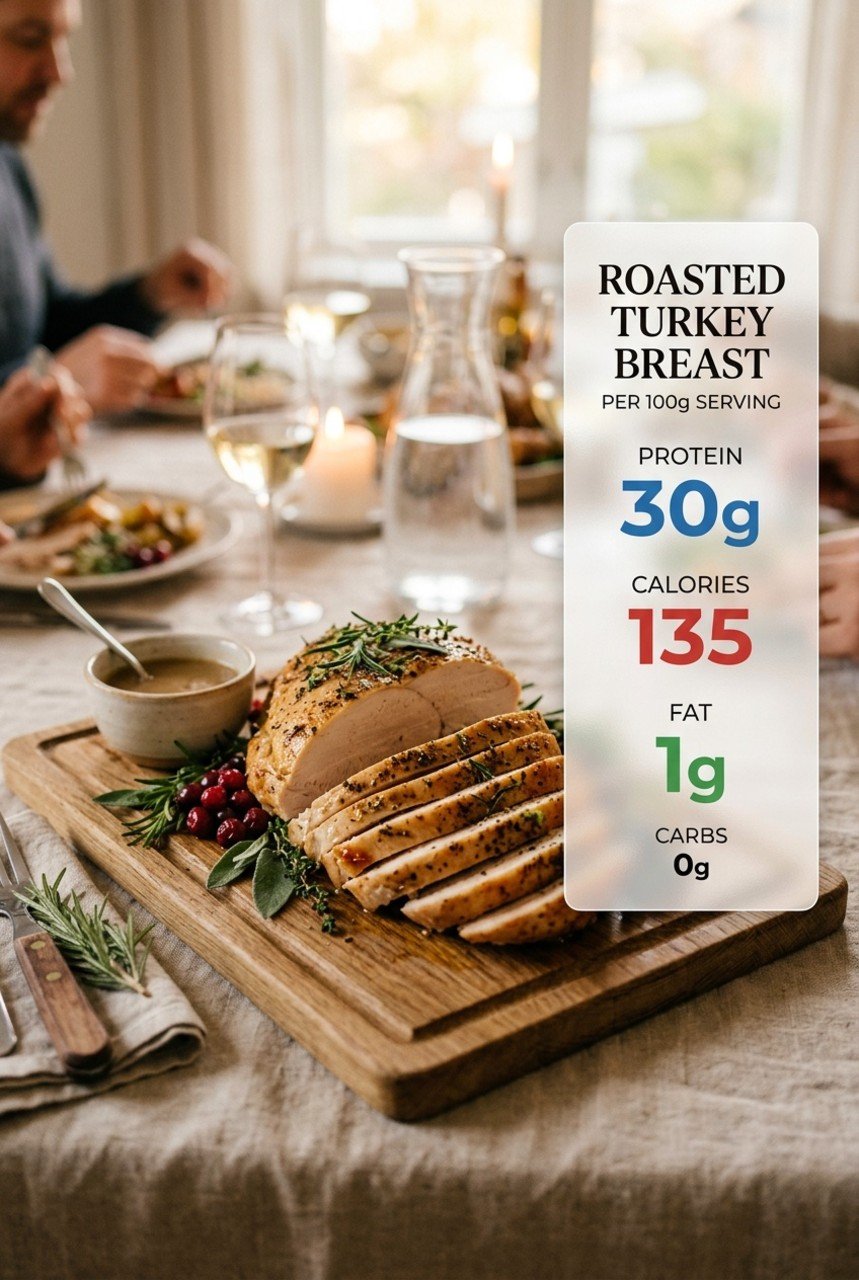
Turkey breast delivers 30g of protein per 100g at just 135 calories — one of the highest protein-to-calorie ratios of any whole food available, making it the benchmark all other protein foods are measured against.
Is turkey breast better than chicken breast for weight loss?
Turkey breast edges ahead: 30g protein at 135 calories versus chicken breast at 26g protein at 165 calories per 100g. For strict calorie control, turkey saves approximately 30 calories per serving at equal protein yield — compounding meaningfully over a week of consistent meals.
Why Turkey Breast Works Specifically For Women
Turkey breast contains tryptophan, a precursor to serotonin. For women — who are statistically more susceptible to stress-driven emotional eating, a pattern directly linked to cortisol and belly fat accumulation — tryptophan's serotonin support can reduce the carbohydrate cravings that spike during low-mood windows.
Turkey breast also delivers niacin (vitamin B3), which plays a direct role in mitochondrial energy metabolism, helping calories from food convert to usable energy rather than stored fat.
How to Use Turkey Breast
- Slice cold onto salads — no cooking required when purchasing pre-cooked
- Use as the protein anchor in grain bowls (quinoa + roasted vegetables + turkey).
- Replace deli meat sandwiches with turkey lettuce wraps to cut 150+ calories without sacrificing protein.
2. Greek Yogurt — The Probiotic Protein Powerhouse
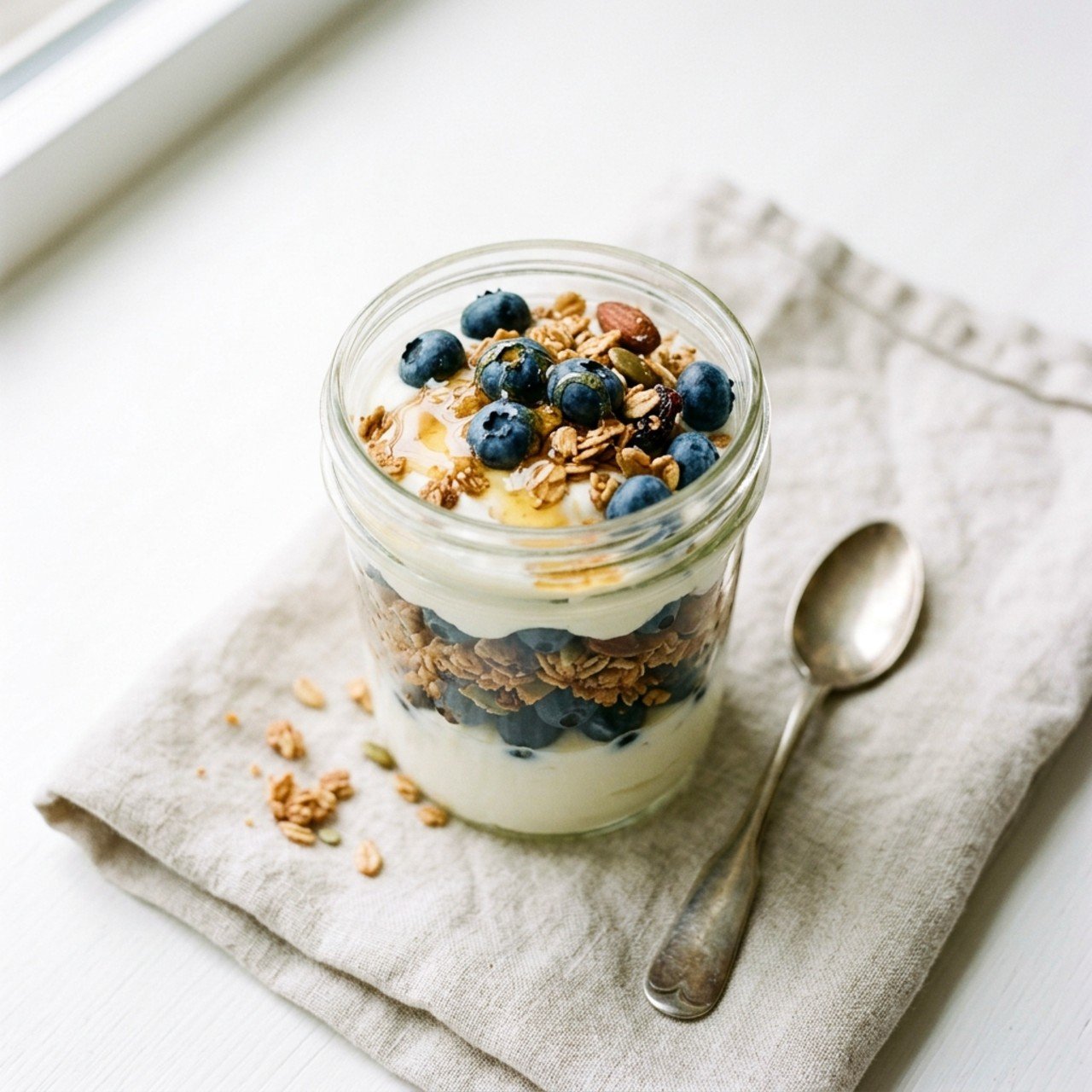
Plain Greek yogurt provides 15–20g of protein per 170g serving at approximately 100 calories, while its live bacterial cultures simultaneously support the gut microbiome — a system now directly linked to weight regulation, leptin sensitivity, and inflammation control.
What kind of Greek yogurt is best for dieting?
Choose plain, non-fat or 2% fat Greek yogurt. Flavored varieties contain 12–20g of added sugar per serving, which offsets the protein benefit by spiking insulin and shortening satiety. The ideal ingredient list reads: "Cultured pasteurized skim milk" — and nothing else. Two grams of fat or less per serving keeps calories in check without sacrificing texture.
The Dual-Pathway Advantage
Greek yogurt works on two weight-loss pathways simultaneously: protein triggers immediate satiety hormones (GLP-1 and peptide YY), while probiotics improve long-term leptin sensitivity, your body's regulatory system for hunger over hours and days. No other food on this list delivers both mechanisms in a single serving.
Expert Commentary: Registered dietitians consistently rank Greek yogurt as the top first-food recommendation for women beginning a weight-loss protocol. Its versatility — eaten at breakfast, used as a sour cream substitute, blended into smoothies, or served as a high-protein snack base — eliminates the "I don't know what to eat" friction that derails adherence in the first four weeks.
The Cottage Cheese Addition
Cottage cheese deserves an honorable mention: 25g of protein per cup at 200 calories, with high casein content — a slow-digesting protein effective at reducing overnight muscle breakdown when consumed before sleep. For women following a structured high-protein diet plan for sustainable weight loss, alternating Greek yogurt (morning, fast protein) with cottage cheese (evening, slow protein) optimizes both absorption windows.
12 High-Protein Foods For Weight Loss
Here are 12 high-protein foods for weight loss that don't include chicken breast or protein powder.
3. Seafood — The Leanest Animal Protein on Earth
Shrimp delivers 24g of protein per 100g at just 99 calories and virtually zero fat — a protein-to-calorie ratio that no other commonly available food source matches. White fish (cod, tilapia, Alaskan pollock) offer a near-identical profile.
How much shrimp should I eat per week for weight loss?
Three to four 100g servings per week provide sufficient iodine and selenium while keeping cholesterol within safe ranges. Per Harvard Health's research on protein sources, dietary cholesterol from shrimp does not meaningfully raise blood cholesterol in healthy individuals — the decades-old concern is unsupported by current evidence.
The Thyroid Advantage No One Talks About
Seafood is the richest dietary source of iodine, which is essential for thyroid hormone synthesis. The thyroid regulates basal metabolic rate, and subclinical hypothyroidism (low thyroid function that doesn't yet meet clinical diagnosis thresholds) is a frequently overlooked cause of unexplained weight gain in women over 35. Regular seafood consumption supports thyroid function nutritionally without requiring supplementation.
The One Preparation Mistake That Ruins Seafood
The most common reason women abandon seafood-based meals: rubbery, overcooked shrimp. The fix is simple — high heat, fast cook. Two minutes per side in a hot pan with garlic, lemon juice, and smoked paprika. It is genuinely the fastest high-protein meal prep in existence and produces results better than most restaurant preparations.
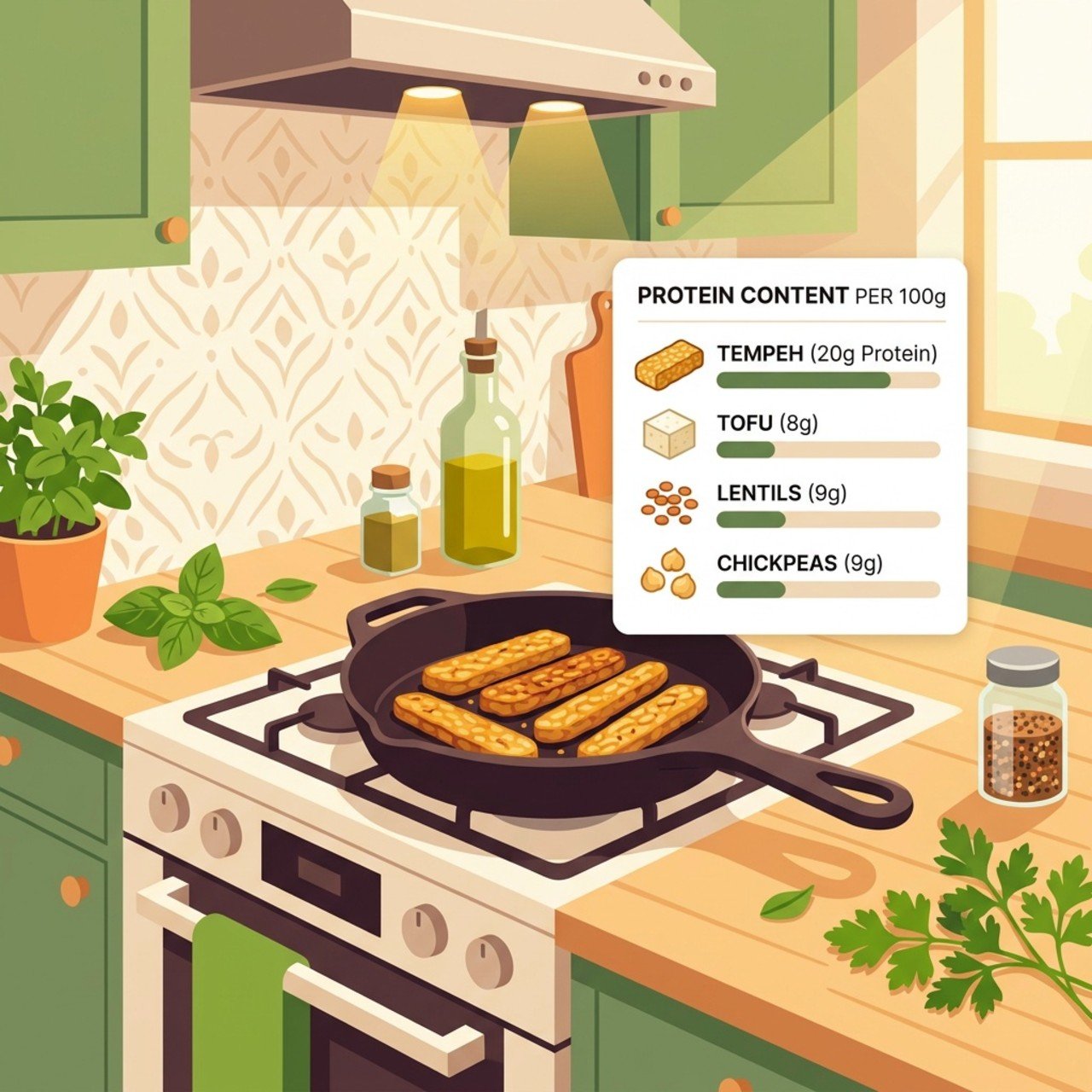
4. Tempeh — The Complete Plant Protein That Beats Most Beans
Tempeh provides 20g of protein per 100g serving with all nine essential amino acids — making it a complete protein from a plant source, a distinction that separates it from most legumes, grains, and vegetables used as protein alternatives.
Is tempeh good for women's hormones?
Tempeh contains phytoestrogens (isoflavones) that interact mildly with estrogen receptors. For women in perimenopause experiencing estrogen decline, this can offer modest symptom modulation. Current clinical evidence does not support concerns about isoflavones increasing estrogen-dependent cancer risk at typical dietary amounts. Women navigating this transition will find the full picture in our guide to losing weight during perimenopause.
Why Tempeh Outperforms Tofu
Tofu is more familiar, but tempeh is more nutritious. Fermentation pre-digests phytic acid — a compound in unfermented soy that blocks mineral absorption, particularly calcium, zinc, and iron. This makes tempeh's protein and micronutrients significantly more bioavailable. For women over 40 already watching bone density, the improved calcium bioavailability is a meaningful real-world difference.
How to Use Tempeh in 15 Minutes or Less
- Crumble and cook as a ground meat substitute in tacos, bolognese, or stuffed peppers.
- Slice and pan-fry with tamari, sesame oil, and ginger — ready in 12 minutes
- Cube and add to stir-fries as the primary protein alongside bok choy and bell peppers.
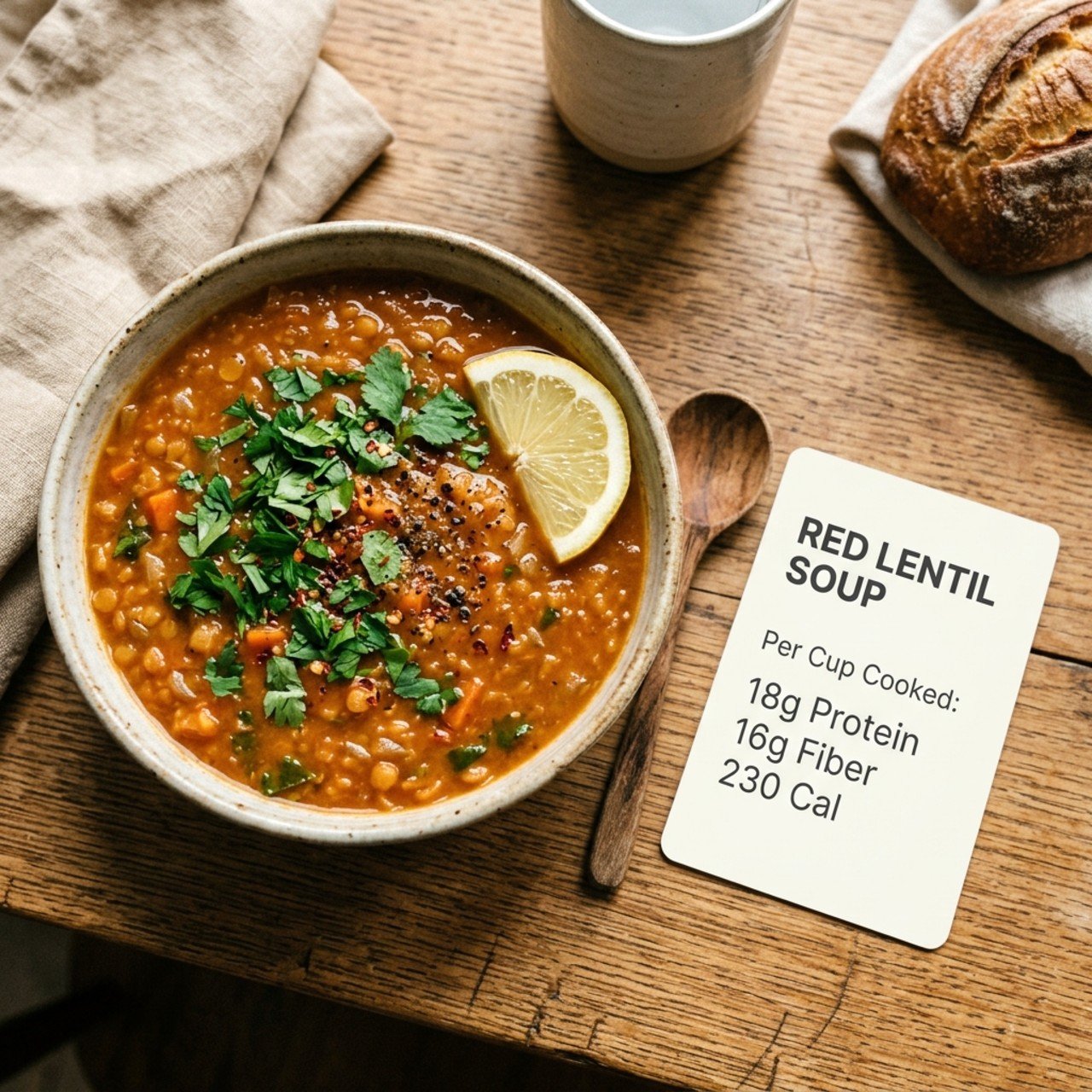
5. Lentils — The Fiber-Protein Combination That Redefines Satiety
Lentils deliver 18g of protein and 16g of fiber per cooked cup — a dual satiety mechanism that slows gastric emptying, moderates blood glucose, and maintains fullness for 4–6 hours after eating.
Are lentils good for losing belly fat?
Yes. Lentils' resistant starch feeds beneficial gut bacteria and reduces intestinal inflammation — a key driver of visceral (abdominal) fat accumulation. Studies linking regular legume consumption to lower waist circumference over 12-week intervention periods are well-documented in the clinical nutrition literature. Additionally, lentils' low glycemic load keeps insulin levels steady, directly opposing the fat-storage signal.
The Contrarian Argument For Lentils On This List
Most protein-for-weight-loss articles skip lentils because they fail the Add-a-Zero test by protein alone. This is short-sighted. Research reviewed by Healthline's nutrition team shows that regular legume consumption correlates with lower body weight and significantly greater long-term weight loss maintenance compared to animal-protein-only diets. When fiber-adjusted satiety is the metric, lentils are competitive with foods containing twice their protein density.
The Cost Advantage
At $1.50–$2.00 per pound dried (yielding 12+ servings), lentils are the most cost-effective protein food on this list by a factor of 4–8. For women managing household food budgets alongside health goals, this practical reality matters as much as the nutrition data.
Head-To-Head: The Complete Protein Foods Comparison Table
| Protein Food | Protein / 100g | Calories / 100g | TEF Contribution | Satiety Score (1–10) | Cost / Serving | Best Use Window |
|---|---|---|---|---|---|---|
| Turkey Breast | 30g | 135 | 25–30% | 9/10 | $1.50–$2.50 | Lunch, dinner |
| Shrimp | 24g | 99 | 25–30% | 8/10 | $2.00–$3.50 | Dinner, meal prep |
| Greek Yogurt (plain) | 10g | 59 | 20–25% | 8/10 | $0.75–$1.25 | Breakfast, snacks |
| Tempeh | 20g | 193 | 20–25% | 7/10 | $1.50–$2.50 | Lunch, dinner |
| Lentils (cooked) | 9g | 116 | 15–20% | 9/10 (fiber boost) | $0.25–$0.50 | Lunch, batch cooking |
Satiety scores derived from Holt's Satiety Index and clinical nutrition literature. TEF values from the 2024 meta-analysis in the Journal of Nutrition.
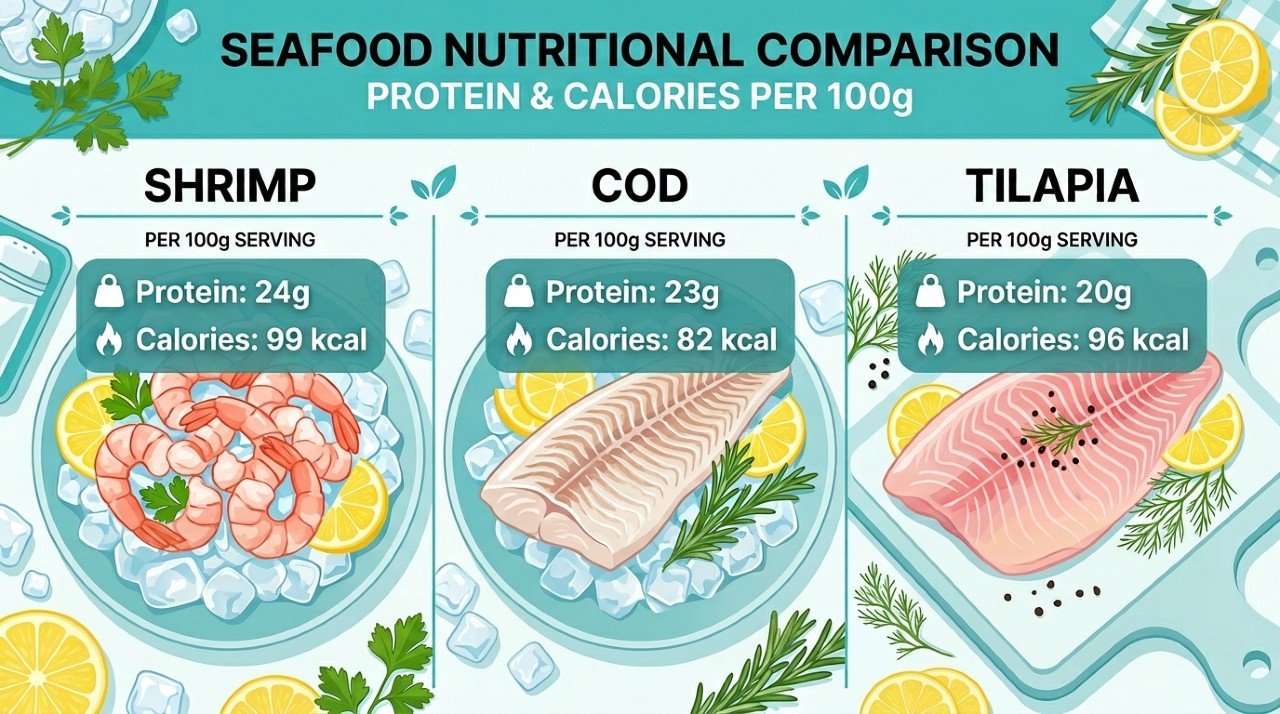
How Much Protein Do Women Actually Need To Lose Weight?
Women targeting weight loss need 1.0–1.2g of protein per kilogram of body weight per day, 25–30% above standard dietary guidelines, and enough to meaningfully shift body composition outcomes.
A 2025 Nature study on postmenopausal women found that higher protein intake over three years predicted significantly leaner body composition independent of total calorie intake — a finding with major implications for how women over 40 should approach nutrition. For women navigating this life stage, our complete guide to the best diet for women over 40 covers the full hormonal and nutritional picture.
Daily Protein Targets By Body Weight
| Body Weight | Minimum Daily Target | Optimal Weight-Loss Target |
|---|---|---|
| 130 lbs (59 kg) | 47g / day | 59–71g / day |
| 150 lbs (68 kg) | 54g / day | 68–82g / day |
| 170 lbs (77 kg) | 62g / day | 77–92g / day |
| 190 lbs (86 kg) | 69g / day | 86–103g / day |
| 210 lbs (95 kg) | 76g / day | 95–114g / day |
Should women eat protein at every meal?
Yes — distributing protein across three meals maximizes muscle protein synthesis throughout the day. Research identifies 25–35g per meal as the optimal activation threshold for women. Women over 40 require more protein per meal than younger women to achieve equivalent muscle-preservation outcomes, as muscle protein synthesis efficiency declines with age. Pairing adequate protein intake with resistance exercise compounds both effects — our strength training guide for women over 40 explains exactly how.
What is the best time to eat protein for weight loss?
Consuming 30–40g of protein within 60 minutes of waking suppresses morning ghrelin spikes — the period when women report the strongest carbohydrate cravings. Studies show this single habit change reduces total daily calorie intake by an average of 441 calories without any deliberate restriction.
The 7-Day Protein Foods Rotation For Dieting Women
This is a protein source pattern, not a rigid meal plan. Its purpose is variety-through-rotation — preventing the palatability fatigue that causes women to abandon high-protein eating after two weeks of the same chicken breast.
Daily Rotation Pattern
| Day | Morning Protein | Lunch Protein | Dinner Protein |
|---|---|---|---|
| Monday | Greek yogurt (17g) | Lentil soup (18g) | Turkey breast (30g) |
| Tuesday | Cottage cheese (14g) | Turkey wrap (22g) | Shrimp stir-fry (24g) |
| Wednesday | Greek yogurt (17g) | Lentil and grain bowl (18g) | Tempeh tacos (20g) |
| Thursday | 2 eggs + shrimp (20g) | Lentil salad (18g) | White fish (22g) |
| Friday | Cottage cheese (14g) | Tempeh grain bowl (20g) | Turkey breast (30g) |
| Saturday | Greek yogurt (17g) | Shrimp + avocado (24g) | Tempeh and vegetable bake (20g) |
| Sunday | 2 eggs + lentils (18g) | Turkey and vegetable soup (25g) | Shrimp tacos (24g) |
Protein counts per meal are conservative estimates for moderate serving sizes. Total daily protein for a 150-lb woman at optimal intake: 68–82g.
Good sleep quality directly affects protein utilization and weight loss results — something most nutrition articles omit entirely. If you're eating adequate protein but still struggling with hunger and fat loss, read our guide on how sleep affects weight loss in women before adjusting your macros.
Now that you know the power of protein, are you ready to build a complete plan around it? Grab your free guide here for a done-for-you meal plan and workout routine to kickstart your weight loss journey. It's time to put these powerful protein foods to work!
The Bottom Line
The five protein foods in this guide — turkey breast, Greek yogurt, seafood, tempeh, and lentils — are not interchangeable.
Each one works through a distinct biological mechanism: hormonal satiety through tryptophan and lean muscle support (turkey), dual-pathway gut and protein satiety (Greek yogurt), thyroid-supporting iodine at the highest protein-to-calorie ratio available (seafood), complete amino acid coverage with superior bioavailability (tempeh), and fiber-amplified satiety that rivals protein-dense animal foods (lentils).
A rotation strategy using all five — rather than defaulting to chicken breast every day — delivers more hormonal variety, better micronutrient coverage, and significantly higher diet sustainability. The research on cycle syncing eating patterns with hormonal fluctuations suggests that varying protein sources across the week may also support hormonal balance beyond just weight loss.
Women who consistently hit 1.0–1.2g of protein per kilogram of body weight per day lose more fat, preserve more muscle, and sustain weight loss longer than women on equivalent-calorie low-protein diets. Protein is not a trend. It's the biological foundation of a lean, functional body.
Start with one change: add one of these five protein foods to every meal for 14 days. Notice what happens to your hunger levels, energy between meals, and cravings. The results make the science feel real.
Glossary Of Key Terms
- Ghrelin: The "hunger hormone" produced in the gut that signals the brain to increase appetite.
- Peptide YY and GLP-1: Satiety hormones released by the gut in response to protein consumption that signal fullness to the brain.
- Thermic Effect of Food (TEF): The amount of energy expenditure above the basal metabolic rate required for the processing, digestion, and absorption of nutrients.
- Add-a-Zero Trick: A quick calculation (protein grams × 10) used to determine if a food's protein-to-calorie ratio qualifies it as high-protein.
- Leptin Sensitivity: The body's effectiveness at responding to leptin, a hormone that regulates long-term energy balance and hunger.
- Tryptophan: An essential amino acid found in turkey that serves as a precursor for serotonin, helping to regulate mood and cravings.
- Bioavailability: The proportion of a nutrient that is digested, absorbed, and made available for use or storage by the body.
- Phytic Acid: A compound found in unfermented soy and grains that can inhibit the absorption of minerals like calcium, zinc, and iron.
- Resistant Starch: A type of carbohydrate found in lentils that resists digestion in the small intestine and provides fuel for beneficial gut bacteria.
- Muscle Protein Synthesis: The naturally occurring process of repairing and building muscle tissue, which requires a specific threshold of protein intake (25–35g) to activate effectively.
FAQ
What Are The Best Protein Foods For Women Dieting?
The five best protein foods for women's diet are turkey breast, Greek yogurt, shrimp, tempeh, and lentils. Each targets a different weight-loss mechanism — satiety hormones, gut health, thyroid support, complete plant protein, and fiber-enhanced fullness — making rotation across all five more effective than any single source.
How Much Protein Do Women Need To Lose Weight?
Women targeting weight loss need 1.0–1.2g of protein per kilogram of body weight daily, 25–30% above standard dietary guidelines. This intake preserves lean muscle during calorie deficits and significantly reduces hunger compared to lower-protein diets.
Does Protein Help Burn Belly Fat?
Yes. High-protein diets reduce visceral fat by suppressing insulin spikes, decreasing inflammation, and reducing overall calorie intake through improved satiety — with abdominal fat showing the most measurable improvements in recent clinical trials.
What Is The Thermic Effect Of Protein?
Protein burns 20–30% of its own calories during digestion, compared to 5–10% for carbohydrates and 0–3% for fat. This means a high-protein diet creates a meaningful passive calorie deficit every day without any additional dietary restriction.
How Do You Identify A High-Protein Food?
Multiply the food's protein grams by 10. If that number equals or exceeds the calorie count, it qualifies as a high-protein food. This "Add-a-Zero Trick" works as a fast grocery-store check without requiring a nutrition app.
What Are Easy High-Protein Snacks When I Am Short On Time?
Keep ready options you will actually eat: Greek yoghurt, cottage cheese, a whey shake with milk, jerky, edamame, or leftover chicken. Pairing protein with fruit or crunchy veg makes snacks more filling than grazing on crackers alone.
Does Protein Timing Matter As Much As Total Daily Intake?
Total daily protein matters most. Spreading it across 3–4 meals can help muscle protein synthesis and fullness, but missing a “perfect” post-workout window is far less important than hitting your daily target most days.