
Why “Foods To Avoid For Weight Loss” Isn’t About Willpower. It’s About What’s Been Done To The Food
Marion Nestle
Professor Emerita of Nutrition
To me, it’s junk food. It’s just a very defined category of junk food: one that you can’t make in a home kitchen, designed to be profitable and addictive, and that usually contains a lot of additives for color, flavor, and texture.
Summary (TL;DR)
The worst foods for weight loss aren’t the worst because of one evil ingredient — fries, soda, pastries, and “health halo” snacks like low-fat yogurt all share the same underlying problem: they’re engineered (ultra-processed, hyperpalatable, or both) to make you eat more of them than your body would otherwise choose.
A landmark NIH inpatient trial found people eating an ultra-processed diet consumed 508 more calories a day, without even noticing. Below: the specific foods and drinks worth watching, the diet pitfalls, the real research behind why each one works against you, and exactly what to reach for instead, all without a single “bad food” guilt trip.
When you’re trying to lose weight, being handed another list of foods to avoid for weight loss — one more thing to feel guilty about — is the last thing you need. So before the list: this isn’t a list of foods to fear.
It’s an explanation of why certain foods make it so much harder to stop eating — and once you understand the mechanism, the cravings stop feeling like a personal failing.
If you’ve ever polished off a sleeve of crackers without deciding to, or found yourself back at the vending machine an hour after a “filling” smoothie, that wasn’t weak willpower. It was food engineering working exactly as designed.
Understanding that distinction — between what you’re doing wrong and what the food is doing to you — is the whole point of this guide, and that understanding gets a lot more useful once you’ve set attainable weight loss goals to apply it to.
Medical & Referral Disclaimer
This article is for informational and educational purposes only. It is not a substitute for professional medical advice, diagnosis, or treatment. Always consult your physician or qualified health provider before starting any new diet or exercise program, especially if you have a condition like insulin resistance, type 2 diabetes, or are navigating perimenopause or menopause.
Key Takeaways
- It’s the processing, not any single food: nearly every food on this list is engineered to be hyperpalatable, making passive overeating easy and portion control hard.
- Fried foods and chips are linked to abdominal and liver fat gain in research on women specifically — not just “too many calories.”
- Alcohol has a measurable, dose-dependent link to visceral fat in a 2026 study of over 5,700 adults — even moderate regular drinking adds up.
- “Diet” and artificially sweetened products are genuinely mixed in the research, not a simple “good” or “bad” — context and the rest of your diet matter more than the sweetener itself.
- Refined carbs spike blood sugar and then crash it, which is a big part of why they leave you hungry again so fast.
- Every food on this list has a real, satisfying swap — the goal is a smarter plate, not a smaller life.
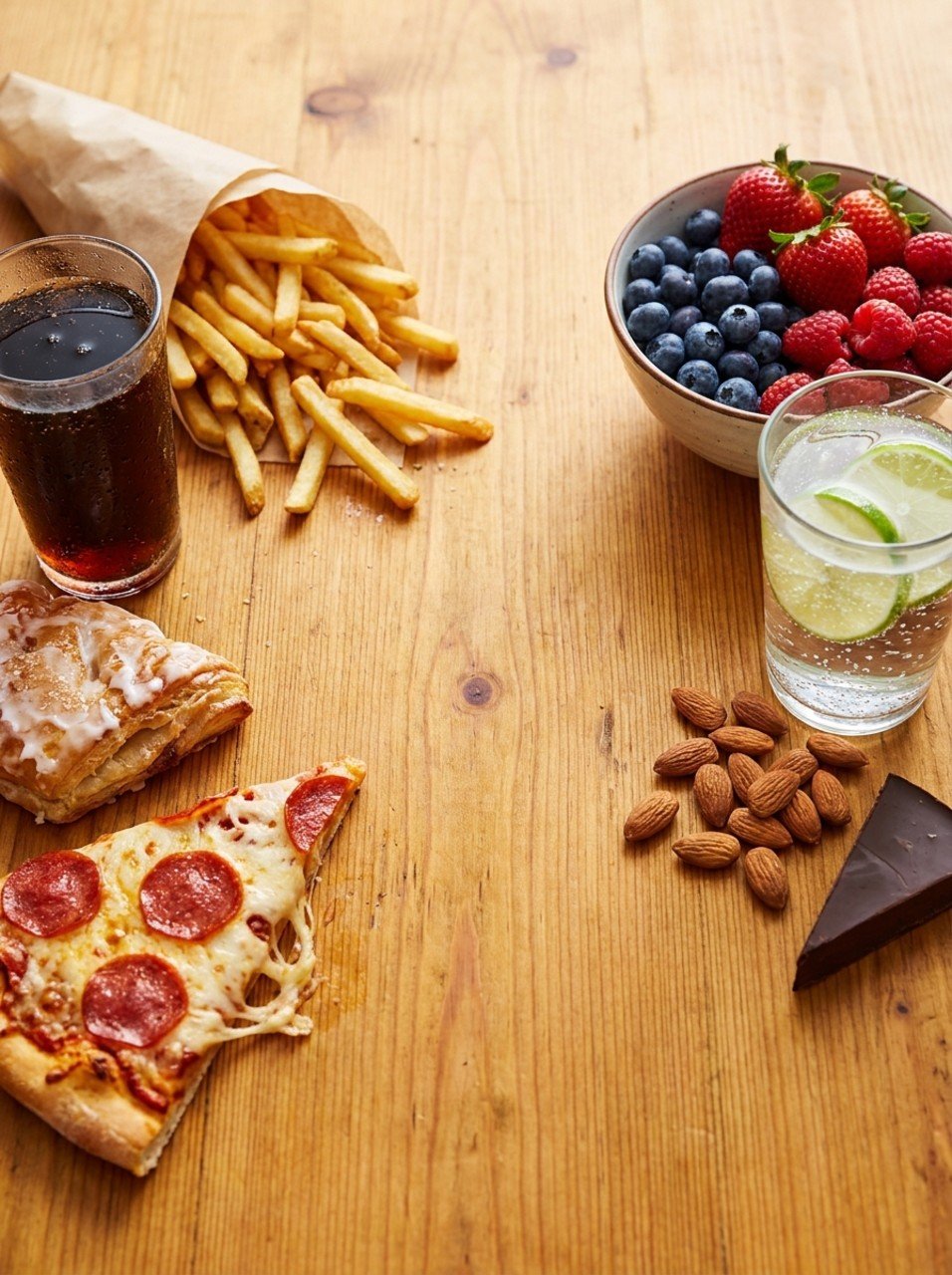
It’s Not The Food. It’s What’s Been Done To It
The foods on every “worst foods” list aren’t dangerous because of one bad nutrient — they’re engineered to override your body’s own fullness signals.
That’s not a theory. In a landmark NIH inpatient randomized controlled trial, researcher Kevin Hall put 20 adults on an ultra-processed diet for two weeks and a matched, unprocessed diet for two weeks — identical calories, sugar, fat, and fiber on paper.
The only difference was how the food was made. Left free to eat as much as they wanted, participants ate 508 more calories a day on the ultra-processed diet and gained about a pound a week. Nobody told them to eat more. They just did.
This isn’t a one-off finding. A 2026 systematic review and meta-analysis of ten randomized controlled trials comparing ultra-processed to less-processed diets found the same pattern holds up across studies, not just Hall’s single trial.
And in the UPDATE trial, published in Nature Medicine in 2025, adults following minimally processed diets that met the same official healthy-eating guidelines as an ultra-processed comparison diet still lost significantly more weight — on paper, both diets were “healthy.” Only one of them was actually easy to stop eating.
Researchers at the Harvard T.H. Chan School of Public Health have also linked high ultra-processed food intake to greater cardiovascular risk across data from hundreds of thousands of adults, and a review in Current Obesity Reports notes the association between ultra-processed intake and higher BMI holds consistently, even if scientists are still working out every mechanism behind it.
One pattern I hear over and over from women in this community: it’s rarely the ice cream itself that derails a week — it’s the guilt spiral that follows it, which makes the next “bad” choice feel inevitable. Understanding that these foods are built to be hard to stop eating — not that you’re bad at eating them — is what breaks that cycle. Every food group below shares this same mechanism to some degree.
Once you see it, the whole list stops feeling like a list of moral failures and starts feeling like a list of engineering problems you can outsmart. (If you want the day-to-day tactics for making that shift stick, our full guide on eating less junk food covers the how; this article is about the what and the why.)
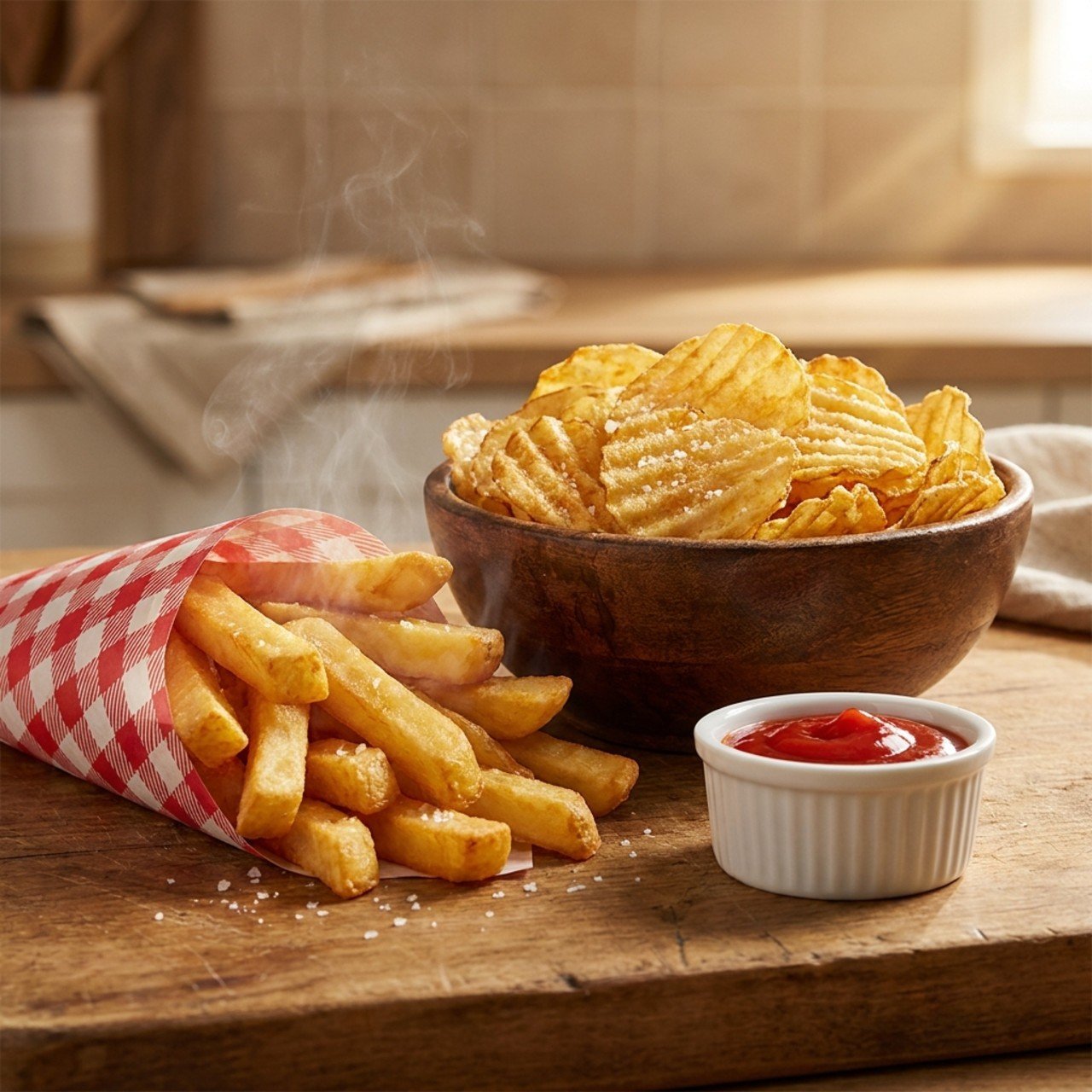
Fried Foods, French Fries & Potato Chips
French fries and potato chips are two of the worst foods for weight loss because deep-frying adds a concentrated dose of fat and calories to a food that started relatively harmless — and, historically, a lot of frying oil is high in industrially produced trans fat.
A randomized, double-blind trial in the journal Nutrition & Diabetes gave overweight postmenopausal women a diet rich in industrial trans fatty acids for 16 weeks and found it significantly increased abdominal and liver fat compared to a matched diet without them — in a study population that looks a lot like the WLBF community.
Separate research in monkeys found trans fat diets caused abdominal fat gain and impaired blood sugar control even when total calories were held steady, suggesting these fats do something to fat storage beyond simple caloric math.
Why Fried Foods And Chips Hit Different Than The Vegetables They Started As
A potato is a whole food. A potato chip is a potato stripped of fiber, fried in oil, and coated in salt — a near-perfect hyperpalatable package by the framework above.
Sugary drinks work the same trick in liquid form: a can of regular soda, sweetened primarily with high-fructose corn syrup, delivers around 150 calories and 39 grams of sugar with none of the fiber or protein that would make you feel full.
| Food | Calories (Per Serving) | Sugar (Grams) |
|---|---|---|
| French Fries (Medium) | 365 | 0 |
| Potato Chips (1 Oz) | 152 | 0.3 |
| Soda (12 Oz Can) | 150 | 39 |
None of this means one order of fries derails a week. It means treating fries and chips as an occasional food rather than a default side — baked or air-fried potatoes, and sparkling water with fruit instead of soda, deliver the crunch and the fizz without the same trans-fat and blood-sugar load.
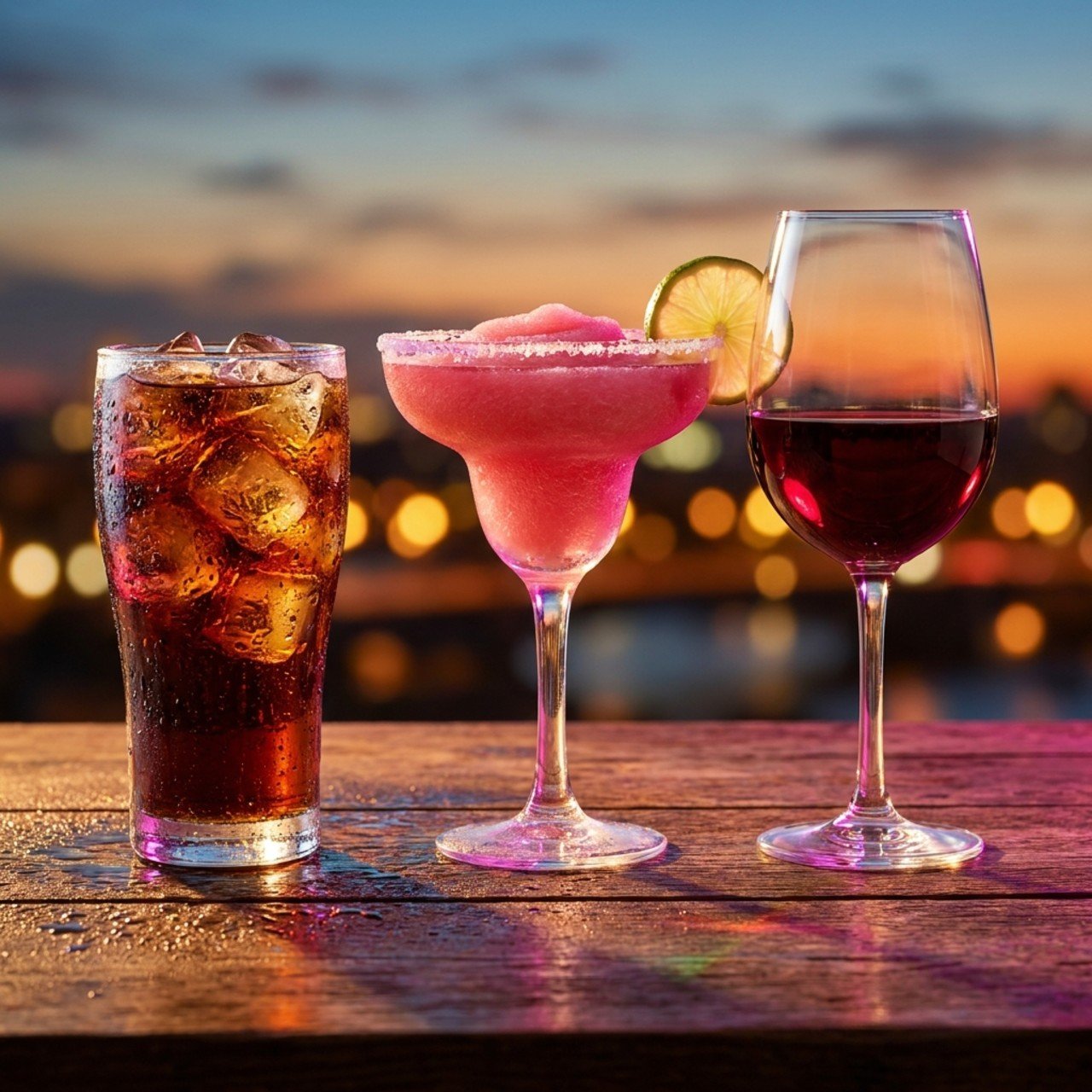
Alcohol & Sugary Drinks — The Liquid Calories That Don’t Register
Alcohol is one of the most overlooked worst foods for weight loss because your body treats it almost like a toxin to clear first — while doing little to fill you up.
A 2026 study in the International Journal of Obesity, using the Oxford Biobank and precise DXA (dual-energy X-ray) body-composition scans on 5,761 adults, found regular alcohol consumption was dose-dependently associated with greater visceral fat mass in women — the metabolically active fat around your organs that’s linked to insulin resistance — independent of age, activity level, or total body fat.
This isn’t about the occasional glass of wine; it’s the pattern of regular, higher-volume drinking that the data connects to visceral fat gain — the same stubborn, hormone-sensitive fat covered in our guide to what foods cause belly fat in perimenopause.
Sugary drinks and cocktails compound the problem: a frozen margarita or a sugary cocktail mixer stacks alcohol’s caloric load on top of the same empty-calorie, blood-sugar-spiking sugar found in soda. None of this requires an all-or-nothing rule — a few practical swaps go a long way:
- Sparkling water with citrus instead of soda — same fizz, zero sugar.
- A wine spritzer or a kombucha instead of a full glass of wine or a sugary cocktail — you still get to enjoy the drink, at roughly half the calories.
- One glass of water between each alcoholic drink — slows both the alcohol and the calorie intake without anyone noticing you’re doing it.
White Bread, Refined Carbs & The Blood Sugar Rollercoaster
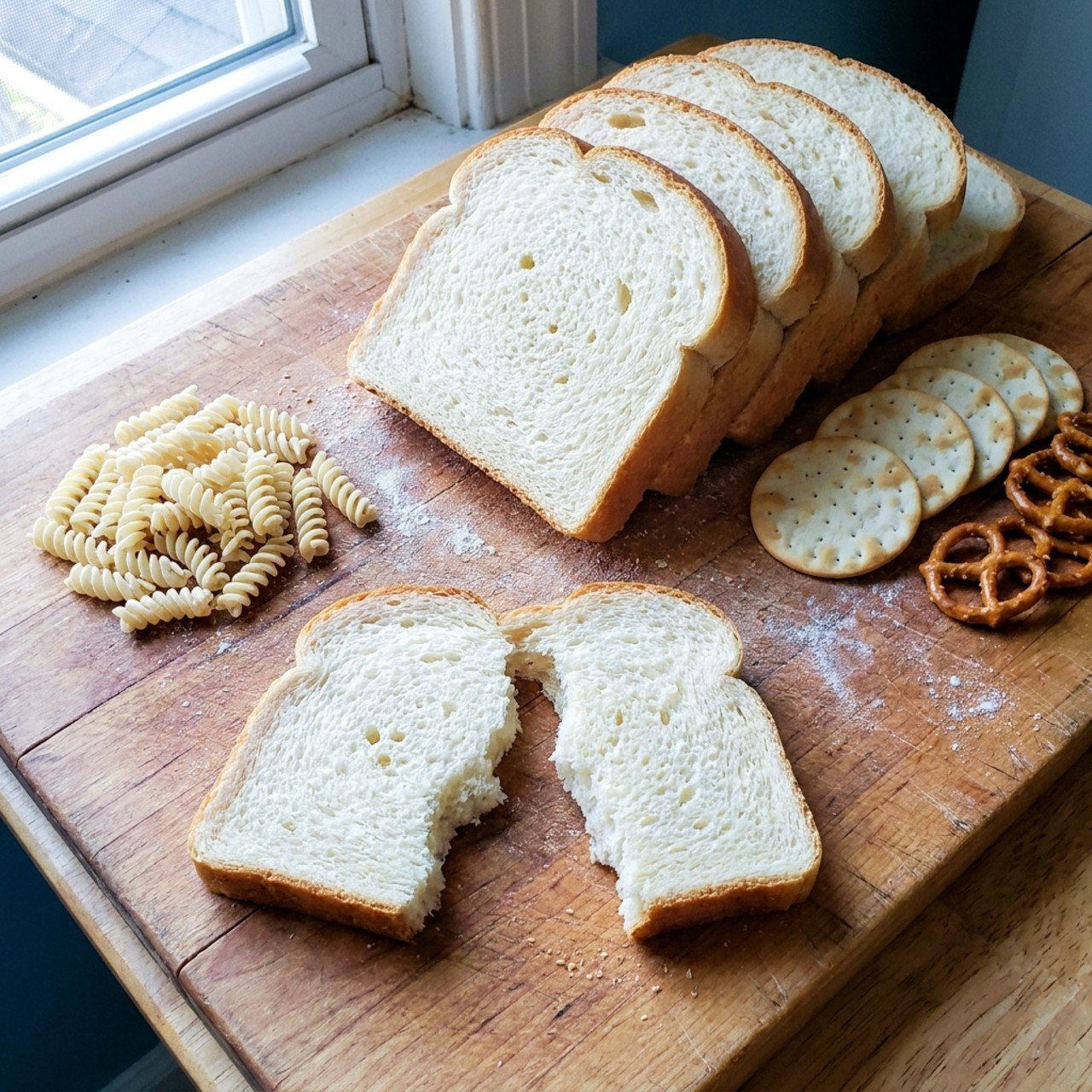
White bread, refined pasta, and other heavily milled grains spike blood sugar quickly and then crash it — which is a major reason you feel hungry again within an hour or two.
A 2025 narrative review linking refined carbohydrate intake to what researchers call the “overfat pandemic” synthesizes epidemiologic and mechanistic evidence tying high intake of refined, rapidly digestible carbohydrates to greater adiposity (body fat) and insulin resistance.
Refined grain-based white bread lacks the fiber found in whole grains, so it’s absorbed quickly, producing that rapid blood sugar spike — and the crash that follows is exactly what triggers the next craving.
| Foods To Avoid | Healthier Alternatives |
|---|---|
| White Bread & White Pasta | Whole Grain Bread & Whole Wheat Pasta |
| Candy Bars | Fresh Fruit Or Dark Chocolate |
| Fruit Juice | Whole Fruit Or Homemade Smoothies |
Sweets are appealing precisely because they’re engineered to be — but fresh fruit or a square of dark chocolate satisfies the same craving with fiber and antioxidants riding along instead of a blood sugar spike.
Fruit juice deserves its own mention here: even 100% juice concentrates natural sugar and strips out the fiber that would normally slow its absorption, so a glass of orange juice behaves more like a refined carb than most people expect.
White bread is just the most obvious member of a bigger family worth watching (see our full breakdown of tips for reducing daily sugar intake for more on taming the sugar side of this equation):
- White rice and regular pasta — swap for brown rice, quinoa, or a whole-grain pasta for the fiber that slows digestion.
- Crackers and pretzels — often marketed as a “light” snack while being almost pure refined flour and salt.
- Boxed, pre-made pasta and rice mixes — refined grains plus a sodium-heavy sauce packet, in one box.
Pastries, Cookies, Cakes & High-Calorie Coffee Drinks
A pastry or a syrupy latte rarely feels like “a meal,” which is exactly why the calories sneak past your radar — you’re eating sugar and refined flour in a form your brain doesn’t register as filling.
Cakes, cookies, and high-calorie coffee drinks combine sugar, refined carbohydrates, and unhealthy fats in a package with very little fiber or protein to slow things down.

The Hidden Calorie Load In Coffee Shop Drinks
Coffee drinks from popular chains look harmless next to a plate of fries, but the calorie count tells a different story once syrups, whipped cream, and whole milk are added on top of the sugar already in the base.
| Coffee Drink | Calories | Sugar (G) |
|---|---|---|
| Caramel Frappuccino | 420 | 66 |
| Mocha Latte | 290 | 35 |
| White Chocolate Mocha | 470 | 57 |
Plain black coffee, a splash of milk with a sugar-free syrup, or unsweetened iced tea deliver the same ritual and caffeine lift without three hundred-plus calories riding along. You don’t have to give up your coffee order — just know what you’re actually ordering.
Ice Cream, Pizza & The “Health Halo” Trap
Some of the worst foods for weight loss aren’t the ones that look indulgent — they’re the ones marketed as healthy. Low-fat yogurt, granola bars, and flavored oatmeal packets often make up for stripped-out fat with added sugar, so a food that reads as a smart choice on the label can carry nearly as much sugar as a small bowl of ice cream.
Marketing copy on these products loves words like “metabolism boost” or “clean,” but the nutrition label — not the front of the box — is what actually tells you what you’re eating. This is the “health halo” effect — a product’s packaging convinces you it’s a virtuous choice, which quietly raises the amount you’re willing to eat of it.
Pizza sits in a similar trap: it reads as “just dinner,” but a few slices of a cheese-and-meat-loaded pie can carry a full day’s worth of saturated fat and sodium in one sitting, while the refined-flour crust does the same rapid blood-sugar-spike-and-crash job as white bread.
None of this means these foods are off-limits — it means reading past the front-of-package claims and choosing nutrient-dense options more often:
- Lean proteins like chicken breast, fish, and tofu
- Fiber-rich fruits and vegetables such as berries, spinach, and broccoli
- Whole grains like quinoa, brown rice, and oats
- Healthy fats from avocados, nuts, and seeds
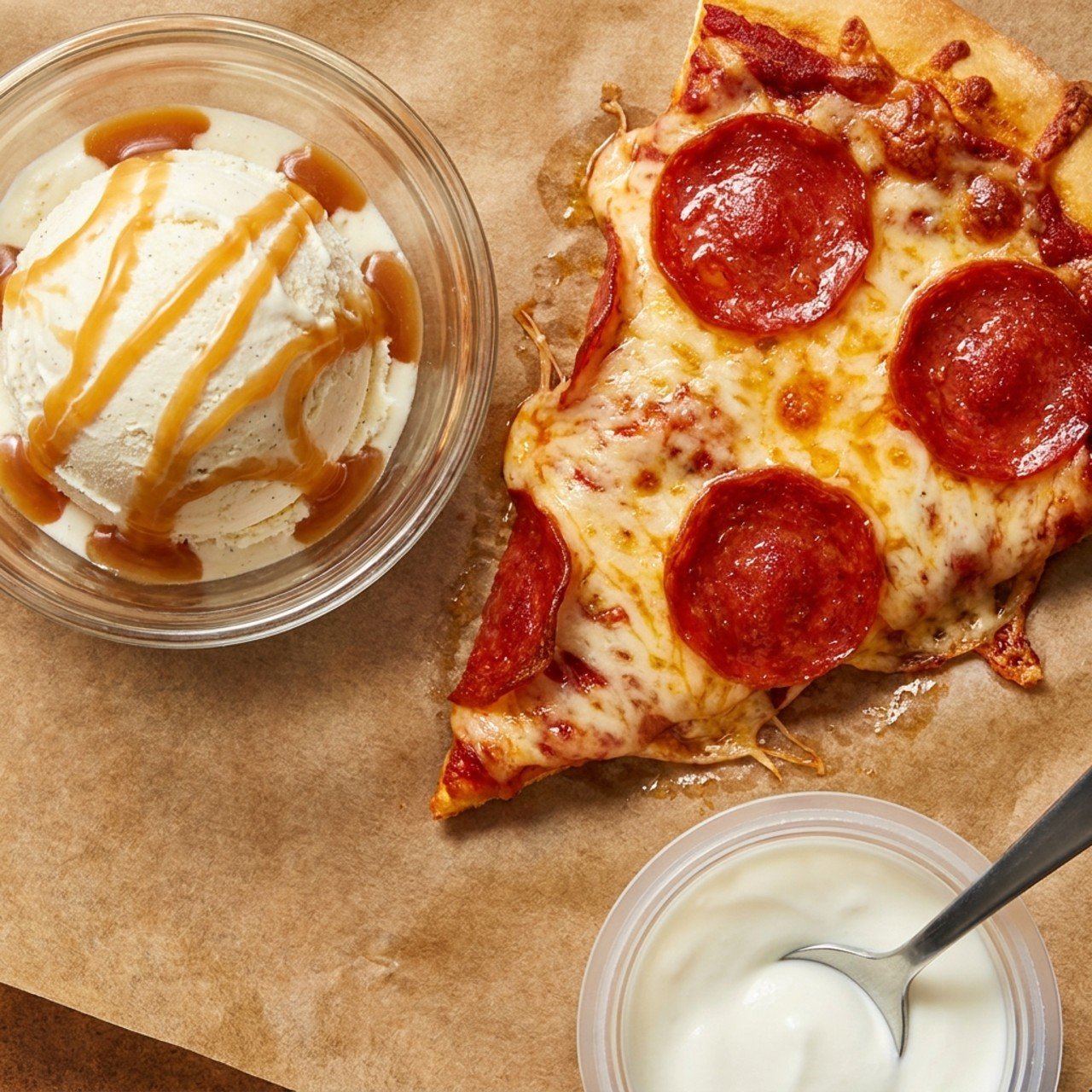
| Food | Calories (Per Serving) | Sugar (G) | Fat (G) |
|---|---|---|---|
| Ice Cream | 250 | 20 | 15 |
| Pizza (1 Slice) | 300 | 5 | 12 |
| Low-Fat Yogurt (1 Container) | 150 | 20 | 2 |
Soda, Dried Fruit & High-Sugar Cereal
Soda, dried fruit, and sugary cereal share a sneaky trait: each one concentrates sugar into a smaller, easier-to-overeat package than the whole food it’s made from. One can of regular soda can use up your entire daily added-sugar budget in a single drink, with zero fiber or protein to slow absorption or provide fullness.
Dried fruit looks like a health food, but the drying process concentrates natural sugar into a much smaller volume — a handful of raisins packs the sugar of a much larger bowl of grapes, and dried fruit is often coated in added sugar on top of that. Fresh fruit contains more water and fiber, which fills you up on far fewer effective sugar grams for the same amount of chewing.
| Food | Reason To Avoid |
|---|---|
| Soda | High in sugar and calories; provides no nutritional value |
| Dried Fruit | Concentrated sugar content, often coated in added sugar |
| High-Sugar Cereal | Processed, lacking fiber and nutrients; causes blood sugar spikes |
High-sugar cereal is a repeat of the refined-carb problem from earlier in this article, dressed up as breakfast: plain oats or a whole-grain cereal with minimal added sugar, topped with fresh fruit, delivers the same comfort-food format with the fiber left in.
“Diet” & Artificially Sweetened Products — Not As Simple As You Think
Diet soda and artificially sweetened “health” products don’t belong in a simple “bad food” category — the honest answer is that the research is genuinely mixed, and it depends on what they’re replacing.
A large systematic review and meta-analysis of over 100 controlled studies on aspartame, published in Advances in Nutrition, found its effects on glucose, insulin, and appetite-regulating hormones were inconsistent across studies — not a clear, uniform insulin spike, but not a clean bill of health either.
Join Our Mailing List
Join thousands of women inside our community and receive our free guide, 10 Actions That Support Permanent Weight Loss — the exact behavioural shifts that make the difference between a two-week attempt and a lasting transformation.
No restriction plans. No guilt. Just what actually works — for real women with real lives.
On the other hand, the multi-center SWEET trial, published in Nature Metabolism, found that using sweeteners and sweetness enhancers as part of an overall reduced-sugar, healthy diet actually supported better weight-loss maintenance than cutting sugar without them, with favorable shifts in gut microbiota.
Put together, the evidence suggests artificially sweetened products work best as a bridge away from full-sugar versions — not as a health food to build a diet around, and not the outright villain some “clean eating” content makes them out to be either.
It’s genuinely confusing when one headline calls sweeteners dangerous and the next calls them a diet hack — and if that back-and-forth leaves you intimidated to even walk down the sweetener aisle, that reaction makes sense. The honest, unglamorous answer is that context matters more than any single ingredient.
If diet soda or a sugar-free syrup helps you drink less regular soda, the research suggests that’s a reasonable trade. If it’s becoming its own daily habit stacked on top of everything else here, that’s worth a second look.
You Know Which Foods To Watch. Now Get The Plan That Makes The Swaps Automatic
Knowing that a bag of chips is engineered to be hard to stop eating doesn’t make the 4 p.m. craving disappear on its own — that takes a system, not just information.
Our free guide, 10 Actions That Support PERMANENT Weight Loss, walks you through exactly that: the specific, sustainable habits that turn “I know what I should eat” into what you actually reach for, built for real schedules and real cravings, not a 22-year-old’s meal-prep Instagram — wherever you are in your weight loss journey.
No fad diets. No extreme plans. Just what the research actually supports — written for real women.
The Bottom Line
Every item on this list of foods to avoid for weight loss shares one thing in common: it’s engineered, processed, or served in a way that makes it easy to eat more of it than your body actually needs — not because you lack discipline, but because that’s what the food was built to do.
The NIH’s own inpatient research found people eating 500-plus extra calories a day on an ultra-processed diet without trying to.
That reframe matters more than the list itself. Once you can name the mechanism — hyperpalatability, a blood sugar rollercoaster, a health-halo label, alcohol’s hidden calorie load — a slice of pizza or a glass of wine stops being a moral test you failed and becomes one input among many.
Swap what you can, most of the time, and build meals around protein, fiber, and whole foods as your default. That’s the real lever, and it’s one you control completely — and if you’re not sure the swaps are working, tracking your weight loss progress the right way will show you faster than the scale alone.
Glossary Of Key Terms
- Hyperpalatable: Foods engineered with specific combinations of fats, sugars, and salts that override the body's natural satiety signals, making them easy to overconsume.
- Ultra-processed: A category of "junk food" containing additives for color and flavor that cannot be recreated in a home kitchen; these are designed for high profitability and addictiveness.
- Visceral Fat: The metabolically active fat stored around the internal organs, which is dose-dependently linked to alcohol consumption and insulin resistance.
- Trans Fat: Industrially produced fats often found in frying oils that are linked to increased abdominal and liver fat, even when total caloric intake is controlled.
- Health Halo: A marketing phenomenon where a product's packaging (using words like "clean" or "metabolism boost") tricks the consumer into believing a food is healthy, leading to passive overeating.
- Refined Carbohydrates: Heavily milled grains (like white bread or pasta) that have been stripped of fiber, causing rapid blood sugar spikes and subsequent hunger crashes.
- Insulin Resistance: A condition linked to the consumption of refined carbs and visceral fat gain, where the body's ability to manage blood sugar becomes impaired.
- NIH Inpatient Trial: A landmark study by Kevin Hall proving that people eat significantly more calories when their diet consists of ultra-processed foods compared to unprocessed foods.
- Dose-dependent: A relationship where the effect (such as visceral fat gain) increases or decreases in direct proportion to the amount of a substance (such as alcohol) consumed.
- Nutrient-dense: Foods that provide high amounts of fiber, protein, and vitamins relative to their calorie count, such as lean proteins, whole grains, and fresh vegetables.
FAQ
What Are The Worst Foods To Eat For Weight Loss?
The worst foods for weight loss tend to share three traits: they’re high in refined carbohydrates or added sugar, low in fiber and protein, and heavily processed. That covers fried foods and chips, sugary drinks and alcohol, white bread and refined pasta, pastries and sugary coffee drinks, ice cream and “health halo” snacks like flavored low-fat yogurt, and high-sugar cereal — the categories covered in detail above.
What Foods Should I Avoid To Lose Weight Fast?
There’s no food swap that produces safe, fast weight loss on its own — but cutting back on sugary drinks and alcohol tends to move the needle fastest, since liquid calories add up quickly without making you feel full. Pairing that with more protein and fiber at each meal supports a sustainable caloric deficit rather than a crash.
Is It The Specific Food Or How It’s Processed That Matters More For Weight Loss?
Based on the research above — particularly the NIH’s inpatient trial and the 2026 meta-analysis of ultra-processed diets — how a food is processed matters at least as much as which specific food it is. Two diets can look nutritionally identical on paper and still lead to very different amounts of eating, purely based on how hyperpalatable and easy to overconsume each one is.
Can I Still Lose Weight If I Don’t Cut Out Sugar Completely?
Yes. Nothing in the research above supports an all-or-nothing approach — the SWEET trial specifically found that a reduced-sugar diet worked as well as or better than a diet giving up sugar entirely. Consistency with mostly nutrient-dense choices beats a perfect diet you can’t sustain.
Are “Diet” Foods And Artificial Sweeteners Actually Better For Weight Loss?
They’re a mixed bag, not a clear win or loss. Used to replace full-sugar versions of the same product, the evidence leans toward them being a helpful bridge. Used as their own daily habit, stacked on top of an otherwise unchanged diet, they don’t appear to add much benefit.
Does Alcohol Really Affect Belly Fat?
Yes, a large 2026 study using precise body-composition scans found that regular alcohol intake was dose-dependently linked to more visceral (belly) fat in women, independent of overall body fat. That doesn’t mean drinking; it means regular, higher-volume drinking is worth factoring in the same way any other consistent habit would be.
What Should I Eat Instead Of These Worst Foods?
Every category above has a real swap: baked or air-fried potatoes instead of deep-fried potatoes, sparkling water instead of soda or sugary cocktails, whole grains instead of refined grains, fresh fruit or dark chocolate instead of candy, and plain yogurt with real fruit instead of flavored low-fat yogurt. The goal is a plate built around protein, fiber, and whole foods most of the time, not perfection.
I do not even know how I ended up here, but I thought this post was great. I don’t know who you are but definitely you’re going to a famous blogger if you aren’t already 😉 Cheers!