
Handy Tips For Uncovering The Best Dietary Supplement For Your Body
Dr. Marion Nestle
Nutrition scientist & author
They’re not about science; they’re about belief systems.
Summary (TL;DR)
The best dietary supplement for you isn’t the priciest one, the one with the most Amazon stars, or the one your favorite influencer swears by. Because the FDA doesn’t approve supplements for safety or effectiveness before they hit shelves, the burden of vetting falls on you.
Below is the WLBF 4-Filter Supplement Check, a science-backed nutrition framework built around your doctor, the ingredient list, the price tag, and the actual evidence behind a product, plus the honest, research-backed reasons why expensive doesn’t mean better, Amazon reviews can be manufactured, and a pretty Instagram feed isn’t a credential.
Stand in a supplement aisle, or scroll one on your phone, and it’s easy to feel your confidence drain out of you. Hundreds of bottles promise the same six benefits in slightly different fonts; the price tags range from $8 to $80 for what looks like the same pill, and somewhere in the back of your mind is a nagging question: am I about to waste my money, or worse, take something that actually hurts me?
That intimidation is real, and it’s not a sign you’re bad at this. The supplement aisle is genuinely built to overwhelm you into either paralysis or a rushed, guilt-driven decision.
Here’s what makes it worse: unlike a prescription medication, nobody has to prove a dietary supplement works before it’s sold to you. The FDA does not determine whether dietary supplements are effective before they are marketed, and supplement companies aren’t required to prove safety to the FDA before their product reaches your cart, as long as the ingredients haven’t been new since 1994.
That's not a loophole; it's simply how the law is written. Combine that regulatory gap with marketing built to exploit it, and confusion and frustration aren’t overreactions. They’re the correct response to a system designed to be hard to evaluate from the outside.
I wrote this guide to replace the old, thin “4 tips” version of this article with something I’d actually hand a friend standing frozen in that aisle: a real vetting framework, the specific red flags that separate a decent product from a wasted purchase, and a few contrarian truths the supplement industry would rather you not think too hard about, like why the $60 bottle isn’t automatically better than the $12 one.
Medical & Referral Disclaimer
This article is for informational and educational purposes only. It is not a substitute for professional medical advice, diagnosis, or treatment. Always consult your physician or a qualified healthcare provider before starting any new supplement, diet, or exercise program, especially if you are pregnant, breastfeeding, managing a health condition, or taking medication.
Key Takeaways
- The FDA doesn’t pre-approve supplements. Unlike medicines, dietary supplements don’t need FDA approval before they’re sold, which is exactly why vetting them yourself matters.
- Price is a weak signal of quality. ConsumerLab’s 2026 testing of 22 popular multivitamins found 32% failed quality standards, and a higher price did not guarantee a passing product.
- A named third-party seal beats a vague claim. Look for USP, NSF, or ConsumerLab specifically; an unnamed “third-party tested” claim is meaningless.
- Amazon reviews can be manufactured. The FTC’s first-ever “review hijacking” case caught a major supplement brand borrowing another product’s star rating.
- Influencer endorsements aren’t proof. The FTC has repeatedly fined companies for paying influencers to make health claims with no scientific backing.
- The form of an ingredient matters as much as the amount. Bioavailability differences, like folic acid versus methylfolate, can change how much your body actually absorbs and uses.
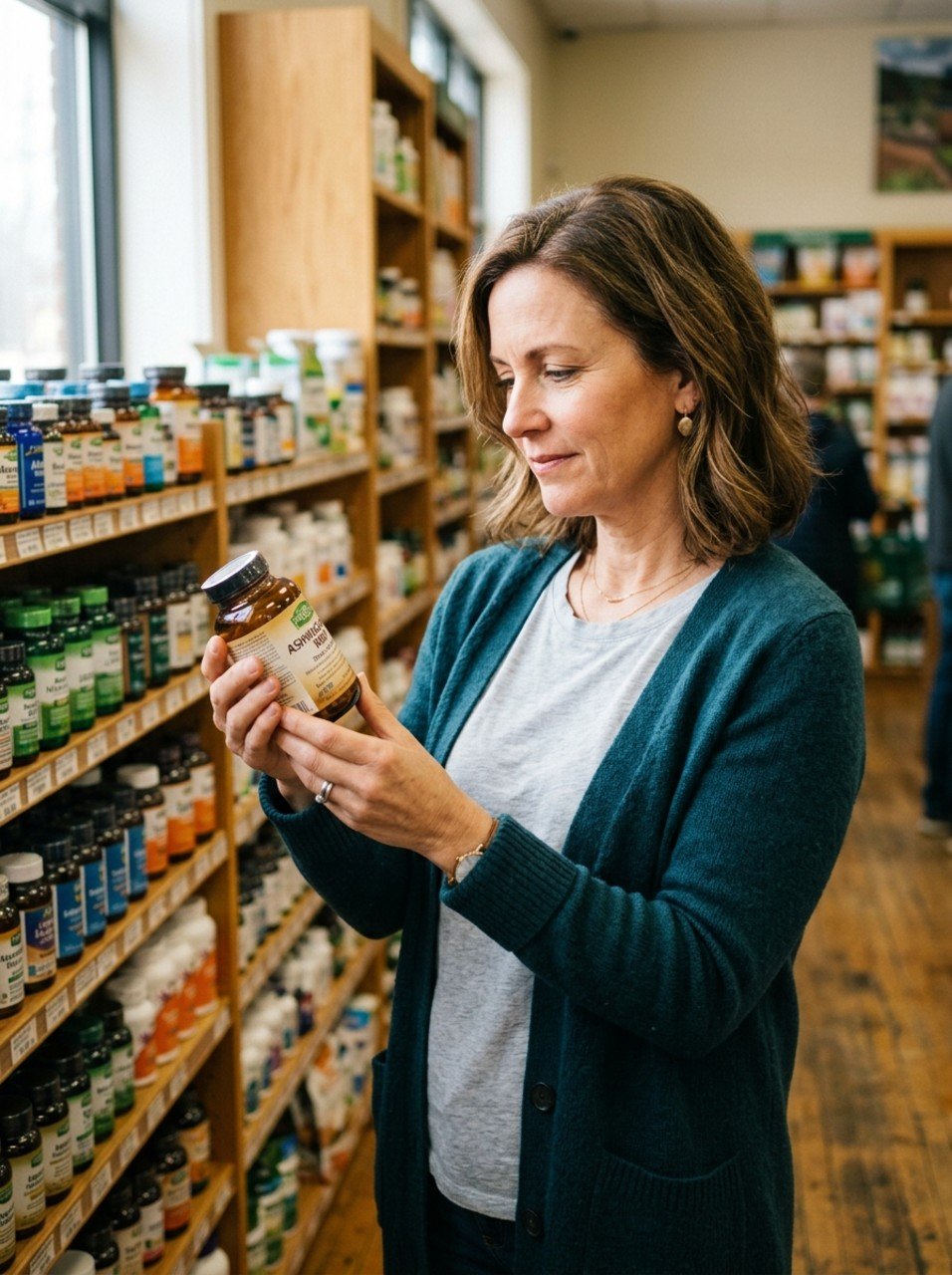
Why Finding The Best Dietary Supplement Feels So Overwhelming
The supplement aisle feels intimidating because the products are largely unregulated for effectiveness, the marketing is built to exploit that gap, and you’re left to do the vetting work a doctor or the FDA would normally do for a medication.
That’s not a personal failing. It’s a structural one. Medicines must clear FDA approval before they’re sold. Dietary supplements don’t.
Per the NIH Office of Dietary Supplements, supplement companies are responsible for having evidence that their products are safe and their claims truthful under existing FDA regulations, but as long as the product doesn’t contain an ingredient introduced after October 15, 1994, the company never has to show that evidence to the FDA before the product reaches shelves.
Labels can say a supplement “supports” a body function, as long as they include the line, “This statement has not been evaluated by the Food and Drug Administration.” Most shoppers skim right past that sentence. It’s doing a lot more work than its font size suggests.
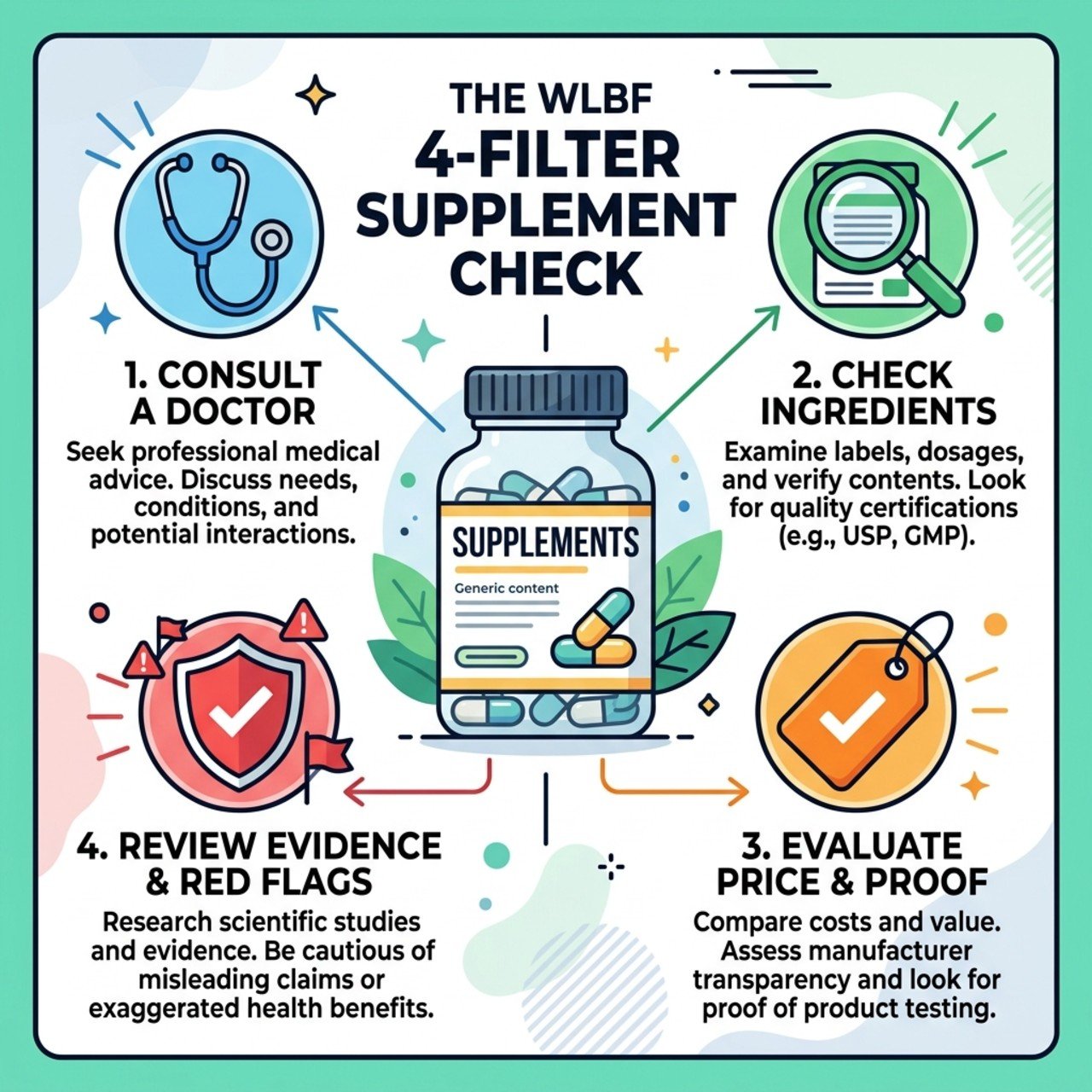
The WLBF 4-Filter Supplement Check
The WLBF 4-Filter Supplement Check is a four-step framework, built on the same core steps that have anchored this guide since 2023, that walks you through your doctor, the ingredient list, the price tag, and the actual evidence behind a product before you buy.
Each filter below targets a specific, common way supplement shopping goes wrong, whether your goal is filling a nutrient gap, supporting an active lifestyle, or backing up your broader weight loss goals.
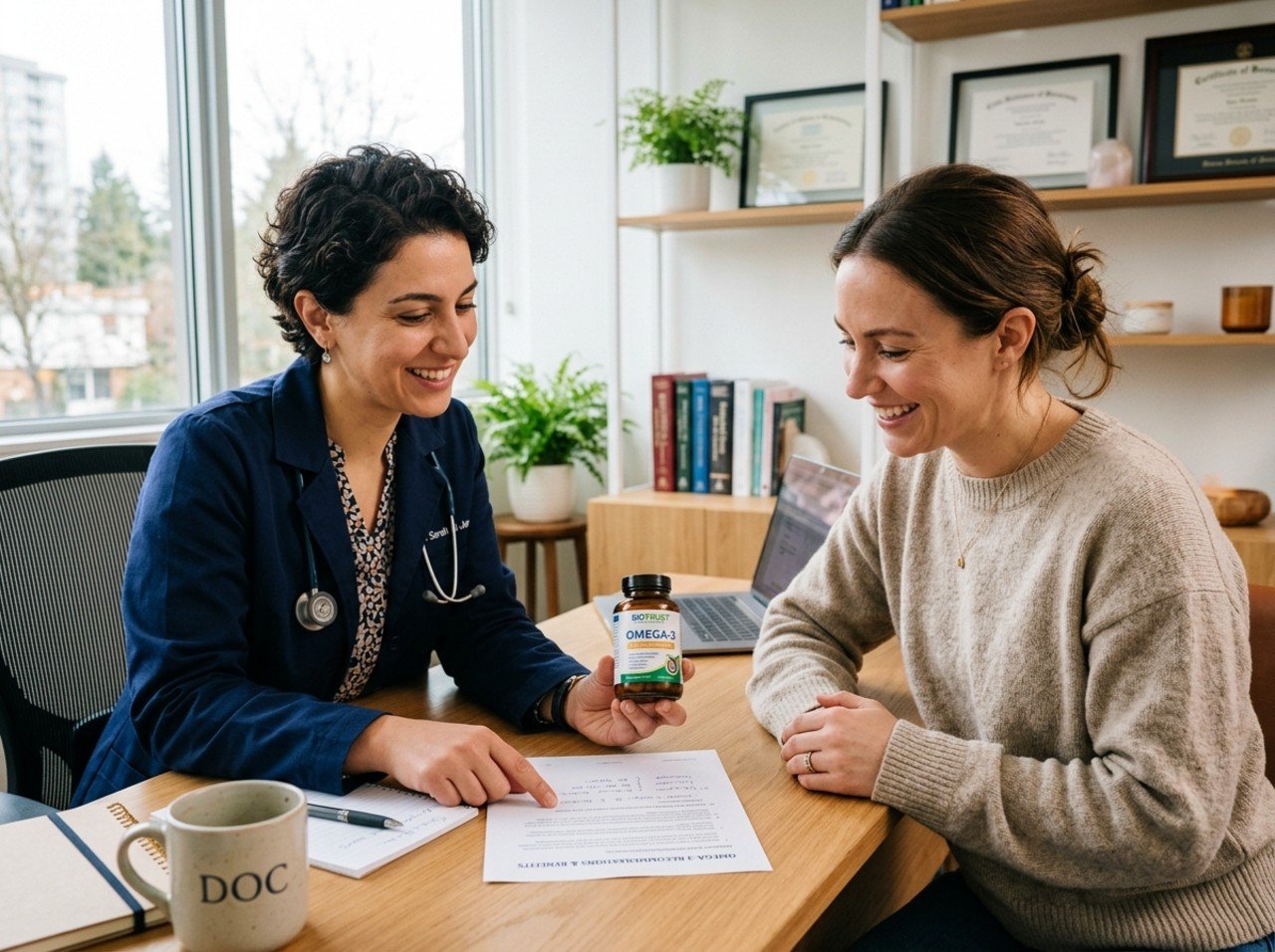
Filter 1: The Doctor Filter
Talk to your doctor or pharmacist before starting any new supplement, because several common ingredients interact with prescription medications in ways that aren’t obvious from the label.
This isn’t a formality. Ask specifically whether anything you’re taking, or considering, could interfere with your current medications or an upcoming procedure. This is also the right moment to mention any nutrient deficiencies flagged in recent bloodwork, since targeted safe supplementation works best when it's addressing a gap your doctor has actually confirmed.
Real examples: the NIH Office of Dietary Supplements flags matter here. Vitamin K can reduce how well the blood thinner warfarin prevents clotting. Herbal remedies aren't automatically gentler either: St. John’s wort can speed up the breakdown of many medications, including some antidepressants and birth control pills.
Antioxidant supplements like vitamins C and E might even reduce the effectiveness of some cancer chemotherapy drugs. Supplements can also change your response to anaesthesia, which is exactly why you should mention every supplement you take before any surgical procedure.
Taking any of this seriously doesn’t mean treating supplements as dangerous by default; it means recognizing they’re active substances, not neutral extras, and your doctor is the only person positioned to check them against your specific medication list.
Filter 2: The Ingredient & Bioavailability Filter
Read past the front of the label to the actual amount and form of each active ingredient, because two products can list the same nutrient and deliver very different amounts your body can use.
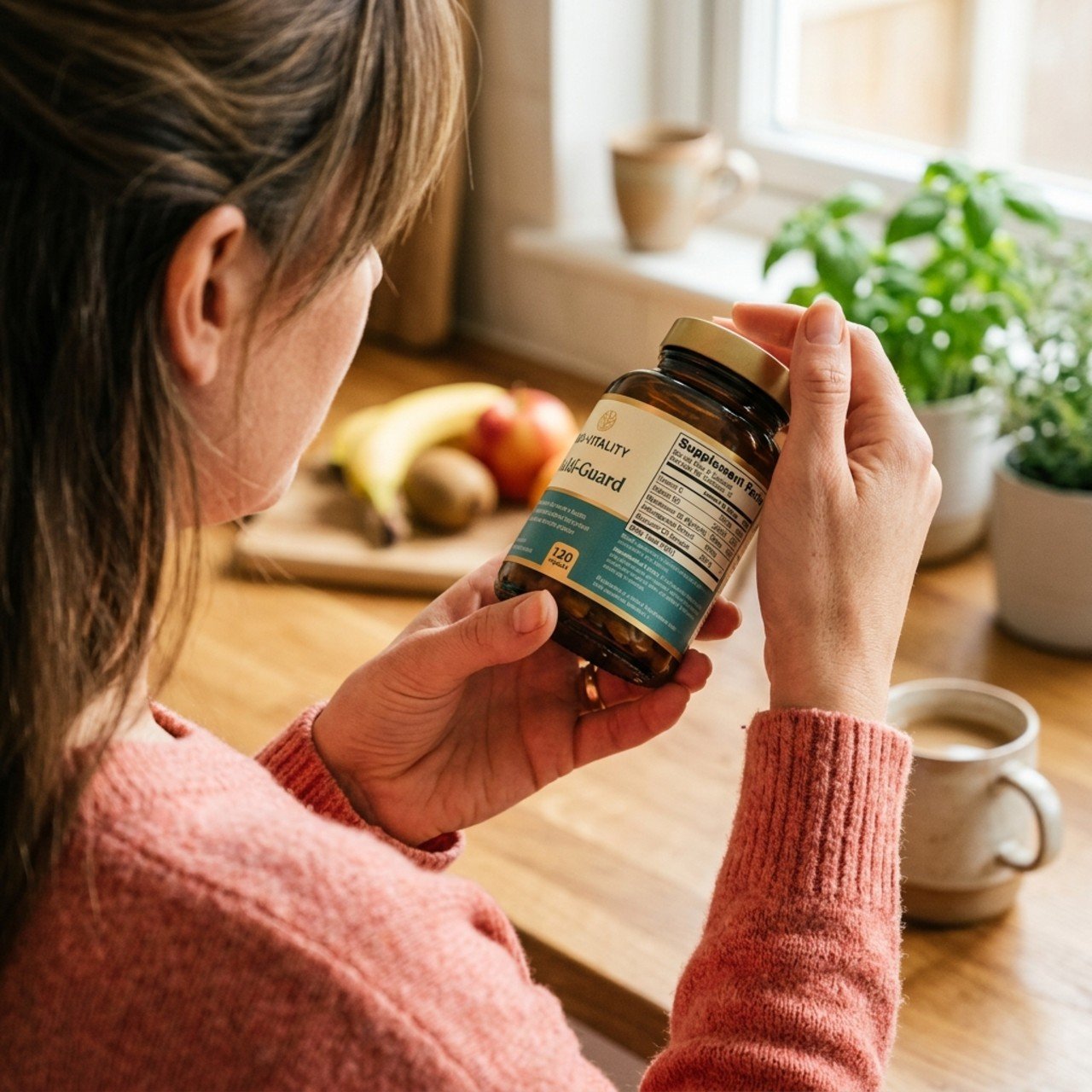
This is where bioavailability, how well your body absorbs and uses a nutrient, becomes as important as the dose on the label, and it's a bigger factor in your daily vitamin intake than most labels let on.
Folate is a clear example of vitamin absorption in action. According to the NIH Office of Dietary Supplements, your body absorbs synthetic folic acid more efficiently than natural food folate, which is why 240 mcg of folic acid and 400 mcg of dietary folate are both counted as 400 mcg DFE (dietary folate equivalents).
Some people with a common gene variant, MTHFR C677T, may use a different form, methylfolate (5-MTHF), more easily. The amount on the front of the bottle only tells part of the story; the form determines how much of it your body actually puts to work, whether you're shopping for a general multivitamin for women or an essential mineral like magnesium or iron.
Once you’ve checked the ingredient form, check who verified it. The table below breaks down what the major third-party certification seals actually confirm, and just as importantly, what they don’t.
| Certification / Seal | Who Runs It | What It Verifies | What It Doesn’t Guarantee |
|---|---|---|---|
| USP Verified Mark | U.S. Pharmacopeia | Product contains the ingredients and amounts listed on the label; meets purity and manufacturing standards | That the ingredient is clinically proven to work for your specific goal |
| NSF Certified | NSF International | Label accuracy; screens for a defined list of contaminants and undeclared substances | Effectiveness, or that the dose matches what's used in published research |
| ConsumerLab.com Approved Quality Seal | ConsumerLab.com (independent testing company) | Independent lab testing of label accuracy and contaminant levels, with publicly reviewable results | Per NIH ODS, none of these seals guarantee a product is safe or effective |
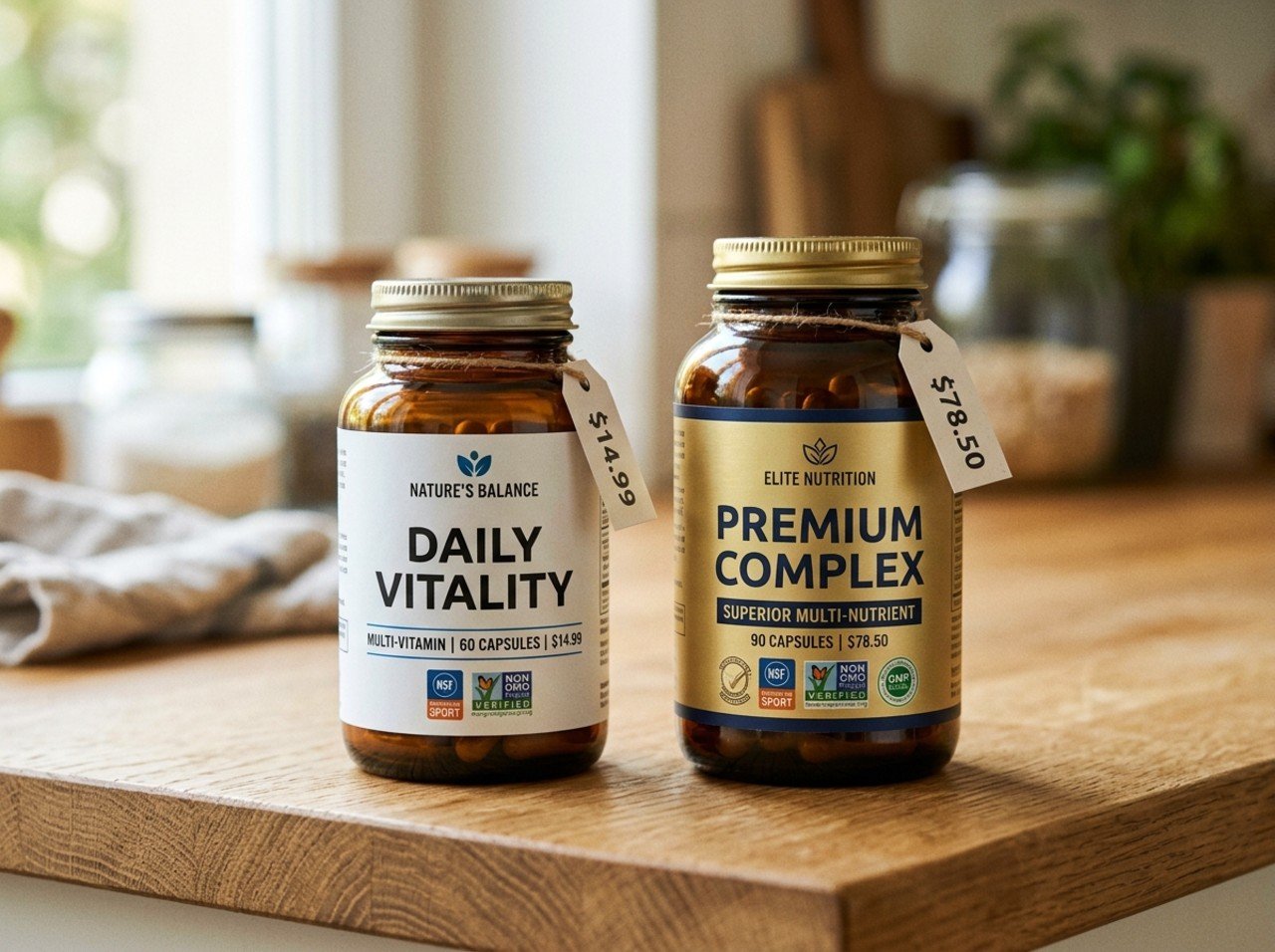
Filter 3: The Price & Proof Filter
A higher price does not mean a higher-quality supplement, and treating cost as a proxy for trustworthiness is one of the most common and most expensive mistakes shoppers make.
This is the filter I want you to sit with the longest, because it cuts against how most of us shop for everything else.
In ConsumerLab’s most recent multivitamin review, testing 22 popular products marketed as multivitamins for women, men, and general adults, 32% failed to meet quality standards, some containing far less of a key nutrient than claimed, others containing up to four times the labeled amount.
Daily cost across the tested products ranged from 4 cents to over $2.00, and, in ConsumerLab’s own words, a higher price did not guarantee better quality. Separately, ConsumerLab’s own testing team has stated plainly that some of the best quality products are not the most expensive ones, and some of the highest-priced supplements are among those that fail testing.
Big retailers with high sales volume can often hold their store-brand manufacturers to strong standards at a lower cost than a boutique brand charging a premium for packaging and marketing.
A low price tag doesn’t automatically signal poor quality control either; price alone simply tells you almost nothing in either direction. The only way to know is to check for a named, verifiable certification, the same one you looked for in Filter 2, rather than assuming the number on the price tag reflects the number in the bottle.
Filter 4: The Evidence & Red-Flag Filter
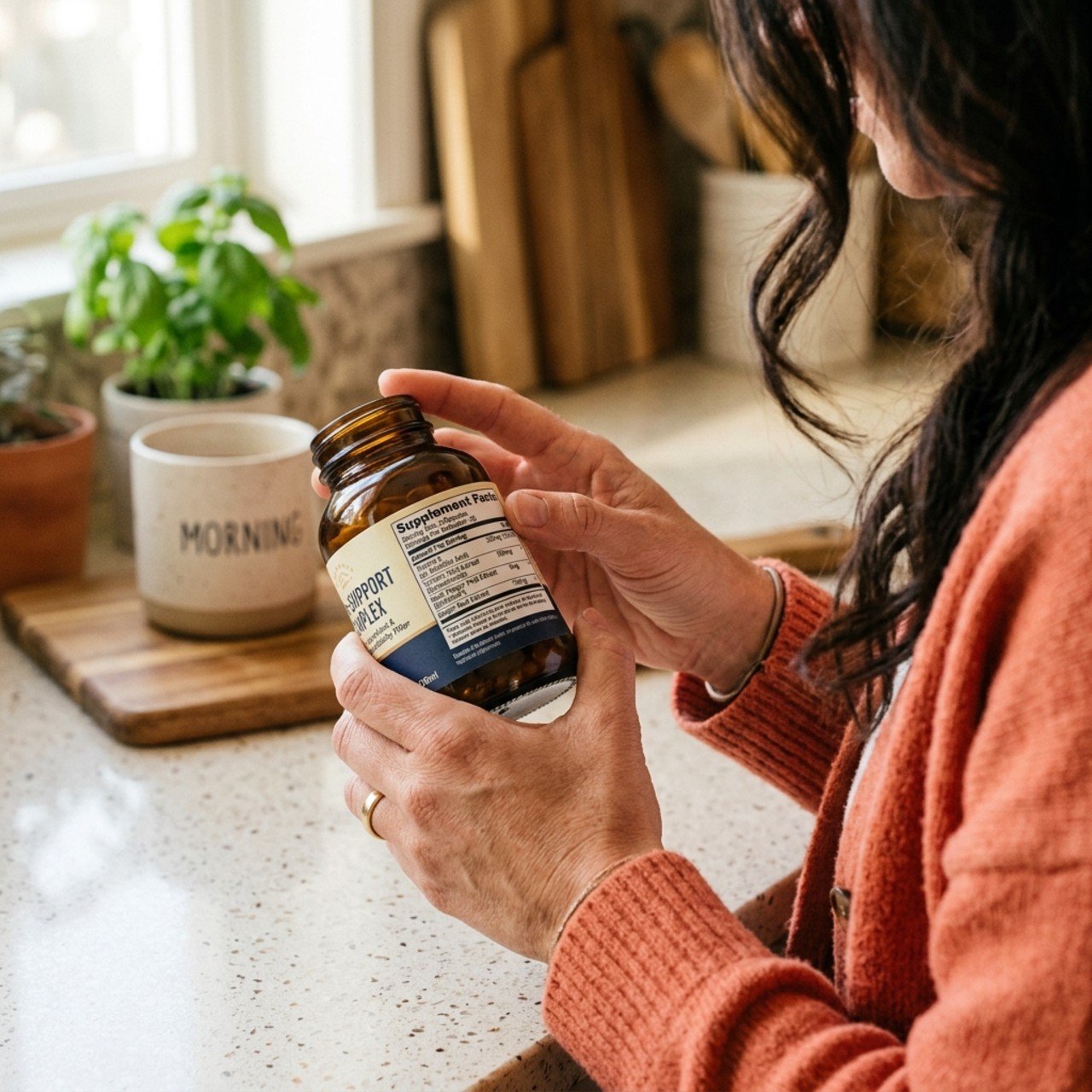
Learn to spot the specific label language that signals a weak or misleading product, because most supplement marketing is legal, even when it’s designed to mislead you.
Supplements are not legally allowed to claim they treat, cure, or diagnose a disease, so watch for language that tiptoes right up to that line, or ignores it outright.
The table below covers eight red flags ConsumerLab’s testing team has documented repeatedly across thousands of tested products, from fitness supplements to everyday multivitamins. Keep it open the next time you’re comparing labels side by side.
| What The Label Says | What It Actually Means |
|---|---|
| “Proprietary Blend” or “Proprietary Formula” | Lets the company hide the exact amount of each ingredient, often built around a small amount of an expensive ingredient padded with fillers |
| “Contains Clinically Tested Ingredients” | An ingredient was tested somewhere, in some amount, in some study; says nothing about whether this product contains a matching, effective dose |
| “Tested By An FDA-Approved Laboratory” | The FDA does not approve laboratories; this phrase is a fabricated credential |
| “Pharmaceutical Grade” | Not a regulated or legally defined term for most supplement ingredients; no reason to pay more for it |
| Claims to treat, cure, or prevent a disease | Illegal for a dietary supplement to state; legitimate products use structure/function language with the required FDA disclaimer instead |
| Gummy formula with no potency range listed | USP allows gummies far looser dosing tolerances (up to 245% of listed folate) than tablets or capsules (50% max) |
| A nutrient listed well above 100% Daily Value, unexplained | May exceed the Tolerable Upper Intake Level (UL) for that nutrient, a figure that never appears on the label itself |
| “Third-Party Tested” with no tester named | Meaningless without naming the actual organization (USP, NSF, or ConsumerLab) |
Why You Can’t Always Trust The Star Rating
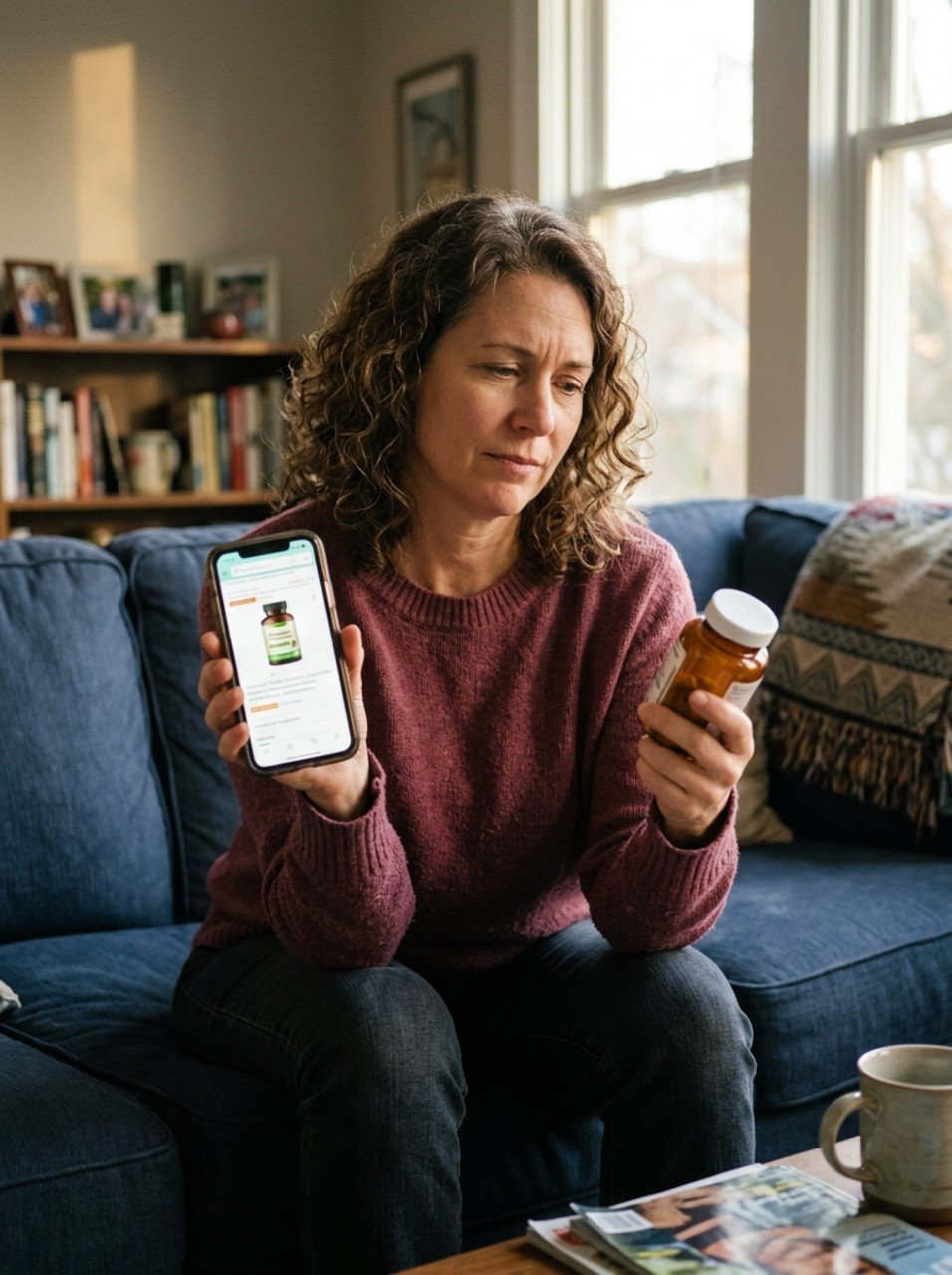
A high star rating and thousands of reviews on Amazon are not proof a supplement works, because review manipulation in this exact category has already been caught, fined, and documented by federal regulators.
If you've ever picked a supplement because it had "4.7 stars and 12,000 reviews," you're not being careless. You're trusting a system that has a documented history of being gamed.
In 2023, the FTC brought its first-ever “review hijacking” case against The Bountiful Company, the maker of Nature’s Bounty and Sundown vitamins.
According to the FTC, the company used an Amazon feature meant for near-identical product variations to merge brand-new, unproven supplements with older, well-reviewed ones, letting the new products inherit thousands of ratings, a high star average, and “Amazon’s Choice” and “#1 Best Seller” badges they hadn’t earned.
One internal company email, cited in the FTC complaint, said the tactic was used to give underperforming products “a little boost in ratings and reviews to gain visibility.” The company paid $600,000 to settle the case.
Separately, ConsumerLab’s own testers have reported counterfeit and poor-quality supplements sold specifically on Amazon, typically from lesser-known brands, containing only a fraction of their listed ingredients. None of this means every online review is fake, or that Amazon is uniquely bad.
It means a star rating measures marketing reach and review-system mechanics at least as much as it measures whether a product does what it claims.
Join Our Mailing List
Join thousands of women inside our community and receive our free guide, 10 Actions That Support Permanent Weight Loss — the exact behavioural shifts that make the difference between a two-week attempt and a lasting transformation.
No restriction plans. No guilt. Just what actually works — for real women with real lives.

The Influencer Trap: Why A Pretty Feed Isn’t Proof
An influencer taking a supplement on camera is not the same as evidence that the supplement works, and the FTC has fined multiple companies specifically for blurring that line.
A confident, relatable person holding a bottle and saying it changed their life is one of the most persuasive things you can see online, and persuasive isn’t the same as true.
In 2020, the FTC settled with Teami, LLC, a tea and skincare marketer, after alleging the company made unsupported claims that its products could cause weight loss and even fight cancer, unclog arteries, and reduce migraines.
Paid posts from well-known influencers, the complaint noted, made these claims without adequately disclosing they were paid endorsements, hiding disclosure behind a “more” link most followers never clicked. The FTC imposed a $15.2 million judgment, later partially suspended based on the company’s finances, and sent warning letters to ten influencers involved.
The takeaway isn’t that every wellness creator is dishonest. It’s that a testimonial, even a heartfelt one, isn’t a substitute for the evidence covered in Filter 4. If an influencer's post doesn't name a specific study, a specific dose, or a named certification, treat it exactly like advertising, because legally, that's often precisely what it is.
How To Fit Supplements Into A Sustainable Routine
Once you’ve found a supplement that clears all four filters, treat it as a supporting piece of your routine, not a replacement for the food, sleep, and dietary habits doing most of the real work.
Nutritionist and NYU professor Dr. Marion Nestle has noted that, for most healthy people without a diagnosed deficiency, there's no strong scientific evidence supplements make healthy people healthier; much of their appeal, she argues, comes from a genuine placebo effect rather than the ingredient itself.
That doesn’t make supplements worthless. It reframes their job. Use them to fill a specific, identified gap, ideally one your doctor helped you identify, alongside a balanced diet built on organic, clean ingredients where possible, not instead of one. If your goal is sustainable weight loss, a supplement that passes every filter above still won’t outrun the fundamentals of an active lifestyle and consistent nutritional support.
If you're specifically looking for supplement picks tied to perimenopause symptoms like sleep, mood, or metabolism, our evidence-ranked perimenopause supplement guide is the next place to look; this framework is what to run any of those picks, or any other supplement, through before you buy. Small, consistent choices like these are what healthy aging is actually built on.
Ready For The Next Step In Your Wellness Journey?
You now know how to cut through supplement marketing and find what actually works for your body.
If you want that same evidence-based approach applied to your whole routine, join thousands of women inside our community and grab our free guide: 10 Actions That Support Permanent Weight Loss, the practical, sustainable habits that turn everything you just read into real, lasting results.
The Bottom Line
The best dietary supplement was never going to be the one with the loudest marketing, the highest price, or the biggest influencer behind it.
It's the one that clears all four filters: your doctor has weighed in, you understand exactly what form and dose you're getting, the price hasn't led you to skip the certification check, and the evidence behind it holds up once you look past the label.
That's a more deliberate process than grabbing whatever's trending on social media or a bestseller list. Still, it's the difference between spending money on something that might help and spending it on a bottle of expensive, well-marketed uncertainty.
Glossary Of Key Terms
- Bioavailability: The degree and rate at which a nutrient is absorbed and becomes available for use by the body.
- ConsumerLab.com: An independent testing company that provides lab results on label accuracy and contaminant levels for dietary supplements.
- Dietary Folate Equivalent (DFE): A unit of measure used to account for the higher absorption rate of synthetic folic acid compared to naturally occurring food folate.
- MTHFR C677T: A common gene variant that can affect how an individual processes certain nutrients, specifically requiring different forms of folate like methylfolate.
- NSF International: A third-party organization that certifies label accuracy and screens products for contaminants and undeclared substances.
- Proprietary Blend: A labeled mixture of ingredients that does not disclose the specific milligram amount of each component, often hiding the actual formula composition.
- Review Hijacking: A deceptive practice where a brand merges the ratings of a new product with an older, well-reviewed one to inherit its positive reputation.
- Structure/Function Claims: Statements on a supplement label describing the role of a nutrient intended to affect the normal structure or function in humans (e.g., "supports bone health").
- Tolerable Upper Intake Level (UL): The maximum daily amount of a nutrient that is unlikely to cause adverse health effects for most people in the general population.
- USP Verified Mark: A seal granted by the U.S. Pharmacopeia confirming that a product meets specific standards for ingredient identity, strength, and purity.
FAQ
What Is The Best Dietary Supplement For Beginners To Start With?
There isn’t a single best dietary supplement for everyone; the right starting point depends on an identified gap in your diet or bloodwork, ideally confirmed with your doctor. Rather than starting with a specific product, start with the WLBF 4-Filter Supplement Check above to evaluate whatever your doctor recommends.
Is It Safe To Buy Supplements Online, Including On Amazon?
Many reputable brands sell safely online, but ConsumerLab’s testers have documented counterfeit and lower-quality supplements specifically on Amazon, usually from lesser-known brands. Buy directly from the manufacturer or an authorized retailer when possible, and check for a named third-party certification regardless of where you purchase.
How Do I Know If A Supplement Is Expired Or No Longer Effective?
Check the “best by” or expiration date printed on the bottle, and be aware that gummy supplements tend to lose potency faster than tablets or capsules. If a supplement smells noticeably different, has changed color or texture, or is past its printed date, it's safer to replace it than to guess.
What Does “Clinically Studied Dose” Actually Mean On A Label?
It means the specific ingredient was tested at a specific dose in at least one study, but it does not confirm that this product contains that same dose or that the study showed a meaningful benefit. Check the Supplement Facts panel for the actual milligram amount and compare it to the dose used in the cited research.
Do More Expensive Supplements Work Better Than Cheaper Ones?
Not reliably. ConsumerLab’s 2026 testing of popular multivitamins found daily costs ranging from 4 cents to over $2.00, with a higher price not guaranteeing a passing product; some of the most expensive products tested failed, while some of the least expensive passed every check.
Are Supplements With Celebrity Or Influencer Endorsements Trustworthy?
An endorsement alone isn't evidence. The FTC has taken enforcement action against supplement and wellness marketers for paying influencers to make unsupported health claims without properly disclosing the payment, so treat an endorsement as advertising, not proof, unless it points to a specific, named study.
How Long Should I Take A Supplement Before Deciding If It's Working?
This varies by nutrient, dose, and your starting level, so there's no single universal timeline. If your doctor recommended the supplement to correct a specific, confirmed deficiency, ask them directly when to schedule follow-up bloodwork to retest, rather than judging progress by how you feel alone.