
Your No-Nonsense Guide To A Healthy Detox Without Extreme Cleanses Or Fasting

Time and health are two precious assets that we don’t recognize and appreciate until they have been depleted.
Denis E. Waitley ‧ American motivational speaker, writer and consultant
Summary (TL;DR)
A healthy detox isn’t a juice cleanse and detox tea, or a 3-day starvation plan. Your liver and kidneys already do that job every single day, and no product on the market speeds them up. What actually works is giving those organs less to filter and more of what they need to run well: water, fiber, cruciferous vegetables, sleep, and fewer processed sugars.
Below is the WLBF 3-Day Foundation Reset, an evidence-based, beginner-friendly detox diet framework built around hydration, whole-food fuel, and body awareness, plus what changes hormonally after 40 that most detox advice ignores entirely.
If you’ve ever stood in the supplement aisle staring at a “detox tea” and thought, does any of this actually do anything, or am I about to waste $30? You’re not alone, and you’re not wrong to be sceptical. The detox industry sells urgency and guilt in equal measure: eat one bad weekend, and suddenly you’re told your body is “toxic” and needs rescuing.
That messaging is designed to make you feel broken so you’ll buy the fix. If the whole topic feels intimidating, a wall of conflicting rules, scary-sounding “toxins,” and influencers contradicting each other, that reaction makes sense. It’s not you. The information genuinely is a mess.
Here’s the part almost nobody tells you: your body has run a full-time, unpaid detoxification department since the day you were born. Your liver, kidneys, gut, and lymphatic system do the heavy lifting, with smaller supporting roles played by your skin and lungs, filtering, neutralizing, and removing waste around the clock, no green juice required.
What actually moves the needle isn’t flushing out mystery toxins. It’s reducing the daily load on those organs and giving them the raw materials (water, fiber, sleep, specific plant compounds) they need to keep working efficiently, especially once hormonal shifts after 40 start changing how your liver and metabolism handle that workload.
I wrote this guide with something I’d actually hand a friend: a real framework, a 3-day reset you can follow, the food science behind why it works, what changes for women in perimenopause specifically, and the honest, sometimes uncomfortable truth about which detox claims hold up under research and which ones don’t.
Medical & Referral Disclaimer
This article is for informational and educational purposes only. It is not a substitute for professional medical advice, diagnosis, or treatment. Detox and cleanse claims are frequently overstated by marketers, so always consult your physician or a qualified healthcare provider before starting any new diet, fasting protocol, or exercise program, especially if you are managing a health condition, are pregnant or breastfeeding, or are taking medication.
Key Takeaways
- Your organs already detox you. A healthy detox plan supports your liver, kidneys, and gut. It doesn’t replace or “boost” them with a product.
- Hydration is the foundation, not a gimmick. Water is the delivery system for every other detoxification benefit on this list.
- Cruciferous vegetables have real, peer-reviewed evidence behind their role as liver detox foods that support your body’s own detoxification enzymes, unlike most detox teas.
- Perimenopause changes the rules. Declining estrogen affects liver metabolism and insulin sensitivity, which is why a generic detox plan built for a 25-year-old often falls flat for women 40+.
- Sleep is a detox pathway. Your brain runs its own overnight cleanup system, and skimping on sleep undercuts everything else on this list.
- Extreme cleanses tend to backfire. Multi-day juice fasts and colon cleanses carry real risk and little to no supporting evidence.

What A Healthy Detox Actually Means For Your Body
A healthy detox is the practice of reducing your toxic load and supporting your liver, kidneys, gut, and lymphatic system with hydration, fiber, and sleep, not a product or a fast that flushes toxins out.
Those four organs handle detoxification in relay. Your liver breaks down and neutralizes waste, including alcohol, medications, and metabolic byproducts, in a two-step process called Phase I and Phase II detoxification.
Your kidneys filter that waste out of your blood and into urine. Your gut eliminates solid waste and hosts a microbiome that processes plant compounds. Your lymphatic system clears cellular debris and supports immune function.
So if my body already does this, why does “detox” feel so necessary sometimes? Because the feeling is real even when the marketing isn’t. A weekend of poor sleep, added sugar, alcohol, and no vegetables genuinely does increase the workload on your liver and gut.
You’re not imagining the bloating, the fog, or the sluggishness. Here’s the trap the detox industry wants you to fall into: believing the fix has to be an external product. In reality, the fix is to reduce input and support the systems you already have, which is exactly what research on food-based modulation of detoxification pathways supports..
A 2015 review by Klein and Kiat in the Journal of Human Nutrition and Dietetics found that, to date, no randomized controlled trials have demonstrated that commercial detox diets remove toxins from the body more effectively than the liver and kidneys already do on their own. Source: PubMed / DOI.
That’s the contrarian truth this whole industry would rather you not know, and it’s also good news, because it means you don’t need a $60 tea to get the detoxification benefits you’re after. You need a plan.
The WLBF 3-Day Foundation Reset
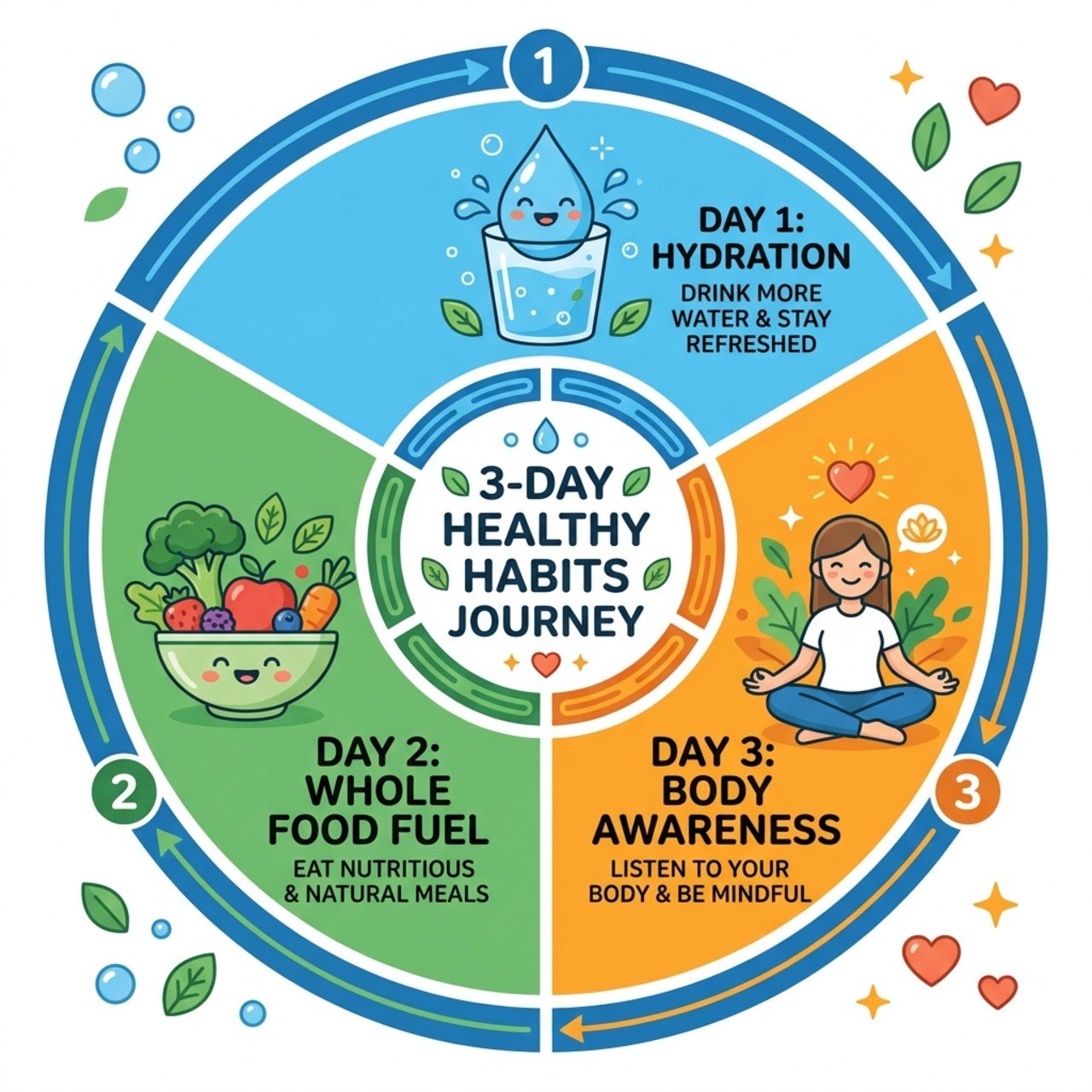
This is the original three-tip framework from our earliest version of this article, hydration, whole foods, body awareness, rebuilt into a structured three-day routine with the “why” behind each step, plus the simple healthy cleanse tips that make it easy actually to stick with. It’s not a fast.
You eat real meals every day. Think of it as a whole foods cleanse rather than a starvation plan: a detox routine for women who want gentle detox methods they can actually sustain, not a crash plan you white-knuckle through and abandon by Wednesday. If you’re looking for a healthy detox diet for beginners, start here rather than with an extreme cleanse.
Day 1: Hydration Foundation
Day one is about restoring your body’s single most important detoxification tool: water.
Without adequate fluid, your kidneys can’t efficiently filter waste out of your bloodstream, and your body pulls water from wherever it can find it, including your digestive tract, which is a fast track to the bloating and constipation that make you feel “toxic” in the first place.
Start the day with a full glass of water before coffee. Keep a bottle within reach and sip through the day rather than chugging it all at once. If plain water is boring you into skipping it, this is where detox water recipes earn their keep: cucumber and mint, lemon and ginger, or berries and basil all add flavor with zero added sugar.
Track your daily water intake for one day just to see where you actually land. Most women are surprised by the gap between what they assume they drink and what they actually do.

Day 2: Whole-Food Fuel
Day two shifts your plate toward the specific foods with actual research behind supporting detoxification, starting with cruciferous vegetables.
Broccoli, kale, cauliflower, Brussels sprouts, and arugula contain glucosinolates, which your body converts into compounds that upregulate your liver’s Phase II detoxification enzymes, the enzymes responsible for the final neutralization step before waste leaves your body.
This isn’t folk wisdom; it’s a documented biochemical pathway, and it’s the single best answer I can give you when someone asks what the best ways to detox actually are.
Pair those vegetables with lean protein and cut back on the processed carbs and added sugar that force your liver to prioritize sugar metabolism over its other jobs. This is also the day to be honest about added sugar: the American Heart Association recommends women cap added sugar at roughly 6 teaspoons (25 grams) a day, and a single flavored latte or soda can blow past that before lunch.
A genuine sugar detox plan isn’t about eliminating all carbohydrates; it’s about closing that specific, measurable gap. These are the kind of healthy dieting tips that hold up whether you follow them for three days or three years.
Day 3: Body Awareness Reset
Day three is about relearning your body’s actual signals instead of overriding them with habit or stress-eating.
Cravings are data, not weakness. A craving for citrus or something acidic can point to low vitamin C intake; a craving for salty snacks can mean you’re under-hydrated or under-slept, not that you lack willpower.
Spend today paying attention to how your body actually feels after meals, rather than how many calories were in them. Notice energy crashes, bloating patterns, and which foods leave you steady versus foggy.
This single habit, eating, then checking in an hour later, does more for long-term holistic health for women than any single “superfood” ever will, because it’s the skill that keeps working long after day three ends.

What This Actually Looks Like: A Composite From Our Community
The following is a composite scenario built from patterns we consistently see across the WLBF community, not a single verified individual case, but a realistic illustration of how this reset tends to play out.
Picture a reader in her late 40s who tries a 3-day juice cleanse after a rough holiday season. By day two, she has a pounding headache, she’s exhausted, and she breaks the cleanse with a plate of pasta because her blood sugar has crashed. She feels like she failed.
This pattern shows up constantly in our inbox and community comments: extreme restriction promises a fast fix, delivers a crash, and leaves the reader feeling worse about herself than before she started, not because she lacks discipline, but because the plan itself was never sustainable.
Now picture the same reader trying the 3-Day Foundation Reset instead. Day one, she just drinks more water and notices she’s less bloated by evening. Day two, she swaps her afternoon vending-machine candy bar for a handful of nuts and roasted broccoli with dinner, and she doesn’t hit the usual 3 pm wall.
Day three, she notices her sugar cravings are quieter than they’ve been in weeks, not gone, just quieter. Nothing dramatic happens, and that’s the point. This is the pattern we see repeatedly: small, sustainable shifts compound into steadier energy and fewer crashes within one to two weeks, without a single day of starvation.
Why A Healthy Detox Feels Different After 40
Perimenopause changes how your liver and metabolism process everything, which is why generic detox advice written for a 25-year-old often doesn’t deliver the same results for women 40+.

This is the piece almost every mainstream detox article skips entirely, and it’s the difference between a plan that works and one that leaves you frustrated and confused about why you’re “doing everything right” without results.
Your Liver Is Working Harder Than It Used To
Declining estrogen during perimenopause is linked to increased oxidative stress and a higher risk of fatty liver changes, according to research on liver health during the menopause transition.
Estrogen plays a protective, regulatory role in liver metabolism; as it fluctuates and declines, your liver’s workload effectively increases even if your diet hasn’t changed at all. This is a direct, physiological reason a natural detox for women in this life stage needs to lean harder into liver-supportive foods like cruciferous vegetables, not lighter.
Insulin Resistance Changes The Rules
As estrogen becomes less stable, insulin sensitivity in your muscles and liver decreases, which research on metabolic changes in menopause links to increased fat storage and higher triglyceride production.
Add in a resting metabolism that measurably slows during this transition, as tracked in research on weight regulation through menopause, and it becomes clear why a weight loss detox approach built for your 30-year-old self stops delivering the metabolism boost it used to.
This isn’t a motivation problem so much as it is biology, and it responds better to consistent whole-food nutrition and strength-supportive habits than to any short-term cleanse.
Join Our Mailing List
Join thousands of women inside our community and receive our free guide, 10 Actions That Support Permanent Weight Loss — the exact behavioural shifts that make the difference between a two-week attempt and a lasting transformation.
No restriction plans. No guilt. Just what actually works — for real women with real lives.
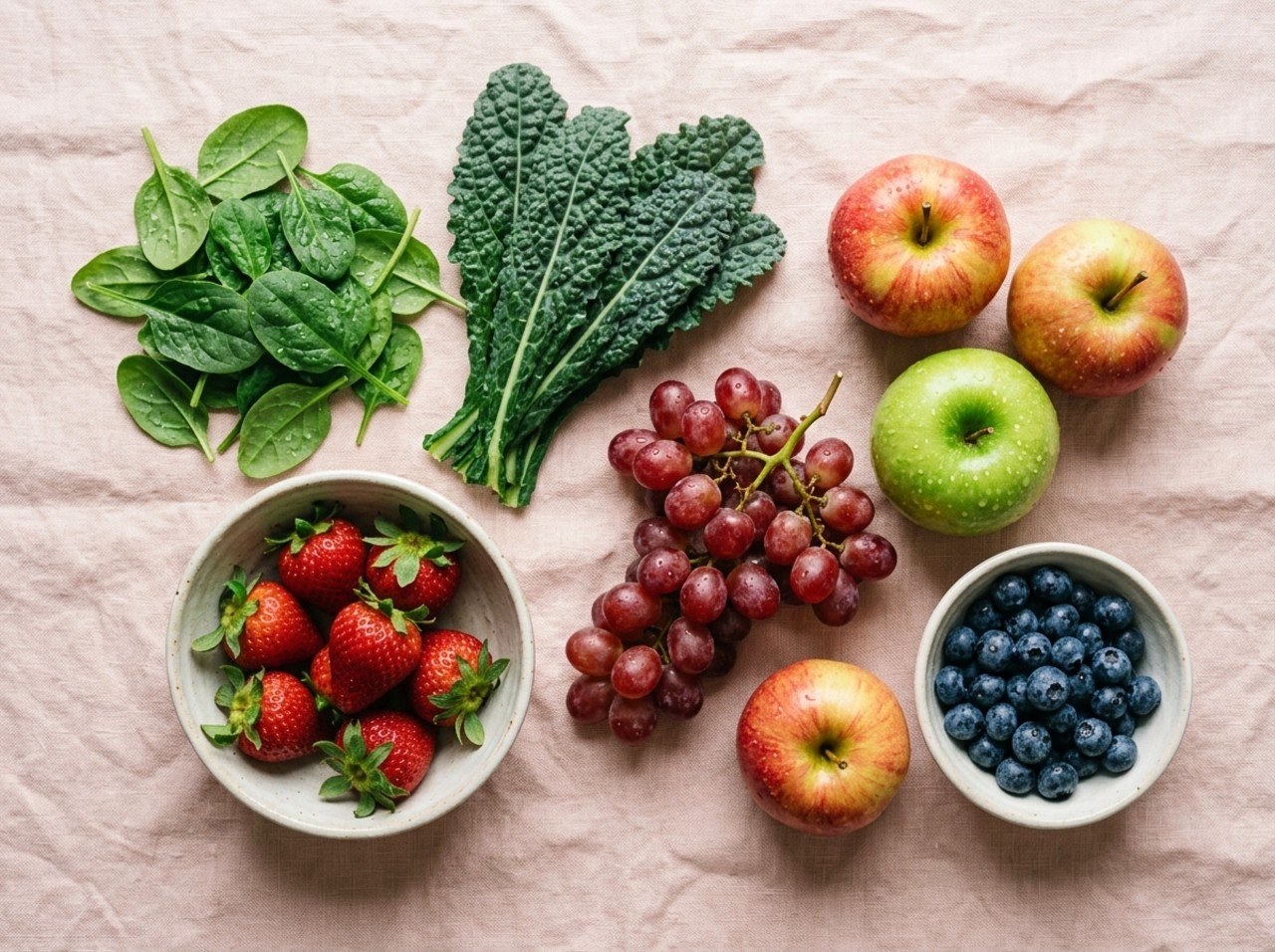
Foods That Support Your Body’s Natural Detox Pathways
The foods with the strongest research behind supporting detoxification are cruciferous vegetables, high-fiber plants, and foods rich in antioxidants and vitamin C, not exotic superfoods or supplements. Use the table below as a practical reference for building a plate of liver detox foods that actually supports liver, gut, and immune function.
| Food Group | Examples | How It Supports Detoxification |
|---|---|---|
| Cruciferous vegetables | Broccoli, kale, cauliflower, Brussels sprouts, arugula | Upregulates liver Phase II detoxification enzymes |
| High-fiber plants | Beans, lentils, oats, chia seeds, berries | Feeds gut bacteria and supports elimination, core to any gut health reset |
| Vitamin C-rich fruit | Citrus, kiwi, bell peppers, strawberries | Supports antioxidant defenses and immune system boost |
| Lean protein | Chicken, fish, tofu, legumes | Provides amino acids your liver needs for Phase II conjugation |
| Water & herbal tea | Plain water, cucumber-mint water, ginger tea | Enables kidney filtration, the literal delivery mechanism to flush toxins naturally |
| Leafy greens & smoothies | Spinach, chard, a green smoothie detox blend | Concentrated source of fiber, folate, and antioxidants in one sitting |
Signs You Might Need A Reset Vs. Signs You Need A Doctor
Fatigue, mild bloating, and sugar cravings after a period of poor eating usually respond to the foundation reset above, but certain symptoms mean it’s time to call your doctor instead of reaching for a cleanse and detox product.
Detox marketing often blurs this line on purpose, because “you need our product” sells better than “you need a blood panel.” Use the table below to tell the difference.
| Symptom Pattern | Likely Response To A Reset | See A Doctor If… |
|---|---|---|
| Fatigue & brain fog after a rough week of eating | Usually improves within 3–7 days of better hydration, sleep, and whole foods | Fatigue persists beyond 2–3 weeks or is severe enough to disrupt daily function |
| Bloating & digestive sluggishness | Often eases with fiber, water, and reduced processed food | Bloating is severe, painful, or paired with unexplained weight change |
| Sugar cravings | Typically settle within 1–2 weeks of consistent reduced intake | Paired with excessive thirst, frequent urination, or blurred vision |
| Headaches during a diet change | Common and mild if caused by caffeine/sugar reduction | Severe, sudden, or accompanied by vision changes |
| Skin changes, low energy, unexplained weight shifts | May respond somewhat to diet, but often has a hormonal driver | Persists despite consistent healthy habits; ask about thyroid and perimenopause bloodwork |


The Detox Pathways Nobody Talks About
Most detox content stops at food. But your body’s detoxification systems are influenced just as heavily by sugar intake, gut health, sleep, and meal timing, four levers that get almost no attention in the typical “3 tips” listicle.
Sugar Detox: What The Research Actually Supports
A sugar detox plan isn’t about eliminating sugar; it’s about closing the gap between what you’re eating and the American Heart Association’s recommended limit of about 25 grams of added sugar a day for women.
Cutting back gradually over one to two weeks reduces the energy crashes and cravings that come from frequent blood sugar spikes, without the all-or-nothing restriction that tends to backfire into a binge.
Gut Health Reset: Why Fiber Matters More Than Cleanses
Dietary fiber, not a colon cleanse, is what actually measurably reshapes your gut microbiome.
Research shows fiber intake increases beneficial bacteria populations and short-chain fatty acid production, which supports both digestion and immune function. A colon cleanse flushes water through your system for a day; fiber changes your gut ecosystem for good, which is the actual definition of a gut health reset.

Sleep: Your Body’s Nightly Detox Shift
Your brain runs its own detoxification system, called the glymphatic system, and separate research suggests it’s more active while you sleep than while you’re awake.
Researchers funded by the NIH confirmed in living patients, for the first time, that cerebrospinal fluid flushes waste through dedicated channels in the brain. Other studies have suggested this system ramps up during sleep specifically. Skipping sleep to squeeze in an early workout or a late Netflix episode isn’t neutral; it’s cutting your body’s nightly cleanup shift short.
Intermittent Fasting Detox: Promising, Not Magic
Intermittent fasting shows real, research-backed metabolic benefits, but it isn’t a faster or more powerful “detox” than the foundation reset above.
A National Institute on Aging review of intermittent fasting research found genuine benefits for metabolic markers, but the same review is explicit that long-term safety data in humans, especially outside overweight and middle-aged study populations, is still limited.
If you’re curious about an intermittent fasting detox window like 12:12 or 14:10, it’s worth trying gently and discussing with your doctor first, not because it’s dangerous for most healthy adults, but because it’s a tool, not a requirement.

Common Detox Mistakes That Sabotage Results
The single biggest mistake is treating detox as an emergency instead of a routine, which is exactly what pushes people toward extreme, unsustainable cleanses.
A few specific patterns show up again and again, and I see all of them regularly in reader questions:
- Multi-day juice-only fasts. These can cause dangerous blood sugar swings and provide almost no protein, and a critical review of detox diets found no clinical evidence they outperform your body’s own systems.
- Cutting all carbs overnight. This tends to trigger the exact sugar cravings a sugar detox is supposed to reduce.
- Skipping meals to “save calories” for later. This slows rather than boosts metabolism and sets up the exact energy crash that ends most cleanses by day two.
- Ignoring sleep entirely. No amount of kale compensates for consistently cutting your brain’s nightly cleanup process short.
- Confusing intensity with effectiveness. A healthy dieting approach that you can repeat monthly beats a brutal one you can only survive once. If your current plan feels intimidating just to think about starting, that discomfort is a sign to simplify it, not a sign you need to try harder.
Ready For The Next Step In Your Wellness Journey?
You now know why your body doesn’t need a gimmick to detox. It needs consistent support.
If you want that support turned into a step-by-step system, join thousands of women inside our community and grab our free guide: 10 Actions That Support Permanent Weight Loss, the practical, sustainable habits that turn everything you just read into real, lasting results. No fad diets. No extreme plans. Just what the research actually supports, written for real women.
The Bottom Line
A healthy detox was never about a tea, a fast, or a $60 supplement. It’s about giving your liver, kidneys, and gut what they actually need to do the job they’re already doing for you every day: water, fiber, cruciferous vegetables, sleep, and less added sugar.
If you’re over 40, that support matters even more, because declining estrogen is already asking your liver and metabolism to work harder. Try the 3-Day Foundation Reset above not as a one-time event, but as a routine you return to whenever life gets messy, whether that’s a stressful week at work or a post-holiday detox after too many parties.
Pay attention to how your body responds. Adjust as you go. And if something feels off beyond normal fatigue or cravings, skip the cleanse and call your doctor instead. That’s not a failure of the plan; it’s the plan working exactly as intended.
Glossary Of Key Terms
- Phase I and II Detoxification: The two-step process used by the liver to break down, neutralize, and prepare waste—such as alcohol, medications, and metabolic byproducts—for elimination.
- Cruciferous Vegetables: A group of plants (including broccoli, kale, and Brussels sprouts) containing glucosinolates that support the liver's detoxification enzymes.
- Glymphatic System: The brain’s waste-clearance system that flushes out cellular debris via cerebrospinal fluid, primarily during sleep.
- Perimenopause: The hormonal transition period before menopause where declining estrogen affects liver metabolism, insulin sensitivity, and resting metabolism.
- Glucosinolates: Specific plant compounds found in cruciferous vegetables that help upregulate Phase II liver enzymes.
- Insulin Sensitivity: The effectiveness with which the body uses insulin to manage blood sugar; this sensitivity often decreases in women over 40 due to hormonal shifts.
- Oxidative Stress: An internal state linked to declining estrogen that can increase the workload on the liver and increase the risk of fatty liver changes.
- Sugar Detox: A strategic reduction of added sugars to meet the American Heart Association's recommended limit of 25 grams per day to reduce blood sugar spikes.
- Short-Chain Fatty Acids (SCFAs): Beneficial compounds produced by gut bacteria when they ferment dietary fiber, supporting digestion and immune function.
- Phase II Conjugation: The specific step in liver detoxification that requires amino acids from protein to neutralize toxins before they leave the body.
FAQ
What Is The Purpose Of A Healthy Detox?
A healthy detox supports the organs - liver, kidneys, gut, and lymphatic system - that already remove waste from your body, rather than attempting to add a separate “flush.” By reducing your intake of added sugar and processed food while increasing water, fiber, and cruciferous vegetables, you lighten the load on those systems, which can improve energy, digestion, and skin clarity.
Are Detox Diets Necessary For Good Health?
No. Your liver and kidneys detoxify your body continuously regardless of whether you follow a formal plan. A structured reset is useful as a habit reset after a period of poor eating, high stress, or travel, not because your body is otherwise failing at its job.
What Are The Signs That You Need A Detox?
Fatigue, brain fog, digestive sluggishness, sugar cravings, and difficulty losing weight are common signals that your habits, not your organs, need a reset. If these symptoms are severe or persist beyond two to three weeks of consistent healthy changes, see a doctor rather than continuing to self-treat.
How Long Should A Healthy Detox Last?
Most of the measurable benefits from a foundation-style reset show up within three to seven days. Extending restrictive detox plans beyond about ten days increases the risk of nutrient deficiencies without added benefit, so a short, repeatable reset beats a long, extreme one.
What Should You Eat And Drink During A Healthy Detox?
Emphasize water, cruciferous vegetables, high-fiber plants, lean protein, and vitamin C-rich fruit. Limit processed foods, added sugar, alcohol, and excess caffeine, all of which increase the workload on your liver and gut without offering the nutrients those organs need to function well.
Are There Risks Or Side Effects To Detoxing?
Extreme or prolonged detoxes, including multi-day juice fasts, colon cleanses, or very low-calorie plans, can cause headaches, dehydration, nutrient deficiencies, and dangerous blood sugar swings. A gentle, food-based reset like the one in this guide carries minimal risk for most healthy adults, but always check with your doctor first if you have an existing health condition.
Does Intermittent Fasting Count As A Detox?
Not in the way marketing suggests. Intermittent fasting has genuine research-backed metabolic benefits, but it works by shifting how your body uses energy, not by removing extra toxins. It’s a legitimate tool worth discussing with your doctor, not a requirement for an effective detox routine.