
The Science-Backed Lean Body Formula For Women Over 40 Built For The Body You Have Now
Jackie Joyner-Kersee
Three-time Olympic gold medalist
Age is no barrier. It's a limitation you put on your mind.
Summary (TL;DR)
The Lean Body Formula for women over 40 is a 5-pillar framework that targets the real drivers of midlife fat gain: hormonal shifts, muscle loss, metabolic adaptation, stress load and mindset. It puts protein-forward eating and strength training ahead of eating less and less and doing endless cardio, adds recovery and cycle-aware training, and builds habits that hold on a bad week. It is not another plan designed for a 25-year-old. It is built for the body you have right now.
Why everything you've tried hasn't worked, and what your body actually needs to lose fat, build strength and feel like yourself again.
Maybe this sounds familiar. You're eating salads most nights, doing cardio twice a week, skipping sugar, and the scale hasn't moved in six weeks. You're doing everything "right," and nothing is working.
Here's what rarely gets explained: the rules change after 40. The approach that worked in your 30s (cut calories, add cardio, push through the cravings) doesn't fit the body you have now. Not because you're broken or not trying hard enough, but because your hormones, muscle and metabolic patterns have genuinely shifted.
The Lean Body Formula for women over 40 isn't a diet. It's a 5-pillar framework built around how the female body actually works after 40, hormones included. If your main goal is losing body fat, our step-by-step guide on how to lose body fat after 40 goes deeper on that side. This page is the system behind it.
You're not starting over. You're starting smarter.
Medical & Referral Disclaimer
The information in this article is for educational and informational purposes only. It does not constitute medical advice, diagnosis, or treatment. Always consult a qualified healthcare provider before beginning a new nutrition plan or exercise program, particularly if you have underlying health conditions, take medication, or are navigating perimenopause or menopause. Individual results vary based on health status, consistency, and multiple other factors. The research referenced reflects findings available at the time of publication and should not be interpreted as clinical recommendations.
Key Takeaways
- The Lean Body Formula for women over 40 addresses the drivers of midlife fat gain (hormonal shifts, muscle loss, metabolic adaptation and stress load), not just calorie intake.
- Protein comes first. The International Society of Sports Nutrition recommends 1.4 to 2.2 g per kg of body weight a day for exercising women, spread across meals.
- Strength training 2 to 3 times a week is the most effective tool for changing body composition after 40, and it will not make you "bulky."
- Eating enough matters as much as eating well. Chronic under-eating can stall progress and disrupt hormones.
- Sleep and stress management are fat-loss tools, not extras, given cortisol's link with visceral fat.
- Cutting ultra-processed food works better than cutting whole food groups.
- Identity-based habits outlast motivation. The scale is a poor progress marker; measurements and strength tell a better story.

What Is The Lean Body Formula For Women Over 40?
The Lean Body Formula is a structured, science-based approach to fat loss and body composition built specifically around female physiology after 40. It addresses the five root drivers of why results stall (hormonal change, muscle loss, metabolic adaptation, stress load and mindset) rather than treating symptoms with more restriction or more cardio.
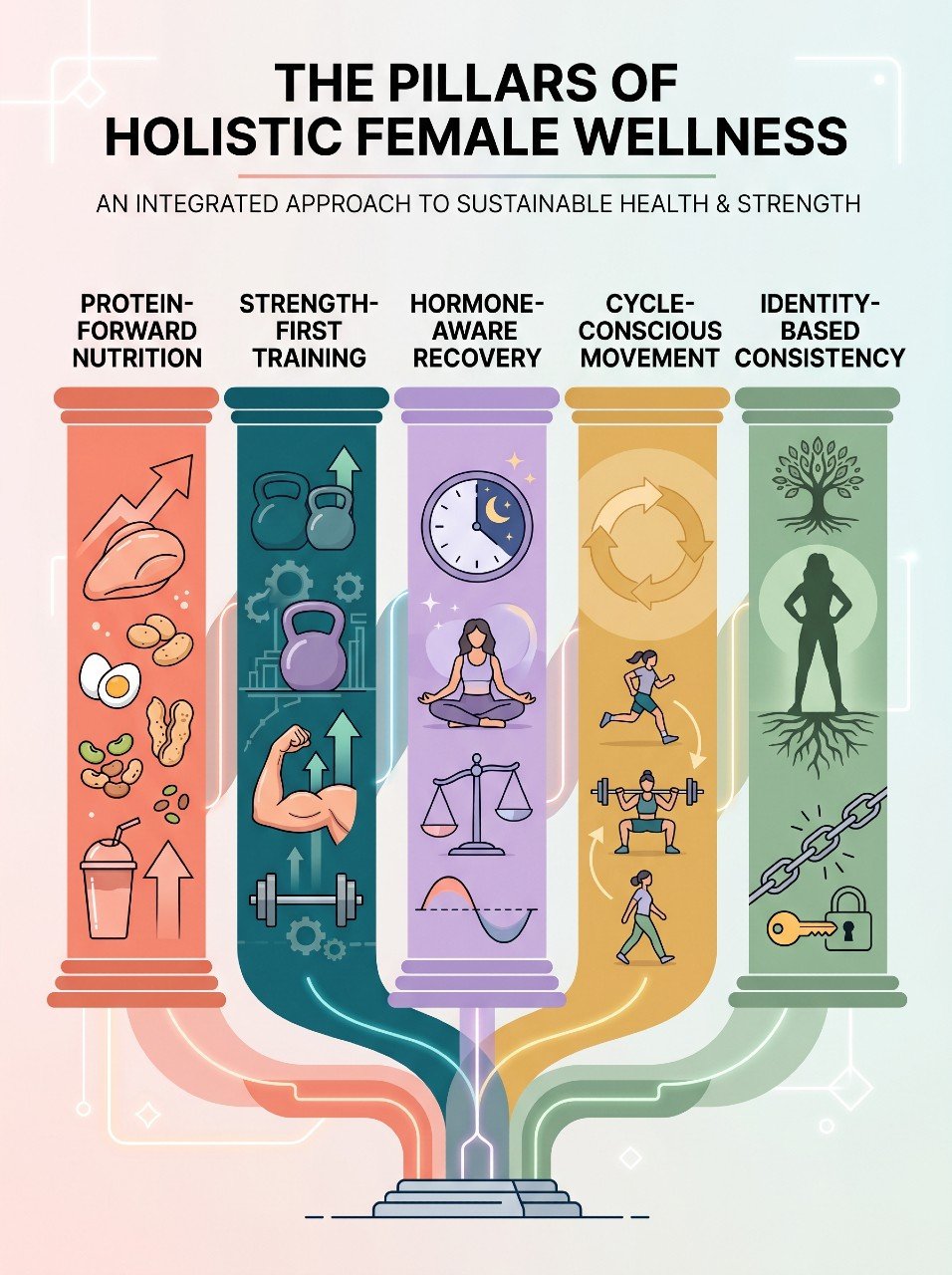
The five pillars:
- Protein-Forward Nutrition: eating enough to preserve and build lean muscle.
- Strength-First Training: resistance training as the primary tool, not cardio.
- Hormone-Aware Recovery: sleep and stress management as fat-loss mechanisms.
- Cycle-Conscious Movement: aligning training intensity with hormonal phases.
- Identity-Based Consistency: sustainable habits rooted in who you're becoming.
Each pillar addresses a specific biological reality of the post-40 female body. Skip one, and the others underperform. Apply all five consistently, and they reinforce each other.
Why Most Lean Body Tips For Women Don’t Work
Here's the uncomfortable truth about most lean body tips for women: they treat women's bodies as smaller versions of men's bodies, including plenty of older advice on this very site. They aren't.
Across the menstrual cycle, shifting estrogen and progesterone measurably change how your body burns fuel. Research on energy substrate metabolism in exercising women found that carbohydrate use tends to be higher in the follicular phase (the two weeks leading up to ovulation), while fat oxidation tends to increase in the luteal phase afterward.
None of that is a flaw or an excuse. It's biology. But when a "proven tips" list ignores it, you follow the advice to the letter, don't get the promised result, and conclude the problem is you. Usually, it's the advice.
After 40, add declining estrogen, muscle loss and a more reactive stress response, and the gap gets wider. That is why the Lean Body Formula is built as five connected pillars rather than a list of tips.
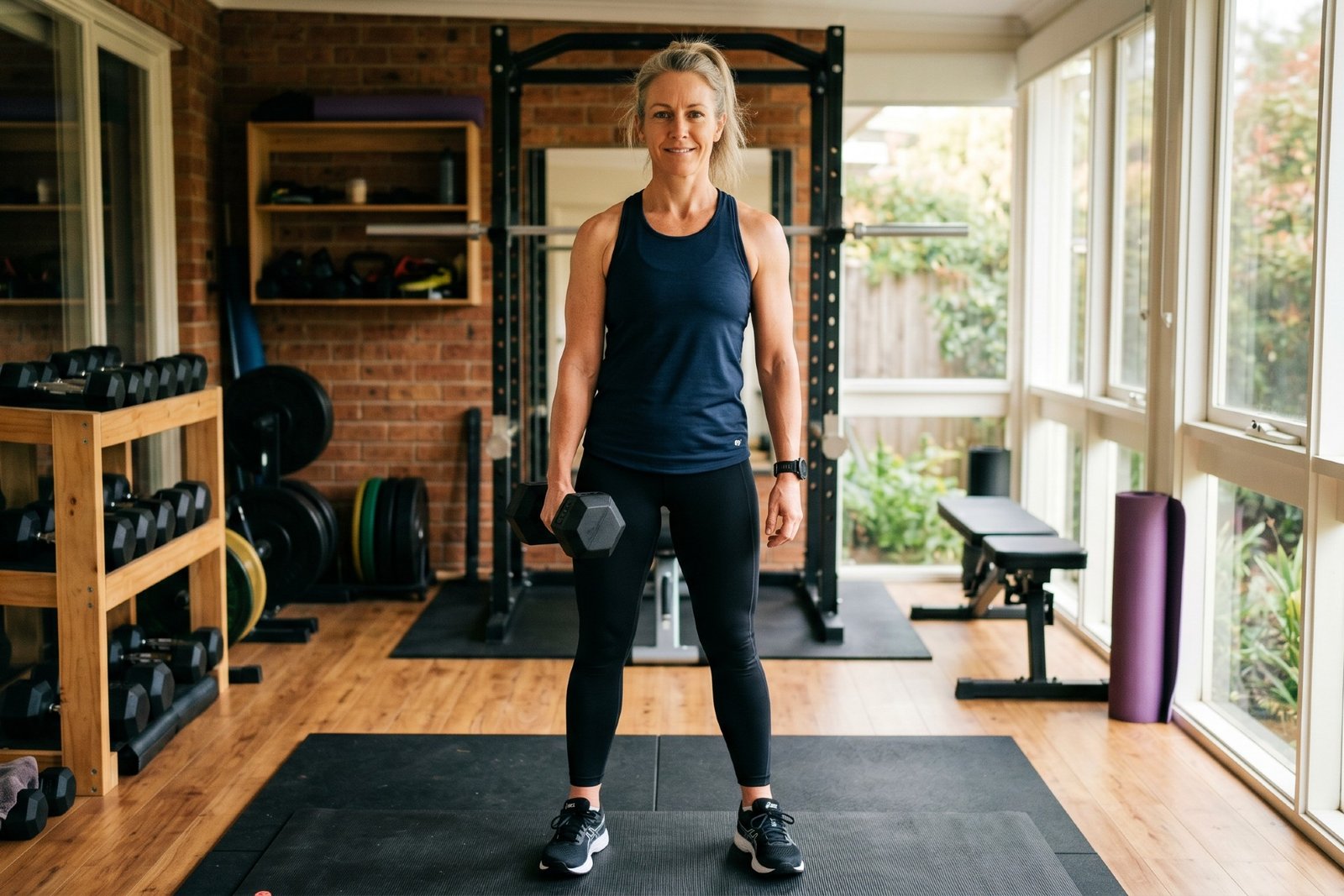
Why Your Body Changes After 40: What It Means For Fat Loss
After 40, the body isn't working against you. It's responding rationally to a changed hormonal environment. Understanding what's actually happening is the first step to working with it.
The Hormonal Shift That Rewrites The Rules
During perimenopause, which typically begins in a woman's early-to-mid 40s, estrogen and progesterone levels start declining. Estrogen plays a direct role in where the body stores fat: when it drops, fat storage shifts away from the hips and thighs and toward the abdomen. This is not a willpower problem. It's a hormonal redistribution.
The long-running SWAN study, which tracked women through the menopause transition with body scans, found that the rate of fat gain doubled and lean mass began to decline at the start of the transition, even though total weight didn't speed up. The scale can stay the same while body composition shifts.
Declining estrogen also impairs insulin sensitivity, meaning the body becomes less efficient at using carbohydrates for energy, and more likely to store them as fat, particularly around the midsection.
For a deeper explanation of what's happening hormonally, read our guide on why it is so hard to lose weight in perimenopause.
How Muscle Loss Accelerates After 40
According to the Office on Women's Health, women typically begin losing 3 to 5% of muscle mass per decade starting around age 30. This process, called sarcopenia, speeds up without resistance training and as estrogen's muscle-protective effects fade after menopause.
Why does muscle loss matter for fat loss? Muscle is a metabolically active tissue. More lean muscle means more calories burned at rest. Lose the muscle, and your resting metabolic rate drops, which means eating the same amount you always have begins producing weight gain.
The frustrating irony: most women respond to creeping weight gain by eating less and adding cardio. Both strategies can accelerate muscle loss, making the underlying problem worse.
Your Metabolism Is Not Broken: It Just Changed
Here's the contrarian take worth sitting with: your metabolism is probably not as "slow" as you assume.
A large 2021 study published in Science analyzed energy expenditure across the lifespan and found that metabolic rate stays essentially stable between about ages 20 and 60. Much of the slowdown people blame on aging in midlife is better explained by lost muscle and lower activity.
This is genuinely good news. If muscle loss drives much of the slowdown, rebuilding muscle through progressive strength training can win a lot of it back. Your metabolism isn't broken. It has been adapting to a body that carries less lean tissue than it once did.
What Are The 5 Pillars Of The Lean Body Formula?
The Lean Body Formula is not one idea. It's five interconnected systems designed to address the specific biological realities of the post-40 female body. Each pillar has a clear function, and they're most effective when applied together.
Pillar 1: Protein-Forward Nutrition
Why Protein Comes First
Many women over 40 eat less protein than their bodies need to hold onto muscle. The International Society of Sports Nutrition's position stand recommends 1.4 to 2.2 grams of protein per kilogram of body weight daily for most exercising women, spread every three to four hours rather than loaded into one meal.
For a 68 kg (150 lb) woman, that is roughly 95 to 150 grams a day. Eating enough protein is the single most protective thing you can do for your muscle while losing fat.
In a controlled 12-week trial, women following a higher-protein, energy-restricted diet lost significantly less lean body mass than women on a standard-protein diet (-1.5 kg versus -2.8 kg), while also reporting greater satiety, according to research published on protein intake and lean mass preservation in women.
Three reasons protein comes first:
- It triggers muscle protein synthesis, the process of building and repairing lean tissue.
- It has the highest thermic effect of any macronutrient, so a little more of its energy is used up in digestion.
- It keeps you full longer, reducing the low-level grazing that quietly adds up across a day.
The practical target: a palm-sized or larger protein portion, roughly 25 to 40 grams, at each main meal. Hitting that consistently is what separates muscle preservation from muscle loss.
For complete meal plans built around this principle, read our high-protein diet plan for sustainable weight loss for women.
Pillar 2: Strength-First Training
The Single Non-Negotiable
If there is one pillar that cannot be skipped, this is it. Progressive resistance training, lifting weights that challenge the muscles and increase in difficulty over time, is the most evidence-backed intervention for body composition change in women over 40.
Strength training preserves and builds lean muscle, improves bone density (critical as estrogen declines), raises resting metabolic rate, and improves insulin sensitivity. It does more meaningful work for a woman's body after 40 than any amount of cardio.
A systematic review of exercise training in postmenopausal women found that resistance and combined training programs meaningfully improved body composition, reducing fat mass while preserving or building fat-free mass, effects that cardio alone did not reliably produce.
The "bulky" fear keeps a lot of women out of the weight room, and it's one of the most persistent myths in fitness. Building visibly bulky muscle requires a testosterone environment women's bodies don't have, on top of a deliberate calorie surplus and years of progressive training.
Cardio has a role. But it supports strength work; it doesn't replace it. For the specific approach that builds lean muscle without unwanted bulk, read our guide on strength training for women over 40.
Minimum effective dose: 2 to 3 sessions per week, 45 to 60 minutes each, covering all major muscle groups with progressively increasing resistance.
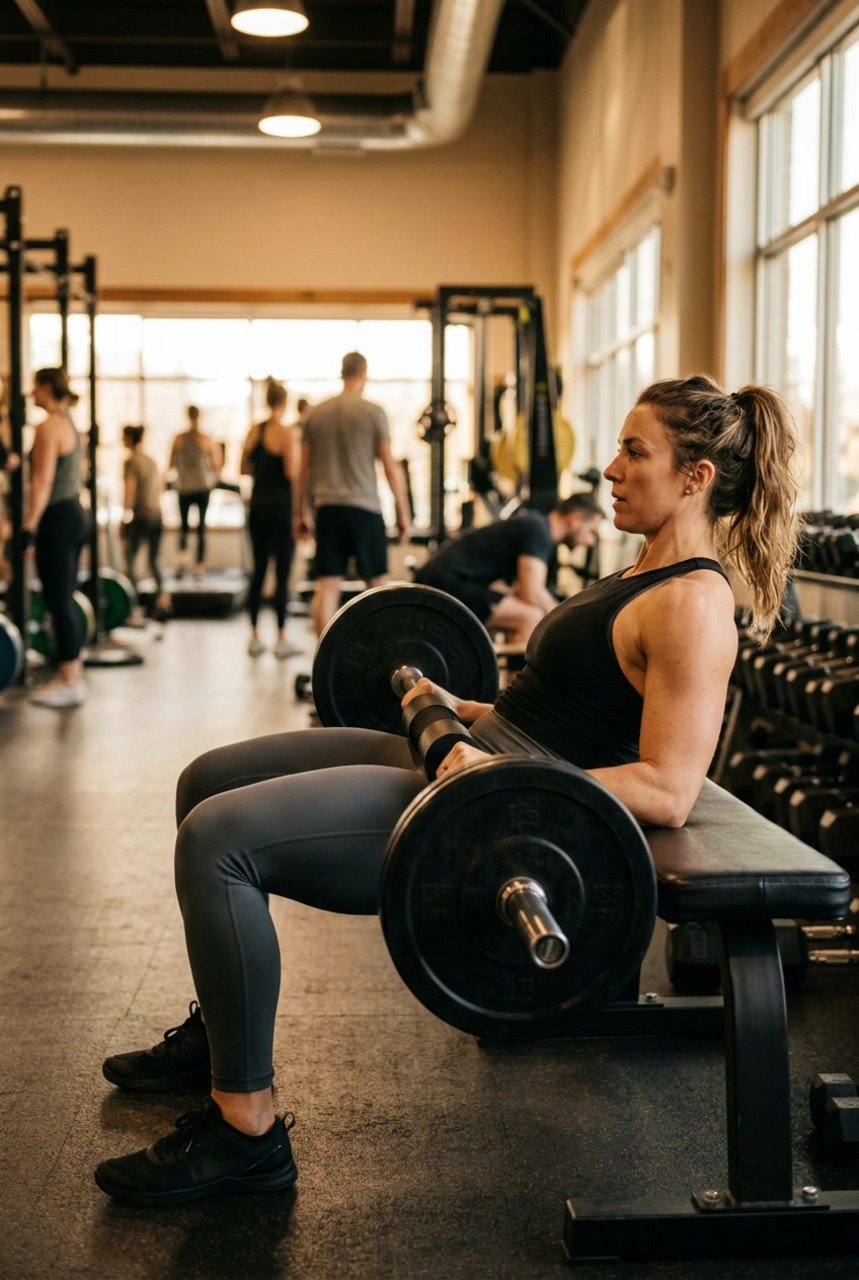
Pillar 3: Hormone-Aware Recovery
Sleep Is A Fat-Loss Tool
Sleep is not a nice-to-have. It's a biological mechanism, and for women over 40, it may be the most underutilized fat-loss lever available.
Chronic sleep deprivation raises cortisol and the hunger hormone ghrelin while lowering leptin, the fullness hormone, as research on sleep deprivation and appetite hormones shows. In a 2010 study in the Annals of Internal Medicine, dieters sleeping 5.5 hours a night lost less fat and more lean mass than those sleeping 8.5 hours on the same calorie deficit.
Over the long term, the Nurses' Health Study followed more than 68,000 women for 16 years and found that those sleeping five hours or less gained more weight over time than women sleeping seven hours.
For women over 40, cortisol management is doubly important. Elevated cortisol drives visceral fat storage, precisely the belly fat that accumulates during perimenopausal hormonal shifts. Read our article on cortisol and belly fat: why stress makes women gain weight for a full breakdown.
Recovery targets: 7 to 9 hours of sleep per night. Stress-reduction practices, even 10 minutes of deliberate downtime daily, are not luxuries in this system. They're part of the protocol.
Pillar 4: Cycle-Conscious Movement
Training With Your Hormones, Not Against Them
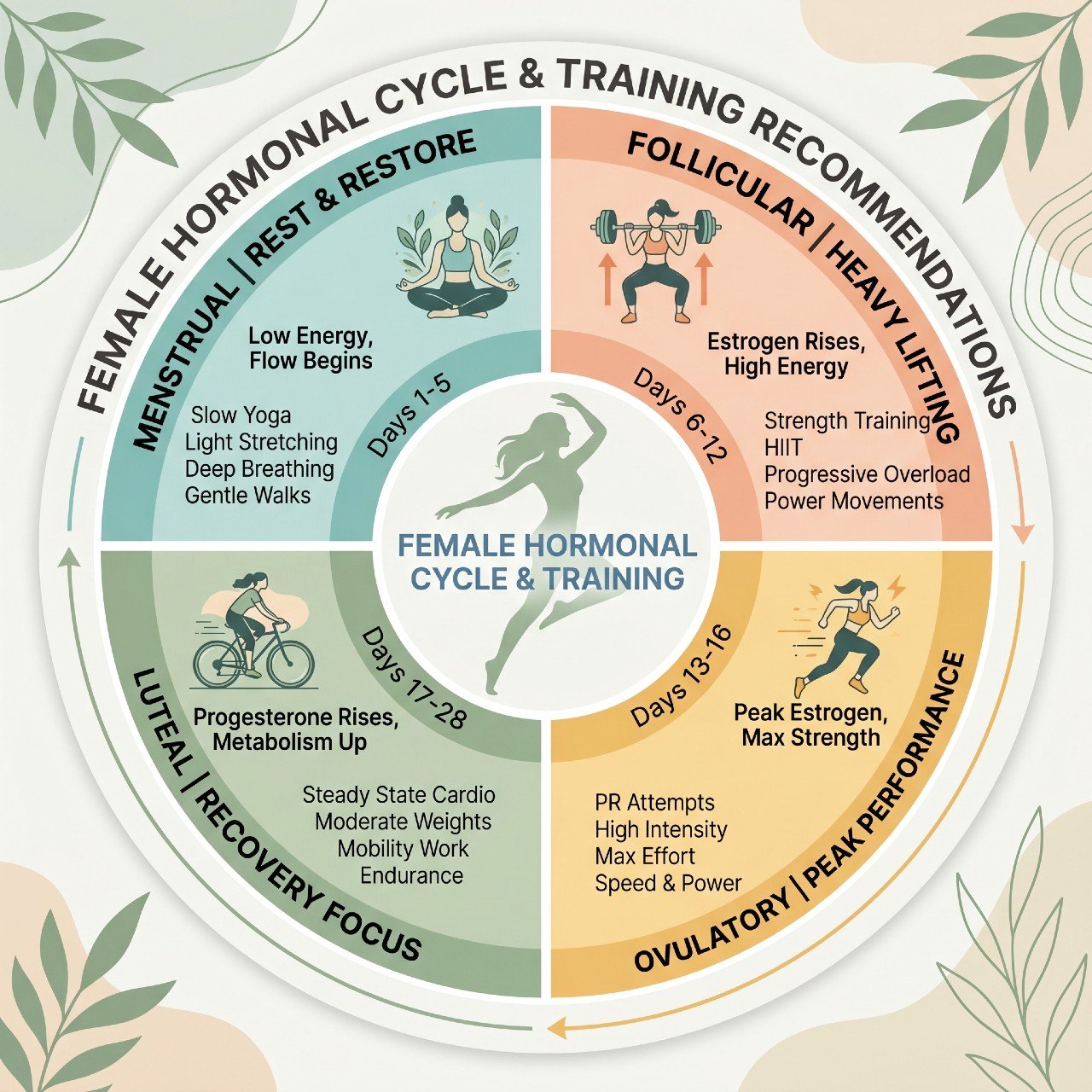
If you're still menstruating (or in early perimenopause), your hormonal cycle creates natural windows for different training intensities. This approach, explored in depth in our guide on cycle syncing for weight loss, is gaining significant research support.
In brief:
- Follicular phase (days 1 to 13): Higher energy and better recovery make this ideal for heavy lifting and higher-intensity work.
- Ovulatory phase (days 14 to 15): Peak strength and performance, so push harder here.
- Luteal phase (days 16 to 28): Serotonin drops, fatigue increases, so lower-intensity steady-state movement serves you better.
- Menstrual phase (days 1 to 5): Rest, yoga, or light walking; forcing through exhaustion here undermines your next cycle.
During the luteal phase, fatigue is not weakness. It's biology. Honoring that consistently, rather than fighting it, produces better long-term results than pushing through every session regardless of hormonal context.
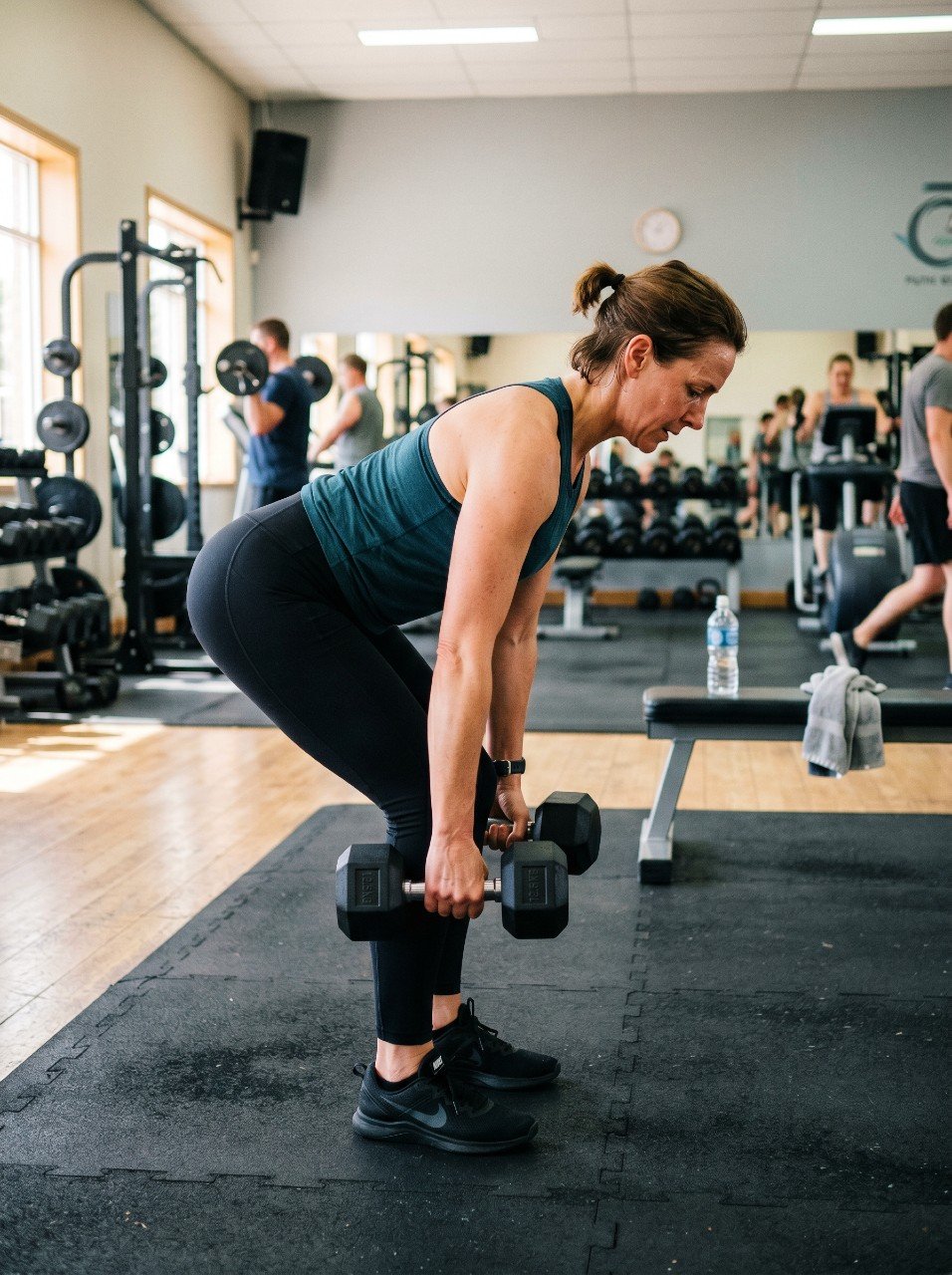
Pillar 5: Identity-Based Consistency
The Mindset Shift That Makes Everything Else Stick
Lasting change tends to have one thing in common: you stop thinking of yourself as someone trying to lose weight and start seeing yourself as someone who simply lives this way.
This isn't motivational fluff. Habit research suggests that change anchored in identity holds up better than change driven by a short-term goal. When you miss a session, the question shifts from "why did I fail?" to "that's not like me, so what happened today?" The reframe is small. The difference over months can be big.
Motivation is a wave. Identity is the ocean. Read more on building this foundation in our article on how to unlock lasting weight loss.
What Should You Eat On The Lean Body Formula?
On the Lean Body Formula, nutrition is structured around protein first and quality second, not around aggressive caloric restriction. The goal is to feed the muscle you're building while reducing the refined carbohydrates that insulin-resistant post-40 bodies convert to fat more readily.
Protein Is Your First Priority
Best Protein Sources For Women Over 40
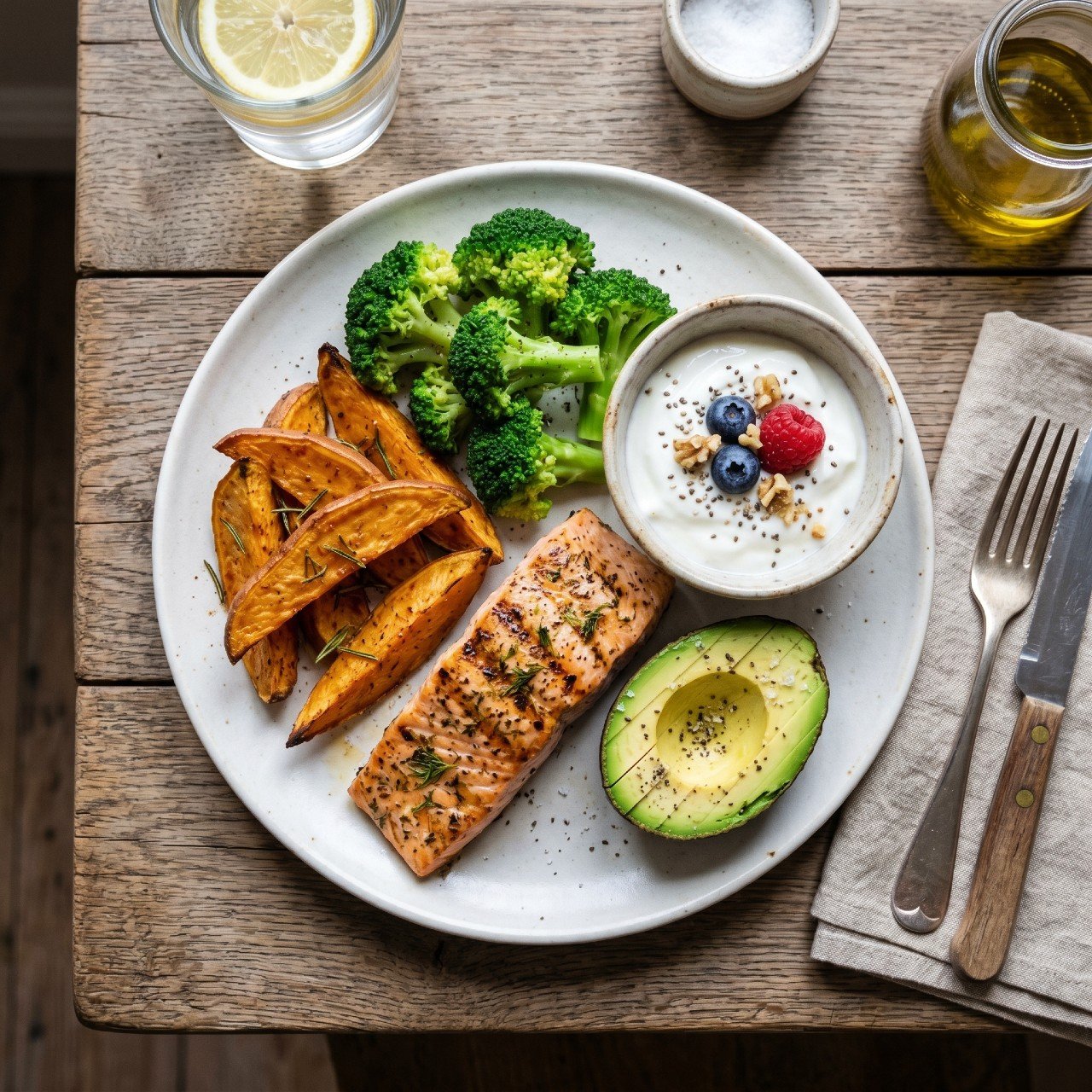
Hit protein first at every meal before anything else. The practical plate framework: half vegetables, a quarter protein, a quarter complex carbs, with quality fats distributed throughout.
Strong protein sources for women over 40:
- Eggs: 6g per egg, all 9 essential amino acids, easy to prepare
- Greek yogurt: 15 to 20g per cup, plus gut-supporting probiotics
- Chicken breast and turkey: lean, versatile, high-volume protein
- Salmon and fatty fish: protein plus omega-3s, which reduce systemic inflammation
- Cottage cheese: approximately 25g per cup, one of the best pre-sleep protein options because of its casein content
- Lentils and edamame: plant-based, high in fiber, complete or near-complete amino acid profiles
For complete meal ideas and weekly plans, read weight loss meal prep ideas for women.
The Carbohydrate Question For Women Over 40
Timing And Type Matter More Than Quantity
Carbohydrates are not the enemy after 40, but because estrogen decline reduces insulin sensitivity, refined carbohydrates (white bread, pastries, sugary cereals) cause sharper blood glucose spikes and faster fat storage than they did a decade ago.
The answer is not zero carbs. It's choosing slow-digesting, high-fiber sources and timing them around your workouts, when muscles are most receptive to glucose uptake.
Best carbohydrate choices: oats, sweet potato, brown rice, quinoa, lentils, berries, and most vegetables.
Fats That Support Hormone Balance
Don’t Cut Fat, Choose Better Fat
Dietary fat is essential for hormone production: estrogen, progesterone, and cortisol all require dietary fat as raw material. Women who cut fat too aggressively often see their hormonal balance worsen. The goal is quality, not elimination.
Include regularly: olive oil, avocado, nuts, seeds, and fatty fish. These provide omega-3 fatty acids, which research consistently associates with reduced inflammation and improved body composition in women.
TABLE 1: Daily Nutrition Framework for Women Over 40 on the Lean Body Formula
| Nutrient | Daily Target | Best Sources | Timing Guidance |
|---|---|---|---|
| Protein | 1.6 to 2.2g per kg bodyweight | Eggs, chicken, Greek yogurt, cottage cheese, salmon, lentils | 25 to 40g per meal; spread across 3 to 4 meals |
| Complex Carbs | 30 to 45% of daily calories | Oats, sweet potato, brown rice, berries, lentils | Largest portion around training sessions |
| Healthy Fats | 25 to 35% of daily calories | Olive oil, avocado, nuts, fatty fish, seeds | Throughout the day; don't skip at dinner |
| Fiber | 25 to 30g per day | Vegetables, legumes, whole grains, chia seeds | Every meal, slows glucose absorption |
| Water | 2 to 3 liters per day | Water, herbal teas, broth-based soups | Consistent throughout the day |
| Omega-3 Fatty Acids | 1 to 2g EPA + DHA per day | Salmon, mackerel, sardines, walnuts | With main meals for absorption |

Cut Ultra-Processed Food And Added Sugar, Not Whole Food Groups
Older lean body advice told women to broadly eliminate sugar, gluten and nuts. That isn't well supported unless you have a diagnosed intolerance or allergy.
What the evidence actually points to is more specific: a randomized inpatient trial published in Cell Metabolism found that participants eating an ultra-processed diet consumed roughly 500 more calories per day and gained weight, compared to weight loss on an unprocessed diet matched for calories, sugar, fat, and fiber, even though participants could eat as much as they wanted on both diets.
The mechanism appears to be that ultra-processed foods are engineered to be eaten faster and override your natural fullness cues. The practical takeaway: focus on swapping packaged, ultra-processed snacks and sugary drinks for whole foods, rather than fearing entire food groups like grains or nuts without a medical reason to do so.
If a specific food consistently causes bloating, fatigue, or digestive symptoms, that's worth discussing with your doctor, but a blanket elimination isn't necessary for most women chasing a leaner physique.
Build A Protein-Forward Morning Routine
The claim that "breakfast is the most important meal of the day" for weight loss is more nuanced than most lists let on.
A systematic review and meta-analysis of breakfast skipping and body weight found that skipping breakfast three or more days a week was associated with an 11% higher risk of overweight or obesity in observational studies, but controlled feeding trials show a much smaller, more mixed effect.
In other words, breakfast itself isn't the deciding factor; consistency and what you eat matter more than whether you eat first thing.
What does help: making your first meal protein-forward (eggs, Greek yogurt, cottage cheese) rather than carb-only, since protein earlier in the day supports fullness through the rest of it. For ideas, see what women should eat in the morning for hormone balance and fat loss.
If intermittent fasting works better for your schedule and hunger cues than a traditional breakfast, the research doesn't say you have to eat within an hour of waking. What matters is finding a consistent pattern you can actually sustain.
Eat Enough To Fuel Muscle, Not Just Less
This is the tip women most often get backwards, and it's the one with the biggest hormonal downside. Chronically under-eating relative to your activity level creates a state researchers call low energy availability, which is central to Relative Energy Deficiency in Sport (RED-S).

RED-S affects far more than your energy levels: it's linked to disrupted menstrual function, impaired bone health, slower metabolism, and reduced muscle protein synthesis, the exact opposite of what you're training for.
You don't have to be an elite athlete for this to apply. It shows up in everyday women who stack a large calorie deficit on top of intense workouts and wonder why their progress has stalled or reversed.
Use the table below as a gut check. If several items in the left column sound familiar, that's a signal to eat more, not less, and to talk to a doctor or registered dietitian rather than pushing harder.
| Signs You May Be Under-Fueling | Signs You're Fueling Right |
|---|---|
| Missed, irregular, or noticeably lighter periods | Regular, predictable menstrual cycle |
| Constant fatigue, cold hands and feet, poor sleep | Steady energy through the day and workouts |
| Stalled or declining strength in the gym | Gradual, progressive strength gains over weeks |
| Hair thinning or brittle nails | Stable hair and nail health |
| Obsessive thoughts about food or guilt after eating | A relatively relaxed, flexible relationship with food |
For a practical starting point on how many calories to actually eat, not just cut, see our guide on how many calories you should be eating.
Hydrate With A Purpose
Water doesn't burn fat on its own, but the evidence for a modest, real effect is stronger than most people assume.
A 2024 meta-analysis of eight randomized controlled trials found that interventions that increased water intake or substituted water for other beverages produced a small but consistent reduction in body weight and BMI compared to control groups.
The likely mechanisms: water can blunt appetite when consumed before meals, and swapping it in for sugary or caloric drinks removes calories you weren't accounting for.
Aim for at least eight glasses (roughly 1.5 to 2 liters) a day as a baseline, more if you train intensely or live somewhere hot, and try drinking a glass 20 to 30 minutes before meals. Full details are in our guide to how much water you should actually drink.
How Should Women Over 40 Train On The Lean Body Formula?
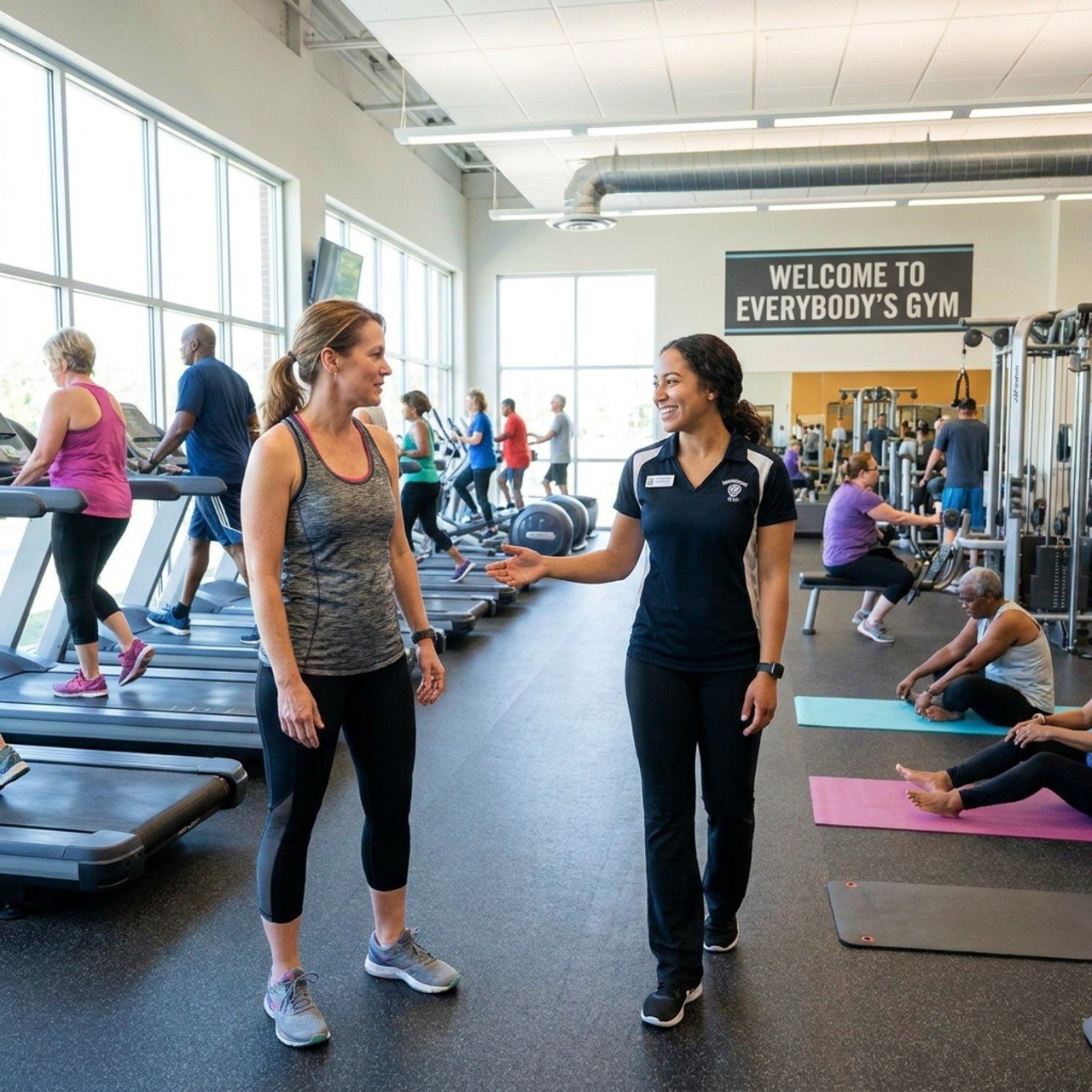
Women over 40 train best on a structure of 3 to 4 days per week: 2 to 3 strength sessions and 1 to 2 lower-intensity cardio sessions. More isn't better here; after 40, recovery capacity is a genuine limiter, and training too frequently without adequate rest spikes cortisol and erodes the results you're working for.
How Many Days Per Week Should You Train?
Finding Your Minimum Effective Dose
The sweet spot: 3 strength sessions per week, with optional cardio on off-days. Start with 2 sessions if you're new to lifting. Most women plateau not because they need to train more, but because they need to recover better.
The Best Strength Training Exercises For Women Over 40
Compound Movements Deliver The Highest Return
Compound movements, those that work multiple muscle groups simultaneously, build lean muscle across the whole body more efficiently than isolation exercises. They burn more calories per session and improve functional strength that carries into real life.
Core compound exercises for women over 40:
- Goblet squat / Bulgarian split squat: lower body, glutes, core
- Romanian deadlift: hamstrings, glutes, lower back
- Dumbbell chest press / push-up: chest, shoulders, triceps
- Seated cable row / dumbbell row: upper back, biceps, rear deltoids
- Overhead press: shoulders, upper back, core stability
- Plank variations / dead bug: core strength and injury prevention
For help starting at the gym without intimidation, read how to get started at the gym without feeling intimidated as a woman.

Cardio That Burns Fat Without Burning You Out
Two Types That Work And One That Backfires
Not all cardio serves women over 40 equally. Two forms work well alongside strength training:
- Zone 2 cardio (low intensity, conversational pace, 30 to 45 minutes), improves cardiovascular health, burns fat without significantly spiking cortisol, and actively supports recovery between strength sessions
- HIIT (20 to 25 minutes total, work-rest intervals), highly efficient, boosts growth hormone, but limited to 1 to 2 times per week to avoid cortisol accumulation
What backfires: high-volume daily cardio without adequate protein and strength work. This is the pattern that accelerates muscle loss in women who are already in caloric restriction. For the right balance, read our guide on balancing cardio and strength training.
TABLE 2: Weekly Training Schedule Template for the Lean Body Formula
| Day | Session Type | Duration | Primary Focus |
|---|---|---|---|
| Monday | Strength Training A | 45 to 55 min | Lower body: squat pattern, hip hinge, leg work |
| Tuesday | Zone 2 Cardio or Rest | 30 to 40 min | Walking, cycling, swimming at easy conversational pace |
| Wednesday | Strength Training B | 45 to 55 min | Upper body: push, pull, core stability |
| Thursday | Rest or Light Movement | 20 to 30 min | Yoga, stretching, or a gentle walk |
| Friday | Strength Training C | 45 to 55 min | Full body or weak-point focus |
| Saturday | Optional HIIT | 20 to 25 min | Short work intervals, full recovery between sets |
| Sunday | Full Rest | , | Sleep, recovery, meal prep for the week |
Adapt during your luteal phase: move Thursday to a full rest day and reduce Friday's intensity by 20 to 30%. Recovery is training.
How Is The Lean Body Formula Different From Generic Fitness Advice?
Most fitness content is written for one of two audiences: young women or middle-aged men. Women over 40 fall into neither category, and the advice consistently misses them because of it.
Generic programs assume your hormones are stable, your muscle mass is the same as it was at 25, more cardio fixes stubborn fat, and eating less is always the answer. None of those assumptions holds after 40. The Lean Body Formula starts from where you actually are.
For a full breakdown of why generic approaches underserve women, read why one-size-fits-all workout programs miss the mark for women.
How Long Does It Take To See Results On The Lean Body Formula?
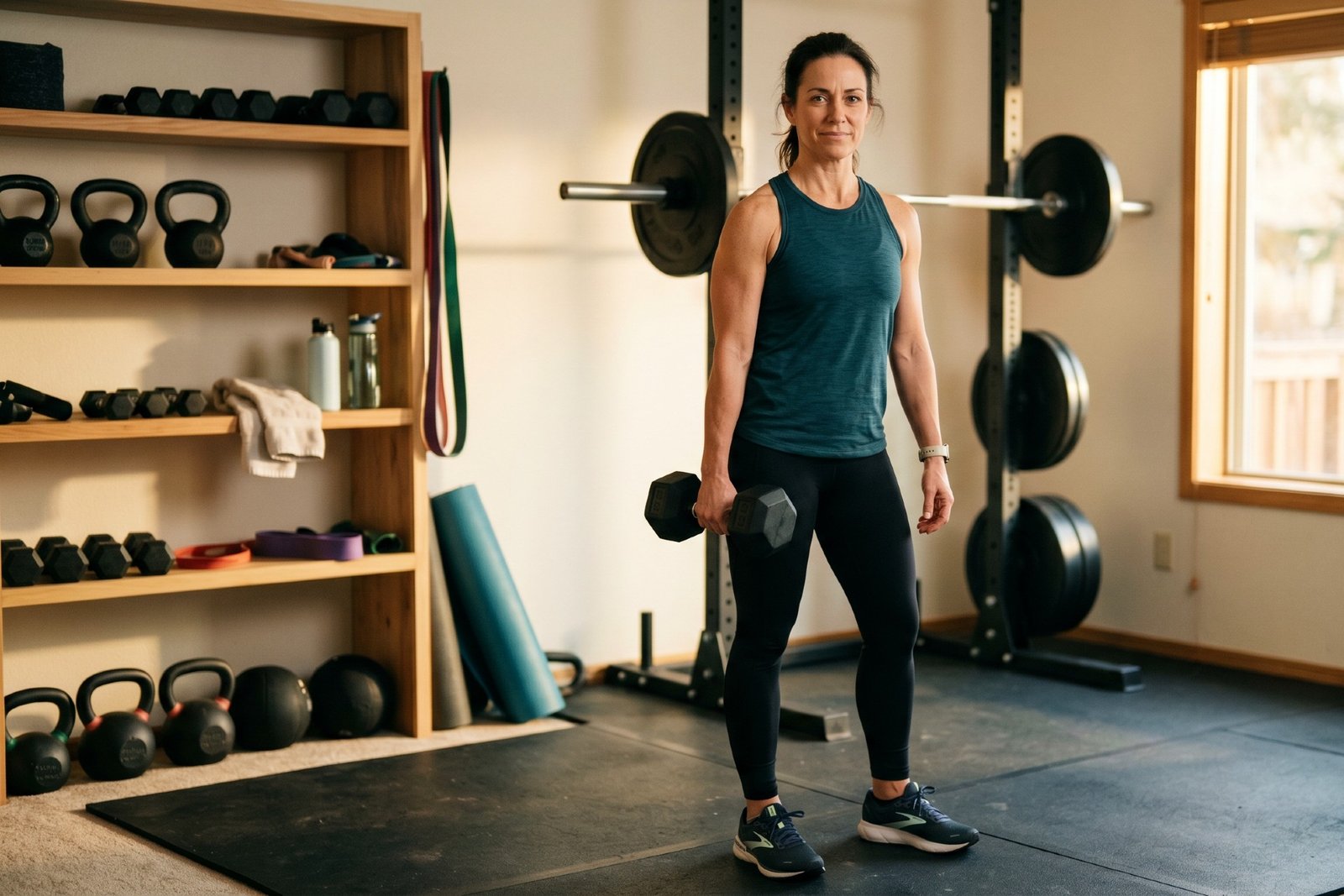
If you apply the pillars consistently, strength usually changes first and visible body composition changes take a few months. A realistic timeline often looks like this:
- Weeks 1 to 2: Energy often improves noticeably. Sleep quality may shift. The scale may barely move, or briefly tick up as muscle glycogen stores fill. This is the system working, not failing.
- Weeks 3 to 6: Strength increases become obvious. Clothes start fitting differently. Body composition is shifting toward more muscle and less fat even when weight stays similar.
- Weeks 8 to 12 and beyond: Visible changes in body composition become clear. Many women notice their waist measurement coming down and more muscle definition.
The honest caveat: the scale is a poor measure of progress for this system. Body measurements, how your clothes fit, and how much you're lifting tell a far more accurate story.
For a realistic breakdown of what to expect as a beginner, read how long it takes to see results from working out as a beginner woman.
How Does The Lean Body Formula Adapt For Perimenopause?
Perimenopause is not a wall. It's a transition, and the Lean Body Formula is specifically designed to support you through it, not pretend it isn't happening.
Adapting Each Pillar During Hormonal Fluctuations
During perimenopause, estrogen levels fluctuate unpredictably before eventually declining. This produces symptoms that can disrupt both training and nutrition: poor sleep, mood changes, hot flashes, and increased cortisol reactivity. Each has a practical adaptation within the formula.
- For poor sleep: Make Pillar 3 the priority. A consistent sleep schedule, cooler bedroom temperature, and reduced alcohol intake all demonstrably improve sleep quality during this transition. Read how sleep affects weight loss in women.
- For increased cortisol and stress reactivity: Scale back high-intensity training and increase low-intensity recovery work temporarily. Pushing through a cortisol-flooded body doesn't produce better results; it produces more cortisol.
- For appetite dysregulation: Lean more heavily on protein and fiber at every meal. These two nutrients maintain satiety through hormonal fluctuation without requiring willpower to enforce. Read our guide on how to lose weight during perimenopause without starving yourself.
- For motivation dips: This is often a luteal-phase effect, amplified by perimenopausal hormonal variability. Your identity (Pillar 5) carries you through when motivation goes quiet. Remind yourself who you are, not how you feel today.

What Mistakes Are Keeping Women Over 40 From Getting Results?
These aren't character flaws. They're the predictable outcomes of advice that wasn't built for your body.
- Eating too little protein. Hitting 1,200 calories without tracking protein often leads to muscle loss, not fat loss. Every meal needs a palm-sized protein source as its anchor.
- Doing too much cardio. Two spin classes daily, sustained over weeks, spike cortisol and eat into lean muscle. Replacing one cardio session per week with strength training changes the equation.
- Treating sleep as optional. Sleeping five to six hours and wondering why fat loss has stalled is one of the most common patterns women describe. Seven to eight hours is not aspirational; it's structural.
- Weighing yourself daily and adjusting based on the number. Water retention alone can shift body weight by several pounds within a day. Weekly averages or body measurements are far more useful signals.
- Following a plan built for someone 20 years younger. Generic fitness content doesn't account for what happens hormonally after 40. That's the core problem, and why the Lean Body Formula exists.
For a full list of what's holding results back, read the worst weight loss mistakes we all make.
Expert Commentary: What The Research Agrees On
You do not need a single guru to back this framework. The core ideas line up with what major research bodies have published. The International Society of Sports Nutrition position stand sets a higher protein range for active women than the old minimum, and the Office on Women's Health flags muscle loss from around age 30 as a real health issue, not a cosmetic one.
The SWAN body composition research shows why the scale misleads in midlife: fat mass can rise and lean mass fall while weight barely changes. And the 2010 Annals of Internal Medicine sleep study showed that the same calorie deficit produced less fat loss when sleep was cut short.
Put together, the research points the same way as the five pillars: protect muscle, eat enough protein, train for strength and treat sleep as part of the plan.
The Contrarian Take: Eating Less Is Not The Main Lever After 40
The standard advice for a stalled scale is to cut more food. For many women over 40, that is the wrong move. Each extra cut makes it harder to hold onto muscle, and muscle is a big part of what keeps your energy use up as you age.
The less popular but better-supported move is often to eat enough, especially protein, and to lift heavier over time. It feels backwards, because you are adding rather than taking away. But a plan that protects muscle and that you can keep for years will usually beat one that asks you to eat less and less until you give up.
Ready to put this into practice? Get our free guide, 10 Actions That Support Permanent Weight Loss. No restriction plans. No guilt. Just what actually works, for real women with real lives. Get your free guide here.
The Bottom Line
The Lean Body Formula for women over 40 is not a shortcut. Nothing worth having is. What it is: a system that works because it respects the biology of the body you actually have, not the one fitness marketing keeps designing programs for.
The hormonal shifts are real. The muscle loss is real. The metabolic adaptation is real. And a plan that pretends otherwise will keep producing the same frustrating results.
You don't need to eat less. You need to eat smarter, protein first, every meal. You don't need more cardio. You need more muscle. You don't need more motivation. You need an identity shift and a system that holds when motivation disappears. Your body isn't working against you. It's waiting for the right approach.
Glossary Of Key Terms
- Sarcopenia: The involuntary loss of skeletal muscle mass and strength associated with aging, which often accelerates after age 40.
- Visceral Fat: Body fat that is stored within the abdominal cavity and surrounds internal organs; its accumulation often increases during perimenopause due to hormonal shifts.
- Muscle Protein Synthesis (MPS): The biological process where the body repairs and builds new muscle tissue, primarily triggered by protein consumption and resistance training.
- Insulin Sensitivity: The effectiveness with which the body uses insulin to reduce blood glucose levels; this efficiency typically declines in women as estrogen levels drop.
- Thermic Effect of Food (TEF): The energy expenditure required to process and digest food; protein has the highest TEF of the three macronutrients.
- Zone 2 Cardio: Low-intensity aerobic exercise performed at a conversational pace that improves cardiovascular health and fat oxidation without significantly raising cortisol levels.
- Compound Movements: Multi-joint exercises (e.g., squats, rows, presses) that engage several muscle groups simultaneously, leading to higher metabolic demand and functional strength.
- Luteal Phase: The latter phase of the menstrual cycle (days 16 to 28) characterized by lower energy and increased fatigue, requiring a reduction in exercise intensity.
- Identity-Based Habits: A behavioral psychology concept where sustainable change is achieved by shifting one’s self-perception rather than focusing solely on outcome-oriented goals.
- Low Energy Availability (LEA): Too little energy left for normal body functions after exercise, usually from eating too little for your activity level.
FAQ
What Is The Lean Body Formula For Women Over 40?
The Lean Body Formula is a 5-pillar, science-based framework covering protein-forward nutrition, strength-first training, hormone-aware recovery, cycle-conscious movement and identity-based consistency. It is built around female physiology after 40 rather than adapted from programs designed for younger women or men.
What Is The Difference Between Weight Loss And Getting Lean?
Weight loss focuses only on the number on the scale. Getting lean means optimizing your body composition, reducing excess body fat while preserving or building lean muscle mass. You can lose weight and still not look "leaner" if most of that loss came from muscle, which is exactly why the tips above emphasize protein and resistance training so heavily.
Does The Lean Body Formula Work During Perimenopause?
It is built for it. Pillar 3 (hormone-aware recovery) and Pillar 4 (cycle-conscious movement) address the most common perimenopause challenges: poor sleep, a more reactive stress response, unpredictable energy and shifting appetite. Protein and strength training protect the muscle that declining estrogen makes harder to keep.
How Much Protein Should A Woman Over 40 Eat Daily?
The International Society of Sports Nutrition recommends 1.4 to 2.2 grams of protein per kilogram of body weight a day for exercising women. For many women that means roughly 90 to 150 grams, spread across 3 to 4 meals with about 25 to 40 grams at each.
Will Lifting Weights Make Me Look Bulky?
No. Building visibly bulky muscle requires significantly higher testosterone levels than most women naturally have, plus a deliberate calorie surplus and years of dedicated training. For the vast majority of women, resistance training builds the toned, defined look most people associate with "lean," not bulk.
How Quickly Will I See Results?
Energy and sleep often improve first. Strength gains usually show within the first several weeks, and visible body composition changes take a few months of consistent training and eating. The scale often moves slowly, so body measurements, clothing fit and the weights you lift are better guides.
Are There Any Risks Or Precautions I Should Watch For?
Yes. Striving for a lean physique should never come at the cost of your health. Avoid overly restrictive diets, excessive exercise, or obsessive tracking behaviors that could lead to nutrient deficiencies, hormonal disruption, or disordered eating patterns. If you notice missed periods, obsessive food thoughts, or exercise that feels compulsive rather than chosen, seek guidance from a qualified healthcare professional.