
The Science-Backed Way To Set Fitness Goals For Women That Actually Stick After 40
Jim Ryun
Former Olympic middle-distance runner
Motivation is what gets you started. Habit is what keeps you going.
Summary (TL;DR)
The research on fitness goals for women turns up something most “7 tips” lists never mention: a 2026 cohort study of 587 exercisers found that setting weight loss as your only goal is itself a significant predictor of quitting early. Self-efficacy, not motivation or willpower, explains nearly half the variance in whether women stick with exercise long-term, according to a 2026 study of 721 women.
Habits take an average of 66 days to form, not the mythical 21. And after age 30, sarcopenia (age-related muscle loss) begins quietly, at 3–5% of muscle mass per decade, which changes what a smart fitness goal even looks like once you’re past 40. Below, we rebuild the classic 7-tip framework around this research, with a SMART goal-setting method, a hormone-aware update for muscle and bone, and a way to track progress that doesn’t depend on the scale.
If you’ve set a fitness goal, worked hard at it for a few weeks, and then watched it quietly fall apart by week six, you’re not weak-willed, and you’re not the problem. You may simply have set the wrong kind of goal.
A 2026 retrospective study of 587 exercisers in supervised programs found that people whose stated goal was weight loss and nothing else were significantly more likely to drop out early than people training for strength, health, or general fitness. The goal itself carried risk.
That single finding reframes almost everything about how fitness goals for women are usually written about, especially past 40, when a body that used to respond predictably to “eat less, move more” starts running on different hormonal rules. Gym intimidation is real.
So is the frustration of a plan that worked at 28 and does nothing at 45, and the quiet confusion of not knowing whether soreness is progress or a warning sign. All three are addressed below. This isn’t a list of generic tips recycled from a fitness magazine. It’s a goal-setting framework built on what actually predicts whether a woman sticks with her fitness goals, or quietly abandons them by spring.
This piece keeps the original seven-tip structure that readers found useful, and rebuilds every tip around a real, cited study, plus what changes about goal-setting once perimenopause and sarcopenia enter the picture.
Medical & Referral Disclaimer
This article is for informational and educational purposes only. It is not a substitute for professional medical advice, diagnosis, or treatment. Always consult your physician or a qualified healthcare provider before starting any new diet or exercise program, especially if you are pregnant, managing a chronic condition, or navigating perimenopause or menopause.
Key Takeaways
- Setting weight loss as your only fitness goal is itself linked to higher dropout, according to a 2026 cohort study of 587 exercisers, even after accounting for starting weight.
- Self-efficacy, your belief that you can actually do the thing, explains nearly half (46.7%) of the difference between women who persist with exercise and women who don’t.
- Habits take an average of 66 days to form, not 21. The 21-day figure traces back to a 1960 plastic surgery book, not exercise science.
- Muscle loss (sarcopenia) begins around age 30 at roughly 3–5% of muscle mass per decade, which is why fitness goals for women over 40 need a strength-training component, not just cardio.
- Supervised small-group programs post dramatically better 12-month retention (51.7%) than typical gym memberships (as low as 3.7% in one comparison study), because of accountability, not willpower.
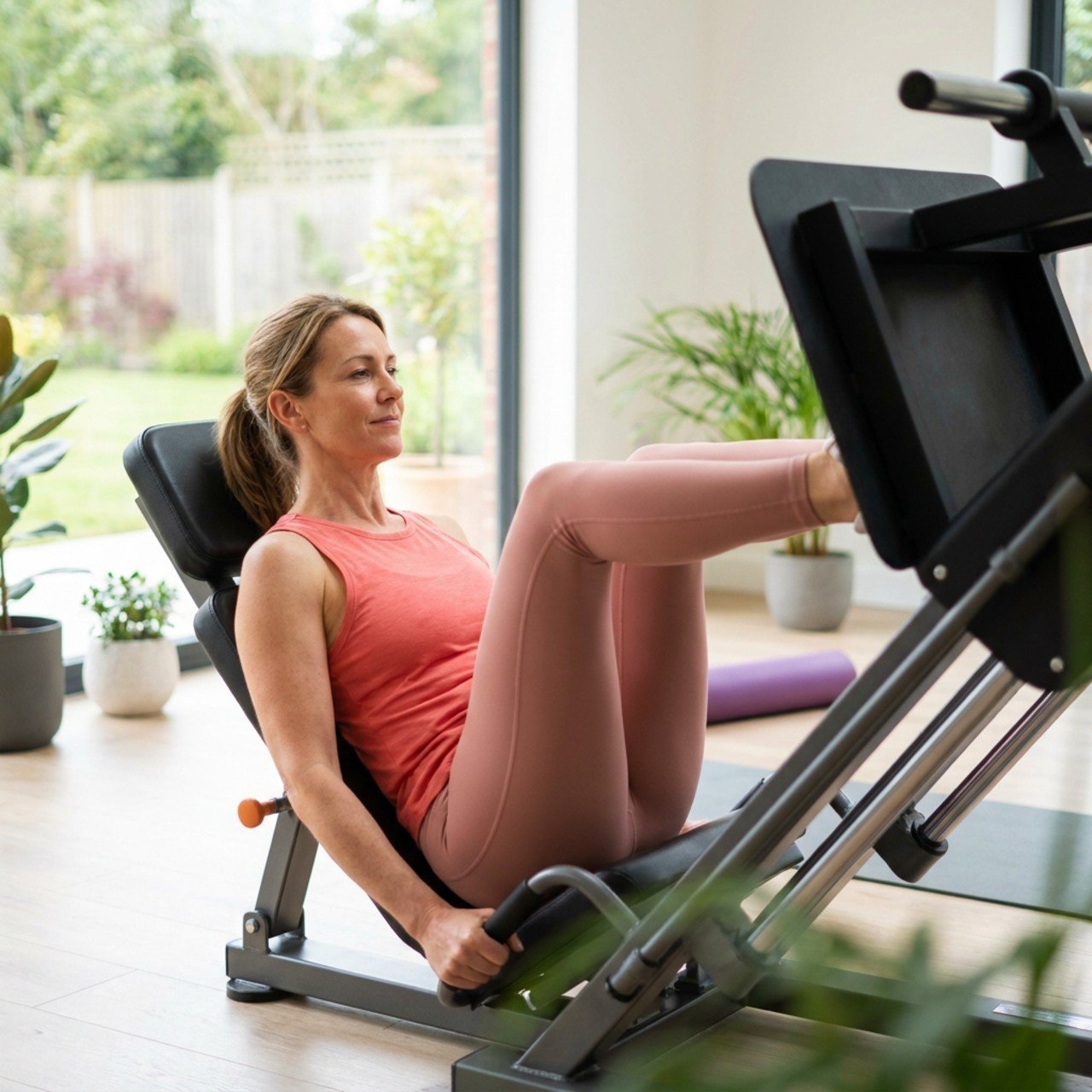
Why Most Fitness Goals For Women Fail (And It Isn’t Willpower)
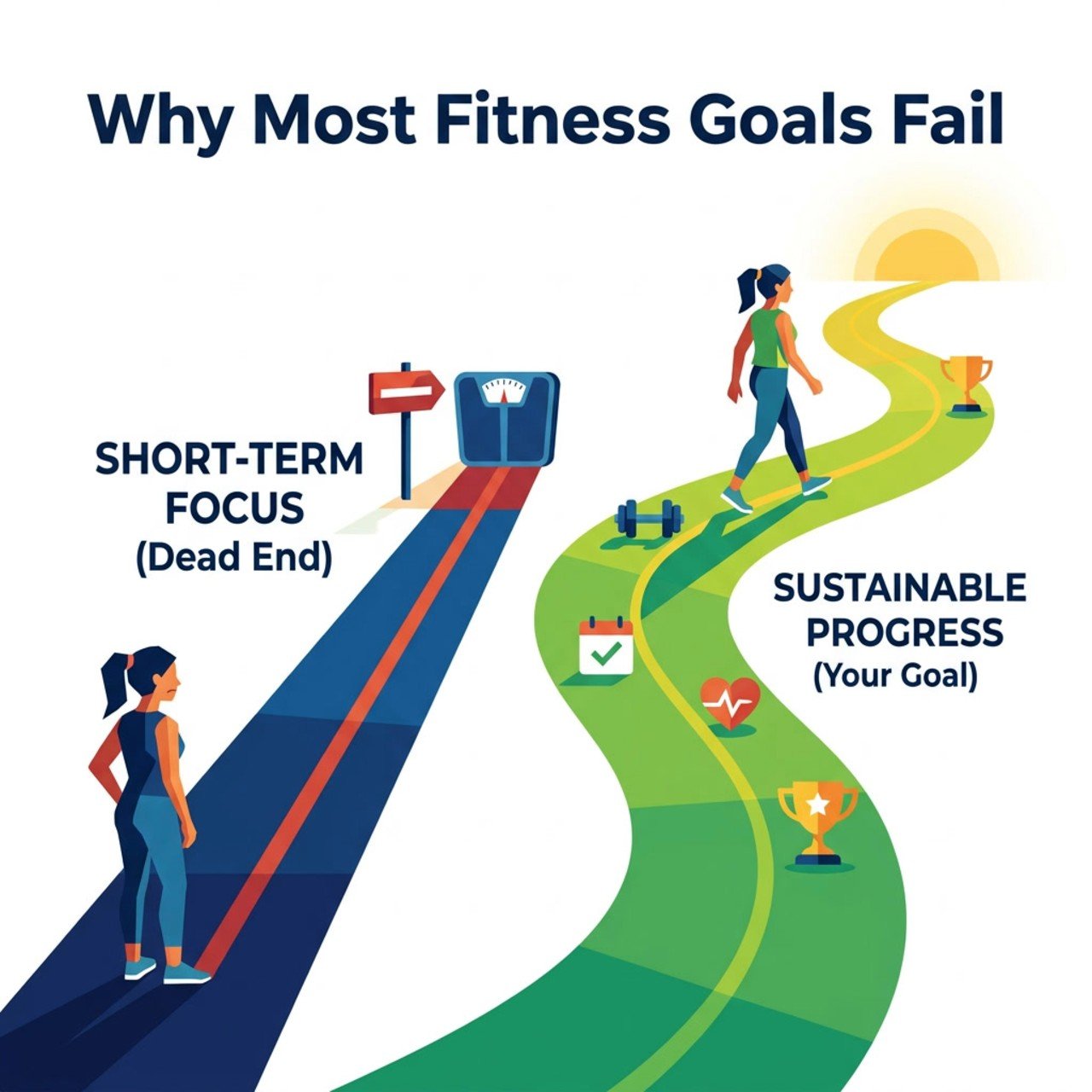
Fitness goals fail most often because of how they’re structured, not because of a lack of discipline. A 2026 retrospective cohort study of 587 people in supervised exercise programs found that having weight loss as your sole stated goal was a significant, independent predictor of dropping out early, on top of the well-known effect of starting at a higher body weight.
That finding lines up with something else the same study found: women in the program had a meaningfully longer average participation (9.77 months) than men (8.54 months), a statistically significant gap. If you’ve absorbed the cultural message that women lack the discipline to stick with exercise, the actual data says the opposite. The problem was never your sex. For a large share of dropouts, it was the goal.
A separate 2025 qualitative study of physically fit women found a related pattern: women whose exercise motivation stayed anchored to appearance and external validation described more conflict, frustration, and burnout, while women who shifted toward autonomy-based, intrinsic reasons, such as competence, strength, and health, described sustained perseverance despite gendered barriers and body-related pressure.

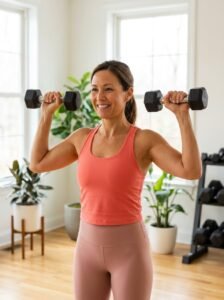
The goal you set doesn’t just predict how long you’ll stick with it. It shapes how the whole process feels.
| Program Type | 12-Month Retention | Source |
|---|---|---|
| Conventional gym membership | 3.7% | Sperandei et al., cited in the 2026 Frontiers in Public Health cohort study |
| Standard gym / fitness club | 37% | Gjestvang et al., 2019, BMJ Open |
| High-Intensity Functional Training (HIFT) | 12.8% (at 1 year; average stay 90 days) | Faro et al., cited in the 2026 Frontiers in Public Health cohort study |
| Supervised small-group training | 51.7% | 2026 Frontiers in Public Health retrospective cohort study (n = 587) |
Note: these figures use slightly different metrics (survival rate, retention, and adherence), so treat them as directionally comparable, not a precise apples-to-apples ranking.
From Mary: In ten-plus years of writing about exactly this question, the pattern I keep running into isn’t a discipline problem. It’s women setting a goal that made sense for someone else’s body, usually a younger one, and then quietly blaming themselves when it didn’t hold.
The fix in this article isn’t “try harder.” It’s “set a goal that survives contact with your actual life and your actual hormones.”

The 7 Tips To Set Fitness Goals For Women That Actually Stick
The seven fitness goal-setting habits with real evidence behind them are: build a SMART plan instead of a wish list, find a workout partner or supervised group, protect a fixed weekly time slot, vary your training to include strength work (especially after 40), choose activities you actually enjoy, build in planned flexibility instead of guilt, and track progress beyond the scale.
Each is expanded below with the research behind it.
1. Make A SMART Plan, Not Just A Wish List
A SMART fitness goal - Specific, Measurable, Achievable, Relevant, and Time-bound - gives you something to actually act on, instead of a vague wish like “get fit” that can’t be tracked or completed. Vague goals are also harder to feel successful at, which matters because that sense of success is what builds the self-efficacy shown to drive long-term persistence.
“Get in shape” never ends and never gets checked off, which means it never gives your brain the small hit of accomplishment that keeps you coming back. A SMART goal does. Compare the two:
- Vague: “I want to get fit this year.” SMART: “I will complete two 30-minute strength sessions and one walk per week for the next 8 weeks.”
- Vague: “I want to lose weight.” SMART: “I will track my meals five days a week for 30 days and reassess with my doctor.”
- Vague: “I want to be stronger.” SMART: “I will increase my squat weight by 5 pounds every two weeks for 8 weeks, tracked in a notes app.”
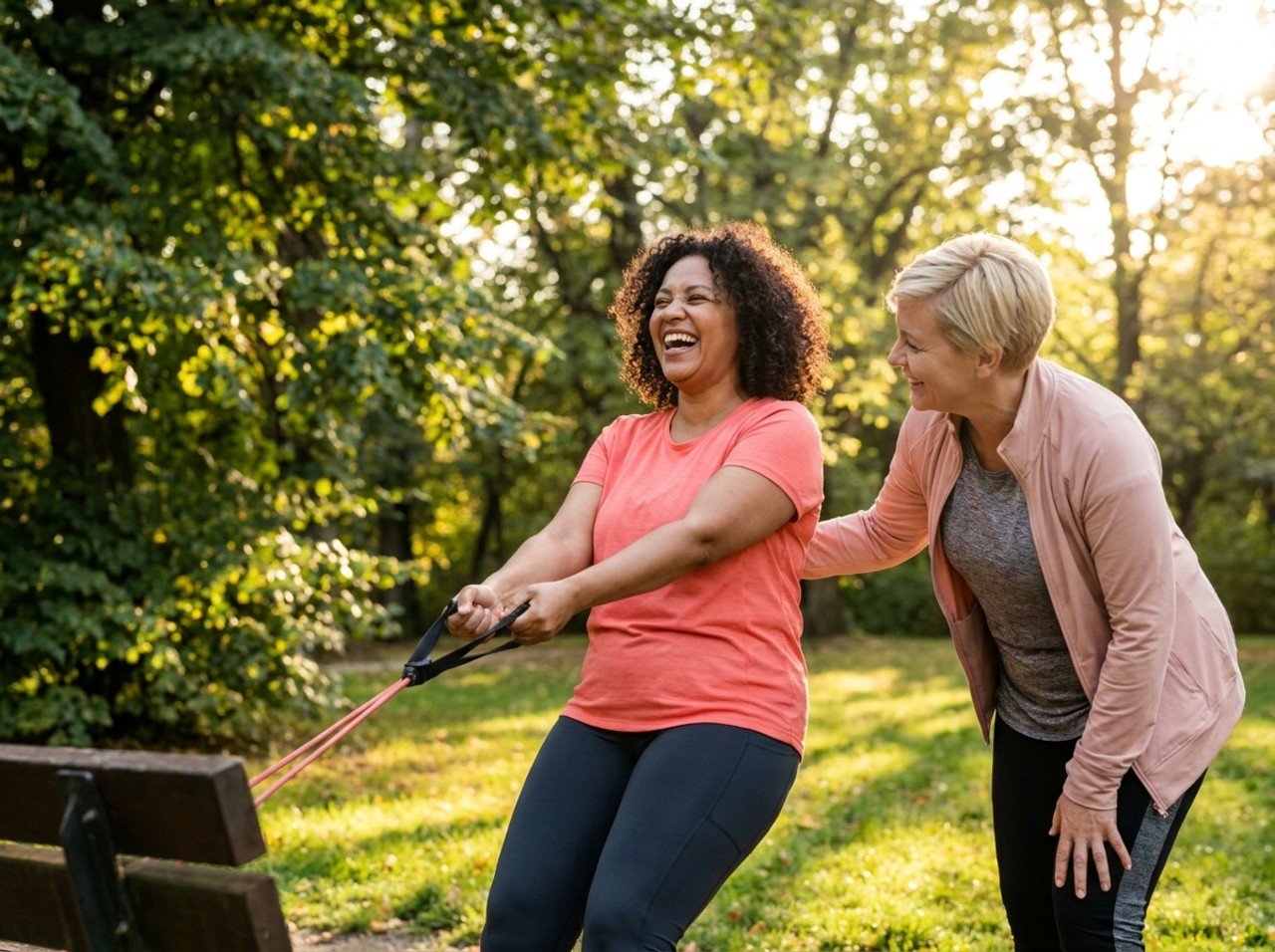
Notice that none of these three SMART examples is only about the scale. That’s intentional, and it directly answers the dropout research above: a goal built entirely around a number on the scale is statistically the version most likely to fail.
If nutrition is part of your plan, the same rule applies: a SMART nutrition strategy built around a modest calorie deficit and a repeatable meal prep routine will outlast a vague “eat healthier” goal, for the same reason.
Our own guide to realistic weight loss goals walks through how to set a number safely, if weight is still part of your picture, and our healthy eating plan guide covers building that side of the plan alongside process goals that don’t live or die by the scale.
2. Find A Workout Partner Or A Supervised Group
Training with a partner or in a supervised small group is one of the most evidence-backed ways to avoid dropping out. The 2026 cohort study above found 51.7% still training at 12 months in a supervised small-group model, versus rates as low as 3.7% to 37% in conventional gym settings, largely because of professional oversight, accountability, and social connection.
A plausible reason: in a small group, participants get real-time feedback, a sense of relatedness, and social pressure that’s supportive rather than punishing. That combination likely protects motivation on the days willpower alone wouldn’t be enough.
If a training partner isn’t available, a class, a coached group, or even a regular walking group with friends captures much of the same effect. Our guide to the benefits of a personal trainer covers the one-on-one version of this same accountability structure.
3. Protect A Fixed Weekly Time, Then Let A Habit Take Over
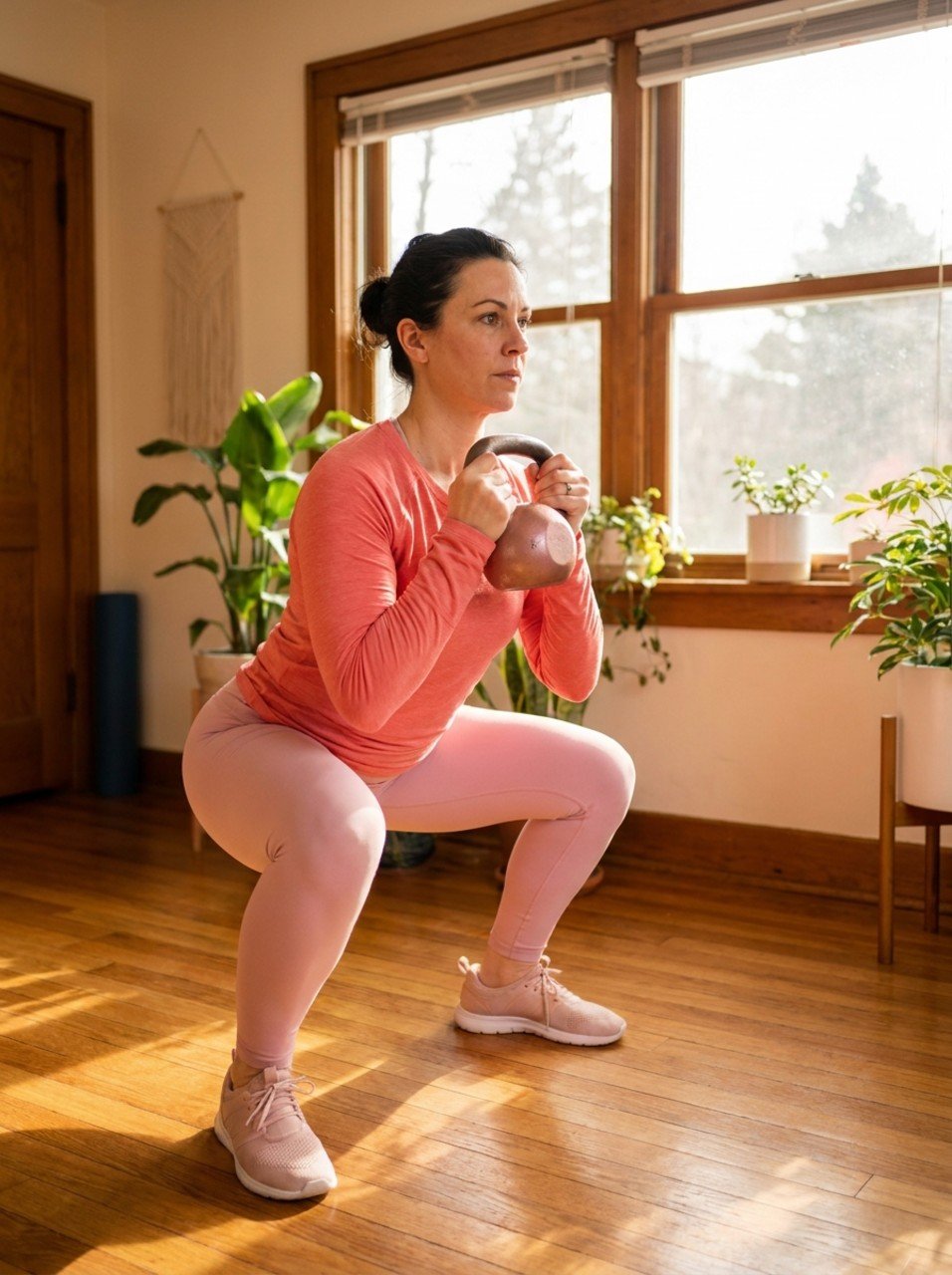
Set aside a specific, repeated time each week, and expect it to feel effortful for roughly two months before it starts to feel automatic. A landmark University College London study tracked 96 people over 84 days and found that habits took an average of 66 days to form, not the widely repeated “21 days,” with a real range of 18 to 254 days depending on the person and the behavior.
That 21-day figure, worth knowing so you can finally ignore it, actually comes from a 1960 plastic surgery recovery book, not exercise research. Knowing the real number matters emotionally: if your new gym habit still feels like a chore in week three, that’s not failure, that’s the middle of a normal timeline.
Habit stacking, attaching your new workout time to an existing routine (right after the school drop-off, right before dinner prep), is one of the most reliable ways to survive that 66-day runway.
4. Vary Your Activities, And Add Strength Work After 40
Mixing cardio, strength, and mobility work keeps your body adapting and prevents plateaus. After 40, this tip carries more weight than it used to. Sarcopenia, the gradual loss of muscle mass and strength, begins around age 30, according to the Office on Women’s Health, at roughly 3–5% of muscle mass per decade.
Muscle loss is also widely reported to speed up around menopause as estrogen declines, which is why fat-burning cardio alone stops being enough once you’re past 40.
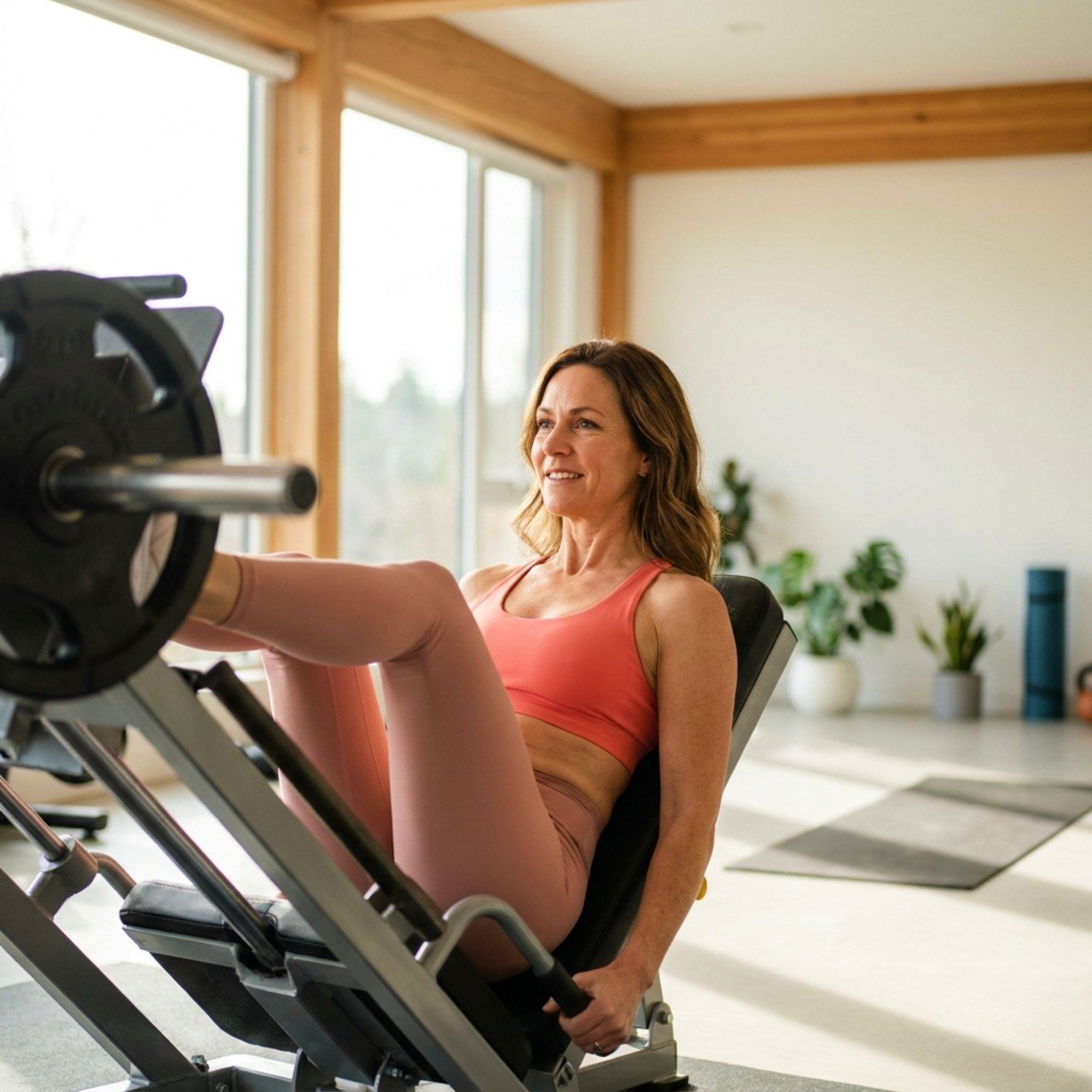
This is the piece most generic “mix up your workouts” advice leaves out. Variety for its own sake matters less after 40 than making sure resistance training and muscle-toning work specifically are in the rotation, because muscle you don’t maintain, you lose.
This doesn’t require a gym: home workouts using resistance bands, bodyweight moves, or a pair of dumbbells build the same muscle as a gym floor does. Our full guide to strength training for women in perimenopause walks through how to build this in without a gym intimidation spiral, and our piece on what actually works in perimenopause supplements covers the nutrition side of protecting muscle during this stage.
5. Choose An Activity You Actually Enjoy, Not One You Think You Should Do
Exercise you enjoy is exercise you repeat, and a 2025 qualitative study of women’s exercise motivations found that women who reframed their reasons for exercising around autonomy, competence, and enjoyment, rather than appearance or others’ approval, described more sustained perseverance, even when facing the same gendered barriers and body pressure as everyone else.
This is where a lot of “just push through it” fitness advice actually works against you. If running on a treadmill feels like punishment, try swimming, dancing, cycling, or a boxing class instead. None of these is a lesser substitute.
Each is a legitimate path to the same fitness outcome, minus the resentment that quietly kills consistency. If gym intimidation specifically is what’s holding you back, our piece on reasons to visit a gym and our beginner’s guide to getting in shape are built specifically around easing that first-day dread.
6. Build In Planned Flexibility, Not Guilt
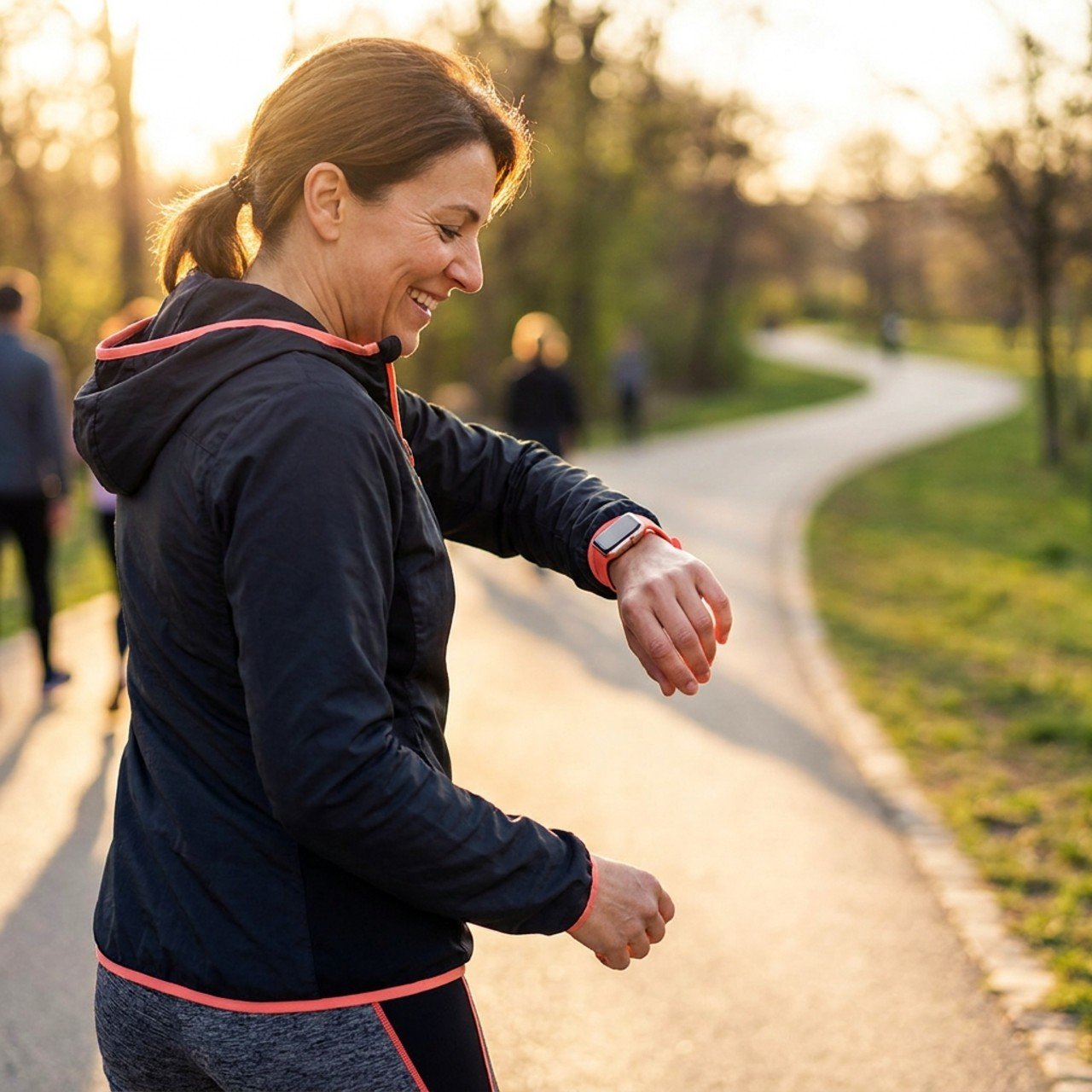
Deciding in advance how you’ll handle a missed session protects your fitness goal more than perfect attendance does, because self-efficacy, your belief in your own ability to keep going, is what a 2026 study of 721 women found to have the highest explanatory power among the psychological factors it tested, accounting for 46.7% of the variance in exercise persistence.
Guilt after a missed workout erodes exactly the belief that keeps you going. The research-backed alternative is a pre-decided flexibility rule: “if I miss Monday, I move it to Tuesday, no makeup penalty session, no starting over.”
That single rule protects self-efficacy in a way that white-knuckling perfect attendance doesn’t, because it removes the all-or-nothing thinking that turns one missed session into a quit.
7. Track Progress Beyond The Scale
Track measures that build self-efficacy directly: reps completed, minutes walked, a personal record, energy on waking, sleep quality. These “non-scale victories” create the mastery experiences that research links to long-term persistence, more reliably than weight alone.
Consider tracking a mix like this each week: consistency, strength, energy, sleep, and one non-physical marker. Specifically:
- Number of planned sessions actually completed (consistency, not perfection).
- A specific strength number: reps, weight, or hold time on one movement
- Energy level on a simple 1–5 scale, morning and evening.
- Sleep quality, since sleep and recovery shift meaningfully during perimenopause.
- One non-physical marker: mood, stress, or confidence in a specific task (stairs, groceries, a work deadline).
The scale can stay in the bathroom. These markers move faster, feel more rewarding, and, per the self-efficacy research above, are the actual mechanism keeping you in the game past month two.
Join Our Mailing List
Join thousands of women inside our community and receive our free guide, 10 Actions That Support Permanent Weight Loss — the exact behavioural shifts that make the difference between a two-week attempt and a lasting transformation.
No restriction plans. No guilt. Just what actually works — for real women with real lives.
Fitness Goals For Women: Quick Reference By Life Stage
| Goal Focus | Best For | What Changes After 40 |
|---|---|---|
| SMART process goals (sessions/week, reps, minutes) | Anyone who has abandoned a vague goal before | Same principle applies; specificity matters more as time gets scarcer |
| Strength training frequency | Preserving muscle and bone density | Becomes non-negotiable rather than optional, due to sarcopenia onset around 30 and acceleration after menopause |
| Recovery and sleep tracking | Anyone in perimenopause or menopause | Recovery windows lengthen; tracking sleep becomes as important as tracking workouts |
| Community or supervised group training | Anyone who has dropped out of solo routines before | Especially valuable given documented sex differences in dropout patterns favoring social, supervised formats |
| Non-scale progress tracking | Anyone whose motivation depends heavily on the scale | Becomes more important as weight can fluctuate with hormonal changes independent of fitness gains |
Reading the research behind why fitness goals succeed or fail is one thing. Having the actual daily actions that put it into practice is another. Our free guide, 10 Actions That Support Permanent Weight Loss, is built around fitness. No SMART-goal worksheet required, no calorie-counting spreadsheet, just the specific actions that compound.
Get The Free Guide: 10 Actions That Support Permanent Weight Loss
The Bottom Line
Getting fit is still a process that takes time and consistency; that part of the original advice was never wrong. What was missing was the research showing which goals survive that process and which ones quietly sabotage it.
If your fitness goal right now is only a number on a scale, the data says that specific structure is statistically more fragile than a goal built around a process: a session count, a strength number, a habit you’re building one repetition at a time.
This isn’t about chasing a 12-week body transformation photo. It’s about building a body that still works for you at 60.
Glossary Of Key Terms
- Autonomy-based Motivation: A drive to exercise based on internal desires for competence and health rather than external pressure or appearance.
- Habit Stacking: A behavioral strategy of attaching a new fitness habit to an existing, established routine to increase the likelihood of completion.
- Non-Scale Victories (NSVs): Progress markers that do not involve body weight, such as improved sleep quality, increased energy levels, or higher strength numbers.
- Perimenopause: The transitional phase leading up to menopause, during which hormonal changes can affect muscle mass and recovery times.
- Planned Flexibility: A pre-decided strategy for handling missed workouts that prioritizes consistency over perfection to avoid guilt-induced quitting.
- Retrospective Cohort Study: A type of research that looks back at a specific group of people over time to identify predictors of certain outcomes, such as exercise dropout rates.
- Sarcopenia: The gradual, age-related loss of muscle mass and strength, which typically begins after age 30 and accelerates after 40.
- Self-Efficacy: A psychological concept referring to an individual's confidence in their ability to execute the behaviors necessary to reach a specific goal.
- SMART Framework: A goal-setting method that ensures objectives are Specific, Measurable, Achievable, Relevant, and Time-bound.
- Supervised Small-Group Training: An exercise model involving professional coaching and a limited number of participants, noted for having higher long-term retention than conventional gyms.
FAQ
What Are Realistic Fitness Goals For Women Over 40?
Realistic fitness goals for women over 40 combine a SMART process goal (a specific number of sessions, reps, or minutes per week) with a strength-training component, since muscle loss accelerates after menopause. Goals built entirely around a number on the scale are statistically more likely to be abandoned than process-based goals.
Why Do Most Fitness Goals For Women Fail?
Most fitness goals fail because of how they’re structured, not because of a lack of willpower. A 2026 cohort study found that having weight loss as the sole stated goal was itself a significant predictor of early dropout, independent of starting weight or fitness level.
How Long Does It Actually Take To Build A Fitness Habit?
An average of 66 days, according to a University College London study that tracked 96 people for 84 days, not the commonly repeated 21 days, which actually originated in a 1960 plastic surgery recovery book. Individual results ranged from 18 to 254 days.
What Is The Best Way To Set Fitness Goals As A Woman?
The SMART framework, Specific, Measurable, Achievable, Relevant, Time-bound, gives you a trackable target instead of a vague wish, which builds the self-efficacy shown to drive long-term exercise persistence.
How Can Women Stay Motivated To Reach Their Fitness Goals?
Training with a partner or in a supervised small group significantly improves persistence: one 2026 study found 51.7% still training at 12 months in a supervised small-group format, compared with rates as low as 3.7% in conventional gym memberships.
Do Women Need To Exercise Differently After 40?
Yes. Sarcopenia, age-related muscle loss, begins around age 30 and accelerates after menopause as estrogen declines, which makes dedicated strength training a necessary part of fitness goals for women over 40, not an optional add-on to cardio.
What Are The Benefits Of Setting Fitness Goals For Women?
Setting a clear fitness goal gives you something concrete to work toward instead of a vague wish, and research shows the right kind of goal, not just any goal, builds the self-efficacy linked to long-term exercise persistence. Well-structured goals also give you non-scale progress markers, like strength, energy, and sleep, to track alongside or instead of the scale.