
Women's Science-Backed Guide: 5 Superfoods To Boost Metabolism That Actually Work
Jean Anthelme Brillat-Savarin
The Physiology of Taste
Tell me what you eat, and I will tell you what you are.
Summary (TL;DR)
Here's something I've noticed after years of working with women on their nutrition: the word "superfood" gets treated like it's magic. Eat this one berry, drink this one tea, and suddenly your metabolism is firing on all cylinders.
Reality is messier than that — but some foods genuinely do make a measurable difference to how efficiently your body burns energy. The peer-reviewed literature is clear enough on five of them that it's worth going through properly, with the actual mechanisms explained and the evidence quality rated honestly.
I went back to the original research on every food in this article. What I found was more nuanced than the typical metabolism-foods listicle suggests — and I think the nuance matters. When you understand how these foods work, you're far more likely to use them correctly.
If you haven't read our deep dive on how the female metabolism actually works, start there. It gives the physiological foundation for everything below. And if you want to know what's actively working against your metabolism before we get to what helps it, this article on the worst eating habits for metabolism is a good companion read.
Medical & Referral Disclaimer
This article is for informational and educational purposes only and does not constitute medical advice, diagnosis, or treatment. The information is based on published peer-reviewed research and the author's professional experience, but is not a substitute for personalised guidance from a qualified healthcare provider or registered dietitian. Individual responses to dietary changes vary.
Key Takeaways
- Capsaicin (chilli) is the strongest direct metabolic stimulant on this list, backed by multiple meta-analyses. Use it generously and consistently — daily if tolerated.
- EGCG in green tea supports fat oxidation through a complementary pathway to capsaicin. Three to five cups daily is the effective range, ideally timed around exercise.
- Whole grains deliver their metabolic benefit through the thermic effect of food and blood glucose stabilisation. The advantage is cumulative — it compounds over weeks and months.
- Lentils work through both protein's thermic effect and iron's role in cellular oxygen transport. Always pair with vitamin C; avoid tea or coffee at the same meal.
- Blueberries are the slow medicine on this list. Their benefits are real, but primarily operate through gut microbiome modulation and anti-inflammatory pathways over weeks rather than hours.
- No superfood replaces movement. The women who see the most benefit from these foods are also exercising, sleeping adequately, and managing stress.
- Dose and consistency matter more than perfection. A modest daily intake of each food outperforms an occasional large dose every time.

What Makes A Food A "Superfood"?
There's no regulated definition. "Superfood" is a marketing term — one that the European Union actually banned in food advertising unless backed by specific, approved health claims. What nutrition scientists use instead is nutrient density: how many beneficial compounds a food delivers per calorie.
For metabolism specifically, the foods that matter most are those that either raise your resting metabolic rate (the calories you burn at rest), increase fat oxidation (how readily your body uses fat for fuel), or support the hormonal and cellular processes that keep your metabolic engine running efficiently over time.
The five foods below do one or more of those things. The strength of the evidence varies across them, which is why I've ranked them — and why I'll be straightforward where the science is still developing.
Why Your Metabolism Isn't Broken — It's Just Responding To Signals
Before we get into specific foods, if you feel like your metabolism is sluggish, you're probably not imagining it. Metabolic rate does decline with age, particularly after 35, and hormonal shifts during perimenopause can make fat loss significantly harder. But "slow metabolism" is rarely a fixed state. It's a response to signals.
Skipping meals, under-eating protein, and surviving on refined carbs all suppress the metabolic signals that keep fat-burning active. The superfoods below change those signals — but they work best when they're replacing poor habits, not being added on top of them.
The 5 Best Superfoods To Boost Metabolism (Ranked By Research Strength)
Superfood Comparison: Active Compounds, Mechanisms, And Practical Doses
| Superfood | Active Compound | Metabolic Mechanism | Research Quality | Practical Daily Dose |
|---|---|---|---|---|
| Chilli Peppers | Capsaicin | Thermogenesis, increased fat oxidation | Strong (multiple RCTs + meta-analyses) | Enough to feel heat; ~2–33mg capsaicin |
| Green Tea | EGCG + Caffeine | Fat oxidation, increased energy expenditure | Strong (RCTs + systematic reviews) | 3–5 cups/day (100–460mg EGCG) |
| Whole Grains | Dietary fibre + complex carbs | Higher thermic effect vs. refined carbs | Strong (observational + clinical trials) | 3+ servings per day |
| Lentils | Protein + non-haem iron | TEF from protein; iron supports O₂ transport | Good (well-established nutritionally) | ½ cup cooked, 3–4x per week |
| Blueberries | Anthocyanins + dietary fibre | Gut microbiome support, anti-inflammatory | Promising (mostly epidemiological) | ½–1 cup daily |
#1. Chilli Peppers: The Thermogenic Trigger
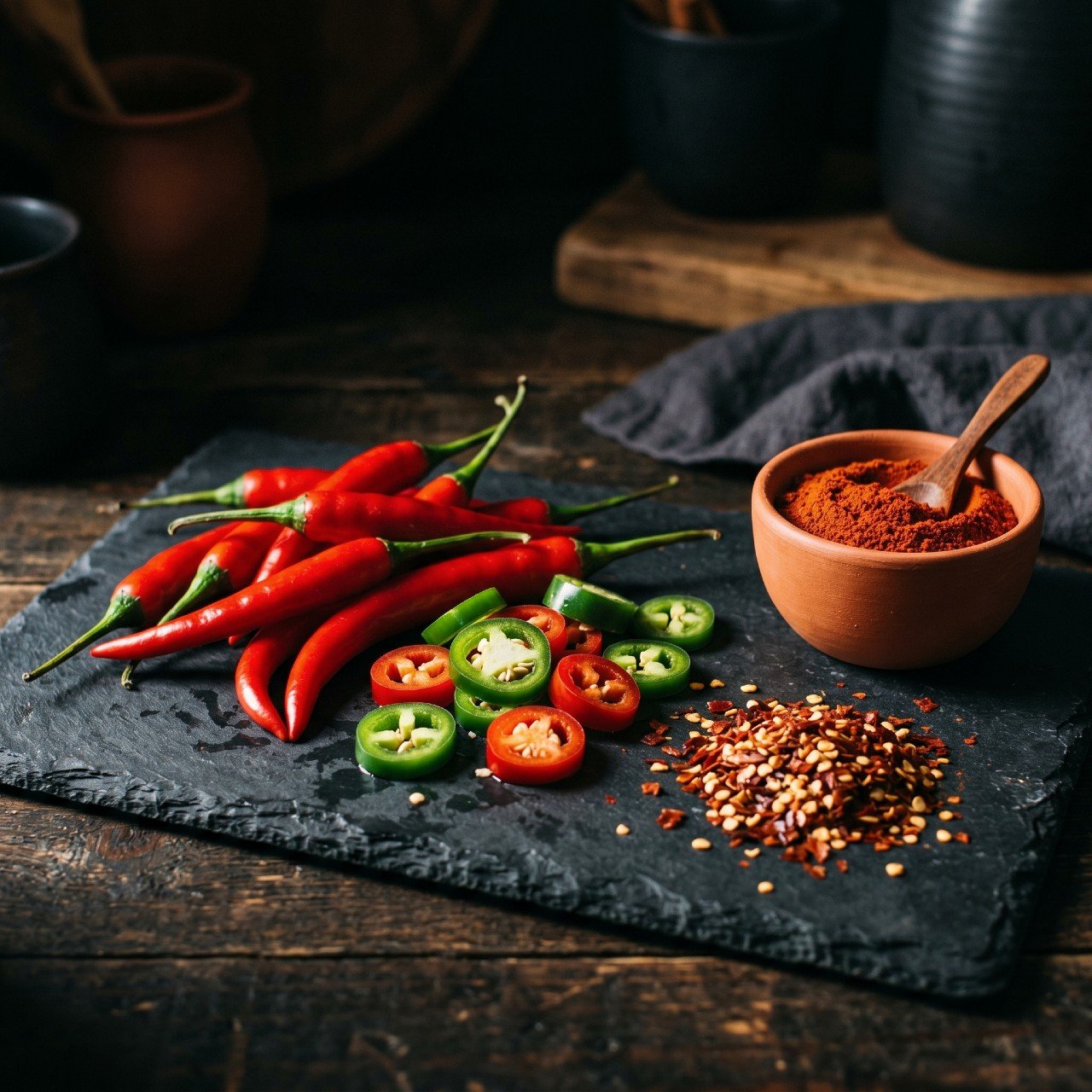
Capsaicinoids — the active compounds in chilli peppers, including capsaicin — have been shown to increase resting metabolic rate and enhance fat oxidation. A 2020 meta-analysis of 13 placebo-controlled trials (published in Phytotherapy Research) found a mean increase of approximately 34 kcal/day at effective doses, with consistent fat-oxidising effects across studies. The mechanism is real and confirmed; the magnitude is modest.
Capsaicin works by activating TRPV1 receptors — the same thermal receptors your body uses to detect heat. Your body responds to capsaicin as though it's slightly overheating, and ramps up energy expenditure to compensate. This process is called thermogenesis.
A 2020 systematic review and meta-analysis published in PLOS ONE, covering 13 randomised controlled trials, found that capsaicinoids significantly increased resting metabolic rate by approximately 33.99 kcal/day compared to placebo, and also improved fat oxidation — the body's shift toward burning fat for fuel rather than glucose.
An earlier comprehensive review by Whiting et al. confirmed that capsaicin and its analogues increase energy expenditure and promote negative energy balance through both thermogenesis and appetite suppression.
The honest caveat: effects are dose-dependent. At low doses — a sprinkle of mild chilli flakes — the metabolic effect is minimal. You need enough to feel the heat.
How Much Capsaicin Do You Actually Need?
Studies showing significant thermogenic effects use doses ranging from approximately 2–12 mg of capsaicin per serving, with some trials going higher. In real food terms: a fresh jalapeño contains roughly 2–4 mg; a fresh cayenne pepper approximately 5–10 mg, depending on size and variety; dried chilli flakes vary considerably by cultivar and preparation.
If you genuinely can't tolerate heat, capsaicin supplements exist and are used in research — but food-first is the better approach. You also get the vitamin C and beta-carotene that whole chilli peppers deliver, both of which support immune function and cellular health.
Practical habit: Add half a teaspoon of cayenne to morning eggs, or keep chilli flakes on the table and use them at every savoury meal. Consistency matters more than volume.
Caution: Excess capsaicin irritates the gut lining in some people. If you have IBS, acid reflux, or any gastrointestinal condition, start with very small amounts and build up slowly.

#2. Green Tea: EGCG And The Fat-Oxidation Effect
Green tea contains EGCG (epigallocatechin gallate), a catechin that increases fat oxidation by up to 33% at effective doses. Combined with green tea's natural caffeine, the fat-burning effect rises to approximately 49%. The effective dose range from research is 100–460mg of EGCG daily, equivalent to three to five cups of brewed green tea.
EGCG works through a different pathway than capsaicin. Rather than generating heat, it influences enzymes involved in fat metabolism and activates AMPK — an energy-sensing enzyme sometimes called the "metabolic master switch" because it promotes fat oxidation while inhibiting fat storage.
A systematic review and meta-analysis published in Nutrients found that EGCG moderately accelerates energy expenditure and reduces respiratory quotient — a measure that shows the body shifting toward burning more fat relative to carbohydrate.
In a small placebo-controlled trial published in the European Journal of Clinical Nutrition, supplementation with 300mg of purified EGCG — equivalent to roughly 3–6 cups of green tea — was associated with a 33% increase in postprandial fat oxidation in overweight men. Adding 200mg of caffeine raised that figure to 49%. The researchers noted the two compounds appear to work additively rather than synergistically.
The EGCG + Caffeine Synergy Explained
These two compounds amplify each other's effects through complementary mechanisms. Caffeine inhibits phosphodiesterase, an enzyme that breaks down cAMP — the signalling molecule that activates fat-releasing pathways. EGCG inhibits COMT, an enzyme that normally degrades noradrenaline, which is a key fat-mobilising hormone.
The result: the fat-burning signals stay active longer than either compound would achieve alone.
Effective dose in practice: Three to five cups of brewed green tea daily provides approximately 100–200mg of EGCG. Higher-dose green tea extracts (used in most studies) typically deliver 300–400mg, but food-based intake is safer for most people and has no known liver-stress risk at normal quantities.
11 Superfoods Explained
Make sure you get a healthy balance of superfoods to have your body running at its full potential.
Timing: Because green tea contains caffeine — roughly 25–35mg per cup — avoid it after 2 pm if you're sensitive to stimulants. Poor sleep actively undermines fat loss through multiple hormonal pathways, so trading a metabolic boost for disrupted sleep is a bad trade.
#3. Whole Grains: The Thermic Effect Advantage
Whole grains — those retaining all three components of the grain kernel (bran, germ, and endosperm) — have a significantly higher thermic effect than refined carbohydrates. Your body burns more calories simply digesting them. They also stabilise blood glucose, which prevents the insulin spikes that shift your body into fat-storage mode.
The thermic effect of food (TEF) is the energy your body uses to digest, absorb, and metabolise what you eat. Protein has the highest TEF at 20–30%, followed by carbohydrates at 5–10%, and fat at 0–3%. But within carbohydrates, the structural composition matters considerably.
A whole grain retains its bran (fibre, B vitamins, antioxidants), germ (healthy fats, additional B vitamins, minerals), and endosperm (starch and protein). Harvard T.H. Chan School of Public Health notes that the body has to work substantially harder to break this structure down compared to refined grains, which have had the bran and germ mechanically removed during processing.
Mayo Clinic confirms that whole grains help regulate blood glucose, which matters metabolically: chronically elevated insulin tells your body to store fat rather than burn it. By slowing glucose absorption, whole grains keep insulin in a fat-burning rather than fat-storing range.
The Practical Whole Grain Swap List
Replacing refined carbohydrates with whole grains isn't glamorous advice, but it's consistently supported across decades of nutritional research. The best diet for women over 40 isn't about eliminating carbohydrates — it's about choosing the ones that support rather than suppress metabolic function.
Practical swaps:
- White rice → brown rice or quinoa
- White bread → sourdough wholegrain bread (sourdough fermentation reduces phytic acid, improving mineral bioavailability)
- Sugary breakfast cereal → rolled oats
- White pasta → wholemeal pasta or legume-based pasta
The calorie counts are broadly similar. The metabolic effect is meaningfully different.
#4. Lentils: The Metabolic Engine's Fuel
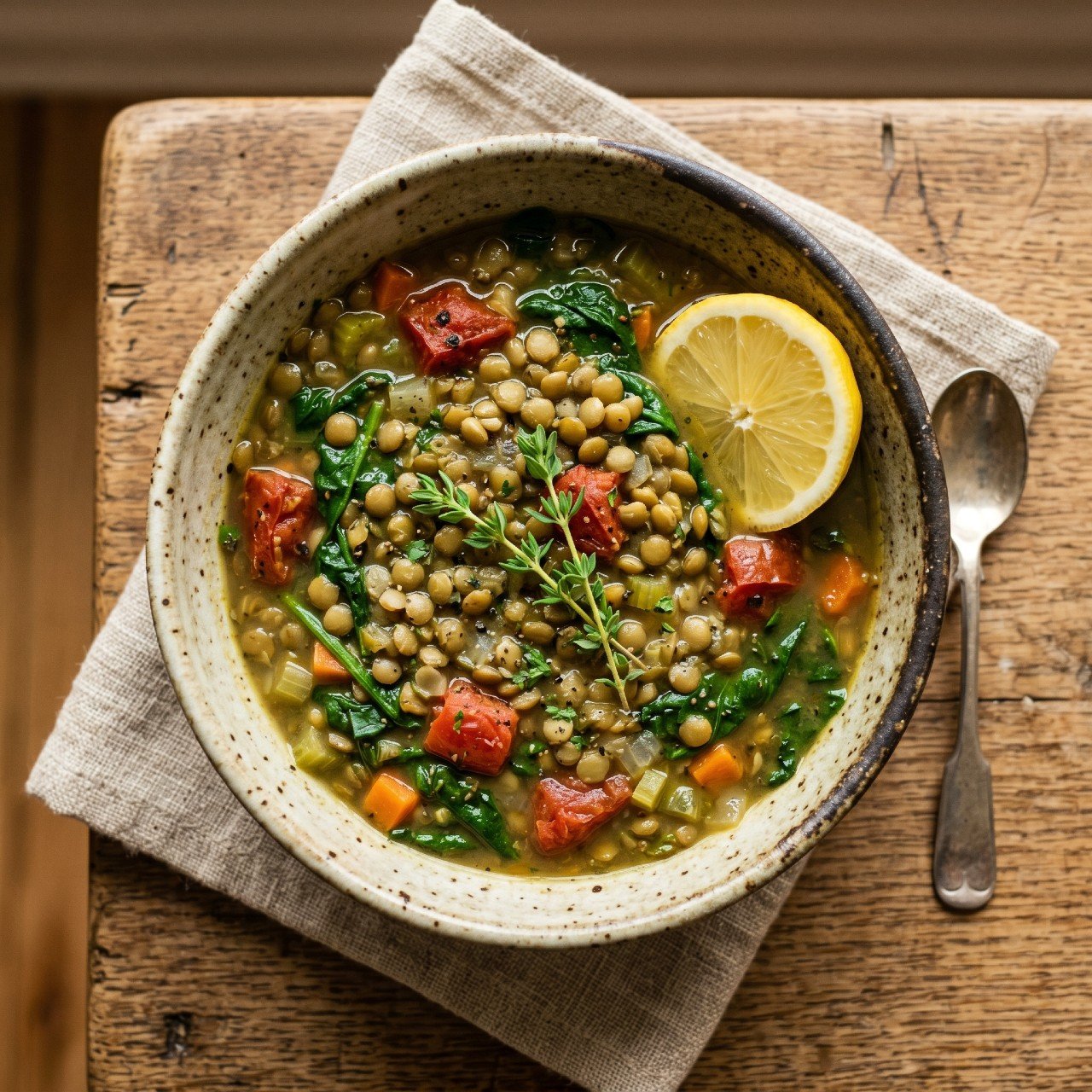
One cup of cooked lentils provides approximately 18g of protein and 6.6mg of iron — covering up to 36% of daily iron needs for men and postmenopausal women, and 15–18% for menstruating women. Protein's high thermic effect boosts metabolic rate during digestion. Iron supports the oxygen-carrying capacity of blood, which is essential for efficient cellular energy production at every metabolic rate.
I genuinely think lentils are the most underestimated food on this list. They're cheap, filling, versatile, and deliver two separate metabolic benefits from one source.
Benefit 1: protein's thermic effect. At roughly 18g of protein per cooked cup, lentils are among the highest-protein plant foods available. Paired with a whole grain, they provide a complete amino acid profile comparable to animal protein. Protein has a TEF of 20–30% — meaning your body burns approximately a quarter of the calories in protein just to process it. That's metabolic activity built into every meal.
Benefit 2: iron's role in oxygen transport. According to the Cleveland Clinic, iron is the backbone of haemoglobin — the protein that carries oxygen from your lungs through your bloodstream to every cell. Low iron means cells can't get enough oxygen, which translates directly to fatigue, reduced exercise capacity, and a measurable drop in metabolic efficiency. Many women are mildly iron-deficient without knowing it, and the effects on energy and metabolism are real.
Iron Absorption: Getting The Most From Every Cup
The iron in lentils is non-haem iron (plant-sourced), which is less readily absorbed than haem iron from meat. The fix is simple: pair lentils with a vitamin C source. Tomatoes, lemon juice, bell peppers, and leafy greens all dramatically improve non-haem iron absorption.
One important note: tannins in tea and coffee bind to non-haem iron and reduce its absorption by up to 60–70%. If you drink tea with your lentil meals, you may be negating a significant portion of the iron benefit. Have your tea 30–60 minutes before or after the meal instead.
#5. Blueberries: The Long Game Superfood
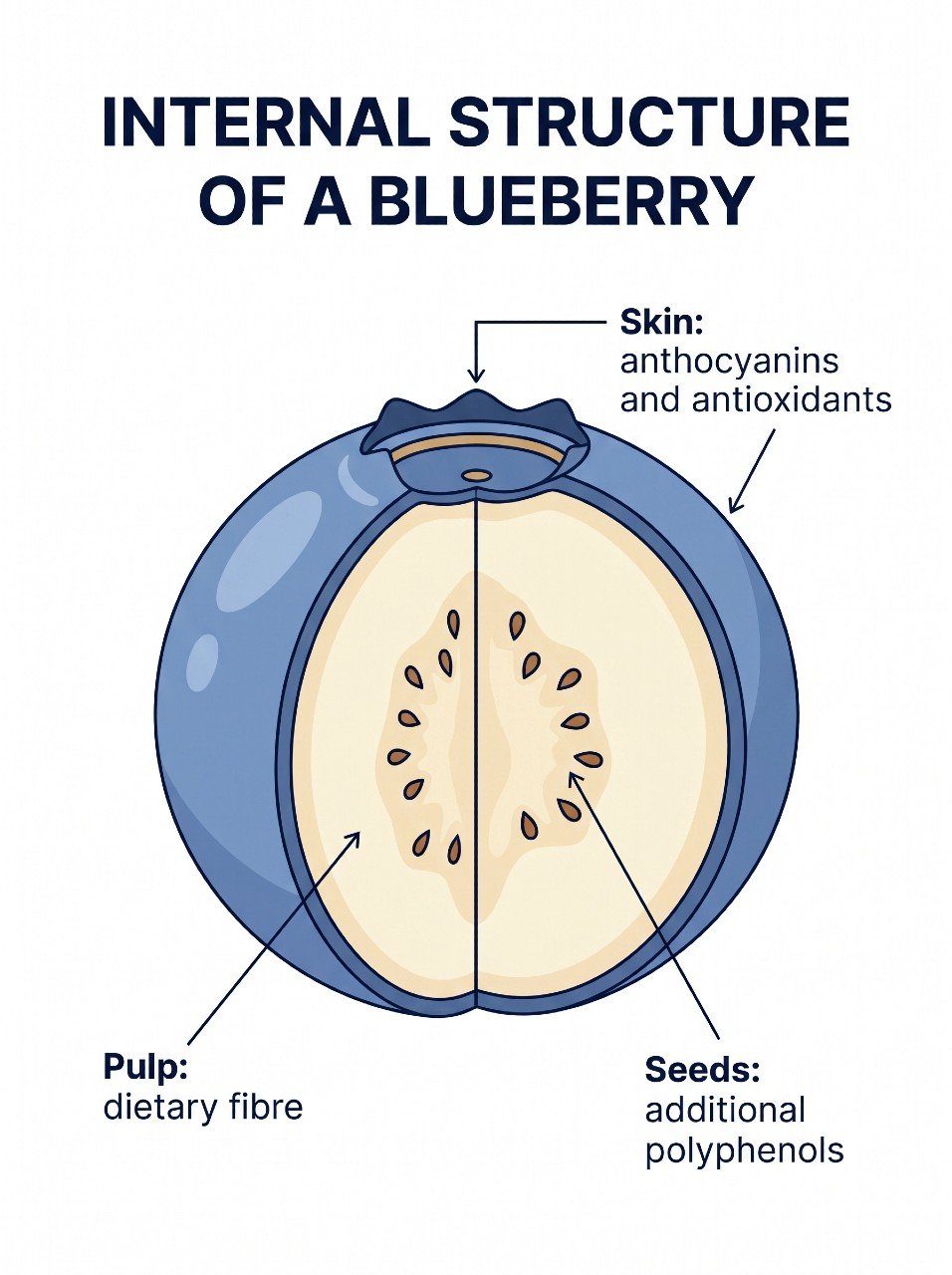
Blueberries rank among the highest-antioxidant fruits by ORAC value. Their anthocyanins — the pigments responsible for their blue-purple colour — support metabolic health primarily through gut microbiome modulation and anti-inflammatory effects. Long-term Harvard cohort data associates higher blueberry intake with significantly less weight gain over time, independent of other dietary factors.
Blueberries work the slowest of the five foods here. They don't spike thermogenesis or dramatically increase fat oxidation in a single serving. Their benefit is systemic and cumulative.
Anthocyanins have been shown to modulate gut microbiome composition in ways that improve metabolic outcomes — better insulin sensitivity, lower systemic inflammation, and more efficient energy metabolism.
Three large US cohort studies — the Nurses' Health Study I and II and the Health Professionals Follow-Up Study — found that higher intake of anthocyanin-rich fruits, including blueberries and strawberries, was associated with less weight gain over time.
Across 124,000 participants followed for up to 24 years, those with the highest anthocyanin intake gained roughly 0.16–0.23 lbs less per four-year period. That's a modest absolute number, but the consistency across three large independent cohorts gives it credibility. This is observational data, not a clinical trial — it establishes association, not causation.
The Anthocyanin Advantage: Why Colour = Metabolic Benefit
Blueberries also satisfy sweet cravings at very low caloric cost — roughly 85 kcal per cup — and their fibre content (3.6g per cup) slows glucose absorption, preventing the insulin spikes that promote fat storage.
The evidence base here is specifically for fresh and frozen berries. Blueberry jam, blueberry juice with added sugar, and heavily processed blueberry products don't carry the same research support. The processing that makes them shelf-stable also strips or degrades many of the beneficial compounds.
For a food that requires zero preparation and fits into almost any meal, adding a handful to your morning yoghurt or oats is probably the greatest return-on-effort change you can make from this list.
When To Eat Each Superfood For Maximum Metabolic Effect
| Superfood | Best Timing | Best Paired With | Avoid Pairing With |
|---|---|---|---|
| Chilli Peppers | Any savoury meal | Lean protein, eggs, legumes | On an empty stomach if GI-sensitive |
| Green Tea | Morning, pre-workout, early afternoon | Exercise session (amplifies fat oxidation) | After 2pm if caffeine-sensitive |
| Whole Grains | Breakfast or lunch | A protein source at the same meal | High-sugar additions that spike blood glucose |
| Lentils | Lunch or dinner | Any vitamin C source (lemon, tomatoes, peppers) | Tea or coffee at the same sitting |
| Blueberries | Breakfast or as a snack | Greek yoghurt, oats, any protein | Nothing — they suit almost every context |
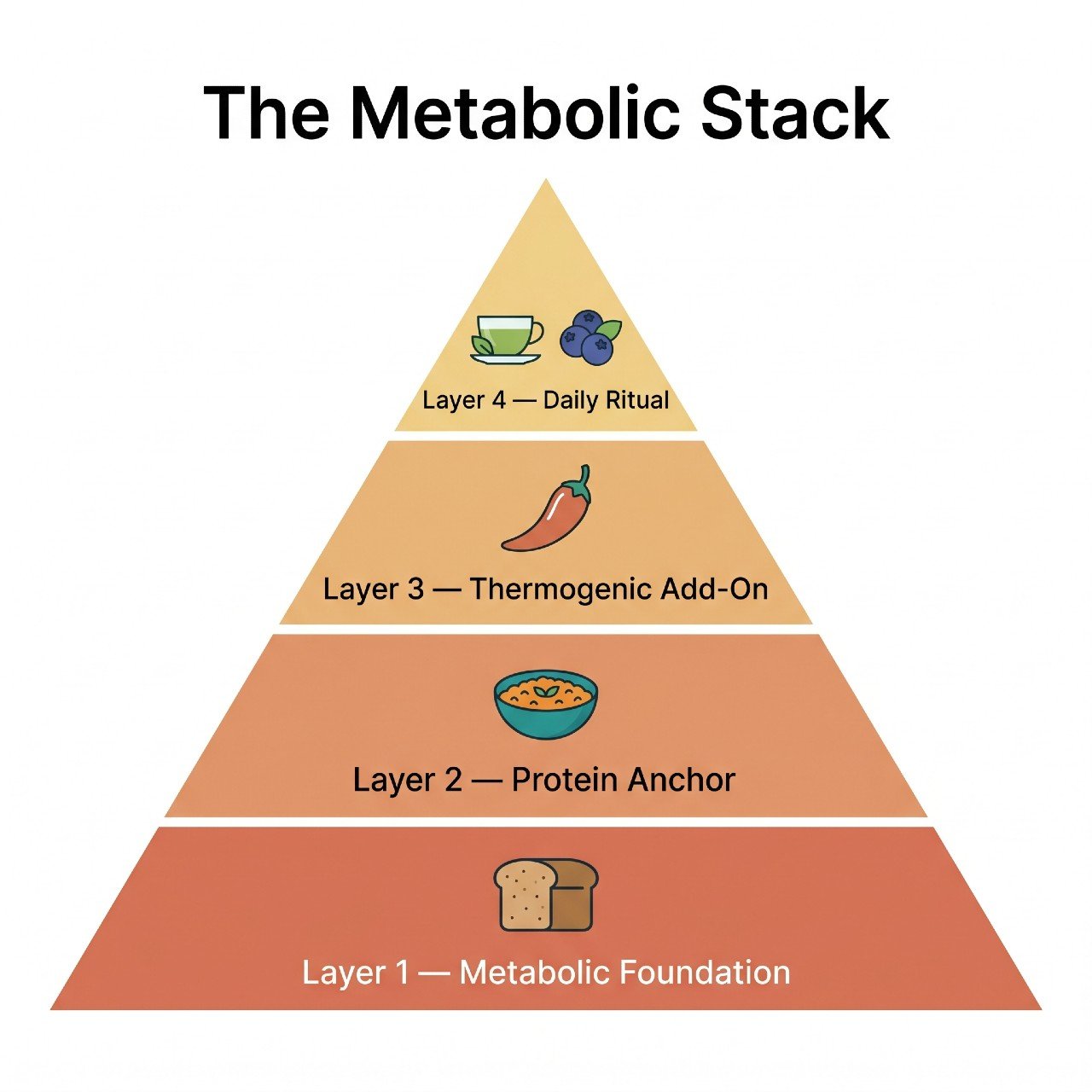
The Metabolic Stack: An Original Framework For Building These Habits
Here's something I've developed through working with women who want to improve their metabolism without a complete dietary overhaul. I call it the Metabolic Stack — a layered approach that builds metabolic habits progressively, rather than trying to change everything simultaneously.
The research on behaviour change is consistent: adding one habit at a time produces better long-term adherence than wholesale dietary transformation.
Layer 1: The Metabolic Foundation (Weeks 1–2)
Replace at least two daily refined carbohydrate servings with whole grains. Brown rice instead of white. Oats instead of processed cereal. This is the most impactful low-effort change on the list, and it affects every meal from day one.
Layer 2: The Protein Anchor (Weeks 3–4)
Add lentils or another high-protein legume to three to four meals per week, always paired with a vitamin C source. At this stage, your gut is adjusted to more fibre from Layer 1, which makes the lentil transition easier.
Layer 3: The Thermogenic Add-On (Weeks 5–6)
Incorporate chilli regularly — daily if tolerated. The thermogenic effect of capsaicin is more meaningful when your overall metabolic rate is already supported by adequate protein and whole grains.
Layer 4: The Daily Ritual (Ongoing)
Morning green tea (replacing one coffee where possible) and daily blueberries. These are the maintenance layer — they don't produce dramatic short-term changes, but they're doing meaningful long-term work through fat oxidation support and gut health.
The Contrarian Take: Can Superfoods Actually Replace Exercise For Metabolism?
Here's where I'll be unpopular with the "eat this one food" crowd: No.
The metabolic effect of a single serving of chilli is roughly 34 extra kcal burned. A 30-minute brisk walk burns approximately 150 kcal. A 45-minute strength session can burn 200–350 kcal and continues to elevate your resting metabolic rate for hours afterwards through EPOC (excess post-exercise oxygen consumption).
Building lean muscle through strength training has a compounding metabolic effect over months and years that no food can replicate. Superfoods are not a substitute for movement. They're a multiplier on an existing metabolic foundation.
What the research actually shows is that women who see the most benefit from metabolism-boosting foods are also exercising, sleeping well, and managing their cortisol levels. That's not a coincidence — it's because metabolic function is systemic. Everything feeds into everything else.
The five foods in this article are genuinely useful. But they work best as part of a framework, not as shortcuts.
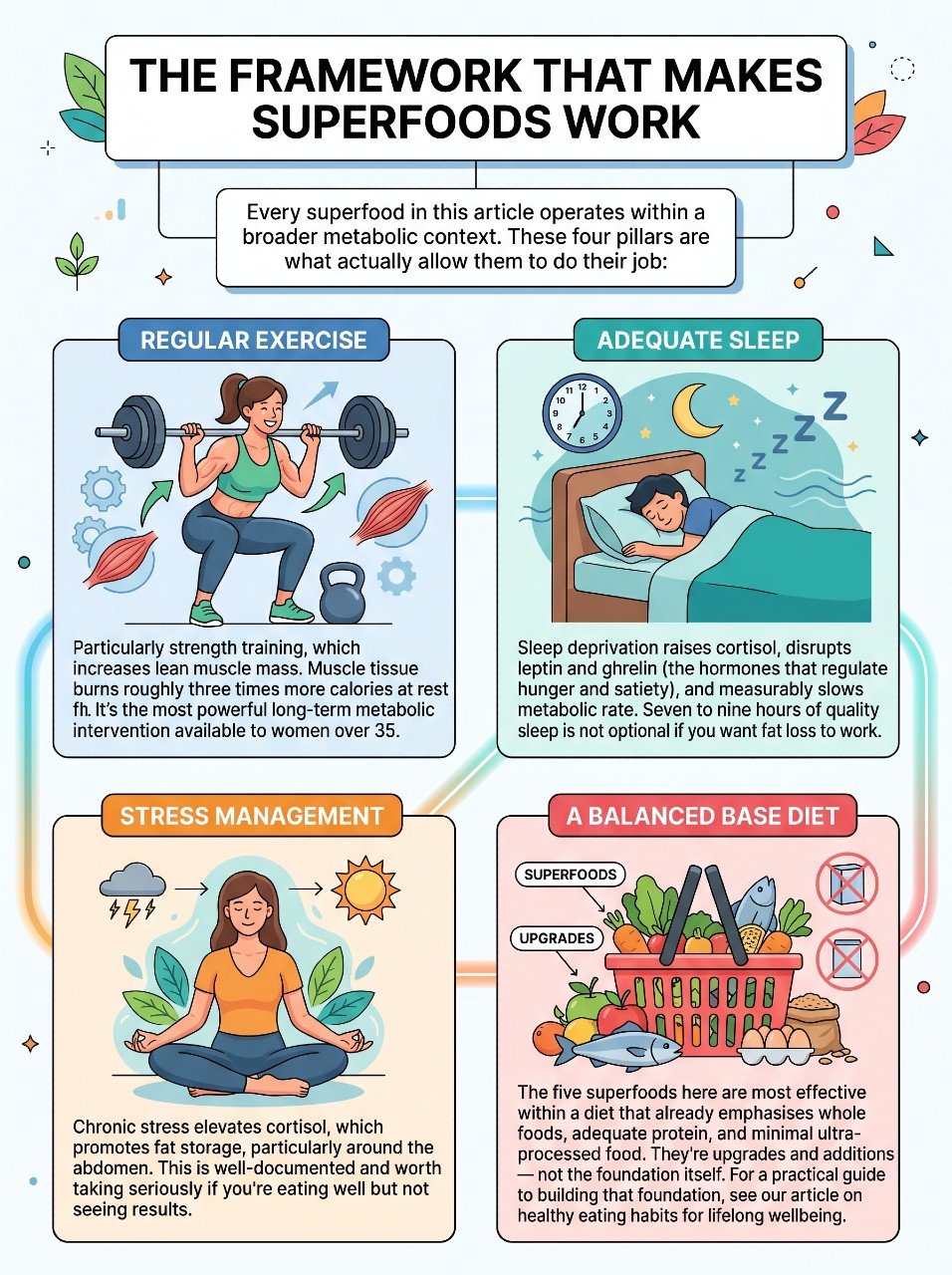
The Holistic Four: The Framework That Makes Superfoods Work
Every superfood in this article operates within a broader metabolic context. These four pillars are what actually allow them to do their job:
- Regular Exercise — Particularly strength training, which increases lean muscle mass. Muscle tissue burns roughly three times more calories at rest than fat tissue. It's the most powerful long-term metabolic intervention available to women over 35.
- Adequate Sleep — Sleep deprivation raises cortisol, disrupts leptin and ghrelin (the hormones that regulate hunger and satiety), and measurably slows metabolic rate. Seven to nine hours of quality sleep is not optional if you want fat loss to work.
- Stress Management — Chronic stress elevates cortisol, which promotes fat storage, particularly around the abdomen. This is well-documented and worth taking seriously if you're eating well but not seeing results.
- A Balanced Base Diet — The five superfoods here are most effective within a diet that already emphasises whole foods, adequate protein, and minimal ultra-processed food. They're upgrades and additions — not the foundation itself. For a practical guide to building that foundation, see our article on healthy eating habits for lifelong wellbeing.
If you want to explore other evidence-based ways to support your body's natural fat-burning capacity, our guide to natural fat burners covers the wider landscape. And if you want to make sure you'll actually eat these foods consistently, meal prep strategies for women are the practical next step.
Want The Habits Behind Lasting Weight Loss? Get the free guide: 10 research-backed habits that help women lose body fat and keep it off, with no extreme diets. Send Me The Free Guide.
The Bottom Line
The five superfoods to boost metabolism covered here are genuinely useful tools — not miracle workers, but meaningful contributors to a well-built metabolic strategy.
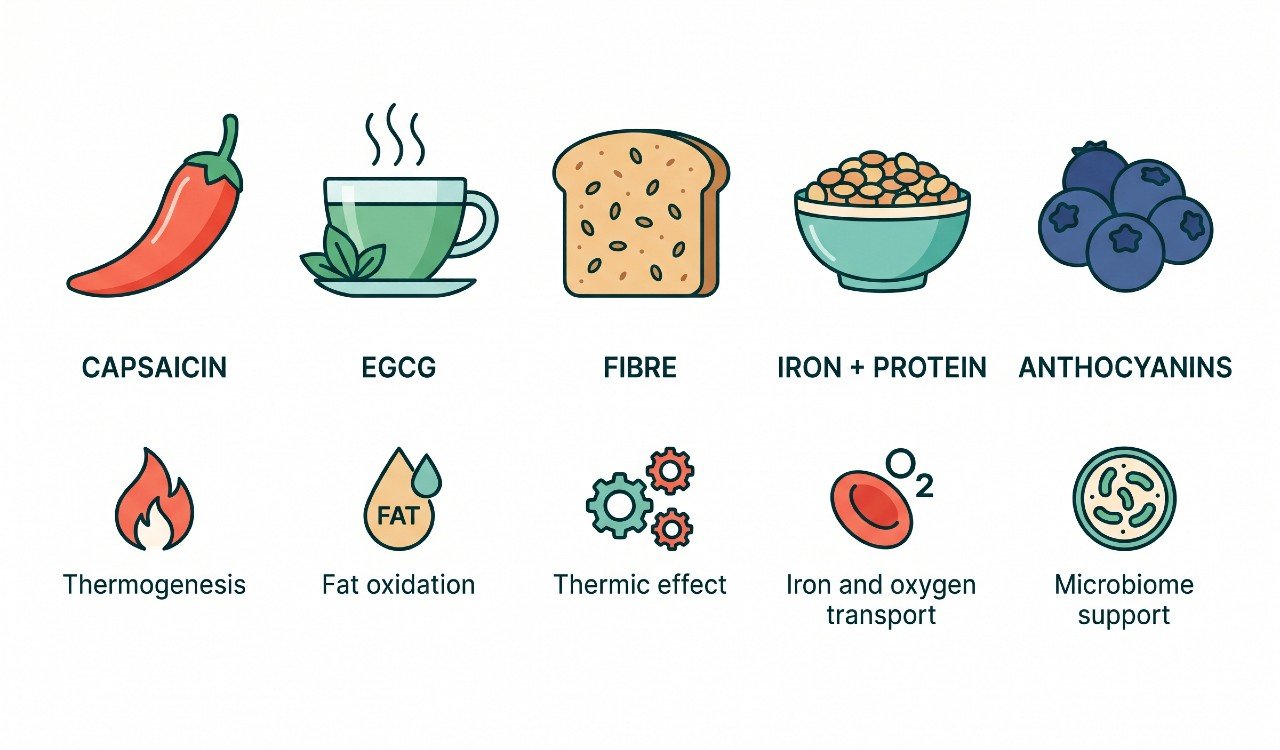
Capsaicin and EGCG have the strongest direct metabolic evidence. Whole grains and lentils work through the thermic effect of food and micronutrient support, respectively. Blueberries do their best work over the long term through gut health and anti-inflammatory pathways.
None of them is magic. All of them are worth eating. The most effective approach is to build them in gradually, using the Metabolic Stack framework — rather than expecting any single food to carry the whole metabolic load.
Glossary Of Key Terms
- AMPK: An energy-sensing enzyme often called the "metabolic master switch" because it promotes fat oxidation while inhibiting fat storage.
- Anthocyanins: Blue-purple pigments found in fruits like blueberries that support metabolic health through anti-inflammatory pathways and gut microbiome modulation.
- Capsaicin: The active thermogenic compound in chilli peppers that increases resting metabolic rate by activating thermal receptors.
- EGCG (Epigallocatechin gallate): A catechin found in green tea that accelerates energy expenditure and shifts the body toward burning fat relative to carbohydrates.
- EPOC (Excess Post-exercise Oxygen Consumption): A physiological process where the resting metabolic rate remains elevated for several hours following a workout.
- Fat Oxidation: The metabolic process by which the body breaks down and utilizes stored fat as a primary fuel source.
- Non-haem Iron: The form of iron found in plant sources, such as lentils, which requires vitamin C for optimal absorption by the body.
- Nutrient Density: A measure used by nutrition scientists to define the concentration of beneficial compounds (vitamins, minerals, etc.) a food delivers per calorie.
- Resting Metabolic Rate (RMR): The total number of calories the body burns while at rest to maintain basic physiological functions.
- Thermic Effect of Food (TEF): The energy required by the body to process, digest, and absorb nutrients from a meal; this effect is highest for protein.
FAQ
Can Superfoods To Boost Metabolism Replace Exercise?
No, and the research is clear on this. The metabolic effect of even the strongest food-based thermogenics (like capsaicin) is modest compared to regular physical activity. Capsaicin's ~34 kcal/day advantage is real, but a 30-minute walk burns approximately 150 kcal. Superfoods amplify a good metabolic foundation; they can't create one from scratch.
How Long Does It Take To See Results From Metabolism-Boosting Superfoods?
It depends on the food. Capsaicin's thermogenic effect starts within about 30 minutes of eating and dissipates over a few hours — acute and measurable. EGCG's fat-oxidising effect is similarly relatively immediate in research settings. Whole grains, lentils, and blueberries work through cumulative mechanisms — expect meaningful changes after four to twelve weeks of consistent daily use.
Are These Superfoods Safe For Women Over 40?
Yes, all five are appropriate for most healthy women at any age. Women in perimenopause or post-menopause may particularly benefit from lentils' iron and protein content, and from blueberries' anti-inflammatory properties, which become more relevant as baseline systemic inflammation tends to increase with age. For more on eating well through midlife changes, see our guide on losing weight during perimenopause without starving yourself.
What Is The Single Most Powerful Superfood For Female Metabolism?
Based on current peer-reviewed evidence, capsaicin has the strongest direct, acute metabolic effect — it's the only food on this list backed by multiple large meta-analyses specifically measuring thermogenesis and fat oxidation. In a real-world dietary context, however, switching from refined to whole grains may deliver more compound metabolic benefit over time, because the effect operates across every carbohydrate-containing meal.
Can I Take Supplements Instead Of Eating These Foods?
Capsaicin supplements and green tea extracts (standardised for EGCG) are both used in research and are generally safe at recommended doses. That said, food-first is the standard recommendation: whole foods deliver additional nutrients alongside the active compound, and the risk profile is well understood. High-dose EGCG supplements have been associated with hepatotoxicity (liver stress) in rare cases — stay within the researched dose range and consult a healthcare provider if you're on medication.
How Do I Know If My Metabolism Is Actually Slow?
True hypothyroidism — an underactive thyroid — is a medical condition requiring diagnosis and treatment. Most women who feel their metabolism is "slow" are experiencing a combination of age-related metabolic decline, reduced muscle mass, hormonal shifts, and lifestyle factors. A GP can test thyroid function if you're concerned. For lifestyle-related metabolic sluggishness, the five foods in this article, combined with the Holistic Four framework, are the evidence-based starting point.
Do These Foods Interact With Any Medications?
EGCG can interact with blood thinners (particularly warfarin) and some medications metabolised by the liver CYP1A2 pathway. Capsaicin at high doses may affect blood pressure medication. Lentils' potassium and phosphorus content is relevant for people with kidney disease. Always consult your doctor or pharmacist if you're on regular medication before significantly increasing any of these foods.