
Healthy Lifestyle Basics For Beginners Over 40
JIM ROHN
Author & entrepreneur
Take care of your body. It's the only place you have to live.
Summary (TL;DR)
You don't need a total life overhaul to start living healthier after 40. You need a few basics, done small and done often, that fit the body you have now. Perimenopause can make sleep harder and shift how your body stores fat and keeps muscle, so the basics matter more now, not less.
Below is the B.A.S.I.C.S. Method: six beginner-friendly habits, what the research says about each one, and how to make them stick.
- Start smaller than you think. In a real-world study, new daily habits took anywhere from 18 to 254 days to become automatic, with an average of 66. Missing a single day didn't derail progress.
- Move most days and lift twice a week. The US guidelines recommend 150 to 300 minutes of moderate activity a week plus muscle-strengthening on 2 or more days, and they're clear that any amount counts.
- Protect your sleep. Adults need 7 or more hours a night, and sleep difficulty is most common in late perimenopause.
- Build plates, not rules. Aim for about half vegetables and fruit, a quarter whole grains and a quarter protein.
You've read the lists before. Drink more water, move more, sleep better. None of it is wrong. But when you're juggling work, family and a body that doesn't respond the way it used to, a list of ten changes can feel like ten more ways to fall short.
That feeling makes sense. In your 40s, perimenopause can disrupt your sleep, change how your body stores fat and make your energy harder to predict. Advice built on "just try harder" was never designed for that.
This guide keeps it simple. Six basics, one at a time, sized for real life. These healthy lifestyle tips don't ask you to be perfect. You just have to start small and keep going.
Medical & Referral Disclaimer
This article is for informational and educational purposes only. It is not a substitute for professional medical advice, diagnosis, or treatment. Always consult your physician or qualified health provider before starting any new diet or exercise program. If you're in perimenopause or menopause and notice new or worsening symptoms, such as ongoing sleep problems, very heavy periods or persistent low mood, talk to your doctor.
Key Takeaways
- Small, repeatable changes work better than big overhauls. Habits form through repetition in the same situation, not through willpower.
- Any movement counts. Build toward 150 minutes of moderate activity a week and two strength sessions.
- Strength training matters more after 40, because lean mass starts to decline at the start of the menopause transition.
- Treat sleep as a basic, not a bonus. Aim for 7 or more hours and build a wind-down routine.
- Eat by plate, not by rules, and drink water through the day. On average, women who are well hydrated take in about 2.7 liters of total water a day from drinks and food combined.
- A missed day doesn't undo your progress. Just pick it back up the next day.

Why The Basics Feel Harder After 40
If healthy habits felt easier at 30, you're not imagining it. Two changes stand out in the research on midlife women.
Your body composition shifts. In the Study of Women's Health Across the Nation (SWAN), the rate of fat gain roughly doubled at the start of the menopause transition, and lean mass began to decline, and both trends continued until about two years after the final period.
Weight itself didn't speed up in the same way, which is why your clothes can fit differently even when the scale barely moves (Greendale et al., 2019).
Your sleep gets more fragile. In a SWAN survey of 12,603 US women aged 40 to 55, 38% reported difficulty sleeping in the previous two weeks, rising to about 45% in late perimenopause. Menopause stage was linked to poor sleep independently of age (Kravitz et al., 2003).
None of this means your body is broken or that your effort doesn't count. It means the basics, especially strength training and sleep, carry more weight now.
And the payoff starts quickly: according to the Physical Activity Guidelines for Americans, some benefits of activity, such as reduced feelings of anxiety, lower blood pressure and better sleep, show up right after a session, while strength and fitness build over weeks and months (PAG, 2nd edition).
If weight loss is your main goal, our guide to why it's so hard to lose weight in perimenopause goes deeper.
The B.A.S.I.C.S. Method: 6 Healthy Lifestyle Tips For Beginners
B.A.S.I.C.S. is our simple framework for starting a healthy lifestyle without trying to change everything at once. Pick one letter, practice it until it feels routine, then add the next.
- B: Begin Tiny. One small change you can do on your busiest day.
- A: Add Movement You Enjoy (Then Add Strength). Find an activity you like, then build in two strength sessions a week.
- S: Sleep Like It Matters. Aim for 7 or more hours and protect your wind-down.
- I: Include Real Food And Water. Build simple plates and drink through the day.
- C: Calm Your Stress. A few minutes a day to reset, no hour-long routine required.
- S: Stack And Track. Attach new habits to old ones and see your progress.

B: Begin Tiny
One of the most common mistakes beginners make when starting a healthy lifestyle is trying to do too much, too soon. Instead, focus on small, actionable changes. For instance:
- Drink one extra glass of water a day. Our guide to how much water you should drink explains why there's no single number for everyone.
- Replace sugary snacks with fruit or nuts.
- Take a 10-minute walk every day.
- Gradually increase your walking time each week until you reach 30 minutes a day.
- Choose stairs over the elevator when possible.
Small steps add up over time, making the transition to a healthier lifestyle more sustainable. Remember, it's all about building habits that stick, so don't be discouraged if progress seems slow at first. Every small change brings you closer to your goal.
Action Plan: Start a habit tracker to monitor your daily progress. Use a simple checklist to track water intake, daily walks, and other small changes. Consistency is key, and seeing your progress visually can keep you motivated.
Why tiny works: In a study of 96 adults who each picked one eating, drinking or activity habit and repeated it daily in the same situation (for example, "after breakfast"), the habit became steadily more automatic with repetition.
How long it took to level off varied hugely, from 18 to 254 days, with an average of 66 (Lally et al., 2010). So if your new walk still feels like effort after three weeks, that's normal. It isn't a sign you're doing it wrong.
A: Add Movement You Enjoy (Then Add Strength)
Physical activity is crucial for maintaining a healthy lifestyle, but it doesn't have to mean hitting the gym every day. Find activities that you genuinely enjoy, such as:
- Dancing, swimming, or cycling.
- Practising yoga or Pilates.
- Walking your dog or hiking in nature.
- Joining a local sports team or a fitness class with friends.
The key is to make exercise enjoyable, so it becomes a part of your daily routine without feeling like a chore. You might also try experimenting with new activities to find what suits you best. For example, try rock climbing, kayaking, or even a dance class. The more fun you have, the easier it will be to stay consistent.
Tip: Involve friends or family in your physical activities. Exercising with others can boost your motivation and make it a social experience. You can also try fitness apps that offer challenges and let you track your progress.
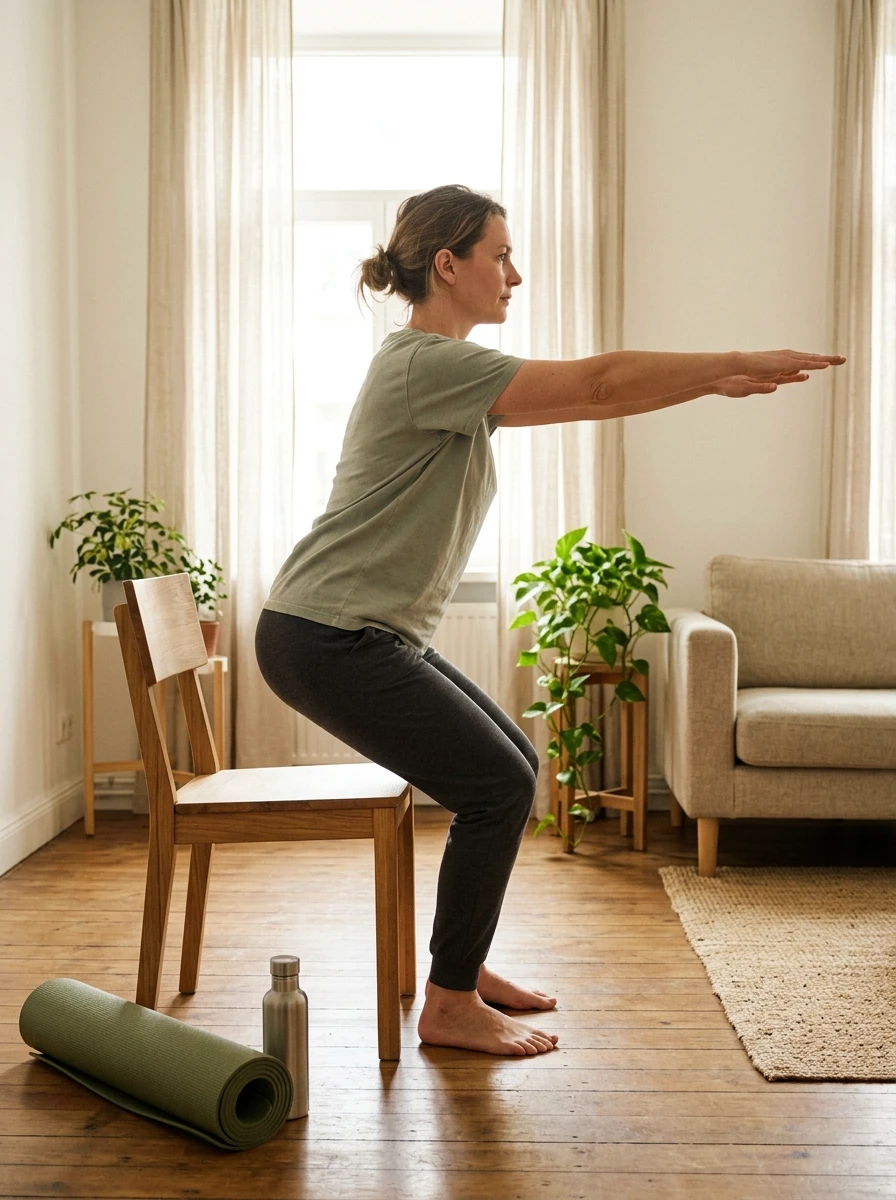
Here's what the US guidelines recommend for adults each week:
| Activity Type | Weekly Target (Adults) | Why It Matters |
|---|---|---|
| Moderate aerobic (equivalent in effort to brisk walking) | 150 to 300 minutes | Heart and lung fitness, energy, sleep |
| Vigorous aerobic (equivalent in effort to running or jogging) | 75 to 150 minutes, or a mix with moderate | Same benefits in less time |
| Muscle-strengthening (all major muscle groups) | 2 or more days | Strength and holding on to lean mass |
| Balance training | Recommended as part of the mix for adults 65 and older | Stability and fewer falls later on |
Source: Physical Activity Guidelines for Americans, 2nd edition.
Being active doesn't only mean working out. Taking the stairs, walking during calls or breaks, and stretching every hour all add up. The Physical Activity Guidelines put it plainly: move more, sit less, and know that some activity is better than none.
Strength training is the piece most beginners skip, and after 40 it's the one we'd put first. Because lean mass starts to decline at the start of the menopause transition, two short sessions a week that work your legs, hips, back, chest and arms are a smart investment.
If you only have time to add one new type of exercise, make it this one. Start with bodyweight moves like sit-to-stands, wall push-ups and glute bridges. Our guides to strength training in perimenopause and fat loss workouts for beginners over 40 show you how to build from there.
S: Sleep As It Matters
Quality sleep is often overlooked but is a cornerstone of good health. Aim for 7 or more hours of sleep per night. Here are some tips to improve your sleep quality:
- Stick to a regular sleep schedule.
- Create a comfortable sleep environment by keeping your room cool and dark.
- Avoid screens at least 30 minutes before bedtime.
- Establish a relaxing bedtime routine, such as reading or taking a warm bath.
- Avoid caffeine and heavy meals close to bedtime.
Good sleep helps your body recover and prepares you for a productive day. A well-rested body is more likely to make healthier choices, stay active, and handle stress more effectively. If you struggle with sleep, try experimenting with different relaxation techniques to find what works best for you.
Adults should sleep 7 or more hours a night on a regular basis, according to a joint consensus statement from the American Academy of Sleep Medicine and the Sleep Research Society (Watson et al., 2015).

In perimenopause, night sweats and early waking can make that harder, so focus on the parts you can control: a regular wake time, a cool, dark room, and a wind-down that starts before you're exhausted.
If you regularly can't sleep, or wake up soaked in sweat most nights, talk to your doctor. For more on how sleep and weight connect, see how sleep affects weight loss in women.
| Sleep Strategy | Description |
|---|---|
| Consistent Sleep Schedule | Go to bed and wake up at the same time every day, even on weekends. |
| Avoid Stimulants | Limit caffeine in the hours before bed so it doesn't disrupt your sleep. |
| Calming Bedtime Routine | Engage in relaxing activities, such as reading or gentle stretching, before sleep. |
| Physical Activity | Regular activity can help you sleep better. |
| Sleep Environment | Create a dark, quiet, and cool environment to promote restful sleep. |
Tracking Tip: Use a sleep diary or a sleep-tracking app to monitor your sleep patterns. You can find helpful guidance on using a sleep diary effectively from resources like the Sleep Foundation’s guide. Understanding your sleep habits can help you make necessary adjustments and improve your sleep quality over time.
I: Include Real Food And Water
Healthy eating is a vital component of living a healthy life. Instead of following restrictive diets, focus on creating a balanced meal plan that works for you. For more detailed information, consider checking out Harvard's Healthy Eating Plate for a simple model. Include:
- Fresh fruits and vegetables.
- Lean proteins, like fish, chicken, or tofu.
- Whole grains such as oats, quinoa, and brown rice.
- Healthy fats from nuts, seeds, and avocados.
- Minimize processed foods and sugary drinks.
Remember, it’s not about perfection, but about progress. Making healthy choices most of the time will go a long way towards improving your overall well-being.
Start by adding more vegetables to your meals or swapping sugary drinks for water or herbal tea. Gradually, these changes will become second nature, and you'll notice how much better you feel.
Recipes to try: Add a few simple, healthy recipes to your weekly rotation. For example, try a quinoa and roasted vegetable salad, a smoothie made with fresh fruits, or baked salmon with a side of steamed greens. Including recipes makes it easier to put healthy eating into practice.
A simple way to build a meal without counting anything: the Harvard Healthy Eating Plate suggests filling about half your plate with vegetables and fruit, a quarter with whole grains and a quarter with protein such as fish, poultry, beans or nuts (Harvard T.H. Chan School of Public Health).
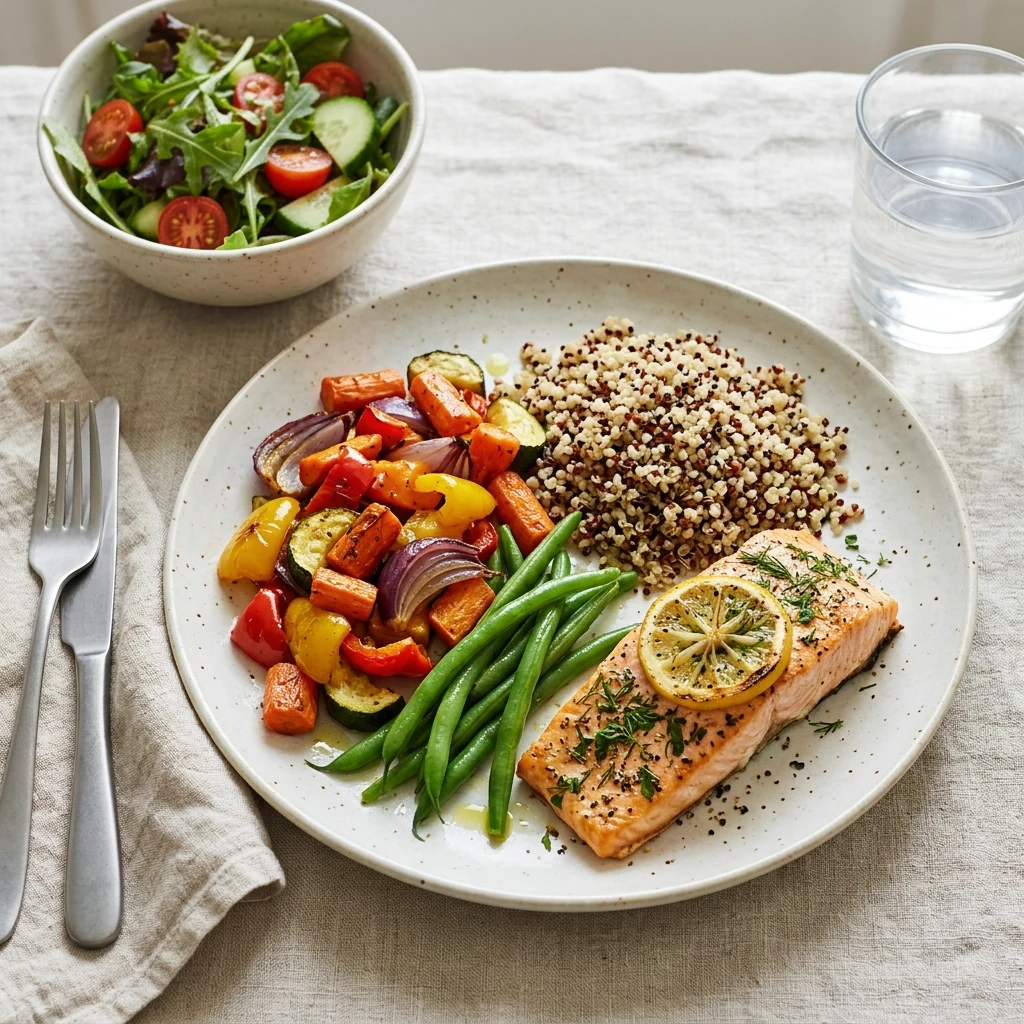
After 40, make sure protein shows up at every meal, because it supports the muscle you're working to keep. Our high-protein plan for women has easy ideas.
Processed foods often have too much sugar, salt, and unhealthy fats. A lot of the salt we eat comes from packaged foods. For more ideas, see our guide to healthy eating habits that last.
Staying hydrated is an essential part of a healthy lifestyle. Water is crucial for almost every bodily function, from regulating temperature to aiding digestion. Tips for staying hydrated include:
- Carry a reusable water bottle with you throughout the day.
- Set reminders to drink water if you tend to forget.
- Eat water-rich foods like cucumbers, watermelon, and oranges.
How much water? There's no single number for everyone. The National Academies found that women who appear well hydrated take in about 2.7 liters (91 ounces) of total water a day, from all drinks and food combined, and that you need more in the heat or when you're very active (National Academies, 2004).
A practical check: if your pee is a pale yellow color, you're usually drinking enough (NHS). More tips: how much water should you drink.
C: Calm Your Stress
Your mental health matters as much as your physical health. Incorporate mindfulness into your daily routine to reduce stress and anxiety:
- Try meditation or deep breathing exercises.
- Take time for hobbies and activities that bring you joy.
- Connect with loved ones and talk about your feelings.
- Practice gratitude by writing down three things you're thankful for each day.
- Take breaks when needed and avoid overworking yourself.
Mental well-being is essential to staying motivated and feeling balanced in your lifestyle journey. When you prioritize your mental health, you're better equipped to handle life's challenges and stay on track with your healthy habits.
Even something as simple as spending time in nature or listening to calming music can have a profound impact on your mood. To build a simple daily meditation practice:
- Start with a guided meditation to ease into the practice.
- Try different methods, like mindfulness breathing or body scans.
- Add short sessions to your daily routine, then increase the time.
Other low-effort ways to relieve stress:
- Join a yoga class for a mix of movement and focus.
- Enjoy hobbies that make you happy, like painting or playing music.
- Build a support network for tough times.

You can't remove stress from your life, and you don't need an hour of meditation to manage it. A few minutes of slow breathing, a short walk or time on a hobby you enjoy can all help you reset.
Movement is one of the best-studied options: the Physical Activity Guidelines note that a single session of moderate-to-vigorous activity can reduce short-term feelings of anxiety.
If stress shows up as late-night snacking, our guide to using mindfulness to break the cycle of emotional eating can help, and cortisol and belly fat explain the stress-weight link.
Action plan: Set aside 10-15 minutes each day for a mindfulness practice, such as meditation or journaling.
S: Stack And Track
Easy First Steps To Try
- Replace sugary snacks with fruit or nuts.
- Take a 10-minute walk every day.
- Choose the stairs over the lift when possible.
Your first action: Start a simple habit tracker or daily checklist to monitor one of the small changes you have chosen. Seeing your progress visually is a powerful motivator that will reinforce your commitment.
By starting small, you can build momentum that will make each subsequent step, such as enjoying physical activity, feel that much easier.
Habit stacking means attaching a new habit to something you already do every day: a glass of water after you brush your teeth, a 10-minute walk after lunch, two minutes of stretching while the kettle boils. It's the same pattern that built habits in the research above: the same small action, in the same situation, repeated.
For more ideas, see how to get your morning started right, and if you want a target to work toward, read how to set realistic weight loss goals.
When Life Gets In The Way: Common Beginner Roadblocks
Starting and maintaining a healthy lifestyle can come with obstacles. Here are some common challenges and how to overcome them:
- Time Constraints: Incorporate short, effective workouts like high-intensity interval training (HIIT) or 10-minute yoga sessions. Meal prepping on weekends can also save time during busy weekdays.
- Lack of Motivation: Set small, achievable goals and reward yourself when you reach them. Find an accountability partner to keep each other motivated.
- Financial Barriers: Healthy eating doesn’t have to be expensive. Buy seasonal fruits and vegetables, and consider frozen produce, which is often more affordable and still nutritious.
- Low-Energy Or Poor-Sleep Days: Do the smallest version of your habit: a 5-minute walk instead of 30, one glass of water, lights out 15 minutes earlier. Keeping the routine going matters more than the size of the step.


Expert Commentary: What The Research Actually Shows
It helps to know how strong each piece of evidence in this guide is.
Strongest: national guidelines built on systematic reviews. The Physical Activity Guidelines for Americans graded the research before setting the 150-minute and twice-weekly strength targets. The sleep recommendation of 7 or more hours comes from a formal consensus process run by sleep specialists.
Solid, but observational: the SWAN findings. The body composition and sleep results come from large, long-running studies of midlife US women. They show what tends to happen during the menopause transition, not what will happen to you, and they can't prove cause and effect.
Smaller and more exploratory: the habit research. Lally's study followed 96 volunteers for 12 weeks, and the habit model fitted well for only 39 of them. The 66-day average is a useful rough guide, not a deadline.
What this means for you: the targets are well supported, but how you reach them is personal. Start where you are and build at a pace you can keep.
The Contrarian Take: Motivation Isn't The Missing Piece, Repetition Is
Most healthy lifestyle advice assumes you need more motivation: a fresh start, a bigger reason, a 30-day challenge. The habit research points the other way.
In Lally's study, nobody was paid or rewarded. Habits formed when people did the same small thing, in the same situation, consistently, and missing one day didn't materially affect the process. Motivation helps you start. Repetition is what makes a habit automatic, so it no longer depends on how you feel that day.
That's good news if your energy is unpredictable in perimenopause. You don't need to feel motivated every morning. You need a habit small enough to do on your worst day, attached to something you already do. Then let repetition do the work.
Want the habits behind lasting weight loss? Get the free guide: 10 research-backed habits that help women lose body fat and keep it off, with no extreme diets. Send Me The Free Guide.
The Bottom Line
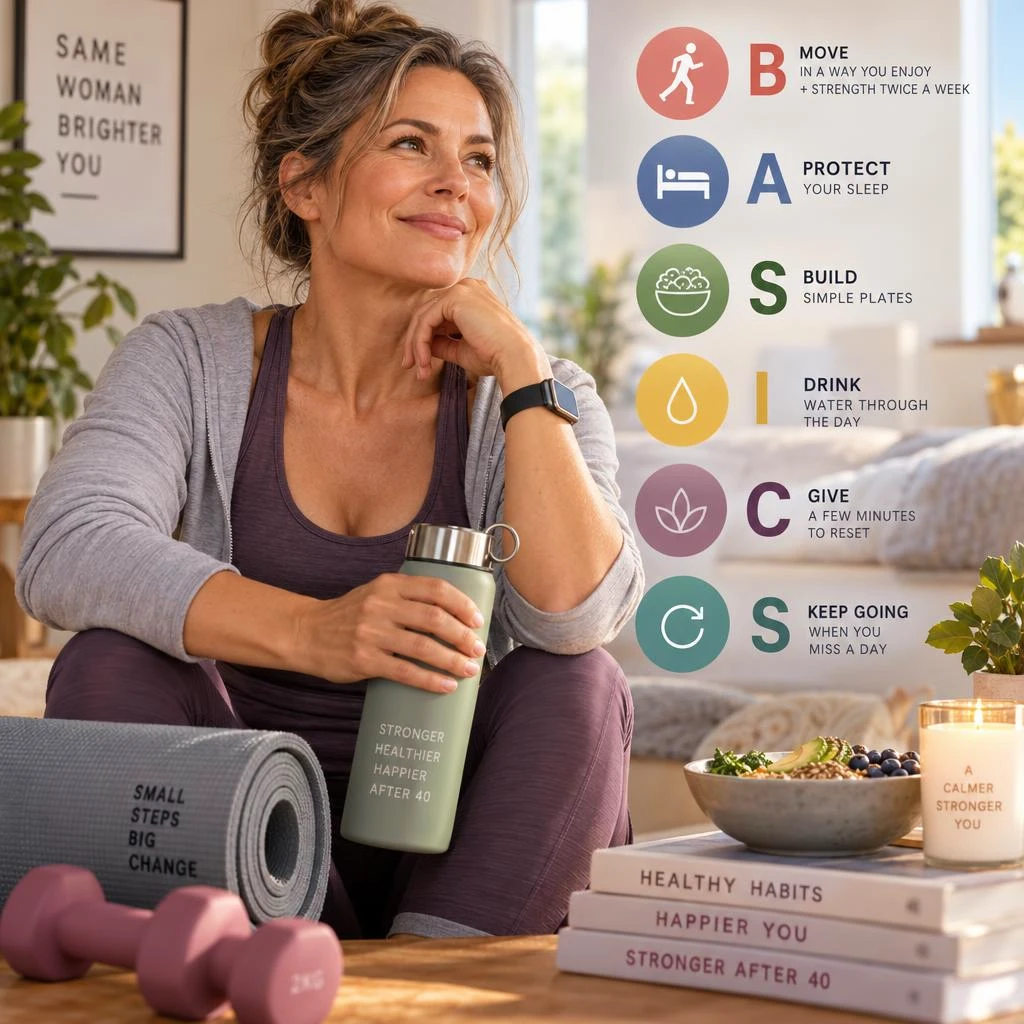
Starting a healthy lifestyle after 40 isn't about doing everything at once. It's about a few basics, done often: move in a way you enjoy and add strength twice a week, protect your sleep, build simple plates, drink water through the day, and give yourself a few minutes to reset when stress builds.
Pick one letter of B.A.S.I.C.S. this week. Make it small enough to do on a tired day, attach it to something you already do, and keep going when you miss a day. Your body has changed, and that's exactly why these basics are worth your time.
Glossary Of Key Terms
- Accountability Partner: Someone who checks in on your progress and encourages you to keep going.
- Automaticity: How automatic a behavior feels, so you do it without much thought or effort. It grows with repetition.
- Habit Stacking: Linking a new habit to something you already do every day, such as walking after lunch.
- High-Intensity Interval Training (HIIT): Short bursts of hard effort alternated with brief recovery periods.
- Lean Mass: Everything in your body that isn't fat, including muscle, bone and water.
- Menopause Transition: The research term for the stage from when your cycles start to change until your final period.
- Mindfulness: Paying attention to the present moment and noticing your thoughts and feelings without judging them.
- Muscle-Strengthening Activity: Exercise that works your muscles against resistance, such as bodyweight moves, bands or weights.
- Perimenopause: The years before your final period, when hormone levels fluctuate, and cycles become less predictable.
- Total Water: All the water you take in from drinks and food combined.
FAQ
How Do You Start A Healthy Lifestyle As A Beginner Over 40?
Start with one small change you can do every day, like a 10-minute walk after lunch or an extra glass of water with breakfast. Repeat it in the same situation until it feels automatic, then add the next one.
In one real-world study, new habits took between 18 and 254 days to become automatic, with an average of 66, so give each change time.
How Long Does It Take For Healthy Habits To Stick?
It varies a lot. In Lally's 2010 study, the time for a daily habit to reach its peak automaticity ranged from 18 to 254 days, with an average of 66. Missing one day didn't materially slow progress, so just pick it back up the next day. Smaller habits are easier to repeat consistently, and consistency is what drives the process.
How Much Exercise Do You Need Each Week?
The Physical Activity Guidelines for Americans recommend 150 to 300 minutes of moderate activity, such as brisk walking, or 75 to 150 minutes of vigorous activity a week, plus muscle-strengthening on 2 or more days. If that sounds like a lot, start lower. The guidelines are clear that some activity is better than none.
How Can You Eat Healthier Without Dieting?
Build your plate instead of following rules. The Harvard Healthy Eating Plate suggests about half vegetables and fruit, a quarter whole grains and a quarter protein. Swap one processed snack a day for fruit, nuts or yogurt, and aim for protein at every meal to support your muscle after 40.
How Much Sleep Do You Need, And Why Is It Harder In Perimenopause?
Adults need 7 or more hours a night on a regular basis, according to the American Academy of Sleep Medicine and the Sleep Research Society. In a large survey of US women aged 40 to 55, difficulty sleeping was most common in late perimenopause.
A regular schedule, a cool, dark room and a wind-down routine help. If poor sleep keeps going, talk to your doctor.
How Much Water Should You Drink Each Day?
There's no single number for everyone. The National Academies found that well-hydrated women take in about 2.7 liters (91 ounces) of total water a day from drinks and food combined. You'll need more when it's hot, or you're active. Pale yellow pee is a simple sign you're drinking enough.
How Do You Fit Healthy Habits Into A Busy Life?
Attach new habits to things you already do: walk during a phone call, stretch while the kettle boils, prep a few lunches on Sunday. Short sessions count. On packed days, do the smallest version of your habit so the routine keeps going.