
How The Paleo Diet Benefits Translate Into Real, Everyday Results For Women

The Paleo diet is the healthiest way you can eat because it is the only nutritional approach that works with your genetics to help you stay lean, strong and energetic!
Robb Wolf
Summary (TL;DR)
The Paleo diet centers on consuming foods from the Paleolithic era, like meat, fish, vegetables, and fruit, while avoiding grains, dairy, and refined sugars. This approach aligns with the idea that our genes thrived on a hunter-gatherer diet.
By eliminating modern processed foods, the Paleo diet aims to reduce inflammation, improve insulin sensitivity, and promote hormonal balance, especially beneficial for women during perimenopause.
Have you ever followed all the "rules" — cut calories, swapped butter for vegetable oil, chose the whole-grain option — and still felt like your body was working against you?
You're not imagining it. And you're definitely not the problem.
Here's what most diet advice leaves out: the foods that dominate modern plates are evolutionary newcomers. Your body's genetic wiring was shaped across 2.5 million years of eating something radically different. That gap between your ancient biology and your modern plate may be exactly why so many women feel stuck, inflamed, and exhausted — regardless of how hard they try.
That's the core idea behind the Paleo diet. And it's one that functional medicine and ancestral nutrition research continue to validate. This isn't a fad diet. It's a return to your biological blueprint.
Medical & Referral Disclaimer
The information in this article is for educational and informational purposes only. It is not a substitute for professional medical advice, diagnosis, or treatment. Always consult your healthcare provider or a registered dietitian before beginning any new dietary plan, especially if you are pregnant, breastfeeding, managing a chronic health condition, or taking prescribed medication. Individual results vary.
Key Takeaways
- The Paleo diet is based on foods eaten during the Paleolithic era — meat, fish, eggs, vegetables, fruits, nuts, and seeds — eliminating grains, dairy, legumes, seed oils, and refined sugar.
- For women specifically, Paleo targets hormonal balance, insulin sensitivity, inflammation reduction, and lean body mass — outcomes that standard dietary advice consistently underserves.
- Eliminating seed oils and refined carbohydrates removes two of the most powerful dietary drivers of female hormonal disruption.
- Women navigating perimenopause may find Paleo particularly effective for managing hot flashes, body composition changes, and mood disruption.
- The Autoimmune Protocol (AIP) version offers a more targeted elimination approach for women with autoimmune diagnoses.
- Paleo is sustainable long-term when treated as a flexible framework — the 80/20 approach works well for most women.
- Success requires preparation over willpower: batch cooking, pantry clearing, and committing to the first 30 days before evaluating results.
What Is the Paleo Diet And How Does It Work?
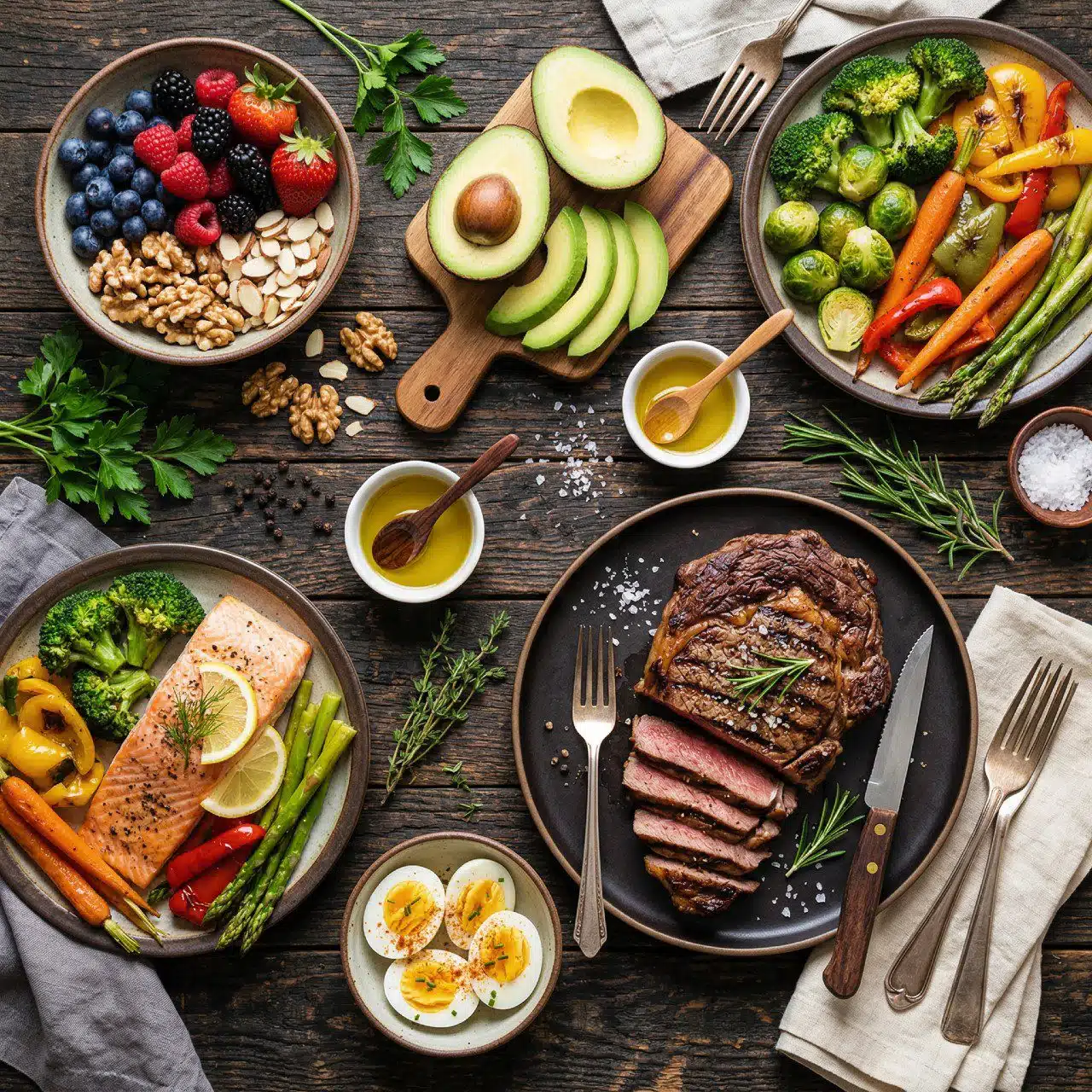
The Paleo diet is an ancestral eating approach based on foods consumed during the Paleolithic era — primarily meat, fish, eggs, vegetables, fruits, nuts, and seeds. It eliminates grains, dairy, legumes, refined sugar, and processed seed oils, aligning modern nutrition with your pre-agriculture human genetics.
The premise is straightforward: your genes evolved to thrive on a hunter-gatherer diet. Modern industrialized food — introduced only in the last 10,000 years, a blink in evolutionary time — has outpaced your body's ability to adapt. The result is a rise in insulin resistance, chronic inflammation, and metabolic disease that barely existed in pre-agricultural populations.
The Biological Blueprint: Why Your Body Still Remembers
Your genome hasn't meaningfully changed since the Paleolithic era. That era spans roughly 2.5 million years — compared to just 10,000 years since agriculture began. Your metabolic pathways, hormonal responses, and inflammatory systems were calibrated during that much longer, earlier period.
When you eat foods your body doesn't recognize — industrialized seed oils, refined grains, synthetic food additives — your immune system can treat them as foreign substances.
The result? Low-grade inflammation, disrupted insulin sensitivity, and hormonal noise that shows up as fatigue, weight gain, and brain fog. Functional medicine practitioners call this genomic expression misalignment — and it may be the root driver of the chronic symptoms so many women accept as normal.
What Our Pre-Agricultural Ancestors Actually Ate
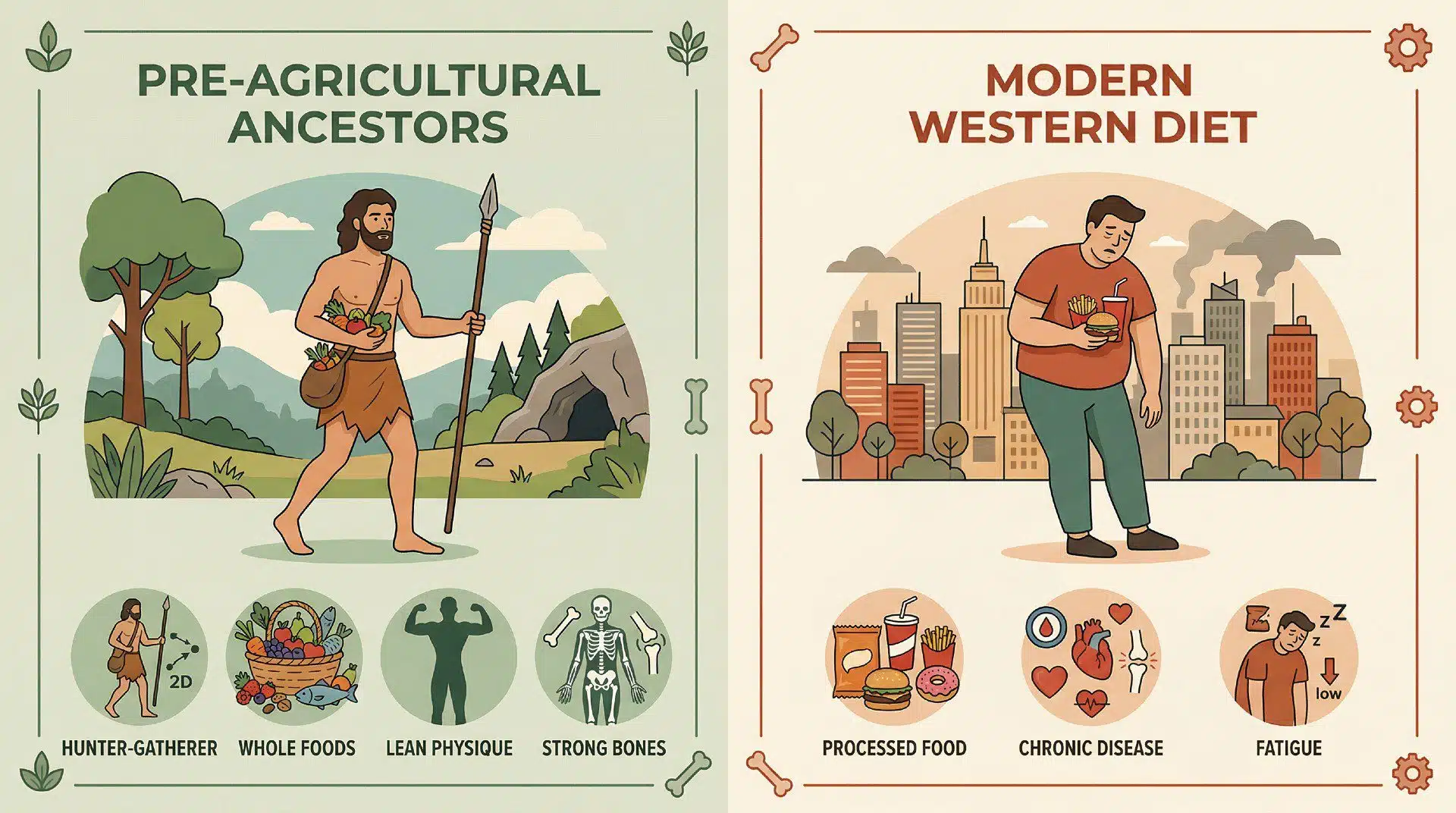
Pre-agricultural women ate what they could forage and hunt seasonally: wild animals, fish, shellfish, seaweed, berries, nuts, insects, roots, and leafy plants. No flour. No seed oils. No refined sugar.
What they didn't have is equally revealing. Skeletal records show minimal evidence of heart disease, obesity, or type 2 diabetes. Bone density and dental health — before grain-based diets — were consistently strong. Their diet was high in animal-sourced protein, wild-harvested healthy fats, fiber-rich foraged foods, and an exceptional micronutrient profile — a nutritional reality radically different from a standard Western plate.
The Egyptian Warning: When Agricultural Abundance Went Wrong
Ancient Egypt offers a striking contrast. With access to grain-based abundance, Egyptian nobility were well-fed by any measure — yet archaeological evidence shows widespread arteriosclerosis, dental decay, and bone disease. Children weaned on maize showed stunted skeletal development. Mummies of high-status Egyptians reveal early onset of the conditions modern medicine now calls "lifestyle diseases."
This is what happens when human biology meets a food system it wasn't designed for. An abundance of food is not the same as the quality of nutrition.
Paleo Diet Foods To Eat And Avoid
The Paleo approach isn't about counting calories. It's about food quality — eating foods your body recognizes and eliminating those it doesn't.
Here's your practical kitchen reference:
| Foods to Eat (Paleo-Approved) | Foods to Avoid (Non-Paleo) |
|---|---|
| Grass-fed beef, lamb, bison | Grains (wheat, rice, oats, corn) |
| Wild-caught salmon, sardines, mackerel | Legumes (beans, lentils, peanuts) |
| Pastured eggs | Dairy products (milk, cheese, yoghurt) |
| Leafy greens, broccoli, sweet potato | Refined sugar and artificial sweeteners |
| Berries, apples, citrus fruits | Processed and packaged foods |
| Almonds, walnuts, cashews, seeds | Seed oils (sunflower, canola, soybean) |
| Avocado, olive oil, coconut oil | Alcohol |
| Root vegetables (carrots, parsnips, beets) | Soy products |
| Herbs, spices, garlic, onion | Refined starches (pasta, crackers) |
| Mushrooms, seaweed, fermented vegetables | Salt-heavy processed foods |
One note worth emphasizing: seed oil avoidance is particularly relevant for women. Industrially processed vegetable oils are high in omega-6 fatty acids, which — when consumed in excess relative to omega-3s — amplify the inflammatory pathways already heightened during the luteal phase of the menstrual cycle.
If you want to understand how your morning food choices shape your hormones all day, read: What Should Women Eat in the Morning for Hormone Balance and Fat Loss.
What Are The Real Paleo Diet Benefits For Women?
The Paleo diet benefits women by reducing systemic inflammation, stabilizing blood sugar, improving hormonal balance, supporting lean body mass, and enhancing gut health — and these outcomes compound. Addressing one consistently improves the others.
This isn't just anecdote. A randomized controlled trial published in the European Journal of Clinical Nutrition found that women following a Paleo-style pattern experienced greater improvements in body composition and inflammatory markers than those following standard low-fat dietary guidelines — even without calorie counting.
Here's what that means for your daily life:
1. Paleo Diet And Weight Loss Results
Eliminating refined sugar, processed food, and grains removes the primary drivers of insulin spikes and fat storage. The high protein content of Paleo foods — particularly grass-fed beef, eggs, and wild salmon — naturally elevates satiety hormones, including leptin and cholecystokinin (CCK), reducing overall calorie intake without deliberate hunger management.
A 2014 study from Umeå University, Sweden, found that women following a Paleo eating pattern lost significantly more visceral fat than those following standard dietary guidelines — even when neither group was counting calories.
How Paleo Supports Lean Body Mass
Protein is the primary building block of muscle tissue. When your diet is anchored in grass-fed protein and eggs rather than processed grains, your body has the amino acid supply needed to maintain and build lean body mass — especially critical as women age and estrogen declines.
Combined with strength training, this nutritional foundation becomes even more powerful. Read: Strength Training for Women Over 40: Build Lean Muscle Without Bulking.
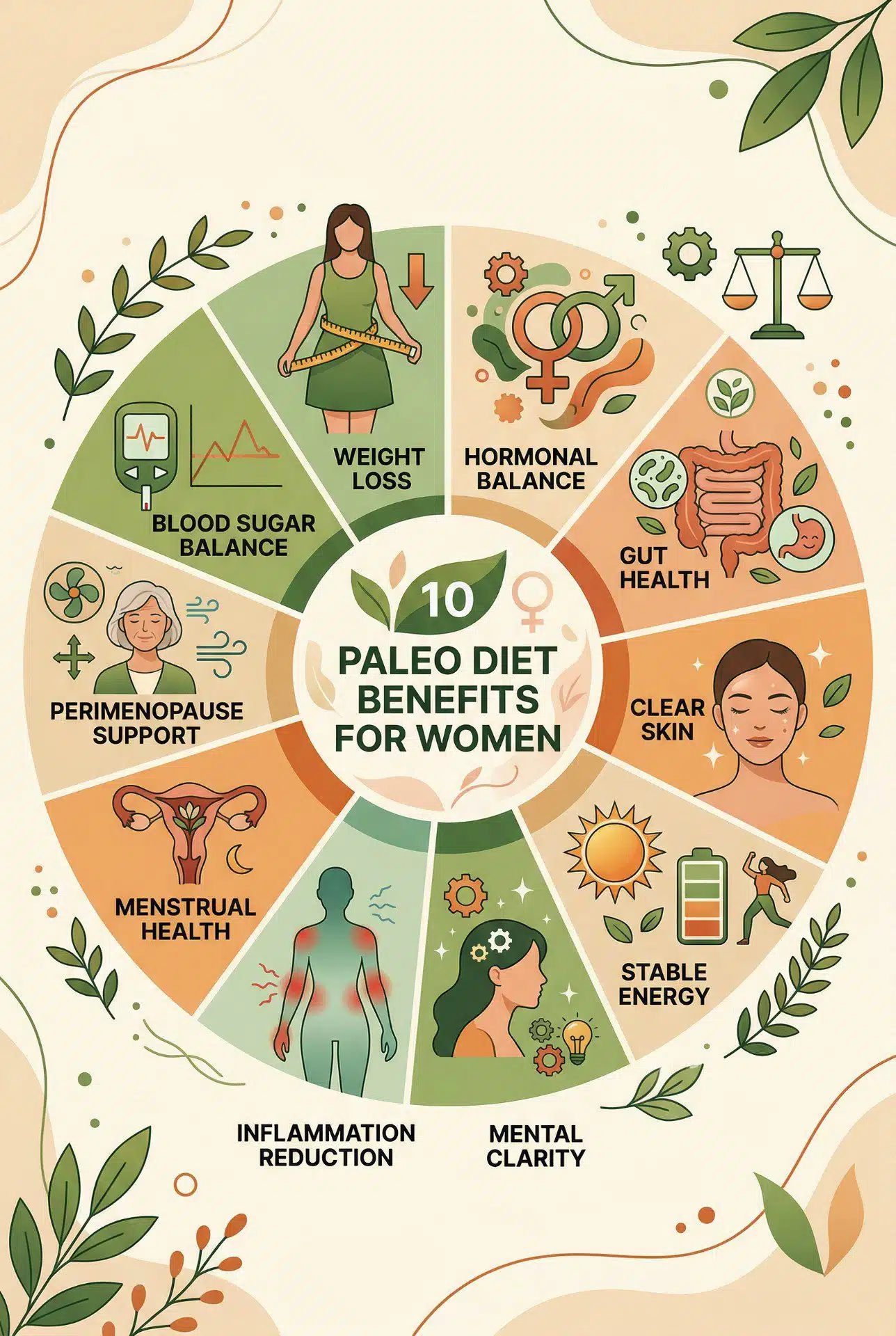
2. Paleo Diet And Hormonal Balance In Women
Hormonal disruption in women is frequently dietary in origin. Refined carbohydrates interfere with insulin sensitivity, and seed oils disrupt estrogen metabolism — two pillars of female hormonal balance. The Paleo diet addresses both simultaneously by removing these disruptors and replacing them with whole foods rich in zinc, magnesium, and omega-3 fatty acids.
- Zinc (abundant in grass-fed beef and shellfish) plays a direct role in progesterone production.
- Magnesium (found in leafy greens and almonds) supports estrogen clearance through the liver.
- Omega-3s from wild-caught fish reduce prostaglandin-driven inflammation behind many hormonal symptoms.
Many women report more regular cycles, reduced PMS severity, and improved mood stability within the first 30–60 days of Paleo eating. For a deeper look at the hormonal side of fat loss: Hormones and Weight Loss for Women.
3. Paleo Diet And Inflammation Reduction
The modern Western diet is structurally pro-inflammatory: high in refined carbohydrates, omega-6 seed oils, and artificial additives — all of which trigger the immune system's chronic inflammatory response. Low-grade, persistent inflammation is now recognized as a root driver of conditions from PCOS and endometriosis to depression and autoimmune disease.
Paleo's anti-inflammatory foods — fatty fish, olive oil, colorful vegetables, berries, and turmeric — systematically lower key inflammatory biomarkers, including CRP and IL-6. Removing inflammatory triggers simultaneously removes the fuel source.
Women with joint pain, persistent bloating, skin flare-ups, or chronic fatigue often report meaningful relief within the first four to six weeks of consistent Paleo eating.
4. Paleo Diet And Gut Health Benefits
A healthy gut microbiome thrives on diverse fiber from whole plant foods, and in the absence of preservatives, emulsifiers, and artificial sweeteners that dominate processed food. Paleo delivers both conditions: abundant prebiotic fiber from vegetables, fruits, and roots, plus the elimination of gut-irritating compounds found in grains and dairy.
Grain-derived lectins and dairy-derived caseins have been linked to increased intestinal permeability ("leaky gut") in susceptible individuals. Removing them is often the missing piece for women with persistent bloating, IBS-type symptoms, or unexplained digestive discomfort.
The result is a more diverse, stable gut microbiome — which supports immune function, mood regulation via the gut-brain axis, and dramatically improved nutrient absorption.
5. Paleo Diet And Blood Sugar Balance
Stable blood sugar is the foundation of consistent energy, clear thinking, and sustainable fat loss. When you eat refined carbohydrates or sugar, blood glucose spikes, insulin surges, and fat storage is prioritized. When blood sugar crashes an hour or two later, cravings intensify — creating the exhausting cycle of eating every two to three hours just to function.
Paleo's low-glycemic whole-food carbohydrate sources — sweet potato, berries, root vegetables — combined with high protein and healthy fat intake, dramatically improve insulin sensitivity. Most women report that the blood sugar rollercoaster disappears within the first two weeks. This is especially significant for women with pre-diabetes, PCOS, or a history of gestational diabetes.
6. Paleo Diet And Energy Levels In Women
The energy benefits of Paleo come from two interlocking mechanisms: metabolic flexibility and micronutrient density.
Metabolic flexibility is your ability to switch between carbohydrate and fat as fuel. A standard high-carb diet trains the body to rely almost exclusively on glucose, meaning energy crashes the moment blood sugar drops. Paleo eating, with its higher fat and protein content, gradually trains the body to access stored body fat for fuel — producing steadier, longer-lasting natural energy levels without the mid-afternoon crash.
Micronutrient density matters because deficiencies in iron, B12, magnesium, and vitamin D — all extremely common in women — are among the most overlooked causes of chronic fatigue. Grass-fed red meat, shellfish, leafy greens, and wild salmon are among the most concentrated sources of all four nutrients.
7. Paleo Diet And Mental Clarity In Women
Brain fog is real, and it's frequently dietary. The brain is approximately 60% fat by dry weight and depends on a steady supply of DHA from omega-3 fatty acids for neurotransmitter production and membrane integrity.
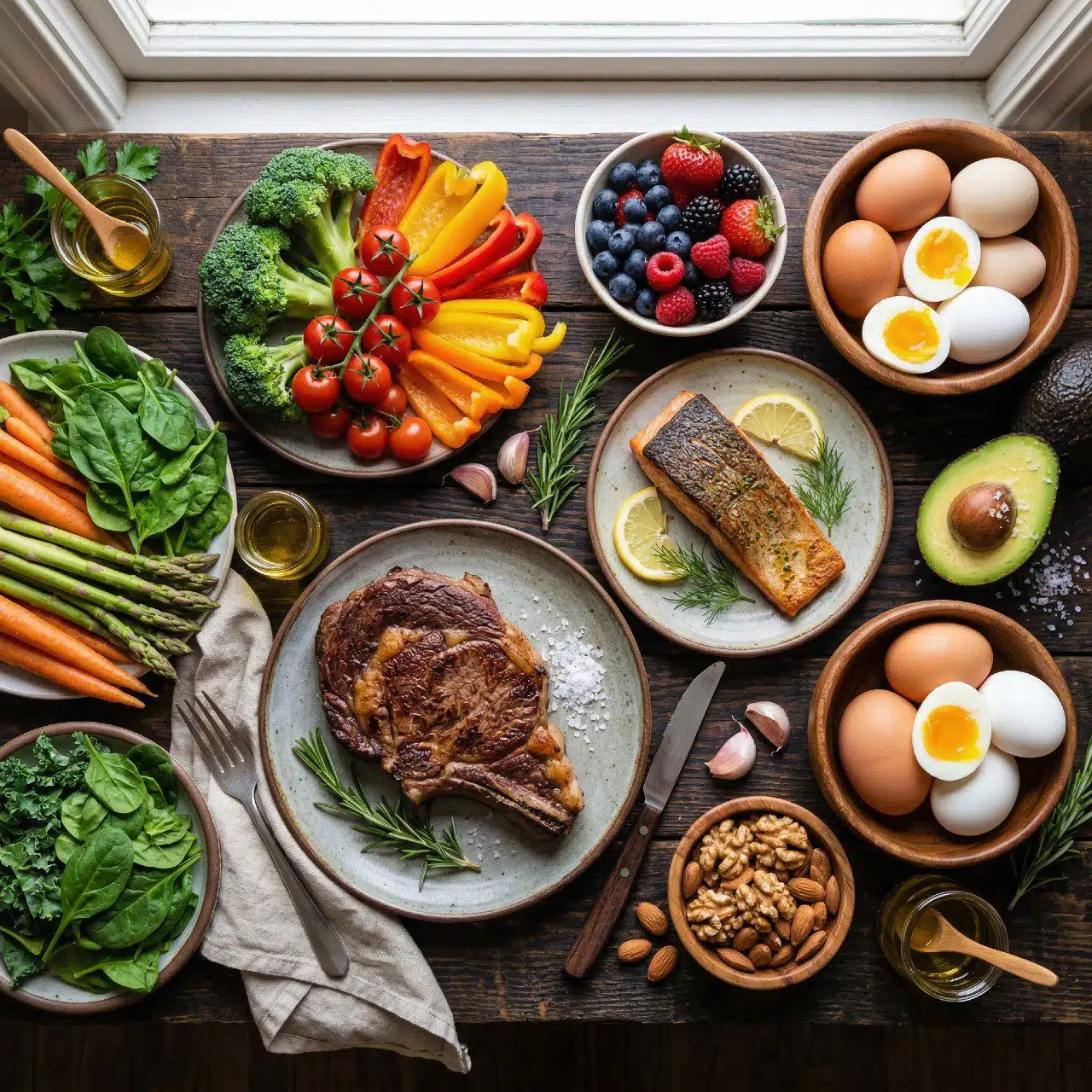
The Paleo diet's emphasis on wild-caught fatty fish, pastured eggs (rich in choline), and avocado provides the nutritional architecture for clear thinking, better working memory, and a more stable mood. Remove the blood sugar swings and inflammatory burden simultaneously, and the cognitive shift many women describe as "finally feeling like myself again" becomes entirely explainable by the underlying biology.
8. Paleo Diet And Skin Health Benefits
Your skin reflects your internal metabolic environment. Refined sugar and high-glycemic foods elevate insulin-like growth factor (IGF-1), which directly drives increased sebum production and acne. Dairy products trigger similar hormonal cascades in susceptible women.
Remove both — as Paleo requires — and many women see dramatic improvements in acne, redness, and skin texture within 30 to 60 days. Add the anti-inflammatory omega-3s, antioxidant-rich berries, and vitamin C from colorful vegetables, and Paleo becomes a de facto skin health protocol that targets the root cause rather than the surface symptom.
9. Paleo Diet And Menstrual Health
Painful periods, irregular cycles, and severe PMS are not inevitable. They are often symptoms of nutritional imbalance: excess omega-6 fatty acids promoting inflammatory prostaglandins, blood sugar instability disrupting estrogen-progesterone ratios, and micronutrient deficiencies in magnesium, zinc, and B6.
Paleo addresses all three directly. Many women with conditions such as PCOS, endometriosis, or irregular cycles report meaningful symptom improvement within two to three months of consistent Paleo eating — without any pharmaceutical intervention.
10. Paleo Diet And Perimenopause Symptoms
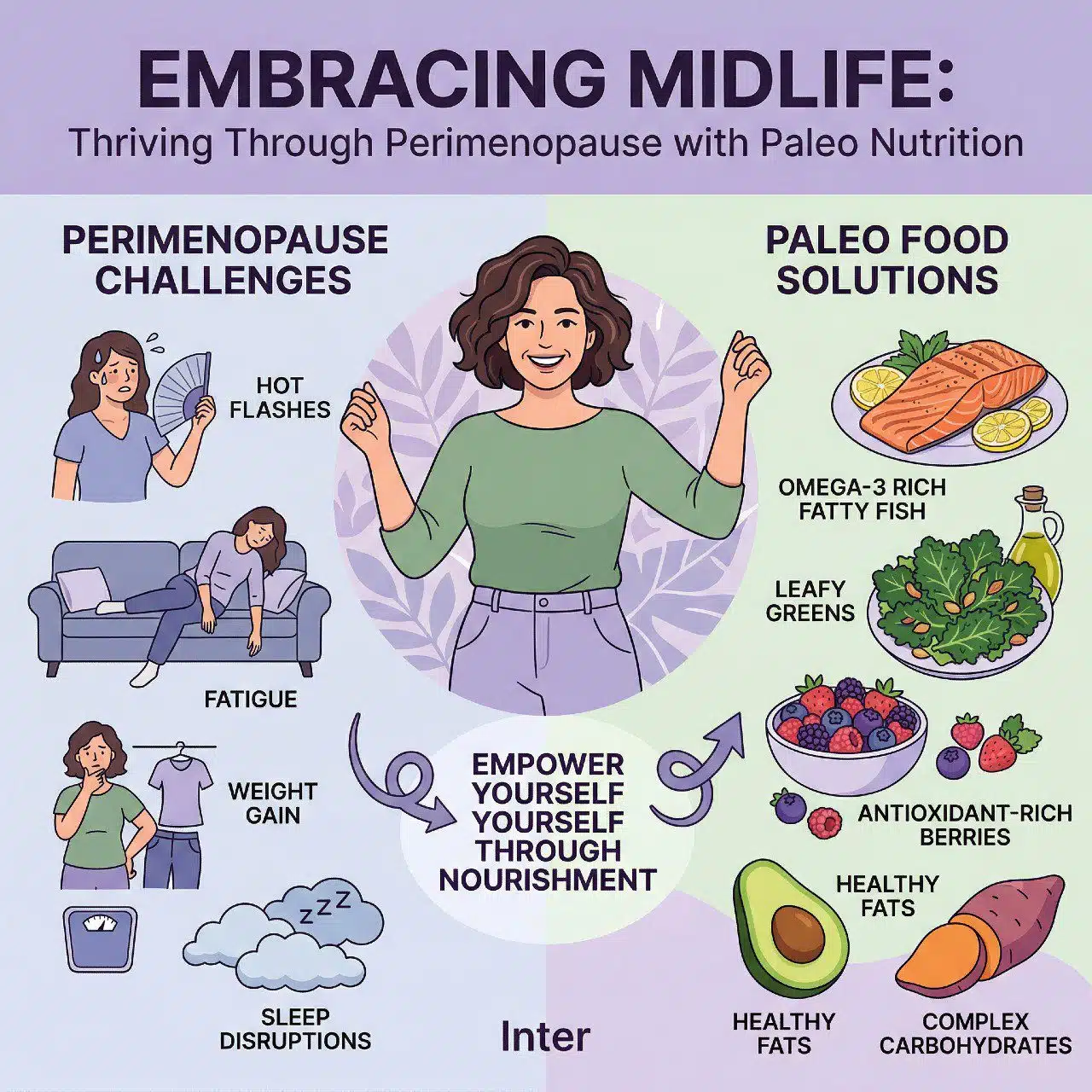
Perimenopause is a period of profound hormonal flux — and diet has an outsized influence on how you experience it. Hot flashes, weight gain, mood swings, and sleep disruption are all significantly worsened by inflammatory eating patterns and blood sugar instability.
The Paleo diet's anti-inflammatory, blood-sugar-stabilising, hormone-supportive nutritional profile makes it particularly well-suited for women navigating this transition. The emphasis on protein also preserves lean muscle mass — which naturally declines with declining estrogen — preventing the metabolic slowdown that is the primary driver of perimenopausal weight gain.
Read more: How to Lose Weight During Perimenopause Without Starving Yourself
Paleo vs. Mediterranean Diet For Women — Which Is Right For You?
Both are evidence-based dietary frameworks emphasizing whole foods and limiting processed ingredients. But they differ on grains and dairy — and those differences matter for specific health goals.
| Feature | Paleo Diet | Mediterranean Diet |
|---|---|---|
| Grains | Excluded entirely | Encouraged (whole grains) |
| Dairy | Excluded | Moderate (yoghurt, cheese) |
| Legumes | Excluded | Encouraged (beans, lentils) |
| Primary fat source | Animal fats, coconut oil, olive oil | Primarily olive oil |
| Best for women with... | Inflammation, autoimmune issues, gut problems, blood sugar imbalance | Heart health, long-term general wellness |
| Carbohydrate approach | Low-moderate (from vegetables/fruit only) | Moderate (whole grains included) |
| Protein emphasis | High (grass-fed meat, eggs, wild fish) | Moderate (fish, legumes, poultry) |
| Autoimmune Protocol compatible | Yes (AIP variation) | No formal AIP version |
| Typical fat loss pace | Faster initial body fat reduction | Slower, steady |
| Decades of research support | Growing, strong | Very strong |
The verdict: If you have inflammatory conditions, autoimmune concerns, blood sugar irregularity, or gut health issues, Paleo's stricter elimination framework tends to produce more noticeable results in less time. If flexibility and long-term lifestyle integration are your priorities, Mediterranean may suit you better. Both outperform the standard Western diet by a significant margin.
Is The Paleo Diet Sustainable Long-Term?
Yes — the Paleo diet is sustainable long-term when approached as an eating framework rather than a rigid rulebook. Research from Lund University found that women maintained meaningful weight loss and improved metabolic markers after two full years of Paleo-style eating, indicating this is not merely a short-term reset protocol.
The key to longevity is personalization. Many experienced Paleo practitioners follow an 80/20 approach — strict Paleo 80% of the time with occasional flexibility for seasonal eating, social meals, or travel. This preserves the core metabolic and anti-inflammatory benefits while remaining practically liveable.
The concern that Paleo is "too restrictive" typically reflects early experience with a strict elimination phase. Once you understand which foods genuinely feel best in your body, the pattern becomes intuitive. That's the difference between a diet and a lifestyle.
Don't confuse discipline with deprivation — they are not the same thing. For context on how this compares to approaches that don't work long-term: The Key Differences Between a Fad Diet and a Real Diet That Works.

Paleo For Beginners — Women-Specific Starting Tips
Starting Paleo doesn't require a dramatic overnight overhaul. Here's what works best in practice:
- Clear the pantry first. You cannot fight cravings when processed snacks, vegetable oils, and cereal are still in the cupboard. Remove the obvious offenders before you start.
- Batch-cook protein on Sundays. Having cooked chicken thighs, hard-boiled eggs, or ground beef ready removes the decision fatigue that drives off-plan choices. See: Weight Loss Meal Prep Ideas for Women
- Don't fear healthy fat. The low-fat era left women deeply afraid of eating fat. Avocado, olive oil, and salmon fat are essential for hormone production and satiety — embrace them.
- Prioritize protein at breakfast. Starting the day with eggs, smoked salmon, or leftover meat sets your blood sugar and appetite hormones for the entire day. Read: What Should Women Eat in the Morning for Hormone Balance and Fat Loss
- Commit to 30 days before judging. The initial adaptation period — sometimes called "carb flu" — passes within one to two weeks. Reserve your verdict until day 30.
- Focus on what you're gaining, not what you're removing. A plate of wild salmon, roasted sweet potato, and a big salad with avocado isn't deprivation. That reframe matters.
Paleo Diet And Autoimmune Conditions In Women
The Paleo Autoimmune Protocol (AIP) is a more restrictive elimination version of the diet, developed specifically for women managing autoimmune conditions. It temporarily removes additional potential irritants — eggs, nightshades (tomatoes, peppers), nuts, and seeds — to identify individual triggers and calm immune dysregulation at the gut level.
Women with conditions such as Hashimoto's thyroiditis, lupus, rheumatoid arthritis, and inflammatory bowel disease have reported significant symptom reduction following AIP. The gut-healing focus of the protocol directly addresses intestinal permeability, which growing research identifies as a precondition for autoimmune activation.
After the elimination phase (typically 30–90 days), foods are reintroduced one at a time to identify personal tolerances, creating a truly individualized nutritional approach.
Important: Consult a functional medicine practitioner before beginning AIP, particularly if you are managing an active autoimmune diagnosis. The Autoimmune Wellness community is also a well-regarded evidence-based resource for women navigating this protocol.
A Simple Paleo Meal Plan For Women (7 Days)
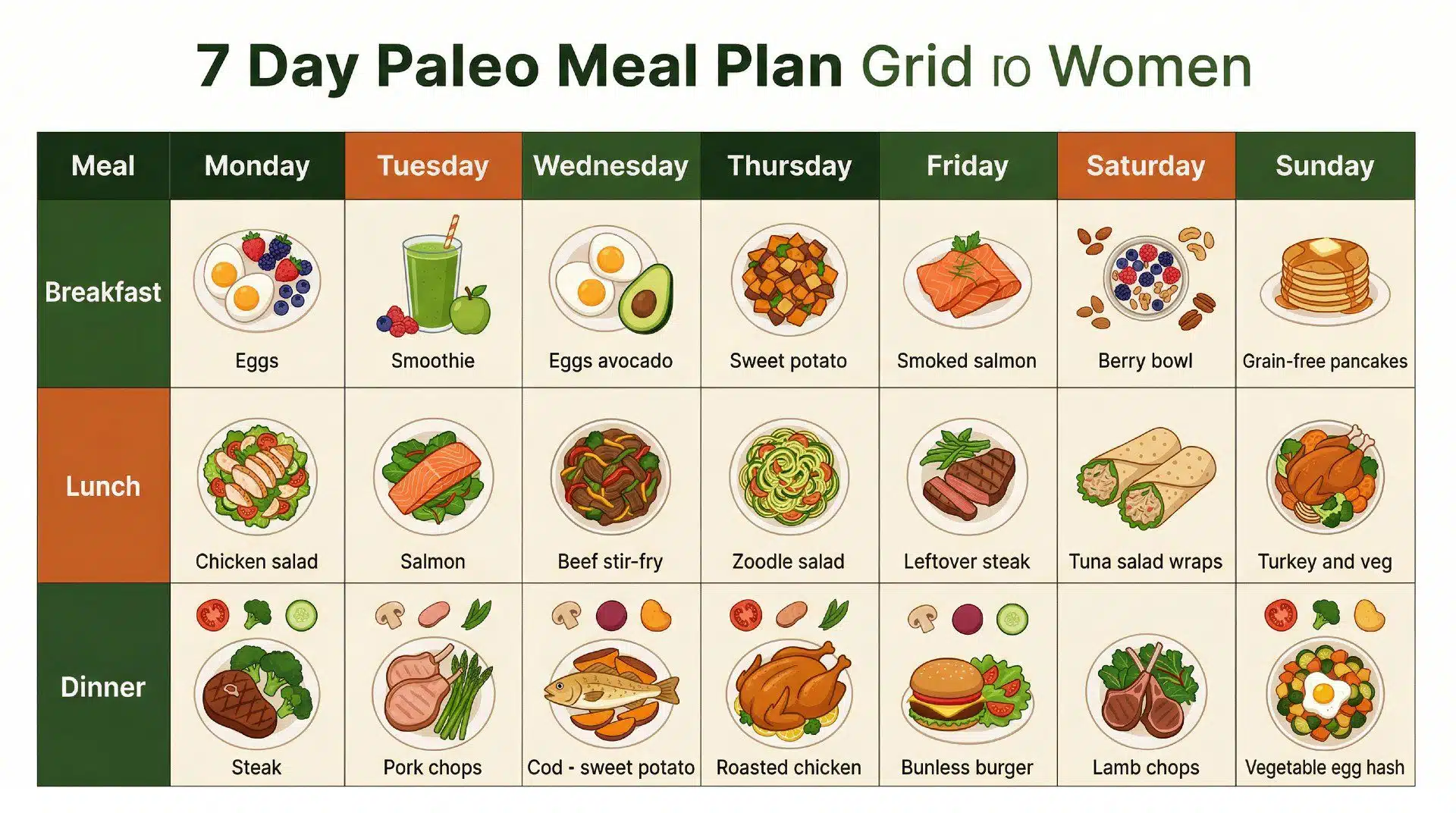
No exotic ingredients. No lengthy kitchen projects. Just a week of real food:
| Day | Breakfast | Lunch | Dinner |
|---|---|---|---|
| Monday | Scrambled eggs + avocado + wilted spinach | Tuna salad (olive oil dressing) + cucumber | Grass-fed beef stir-fry + broccoli + garlic |
| Tuesday | Smoked salmon + mixed berries | Leftover beef + large mixed green salad | Baked chicken thighs + roasted sweet potato |
| Wednesday | 3 eggs + sautéed mushrooms + spinach | Chicken lettuce cups + sliced avocado | Wild salmon fillet + asparagus + olive oil |
| Thursday | Coconut yoghurt + mixed berries + walnuts | Turkey and root vegetable soup | Lamb chops + roasted root vegetables |
| Friday | Poached eggs + wilted greens + olive oil | Sardines + tomato and cucumber salad | Prawn stir-fry + courgette noodles |
| Saturday | Banana + almond butter + hard-boiled eggs | Leftover salmon + sliced cucumber + lemon | Slow-cooked beef + carrots + onions + herbs |
| Sunday | Veggie omelette (pepper, onion, spinach) | Chicken breast + avocado + salad greens | Whole roast chicken + roasted seasonal veg |
For more detailed planning: Weight Loss Meal Prep Ideas for Women and How to Create a Healthy Diet for Weight Loss.
Want The Habits Behind Lasting Weight Loss? Get the free guide: 10 research-backed habits that help women lose body fat and keep it off, with no extreme diets. Send Me The Free Guide.
The Bottom Line
Your body was not designed to run on breakfast cereal, vegetable oil, and packaged convenience food. The chronic inflammation, hormonal disruption, and metabolic exhaustion that many women experience today are not inevitable — they are often the predictable result of a food system that evolved far faster than your biology.
The Paleo diet is not about romanticizing the past. It's about recognizing that 2.5 million years of evolutionary design doesn't disappear overnight because modern food became convenient.
For women navigating weight management, hormonal imbalance, gut issues, skin problems, or autoimmune conditions, aligning your nutrition with your biological blueprint can produce results that conventional dietary advice consistently fails to deliver.
You don't have a willpower problem. You may simply be eating food your body doesn't recognize. Start with 30 days. Pay attention to your energy, your skin, your mood, your cycle — not just the scale. The data will speak for itself.
For a practical framework that extends beyond diet: Get Rid of Belly Fat Naturally | Why Fad Diets Fail Women.
Glossary Of Key Terms
- 80/20 Approach: A flexible framework for long-term sustainability where one follows strict Paleo guidelines 80% of the time while allowing for occasional social or seasonal flexibility.
- Autoimmune Protocol (AIP): A specialized elimination version of the Paleo diet that removes additional potential irritants (eggs, nightshades, nuts, seeds) to calm immune responses.
- Genomic Expression Misalignment: The conflict between modern dietary habits and the ancient genetic wiring of the human body often results in chronic inflammation.
- Insulin Sensitivity: The effectiveness with which the body uses insulin to reduce blood glucose; improved by Paleo’s low-glycemic carbohydrate sources.
- Leaky Gut: A condition of increased intestinal permeability often linked to grain-derived lectins and dairy-derived caseins, which Paleo seeks to resolve.
- Metabolic Flexibility: The metabolic ability to efficiently switch between burning carbohydrates and burning stored body fat for energy.
- Micronutrient Density: The concentration of essential vitamins and minerals (such as B12, Iron, and Magnesium) relative to the caloric content of a food.
- Paleolithic Era: A prehistoric period spanning roughly 2.5 million years during which the human genome was shaped by a hunter-gatherer lifestyle.
- Satiety Hormones: Hormones such as leptin and cholecystokinin (CCK) that signal fullness to the brain are naturally elevated by the high protein content of a Paleo diet.
- Seed Oils: Industrially processed vegetable oils (e.g., canola, sunflower) are high in omega-6 fatty acids that can promote systemic inflammation.
FAQ
What Are The Benefits Of The Paleo Diet?
The Paleo diet benefits include reduced systemic inflammation, improved insulin sensitivity, better hormonal balance, enhanced gut health, sustainable weight loss, clearer skin, and higher natural energy levels. These outcomes are interconnected — improving one consistently improves the others. For women, the most significant benefits tend to cluster around hormonal balance, menstrual regularity, and body composition — because Paleo removes the primary dietary drivers of female metabolic dysfunction that most standard diets ignore entirely.
How Does The Paleo Diet Help Women Lose Weight?
Paleo promotes weight loss by eliminating refined carbohydrates and sugar, stabilizing blood glucose, and increasing protein and healthy fat intake — all of which reduce hunger hormones and lower overall calorie intake naturally. Women typically lose fat without deliberate calorie restriction. The mechanism differs from calorie-counting approaches: rather than willpower-driven restriction, Paleo changes the hormonal environment to make fat burning the metabolic default. Combined with a high-protein eating approach, the results compound quickly.
Can The Paleo Diet Help With Hormonal Balance In Women?
Yes. Paleo directly addresses root drivers of female hormonal imbalance: excess omega-6 fatty acids, refined carbohydrates that spike insulin, and micronutrient deficiencies in zinc, magnesium, and B6. Most women notice more regular cycles and reduced PMS within 4–8 weeks. The elimination of dairy — which contains bioactive hormones that can interact with human estrogen receptors — is particularly relevant for women experiencing hormonal acne, PCOS, or estrogen dominance symptoms. See: Hormones and Weight Loss for Women
Is The Paleo Diet Suitable For Women With Autoimmune Conditions?
The Autoimmune Protocol (AIP) version of Paleo was developed specifically for autoimmune conditions. It eliminates additional triggers beyond standard Paleo — eggs, nightshades, nuts, and seeds — and has shown symptom improvement in clinical reports for Hashimoto's, lupus, and rheumatoid arthritis. Always partner with a functional medicine practitioner when following AIP alongside an active autoimmune diagnosis. The Mayo Clinic's overview of the Paleo diet also notes its potential benefits for several metabolic and inflammatory conditions.
How Does The Paleo Diet Affect Gut Health?
Paleo improves gut health by providing abundant prebiotic fiber from vegetables, fruits, and roots while removing gut-irritating compounds found in grains and dairy. This supports microbiome diversity and reduces intestinal permeability associated with leaky gut syndrome. Women with persistent bloating, IBS-type symptoms, or chronic digestive discomfort often see significant improvement within 2–4 weeks of Paleo eating — particularly after removing grain-derived lectins and dairy-derived caseins, two of the most common gut irritants in the modern diet.
What Foods Can Women Eat On The Paleo Diet?
Paleo-approved foods include grass-fed meat, wild-caught fish, pastured eggs, all vegetables, fruits, nuts, seeds, and healthy fats like avocado and olive oil. Excluded foods are grains, dairy, legumes, refined sugar, seed oils, and all processed foods. The simplest heuristic: if it existed before agriculture, it's probably Paleo. If it required a factory, it probably isn't.
How Do I Start The Paleo Diet As A Woman?
Start by clearing non-Paleo foods from your pantry, prioritizing protein at every meal, and batch-cooking on weekends. Commit to 30 days before evaluating results. Don't restrict calories — focus on food quality. Expect a 7–14 day adjustment period as your metabolism adapts. The most common beginner mistake is under-eating fat. Healthy fats from avocado, olive oil, and wild fish are essential — not optional — for hormone production and sustained energy.
I realize I am commenting on an old post. Still I enjoyed reading this article. I hope to catch more of your works!
Really interesting read about paleo diet and its benefits, definitely sharing it with my friends…
I would also like to mention that mushrooms (all kinds) are a wonderful addition to any paleo diet and they are incredibly rich in nutrients.
It’s clear that you truly care about your readers and want to make a positive impact on their lives Thank you for all that you do