
Morning Nutrition For Women: Eat This For Hormone Balance And Fat Loss
DR. MARK HYMAN
A practicing family physician
Food is not just calories; it is information. It talks to your DNA and tells it what to do. The most powerful tool to change your health, environment and entire world is your fork.
The Executive Summary
To optimize fat loss and hormone balance, women should prioritize a nutrient-dense breakfast centered on high-quality protein, healthy fats, and fiber.
This metabolic strategy stabilizes blood sugar levels and regulates cortisol, preventing insulin spikes that trigger fat storage. Incorporating foods like eggs, avocado, and berries enhances satiety and reduces mid-day cravings.
By focusing on hormonal health through early-day nutrition, weight loss seekers can improve metabolic flexibility and sustain long-term energy while effectively managing weight through science-backed dietary habits.
Starting your day with the right breakfast is one of the most powerful choices you can make for hormone balance and fat loss. For women especially, what you eat in the morning doesn't just fuel your body—it sets the hormonal foundation for the entire day, influencing everything from blood sugar levels to mood swings to weight gain.
Understanding how to support hormone balance through your morning meal can transform not just your body composition, but your overall health and hormone balance. When you learn which foods help balance hormones and which ones sabotage your efforts, you unlock the secret to sustained energy, reduced cravings, and improved hormonal balance that supports your weight loss goals.
Medical & Referral Disclaimer
This article is for informational purposes only. It is not intended to be a substitute for professional medical advice, diagnosis, or treatment. Always seek the advice of a physician or other qualified health provider with any questions you may have regarding a medical condition. Do not disregard professional medical advice or delay in seeking it because of something you have read in this article. This content is supported by the referenced studies, which provide the evidence base for these strategies.
Key Takeaways
- Protein is paramount: Aim for 25-30 grams of protein at breakfast to control blood sugar levels throughout the entire day, reduce cravings, support muscle mass, and provide essential amino acids for hormone production and regulation.
- Include all four components: A hormone-balancing breakfast must contain quality protein, healthy fats, fiber-rich complex carbohydrates, and micronutrients (vitamins and minerals) to support hormone balance and fat loss effectively.
- Avoid processed foods and refined carbs: Sugary cereals, pastries, bagels, and sweetened coffee drinks cause blood sugar spikes, insulin surges, and hormonal imbalances that sabotage weight loss and disrupt cortisol, estrogen, and thyroid hormones.
- Timing matters for hormone health: Eat breakfast within one hour of waking to stabilize your natural cortisol spike and support metabolic health. Always eat before drinking coffee to prevent excessive cortisol elevation and blood sugar imbalances.
- Skipping breakfast disrupts hormones: Women who regularly skip breakfast experience elevated cortisol throughout the day, increased risk of weight gain, lower energy expenditure, and disrupted hormone production—making a healthy breakfast essential for overall health and hormone balance.
- Fiber and healthy fats are crucial: Include fiber-rich foods (oats, berries, vegetables, chia seeds) to balance blood sugar and support estrogen metabolism, plus healthy fats (avocado, nuts, olive oil, fatty fish) that are essential for producing sex hormones and reducing inflammation.
- Consistency creates results: While you may notice improved energy and reduced cravings within 3-7 days, significant changes in hormone levels, weight loss, and symptoms typically take 4-8 weeks of consistently eating hormone-balancing breakfasts and following a hormone-balancing diet.
Video Overview
Why Your Morning Meal Matters For Hormone Health
Your body's hormonal symphony begins the moment you wake up. Cortisol, your primary stress hormone, naturally peaks in the morning to help you feel alert and energized. This morning cortisol surge is perfectly normal and necessary—but what you eat for breakfast can either support or disrupt this delicate hormone production and regulation.
When you skip breakfast or reach for processed foods high in sugar and refined carbohydrates, you trigger a blood sugar rollercoaster that throws your hormones into chaos. Your blood sugar levels spike rapidly, causing your pancreas to pump out excessive insulin. Then comes the inevitable crash, leaving you exhausted, irritable, and craving more sugar—a vicious cycle that leads to hormone imbalance and makes fat loss nearly impossible.
Research shows that women who skip breakfast four or more times per week experience significantly elevated cortisol throughout the day, disrupted metabolic health, and increased weight gain over time. On the flip side, eating a healthy breakfast with the right balance of nutrients helps regulate hormone levels, supports sex hormone binding globulin production, and keeps your hormones and keeping your energy stable throughout the day.
The Foundation: Understanding Hormones And Breakfast
Insulin: Your Blood Sugar Gatekeeper
Insulin is the hormone that enables glucose (blood sugar) to enter your cells for energy. When you eat foods that cause rapid blood sugar spikes—like sugary cereals, pastries, or juice—your body must produce large amounts of insulin to manage that surge. Over time, this pattern can lead to insulin resistance, where your cells become less responsive to insulin's signals.
Insulin resistance doesn't just affect blood sugar—it impacts virtually every other hormone in your body. It can disrupt thyroid hormones, alter sex hormone levels, and make it extremely difficult to burn fat. Higher cortisol levels in the morning are associated with higher fasting blood sugar levels and increased risk of type 2 diabetes, making breakfast choices even more critical.
Cortisol: The Stress Hormone Connection
Cortisol helps bring blood sugar up when it's too low. If you're on a blood sugar rollercoaster because of poor breakfast choices or skipping breakfast entirely, your stress levels increase, and your adrenal system must work overtime to produce more cortisol to help reduce the dip.
Chronically elevated cortisol contributes to belly fat storage, disrupts sleep, suppresses immune function, and interferes with the production and clearance of sex hormones like estrogen and progesterone. A hormone-balancing breakfast stabilizes this system, reducing unnecessary stress on your body and supporting natural hormone balance.
Healthy Breakfasts With Protein | Hormone Balancing + Easy Recipes
This practical video demonstrates exactly what the article recommends: preparing hormone-balancing breakfasts with 30+ grams of protein in under 15 minutes. The recipes are easy, realistic, and specifically designed to support hormone health.
Sex Hormones: Estrogen, Progesterone, And Testosterone
Your breakfast plays a profound role in sex hormone metabolism. The foods you eat provide the building blocks for hormone production and help your liver process and eliminate spent hormones that are cleared from your system.
Certain foods help balance estrogen levels, support progesterone production, and maintain healthy testosterone ratios—all essential for overall health, mood, energy, and healthy weight management.
Thyroid Hormones: Your Metabolic Regulators
Thyroid hormones control your metabolic rate—how efficiently you burn calories at rest. These hormones are incredibly sensitive to blood sugar imbalances, nutritional deficiencies, and inflammation. A hormone-balancing diet that starts with a nutritious breakfast supports thyroid function, helping you maintain healthy energy expenditure throughout the day.
Join Our Mailing List
See how easily you can get fitter.
Sign up to get your free PDF report on 10 Actions That Support Weight Loss sent to your inbox!
The Worst Breakfast Foods For Hormone Balance
Before we dive into the best foods that help balance your hormones, let's identify the common breakfast culprits that sabotage hormone health and make fat loss impossible:
Processed foods that disrupt hormones:
- Sugary cereals (even those marketed as "healthy")
- Pancakes and waffles made with refined flour
- Bagels and toast with jams or spreads
- Muffins and pastries
- Breakfast bars and protein bars loaded with sugar
- Fruit-only smoothies without protein or fat
- Sweetened yogurt with added sugars
- Sugary coffee beverages (lattes, frappuccinos)
These breakfast foods spike blood sugar, trigger excessive insulin release, promote inflammation, and set you up for energy crashes and intense cravings later in the day. They're loaded with refined carbohydrates and added sugars but lack the nutrients that support hormone production.
Ultra-processed foods frequently contain inflammatory fats, preservatives, colors, flavors, and additives that can lead to hormone imbalance. Studies show these foods increase the risk of chronic disease, mood disorders, weight gain, and hormonal imbalances—making them a disaster for anyone trying to support hormone balance.
Create Your Perfect Recipe
NutriCraft: A smart web app that provides personalised healthy recipes. Craft your dream body, one bite at a time!
Building Your Hormone Balancing Breakfast: The Essential Components
A truly hormone-balancing breakfast includes four key elements that work synergistically to support your hormones naturally:
1. Quality Protein (25-30 Grams)
Protein is the cornerstone of a hormone-balancing breakfast. Eating adequate protein in the morning has been shown to:
- Improve insulin sensitivity and blood sugar control
- Boost metabolism and enhance fat burning
- Reduce carbohydrate cravings throughout the day
- Support muscle mass maintenance (crucial for women, especially after age 30)
- Promote satiety and reduce overall calorie intake
- Provide essential amino acids for hormone production and regulation
Research demonstrates that protein-rich breakfasts help control blood sugar levels throughout the entire day—not just after breakfast, but also after lunch and dinner. This is the "second meal effect" at work, and it's one of the most powerful reasons to prioritize protein in your morning meal.
Best protein sources for breakfast:
- Eggs: The gold standard, providing complete protein plus choline for brain health
- Greek yogurt: High in protein and probiotics for gut health
- Cottage cheese: Packed with casein protein for sustained release
- Salmon or other fatty fish: Omega-3 rich for anti-inflammatory benefits
- Turkey bacon or chicken sausage: Lean animal protein options
- Protein powder: Whey, pea, or collagen for smoothies (choose clean, unsweetened versions)
- Tofu or tempeh: Excellent plant-based options for vegetarians
- Nuts and nut butter: Almonds, walnuts provide protein plus healthy fat
- Legumes: Black beans, chickpeas for plant-based protein and fiber
2. Healthy Fats
Despite decades of low-fat dietary advice, healthy fats are essential for hormone health. Your body uses fatty acids to produce steroid hormones like estrogen, progesterone, testosterone, and cortisol. Without adequate healthy fat in your diet, hormone production suffers.
Healthy fats also:
- Slow digestion and prevent blood sugar spikes
- Promote feelings of fullness and satisfaction
- Support brain function and mental health
- Enhance absorption of fat-soluble vitamins (A, D, E, K)
- Reduce inflammation throughout the body
- Help balance estrogen and support overall hormone health
Foods with healthy fats:
- Avocados: Rich in monounsaturated fats and fiber
- Olive oil: Anti-inflammatory extra virgin olive oil
- Nuts and seeds: Almonds, walnuts, chia seeds, flax seeds, hemp seeds
- Nut butters: Almond butter, peanut butter (choose natural, no-sugar-added)
- Egg yolks: Contain healthy fat and important nutrients like choline
- Fatty fish: Salmon, sardines for omega-3 fatty acids
- Coconut: Coconut oil, coconut yogurt for medium-chain triglycerides
Navigating the world of fitness was overwhelming until I found Women's Lean Body Formula. Their tailored workouts and expert advice have given me the lean body I've always dreamt of.
Dorothy Williams ● Keep-fit Fanatic
3. Fiber And Complex Carbohydrates
Not all carbs are created equal. While refined carbohydrates and simple sugars wreak havoc on hormones, complex carbohydrates with high fiber content are essential for hormone balance.
Fiber supports hormone health by:
- Slowing the absorption of sugar into the bloodstream
- Feeding beneficial gut bacteria that influence hormone metabolism
- Binding to excess estrogen and helping the body eliminate it
- Promoting regular bowel movements for hormone clearance
- Supporting stable blood sugar and insulin levels
- Increasing satiety and reducing overall calorie intake
The recommended fiber intake is 25 grams daily for women, but most people only get around 16 grams. Including fiber-rich foods at breakfast helps close this gap and provides numerous health benefits.
Best complex carbohydrate sources:
- Oatmeal: Steel-cut or rolled oats (not instant)
- Quinoa: Complete protein plus complex carbs
- Sweet potatoes: Nutrient-dense, slow-digesting carbs
- Whole grain bread: Sourdough or 100% whole wheat
- Brown rice: Pairs well with savory breakfast bowls
- Legumes: Black beans, lentils for plant protein and fiber
- Berries: Blueberries, strawberries, raspberries for antioxidants and fiber
- Vegetables: Spinach, kale, broccoli, and tomatoes for micronutrients
Join Our Mailing List
See how easily you can get fitter. Sign up to get your free PDF report on 10 Actions That Support Weight Loss sent to your inbox!
4. Micronutrients: Vitamins And Minerals
Vitamins and minerals are the unsung heroes of hormone balance. These micronutrients serve as cofactors in hormone synthesis, metabolism, and clearance. Deficiencies in key nutrients can directly cause a hormone imbalance.
Critical nutrients for hormone health:
- B Vitamins (B6, B12, folate): Essential for hormone metabolism, energy production, and mood regulation. Found in eggs, leafy greens, legumes, and animal proteins.
- Magnesium: Supports over 300 enzymatic reactions, helps manage stress, promotes quality sleep, and aids hormone balance. Found in spinach, almonds, pumpkin seeds, and whole grains.
- Zinc: Crucial for reproductive hormone production, immune function, and metabolism. Found in eggs, nuts, seeds, and animal proteins.
- Vitamin D: Acts more like a hormone than a vitamin, influencing sex hormone production and insulin sensitivity. Found in fatty fish, egg yolks, and fortified foods (though sunlight exposure is the best source).
- Selenium: Supports thyroid hormone conversion. Found in Brazil nuts, eggs, and seafood.
- Iron: Essential for oxygen transport and energy; women need more due to menstruation. Found in lean meats, eggs, and fortified grains.
- Antioxidants: Protect against oxidative stress that damages hormone-producing glands. Found in colorful fruits and vegetables like berries, leafy greens, and bell peppers.
Best Foods That Help Balance Hormones
Now that you understand the essential components, let's explore the top foods to incorporate into your hormone-balancing breakfast.
1. Cruciferous Vegetables
Broccoli, cauliflower, Brussels sprouts, kale, arugula, and cabbage contain compounds like indole-3-carbinol that support healthy estrogen metabolism. These vegetables help your body process and eliminate excess estrogen, reducing estrogen dominance—a common hormone imbalance in women.
Try adding sautéed spinach to scrambled eggs, blending kale into smoothies, or preparing a breakfast hash with cauliflower rice.
2. Omega-3 Rich Foods
Fatty fish like salmon, sardines, and mackerel provide omega-3 fatty acids that reduce inflammation, support hormone production, and improve insulin sensitivity. If you're not a fan of fish at breakfast, chia seeds, flaxseed, and walnuts offer plant-based omega-3s.
3. Probiotic-Rich Foods
Your gut microbiome plays a crucial role in hormone metabolism, particularly estrogen. Beneficial bacteria help metabolize and eliminate hormones properly. Probiotic-rich foods like Greek yogurt, kefir, sauerkraut (yes, even for breakfast!), and fermented foods support gut health and hormonal balance.
4. Fiber-Packed Options
Foods like oatmeal, chia seed pudding, flaxseed, berries, and legumes provide the fiber your body needs to balance blood sugar and help reduce excess hormones. Fiber also feeds the beneficial bacteria in your gut microbiome, creating a positive feedback loop for hormone health.
5. Anti-Inflammatory Foods
Chronic inflammation disrupts hormone signaling and promotes hormone imbalance. Anti-inflammatory foods like berries, leafy greens, turmeric, green tea, and extra virgin olive oil help maintain healthy hormone levels and support overall health.
6. Whole Food Carbohydrates
Unlike processed foods, whole food carbohydrates like fruits, vegetables, legumes, and whole grains come packaged with fiber, vitamins, minerals, and phytonutrients that dampen the blood sugar response. These carbohydrates are not just acceptable—they're essential for your hormones and health.

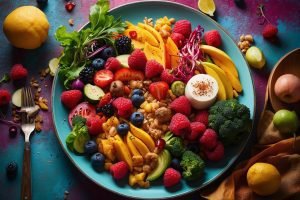





Sample Hormone Balancing Breakfasts
Here are practical, delicious breakfast ideas that incorporate all four essential elements for hormone balance:
1. Greek Yogurt Power Bowl
- 1 cup full-fat Greek yogurt (protein)
- 2 tablespoons ground flaxseed (fiber, omega-3s)
- ½ cup fresh berries (antioxidants, fiber)
- Handful of walnuts (healthy fat)
- Drizzle of honey (optional, minimal)
Nutrition: ~30g protein, healthy fats, 8g+ fiber
2. Savory Veggie Scramble
- 3 eggs scrambled in olive oil (protein, healthy fat)
- 1 cup spinach, tomatoes, and mushrooms (micronutrients, fiber)
- ½ avocado on the side (healthy fat)
- Slice of whole-grain toast (complex carbs)
Nutrition: ~25g protein, healthy fats, 7g+ fiber
3. Protein-Packed Overnight Oats
- ½ cup rolled oats (complex carbs, fiber)
- 1 scoop quality protein powder (protein)
- 1 tablespoon chia seeds (omega-3s, fiber)
- ½ cup unsweetened almond milk
- ½ cup diced apple or berries (micronutrients)
- 1 tablespoon almond butter (healthy fat)
Nutrition: ~30g protein, healthy fats, 10g+ fiber
4. Salmon And Avocado Breakfast Bowl
- 4 oz cooked salmon (protein, omega-3s)
- ½ avocado (healthy fat)
- 2 cups baby spinach or arugula (fiber, micronutrients)
- Cherry tomatoes (antioxidants)
- 2 boiled eggs (extra protein)
- Lemon olive oil dressing
Nutrition: ~35g protein, healthy fats, 8g+ fiber
5. High-Protein Smoothie
- 1 scoop protein powder (protein)
- 1 tablespoon almond butter (healthy fat, protein)
- Handful of spinach (micronutrients)
- ½ cup frozen berries (antioxidants, fiber)
- 1 tablespoon chia or flax seeds (omega-3s, fiber)
- 1 cup unsweetened almond or coconut milk
- Optional: ¼ avocado for extra creaminess
Nutrition: ~30g protein, healthy fats, 8g+ fiber
Join Our Mailing List
See how easily you can get fitter.
Sign up to get your free PDF report on 10 Actions That Support Weight Loss sent to your inbox!

6. Cottage Cheese And Berry Plate
- 1 cup full-fat cottage cheese (protein)
- ½ cup mixed berries (fiber, antioxidants)
- 2 tablespoons hemp seeds (protein, omega-3s)
- Handful of almonds (healthy fat)
- Sprinkle of cinnamon
Nutrition: ~30g protein, healthy fats, 6g+ fiber
7. Breakfast Burrito
- Whole grain or almond flour tortilla (complex carbs)
- 3 scrambled eggs (protein)
- ¼ cup black beans (protein, fiber)
- Fresh arugula or spinach (micronutrients)
- Salsa and avocado (healthy fat, flavor)
Nutrition: ~25g protein, healthy fats, 10g+ fiber
8. Quinoa Breakfast Bowl
- 1 cup cooked quinoa (protein, complex carbs)
- 2 fried or poached eggs (protein, healthy fat)
- Sautéed vegetables like bell peppers and onions (fiber, micronutrients)
- ¼ cup black beans (protein, fiber)
- Fresh herbs and spices
Nutrition: ~28g protein, healthy fats, 8g+ fiber
Foods Every Woman Must Eat To Naturally Balance Their Hormones
Dr. Mindy Pelz, a functional medicine expert and bestselling author, breaks down the essential foods for natural hormone balance in women.
Foods To Avoid For Optimal Hormone Balance
Just as certain foods promote hormone balance, others actively disrupt it. Minimize or eliminate these foods to eat for better hormone health:
- Processed Foods and Refined Carbohydrates: White bread, sugary cereals, pastries, and other ultra-processed foods cause rapid blood sugar spikes and promote inflammation.
- Excess Sugar: Added sugars (limit to 25 grams or less per day) contribute to insulin resistance, hormone imbalance, microbiome imbalances, and menstrual cycle irregularities.
- Industrial Seed Oils: Highly processed vegetable oils like soybean, corn, and canola oil promote inflammation and disrupt hormone production.
- Excessive Caffeine: While moderate coffee consumption can be fine, excessive caffeine on an empty stomach elevates cortisol and can disrupt blood sugar balance. Always eat breakfast before your morning coffee.
- Alcohol: Even morning mimosas at brunch can disrupt blood sugar, tax your liver (which processes hormones), and interfere with hormone metabolism.
Special Considerations For Different Life Stages
PCOS (Polycystic Ovarian Syndrome)
Women with PCOS often struggle with insulin resistance and elevated testosterone. A hormone-balancing breakfast is critical for managing symptoms of PCOS, including irregular periods, weight gain, acne, and hirsutism.
Focus on:
- Higher protein intake (30g or more at breakfast)
- Low-glycemic foods that don't spike blood sugar
- Anti-inflammatory foods like fatty fish and leafy greens
- Adequate fiber to support hormone clearance
PMS (Premenstrual Syndrome)
Hormonal fluctuations before your period can cause bloating, irritability, cravings, and pain. While PMS is common, it's not normal—and diet can help.
Emphasize:
- Magnesium-rich foods like pumpkin seeds and spinach
- B vitamins from eggs and whole grains
- Cruciferous vegetables to support estrogen metabolism
- Consistent breakfast timing (skipping breakfast correlates with increased menstrual pain)
Perimenopause And Menopause
As estrogen declines during perimenopause and menopause, women naturally become more insulin resistant. This metabolic shift makes blood sugar management even more important.
Prioritize:
- Higher protein intake to preserve muscle mass
- Foods rich in phytoestrogens, like flax seeds and soy
- Calcium and vitamin D for bone health
- Adequate calories (don't under-eat, as this stresses hormones further)
Join Our Mailing List
See how easily you can get fitter. Sign up to get your free PDF report on 10 Actions That Support Weight Loss sent to your inbox!
Timing Matters: When To Eat Your Hormone Balancing Breakfast
The timing of your breakfast is almost as important as what you eat. Research shows:
- Eat within 1 hour of waking to stabilize cortisol and blood sugar
- Don't wait until you're starving - this stresses your adrenal glands
- Eat before coffee - caffeine on an empty stomach can spike cortisol
- Be consistent - eating at similar times daily supports circadian rhythms
Some women benefit from intermittent fasting, but for others (especially those with hormone imbalances, PCOS, thyroid issues, or adrenal dysfunction), skipping breakfast can backfire. Research suggests that missing breakfast increases the risk of weight gain, obesity, and metabolic dysfunction.
Listen to your body and work with a healthcare provider to determine the best eating pattern for your individual needs.
Beyond Breakfast: Supporting Hormones All Day
While breakfast sets the foundation, supporting hormone balance requires a holistic approach:
- Prioritize Sleep: Aim for 7-9 hours nightly; poor sleep disrupts every hormone
- Manage Stress: Chronic stress elevates cortisol and disrupts sex hormones
- Exercise Regularly: But don't overdo it—excessive exercise can stress hormones
- Stay Hydrated: Water supports metabolic processes and hormone clearance
- Limit Toxins: Reduce exposure to endocrine disruptors in plastics, personal care products
- Maintain Healthy Weight: Both under and being overweight can disrupt hormones
- Support Gut Health: A healthy microbiome is crucial for hormone metabolism
Making It Sustainable: Practical Tips
Creating a hormone-balancing breakfast routine doesn't have to be complicated:
- Meal Prep: Prepare overnight oats, egg muffins, or hard-boiled eggs in advance.
- Keep Staples Stocked: Always have eggs, Greek yogurt, protein powder, and frozen berries on hand.
- Batch Cook Proteins: Cook a batch of chicken sausage or salmon to have ready.
- Use Leftovers: Last night's roasted vegetables pair perfectly with morning eggs.
- Smoothie Packs: Pre-portion smoothie ingredients in bags for quick blending.
- Set Yourself Up for Success: Lay out breakfast items the night before.
- Start Simple: Begin with one or two favorite recipes and rotate them.
Ready to transform your nutrition and fitness journey? Explore more evidence-based guidance on creating a healthy diet for weight loss and discover how to boost your energy with food throughout the day. For comprehensive meal planning support, check out our guide on weight loss meal prep ideas for women.
Related Articles
The Bottom Line
What you eat in the morning has profound effects on your hormone health, energy, mood, and ability to lose fat and maintain a healthy weight. A hormone-balancing breakfast built around quality protein, healthy fats, fiber-rich complex carbohydrates, and nutrient-dense whole foods provides the foundation your body needs for balanced hormones throughout the day.
By avoiding processed foods, refined carbohydrates, and excess sugar while emphasizing foods that support hormone production, balance blood sugar, and promote healthy hormone levels, you take control of your hormonal health. These dietary changes support not just weight loss, but overall health and hormone balance that translates to more energy, better mood, improved sleep, and reduced symptoms of hormone imbalance.
Remember, hormone balance isn't about perfection—it's about consistent, nourishing choices that support your body's natural rhythms. Start with breakfast, and watch as better hormone health transforms your entire day.
The best foods for hormone balance are real, whole foods that your grandmother would recognize. When you fuel your body with the nutrients it needs for proper hormone production and regulation, you unlock your body's natural ability to maintain balanced hormones, burn fat efficiently, and feel your absolute best.
Start tomorrow morning by choosing a hormone-balancing breakfast from the options above. Your hormones—and your body—will thank you.
Embrace Inspiration:
Like What You Read? Be Sociable, Comment, And Share It! Thanks.
Glossary Of Key Terms
• Complex Carbohydrates: Carbohydrates with a high fiber content, such as oats, quinoa, and vegetables, that slow the absorption of sugar into the bloodstream and support stable insulin levels.
• Cortisol: The body's primary stress hormone, which naturally peaks in the morning to promote alertness. Chronically elevated levels can contribute to belly fat storage and disrupt other hormones.
• Cruciferous Vegetables: A category of vegetables including broccoli, kale, and cauliflower that contain compounds like indole-3-carbinol, which supports healthy estrogen metabolism and elimination.
• Endocrine Disruptors: Toxins found in items like plastics and personal care products that can interfere with the body's hormonal systems.
• Estrogen Dominance: A common hormone imbalance in women where there is an excess of estrogen, which can be mitigated by foods that help the body process and eliminate it.
• Gut Microbiome: The collection of beneficial bacteria in the gut that plays a crucial role in hormone metabolism, particularly in metabolizing and eliminating estrogen.
• Insulin: The hormone that acts as a "blood sugar gatekeeper," enabling glucose to enter cells for energy.
• Insulin Resistance: A condition where the body's cells become less responsive to insulin's signals, impacting blood sugar, thyroid function, and sex hormone levels.
• Micronutrients: Vitamins and minerals (such as B Vitamins, Magnesium, and Zinc) that serve as essential cofactors in hormone synthesis, metabolism, and clearance.
• Omega-3 Fatty Acids: Healthy fats found in foods like salmon, chia seeds, and walnuts that reduce inflammation, support hormone production, and improve insulin sensitivity.
• PCOS (Polycystic Ovarian Syndrome): A condition in women often characterized by insulin resistance and elevated testosterone, which can be managed with a high-protein, low-glycemic diet.
• Phytoestrogens: Plant-based compounds found in foods like flax seeds and soy that are beneficial for women in perimenopause and menopause as natural estrogen levels decline.
• Probiotics: Beneficial bacteria found in fermented foods like Greek yogurt and kefir that support gut health, which is crucial for proper hormone metabolism.
• Second Meal Effect: The phenomenon where consuming a protein-rich breakfast helps control blood sugar levels not only after breakfast but also after subsequent meals like lunch and dinner.
• Thyroid Hormones: The body's metabolic regulators that control how efficiently calories are burned at rest and are highly sensitive to blood sugar imbalances and inflammation.
FAQ
The ideal breakfast for maintaining hormone balance includes 25-30 grams of protein, healthy fats, fibre-rich complex carbohydrates, and essential micronutrients. Examples include Greek yogurt with berries and nuts, veggie-packed egg scrambles with avocado, or protein-rich smoothies with chia seeds. These breakfasts help balance blood sugar levels, support hormone production, and reduce cravings throughout the day.
Most women should aim for 25-30 grams of protein at breakfast to support hormone balance and fat loss. This amount helps control blood sugar throughout the entire day, reduces cravings, supports muscle mass, and provides amino acids essential for hormone production. Women in perimenopause or with PCOS may benefit from even higher amounts (30-35 grams).
The worst breakfast foods for hormone health include sugary cereals, pastries, bagels, muffins, sweetened yogurt, fruit-only smoothies, and sugary coffee drinks. These processed foods, high in refined carbohydrates and added sugars, cause blood sugar spikes, insulin surges, inflammation, and hormonal imbalances that sabotage fat loss efforts.
Always eat breakfast before drinking coffee. Consuming caffeine on an empty stomach spikes cortisol levels and can cause blood sugar imbalances. Eating protein and healthy fats first buffers the cortisol response and prevents the jittery, anxious feeling many women experience from coffee alone.
Yes, skipping breakfast can significantly disrupt hormone balance. Research shows that women who skip breakfast four or more times per week have elevated cortisol throughout the day, increased risk of weight gain, and lower daily energy expenditure. Eating within an hour of waking stabilizes cortisol, supports insulin sensitivity, and provides nutrients needed for hormone production and regulation.
Foods that help balance estrogen include cruciferous vegetables (broccoli, kale, cauliflower), flaxseeds, fiber-rich foods, probiotic-rich yogurt, and legumes. These foods support healthy estrogen metabolism and help your body eliminate excess estrogen, preventing estrogen dominance, which can cause weight gain, mood swings, and irregular periods.
Many women notice improved energy and reduced cravings within 3-7 days of consistently eating hormone-balancing breakfasts. Blood sugar stabilization begins immediately, but more significant changes in hormone levels, weight loss, and symptoms like PMS or mood swings typically take 4-8 weeks of consistent healthy eating as your body rebalances.
You Know Why. Now Learn Exactly How
Join thousands of women inside our community and receive our free guide: 10 Actions That Support Permanent Weight Loss — the practical, sustainable habits that translate everything you just read into real, lasting results.
No fad diets. No extreme plans. Just what the research actually supports — written for real women.