
Boost Health And Fitness: The Most Compelling Reasons Why You Should Lift Weights Starting Today
MEG GALLAGHER
Fitness trainer
I've been called every name. I've been called too skinny. I've been called too fat. I've been called too muscular. I think once you get to a place where there are so many more important things, like how you're training and what your training goals are, you stop caring. I'm at a point where I don't even care how I look. I think I look fine and I look happy, but that's not my main focus anymore, which is so freeing. I can go to the gym and only focus on this one thing - getting better and getting stronger.
The Executive Summary
Discover why lifting weights is essential for women seeking real fitness results. Unlike cardio alone, resistance training boosts metabolism, supports bone health, and regulates key hormones.
Overcome the myth of "bulking up"; strength training creates a toned physique by building lean muscle and reducing fat. Experience improved mental health, reduced risk of chronic diseases, and sustainable fat loss through compound movements and proper nutrition.
You've been doing cardio. You've cleaned up your eating. You've tried to stay consistent. And yet — the scale barely moves, your energy is still low, and that "toned" look you're after feels permanently out of reach.
Here's what most women aren't told: cardio alone was never the answer. The missing piece? Lifting weights.
Not the two-pound pink dumbbells for 20 reps. Real resistance training — compound lifts, progressive overload, the kind of training that transforms how your body looks, feels, and functions from the inside out.
This guide breaks down exactly why you should lift weights, what the science actually says about women and strength training, and how to start — even if you've never set foot near a barbell.
You don't have a consistency problem. You have a missing-tool problem. And the tool is right there in the weight room.
Medical & Referral Disclaimer
This article is for informational and educational purposes only. It is not a substitute for professional medical advice, diagnosis, or treatment. Always consult your physician or qualified health provider before starting any new diet or exercise program.
Key Takeaways
- Superior Metabolic Impact: Unlike cardio, which primarily burns calories during the session, strength training builds lean muscle that raises your resting metabolic rate and triggers an afterburn effect (EPOC) lasting 24–72 hours.
- Essential Bone and Hormonal Support: Resistance training is a critical intervention for women over 35 to preserve bone density and regulate key hormones like insulin, cortisol, and estrogen.
- The "Bulky" Myth Debunked: Women typically lack the testosterone levels required to build excessive muscle mass; instead, lifting weights creates a "toned" look by building lean muscle under reduced body fat.
- Mental Health and Longevity: Regular lifting significantly reduces symptoms of depression and lowers the risk of chronic diseases, including type 2 diabetes and cardiovascular disease.
- Prioritise Compound Movements: Beginners should focus on the "Big 4" lifts—squat, deadlift, dumbbell row, and overhead press—to work multiple muscle groups simultaneously and see the best return on investment.
- Sustainable Programming and Nutrition: Optimal results require 2–4 sessions per week using progressive overload, paired with a high-protein intake (0.7–1g per pound of body weight) to support muscle repair.
What Happens To Your Body When You Lift Weights?
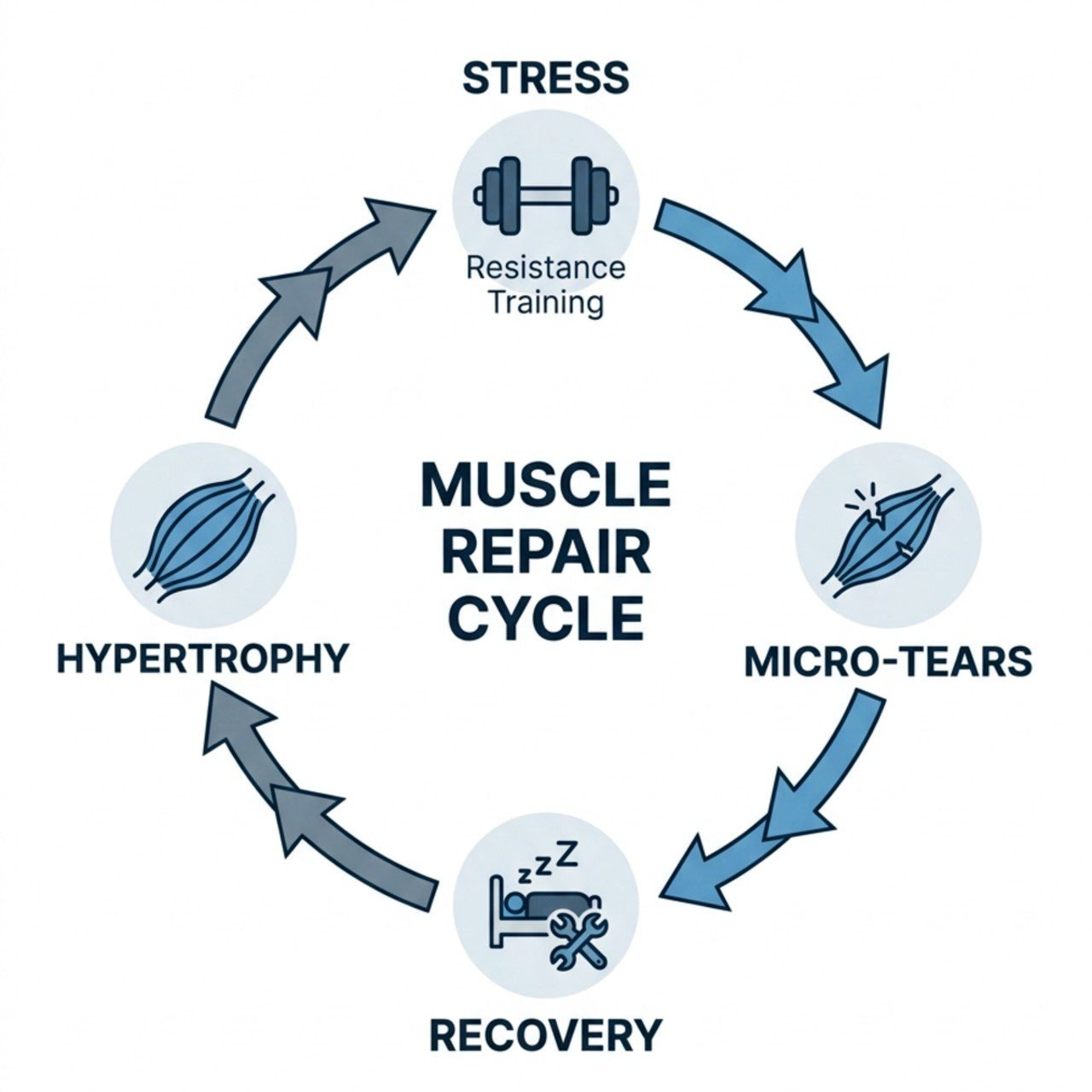
When you lift weights, your muscles undergo microscopic damage that triggers a repair process — building them back slightly stronger each time. This process, called muscle hypertrophy, reshapes your body composition: more lean muscle, less stored fat. The structural changes extend to your bones, hormones, metabolism, and brain chemistry.
This repair-and-rebuild cycle is why resistance training produces such wide-ranging benefits. It isn't just about aesthetics — it's a full-body physiological upgrade.
The effects go well beyond the gym session itself. A single strength training session elevates your metabolic rate for up to 72 hours afterwards (a phenomenon called Excess Post-Exercise Oxygen Consumption, or EPOC) — meaning your body keeps burning more energy long after you've left the gym. Cardio simply doesn't deliver this effect to the same degree.
Why Women Should Lift Weights — And Why Cardio Alone Isn't Enough
Cardio burns calories during the session. Strength training rebuilds your body so it burns more calories permanently. For women specifically, resistance training addresses the three biggest barriers to lasting fat loss: declining muscle mass with age, hormonal fluctuation, and metabolic slowdown. Cardio improves none of these at the root level.
There's a widespread belief that running, cycling, or the elliptical is the "right" approach for women who want to lose weight. That belief is costing you results.
A 2022 systematic review published in the British Journal of Sports Medicine found that resistance training alone produces significant fat loss — including visceral fat reduction — independent of changes to diet. And when combined with a protein-focused nutrition strategy, the results compound dramatically.
This isn't to say cardio has no place. It does. But if you've been doing mostly cardio and wondering why progress has stalled — this is the answer.
8 Powerful Benefits Of Lifting Weights For Women
1. Lifting Weights Accelerates Fat Loss Without Restriction
Strength training builds lean muscle tissue, which is metabolically active — it burns calories even at rest. Adding just 5 lbs of lean muscle increases your resting metabolic rate by approximately 35–50 calories per day. Over a year, that's 12,000–18,000 extra calories burned without any additional exercise.
This matters enormously for women who've been trapped in calorie-restriction cycles. You're not eating less to lose fat — you're building the infrastructure that burns fat automatically.
Learn how to pair this with a high-protein diet plan for sustainable weight loss to maximise the effect.
2. Resistance Training Boosts Metabolism For Hours After Your Workout
After a strength training session, your body enters a state of elevated oxygen consumption as it repairs muscle tissue. Research published in the Journal of Strength and Conditioning Research found EPOC from resistance training can last 24–72 hours post-workout — far exceeding the post-cardio burn window of 2–4 hours.
This is the metabolic math that cardio can't match: you do the work once, and the return extends for days.
3. Lifting Weights Protects Your Bones — Especially After 35
Bone density peaks in your late 20s and begins declining after 35. For women approaching or in perimenopause, this decline accelerates sharply due to falling estrogen levels, increasing the risk of osteoporosis and fracture.
Resistance training is one of the most evidence-backed interventions for preserving — and even rebuilding — bone density. The mechanical stress placed on bones during weight-bearing exercise stimulates osteoblast activity (new bone cell formation), maintaining structural integrity over time.
The National Osteoporosis Foundation specifically recommends weight-bearing and resistance exercises as primary prevention strategies.
If you're navigating perimenopause, read: How to Lose Weight During Perimenopause Without Starving Yourself — bone health and body recomposition are deeply linked during this phase.
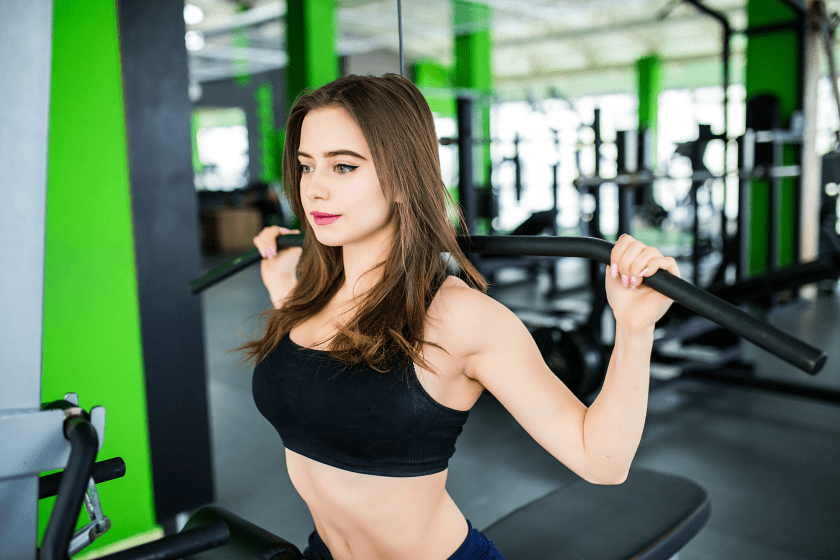
TIP: Weightlifting and strength training improves the density of your bones and is an ideal way for you to maintain your health through the process of ageing.
4. Strength Training Regulates Hormones And Supports The Female Cycle
Resistance training has a measurable effect on insulin, cortisol, estrogen, and growth hormone — all of which directly influence fat storage and energy levels in women.
Regular lifting lowers baseline cortisol (your primary stress hormone, which triggers fat storage around the abdomen) and improves estrogen metabolism. It also supports leptin sensitivity, helping your body correctly signal satiety rather than triggering false hunger.
For a deeper look at how your hormones control your weight, see: Hormones and Weight Loss for Women
5. Lifting Weights Dramatically Improves Insulin Sensitivity
Insulin sensitivity determines how efficiently your cells use glucose for energy instead of storing it as fat. Women with lower insulin sensitivity — common in those who are sedentary or going through perimenopause — are more prone to fat accumulation, energy crashes, and cravings.
A 2017 review in Obesity Reviews found that resistance training significantly improves insulin sensitivity in women, often matching the effect of aerobic exercise, with the added benefit of body recomposition.
6. Strength Training Protects Your Mental Health
This benefit doesn't get talked about enough. Lifting weights triggers a significant release of endorphins, dopamine, and serotonin — your brain's primary mood-regulating neurotransmitters. A meta-analysis in JAMA Psychiatry (2018) involving 33 clinical trials found that resistance training significantly reduced symptoms of depression.
But beyond the chemistry, there's something uniquely empowering about lifting a weight you couldn't lift last month. That's not a side benefit. That's identity-level change.
It reinforces a belief about who you are — someone who is capable, consistent, and getting stronger. That belief transfers.
7. Resistance Training Reduces Your Risk Of Chronic Disease
Strength training is associated with reduced risk of type 2 diabetes, cardiovascular disease, metabolic syndrome, and some cancers. Research from Harvard T.H. Chan School of Public Health found that just two sessions of strength training per week were associated with significantly lower all-cause mortality risk.
These aren't marginal benefits. This is longevity science — and lifting weights is one of the most accessible interventions available.
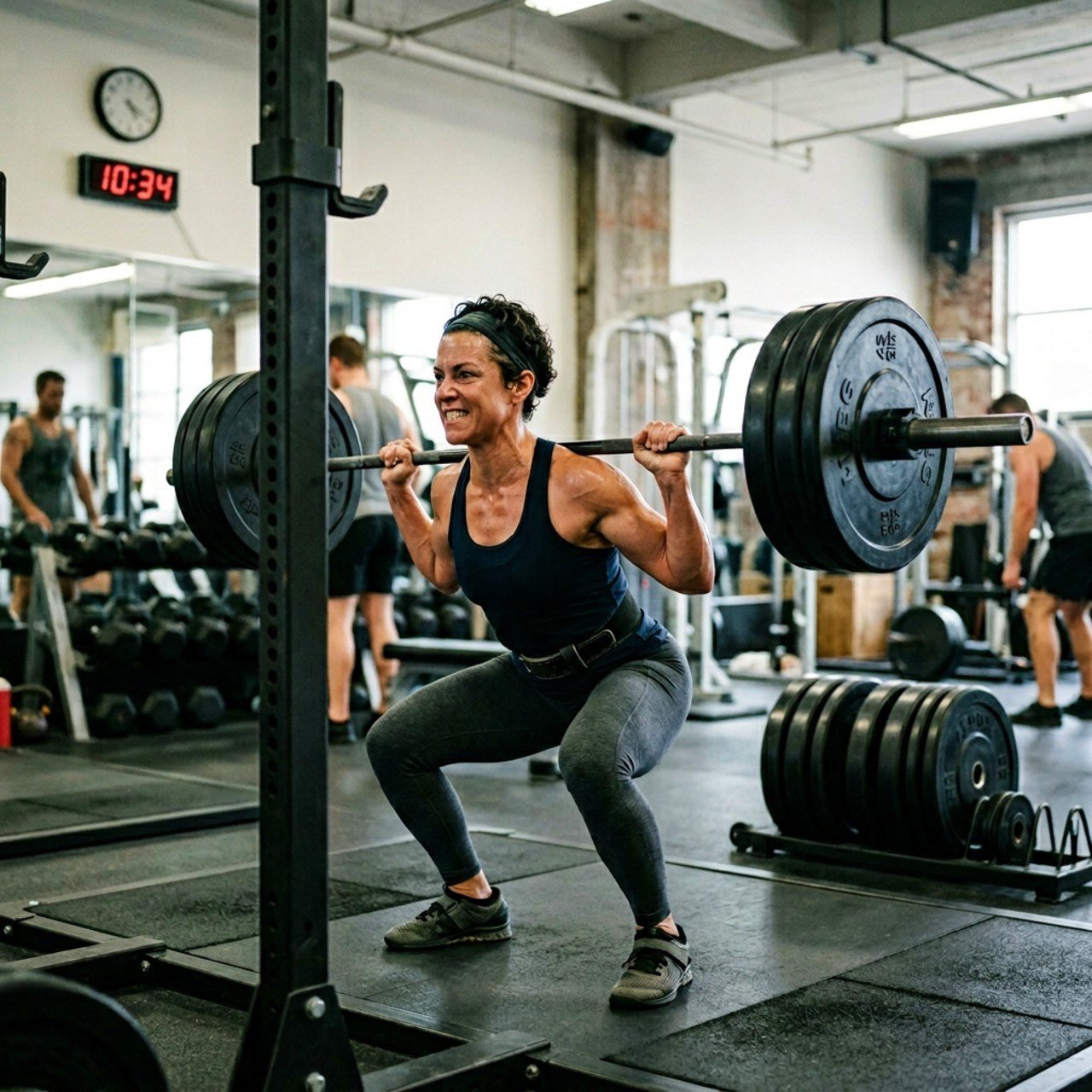
8. Lifting Weights Improves Posture, Core Strength, And Reduces Pain
Most chronic back pain, neck tension, and poor posture trace back to muscular imbalances — weak posterior chain muscles, tight hip flexors, and underactivated core. Compound lifts like deadlifts and rows directly address these imbalances.
If you want to understand how muscle imbalances develop and how to fix them: How Do I Fix Muscle Imbalances and Poor Form as a Female Beginner?
Benefits Of Lifting Weights For Women: Summary Table
| Benefit | Mechanism | Evidence Level |
|---|---|---|
| Accelerated fat loss | Increases lean muscle → raises resting metabolic rate | High (multiple RCTs) |
| Elevated metabolism (EPOC) | Post-exercise oxygen consumption lasting 24–72 hours | High (JSCR meta-analysis) |
| Bone density preservation | Mechanical stress stimulates osteoblast activity | High (NOF, ACSM) |
| Hormonal regulation | Reduces cortisol, improves leptin and estrogen metabolism | Moderate–High |
| Improved insulin sensitivity | Muscle tissue acts as glucose sink | High (Obesity Reviews) |
| Mental health improvement | Endorphin/dopamine/serotonin release; depression reduction | High (JAMA Psychiatry) |
| Chronic disease prevention | Lower risk of T2 diabetes, CVD, metabolic syndrome | High (Harvard) |
| Posture and pain reduction | Corrects muscular imbalances, strengthens posterior chain | Moderate |
Weight Training vs. Cardio For Fat Loss: Which Is Better For Women?
Both have a role. But they are not equal for body recomposition — the process of losing fat while building lean muscle. Here's how they compare across the metrics that matter most to women:
| Factor | Cardio | Strength Training |
|---|---|---|
| Calories burned during session | Higher (session-specific) | Moderate |
| Calories burned after session (EPOC) | 2–4 hours | 24–72 hours |
| Lean muscle built | Minimal | Significant |
| Resting metabolic rate improvement | None–minimal | Yes (increases with muscle) |
| Bone density protection | Moderate (weight-bearing only) | High |
| Hormonal benefit | Moderate | High |
| Insulin sensitivity | Moderate | High |
| Risk of muscle loss (during deficit) | High without resistance training | Low |
| Long-term fat loss maintenance | Lower without muscle base | Higher |
The verdict: Cardio is a useful tool. Strength training is the foundation. If you're doing cardio but not lifting, you're building on sand.
For a complete breakdown of sustainable fat loss strategies designed for the female body: The Ultimate Guide to Sustainable Fat Loss
Will Lifting Weights Make Women Bulky? (Let's Put This to Rest)
No. Women do not have the testosterone levels required to build the kind of muscle mass that produces a "bulky" physique. On average, women have 10–20 times less testosterone than men. Female bodybuilders who appear heavily muscular are the result of years of highly specific training, structured nutrition, and, in most cases, performance-enhancing substances.
What strength training does for most women: reduces body fat percentage, creates definition in the shoulders, arms, glutes, and legs, and produces the "toned" look that cardio alone cannot deliver. "Toned" is lean muscle under reduced body fat — and you only get there by building the muscle first.
If you're worried that lifting will make your legs bigger rather than leaner, this is addressed directly here: How Do I Strength Train Without Making My Thighs Bigger?
How To Start Lifting Weights As A Woman (Even If You're A Complete Beginner)
Starting feels intimidating. That's normal. The weight room is historically male-dominated, the equipment is unfamiliar, and most beginner guides assume baseline knowledge that most women simply haven't been given.
Here's a clear starting point.
Step 1: Start With The Big 4 Compound Movements
Compound lifts work multiple muscle groups simultaneously — giving you the most return for your time invested. For beginners, these four are the foundation:
- Squat — lower body, core, stabilisers
- Deadlift — posterior chain (glutes, hamstrings, back), grip
- Dumbbell Row — upper back, biceps, rear delts
- Overhead Press — shoulders, upper back, core
You don't need machines. You don't need a complicated programme. Mastering these four movements with correct form builds the base for everything else.
For a structured beginner approach to the gym environment itself: How Do I Get Started at the Gym Without Feeling Intimidated?
Step 2: Understand Progressive Overload
Progressive overload is the single most important principle in strength training. It means gradually increasing the demand on your muscles over time — either by adding weight, reps, or sets.
Without it, your body adapts and stops changing. With it, you create a consistent signal for your muscles to grow stronger and for fat to be mobilised as fuel.
Practical rule: When you can complete all prescribed reps of an exercise with good form, increase the weight by the smallest increment available at your next session.

Step 3: Programme Your Sessions
For beginners, 2–3 sessions per week are sufficient. More is not better — muscle is built during recovery, not during the workout itself.
- Monday: Full-body strength (squat, row, press)
- Wednesday: Rest or light cardio / walking
- Thursday: Full-body strength (deadlift, lunge, overhead press)
- Saturday: Optional active recovery or second full-body session
For full beginner workout structures: Fat Loss Workouts for Beginners
Step 4: Pair With Protein
Muscle protein synthesis — the process that builds lean tissue — requires dietary protein. Aim for 0.7–1g of protein per pound of body weight daily. This is often double what most women currently eat.
Start with eggs, Greek yoghurt, chicken, fish, legumes, and cottage cheese. Meal prep makes this consistent without requiring daily willpower. For practical guidance: Weight Loss Meal Prep Ideas for Women
How Often Should Women Lift Weights?
Women should lift weights 2–4 times per week, depending on experience level and recovery capacity. Beginners should start with 2–3 sessions weekly, focusing on full-body compound movements. Intermediate lifters can progress to 3–4 sessions using upper/lower or push-pull splits. Adequate sleep and protein are as important as the sessions themselves.
| Experience Level | Sessions Per Week | Recommended Split | Rest Days |
|---|---|---|---|
| Beginner (0–6 months) | 2–3 | Full-body | 4–5 |
| Intermediate (6–18 months) | 3–4 | Upper/Lower or Full-body | 3–4 |
| Advanced (18+ months) | 4–5 | Push/Pull/Legs or similar | 2–3 |
More is not better, especially in the early months. Overtraining leads to injury, elevated cortisol, and stalled progress. Showing up consistently at 70% beats showing up erratically at 100%.
Lifting Weights During Perimenopause: Why It Matters More Than Ever
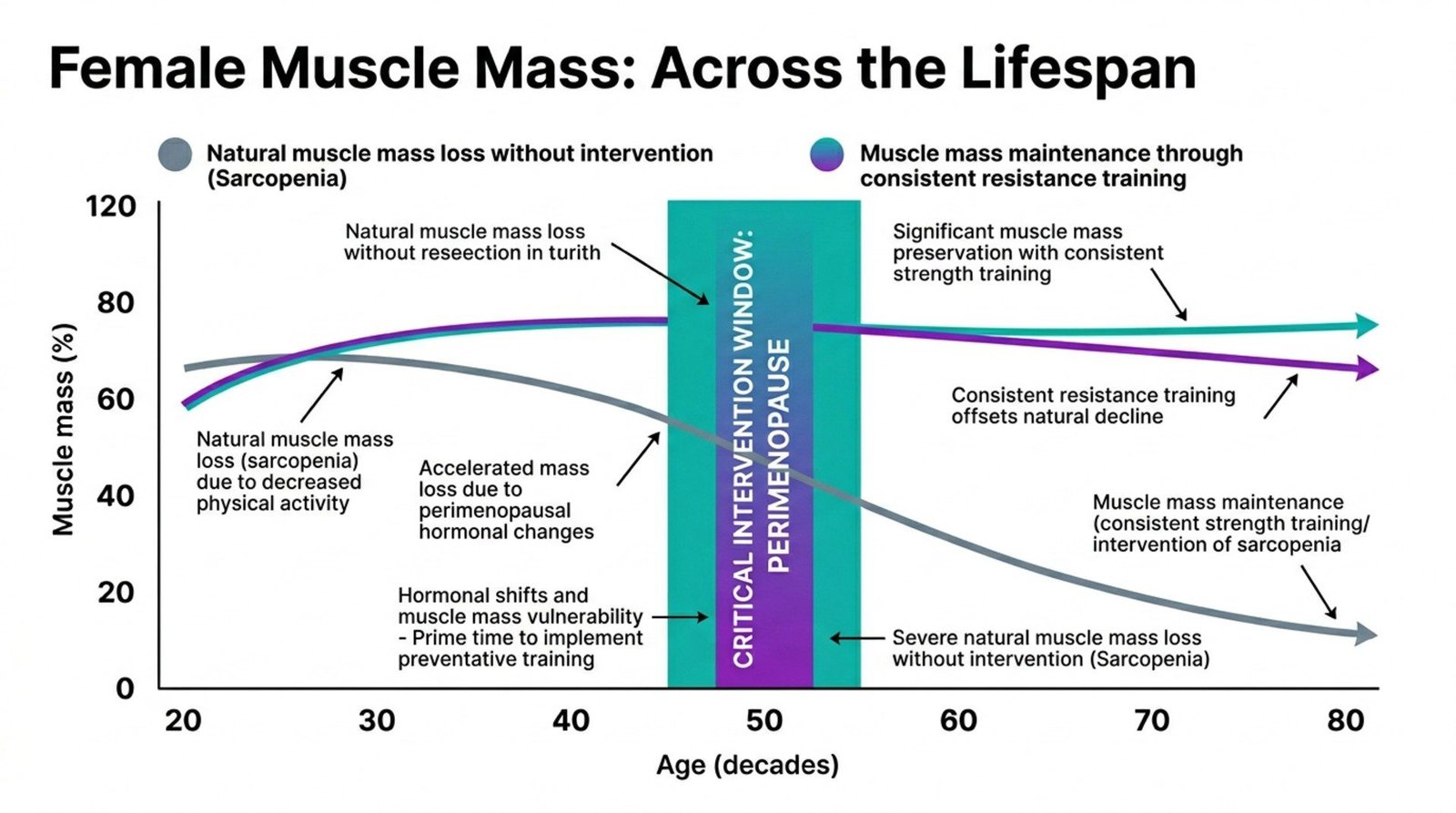
During perimenopause (typically ages 40–55), estrogen begins to decline. This accelerates muscle loss (sarcopenia), fat redistribution toward the abdomen, bone density reduction, and insulin resistance — all simultaneously.
Strength training is the single most effective physical intervention for each of these changes. It doesn't require estrogen to work. It recruits different hormonal pathways — primarily growth hormone and IGF-1 — to preserve muscle mass and metabolic function during the hormonal transition.
A 2021 study in Menopause found that postmenopausal women who completed 12 weeks of resistance training significantly reduced visceral fat, improved insulin sensitivity, and maintained lean mass — without changes to their diet.
This is also the phase of life where the fitness habits that slow the ageing process matter most. Lifting weights is at the top of that list.
Common Myths About Women And Weightlifting — Debunked
Myth 1: "Lifting weights will make me gain weight on the scale."
The scale measures total mass — including muscle, fat, water, and bone. As you build muscle and lose fat simultaneously (body recomposition), the scale may not move much. This is not failure. It's the process working. Use measurements, photos, and how your clothes fit as your real metrics.
Myth 2: "I should get lean first through cardio, then add weights."
This has it backwards. Without sufficient muscle mass, your body cannibalises muscle for energy during a caloric deficit — leaving you lighter on the scale but with a slower metabolism and a higher body fat percentage. Build muscle while in a deficit. The weights are the tool, not the reward for getting lean.
Myth 3: "Weight training is only for people who want to be athletic."
Strength training is a fundamental health behaviour — not an identity or a sport. The research on bone density, insulin sensitivity, and longevity applies regardless of whether you ever step onto a stage or touch a competition platform.
Myth 4: "Women over 50 shouldn't lift heavy weights."
This is medically backwards. Women over 50 have the most to gain from lifting heavy. The sarcopenia (muscle loss) and bone density decline that accelerate post-menopause are directly countered by progressive resistance training. Heavy is relative — it means working close to your current capacity with good form.

TIP: Weight lifting can assist with this and is an ideal way to boost your energy level when you engage in this exercise regularly.
Key Facts About Lifting Weights For Women
Does lifting weights burn fat? Yes. Resistance training builds lean muscle, which raises resting metabolic rate and increases total daily energy expenditure — producing fat loss even at rest.
Will women get bulky from lifting weights? No. Women lack the testosterone levels required for significant muscle bulk. Strength training produces definition and a leaner appearance, not mass.
Is strength training better than cardio for women? For body recomposition, bone density, hormonal health, and long-term fat loss maintenance, yes. Cardio supports cardiovascular health and can be used alongside lifting, but cannot replace it.
How soon will women see results from lifting weights? Functional strength improves within 2–4 weeks. Visible body composition changes typically appear at 6–12 weeks of consistent training. For a full breakdown: How Long Does It Take to See Results from Working Out as a Beginner Woman?
Ready to build the foundation? Start with Fat Loss Workouts for Beginners — a structured, women-first guide to your first sessions in the weight room. Not sure where your nutrition stands? Use the FitFormula Hub calculators to get your personalised numbers — free, no sign-up required.
Related Articles
- How Many Calories Should You Be Eating
- You Really Are What You Eat
- Food You Should Never Cut From Your Diet
- Tips How Much Water Should You Drink
- What Should Women Eat In The Morning For Hormone Balance And Fat Loss
- You Reduce Belly Fat Exercise
- Why One Size Fits All Workout Programs Miss The Mark For Women
The Bottom Line
You don't have a motivation problem. You have a system that was never designed for your body — programmes built around men's physiology, advice that ignores your hormones, and a fitness industry that keeps selling you cardio as a long-term solution.
Lifting weights is the re-frame. It builds the body you want from the inside out — leaner, stronger, more metabolically resilient, and better protected against the changes that come with age.
You don't need to love it from day one. You need to start. Two sessions a week. The four compound movements. A little more weight than last time. That's the system. And it works — for your body, not despite it.
Embrace Inspiration
Like What You Read? Be Sociable, Comment, And Share It! Thanks.
Glossary Of Key Terms
FAQ
The main benefits include accelerated fat loss, improved metabolic rate, better bone density, hormonal regulation, improved insulin sensitivity, reduced depression risk, chronic disease prevention, and improved posture. The effects are both immediate (mood, energy) and long-term (body composition, longevity).
For meaningful benefits, women should train with weights that challenge them — typically meaning they reach near-fatigue within the target rep range (8–15 reps for most goals). Light weights for high reps primarily improve muscular endurance, not strength or body recomposition.
Yes. While spot reduction is a myth (you cannot choose where fat comes off first), strength training reduces total body fat percentage — including visceral abdominal fat — more effectively than cardio alone when combined with a protein-adequate diet. Read more: Can You Reduce Belly Fat With Exercise?
Not only safe — it's recommended. Strength training during perimenopause directly counteracts the accelerated bone density loss, muscle mass decline, and metabolic slowdown caused by falling estrogen. Consult your doctor if you have specific health conditions, but the absence of contraindications means lifting should be prioritised.
Motivation follows action, not the other way around. Commit to two sessions per week minimum for six weeks — by then, the results become your motivation. For deeper strategies: How to Motivate Yourself to Finish Workouts, Not Just Start Them
Prioritise protein (0.7–1g per pound of bodyweight), complex carbohydrates around your workouts for energy, and healthy fats for hormonal support. Avoid extreme caloric restriction while strength training — a small deficit (250–500 calories) is sufficient and preserves muscle mass.
You Know Why. Now Learn Exactly How
Join thousands of women inside our community and receive our free guide: 10 Actions That Support Permanent Weight Loss — the practical, sustainable habits that translate everything you just read into real, lasting results.
No fad diets. No extreme plans. Just what the research actually supports — written for real women.
Thanks for explaining to me how a healthy diet and lifting weights can help me stay active. I’ve been stuck at home for months now and I feel like my body is getting heavier each day even if I’m still doing household chores. Maybe it’s time for me to purchase a squat rack where I can practice to lift weights and focus more on my diet.