Plant-Powered Performance: Vegan Diet Tips For Fitness At Any Age
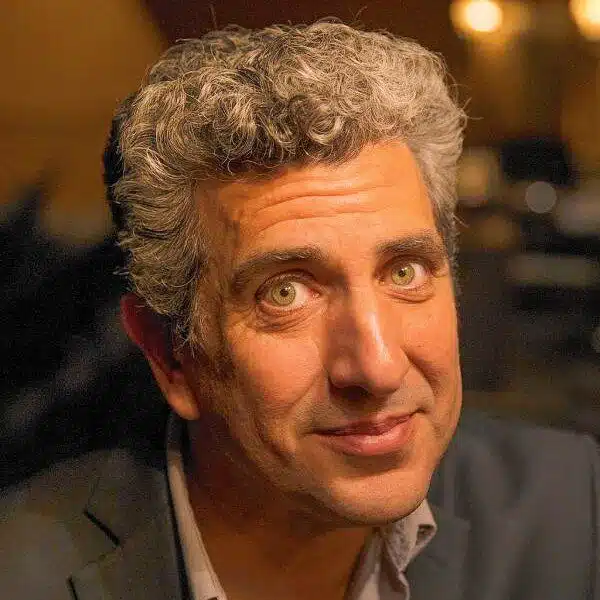
As I improved my diet, I started to learn to love myself, probably for the first time ever.
Frank Ferrante ‧ Author, May I Be Frank
Summary (TL;DR)
You can absolutely build muscle, recover well, and train hard on a vegan diet – the research backs this up. The keys are hitting your leucine threshold at each meal, prioritising a handful of nutrients that need extra attention (B12, iron, omega-3, and possibly creatine), and eating enough overall.
If you’re a woman over 35, your protein needs may run slightly higher than the standard advice suggests, because of how your body starts using protein differently as oestrogen shifts. None of this requires extreme planning or giving up your social life – just a bit of intention.
If you’ve ever stood in your kitchen wondering whether a bowl of lentils is really going to get you through leg day, you’re not alone. Going vegan while trying to stay fit brings up a specific kind of anxiety – part nutritional, part social, part “am I going to lose the muscle I worked so hard for?” That worry is real, and it deserves a real answer, not a wave of the hand.
Here’s the honest version: a well-planned vegan diet can fully support your training, your recovery, and your goals. Ultramarathoner Scott Jurek and heavyweight boxer David Haye didn’t get weaker going plant-based – they got results. But “well-planned” is doing some heavy lifting in that sentence, and that’s exactly what this guide is for.
I’m going to walk you through the vegan diet tips for fitness that actually hold up under research – not vague encouragement, but specific numbers, specific foods, and a section most fitness guides skip entirely: what changes nutritionally for women as we move through our thirties, forties, and beyond, and why that matters for how you eat as a plant-based athlete.
Medical & Referral Disclaimer
This article is for informational and educational purposes only. It is not a substitute for professional medical advice, diagnosis, or treatment. Always consult your physician or a qualified health provider before starting any new diet or exercise programme, particularly if you are managing a health condition or are peri- or post-menopausal.
Key Takeaways
- Protein isn’t the vegan sticking point people assume. Recent modelling research shows a well-planned plant-based diet can reach 2.75–2.9g of leucine per meal – above the threshold shown to maximally trigger muscle protein synthesis.
- Four nutrients deserve real attention: vitamin B12 (always supplement), iron (bioavailability, not intake, is the issue), omega-3s (ALA converts to EPA/DHA inefficiently), and creatine (vegans start 10–30% lower).
- Women over 35 may need more protein than generic advice suggests – research points to 1.0–1.2g/kg/day rather than the 0.8g/kg RDA, to help offset hormone-related changes in muscle maintenance.
- Creatine supplementation shows a larger relative benefit in vegans and vegetarians than in omnivores, precisely because baseline stores are lower.
- Meal timing matters less than total daily intake – consistently hitting your leucine threshold at each meal beats obsessing over a narrow post-workout window.
The Benefits Of A Vegan Diet For Fitness Enthusiasts
A plant-based diet is naturally rich in fibre, antioxidants, and the vitamins and minerals your body uses to manage inflammation and recover between sessions. That’s the short answer.
The longer one is that most vegan wholefoods – legumes, whole grains, vegetables – are also less energy-dense than heavily processed alternatives. That makes it easier to eat a satisfying volume of food without overshooting your calories, something a lot of women managing weight alongside training genuinely appreciate.
Common Misconceptions About Vegan Diets And Fitness
No, you will not automatically lose muscle by going vegan. That belief persists mostly because early vegan diets were poorly planned, not because plants are inherently inadequate.
A 2017 review in the Journal of the International Society of Sports Nutrition (cited over 500 times since) concludes that a vegan diet can meet the practical needs of athletes and exercisers when carbohydrate, protein, and key micronutrients are accounted for.
The second misconception – that you need to eat constantly to hit your protein targets – is also overstated. It takes planning, not obsession.
Vegan Diet Tips For Fitness: Building A Balanced Macronutrient Plate
Three macronutrients, three jobs: protein rebuilds muscle, carbohydrate fuels the session, fat supports recovery and hormone production. Nail the balance and the rest of this guide gets much easier.
Getting Enough Protein On A Vegan Diet
The number that actually matters isn’t just total protein – it’s leucine, the amino acid that triggers muscle protein synthesis. You need roughly 2.5–3g of leucine per meal to maximise that trigger.
A 2024 modelling study in Nutrients found that a completely plant-based diet, scaled to meet energy needs, can supply 2.75g of leucine per meal for resistance-trained adults – and a companion study on rugby players modelled 2.9g per meal across four daily meals. Both comfortably meet the threshold.
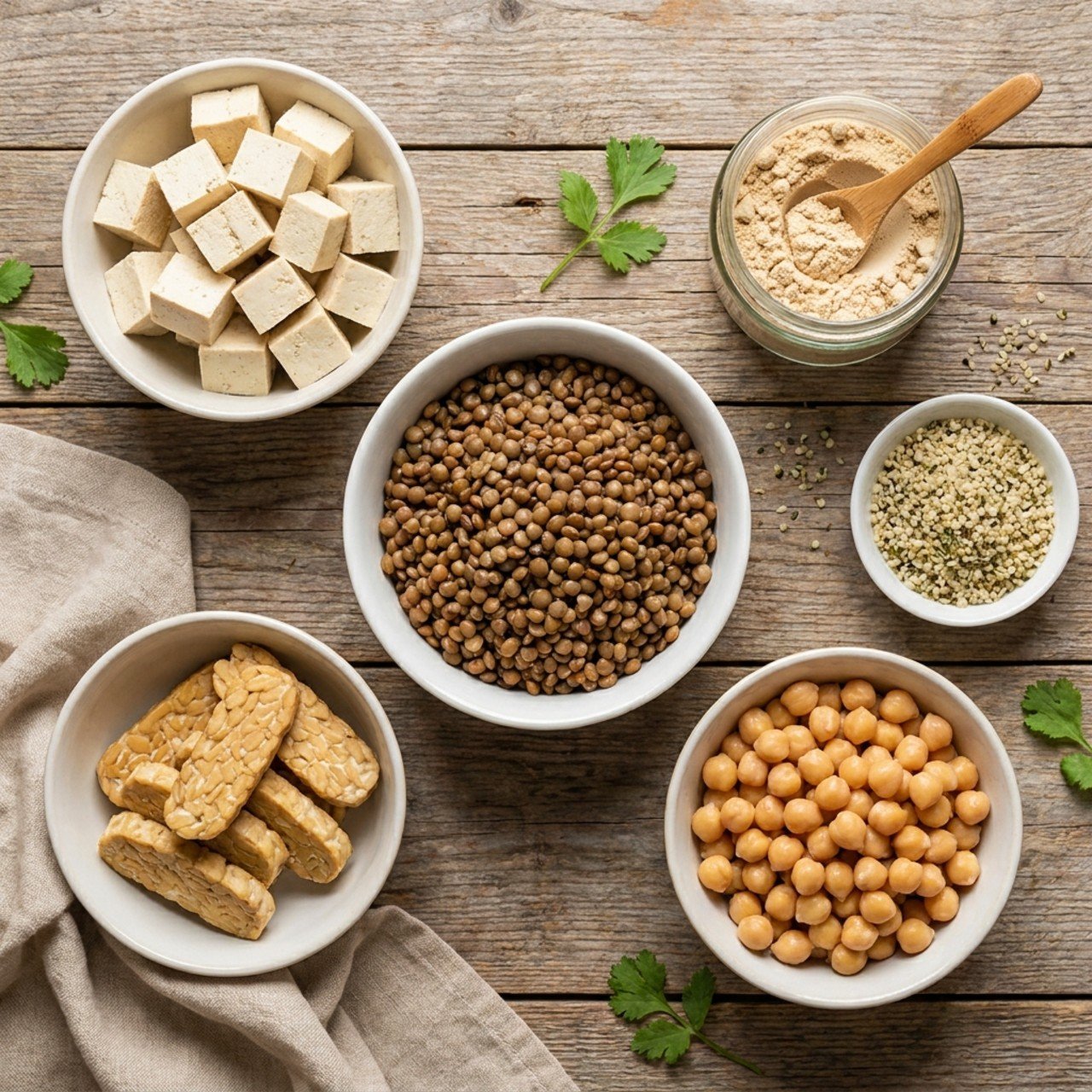
The practical takeaway: combine more than one plant protein source per meal (tofu with rice, lentils with quinoa, a pea-and-hemp protein blend), because different plants are strong in different amino acids and the combination closes any gaps.
| Plant Protein Source | Approx. Protein Per Serving | Best Paired With |
|---|---|---|
| Tofu (100g, firm) | ~13g | Rice, quinoa, or oats |
| Tempeh (100g) | ~19g | Leafy greens, seeds |
| Lentils (100g, cooked) | ~9g | Whole grains, nutritional yeast |
| Chickpeas (100g, cooked) | ~9g | Tahini, seeds |
| Seitan (100g) | ~25g | Vegetables, legumes |
| Hemp seeds (3 tbsp) | ~9g | Smoothies, porridge |
| Pea protein powder (1 scoop) | ~20–24g | Rice protein blends |
Approximate values based on standard nutritional composition data (USDA FoodData Central); actual content varies by brand and preparation.
Incorporating Carbohydrates Into A Vegan Diet
Carbohydrates fuel the session and replenish glycogen afterwards. Favour complex sources – sweet potatoes, brown rice, oats, wholemeal pasta – over processed snacks, and don’t be afraid of fruit as a pre-workout carbohydrate; it digests quickly and won’t sit heavy before training.
Healthy Fats For Recovery And Hormone Health
Fats do more than provide energy – they’re raw material for hormone production, which matters more as oestrogen fluctuates through your thirties and forties.
Omega-3 fatty acids are worth particular attention on a vegan diet: plant sources like flaxseed, chia, and walnuts provide ALA, but your body converts only a small fraction of ALA into the EPA and DHA your cells actually use. An algae-based omega-3 supplement closes that gap without needing fish oil.
Vegan Diet For Muscle Building: What The Research Actually Shows
Yes, a vegan diet can support real muscle growth, provided total calories and protein are adequate. The research above on leucine thresholds already answers the “can plants build muscle” question. What’s less well known is what closes the remaining gap between a vegan and an omnivore athlete: creatine.
Vegans and vegetarians typically carry 10–30% lower muscle creatine stores than omnivores, simply because plants contain no dietary creatine. That sounds like a disadvantage, but it flips into an advantage with supplementation: because your starting point is lower, you tend to see a larger relative increase from creatine monohydrate.
A 2025 study in Physiological Reports found that vegan and vegetarian participants who supplemented with creatine monohydrate increased body mass and fat-free mass over the placebo group, and a 2026 randomised trial in the European Journal of Applied Physiology found significant increases in skeletal muscle mass and reductions in body fat after four weeks of supplementation.
Three levers actually move the needle for vegan muscle growth:
- Total calories first. You cannot build meaningful muscle in a large calorie deficit, vegan or not.
- Leucine-dense meals, not just “enough protein.” Combine plant sources rather than relying on one.
- Creatine monohydrate, 3–5g daily. The evidence for a bigger relative benefit in vegans specifically is stronger than for almost any other supplement on this list.

How A Vegan Diet Supports Women’s Changing Bodies
Your protein needs likely increase as you move through perimenopause, not decrease – and most generic fitness advice never mentions this. As oestrogen declines, women naturally become somewhat more resistant to the muscle-building signal that protein sends, a phenomenon sometimes called anabolic resistance.
Practically, that means the RDA of 0.8g/kg/day, which was calculated to prevent deficiency in the general population rather than to preserve muscle during training, is likely too low for a woman in her forties who lifts weights.
Some research points to a higher, more protective target than the standard RDA: in the range of 1.0–1.2g/kg of body weight per day, taken in 30–40g portions to maximise the protein synthesis response, rather than the 0.8g/kg minimum.
The evidence here is still developing rather than settled – a 2024 narrative review in Physiologia notes current studies are limited and cautiously recommends at least meeting the RDA, while a broader 2026 systematic review on nutrition and strength training in postmenopausal women finds the higher intake plausibly more protective for muscle and function.
The practical, low-risk takeaway either way: err toward the higher end of the range rather than the bare minimum. On a vegan diet, that just means being a little more deliberate – an extra scoop of protein powder, a bigger portion of legumes, or a second protein-forward snack.
This is also where strength training becomes non-negotiable, not optional. Diet alone won’t preserve muscle through this transition; training plus adequate protein is the combination that works.
If you’re also weighing up supplements for this stage of life, our breakdown of what actually works for perimenopause is worth reading alongside this guide, and if body composition changes have you confused, what body recomposition really means after 40 covers why the scale isn’t telling you the full story.
| Nutrient | Vegan Deficiency Risk | Best Vegan Sources | Supplement To Consider |
|---|---|---|---|
| Vitamin B12 | High – not naturally present in plants | Fortified foods, nutritional yeast | Yes, essentially always |
| Iron | Moderate – intake often adequate, absorption lower | Lentils, spinach, pumpkin seeds | Only if tested and low |
| Omega-3 (EPA/DHA) | Moderate – ALA conversion is inefficient | Flaxseed, chia, walnuts | Algae-based EPA/DHA |
| Creatine | High relative to omnivores (10–30% lower stores) | None – not present in plants | Creatine monohydrate, 3–5g/day |
On iron specifically: a 2026 narrative review in Current Nutrition Reports notes that available studies don’t consistently show higher rates of iron deficiency in vegetarian athletes compared with omnivores – total dietary iron intake is often comparable, even though non-heme iron from plants absorbs less efficiently.
Pairing iron-rich foods with vitamin C improves that absorption meaningfully. On B12, a 2024 scoping review confirms this is the one nutrient where supplementation isn’t optional – there’s no reliable unfortified plant source.
Meal Planning And Prep For Busy Athletes
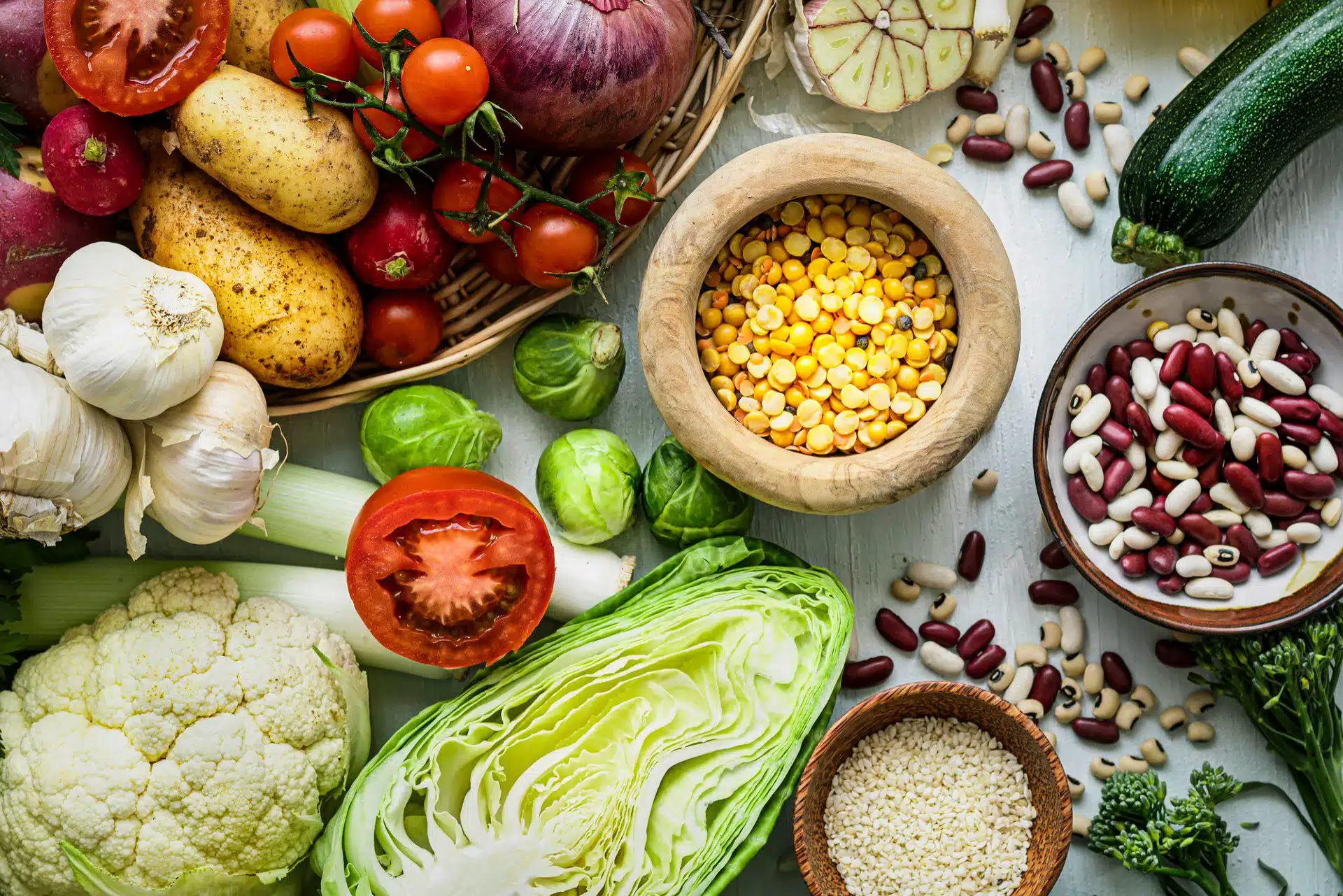
Batch-cook your base ingredients once, then reassemble them differently all week. Cook a big pot of grains and a big pot of legumes on the same day, and lunch becomes assembly rather than cooking.
Start by working out your daily calorie needs against your training goal, break that into a rough protein target, then use a tracking app for two or three weeks – just long enough to build an instinct for portion sizes, not forever.
Quick Vegan Meal Ideas For Busy Schedules
The fastest way to stay consistent is to remove decisions, not add willpower. Four go-to combinations that need almost no thought once you’ve prepped them:
- Smoothie pouches: portion frozen fruit, greens, and a scoop of protein powder into bags the night before – blend with plant milk in the morning.
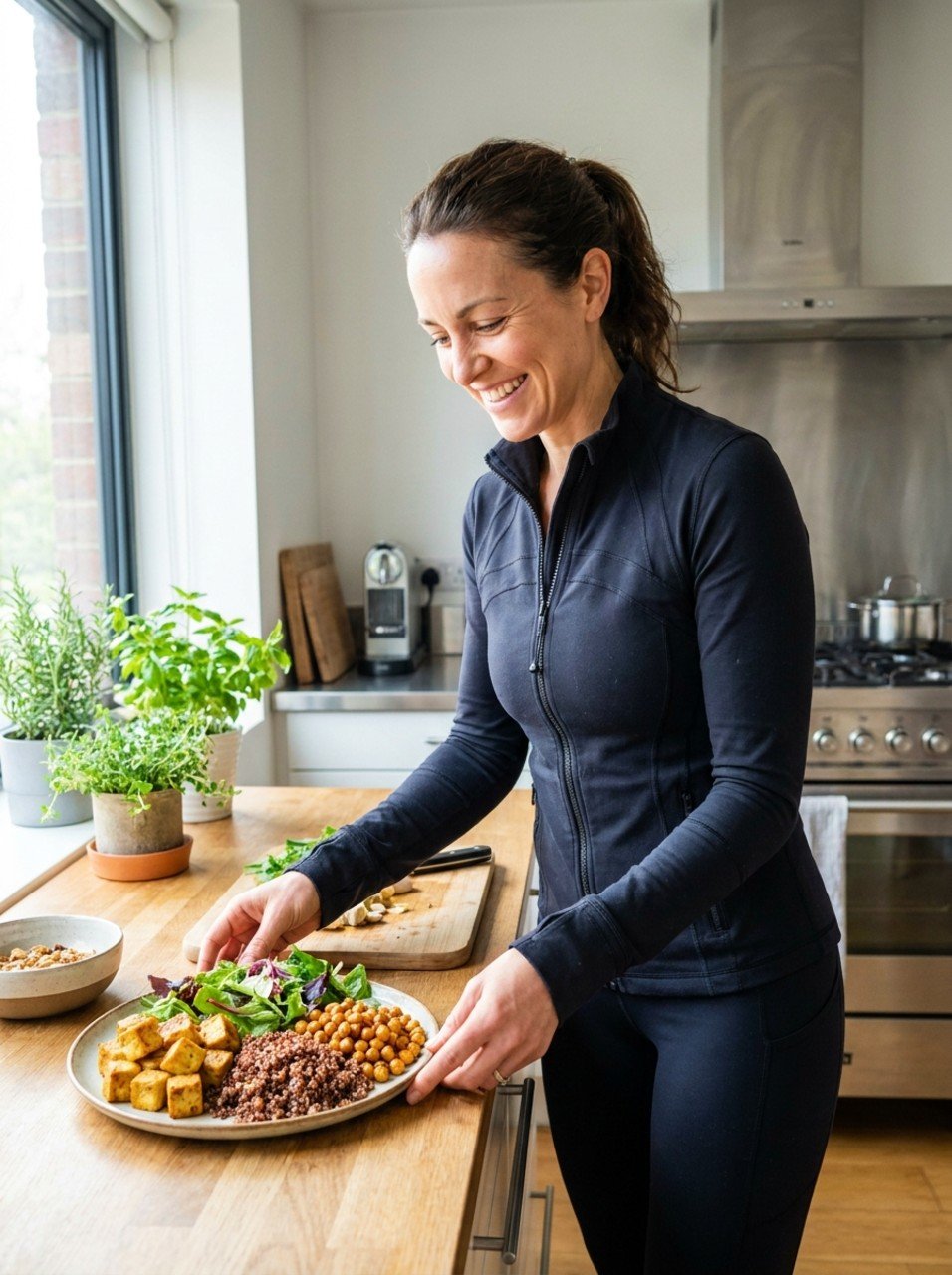
- Batch grain bowls: cook quinoa or brown rice in bulk, then vary the toppings (roasted chickpeas one day, tofu the next) to avoid flavour fatigue.
- Overnight oats with chia and hemp seeds: a genuinely complete pre-workout breakfast that takes two minutes to assemble.
- Pre-portioned snack bags: nuts, seeds, or homemade energy balls for the moments when hunger hits between meals.
Supplementation: Closing The Nutrient Gaps
You don’t need a cabinet full of supplements – you need three or four targeted ones. A B12 supplement or fortified food is close to mandatory on a fully plant-based diet.
An algae-based omega-3 supplement is a sensible add if you don’t regularly eat flax or walnuts. Iron and zinc are worth supplementing only if bloodwork confirms you’re actually low – more isn’t automatically better, and excess iron carries its own risks.
Protein powder is a convenience tool, not a requirement – useful if you struggle to hit your target through food alone, particularly at the higher end of the range recommended for women over 35.
Pea, hemp, and rice-based blends are common choices; research comparing plant and whey protein sources shows they support recovery and muscle protein synthesis comparably when leucine content is matched. Beta-alanine and similar performance supplements are optional extras for high-intensity training, not essentials.
Hydration For Vegan Athletes
Water remains the baseline – aim for roughly 8 ounces every 15–20 minutes of exercise, adjusting for sweat rate and intensity.
For longer or more intense sessions, an electrolyte drink made with coconut water or a vegan-certified electrolyte tablet replaces what plain water misses. If plain water feels boring, infused water with citrus or berries, or a caffeine-free herbal tea, both count towards your intake.
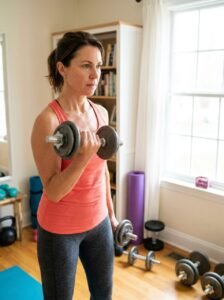
Pre-Workout Nutrition: Fuel Up Before Your Workout
Timing depends on portion size: a small snack works 30 minutes before training, while a full meal needs two to three hours to digest comfortably. Fruit with nut butter, rice cakes with mashed avocado, or oatmeal with chia seeds are reliable, easily digestible options that won’t weigh you down mid-session.
Post-Workout Recovery: The Key To Muscle Growth
The 30–60 minutes after training is when your muscles are most receptive to repair – protein intake here helps rebuild the micro-tears exercise creates and supports muscle growth over time.
- Rebuild with plant protein: lentils, chickpeas, tofu, tempeh, or a protein shake.
- Restore glycogen: bananas, berries, or sweet potatoes replace the carbohydrate you burned.
- Rehydrate properly: water first, electrolytes if the session was long or hot.
- Skip the sugary sports drink: coconut water or diluted fruit juice does the same job with less processed sugar.
Eating Out As A Vegan Athlete
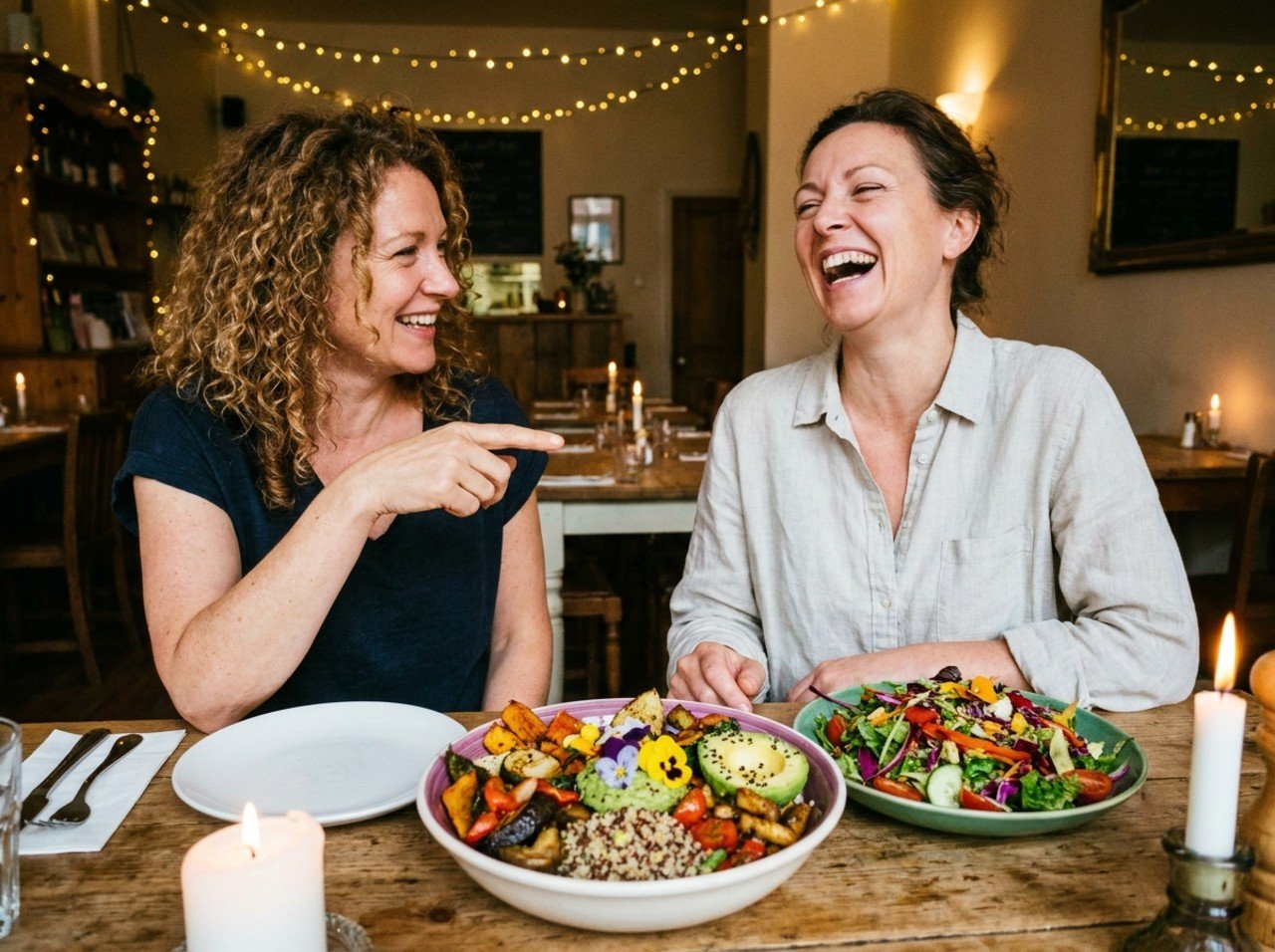
Look at the menu online before you arrive, and don’t hesitate to ask your server about substitutions – most kitchens can accommodate more than the menu suggests. Stick to whole-food options like grain bowls and grilled vegetables where possible, and use resources like city-specific vegan restaurant guides when travelling or exploring somewhere new.
Join Our Mailing List
Join thousands of women inside our community and receive our free guide, 10 Actions That Support Permanent Weight Loss — the exact behavioural shifts that make the difference between a two-week attempt and a lasting transformation.
No restriction plans. No guilt. Just what actually works — for real women with real lives.
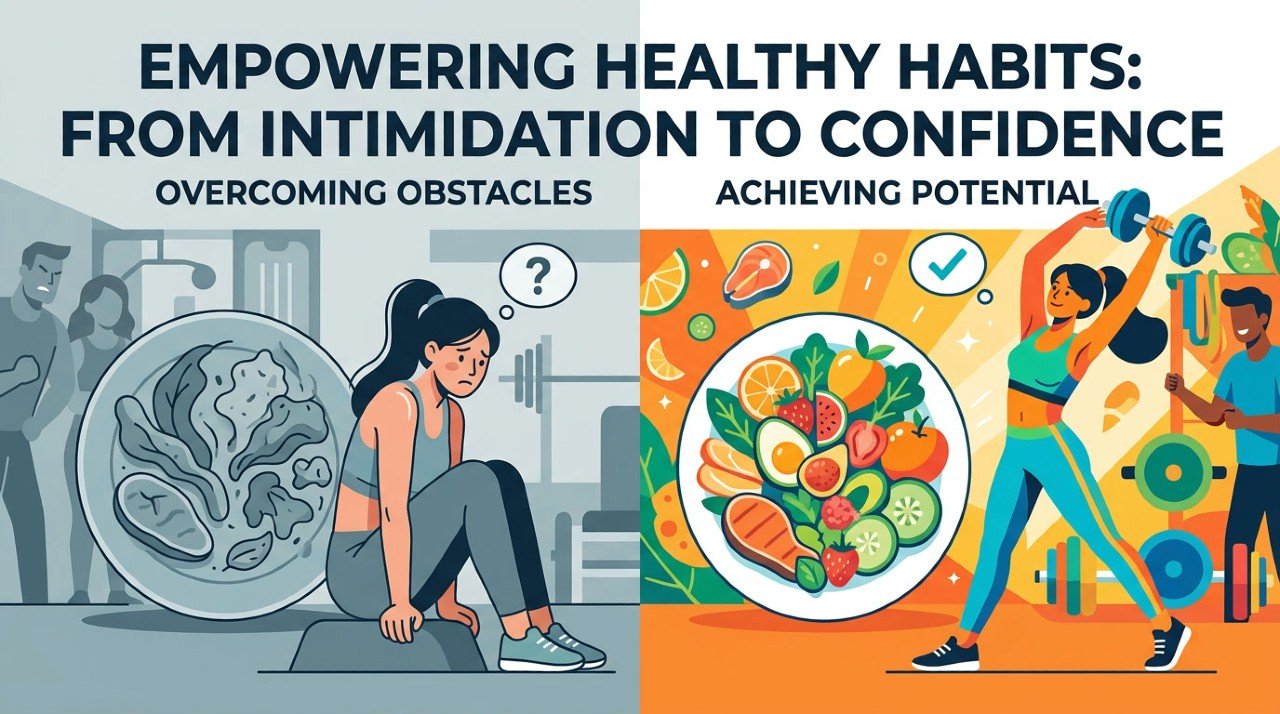
When Motivation Wavers: The Emotional Side Of Going Vegan While Active
The intimidation is real, and it’s okay to name it. Most women who write to us about going vegan while training aren’t worried about kale – they’re worried about losing strength they fought hard for, about awkward moments at restaurants with friends, or about the mental load of one more thing to plan around.
That fear of losing progress is a completely normal response; the loss of something you’ve built tends to feel far heavier than the promise of something new, even when the numbers say you’re not actually losing anything.
Reframe it this way: you’re not restricting, you’re adding a new set of tools – and the athletes who’ve gone before you, from Frank Ferrante rebuilding his life through food to Scott Jurek running ultramarathons on plants, are proof the tools work. You don’t need to overhaul everything in one week.
Swap one meal, notice you’re fine, swap another. Small, consistent wins build the confidence that no amount of research alone can give you.
Ready For The Next Step?
You’ve got the science now – what usually closes the gap between knowing this and living it is a plan that fits your actual week.
Our free guide, 10 Actions That Support Permanent Weight Loss, takes the habits behind everything in this article – sustainable eating, consistent training, and realistic expectations – and turns them into steps you can start today, no matter where your plate currently stands. No extreme resets, no rules you can’t keep up with.
The Bottom Line
A vegan diet doesn’t have to compromise your fitness goals – the research on leucine thresholds, creatine, and targeted supplementation is genuinely reassuring on that front.
What most guides miss is that your needs shift as your body does: if you’re a woman in your late thirties or beyond, aiming for the higher end of the protein range and pairing it with strength training matters more than any single food swap.
Get the fundamentals right – protein spread across your day, B12 covered, creatine considered, calories adequate – and the rest follows.
Glossary Of Key Terms
- Anabolic Resistance: A phenomenon, often occurring during perimenopause as estrogen declines, where the body becomes less responsive to the muscle-building signals sent by protein intake.
- Bioavailability: The proportion of a nutrient that is digested, absorbed, and utilized by the body; notably lower for plant-based (non-heme) iron compared to animal sources.
- Creatine Monohydrate: A supplement that supports muscle mass and fat-free mass; it is particularly effective for vegans who do not obtain any creatine through their diet.
- EPA and DHA: Essential fatty acids typically found in fish oil; vegans can obtain these directly from algae-based supplements to bypass the body's poor conversion of ALA.
- Leucine: An essential amino acid found in proteins (such as soy, peas, and hemp) that acts as the primary trigger for muscle protein synthesis.
- Muscle Protein Synthesis (MPS): The naturally occurring process in which protein is produced to repair muscle damage caused by intense exercise.
- Non-heme Iron: The form of iron found in plant foods (like seeds and leafy greens), which is less easily absorbed by the body than the heme iron found in animal products.
- Seitan: A high-protein vegan meat substitute made from wheat gluten, providing approximately 25g of protein per 100g serving.
- Tempeh: A nutrient-dense, fermented soy product that is a strong source of plant protein, best paired with leafy greens or seeds.
- Vitamin B12: A critical nutrient for nerve function and blood health that is not naturally present in plants, requiring vegans to use supplements or fortified foods.
FAQ
Can I Build Muscle On A Vegan Diet?
Yes. Research modelling plant-based diets for resistance-trained adults shows they can supply enough protein and leucine to support muscle growth comparable to an omnivore diet, provided total calories and meal planning are adequate.
What Are The Best Vegan Protein Sources For Fitness?
Tofu, tempeh, seitan, lentils, chickpeas, and pea or hemp protein powder are the strongest options. Combining two or more sources per meal improves your overall amino acid profile.
Do Vegan Athletes Need To Take Creatine?
It’s not mandatory, but the evidence for a meaningful benefit is stronger in vegans than in omnivores, since vegan baseline creatine stores start 10–30% lower. Most research uses 3–5g of creatine monohydrate daily.
How Does A Vegan Diet Affect Women Differently After 35?
Hormonal shifts through perimenopause make muscle slightly more resistant to protein’s building signal, so research points to a higher target – around 1.0–1.2g/kg of body weight daily – rather than the standard RDA, paired with regular strength training.
What Vegan Supplements Actually Matter For Fitness?
Vitamin B12 essentially always, an algae-based omega-3 if you don’t eat much flax or walnuts, iron only if bloodwork confirms a deficiency, and creatine monohydrate as an optional but well-supported performance add.
Will A Vegan Diet Affect My Energy Levels During Training?
Not negatively, provided you’re eating enough. A vegan diet rich in complex carbohydrates – sweet potatoes, oats, whole grains – tends to provide steady, sustained energy rather than spikes and crashes.
Can I Lose Weight And Still Build Muscle On A Vegan Diet?
Yes, though not usually at the same time in large amounts. Focus on nutrient-dense, lower-calorie whole foods, keep protein high to protect existing muscle, and expect body recomposition – losing fat while maintaining muscle – to be the realistic goal during a deficit.