

Fitness Motivation For Summer: 7 Proven Strategies To Stay Consistent
How To Build Fitness Motivation For Summer That Lasts Beyond The First Two Weeks
Joe Mangianello
American actor
You’re going to have to let it hurt. Let it suck. The harder you work, the better you will look. Your appearance isn’t parallel to how heavy you lift, it’s parallel to how hard you work.
Summary (TL;DR)
Fitness motivation for summer fades for predictable, fixable reasons. Disrupted schedules, heat fatigue, and the psychological trap of "beach body" pressure conspire to derail even committed exercisers.
This article walks you through the HEAT Method™ — an original four-part framework built from exercise psychology research and real women's experience — plus seven concrete strategies grounded in WHO data and Self-Determination Theory.
No diet culture guilt. No willpower lectures. Just a practical system that works in July heat, on vacation, and on the days when everything else is already demanding your attention.
Here's what nobody tells you about summer fitness: the season that looks made for getting active is quietly one of the hardest times to stay consistent.
Vacations shred your schedule. Social events rewrite your nutrition. Heat makes your usual morning run feel like a punishment. And underneath all of it sits a low-grade pressure — that your body should look a certain way by June — that tends to backfire on most women who try to use it as fuel.
The World Health Organization reports that 31% of global adults don't meet the recommended 150 minutes of moderate-intensity exercise per week, and women are on average five percentage points less active than men. Summer doesn't improve that gap. It widens it.
But fitness motivation for summer isn't a willpower problem. It never was. It's a design problem — and design problems have design solutions.
This guide gives you the tools: a fresh framework built specifically for summer conditions, the psychology behind what actually drives lasting exercise behavior, a practical schedule built for real life, and an honest reckoning with why "beach body" motivation fails — and what to build instead.
Medical & Referral Disclaimer
This article is for informational and educational purposes only and does not constitute medical or professional fitness advice. Individual results vary based on health status, age, and consistency of effort. If you have underlying health conditions or concerns about exercising in heat, consult a qualified healthcare provider before beginning or significantly changing a fitness program. Heat exhaustion and heat stroke are medical emergencies — learn to recognize the warning signs and stop exercising immediately if you experience dizziness, nausea, headache, or cessation of sweating.
Key Takeaways
- Fitness motivation for summer fades by design, not personal failure. Schedule disruption, heat fatigue, and appearance-based pressure are structural problems with structural solutions.
- The HEAT Method™ (Habit Stacking, Environment Design, Accountability Architecture, Time & Temperature Intelligence) replaces willpower with systems that hold up when conditions get difficult.
- Appearance-based motivation is the weakest form for long-term adherence. Performance and health-based goals, rooted in Self-Determination Theory, drive more durable consistency.
- Train before 9 am or after 7 pm. Avoiding the 10 am–4 pm heat window makes summer workouts physiologically and psychologically easier.
- Three consistent sessions per week through summer will produce better results than a five-day plan that collapses under the first disruption.
- Community and accountability aren't nice-to-haves. They're among the most reliably documented drivers of exercise adherence.
- Hydration and sleep are training variables, not lifestyle choices. Both directly affect how motivated you feel the next morning.
- Resistance training matters even more in summer, not less. High-cortisol, cardio-heavy summers without strength work create conditions for muscle loss.
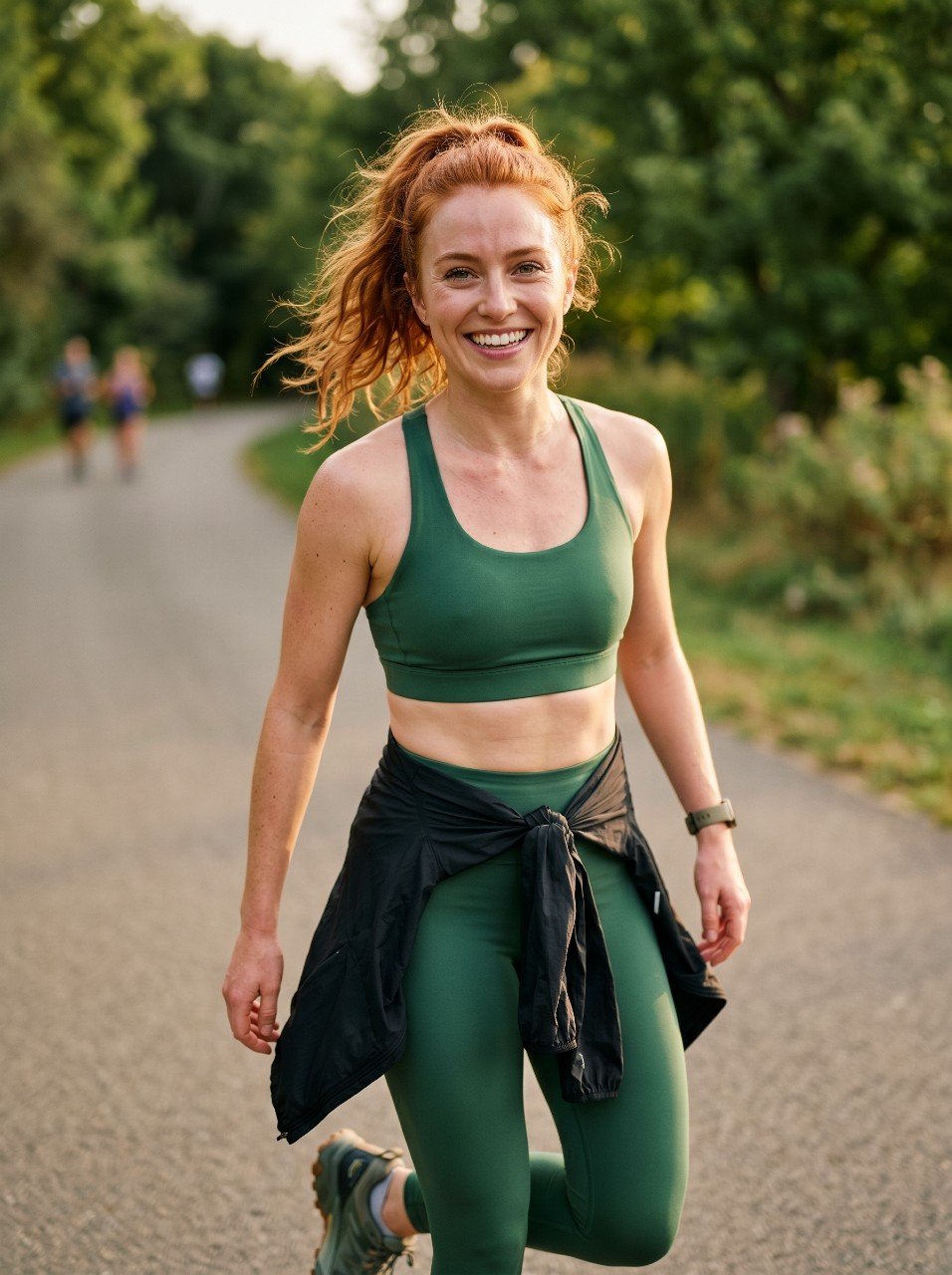
Why Does Fitness Motivation For Summer Fade So Quickly?
Summer kills workout consistency for three overlapping reasons: schedule disruption, heat fatigue, and the trap of appearance-based goals. Each one is predictable. All three are fixable. Understanding them before the season hits is the entire advantage.
The Schedule Disruption Problem
Fitness habits run on predictability. When the same cues fire at the same time each day — alarm, gym bag, commute, workout — your brain doesn't have to fight for motivation. It runs on something closer to autopilot.
Summer dismantles that autopilot. School ends, travel hits, social calendars fill up, and the structural scaffolding that kept your workouts happening simply vanishes. Behavioral psychology research consistently links habit execution to environmental cues, not internal resolve. Remove the cue, and the behavior goes with it. This isn't a character flaw. It's how habit formation works.
The Heat Fatigue Effect
Working out in summer heat is genuinely harder — not just uncomfortable, but physiologically demanding in ways that compound over weeks.
Your body redirects blood to the skin for cooling, heart rate climbs faster at lower workloads, and your rate of perceived exertion (RPE) spikes even when actual output is identical to a cooler day. Add heat-related cortisol elevation and disrupted sleep from late summer sunsets, and you have conditions that make every workout feel 20% harder than it is on paper.
That's not demotivation. That's physiology telling you to adapt your approach — which is very different from quitting.
The Appearance-Based Motivation Trap
This is worth a direct, possibly inconvenient, take.
Summer fitness culture is saturated with "beach body" messaging. That external pressure does get some women moving initially. But Self-Determination Theory (SDT), developed by psychologists Edward Deci and Richard Ryan, makes a critical distinction between intrinsic motivation — exercising because it genuinely satisfies you — and extrinsic motivation — exercising to avoid shame or earn external approval.
Goals rooted in social comparison fall squarely in the extrinsic category. They generate short bursts of effort, followed by resentment, guilt cycles, and quiet abandonment. The fix isn't to work harder. It's to change what you're working toward. More on that framework below.
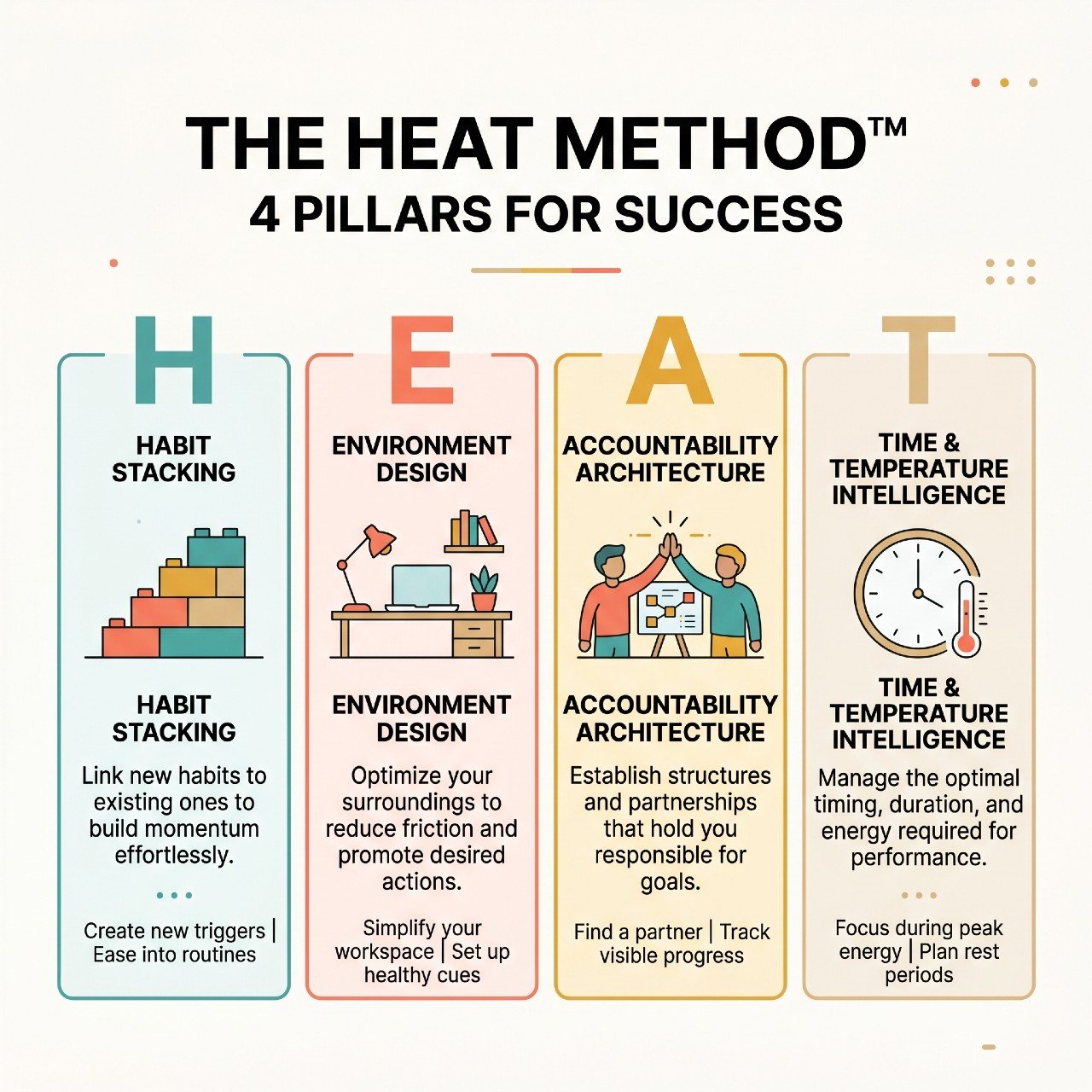
What Is The HEAT Method™ For Summer Fitness?
The HEAT Method™ is a four-part framework that makes fitness motivation for summer structural rather than emotional — replacing willpower with systems that hold up when schedules collapse, and temperatures climb.
Built from exercise psychology research and the lived experience of women navigating summer's competing demands, it works like this:
| HEAT Pillar | What It Means | Why It Matters in Summer |
|---|---|---|
| H — Habit Stacking | Anchor workouts to existing summer rituals | Eliminates the need to generate motivation from scratch each day |
| E — Environment Design | Set up your physical space and schedule for summer conditions | Removes friction before heat or chaos can create it |
| A — Accountability Architecture | Build social commitment before motivation runs out | External structure fills the gap when internal drive dips |
| T — Time & Temperature Intelligence | Adapt timing and intensity to summer conditions | Reduces physiological stress so workouts stay sustainable |
H — Habit Stacking Your Summer Workouts
Habit stacking works by attaching a new behavior to something you're already doing automatically. The workout stops requiring a decision and starts riding on existing momentum.
Summer examples that hold up in practice:
- Morning coffee → 10 minutes of outdoor movement (even a walk)
- After school drop-off ends → 30-minute home circuit before the day fills
- Before evening outdoor dining → a 20-minute neighborhood walk
- Post-beach trip → a bodyweight circuit on the sand or in the backyard
The goal isn't perfection. It's contact. Research on finishing workouts rather than just starting them shows consistently that showing up imperfectly beats waiting for the perfect conditions that rarely arrive in summer.
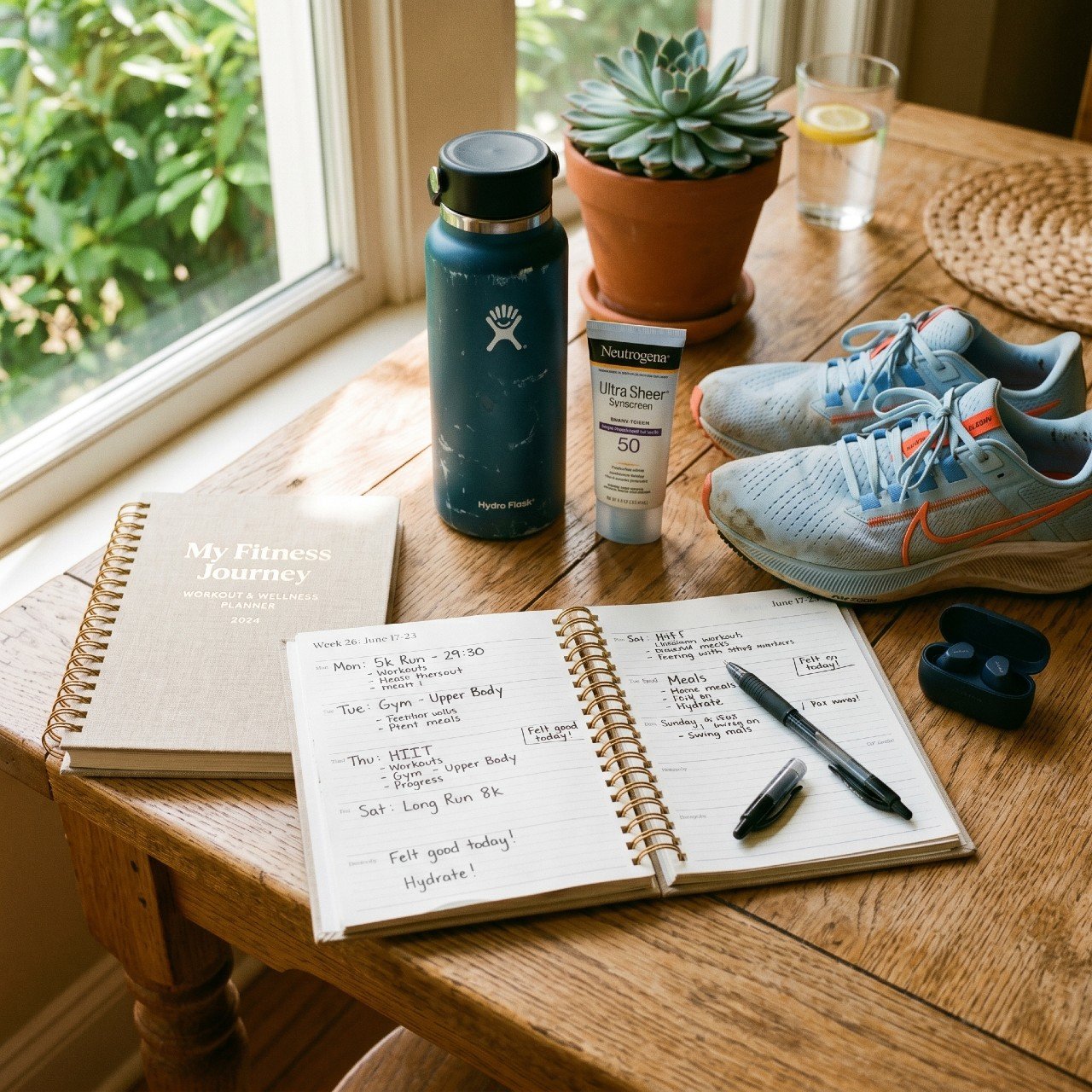
Why Habit Stacking Beats Willpower Every Time
Willpower is a finite resource that depletes throughout the day. By the time summer heat, social obligations, and work stress have taken their cut, there's rarely enough left to sustain a standalone workout decision. Habit stacking bypasses that depletion entirely by linking movement to something already running on automatic.
E — Environment Design For Summer Success
Your environment shapes your behavior more reliably than your mindset does. A gym bag at the door gets used. Clear floor space with a visible resistance band gets a workout started. Friction is the enemy — and summer adds extra friction at every turn.
Summer-specific environment design that works:
- Pack workout gear first when preparing for any travel.
- Identify three outdoor workout locations near home in advance — trails, parks, a pool — so you're never improvising.
- Set workout clothes out the night before, especially on hot mornings when motivation runs lowest.
- Schedule morning sessions in your calendar as non-negotiable appointments during heat waves.
If you've ever noticed that working out feels harder without a gym, the problem is almost always the environment, not you. Our guide to building fitness confidence outside the gym addresses this directly.
A — Accountability Architecture
Motivation is unreliable. Social commitment is not.
Research on exercise adherence documents this consistently: training with a partner, joining a group class, or simply telling someone your weekly workout plan improves follow-through compared to exercising alone with no external structure. The mechanism is SDT's third core need — relatedness. Humans find activities more meaningful when they're shared.
Summer accountability strategies with teeth:
- Text an accountability partner your weekly workout plan every Sunday evening.
- Sign up and pay for outdoor group fitness classes — the financial commitment and social expectation both create pull.
- Join a seasonal fitness challenge with a clear start and end date.
- Track progress semi-publicly — even a weekly Instagram story creates real follow-through pressure.
If remote work is compounding your isolation and making summer motivation harder, the strategies in our fitness motivation guide for work-from-home women apply directly here.

T — Time And Temperature Intelligence
The most underused summer fitness strategy available: change when you train, not whether you train.
The Smart Training Windows For Summer
Morning workouts before 9 am offer cooler temperatures, lower UV index, and the psychological benefit of having your session done before the day's competing demands arrive. Evening sessions after 7 pm offer similar thermal conditions. The danger zone — 10 am to 4 pm — is when heat stress and UV exposure peak, making workouts physiologically harder and psychologically more likely to be cut short or skipped entirely.
Summer heat training rules:
- Prioritize 6 am–9 am or 7 pm–9 pm from June through August
- Reduce session duration by 10–15% on high-heat days rather than cutting intensity
- Drink 500ml of water 2–3 hours before outdoor training — not just during
- Stop immediately if you experience dizziness, nausea, or cessation of sweating — these indicate heat exhaustion, a medical emergency
How Do You Build A Summer Workout Routine That Sticks?
A summer workout routine that sticks combines predictable timing, flexible structure, and activities you actually want to do. Rigid programs fail in summer because they can't adapt to heat, travel, and schedule chaos. The goal is minimum effective dose — enough to maintain and improve, with room for real life.
The Minimum Effective Dose Principle
You don't need to train five days a week in summer to maintain fitness. Three well-executed sessions per week, sustained through the entire summer, will produce better results than a perfect five-day program that collapses under the pressure of one chaotic week. Consistency over frequency, every time.

Summer Workout Schedule By Training Level
| Experience Level | Sessions/Week | Session Length | Recommended Format | Key Consideration |
|---|---|---|---|---|
| Beginner | 2–3 | 20–30 min | Bodyweight + walking | Build the habit first; intensity comes later |
| Intermediate | 3–4 | 30–45 min | HIIT + strength + outdoor cardio | Vary indoor/outdoor to manage heat exposure |
| Advanced | 4–5 | 45–60 min | Strength + cardio + mobility | Reduce duration 15% on days above 30°C/86°F |
| Time-limited | 3 | 20 min | Full-body HIIT circuits | Intensity beats duration when time is scarce |
| Traveling | 2–3 | 20–25 min | Bodyweight / hotel gym / walking tours | Focus on maintenance; don't expect progression |
What Happens When You Miss a Session
Missing one session isn't the problem. Treating it like a failure and using it to justify missing four more — that's the problem.
The rule: a single missed session is a blip. Two in a row is a pattern worth addressing. If two consecutive sessions get missed, the fix isn't guilt; it's identifying what structural change is needed. Did the timing stop working? Did the accountability drop? That's a systems problem, and it has a systems solution.
What Are The Best Workouts For Fitness Motivation In Summer?
The best summer workouts are ones that feel more like a reward than an obligation. When exercise connects to activities you genuinely enjoy, adherence stops being a daily negotiation. Summer actually makes this easier than any other season — if you're willing to leave the gym.
Outdoor Workouts That Work In Summer
- Swimming and water aerobics — low-impact, effective at all fitness levels, naturally cooling, and deeply underrated as a calorie burn.
- Early morning runs or walks — pair with a podcast or playlist you only allow yourself during workouts (a technique called "temptation bundling").
- Cycling — moderate intensity, adaptable to travel, enjoyable on its own merits.
- Beach or park yoga — recovery, mobility, and stress reduction in an environment that's actually pleasant.
- Outdoor group sports — beach volleyball, frisbee, and informal tennis all build the accountability and relatedness that SDT identifies as essential for sustained motivation.

Indoor Options For When Heat Gets Serious
- HIIT circuits — 20 minutes, no equipment needed, can be done in an air-conditioned room at 6 am (see our fat loss workouts for beginners guide).
- Resistance training — especially important in summer, when cardio-heavy schedules can accelerate age-related muscle loss.
- Yoga and Pilates — particularly valuable during heat waves when high-intensity training under cortisol load is counterproductive.
Why Resistance Training Matters Even More In Summer
This is where many women's summer fitness plans have a gap. When the weather is warm, and cardio is easy and available, strength work gets dropped. The problem: summer's higher cortisol environment (from heat stress, disrupted sleep, social overstimulation), combined with inadequate protein and reduced resistance training, creates conditions for muscle loss.
Our complete guide to strength training for women over 40 explains the muscle preservation case in full — and why "I'll just do cardio this summer" is a decision that tends to cost more than it saves.
How Does Summer Affect Exercise Psychology?
Summer reshapes exercise psychology in three ways: it amplifies social comparison, disrupts habit loops, and introduces heat-based demotivation. Knowing these patterns in advance is genuinely useful. You can't outsmart something you haven't named.
The Comparison Trap Gets Louder In Summer
Social media in summer is relentless. Vacation photos, gym selfies, and "beach body" posts create a comparison environment that research links consistently to decreased body satisfaction and reduced intrinsic exercise motivation. The more you measure your body against images designed to boost confidence, the less you feel like moving it.
The antidote is direct: redirect attention from appearance metrics to performance metrics. Track sessions completed, distances covered, weights lifted, and how you felt after. These internal measures build what SDT calls competence — the sense of genuine capability that sustains motivation far longer than external validation.
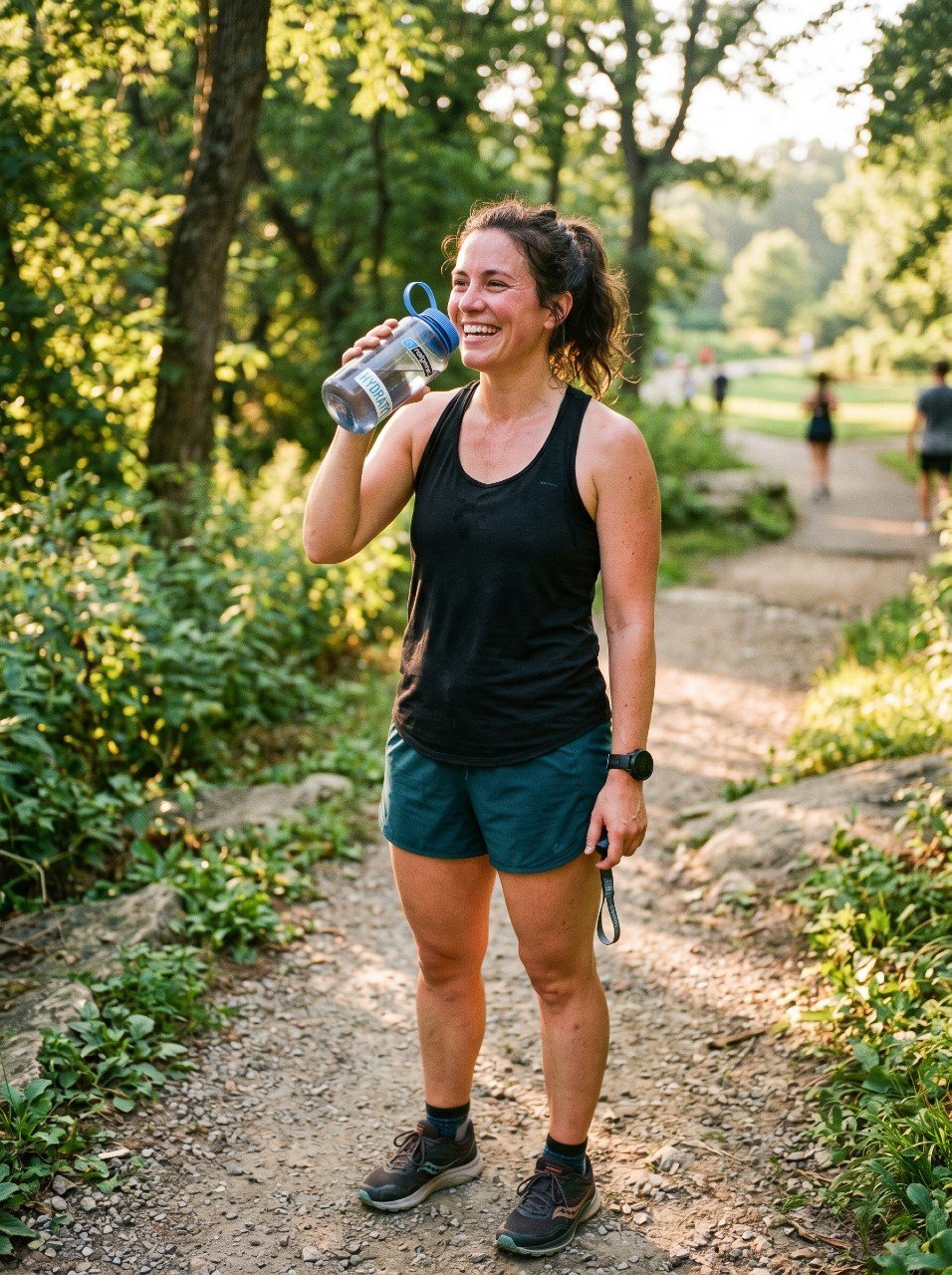
The Progress Timeline Problem
Many women quit summer fitness programs around week three, right before visible results begin. This isn't a coincidence — it's the gap between what exercise feels like and what it produces, misaligned with expectations.
Understanding the real timeline helps. Our research-backed guide on how long it takes to see results from working out maps the neurological and physical milestones at weeks 2, 6, and 12, so the weeks that feel invisible don't become the weeks you quit.
Cortisol, Heat, And Your Training Window
Heat is a stressor. It elevates cortisol. Add the lifestyle stressors common in summer — disrupted sleep from late sunsets, alcohol at social events, travel fatigue — and many women are running chronically elevated cortisol before they've touched a weight or laced a shoe.
High-intensity training on top of an already-elevated cortisol baseline can worsen rather than improve body composition outcomes. This is covered in full in our article on cortisol and belly fat in women, which explains why moderate exercise often outperforms intense exercise during high-stress periods.
The practical takeaway: when life is chaotic, lower the intensity rather than cancel the session. A 30-minute walk beats a skipped HIIT workout every time — for fitness and for the habit of showing up.
How Do You Stay Consistent When Summer Disrupts Everything?
The key to maintaining fitness through summer's schedule chaos is shifting from a "program" mindset to a "minimum viable workout" mindset. Any consistent movement beats an ambitious plan that collapses under the first disruption.
The Vacation Workout Reality
Vacations don't have to be fitness dead zones. They don't need to be training camps either. The minimal approach:
- Morning hotel walks: 20–30 minutes, explore-and-move, zero equipment, zero planning.
- Bodyweight circuits: 20 minutes before breakfast covers the minimum effective dose.
- Swimming: If there's water accessible, there's a workout available.
- Walking tours and hiking: A 10,000-step tourism day is genuine cardiovascular training.
The goal on vacation is maintenance — keeping the habit pathway alive so returning to training feels seamless rather than like starting over from scratch.
What To Pack For A Workout-Ready Summer Trip
Minimal equipment that travels easily:
- Resistance bands (loop and flat varieties)
- A jump rope
- Running shoes or cross-trainers
- An app-based workout plan with offline access
The Social Event Strategy
Summer social events are life, not obstacles. The realistic approach:
- Eat a protein-rich meal before events where you know heavy snacking is likely — it reduces incidental overconsumption without requiring willpower at the buffet table.
- Work out the morning of a social event; it improves appetite regulation and food decision-making later in the day.
- Don't assign guilt to single events; assign attention to patterns across a week.
For the nutrition strategy that works around real-life social situations, our high-protein diet plan for sustainable weight loss covers practical approaches that don't require eating separately from the people around you.
What Does Hydration Do For Summer Workout Motivation?
Hydration directly affects motivation because even mild dehydration — as little as 1–2% of body weight — impairs concentration, increases the rate of perceived exertion, and makes workouts feel harder than they are. That "I just don't feel like it" sensation on a hot afternoon is often partly physiological.
The Practical Summer Hydration Protocol
- Drink 500ml of water 2–3 hours before outdoor training.
- Add 150–250ml every 20 minutes during activity in the heat.
- After sessions longer than 45 minutes, replenish electrolytes — sodium and potassium, particularly.
- Track urine color as your simplest hydration check: pale yellow is the target; anything darker means you're already behind.
Join Our Mailing List
Join thousands of women inside our community and receive our free guide, 10 Actions That Support Permanent Weight Loss — the exact behavioural shifts that make the difference between a two-week attempt and a lasting transformation.
No restriction plans. No guilt. Just what actually works — for real women with real lives.

Sleep Is A Training Variable, Not A Lifestyle Choice
Sleep quality the night before directly affects workout motivation and performance the next day. Per our research-backed guide on how sleep affects weight loss in women, women sleeping under seven hours show hormonal disruption of appetite and energy regulation that makes exercise feel harder and recovery slower — not from lack of willpower, but from measurable biological shifts.
Summer's late sunsets and social calendar make this an active risk. A consistent sleep window — even at the cost of some social flexibility — is one of the most impactful investments you can make in your summer fitness consistency.
For a complete roadmap to your best results this season, explore our lean body formula designed for women.
Ready to take your summer fitness motivation to the next level? We've got a free guide that expands on the "Fitness Motivation For Summer: 7 Proven Strategies To Stay Consistent" article you just read, with extra tips and a handy checklist to keep you on track. Grab your free guide here.
The Bottom Line
Fitness motivation for summer isn't something you either have or don't. It's something you build a system around.
The HEAT Method™ gives you that system. Stop waiting for the right weather, the right body, or the right motivation to arrive. Design your environment, stack your habits, build your accountability, and train at the right time of day. Summer is a season with specific challenges — and those challenges have specific answers.
The version of you that moves consistently through it, even imperfectly, will arrive at September in a different position than the one who waited for inspiration. Start with one pillar of the HEAT Method™ this week. That's enough to begin.
Glossary Of Key Terms
- HEAT Method™: A four-part framework consisting of Habit Stacking, Environment Design, Accountability Architecture, and Time & Temperature Intelligence.
- Habit Stacking: The behavioral psychology practice of anchoring a new habit to an existing, automatic routine.
- Self-Determination Theory (SDT): A psychological framework that distinguishes between intrinsic motivation (internal satisfaction) and extrinsic motivation (external rewards or pressure).
- Rate of Perceived Exertion (RPE): A subjective measure of how hard an individual feels their body is working during physical activity.
- Minimum Effective Dose: The smallest amount of exercise required to maintain current fitness levels or achieve a specific result.
- Cortisol: A stress hormone that can become elevated due to heat, lack of sleep, or high-intensity exercise, potentially affecting body composition.
- Intrinsic Motivation: Drive that comes from within, such as exercising because the activity itself is enjoyable or satisfying.
- Extrinsic Motivation: Drive influenced by external factors, such as social media pressure or the desire for a specific physical appearance.
- Temptation Bundling: A technique where an enjoyable activity (like listening to a specific podcast) is only allowed during a less-enjoyable task (like exercise).
- Relatedness: A core psychological need in SDT referring to the sense of connection and belonging achieved through shared activities.
FAQ
How Do I Maintain Fitness Motivation For Summer When My Schedule Is Completely Unpredictable?
Shift from a fixed schedule to a minimum viable dose approach. Commit to two or three sessions per week rather than a rigid daily structure. When the schedule breaks — and it will — you have a clear floor to return to rather than a binary pass/fail against an ambitious plan.
What Is The Best Time Of Day To Exercise In Summer?
Early morning (before 9 am) or evening (after 7 pm) are the most effective windows during warm months. These times reduce heat stress, UV exposure, and the physiological fatigue that makes midday summer workouts feel disproportionately hard. Morning has the added benefit of completing your session before the day's competing demands arrive.
Why Do I Lose Motivation To Exercise In Summer Even Though I'm Consistent The Rest Of The Year?
The most common cause is habit disruption. Your regular environmental cues — commute, gym routine, structured schedule — vanish in summer, and your workout behavior depends on those cues more than on willpower. Use habit stacking to attach workouts to summer-specific rituals that are already predictable: morning coffee, post-beach return, pre-dinner walk.
Is It Safe To Exercise Outdoors In Summer Heat?
Yes, with adaptation. Shift to morning or evening timing, reduce session duration slightly on high-heat days, and hydrate before training rather than only during. Stop immediately if you experience dizziness, nausea, or a sudden absence of sweating — these are signs of heat exhaustion, which requires rest, hydration, and in serious cases, medical attention.
What Types Of Workouts Work Best For Women Who Lose Motivation In Summer?
Workouts that feel enjoyable or social — swimming, outdoor group classes, evening walks with a partner — tend to have the highest summer adherence. When enjoyment isn't the driver, brevity helps: a 20-minute HIIT circuit is much easier to commit to than a 60-minute structured session when it's already hot and the day is already full.
How Does Heat Physically Affect Workout Performance?
Heat causes blood to redirect toward the skin for cooling, which raises heart rate and rate of perceived exertion at identical output levels. A workout that felt like a 6/10 effort in March may feel like an 8/10 in July at the same pace. This is normal physiology, not declining fitness. Account for it by reducing duration rather than skipping sessions.
Does Fitness Motivation For Summer Improve With Social Support?
Significantly. Self-Determination Theory identifies relatedness — connection to others through shared activity — as one of the three core psychological needs that drive sustainable motivation. One consistent training partner or a weekly group class can produce measurable improvements in follow-through, particularly during the high-disruption months of summer.