

Toning vs Building Muscle For Women: What Science Actually Says
Peter Attia
Canadian-American physician
Exercise is by far the most potent longevity drug. The data are unambiguous: it not only delays actual death but also prevents both cognitive and physical decline better than any other intervention.
Summary (TL;DR)
If you've been doing high-rep light-weight workouts for months without results, the reason isn't effort — it's that "toning" exercises were invented to sell you something.
If you've spent time in any gym, you've heard it: "I don't want to bulk up. I just want to tone."
It's a reasonable goal. The problem is that your muscles don't receive a "tone signal." There is no physiological process your body performs called toning. What women describe — a firmer, more defined body without excess mass — requires the same tools as building muscle.
That gap between language and biology has led millions of women to train with light weights for endless reps, avoid the squat rack, and wonder why nothing changes. The frustration is real. The confusion is understandable. But the training approach most marketed as "toning" is the one least likely to produce the result it promises.
Dr. Stacy Sims, exercise physiologist and author of ROAR, has spent her career documenting this problem. Her position is direct: women need to lift heavy, and most women still don't because the fitness industry told them not to. Her work shows that strength training is "non-negotiable" for combating muscle and bone loss, particularly as estrogen levels decline with age.
Here's the contrarian take: the entire toning vs. building muscle debate is a false choice created by the fitness industry. It exists to sell light pink dumbbells, "toning classes," and specialized programs to women who would otherwise walk into the free weight section and get results faster. The physiology doesn't support two separate goals. It supports one process with two different calorie settings.
This article breaks down exactly what each approach requires, where the science lands, and how to stop training in circles.
Medical & Referral Disclaimer
This article is for educational purposes only and does not constitute medical or professional fitness advice. Individual results vary based on health status, training history, diet, hormonal factors, age, and individual biology. Consult a certified personal trainer or qualified healthcare provider before starting a new resistance training program, particularly if you have underlying health conditions, are pregnant, or are postmenopausal.
Key Takeaways
- "Toning" and "muscle building" are not opposites — they share the same training foundation: progressive resistance training with sufficient protein.
- The only practical differences are calorie intake (toning uses a deficit; building uses maintenance or surplus) and weight load (building uses heavier resistance).
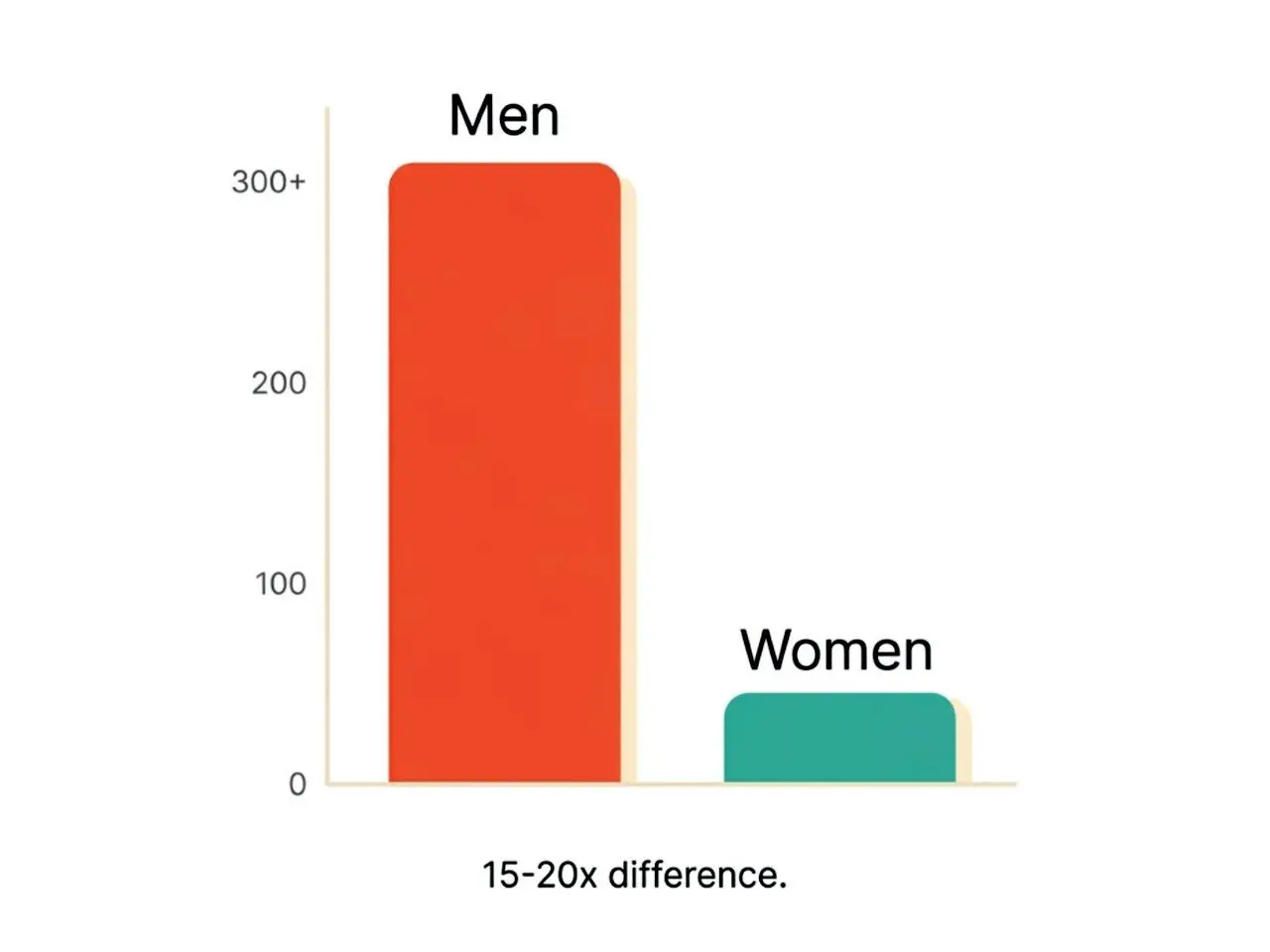
- Women cannot easily build large amounts of muscle due to testosterone levels that are 15–20x lower than men's.
- Body recomposition — losing fat while building or maintaining muscle — is the realistic, achievable goal for most women, especially beginners.
- Protein at 0.7–1g per pound of body weight is the single most important dietary variable for body composition change.
- Light weights for high reps produce the "toning look" only in marketing materials. Sufficient resistance is required to stimulate actual change.
- The fear of "getting bulky" keeps more women from seeing results than any other fitness misconception.
What Does "Toning" Actually Mean?
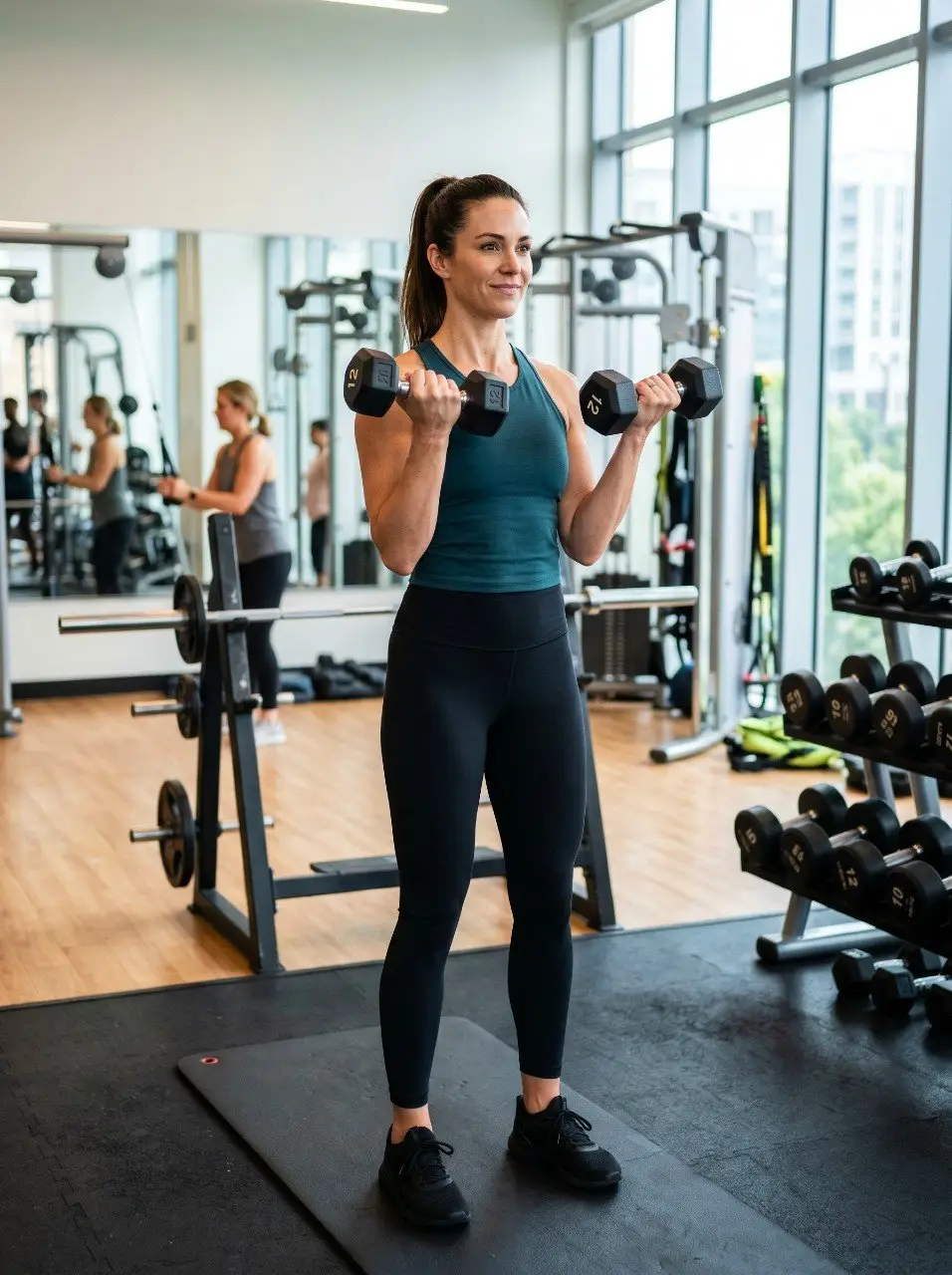
Toning means reducing body fat until existing muscle becomes visible, while maintaining enough muscle mass to create shape and definition under the skin. There is no dedicated scientific definition because the term doesn't appear in peer-reviewed literature as a physiological process.
Why "Toning" Isn't A Physiological Term
Your muscles grow, atrophy, or stay roughly the same size. There is no third state called "toning" where they become firmer without size change. What creates the visual appearance of being toned is the ratio of muscle to subcutaneous fat on a given part of your body.
A 2025 review in the Journal of Education, Health and Sport found that the strategies producing the toned look are identical to those studied for body recomposition: progressive resistance training combined with a protein-adequate diet.
The Real Term: Body Recomposition
Body recomposition is the scientific term for what most women mean when they say toning. It describes changing the ratio of fat to muscle in your body — not necessarily losing weight on the scale, but changing how that weight is distributed. Two women can weigh exactly the same and look completely different based on their muscle-to-fat ratio. This is why the scale is such a poor measure of whether "toning" is working.
For a closer look at why the scale tells an incomplete story, read: Weight Loss vs Fat Loss — What Women Actually Need to Know.
What Is Muscle Building For Women?
Muscle building — technically called hypertrophy — is the process of increasing the cross-sectional size of muscle fibers through progressive resistance training. When you lift weights, microscopic tears form in muscle tissue. Your body repairs them slightly thicker and stronger. Over months, muscles grow in size and density.
How Hypertrophy Works In The Female Body
The core mechanism of muscle growth is identical in men and women. Differences exist in scale, not process. A 2020 review in Frontiers in Physiology confirmed that testosterone, estrogen, growth hormone, and IGF-1 all contribute to muscle adaptation in both sexes, and that relative strength and hypertrophy gains are far more similar between men and women than traditionally assumed.
When researchers compare proportional gains from baseline (not raw numbers), women and men achieve nearly identical results from equivalent training programs. A systematic review in PLOS One found women tend to show greater strength gains in lower-body muscles than upper body — relevant for anyone focused on leg and glute definition.
The Hormone Reality — Why Women Don't "Accidentally" Bulk Up
Women are physiologically poor at building large amounts of muscle. Not because women are weaker — but because they have 15–20x less testosterone than men. Female bodybuilders who achieve significant mass train with years of specialized programming, aggressive caloric surpluses, and, in competitive cases, often performance-enhancing substances. That outcome doesn't happen because someone picked up heavier dumbbells twice a week.
A 2023 review in MDPI on hormonal influences on skeletal muscle adds something important: estrogen — the dominant hormone in women — promotes type I (slow-twitch, fatigue-resistant) muscle fibers and reduces post-exercise muscle protein breakdown.
This means women naturally lean toward endurance-type muscle adaptations rather than bulk. The hormonal environment works against rapid mass gain by default.
The cost of the "bulk" fear is measurable. A 2024 study in the Journal of the American College of Cardiology found that women who engage in strength training see a 19% reduced risk of all-cause mortality and a 30% reduced risk of cardiovascular death — greater benefits than men see from the same activity.
Only 20% of women currently meet the recommended guidelines for muscle-strengthening activity. The fear of getting big is, at least in part, responsible for that gap. For more on building lean muscle without bulk: Strength Training for Women Over 40 — Build Lean Muscle Without Bulking.

What Actually Separates Toning From Muscle Building?
Both goals require progressive resistance training. Both require adequate protein. Both respond to the same exercises — squats, deadlifts, rows, and presses. The meaningful differences come down to two variables: how many calories you eat while training, and how heavy you lift.
Table 1: Training Approach Comparison — Toning vs Building Muscle
| Training Variable | Toning (Body Recomposition) | Muscle Building |
|---|---|---|
| Primary goal | Reduce fat + reveal muscle definition | Increase muscle size and strength |
| Calorie intake | Moderate deficit (200–400 cal/day) | Maintenance or slight surplus |
| Protein intake | 0.7–1.0g per lb body weight | 0.8–1.2g per lb body weight |
| Rep range per set | 10–20 reps | 6–12 reps (hypertrophy focus) |
| Weight load | Moderate (60–70% of 1-rep max) | Heavy (70–85% of 1-rep max) |
| Weekly training sessions | 3–4x resistance training | 3–5x resistance training |
| Cardio volume | Higher (supports calorie deficit) | Lower (preserves recovery) |
| Expected visible change | 8–16 weeks | 6–12+ months for significant size gain |
The Two Variables That Actually Matter
Caloric environment and training intensity are the real levers separating the two goals. A slight calorie deficit plus progressive resistance training burns fat while preserving (or slightly building) muscle — the toning outcome. Maintenance calories or a small surplus plus progressive resistance prioritizes muscle growth. The exercises are the same either way.
What doesn't separate the goals: high-rep, light-weight workouts. Those provide insufficient resistance for muscle adaptation and insufficient intensity for meaningful fat burning. They're not "toning exercises" — they're just insufficient stimulus for either goal.
Related: Why One-Size-Fits-All Workout Programs Miss the Mark for Women.
Can Women Lose Fat and Build Muscle At The Same Time?
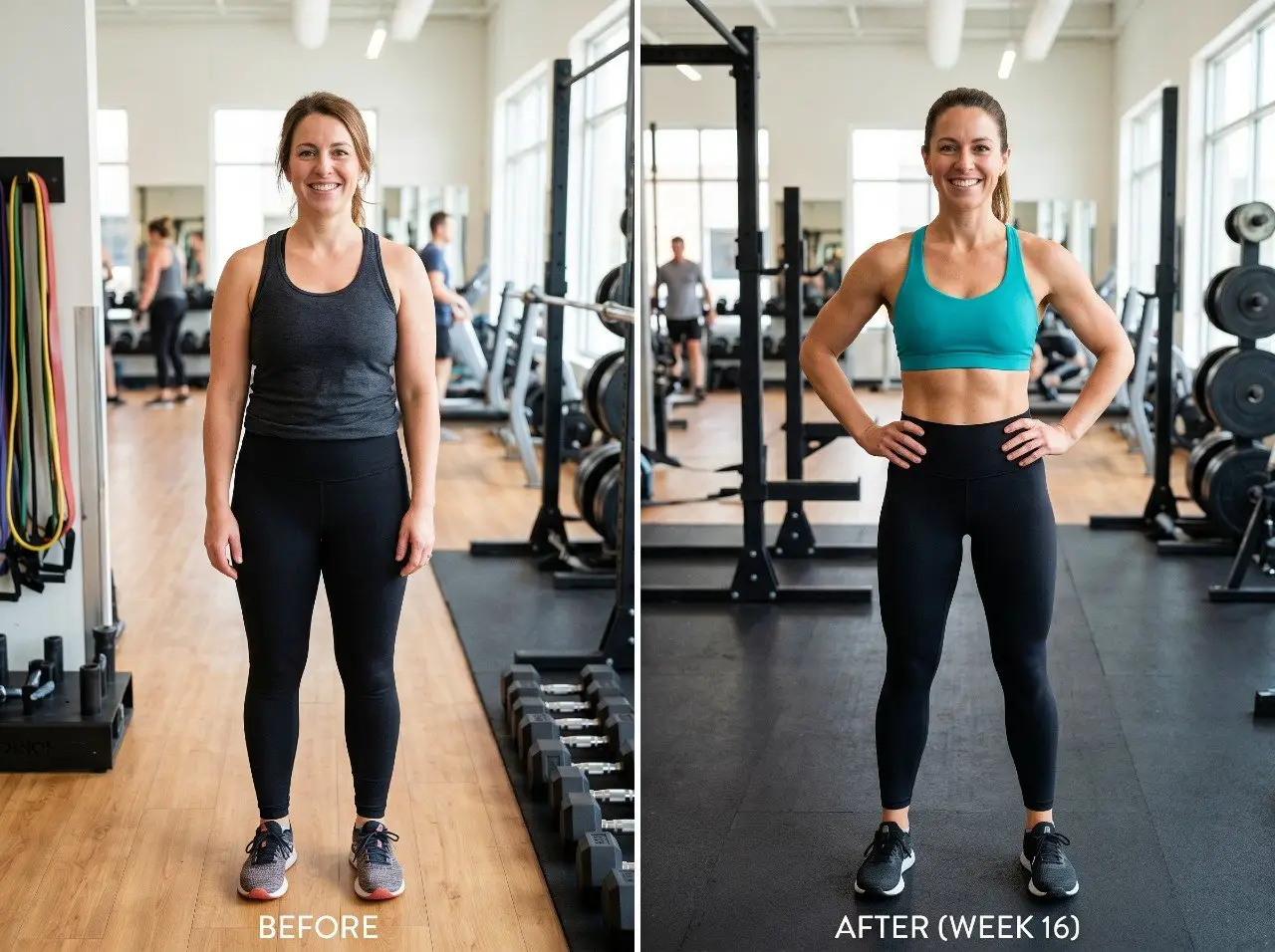
Yes — and for most women new to training or returning after time off, this happens naturally. Body recomposition doesn't require advanced programming. It requires consistent resistance training, adequate protein, and patience.
Body Recomposition: The Science Behind Doing Both
A 2025 review analyzing five years of research on simultaneous fat loss and muscle gain found:
- Higher-load resistance training consistently outperformed lower-load training for body recomposition outcomes.
- Protein intake at or above 0.8–1g per pound of body weight was the most important dietary variable.
- In a 24-week study on postmenopausal women, higher-resistance groups achieved significantly greater body recomposition — all groups lost visceral fat, but heavier training produced the most definition change.
The PMC research on hormones and hypertrophy supports the same conclusion: training stimulus and protein intake matter more than hormone levels in determining body composition outcomes.
Who Gets The Best Results From Body Recomposition
Three groups see the fastest results:
- Beginners in their first 6–12 months of consistent training
- Women returning after a break (muscle memory accelerates rebuilding)
- Women carrying excess body fat (larger stored energy reserve to draw on)
Experienced, already-lean athletes may eventually need to choose between a dedicated muscle-building phase and a fat-loss phase. But that applies to very few recreational gym-goers. Most women training for a lean, defined look will see body recomposition results long before reaching that decision point.
For more on the weight loss vs. toning decision: Weight Loss vs Body Toning — Which Should You Prioritize First?
The Emotional Reality — Fear, Confusion, And The Bulky Myth
The fear of "getting bulky" is one of the most consequential myths in women's fitness. It's not a minor confusion — it has real, measurable effects on how women train and what results they get.
Only 20% of women meet the CDC's guidelines for muscle-strengthening activity. The most commonly cited reason? Fear of becoming too muscular. That fear is keeping millions of women from training in the way that produces the results they want.
Where The Bulky Myth Came From
Two sources created and reinforced it. First: images of competitive female bodybuilders, who represent a fraction of women who train and whose physiques require years of extreme effort, disciplined eating, and often pharmaceutical assistance. Second: the fitness industry's financial incentive.
Keeping women afraid of heavy weights sells light resistance classes, specialized "toning" equipment, and gym memberships that never threaten to change a woman's size in a visible way.
A 2025 review of the history of resistance training in women documents how women's strength training went from being actively discouraged in the early 20th century — doctors genuinely warned women against lifting — to where we are now, still constrained by myths that decades of research have dismantled.
What Gym Intimidation Actually Costs Women
Feeling out of place in the weight room isn't a personality flaw. It's the predictable result of being told for years that that space isn't for you. And it has consequences: women who feel intimidated train differently — lighter weights, less progressive overload, fewer challenging sessions — which directly limits results.
The confusion about appropriate training isn't a failure of effort. It's the result of receiving contradictory and often incorrect information about how female physiology actually works.
For practical strategies on navigating this: How to Get Started at the Gym Without Feeling Intimidated as a Woman and How to Build Fitness Confidence When You Hate the Gym.
The L.E.A.N. Framework — How To Train for Your Actual Goal
Most training advice for "toning" is either too vague to act on or designed for a different goal. Here is an original framework for the four variables that govern whether you're moving toward the lean, defined look or spinning in place.
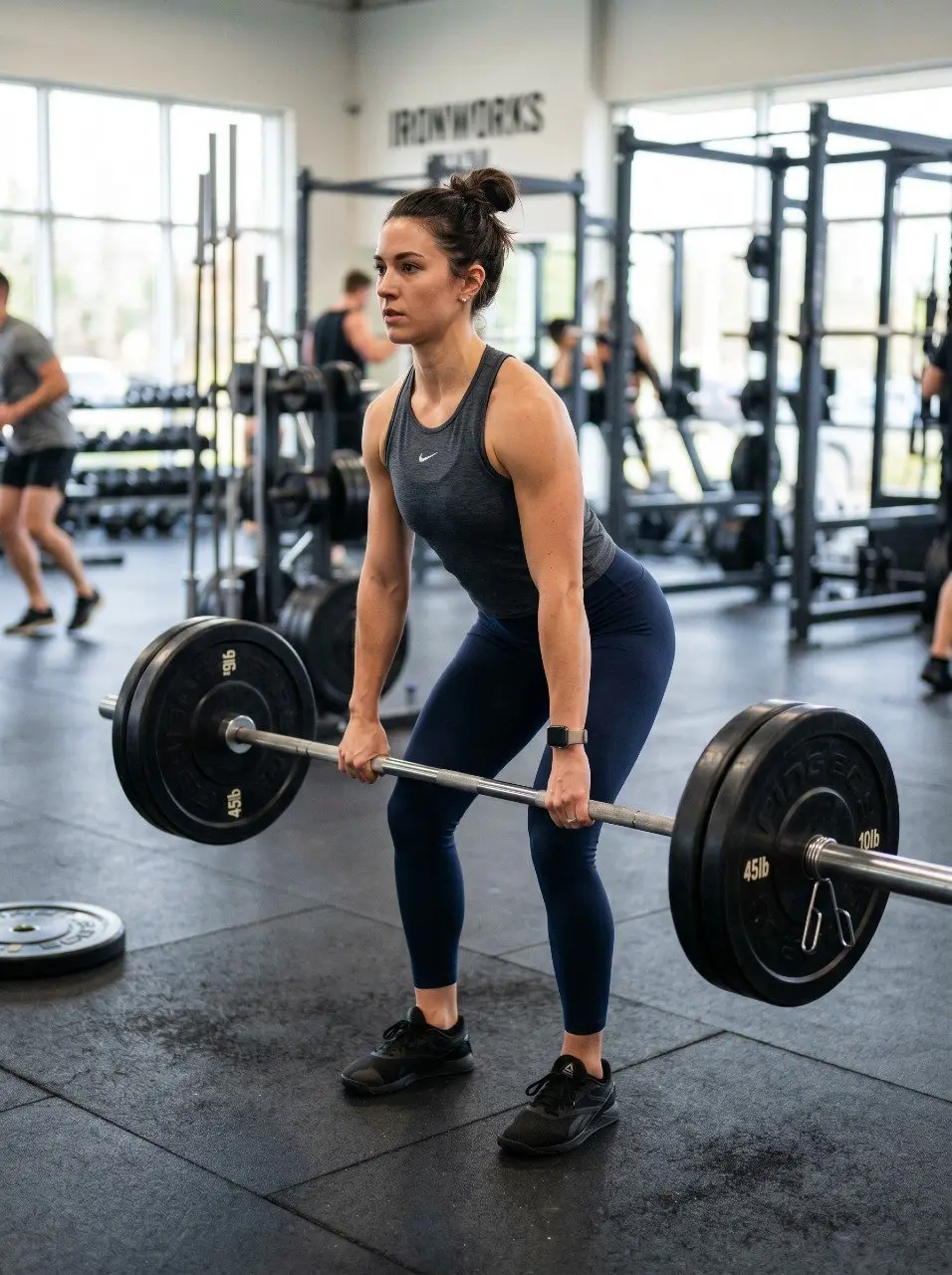
L — Lift heavy enough to stimulate change. If you can complete 20 reps without genuine effort, the weight is not challenging your muscles to adapt. Progressive overload — gradually increasing resistance — is required for any meaningful body composition change. "Toning weights" don't produce toning.
E — Eat for your specific goal. A calorie deficit promotes fat loss. Maintenance or a small surplus promotes muscle gain. These are different settings on the same dial. Neither requires extreme restriction or aggressive eating.
A — Allow recovery. Muscle is built during rest, not during training. Most women need 48 hours between training the same muscle group. Overtraining produces fatigue, not faster results.
N — Never skip protein. Protein is the raw material for muscle repair and growth. Without sufficient protein, neither toning nor muscle building works — regardless of how consistent the training is.
How To Structure Training For A Lean, Defined Look
A practical starting point for body recomposition:
- 3–4 resistance training sessions per week, targeting all major muscle groups.
- Progressive overload every 2–3 weeks (more weight, more reps, or shorter rest periods).
- 2–3 moderate cardio sessions per week for cardiovascular health and calorie management.
- Protein at 0.8–1g per pound of body weight daily, distributed across meals.
For a complete nutritional framework to support this: High-Protein Diet Plan for Sustainable Weight Loss for Women.
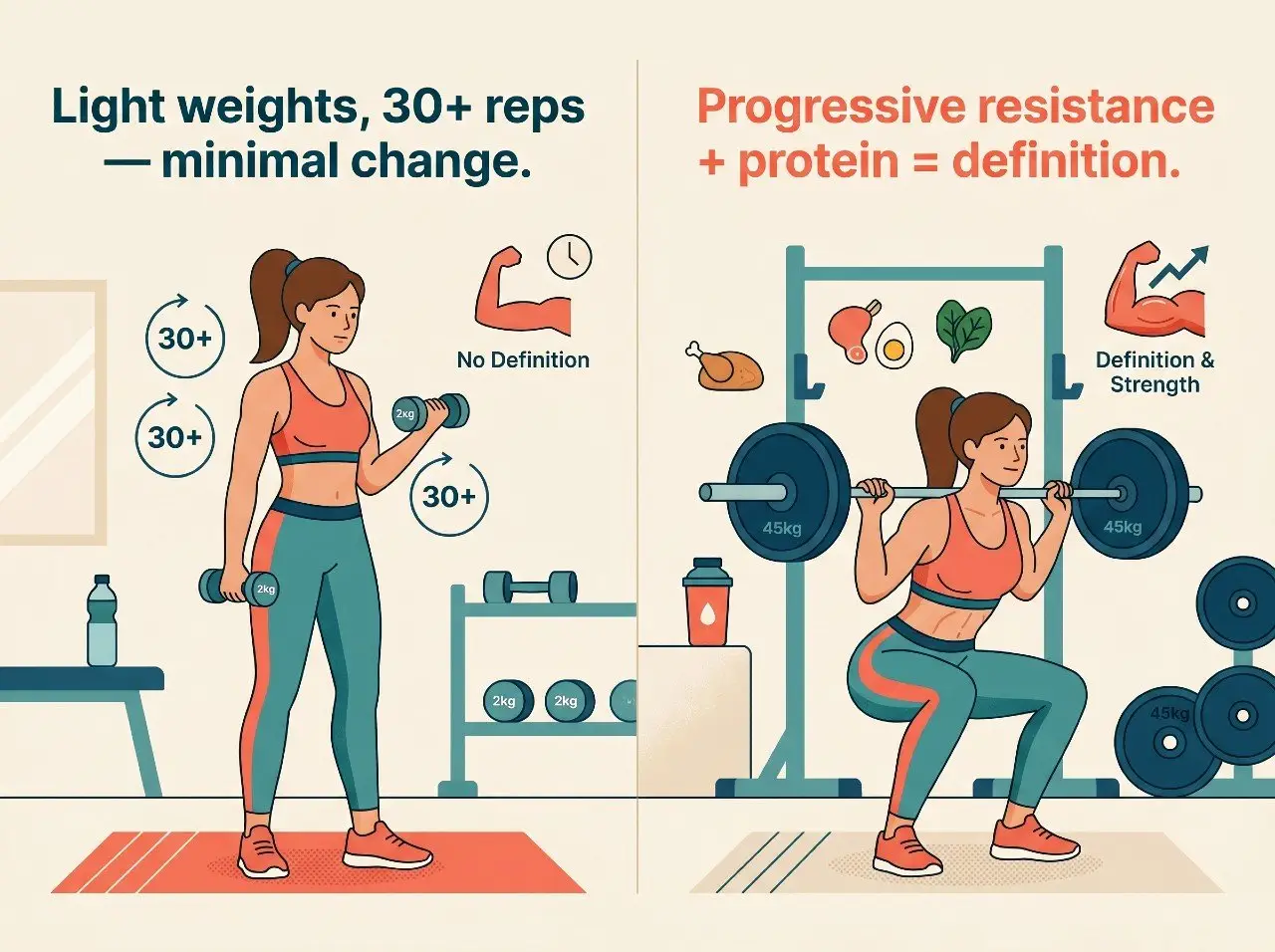
Table 2: Goal-Based Body Composition Strategy
| Strategy | Calorie Approach | Protein Target | Training Focus | Best For | Realistic Timeline |
|---|---|---|---|---|---|
| Body recomposition (toning) | Maintenance or 200–300 cal deficit | 0.8–1g/lb | Full-body resistance + moderate cardio | Beginners, returning women | 3–6 months for visible change |
| Dedicated fat loss | 400–600 cal deficit | 0.8–1g/lb (to protect muscle) | Resistance training + higher cardio | Women with significant fat to lose | 8–20 weeks |
| Dedicated muscle building | 150–300 cal surplus | 1–1.2g/lb | Heavy progressive resistance, less cardio | Experienced, already-lean women | 6–18 months for significant size gain |
The Role Of Cardio In Both Goals
Cardio doesn't destroy muscle — but excessive cardio without sufficient protein can cause muscle loss. For toning, 2–3 moderate sessions per week support the calorie deficit without compromising muscle recovery. For muscle building, 1–2 weekly sessions maintain cardiovascular health without interfering with muscle repair.
The idea that cardio "burns muscle" applies mainly to extreme endurance athletes, or to women doing high volumes of cardio in a significant calorie deficit without adequate protein. For most recreational gym-goers, a balanced program has no muscle-wasting effect.
What Women Should Eat For Toning vs Building Muscle
The training side of this equation gets most of the attention. Nutrition is where most women fall short — and where the fastest improvements usually come from.
Protein — The Non-Negotiable Variable
Both toning and muscle building fail without adequate protein. Research consistently supports 0.7–1g per pound of body weight as the effective range for women, with the higher end recommended during caloric restriction to protect existing muscle. Protein is also the most satiating macronutrient — it makes maintaining a calorie deficit easier by reducing hunger throughout the day.
Protein timing matters too. Distributing intake across 3–4 meals rather than back-loading it at dinner supports muscle protein synthesis more effectively than the same daily total consumed in two sittings.
Join Our Mailing List
Join thousands of women inside our community and receive our free guide, 10 Actions That Support Permanent Weight Loss — the exact behavioural shifts that make the difference between a two-week attempt and a lasting transformation.
No restriction plans. No guilt. Just what actually works — for real women with real lives.
Calorie Strategies For Each Goal
The calorie target is the primary variable separating toning from muscle building:
- For toning: A 200–400 calorie daily deficit with high protein (0.8–1g/lb) preserves or slightly builds muscle while reducing body fat.
- For muscle building: Eating at maintenance or a 150–300 calorie surplus provides the energy required for muscle repair and growth without significant fat gain.
Neither approach requires dramatic restriction. Women who see the best long-term results make sustainable adjustments — not cycling through crash diets that cause muscle loss and reset progress repeatedly.
Hormone factors affect calorie strategy more than most programs account for. For women dealing with cortisol-driven weight gain or perimenopause-related resistance: Cortisol and Belly Fat — Why Stress Makes Women Gain Weight and Why Is It So Hard to Lose Weight in Perimenopause.
How Long Does It Take To See Results?
Timeline depends on training consistency, starting body composition, nutrition, sleep, and stress. That said, research and real-world data offer useful benchmarks.
Weeks 1–4: Neurological adaptations. You'll feel stronger before looking different. The nervous system is learning to recruit existing muscle fibers more efficiently. The scale may not move. That's normal.
Weeks 8–12: Visible body composition changes with consistent training and sufficient protein. Women with more body fat to lose typically see faster visible results.
3–6 months: Meaningful muscle definition becomes apparent with consistent work. This is when most women first see the results they set out to achieve.
6–12+ months: Significant muscle size increases for women in a deliberate muscle-building phase. This timeline assumes progressive overload is applied consistently.
The scale is an unreliable marker during body recomposition. Muscle is denser than fat — you can lose inches, gain definition, and look dramatically different while the number barely moves. Progress photos and measurements track what actually matters.
See also: How Long Does It Take to See Results from Working Out as a Beginner Woman
Related Articles
The Bottom Line
The difference between toning and building muscle for women is smaller than the fitness industry wants you to believe. Both goals require you to lift weights that challenge you, increase the challenge over time, and eat enough protein to support recovery. Toning adds a calorie deficit. Muscle building removes it.
The elaborate vocabulary separating these two goals exists to sell you different products for what is, at its foundation, one process. Progressive resistance + adequate protein + time = a leaner, stronger, more defined body.
Pick up something heavy. Eat enough protein. Stay consistent for months. The results of the industry called "toning" will follow.
Glossary Of Key Terms
FAQ
The defined, firm appearance associated with being toned requires visible muscle beneath a reduced layer of body fat. Reducing fat alone without adequate muscle reveals only bone structure and loose skin in most cases. Some degree of muscle maintenance or building through resistance training is necessary for any meaningful toning outcome. This is why crash diets alone never produce the look people describe as toned.
Not entirely. Fat loss alone can reduce weight and body size, but won't create muscle definition unless adequate muscle is already present. The toned appearance requires both enough muscle to create shape and low enough body fat to reveal it. This combination is why resistance training plus a calorie deficit consistently outperforms cardio-only or diet-only approaches for the toned look.
The effective rep range for body recomposition is typically 10–20 reps per set, with weights that make the last 2–3 reps genuinely challenging. Workouts using very light weights for 30+ reps provide insufficient stimulus for muscle adaptation. They don't meet the toning goal and don't meet the muscle-building goal either. If the weight feels easy throughout, it's not doing much.
No. Women lack the testosterone levels required to build the kind of muscle mass associated with a bulky appearance from standard resistance training. Lifting heavier weights with normal calorie intake produces a leaner, more defined physique over time — not a larger one. The "heavy weights = bulky women" connection exists in marketing, not in physiology.
Yes — this is called body recomposition, and it's achievable for most women, particularly those new to training or returning after time off. It requires consistent resistance training, adequate protein (0.8–1g per lb of body weight), and either maintenance calories or a modest deficit. Results come slower than focused single-goal phases, but for most women pursuing the toned look, body recomposition is the most practical approach.
A moderate calorie deficit (200–400 cal/day below maintenance) combined with high protein intake (0.8–1g per lb of body weight) and enough carbohydrates to fuel training sessions. Extreme caloric restriction accelerates scale-weight loss in the short term but causes significant muscle loss, which directly undermines the toning goal. Sustainable adjustments outperform aggressive restrictions every time.
Track body measurements and progress photos rather than scale weight alone. If you're losing inches and maintaining or increasing strength in the gym, you're likely building or maintaining muscle while losing fat — the body recomposition outcome. The scale can stay flat or even increase slightly while your body composition improves significantly. Strength progression in training is the clearest signal that muscle is being built, not just weight being lost.
You Know Why. Now Learn Exactly How
Join thousands of women inside our community and receive our free guide: 10 Actions That Support Permanent Weight Loss — the practical, sustainable habits that translate everything you just read into real, lasting results.
No fad diets. No extreme plans. Just what the research actually supports — written for real women.