Your No-Equipment Guide: Simple At-Home Exercises For Weight Loss And Fitness

The only place where success comes before work is in the dictionary.
VIDAL SASSOON
Achieving sustainable weight loss doesn't require a gym membership; by implementing simple at-home exercises, women can effectively boost their metabolism and promote fat loss from the comfort of their living rooms.
This guide explores evidence-based bodyweight movements and resistance training techniques designed to build lean muscle and improve cardiovascular health.
Focusing on consistency and proper form, these home workouts provide a practical, accessible solution for busy individuals seeking a lean body formula through proven, science-backed physical activity.
Embarking on a fitness journey often feels like standing at the base of a daunting mountain. For many women, this path is paved with the intimidation of high-intensity gym culture and the overwhelming noise of conflicting advice.
Imagine losing weight without the "gym anxiety," the commute, or the $100 monthly membership fee. For many women, the biggest barrier to fitness isn't a lack of willpower—it's a lack of time and privacy.
This guide is here to act as your companion, demystifying the biological processes of "burning fat" and stripping away the jargon to reveal the simple science of physical activity. My goal is to show you how to work with your body’s natural rhythms rather than against them. If this is the case, you should consider at-home exercises.
Scientific research consistently shows that high-intensity home workouts can be just as effective as traditional gym sessions for cardiovascular health and fat loss. In this guide, we’re stripping away the complexity. Whether you have 10 minutes before the kids wake up or a gap between Zoom calls, these foundational moves will help you build a leaner, stronger body using nothing but your own body weight.
Key Takeaways
- Prioritise Nutrition (The 80/20 Rule): Lasting weight loss is roughly 80% nutrition and 20% exercise; it is nearly impossible to "out-train" a diet that does not align with your goals.
- Consistency Over Intensity: Sustainable progress is built on small, repeatable habits rather than extreme, short-term intensity. It is far better to exercise for 20 minutes regularly than to attempt one grueling session and quit from exhaustion.
- Manage Cortisol with Gentle Movement: Low-intensity workouts help reduce cortisol (the "stress hormone"), which is scientifically linked to increased abdominal fat retention when chronically elevated.
- Boost Metabolism via Muscle Retention: Building lean muscle through simple bodyweight exercises like squats and push-ups increases your resting metabolic rate, meaning you burn more energy even while at rest.
- Set Realistic Progress Milestones: Sustainable fat loss is a marathon, not a sprint. Aim for a safe, steady loss of 0.5 to 1 kg (approx. 1–2 lbs) per week to ensure long-term success.
- Avoid the "Starvation Trap": Skipping meals or following fad diets can trigger a metabolic slowdown or "conservation mode," which stalls weight loss and leads to extreme tiredness and nausea.
The Biology Of Burning: Key Terms Explained
To take control of your wellness, you first need to understand the language your body speaks. Weight loss isn't a mystery or a matter of luck; it is a measurable biological response to how we manage energy intake and expenditure.
Pillar Of Weight Loss | Biological Definition | Practical Application |
Caloric Deficit | A state where the body expends more energy than it consumes through food and drink. | Sustainable weight loss occurs when you create a gentle deficit, prompting the body to use stored energy (fat) for fuel. |
Thermoregulation | The body’s internal cooling mechanism is used to maintain a safe core temperature. | Fact: Sweating is a sign of cooling, not fat burning. You can burn fat without dripping sweat, and you can sweat profusely without burning significant fat. |
Metabolism | The total rate at which your body burns energy to keep you alive and moving. | Muscle mass is "metabolically active" tissue. By maintaining or building muscle, you increase the amount of energy your body burns even while you are resting. |
Fact Check: The Myth of Spot Reduction. It is a common misconception that you can target fat loss in specific areas, such as the abdomen, through localized exercises like sit-ups. Biological fat loss occurs as a total body reduction.
Your body decides where it pulls fat from based on your unique genetics and overall energy balance, not which muscle you are currently flexing. As we master these foundations, we can begin to see how our movement choices influence our internal chemistry—specifically our hormones.
Hormones And Habits: The Role Of Cortisol And Consistency
Weight management is deeply connected to your hormonal health, particularly the hormone cortisol. Often called the "stress hormone," cortisol is vital for energy, but when levels stay chronically elevated due to high-stress lifestyles or overly grueling workouts, it is scientifically linked to increased abdominal fat retention.
This is why I often advocate for low-intensity, "easy" workouts. Studies show that gentle movement actually helps reduce circulating cortisol levels. This approach is particularly beneficial for those managing conditions like type 2 diabetes, metabolic syndrome, or cardiovascular disease, as it allows for health improvements without overtaxing the body’s stress response systems.
5 Hidden Benefits Of Easy Exercise
- Mood & Brain Health: Physical activity releases "feel-good" chemicals that act as a natural buffer against anxiety.
- Restorative Sleep: Regular, moderate movement helps regulate your circadian rhythm for deeper, more healing rest.
- Sustainable Habit Formation: Success breeds success. Easy workouts build the self-confidence needed to make a permanent part of your life.
- Cardiovascular Support: Low-intensity activity strengthens the heart and improves circulation without the risks of high-impact strain.
- Stress Management: Choosing a walk over a high-stress sprint can lower your overall "stress load," making fat loss easier for your body to prioritize.
While movement manages your internal environment, the fuel you provide acts as the blueprint for your progress.
The 80/20 Rule: Balancing Diet And Exercise
The "raw and honest truth" of wellness is that nutrition is responsible for roughly 80% of weight loss success. While exercise is the tool that builds your strength and heart health, it is nearly impossible to "out-train" a diet that isn't aligned with your goals.
Plate Priorities: Your Nutritional Strategy
- Prioritize Proteins: Lean sources like chicken, fish, or plant-based proteins help repair muscle and keep you feeling full longer.
- The Balanced Plate Strategy: Aim to fill half your plate with colorful vegetables and fruits to ensure you're getting volume and nutrients without excessive calories.
- The "Hidden" Trap: Be mindful of fats and carbohydrates in processed foods; these are the "sneaky" calories we often overeat without realizing it.
- Watch Liquid Calories: Sugary drinks and fancy coffees add significant energy without providing any sense of fullness.
A Note on Metabolic Health: Never succumb to the "starvation" trap. Skipping meals or following fad diets that promise instant results can trigger a metabolic slowdown where your body enters "conservation mode."
This not only stalls weight loss but can cause indigestion, extreme tiredness, and nausea. Fueling yourself adequately is the only way to keep your metabolism firing. With your nutrition in focus, let’s look at how to structure a movement routine that respects your time and your body.
Join Our Mailing List
See how easily you can get fitter. Sign up to get your free PDF report on 10 Actions That Support Weight Loss sent to your inbox!

Building Your Fat-Burning Routine: Beginner Workouts At Home
You do not need an expensive gym membership or heavy weights to see a transformation. These Beginner Workouts at Home are designed to be "grokable"—simple, effective, and easy to follow.
Category 1: Cardio At Home (Aerobic)
These movements improve your heart health and increase daily calorie expenditure.
- Walking & Jogging: Start with 15 minutes of brisk walking and gradually transition to a light jog as your endurance grows.
- Step Jacks: A lower-impact version of jumping jacks. Simply step your foot to the side rather than jumping to protect your joints.
- Skaters/Leaps: Mimic a skating motion by leaping side-to-side, landing softly on one foot. This builds coordination and raises the heart rate.
- Primary Benefit: Accessible, low-impact movement that burns calories while being gentle on your joints.
20 Min Fat Burning Workout For Total Beginners
A 20-minute, full-body, fat-burning workout that you can do at home without any equipment! This workout is designed for total beginners! Whether you're just getting into fitness or getting back into it, this one's for you!
Category 2: Core Strengthening & Stability
A strong core is the "powerhouse" that supports your posture and protects your back.
- The Standard & Reverse Plank: These focus on holding a straight line to engage the entire midsection.
- Plank Crawls: From a plank position, alternate moving your arms and legs as if you are crawling. It is a fantastic challenge for functional strength.
- Primary Benefit: Improved balance and a stable foundation for all other daily activities.
Category 3: Strength Training (Bodyweight Exercises)
Building lean muscle is your greatest ally for a healthy metabolism.
- Squats: Often called the "King" of home exercises, squats build functional strength in your legs and glutes.
- Incline Push-ups: If a standard push-up feels out of reach today, don't worry—using a countertop or a sturdy sofa allows you to build the same strength with grace and proper form.
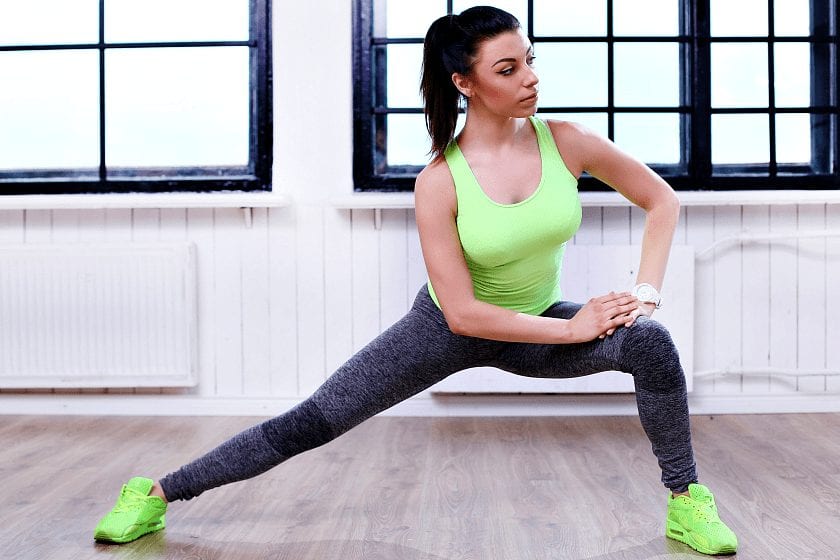
- Walking Lunges: These target the quadriceps and glutes while engaging your core for stability.
- Primary Benefit: Muscle retention. By keeping your muscles strong, you support a higher resting metabolic rate.
Pro-Tip: Active Rest. Between your sets of strength exercises, don't just sit down. Use "Active Rest" by marching in place for 15 seconds. As shown by fitness experts like MadFit, this keeps your heart rate elevated throughout the session, maximizing your "burn" in a shorter window of time.

As you begin these movements, it’s important to align your heart and mind with a realistic timeline.
Timelines And Progress: Realistic Weight Loss Workouts
In a world of "2-week body transformations," I want to encourage you to reject the clickbait. True, physiological change takes time. While you might see a quick drop in the first week, this is usually water weight as your body adjusts. Sustainable fat loss is a marathon, not a sprint.
Progress Milestones
Timeline | What to Expect |
Week 1 | Establishment of new habits; initial water weight loss; a noticeable lift in mood. |
Weekly Goal | A safe, sustainable loss of 0.5 to 1 kg (approx. 1-2 lbs) per week. |
Months 1-3 | Visible muscle tone; clothes fitting more comfortably; improved sleep quality. |
Long-Term | Permanent metabolic shifts; improved cardiovascular health; lasting muscle retention. |
Medical Safety Note: Always consult a medical professional before beginning a new routine, especially if you have pre-existing conditions like high blood pressure, asthma, or diabetes.
Join Our Mailing List
See how easily you can get fitter.
Sign up to get your free PDF report on 10 Actions That Support Weight Loss sent to your inbox!

Beyond The Workout: How To See Results Faster
Exercise is only 20% of the equation. To truly see the scale move, you need to pair these movements with a structured approach to nutrition. Ready to take the guesswork out of your transformation?
- Step 1: Download our Free PDF Report to complement your new workout routine.
- Step 2: Read our deep dive on The Best Protein Sources for Women's Weight Loss to fuel your recovery.
- Step 3: Consistency is key. Bookmark this page and aim for at least 3 sessions per week!
Your Action Plan For Success
To transform your body, you must first transform your approach. Use this 3-step Beginner’s Blueprint to guide your first month:
- Consistency Over Intensity: It is far better to move for 20 minutes four times a week than to do one "perfect" two-hour session and then quit from exhaustion.
- Progressive Overload: As you get stronger, challenge yourself. You can do this by adding one more rep, holding a plank for five more seconds, or slowing down the movement (increasing "time under tension") to make your muscles work harder.
- Mindful Movement: Look for "hidden" exercise. Gardening, taking the stairs, or walking the dog all contribute to your daily energy expenditure and your joy.
Remember, my dear student, that you are not just "losing weight"—you are gaining health, strength, and a deeper connection to yourself. Be patient with the process, and be kind to your body as it learns these new rhythms. You have the science, the tools, and the plan. Now, simply take the first step.
Your At-Home Success Blueprint (Reps & Sets)
To see results, consistency beats intensity. Follow this tiered approach based on your current fitness level:
Level | Circuit Rounds | Work/Rest Ratio | Goal |
|---|---|---|---|
Beginner | 2 Rounds | 30s Work / 30s Rest | Form Mastery |
Intermediate | 3 Rounds | 45s Work / 15s Rest | Endurance |
Advanced | 4-5 Rounds | 50s Work / 10s Rest | Maximum Fat Loss |
Pro-Level Progressions
Once these exercises feel easy, don't just add more reps—increase the tension. 1. Pulse It: Add a "half-rep" pulse at the bottom of your squats to increase time-under-tension. 2. Reduce Rest: Shorten your rest periods by 5 seconds each week to keep your heart rate in the "Fat Burn Zone."
Related Articles
The Bottom Line
Many weight loss exercises for women can help you lose weight at home. Some great choices for burning calories include squats, push-ups, lunges, planks, cycling, swimming, bodyweight training, interval training, and other at-home exercises.
Sustainable weight loss is built on small, repeatable habits rather than extreme, short-term intensity. The "Beginner At-Home Weight Loss" philosophy centers on moving often, eating mindfully using a balanced plate, and allowing for proper recovery.
By embracing at-home exercises and prioritizing your physical health through consistency, you can transform your life without ever setting foot in a traditional gym. What is one 10-minute movement you can commit to today that your future self will thank you for?
Embrace Inspiration:
Like What You Read? Be Sociable, Comment, And Share It! Thanks.
Glossary Of Key Terms
• Caloric Deficit: A state in which the body burns more energy than it takes in, necessitating the use of stored fat for fuel.
• Thermoregulation: The internal cooling process the body uses to maintain a safe core temperature, often resulting in sweat.
• Metabolism: The total rate at which the body burns energy to maintain life and support physical activity.
• Cortisol: Known as the "stress hormone," its chronic elevation is linked to the retention of abdominal fat.
• Spot Reduction: The false belief that fat can be lost in a specific area of the body by exercising the muscles in that area.
• Metabolic Slowdown: A "conservation mode" the body enters when it is deprived of adequate calories, leading to stalled weight loss and fatigue.
• Step Jacks: A low-impact variation of jumping jacks where the individual steps to the side rather than jumping to protect the joints.
• Active Rest: Engaging in light movement, like marching in place, between exercise sets to maintain an elevated heart rate.
• Progressive Overload: The practice of gradually increasing the difficulty of exercises to continue challenging the body as it gets stronger.
• Time Under Tension: The practice of slowing down physical movements to make muscles work harder during a repetition.
• Skaters/Leaps: A cardio exercise that mimics a skating motion to build coordination and raise the heart rate.
• Incline Push-ups: A modified version of a push-up using a raised surface like a countertop to build strength with proper form.
FAQ
In short, no. Sustainable weight loss is a partnership between regular movement and a mindful diet. Relying on exercise alone often leads to "compensatory eating," where you accidentally eat back all the calories you worked so hard to burn.
Burn the unwanted calories with these exercises: running, jogging or walking, elliptical trainer, bicycling, stationary bicycle exercises, The Captain's chair leg raise, ball crunch, vertical leg crunch or reverse crunch. As well, strength training is a perfect choice.
A helpful starting point for maintenance is to multiply your ideal weight (in pounds) by 14. For weight loss, you would aim slightly below that number. However, the quality of those calories (proteins and veggies) is just as important as the quantity.
Because 3,500 calories equals about 1 pound (0.45 kilogram) of fat, it's estimated that you need to burn about 3,500 calories to lose 1 pound. So if you cut about 500 to 1,000 calories a day from your typical diet, you'd lose about 1 to 2 pounds a week.
Study found that morning exercisers also consumed fewer calories throughout the day and were less tempted when they saw images of unhealthy foods. Exercising first thing in the morning may wake up your metabolism and get your body primed for burning calories.
Yes, it is. A new study shows 30 minutes of exercise a day works as well as an hour in helping overweight adults lose weight. The overall loss in body mass was the same for both groups, almost 9 pounds. Just don't forget a healthy and balanced diet.
While you might see a temporary drop, total starvation is counterproductive. Your body will likely trigger a "starvation response," slowing your metabolism to conserve energy, which makes future weight loss much more difficult and leads to significant fatigue.
Not necessarily. Sweating is just your body's way of cooling off. You can burn fat during a cool, brisk walk just as effectively as you can during a hot, sweaty session—the total energy used is what matters.
Join Our Mailing List
See how easily you can get fitter.
Sign up to get your free PDF report on 10 Actions That Support Weight Loss sent to your inbox!
Yes, I agree with you. There are a lot of ways to do proper exercises at home and it will also depend on what your body needs to lose weight. I mean getting a proper program can also help a lot to your daily routine and achieve the best body shape and the weight you ever dream of.
Let us also consider the use of equipment that is available at home in terms of weight lifting. For example, if we use weights for toning our arms or maybe some exercises like bench dip is applicable with the help of bench in building triceps. I have a few tips more on my site go check it out