
Guide To Lasting Wellness: 4 Tips About Daily Sugar Intake You Need To Know

Sugar is responsible for a lot of deaths. Arguably more than crack cocaine.
Guy Ritchie ‧ English film director, film producer, screenwriter, and businessman
Effectively managing nutrition is paramount for achieving sustainable weight loss and maintaining optimal health. Specifically, adopting strategies for reducing daily sugar intake can significantly enhance your energy levels and metabolic function.
This guide outlines four practical methods to help you identify hidden sugars in processed foods and select healthy alternatives that satisfy your palate. By mastering how to curb sugar cravings and understanding the impact of glucose, you can proactively control your diet and support your journey toward a leaner body.
You are working harder than ever to stay healthy, yet you likely feel overwhelmed by a persistent cycle of emotional eating and mid-afternoon fatigue. It is incredibly frustrating when your progress stalls despite your best efforts, leaving you feeling like your own body is working against you.
Daily sugar intake isn't a lack of willpower; it is a biological loop where you are searching for energy and comfort in the very thing that is draining you.
The truth is that added sugar and artificial sweeteners are the "Mega Mean Mouse" of the modern world—a giant, scary problem that is often ignored until it is too late. Sugar is the single worst ingredient in our diet, providing empty calories while acting as a metabolic toxin that causes long-term damage.
If left unchecked, this "mouse" grows into a sedentary mindset and chronic diseases that make it impossible to feel the fit, strong, and vibrant version of yourself you deserve to be.
This guide isn't about restrictive dieting; it’s about metabolic protection. By understanding how sugar disrupts your biology, you can implement these science-backed "kill switches" to reclaim your health.
Key Takeaways
- Reframe Sugar as a Metabolic Toxin: Shift your mindset from feeling "deprived" of a treat to "protecting" your body from a health disruptor that causes long-term metabolic damage.
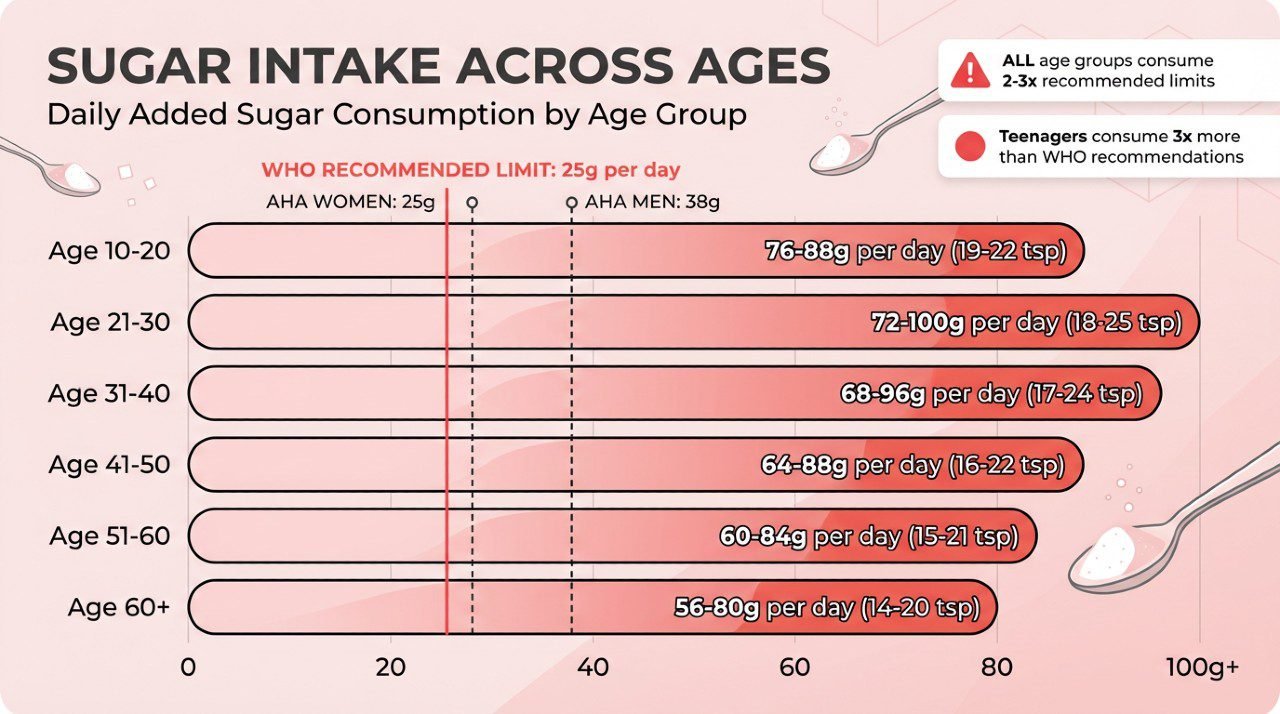
- Adhere to the 25–30 Gram Limit: For optimal health, adults should limit "free sugars" (added sugars and syrups) to approximately 25–30 grams (6–7 teaspoons) per day.
- Utilise the "Fruit Loophole": Natural sugars found in whole fruit do not count toward your daily limit because their fibre and water content create "chewing resistance," making them metabolically safe.
- Use Movement as a "Kill Switch" for Cravings: Engaging in 30 minutes of daily physical activity can physically interrupt 3 PM sugar cravings by resetting your blood chemistry.
- Create Accountability through Awareness: Maintain a food diary or "digital mirror" to identify hidden sugars and provide the data necessary to take charge of your nutritional choices.
- Control Your Environment: One of the most effective ways to reduce intake is to avoid bringing sugar-laden foods into your home; if it is not in your pantry, it cannot fuel a craving.
Why Sugar Is The Ultimate Metabolic Villain
We’ve been conditioned to see sugar as a harmless reward or a "treat" for a hard day’s work. However, to reclaim your metabolism, you must reframe it as a serious health disruptor that hides in your pantry.
This comparison is jarring, but it is necessary for a psychological shift. When you view sugar as a toxin rather than a treat, your mindset moves from "deprivation" (I’m not allowed to have that) to "protection" (I’m choosing to protect my body from that).
Reframing sugar this way helps you see it as a primary driver of metabolic damage rather than a simple source of extra calories.
Tip #1. Why Your Cravings Are A Signal, Not A Lack Of Willpower
For many women, sugar feels like a "hug in a wrapper." When emotional support is lacking in other areas of life, it is incredibly common to turn to sugary snacks for a quick hit of comfort. This emotional support loop is one of the most damaging things you can do to your body because it creates a cycle of dependency.
Understanding this link is your first step toward freedom. Your cravings are often just a signal that you are looking for support or stress relief, not that you have "failed" at your diet. By recognising the emotional cost and the metabolic damage associated with that "hug," you can start to find healthier ways to nurture yourself without the toxic side effects.
Join Our Mailing List
See how easily you can get fitter. Sign up to get your free PDF report on 10 Actions That Support Weight Loss sent to your inbox!

Tip #2. The 25-Gram Rule And The "Fruit Loophole"
To protect your metabolism, you need clear, non-negotiable boundaries. For an adult with a normal BMI, the metabolic limit is approximately 5 per cent of their total daily calories. This translates to roughly 25 grams (six teaspoons) of sugar per day.
To stay within these healthy limits, you must distinguish between "free sugars" and natural sugars:
- Free Sugars: This includes added sugars, syrups, and sweeteners. Adults should limit these to no more than 30g (about 7 sugar cubes) daily.
- Naturally Occurring Sugars: Found in whole fruits and vegetables, these do not count toward your daily limit.
This "fruit loophole" exists because of "chewing resistance." Whole fruit is packed with fibre and water, making it physically difficult to consume enough fructose to cause metabolic harm. Unlike a sugary drink, fruit requires effort to eat and digest, making it a safe and healthy way to satisfy a sweet tooth.


TIP: Avoiding bringing foods into your home that are laden with sugar is by far one of the most helpful ways to help you get less sugar.
Tip #3. Movement As Your Biological "Kill Switch" For Cravings
You’ve likely been told exercise is just for burning calories, but I want you to see it as your secret weapon against that 3 PM cookie craving. Physical activity "pumps the blood" through your system, which physically interrupts and reduces sugar cravings before they can take hold of your afternoon.
Being sedentary for long periods actually signals your body to want unhealthier foods. To stay resilient, aim for at least 30 minutes of exercise every day. This consistent movement helps prevent or control many diseases and empowers you to feel fitter and stronger while you live a longer life.
Tip: One of the most effective ways to reduce your intake is to stop the battle before it starts. Avoid bringing sugar-laden foods into your home; if it isn't in your pantry, it can't fuel a late-night craving.
Join Our Mailing List
See how easily you can get fitter.
Sign up to get your free PDF report on 10 Actions That Support Weight Loss sent to your inbox!
Tip #4. The Digital Mirror: Reclaiming Accountability Through Awareness
The fastest way to remove a "sedentary" mindset and take charge of your nutrition is to start a food diary. Think of it as a "digital mirror" that reflects exactly what you are putting into your body, removing the guesswork and the "hidden" sugars that often stall progress.
Using an online diary or app is especially helpful because it provides immediate data on sugar content. When you document every item, you create a level of accountability that makes it impossible to ignore the impact of your choices. This awareness is the foundation of metabolic health; once you see the data, you can no longer be a passive observer of your own health.

FACT: Added sugar (and sweeteners) is the single worst ingredient in the modern diet.
The Daily Blueprint: Your Educational Lesson Plan
Understanding your limits is the cornerstone of nutritional literacy. These aren't just arbitrary numbers; they are the boundaries your body needs to maintain a healthy chemistry.
- The Optimal Threshold (Normal BMI): For adults within a healthy BMI range, sugar should account for no more than 5 per cent of total daily calories. This equates to roughly 25 grams (about 6 teaspoons).
- The General Limit: For most adults, the absolute maximum should be 30 grams (roughly 7 sugar cubes) of free sugars per day.
- The "Fibre Factor" Exception: You do not need to worry about the sugar in whole fruit. Because whole fruit contains fibre and water, your body processes the fructose differently, meaning it does not count toward your 25–30 grams limit.
Knowing these numbers is only the first step of your curriculum; the next is learning how to apply this blueprint to your actual lifestyle.
Your Toolkit For Success: 4 Practical Strategies
#1. Master The Food Label
Prevention is your best defence. By reading labels before a product enters your cart, you can identify hidden toxins immediately. Fact: Avoiding bringing sugar-laden foods into your home is the most effective way to reduce intake. If it isn't in your pantry, it can't sabotage your progress.
#2. Strategic Substitutions
You don't have to live a life devoid of flavour. Choose low-sugar or sugar-free alternatives like low-fat yoghurt to satisfy cravings without the metabolic damage. These swaps allow you to maintain your weight-loss momentum while keeping your system clean.
#3. The 30-Minute Movement Rule
Think of exercise as your "craving killer." A 30-minute daily walk or workout does more than burn calories; it resets your blood chemistry and stops cravings before they start. Beyond weight loss, consistent movement helps prevent or control many diseases, helping you live a stronger, longer life.
What Are You Waiting For? Start Making A Real Difference Now!
#4. The Total System View (Food Diary)
To change what you do, you must see what you’re doing. Keeping a food diary—especially an online tool that provides detailed nutritional breakdowns—gives you a "total system" view. When you see the cumulative sugar grams on paper, it becomes much easier to make the informed adjustments necessary for success.
These strategies are most effective when tailored to your unique rhythm, turning a "diet" into a sustainable lifestyle change.
Related Articles
The Bottom Line
A commitment to your future self. While every woman’s body is unique, the need to reduce sugar is universal for those seeking longevity and vitality. Added sugar contains toxins that have no place in a fit and strong body.
As you move forward, ask yourself: Are you willing to let 'hidden toxins' dictate how you feel every day, or are you ready to commit to improving your metabolic health? Taking control of your sugar intake today is the best investment you can make in your long-term well-being.
Embrace Inspiration
Like What You Read? Be Sociable, Comment, And Share It! Thanks.
Glossary Of Key Terms
• Added Sugar: Sugars and syrups that are added to foods during processing or preparation, distinct from sugars found naturally in whole foods.
• Chewing Resistance: The physical effort required to eat whole foods (like fruit), which, combined with fibre and water, slows digestion and prevents metabolic harm.
• Digital Mirror: A term for a food diary or tracking app that reflects the reality of nutritional intake to ensure accountability.
• Empty Calories: Calories derived from food that provides energy but little to no nutritional value, such as added sugars.
• Fibre Factor: The presence of fibre in whole fruits that changes how the body processes fructose, making it metabolically safe.
• Free Sugars: Any sugar added to food or drink, including those found naturally in honey, syrups, and unsweetened fruit juices.
• Insulin Spike: A rapid increase in blood insulin levels caused by sugar consumption, which can trigger fat storage.
• Kill Switch: A metaphorical term for biological interventions, such as exercise, that physically interrupt and stop sugar cravings.
• Metabolic Protection: A proactive approach to health focusing on shielding the body's chemical processes from toxins rather than just restricted eating.
• Metabolic Toxin: A substance, such as added sugar, that provides energy but causes long-term damage to the body’s metabolic functions.
• Nutritional Literacy: The understanding of nutritional limits, label reading, and the chemical impact of different ingredients on the body.
• Sedentary Mindset: A psychological state encouraged by lack of movement that signals the body to crave unhealthier, high-sugar foods.
• Strategic Substitutions: The practice of replacing high-sugar items with healthier alternatives, such as low-fat yoghurt or fruit-infused water, to maintain flavour without metabolic damage.
• Total System View: A comprehensive perspective on one's health achieved through detailed documentation of all nutritional and physical habits.
• Weight Loss Loophole: Refers to the "fruit loophole," allowing the consumption of natural sugars in fruit without impacting daily sugar limits for weight loss.
FAQ
For an adult within the normal body-mass-index range, 5 percent of total daily calories would be about 25 grams — or six teaspoons — of sugar. Sugar that occurs naturally in whole fruit, however, does not count toward the 25 grams.
Eating whole fruit, it is almost impossible to consume enough fructose to cause harm. Fruits are loaded with fibre, water and have significant chewing resistance. While eating large amounts of added sugar is harmful to most people, the same does not apply to fruit.
Honey has been linked to health benefits like improved heart health, wound healing, and blood antioxidant status. However, consuming too much may cause adverse effects due to its high sugar and calorie content. Thus, it's best to use honey to replace other forms of sugar and enjoy it in moderation.
Adults should have no more than 30 g of free sugars a day, (roughly equivalent to 7 sugar cubes). Children aged 7 to 10 should have no more than 24 g of free sugars a day (6 sugar cubes). Children aged 4 to 6 should have no more than 19 g of free sugars a day (5 sugar cubes).
Reducing your daily sugar intake is crucial for maintaining a healthy weight and consistent energy levels throughout the day. Excessive sugar consumption causes rapid insulin spikes that trigger fat storage, particularly around the midsection, which can be notoriously stubborn to lose.
Beyond aesthetics, high sugar intake is linked to chronic inflammation, hormonal imbalances, and an increased risk of type 2 diabetes and heart disease. By cutting back on added sugars found in processed foods and beverages, you stabilise your blood sugar levels, reduce intense cravings, and improve your overall metabolic health.
This simple dietary shift supports clearer skin, better sleep quality, and a more effective lean body composition journey, making it a foundational step for long-term wellness.
Identifying hidden sugars requires diligent label reading because manufacturers often use various aliases to disguise sugar content. When checking nutrition labels, look beyond just the word "sugar" and scan the ingredients list for terms like high fructose corn syrup, dextrose, maltose, cane juice crystals, agave nectar, and fruit juice concentrate.
Ingredients are listed by weight, so if any of these appear near the top, the product is likely high in sugar. Be particularly wary of "low-fat" or "fat-free" items, as companies frequently add extra sugar to compensate for lost flavour. A good rule of thumb is to choose products with low single-digit grams of added sugar per serving or, better yet, stick to whole, unprocessed foods.
Swapping out sugary beverages is one of the most effective ways to slash your daily caloric intake without feeling deprived. Instead of reaching for sodas, sweetened fancy coffees, or fruit juices, try hydrating with plain water infused with fresh slices of lemon, cucumber, or mint for natural flavour.
Herbal teas, sparkling water with a splash of lime, and unsweetened iced tea are excellent alternatives that provide hydration without the blood sugar spike. If you crave sweetness in your morning coffee, consider using small amounts of natural zero-calorie sweeteners like stevia or monk fruit.
These substitutions help eliminate hundreds of empty calories per day, significantly aiding in fat loss and preventing the energy crashes associated with liquid sugar consumption.
Managing sugar cravings is often the hardest part of dietary change, but it becomes easier with strategic nutritional choices. Ensure you are eating enough protein and healthy fats at every meal, as these macronutrients promote satiety and stabilise blood sugar levels, significantly reducing the urge to snack on sweets.
Dehydration can often masquerade as hunger, so drinking a large glass of water when a craving strikes can be surprisingly effective. Additionally, ensure you are getting quality sleep and managing stress, as cortisol spikes often trigger desires for comfort foods.
If the craving persists, opt for a piece of dark chocolate or a handful of berries. Over time, as your palate adjusts to less sugar, these intense cravings will naturally diminish.
Join Our Mailing List
See how easily you can get fitter.
Sign up to get your free PDF report on 10 Actions That Support Weight Loss sent to your inbox!