Healthy Snacks For Weight Management Work Best When They Bridge A Real Gap
Julia Child
Chef, cookbook author & television host
Moderation. Small helpings. Sample a little bit of everything. These are the secrets of happiness and good health.
Summary (TL;DR)
You eat a sensible breakfast and a decent lunch. Then 4 p.m. hits, your energy falls off a cliff, and the office cookie tin starts calling your name. Or you get through the whole day well, sit down on the couch after dinner, and somehow a “small handful” becomes half the bag.
If that sounds familiar, you’re not doing anything wrong. Snacking advice contradicts itself. One article says eat every three hours to keep your metabolism going. The next says snacking is the reason you can’t lose weight. And the “healthy” snacks you switched to, like granola, nuts and smoothies, often don’t move the scale at all.
Let’s clear that up. Below you’ll find what the research shows, an honest test for whether you need a snack at all, a simple rule for building one, and specific snack ideas with calories, protein and fiber.
Medical & Referral Disclaimer
This article is for informational and educational purposes only. It is not a substitute for professional medical advice, diagnosis, or treatment. Always consult your physician or qualified health provider before starting any new diet or exercise program, especially if you have diabetes, take medication that affects blood sugar, have kidney disease, or have a history of disordered eating.
Key Takeaways
- Snacking is optional, not a metabolism booster. Eating more often doesn’t reliably improve weight loss.
- A good snack bridges a real gap. Long stretches between meals or a workout are the best reasons to snack.
- High-protein snacks and fiber-rich foods do the heavy lifting. They help a small snack hold you over until your next meal.
- “Healthy” doesn’t mean low-calorie. A free-poured half cup of almonds is over 400 calories.
- Portion size quietly drives intake. People consistently eat more when they’re served more.
- Evening snacks can fit a calorie deficit if they’re planned and plated, not grazed.
Do Healthy Snacks Actually Help With Weight Management?
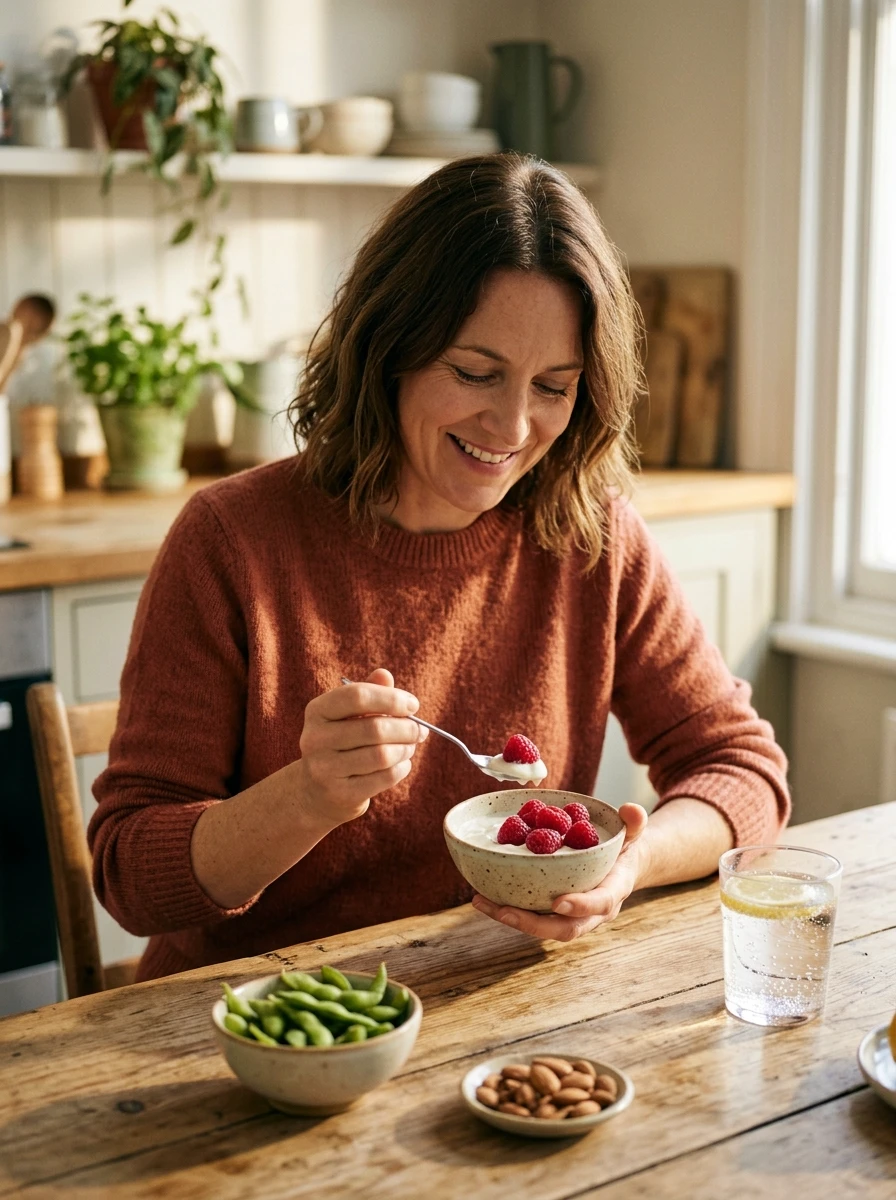
They can, but only when they replace hunger you’d otherwise carry into your next meal, not when they add calories on top of a full day. The research points to snack quality and portion, not snack frequency, as what matters.
In the ZOE PREDICT study, published in the European Journal of Nutrition in 2024, 95% of 1,002 UK adults were snackers. They averaged 2.28 snacks a day, which supplied about 24% of their daily calories.
Snacking frequency and the number of snack calories were not associated with cardiometabolic risk markers, while lower snack quality was linked to higher blood markers (although these links were no longer significant after the researchers adjusted for multiple testing).
The King’s College London summary of the study adds a detail many women will recognize: about a quarter (26%) of participants ate healthy main meals and poor-quality snacks. Their snacks were the weak link.
The Contrarian Take: You May Not Need A Snack At All
Many women trying to lose weight don’t need more snacks, and some do better with a more filling lunch. The idea that eating little and often speeds up your metabolism doesn’t hold up well.
A 2015 meta-analysis in Nutrition Reviews pooled the trials on meal frequency and body composition. At first glance, eating more often looked better for fat loss. But when the researchers ran a sensitivity analysis, they found the positive result was the product of a single study. Their conclusion was that the findings “need to be interpreted with circumspection.”
On weight-loss forums, some women describe a small snack that wakes their appetite up instead of settling it. That’s experience, not a study, but the lesson holds: a snack only helps if it actually keeps you full.
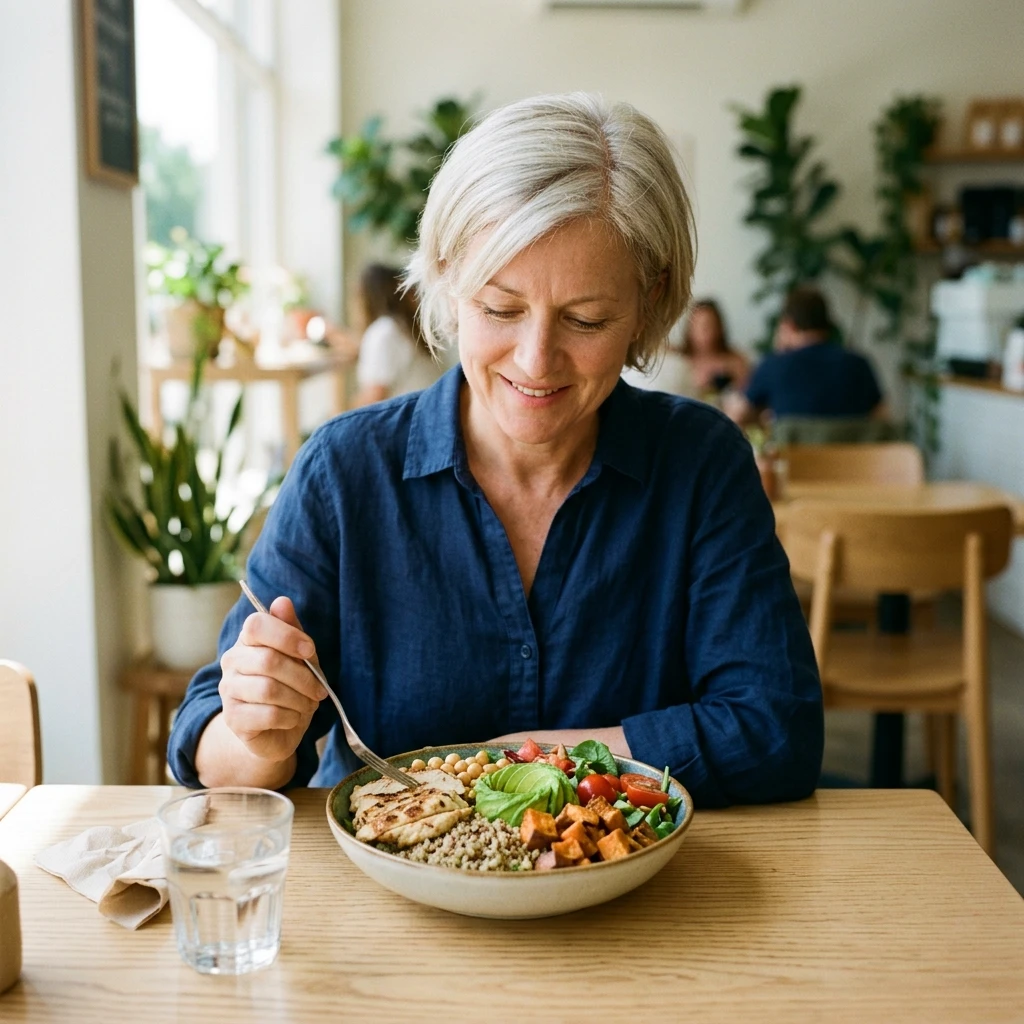
Here’s when skipping the snack is probably the smarter move:
- Your next meal is less than 2 to 3 hours away: mild hunger before a meal is normal, not an emergency.
- You’re bored, stressed or tired, not hungry: a walk, a glass of water or a 10-minute break may solve the real problem.
- You’re hungry every afternoon at the same time: try adding protein and fiber to lunch first, then see if the snack is still needed.
- Snacks keep turning into “just one more”: a bigger, more satisfying meal may be easier to manage than several small ones.
Why “Healthy” Snacks Can Still Stall Your Weight Loss
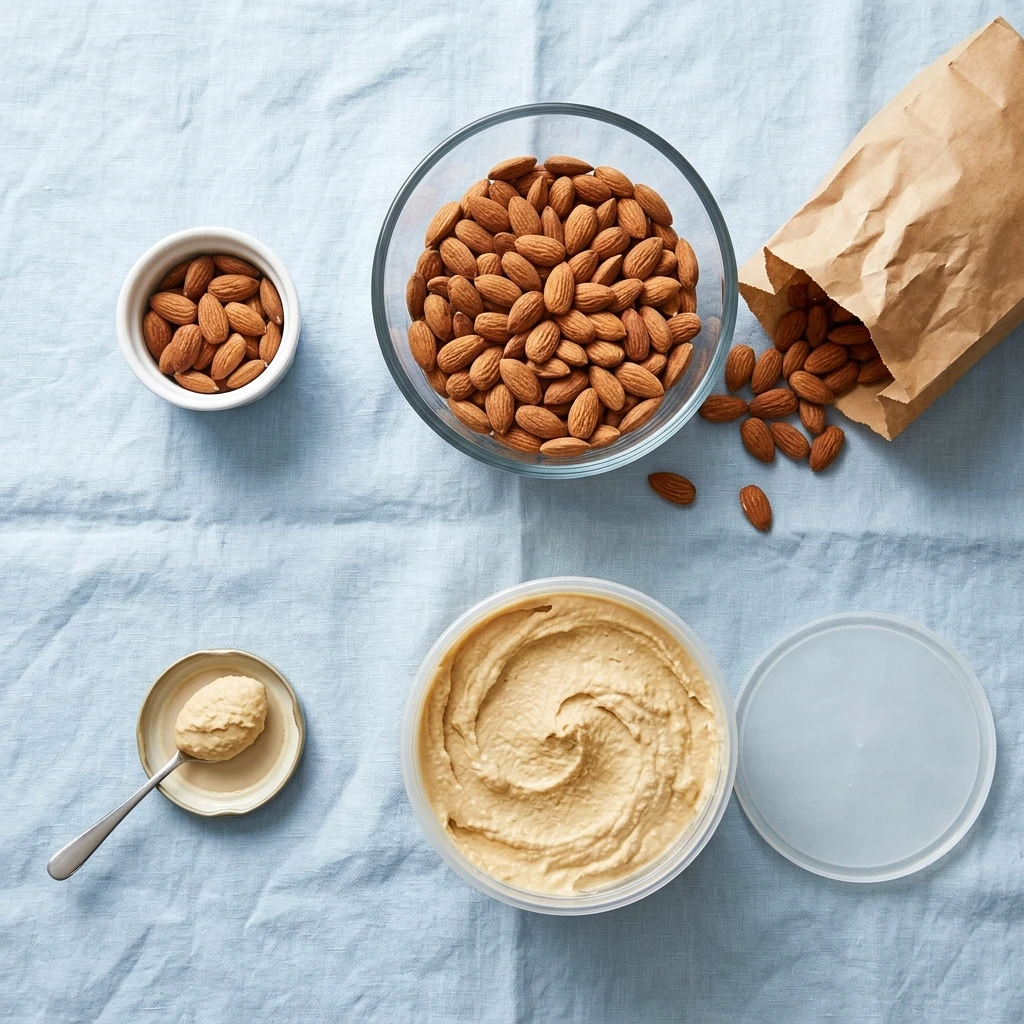
Many healthy snacks are nutritious but calorie-dense, so the portion you pour can be far larger than the portion on the label.
Nuts and hummus are good foods, with healthy fats, protein and fiber. But fat is energy-dense, so small volumes add up fast. Here’s the same snack at different portions, using USDA FoodData Central values:
| Snack | Measured Portion | Calories | Larger Poured Portion | Calories |
|---|---|---|---|---|
| Almonds | 1 oz (about 23 almonds, 28 g) | 162 | Half a cup (72 g) | 417 |
| Hummus | 2 tbsp (30 g) | 71 | Half a cup (120 g) | 284 |
That gap can be 250 calories or more in one sitting, enough to cancel out a modest daily deficit. If you’re wondering whether a snack bar is as healthy as its label claims, our guide to what snack labels don’t tell you covers that. This article sticks to when, what and how much.
Watch for these signs that your healthy snacks are quietly working against you:
- You eat from the container: a bag, tub, or jar has no natural stopping point.
- Your snack has no protein: fruit or crackers alone may not hold you for long.
- You snack while doing something else: scrolling, driving or watching TV makes it easy to lose count.
- Your “snack” is a drink: smoothies and speciality coffees can carry meal-sized calories without feeling like food.
The Bridge Snack Rule: A Simple Way To Snack For Weight Management
The Bridge Snack Rule is a three-step check: confirm there’s a real gap to bridge, build the snack around protein and fiber, and cap the portion before you start eating. If a snack fails step one, you skip it.
Think of a snack as a bridge between two meals. A good one gets you to dinner hungry but not ravenous. A bad one is either too short (you’re starving again in 30 minutes) or so big it becomes a meal.
Step 1: Check The Gap
Snack when your next meal is roughly four or more hours away, or a workout is coming up, not because it’s “snack time.” It’s a rule of thumb, not a clinical cut-off.
Ask two questions: am I physically hungry, and how long until I eat properly again? Lunch at noon and dinner at 7 p.m. is a seven-hour gap, so a snack makes sense. Lunch at 1 p.m. and the cookie jar at 2:30 p.m. is a different story.
Step 2: Lead With Protein, Then Add Fiber
Aim for roughly 10 grams of protein and about 3 grams of fiber, because protein slows the return of hunger and fiber adds bulk for very few calories. Together, they make a small snack feel like enough.
The evidence for protein and appetite control at snack time is clearest in a small but well-controlled trial. In a 2014 study in Nutrition Journal, 20 healthy women ate one of three 160-calorie afternoon snacks: high-protein yogurt (14 g protein), high-fat crackers or high-fat chocolate.
The yogurt reduced afternoon hunger more than the chocolate and delayed the next eating occasion by about 30 minutes. It also led to roughly 100 fewer calories at dinner compared with the crackers, though that result was only borderline significant in some comparisons.
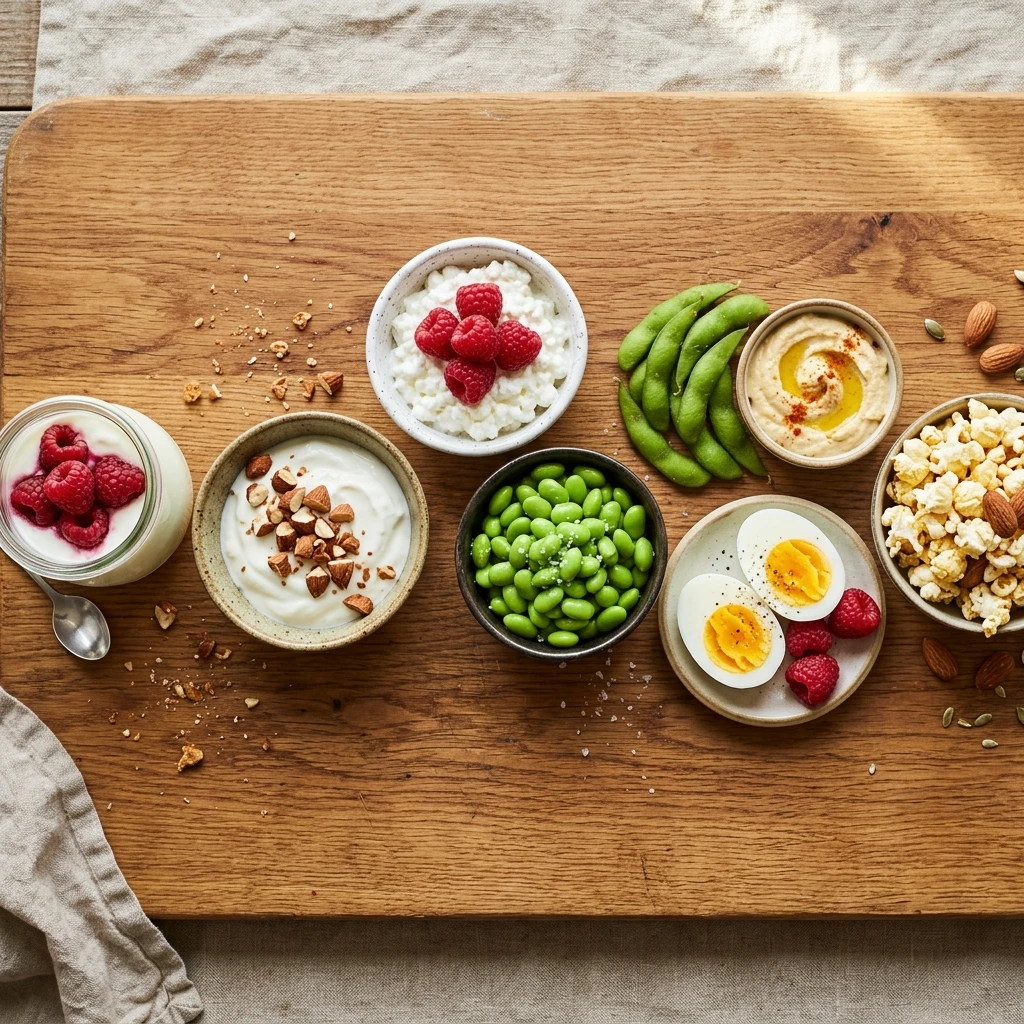
Fiber is the second half. The FDA’s Daily Value for dietary fiber is 28 grams, so a snack with about 3 grams covers around a tenth of the day. Raspberries, edamame, popcorn and whole fruit are easy ways to get there.
Step 3: Cap The Portion
Plate or pre-pack a snack of roughly 100 to 200 calories before you start eating, because the amount in front of you shapes how much you eat.
The research on portion control is consistent. A 2015 Cochrane review found that people consistently ate more food when offered larger portions or packages. The authors estimated that, if the effect held across the whole diet, it would equal around a 12% to 16% change in average daily energy intake among UK adults.
So don’t eat straight out of a big bag or box. Divide snacks into smaller portions when you get home from the store, use a small bowl, and put the package away before you sit down. You’re far less likely to eat too much without realizing it. Treat the 100 to 200 range as a guide you adjust to your own appetite, not a number you have to hit.
Want a simple plan for the habits behind lasting results? Get our free guide, 10 Actions That Support Permanent Weight Loss. It’s built for real women with busy lives, with no extreme diets and no guilt.
High-Protein, Fiber-Rich Snack Ideas Under 200 Calories
The best healthy snacks for weight management pair a protein food with a fiber food in a measured portion, and most land between 100 and 200 calories. Here are seven builds based on the Bridge Snack Rule.
Values below are calculated from USDA FoodData Central (SR Legacy) records for each food. Brands vary, so check your own labels. Greek yogurt snacks and cottage cheese ideas lead the list because they’re the easiest way to reach 10 grams of protein.
| Snack Build | Portion | Calories | Protein (g) | Fiber (g) | Best For |
|---|---|---|---|---|---|
| Greek yogurt with raspberries | 6 oz (170 g) plain nonfat yogurt + half a cup (62 g) raspberries | 124 | 17 | 4.4 | The 4 p.m. slump |
| Greek yogurt with almonds | 6 oz (170 g) yogurt + 1 tbsp chopped almonds (14 g) | 173 | 19 | 2.1 | Long afternoons |
| Cottage cheese with raspberries | Half a cup (113 g) 2% cottage cheese + half a cup raspberries | 124 | 12.5 | 4.0 | Evening snack |
| Edamame | Half a cup shelled (78 g), lightly salted | 95 | 9 | 4.1 | Desk or car |
| Edamame with hummus | Half a cup edamame + 2 tbsp hummus | 166 | 11.6 | 5.7 | Savory cravings |
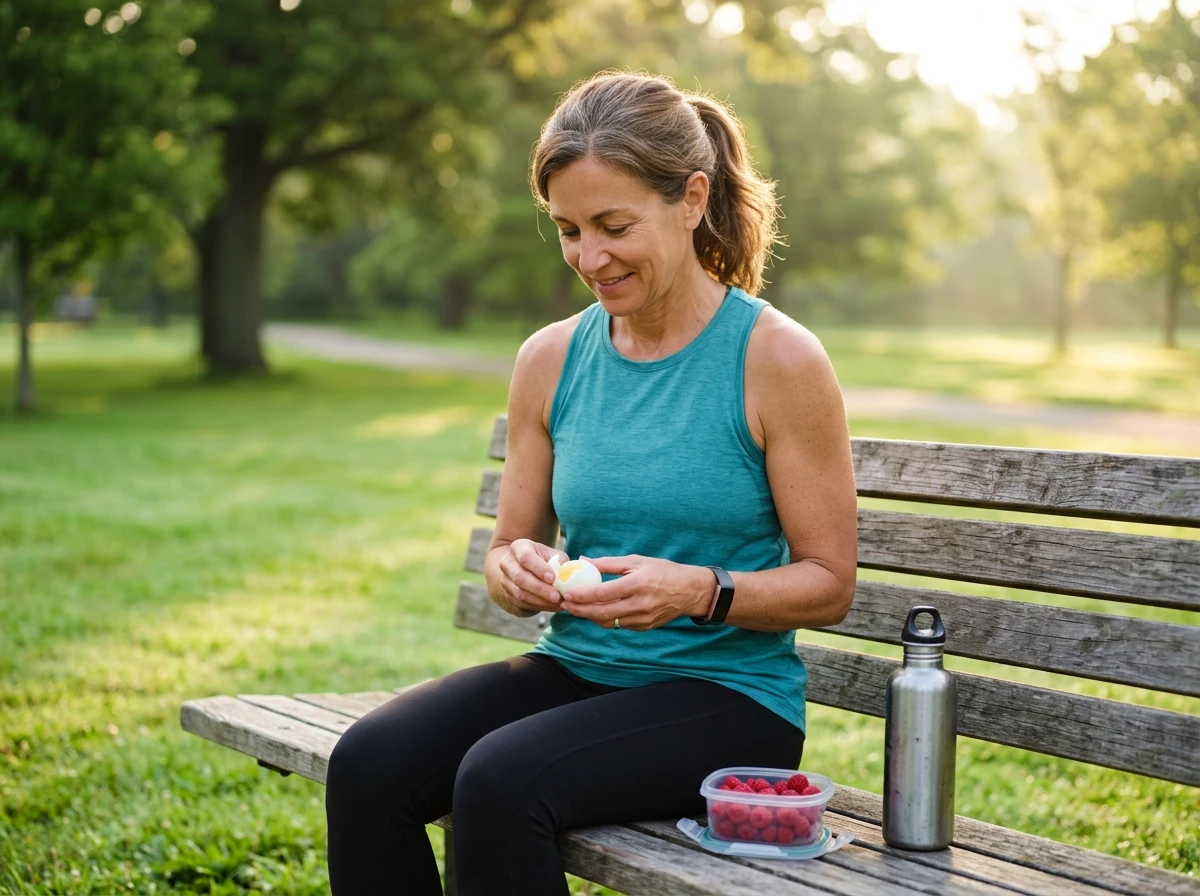
| Eggs with raspberries | 2 hard-boiled eggs + half a cup raspberries | 187 | 13.3 | 4.0 | Post-workout |
| Popcorn with almonds | 3 cups air-popped popcorn (24 g) + 1 tbsp almonds | 174 | 6.1 | 5.2 | Movie night |
The popcorn build is lower in protein, which is fine when you want volume in the evening. For protein across the whole day, see our high-protein diet plan for women.
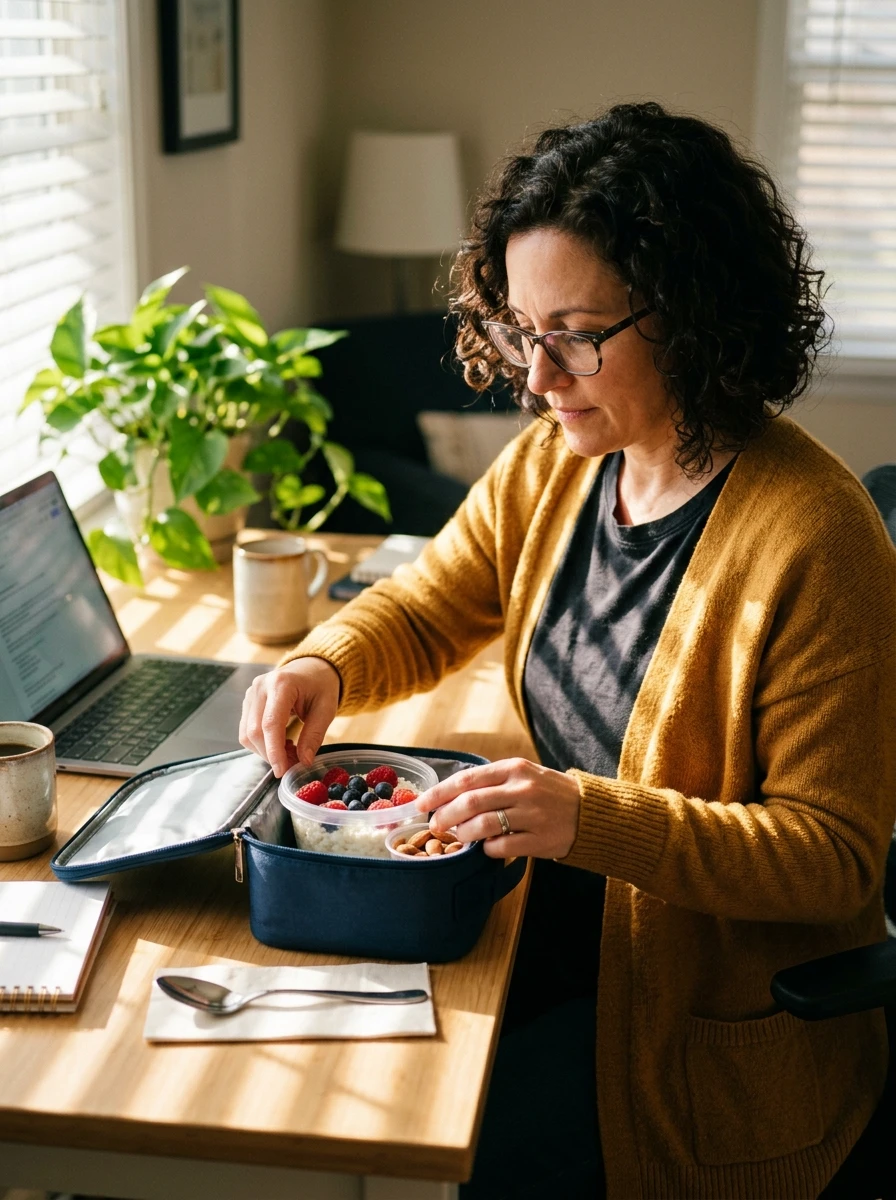
Portable fitness snacks that travel well:
- Pre-portioned almonds: weigh 1 oz into small containers on Sunday so the portion is already decided.
- Single-serve Greek yogurt or cottage cheese cups: keep them in a small insulated bag with an ice pack.
- Hard-boiled eggs: cook a batch for the week as part of your weight loss meal prep.
- Roasted or frozen edamame: frozen pods thaw by lunchtime and pair well with a piece of fruit.
When Is The Best Time To Snack For Weight Management?
The best time to snack is when there’s a long gap between meals or a workout to fuel, which for most women means mid-afternoon, around training, or after an early dinner. Each of those moments calls for a slightly different snack.
The 4 P.M. Slump And Desk Grazing
An afternoon protein snack is one of the easiest wins, because the lunch-to-dinner gap is usually the longest of the day. It’s also when the office treats come out.
Plan your afternoon snack in the morning and bring it with you, so you choose it on a full stomach rather than at your hungriest. If the 4 p.m. dip feels more like exhaustion than hunger, look at how sleep affects weight loss too.
Before And After A Workout
A small snack can help if you train roughly four or more hours after your last meal, and a protein-focused snack afterward helps if dinner is still a while away. If you train right after a meal, you probably don’t need one.
Before training, fruit or a small yogurt sits easily; afterward, try eggs or yogurt builds. See our guide to whether to eat before or after working out.
Evening Snacks Without The Couch Grazing
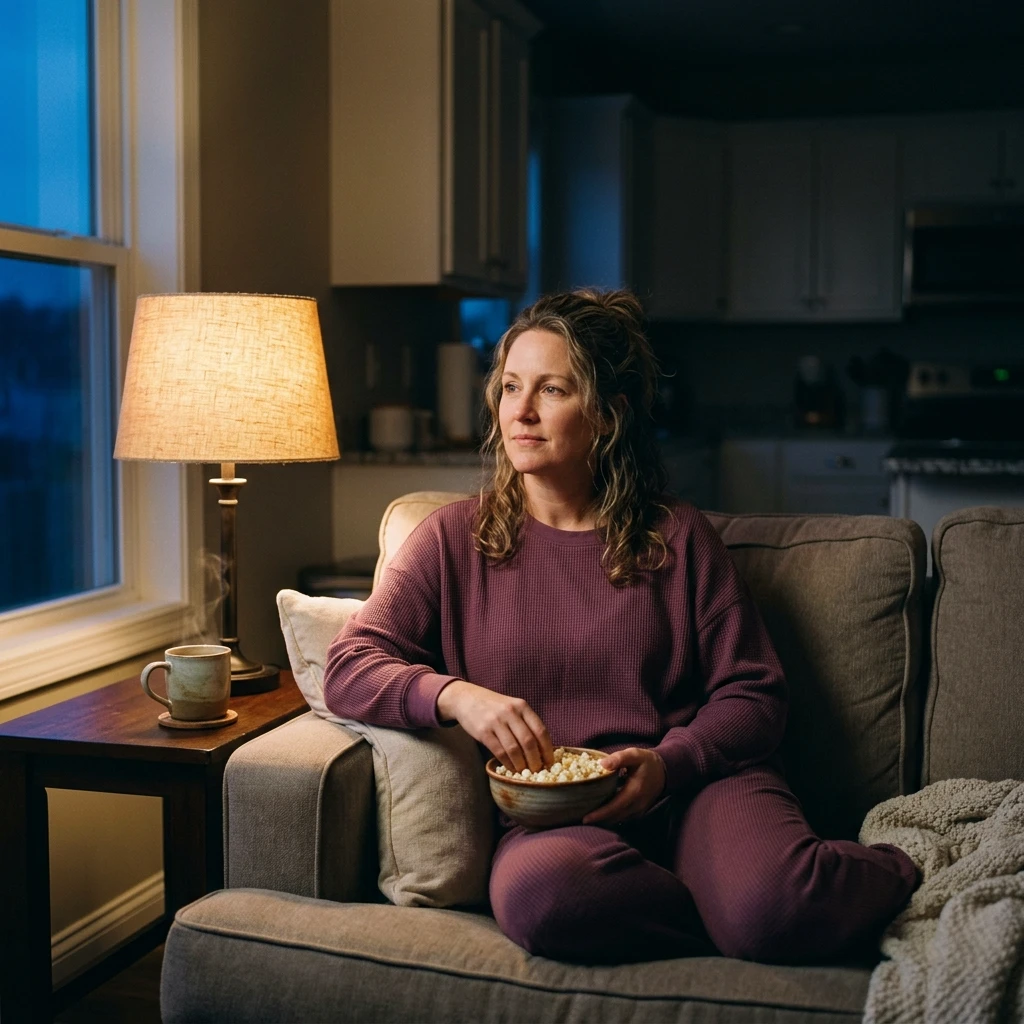
An evening snack isn’t automatically a problem; unplanned grazing is. A planned, plated protein snack can fit a calorie deficit, while eating from the bag in front of the TV usually can’t.
The research on evening eating is mixed. In the ZOE PREDICT data, snacking at or after 9 p.m. was associated with less favorable blood markers.
On the other hand, a Brigham and Women’s Hospital study of 16 people with overweight or obesity found that eating the same meals about four hours later increased hunger, lowered leptin (a fullness hormone) across 24 hours, and slowed the rate at which participants burned calories.
It shifted whole meals, not snacks, but it’s a reason not to push most of your eating late. If evenings are your hardest time, try this plan:
- Decide before dinner: choose tonight’s snack while you’re full, not at 9 p.m.
- Plate it and leave the kitchen: one bowl, then the package goes back in the cupboard.
- Choose protein or volume: cottage cheese with berries, or 3 cups of air-popped popcorn.
- Set a kitchen cut-off time: brushing your teeth after your snack is a simple signal that eating is done.
If evening snacking is driven by stress rather than hunger, try our guide to using mindfulness to break the cycle of emotional eating.
Why Snacking Hits Differently After 40
During the menopause transition, fat gain speeds up, and lean mass begins to decline, which makes protein-rich snacks more useful than sugary ones. Your snack choices have more to do with protecting muscle than they did at 30.
In the long-running SWAN study of 1,246 women, published in JCI Insight in 2019, the rate of fat gain doubled at the start of the menopause transition and lean mass declined.
Those changes continued until about two years after the final menstrual period. This doesn’t mean your metabolism is broken. It means protein matters more at every eating occasion, snacks included.
Registered dietitian Keri Glassman, speaking to TODAY.com about midlife snacking, puts it simply: “We really want fiber and protein” in a snack. She adds: “Your hormones are already fluctuating, your bodies are already stressed.”
Expert Commentary: What The Research Actually Shows
Researchers keep landing on the same point: since nearly everyone snacks, upgrading what you snack on is one of the simplest changes you can make. Cutting snacks out entirely is optional; improving them is the easier win.
Dr. Sarah Berry of King’s College London, chief scientist at ZOE and an author of the PREDICT snacking analysis, summed up the findings in the study’s press release:
“Considering 95 percent of us snack, and that nearly a quarter of our calories come from snacks, swapping unhealthy snacks such as cookies, crisps, and cakes to healthy snacks like fruit and nuts is a really simple way to improve your health.”
Clinical dietitians make the same point about how snacks are built. Julia Zumpano, RD, LD, of Cleveland Clinic, describes veggies with hummus this way: “Hummus delivers a good mix of protein, fiber and healthy fats.” The combination is what makes a snack filling, not any single “superfood.”
Put that next to the meal-frequency research: snacking more often won’t speed up fat loss, but snacking better, in measured portions, can make a calorie deficit easier to live with.
Mindful Eating Habits That Make Smart Snacking Stick
Mindful eating means paying attention to each bite, which helps you notice fullness sooner and enjoy smaller portions.
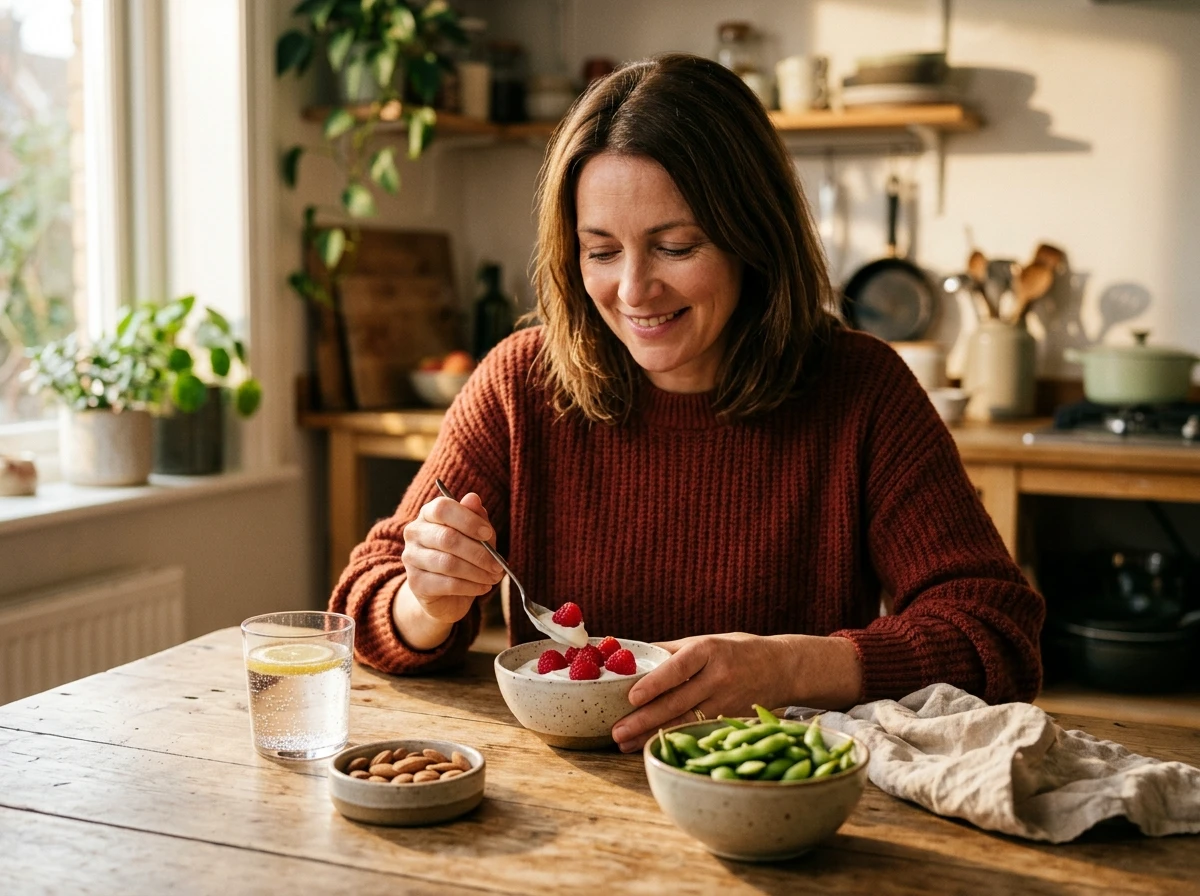
Here are some tips for mindful eating:
- Eat without distractions: step away from the TV and put your phone down for the five minutes it takes to eat.
- Listen to your body: try stopping when you’re almost satisfied instead of finishing the whole portion out of habit.
- Chew slowly: put your fork or spoon down between bites to give fullness signals time to catch up.
- Use your senses: notice the crunch of the popcorn or the tartness of the berries, so the snack feels like a treat.
Healthy Snack Swaps That Still Satisfy The Craving
The most sustainable snack swaps keep the flavor or texture you’re craving - crunchy, sweet, creamy or salty - while adding protein or fiber. Swapping a craving for something completely different rarely lasts.
Apply Step 3 of the Bridge Snack Rule to every swap below.
| If You’re Craving | Instead Of | Try | Why It Works |
|---|---|---|---|
| Salty crunch | Potato chips | 3 cups air-popped popcorn or edamame | More volume and fiber for fewer calories |
| Something sweet | A candy bar | Greek yogurt with berries, or a square of dark chocolate with fruit | Adds protein or fiber and a clear stopping point |
| Creamy and cold | Ice cream | Frozen Greek yogurt with fresh berries | Similar texture with far more protein |
| A crunchy breakfast-style snack | Sugary cereal | Plain Greek yogurt with a tablespoon of homemade granola | Granola becomes a topping, not the portion |
| Something fizzy | Soda | Flavored sparkling water | Same fizz without the sugar |
| Savory and filling | Crackers and cheese spread | Veggie sticks with 2 tbsp hummus and a hard-boiled egg | Protein and fiber in one plate |
For more ideas, see our tips for eating less junk food and our guide to losing weight on a budget.

The Bottom Line
Healthy snacks for weight management work best when you use them for a reason. If there’s a real gap to bridge, build your snack around protein and fiber, cap it at roughly 100 to 200 calories, and plate it before you start. If there isn’t a real gap, it’s perfectly fine to skip it.
You don’t have to cut snacks out of your diet. Watch how much and what you eat, and snacks can make your deficit easier, not harder.
Ready to turn one smart snack into a set of habits that last? Download our free guide, 10 Actions That Support Permanent Weight Loss, and start with the next gap in your day.
Glossary Of Key Terms
- Bridge Snack Rule: The WLBF three-step snacking check: confirm a real gap, lead with protein and fiber, and cap the portion.
- Calorie Deficit: Taking in less energy than your body uses, which is required for fat loss.
- Calorie Density: The number of calories in a given amount of food. Nuts are calorie-dense; berries and popcorn are not.
- Dietary Fiber: The part of plant foods your body can’t digest. It adds bulk and helps you feel full.
- Lean Mass: Everything in your body that isn’t fat, including muscle. It tends to decline during the menopause transition.
- Leptin: A hormone involved in signaling fullness and long-term energy balance.
- Mindful Eating: Paying full attention to the experience of eating, including hunger and fullness cues, flavors and textures.
- Portion Size Effect: The tendency to eat more when more food is served or packaged together.
- Satiety: The feeling of fullness that reduces the urge to keep eating.
FAQ
What Are The Best Healthy Snacks For Weight Management?
The best options pair protein with fiber in a measured portion of about 100 to 200 calories. Good examples include 6 oz of plain Greek yogurt with half a cup of raspberries (124 calories, 17 g protein), half a cup of edamame (95 calories, 9 g protein), or two hard-boiled eggs with berries.
Is Snacking Good Or Bad For Weight Loss?
Neither, on its own. A meta-analysis found that eating more often doesn’t reliably improve weight loss, and the PREDICT study linked snack quality, not frequency, to health markers. Snacking helps when it bridges a long gap between meals and hurts when it adds unplanned calories.
How Many Calories Should A Snack Be When Trying To Lose Weight?
A practical range for most women is roughly 100 to 200 calories per snack. That is enough to bridge a gap of several hours, especially with protein and fiber, without turning the snack into an extra meal. Your total daily calories matter more than any single snack.
How Much Protein Should A Weight Loss Snack Have?
Aim for roughly 10 grams. In one trial of 20 women, a 160-calorie afternoon yogurt snack with 14 g of protein reduced hunger and delayed the next meal compared with chocolate. Greek yogurt, cottage cheese, eggs and edamame all reach 9 to 17 grams in a normal portion.
Is It Bad To Snack At Night When Trying To Lose Weight?
Not automatically. A planned, plated snack such as cottage cheese with berries can fit a calorie deficit. The bigger risk is unplanned grazing in front of the TV. Some research links late eating with more hunger and less favorable blood markers, so avoid shifting most of your eating late.
Do I Need To Snack Between Meals To Keep My Metabolism Up?
No. Eating more often doesn’t reliably speed up fat loss, according to a meta-analysis on meal frequency. If your next meal is only two or three hours away, you can skip the snack. If you’re hungry every afternoon, try a more filling lunch first.
Why Am I Not Losing Weight Even Though I Eat Healthy Snacks?
Healthy snacks can still be calorie-dense. One ounce of almonds is about 162 calories, but a free-poured half cup is over 400. Measure your portions for a week, check that each snack includes protein, and make sure snacks aren’t adding to meals rather than replacing hunger.