
The 4 Best Beverages For Weight Loss That Actually Earn Their Place In Your Day
MICHELLE OBAMA
Former First Lady & author
Being a healthy woman isn't about getting on a scale or measuring your waistline. We need to start focusing on what matters—on how we feel, and how we feel about ourselves.
Summary (TL;DR)
The 4 best beverages for weight loss are water, black coffee, green tea, and homemade vegetable-forward juice, but only when they replace something worse, not pile on top of it. Drinking 500ml of water before meals helped people lose 1.3kg more over 12 weeks in a controlled trial. The drink itself is never the magic. The swap is.
Let me guess. You've stood in the drinks aisle holding a "detox" tea that promised to melt belly fat, wondering if you're the only woman it never worked for. You're not. You bought the green tea, drank it religiously for two weeks, stepped on the scale, and felt that familiar flat disappointment.
Here's the thing the labels never tell you: no beverage burns fat on its own. Not one. The drinks that genuinely help with weight loss work because they take the place of something heavier, the 200-calorie latte, the afternoon soda, the "healthy" smoothie that's secretly a milkshake. That's it. That's the whole secret the supplement industry doesn't want printed on the front of the box.
So in this article, I'm going to give you the four beverages for weight loss that real research actually supports, show you exactly how each one works in your body, and hand you a simple three-question test so you can judge any drink for yourself, forever. No fad teas. No guilt. Just what holds up when you check the science?
Medical & Referral Disclaimer
This article is for general educational purposes and reflects the current published research at the time of writing. It is not medical advice and is not a substitute for guidance from your doctor or a registered dietitian. If you are pregnant, breastfeeding, managing a health condition (including heart or kidney issues, which affect safe water intake), or taking medication, please speak to a qualified professional before making changes to your diet or caffeine intake. Individual results vary.
Key Takeaways
- The drink doesn't melt fat, the swap does. Beverages help with weight loss by replacing liquid calories, not by being sprinkled on top of your usual day.
- Water is the most proven of all. Drinking 500ml before meals produced significantly more weight loss in a randomised controlled trial than not doing so.
- Coffee and green tea give a small, real metabolic nudge, measured in single-digit percentages, not miracles. Black and unsweetened is the whole point.
- "Juice" only counts if it's mostly vegetables and you made it. Shop-bought fruit juice is closer to soda than salad.
- Use the 3-Question Drink Test to vet any beverage in seconds, so you never get fooled by a "skinny" label again.
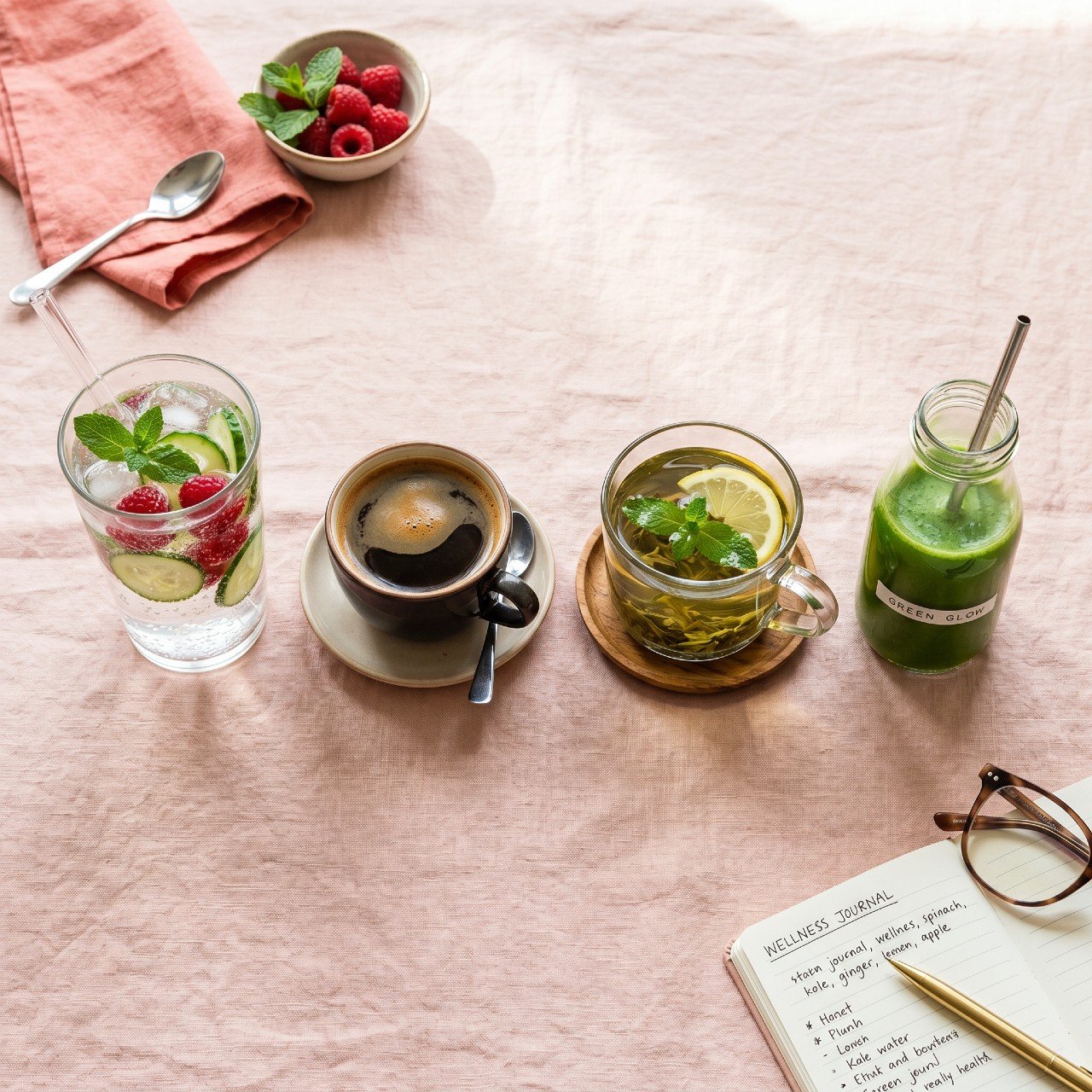
Why "Beverages For Weight Loss" Is The Wrong Way To Think About It
Here's a reframe that changes everything: there is no such thing as a fat-burning drink. There are only drinks that cost you fewer calories than the ones they replaced.
That's right. When research finds that water or green tea "helps with weight loss," it's almost always because the drink either nudges your metabolism by a tiny amount, fills you up so you eat a little less, or, most powerfully, takes the slot in your day that used to belong to something sugary and calorie-dense. The hero isn't the liquid. It's the substitution.
Why does this matter so much? Because of a quirk in how your brain handles calories, you drink versus calories you chew. We barely register liquid calories. A 250-calorie sweetened coffee doesn't make you eat 250 fewer calories at lunch the way a 250-calorie sandwich would. Your body just doesn't notice.
So sugary drinks slip past your appetite radar entirely, which is exactly why swapping them out is one of the easiest wins in weight loss. Keep that lens on as we go through the four. Each one earns its place not because it's magic, but because it's a smart swap.
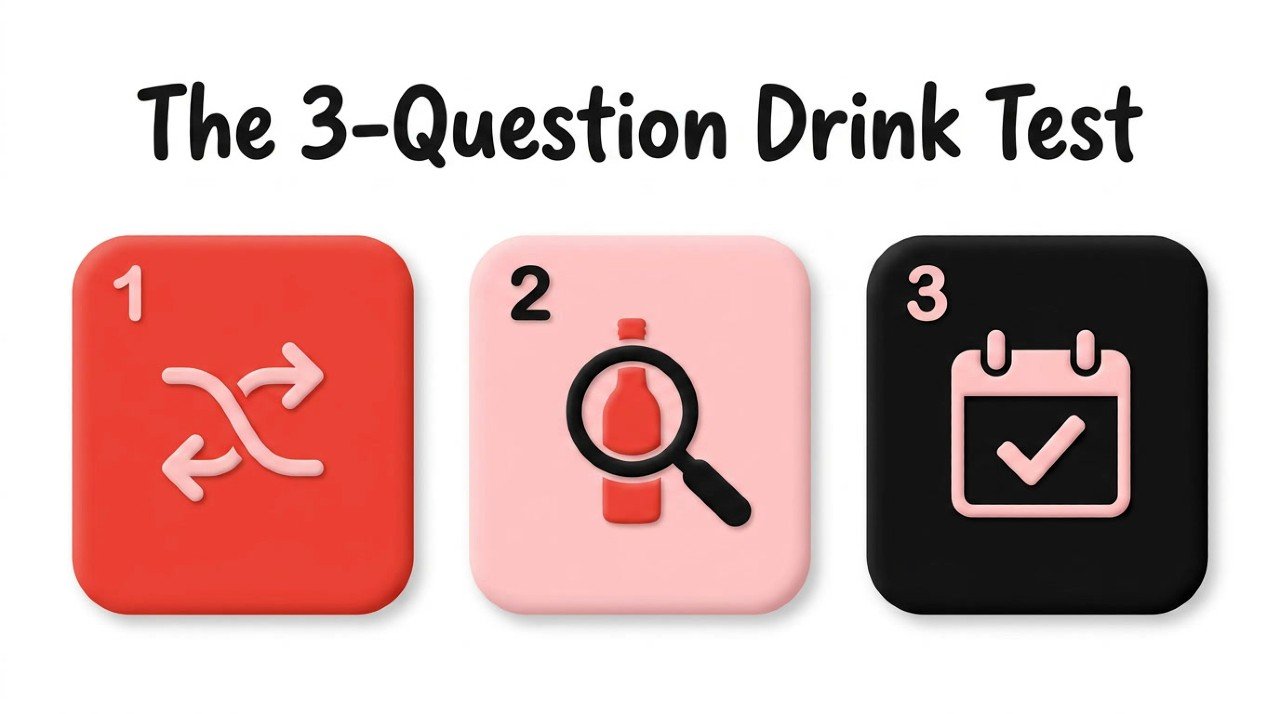
The 3-Question Drink Test (Use This On Any Beverage, Forever)
Before I give you the list, here's the framework I want you to actually keep. The four drinks below will be old news in a year; the test won't. Whenever you're deciding whether a beverage belongs in your day, ask:
- Does it replace something worse? If this drink takes the place of a soda, juice, or sugary coffee, it's already winning. If you're adding it on top of everything else, it's working against you, even if it's "healthy."
- What's hiding in it? Sugar, syrup, cream, "natural" fruit concentrate. Read past the front of the label. A drink marketed for weight loss can easily carry more sugar than a cola.
- Will I actually drink it every day? A perfect drink you hate and quit in a week beats nothing, but only on paper. Consistency is the whole game. Pick the version you'll genuinely reach for.
A drink that passes all three is a keeper. One that fails question one or two is hype, no matter what the packaging promises. Tape it to your fridge if you have to.
| Drink | Replaces something worse? | Common hidden calories | Daily-doable? |
|---|---|---|---|
| Water | Yes, soda, juice, sugary coffee | None | Very easy |
| Black coffee | Yes, sweetened coffee drinks | Sugar, syrups, cream, oat/whole milk | Easy |
| Green tea (unsweetened) | Yes, afternoon soda or snack with a drink | Honey, sugar, bottled "sweet" versions | Easy |
| Homemade veg-forward juice | Sometimes, a meal or snack | Fruit sugar if fruit-heavy | Moderate (effort + cleanup) |
#1. Water: The Most Proven Beverage For Weight Loss
Water is the single most evidence-backed beverage for weight loss, and it's free. In a randomised controlled trial of 84 adults with obesity, those told to drink 500ml of water 30 minutes before meals lost 1.3kg more over 12 weeks than the comparison group, and over a quarter of them lost at least 5% of their body weight.
I know. "Drink water" is the most boring weight-loss advice on Earth. But boring is exactly why it works; there's nothing to quit, nothing to buy, nothing to feel guilty about.
Two things are happening here. First, water genuinely raises your metabolic rate for a short window. Drinking 500ml increased metabolic rate by about 30% for 30–40 minutes in a clinical study using whole-room calorimetry, partly just from your body warming the water to its own temperature. Small, but real, and it adds up across a day.
Second, water fills the space. A glass before a meal takes the edge off, so you're deciding what to eat from "comfortably interested" rather than "ravenous." And every glass of water is a glass that isn't a 150-calorie soda.
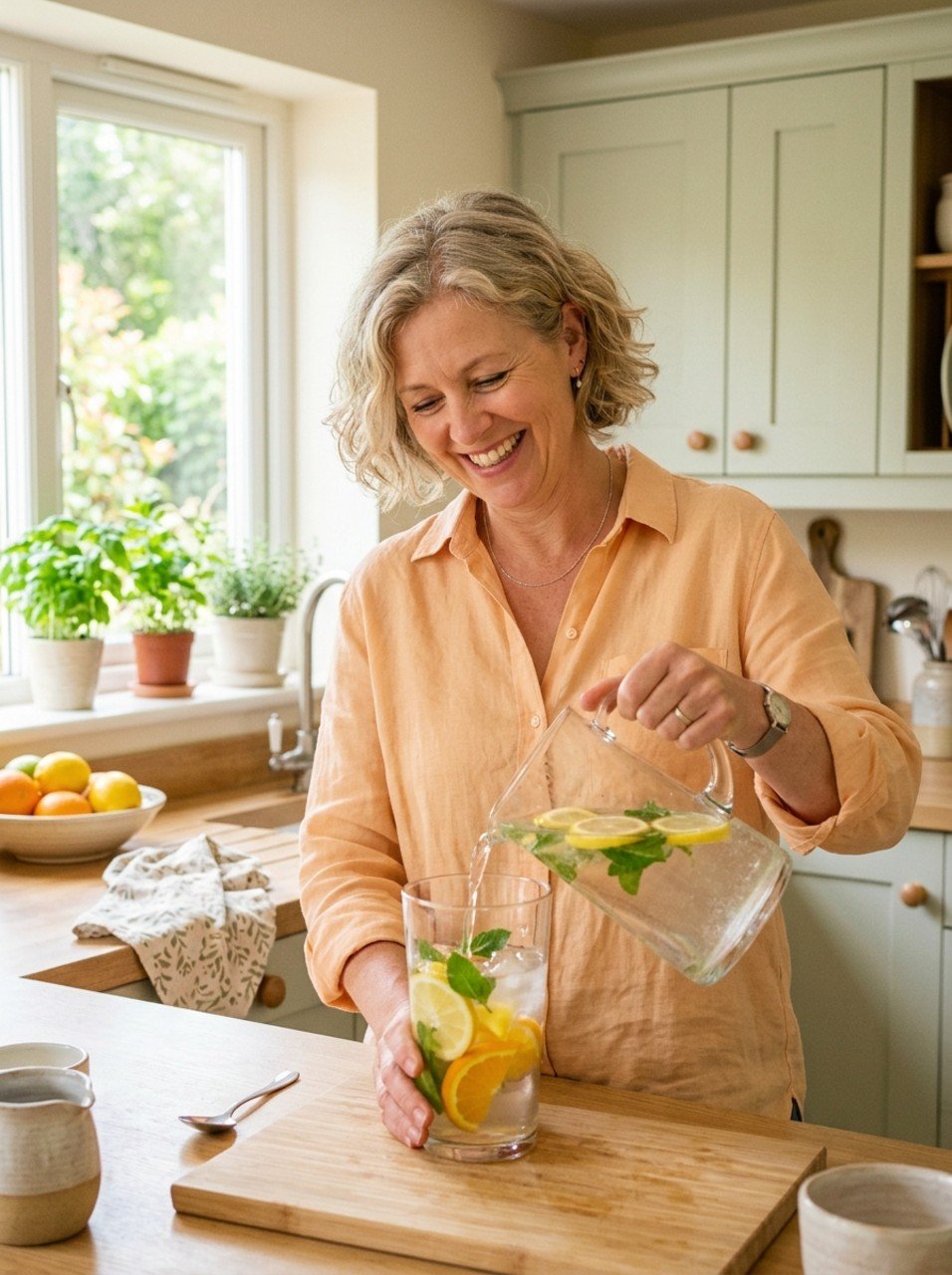
If plain water bores you, that's a solved problem. Get a big tumbler of ice water and add real flavour and colour: frozen grapes, raspberries, blueberries, kiwi or cucumber slices, mint leaves, orange slices, lime wedges, basil, grated ginger, mango, or pineapple. Fruit-infused water gives you the idea of a treat with none of the sugar.
One quick safety note: the "more is always better" rule doesn't apply to water if you have heart or kidney conditions. For most healthy women, drinking to thirst plus a pre-meal glass is plenty.

#2. Black Coffee: A Small, Real Metabolic Nudge
Black coffee can give your metabolism a modest, measurable lift, but only if you keep it black. A classic clinical study found that 100mg of caffeine raised resting metabolic rate by 3–4%, with repeated doses through the day lifting total energy expenditure by 8–11%. That's the size of the effect: a helpful nudge, not a furnace.
Most of us drink coffee for the jolt, and honestly, I don't know if I'd function without my morning cup (of course I would, but that's another article for another day). The bonus is that the caffeine doing the waking-up is also doing a little metabolic work.
Caffeine helps in two practical ways. It blunts appetite slightly, so it can carry you over a mid-morning slump without a snack. And it improves physical performance, which is why your gym trainer might tell you to have a coffee before a workout, you'll push a bit harder and get more out of the session.
But here's where it goes wrong for so many women: the coffee was never the problem. The order you place is. A flavoured latte with syrup and whole milk can run 250–400 calories; that's not a beverage for weight loss, that's a dessert in a cup. Run it through the 3-Question Test, and it fails question two instantly.
Keep it black, or close to it. A splash of milk is fine. The moment syrup, cream, and "extra sweet" enter the picture, you've turned your best metabolic ally into a liability.

#3. Green Tea: Gentle, Antioxidant-Rich, And Mildly Thermogenic
Green tea offers a small but real weight-loss effect thanks to its catechins working with caffeine, not because it "flushes toxins." A meta-analysis in the International Journal of Obesity found green tea catechins were associated with about 1.31kg of weight loss and better weight maintenance. Modest, genuine, and not a detox.
Let me clear something up that the "skinny tea" industry has muddied for years. Green tea does not melt fat or flush out toxins that are "making you hold weight." That's marketing, not biology. What it actually does is more humble and more honest: a compound called EGCG, paired with the tea's caffeine, slightly increases the energy your body burns and the fat it oxidises. The operative word is slightly.
That's still worth having, especially as a swap. A warm, soothing, calorie-free cup of green tea in the afternoon is a lovely stand-in for the soda or the biscuit-with-a-cuppa habit. Two to three cups a day is plenty; the exact amount that suits you depends on your own caffeine tolerance.
The catch, again, is what you add. Bottled "green tea" drinks and honey-sweetened versions can carry as much sugar as a soft drink, which cancels the entire point. Brew it yourself, drink it plain, and let it be the small, steady helper it actually is, not the miracle the label promised.
#4. Homemade Vegetable-Forward Juice: But Read This First
Juice only earns a spot on a weight-loss list if it's mostly vegetables and you made it yourself; store-bought fruit juice is closer to soda than to a salad. This is the one I have to be most honest with you about, because the original version of this advice oversold it.
I am not talking about supermarket juices that have had their fibre stripped out and are essentially fruit-flavoured sugar water. And I'm going to gently correct something you may have read elsewhere (including, years ago, on this very page): please don't replace whole meals with juice. Juicing away your fibre and protein is not a weight-loss strategy; it's a blood-sugar rollercoaster that leaves you hungry an hour later.
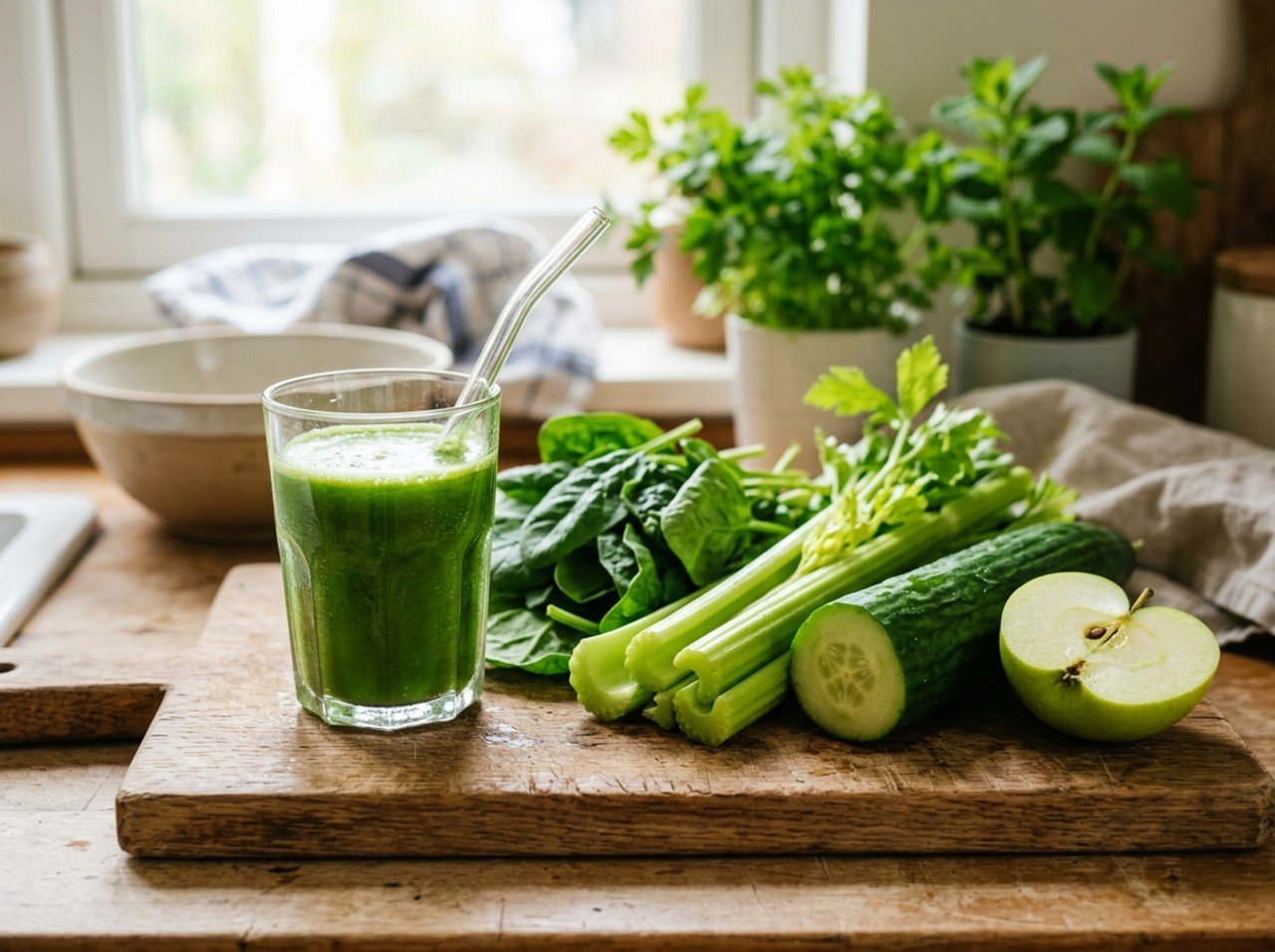
Here's how juice can work for you: make it yourself, lead with vegetables, and treat it as a nutrient top-up, not a meal. Think cucumber, celery, spinach, and kale as the base, with just half an apple or a squeeze of lemon for palatability. That way, you get a flood of micronutrients for very few calories, and you control exactly what goes in.
Run it through the test: a green, veg-forward juice that replaces your usual sugary afternoon drink passes. A large fruit smoothie "bowl" that you add on top of three meals fails. Same word, "juice", completely different outcome.
If you want the fullness and staying power of a meal, you're better off with a proper low-calorie smoothie built on water or unsweetened almond milk, berries, leafy greens, and a scoop of protein. That has fibre and protein. Juice doesn't.
Join Our Mailing List
Join thousands of women inside our community and receive our free guide, 10 Actions That Support Permanent Weight Loss — the exact behavioural shifts that make the difference between a two-week attempt and a lasting transformation.
No restriction plans. No guilt. Just what actually works — for real women with real lives.

How The Four Compare At A Glance
| Beverage | How it helps | Strength of evidence | Smart serving | Watch out for |
|---|---|---|---|---|
| Water | Mild metabolism boost + pre-meal fullness; replaces sugary drinks | Strongest (RCT-backed) | 500ml before meals; sip through the day | Over-drinking if you have heart/kidney issues |
| Black coffee | Caffeine raises RMR 3–4% per 100mg; curbs appetite; boosts workouts | Good | Black or splash of milk, before a workout | Syrups, cream, sugar, turning it into a dessert |
| Green tea | Catechins + caffeine give a small thermogenic/fat-oxidation effect | Moderate | 2–3 plain cups daily | Bottled/sweetened versions; "detox" claims |
| Homemade veg juice | Low-cal nutrient top-up that can replace a sugary drink | Limited (context-dependent) | Veg-forward, home-made, as an extra not a meal | Store-bought fruit juice; replacing real meals |
Join thousands of women inside our community and get our free guide, 10 Actions That Support Permanent Weight Loss, the practical, sustainable habits that turn everything you just read into real, lasting results. No fad diets. No extreme plans. Just what the research actually supports, written for real women.
The Bottom Line
The best beverages for weight loss aren't exotic, expensive, or sold with a countdown timer. They're water, black coffee, green tea, and a sensible homemade juice, and every one of them works for the same unglamorous reason: it replaces something worse and costs you fewer calories.
So let go of the guilt and the hunt for the magic cup. You don't need a fat-burning tea. You need to win the swap, most days, for long enough that it stops feeling like effort.
Drink the water before dinner. Take the coffee black. Brew the tea instead of opening the soda. Do that consistently and you'll feel lighter, have steadier energy, and get through another good day, no special powder required.
Glossary Of Key Terms
- 3-Question Drink Test: A framework used to evaluate the weight-loss utility of a beverage by checking for substitution value, hidden ingredients, and sustainability.
- Catechins: Natural phenols/antioxidants found in green tea that, when paired with caffeine, are associated with modest weight loss and better weight maintenance.
- EGCG (Epigallocatechin gallate): A specific compound in green tea that slightly increases energy expenditure and fat oxidation.
- Fat Oxidation: The biological process of breaking down fatty acids; green tea is noted for mildly increasing this process.
- Liquid Calories: Calories consumed via beverages that the brain fails to register for satiety, often leading to increased total caloric intake.
- Resting Metabolic Rate (RMR): The rate at which the body burns energy while at complete rest; it can be modestly raised by caffeine intake.
- Substitution Effect: The primary driver of beverage-related weight loss, occurring when a low-calorie drink takes the place of a high-calorie one.
- Thermogenic: A substance or process that increases heat production in the body, thereby burning more calories; green tea and water (via warming) have mild thermogenic effects.
- Vegetable-Forward Juice: A homemade beverage consisting primarily of vegetables (e.g., spinach, celery) to provide nutrients with minimal sugar and calories.
- Whole-Room Calorimetry: A clinical study method used to measure the exact metabolic rate and energy expenditure of a person within a controlled environment.
FAQ
What Makes A Beverage Good For Weight Loss?
A good beverage for weight loss is low in calories and sugar, keeps you hydrated, and, most importantly, replaces a higher-calorie drink in your day. The replacement is what drives results, not any "fat-burning" property of the drink itself.
Can Drinking Water Really Help You Lose Weight?
Yes. In a randomised controlled trial, drinking 500ml of water before meals led to 1.3kg more weight loss over 12 weeks. Water also briefly raises metabolic rate and increases fullness, so you tend to eat a little less.
Does Coffee Actually Boost Metabolism?
Modestly, yes. Around 100mg of caffeine raised resting metabolic rate by 3–4% in clinical research. The effect is small and only helps if you keep your coffee black; sweetened coffee drinks easily undo it.
Is Green Tea A Good Beverage For Weight Loss?
It's a helpful one, not a miracle one. A meta-analysis linked green tea catechins to about 1.31kg of weight loss. It works by gently raising fat oxidation alongside caffeine; it does not "flush toxins" or melt fat.
Should I Replace Meals With Juice To Lose Weight?
No. Replacing meals with juice strips out fibre and protein and tends to spike then crash your blood sugar, leaving you hungrier. If you want juice, make a vegetable-forward version yourself and treat it as an extra, not a meal.
Are "Detox" Or "Skinny" Teas Worth It?
Generally no. The evidence behind most detox and skinny teas is thin to nonexistent, and many contain laxatives or hidden sugar. A plain cup of regular green tea gives you the real, modest benefit without the marketing or the risk.
What Are The Best Guilt-Free Alternatives To Soda?
Sparkling water with a splash of real fruit, homemade fruit-infused water, and unsweetened iced herbal or green tea all give you the refreshing, fizzy-or-flavourful hit of soda without the sugar, and each one passes the 3-Question Drink Test.