

Is Extreme Weight Loss Safe? The Real Risks Of Losing Weight Too Fast (And What Works Instead)

You didn’t gain all your weight in one day; you won’t lose it in one day. Be patient with yourself.
Jenna Wolfe
Summary (TL;DR)
Extreme weight loss — dropping more than 1–2 pounds a week through crash diets or severe restriction — usually backfires. The fast number on the scale is mostly water and muscle, not the fat you actually want gone. Worse, losing too fast can slow your metabolism for years, raise your risk of gallstones, and trigger the regain that makes you feel like a failure. For most women, especially over 40, slow and steady isn’t the consolation prize. It’s the only version that lasts.
Let’s be honest about where the pressure comes from. Shows like The Biggest Loser trained a whole generation of women to believe weight should fall off in dramatic, tearful chunks. Add a feed full of “I lost 15 pounds in two weeks” before-and-afters, and the message lands hard: if it’s not fast, you’re not doing it right.
So you try. You slash calories. You see a big number drop in week one — and then nothing. Or worse, it creeps back. Sound familiar? Here’s the part nobody puts in the highlight reel: that early plunge wasn’t fat melting away. And the stall that follows isn’t you failing. It’s biology doing exactly what it’s designed to do when you push too hard, too fast.
This article walks through what extreme weight loss actually does to a woman’s body, why the scale lies to you in the first two weeks, and the science-backed pace that lets the weight come off and stay off. No shame. No fad plans. Just what the research supports.
Medical & Referral Disclaimer
This article is for informational and educational purposes only. It is not a substitute for professional medical advice, diagnosis, or treatment. Always consult your physician or a qualified health provider before starting any new nutrition or exercise plan — especially if you are considering rapid or very-low-calorie approaches.
Key Takeaways
- “Extreme” has a number. Anything faster than roughly 1–2 pounds per week is rapid weight loss, and the risks climb the faster you go.
- The early drop is mostly water and muscle — not the fat you’re trying to lose — so it comes back the moment you eat normally again.
- Losing too fast can slow your metabolism for years. Research on Biggest Loser contestants found their metabolism stayed suppressed six years later.
- Rapid loss raises real medical risks, including gallstones, muscle loss, and nutrient deficiencies, per the National Institute of Diabetes and Digestive and Kidney Diseases.
- Women over 40 are more vulnerable because shifting hormones already make muscle and bone harder to hold onto.
- Slow loss wins on the only metric that matters: keeping it off. In our own community, the women who switched from crash diets to about 1 pound a week were the ones still holding their results two months later.

What Actually Counts As Extreme Weight Loss?
Extreme weight loss is losing more than about 1–2 pounds per week. That’s the line health authorities draw, and crossing it consistently is where the trouble starts. It sounds modest — almost disappointingly so — but that pace exists for a reason: it’s the rate at which your body can actually let go of fat without raiding your muscle, bone, and metabolism to do it.
The confusion is understandable. When you see someone drop 10 pounds in a fortnight, your brain files it under “proof it’s possible.” But pace is only half the story. What you’re losing matters far more than how much — and on a crash plan, the scale is measuring the wrong thing.
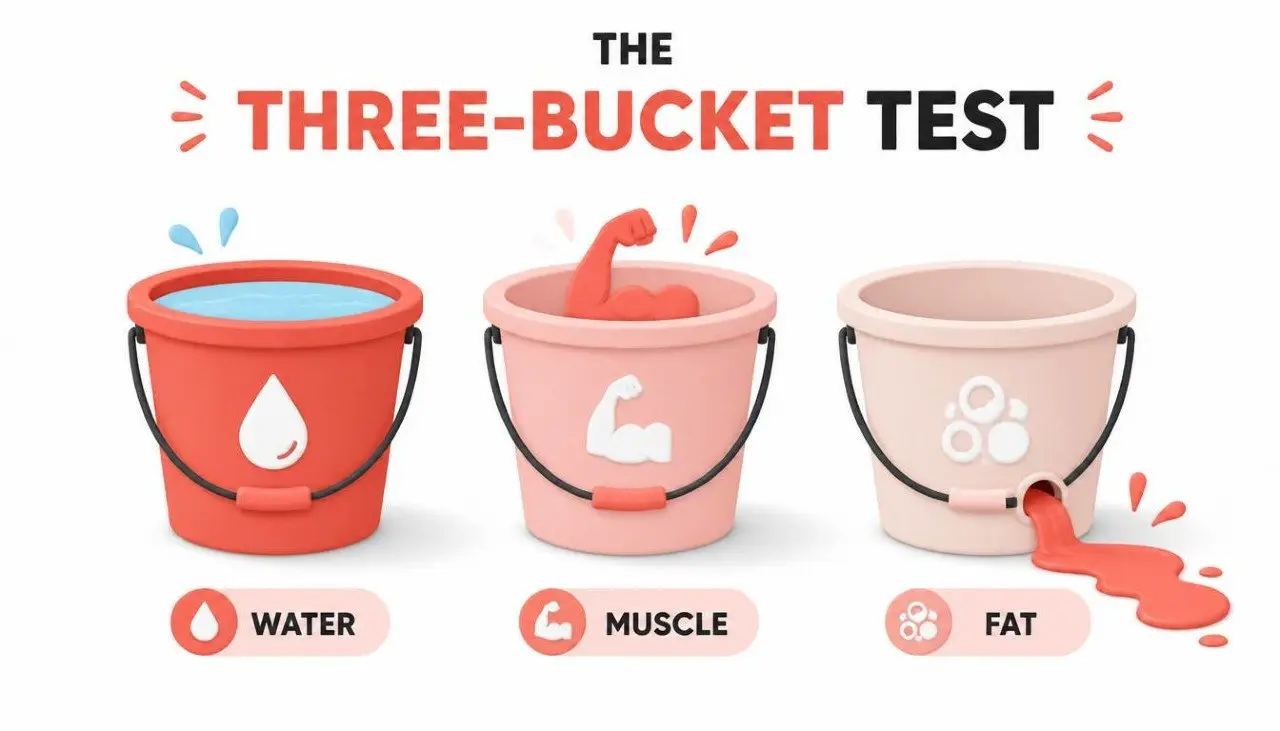
The Original WLBF Framework: The Three-Bucket Test
Here’s a simple lens we use to cut through the noise. Every pound you lose comes out of one of three buckets — and only one of them is the goal:
| The bucket | What it really is | Does it stay gone? |
|---|---|---|
| Water | Glycogen-bound fluid lost in the first 1–2 weeks of restriction | No — returns the moment you eat and drink normally |
| Muscle | Lean tissue your body burns for fuel when calories crash | No — and losing it slows your metabolism further |
| Fat | The stored energy you’re actually trying to lose | Yes — if you lose it slowly enough to protect the other two |
The faster you lose, the more your results come from the first two buckets. The Three-Bucket Test reframes the whole question. The goal was never “lose weight fast.” It was “empty the fat bucket without draining the others.” And that simply can’t be rushed.
Why The Scale Lies To You In Week One
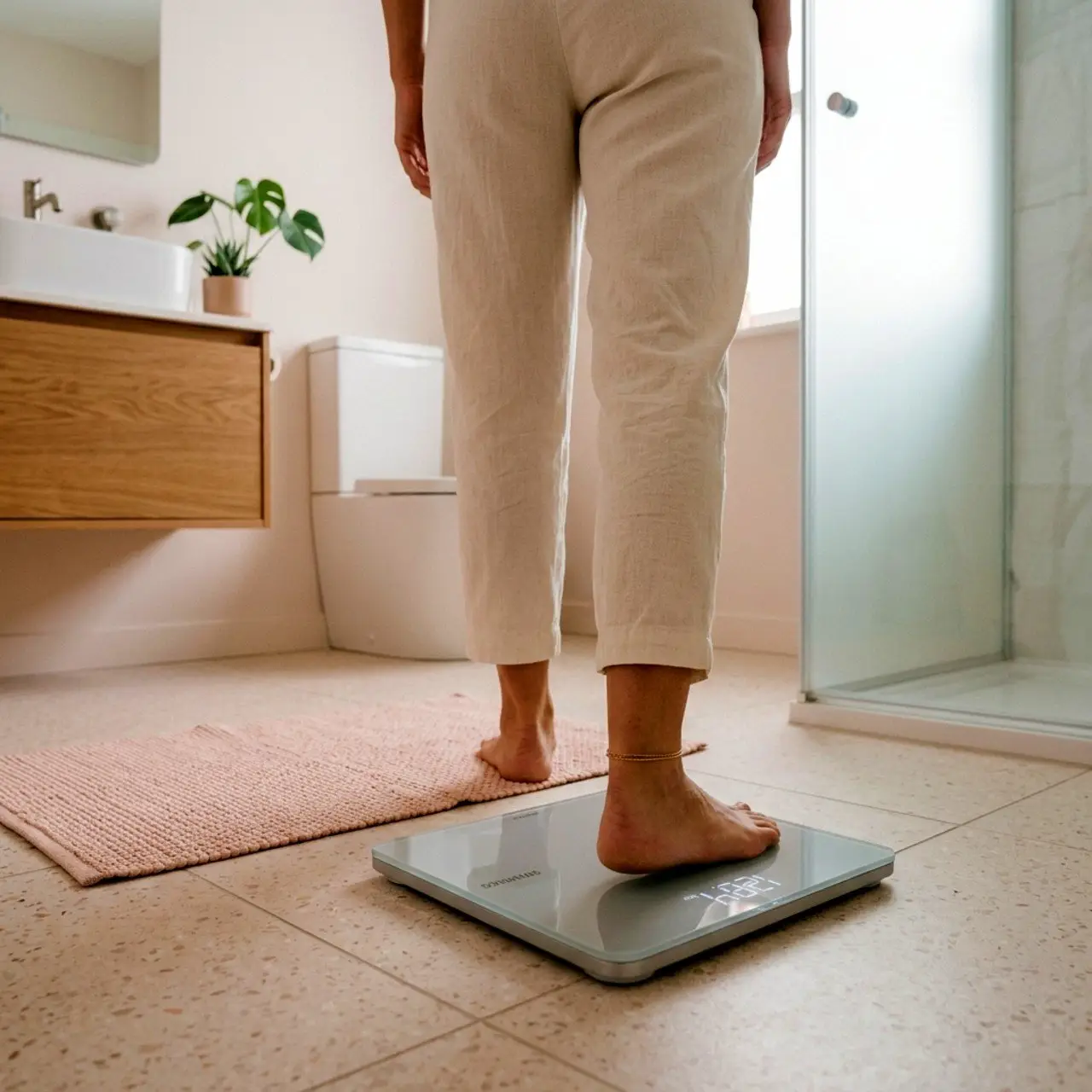
That dramatic first-week drop is mostly water, not fat. When you sharply cut calories — especially carbs — your body burns through its glycogen stores, and glycogen holds onto water. Lose the glycogen, lose the water, watch the scale plummet. It feels like winning. It isn’t.
Here’s why it happens, in plain terms. Your muscles and liver store carbohydrate as glycogen, and every gram of glycogen is bound to roughly three grams of water. Slash carbs hard, and you burn through that glycogen fast — releasing all the water it was holding.
On the scale, that can look like four, five, even seven pounds “lost” in a week. Your body fat has barely budged. Refill the glycogen (which happens the instant you eat normally), and the water rushes back in. Nothing went wrong. The number was just never measuring fat in the first place.
Many of the most extreme “quick results” plans lean even harder on this trick, pushing practices that cause dehydration. You’ll drop pounds fast, but it’s borrowed, not earned — and you’ll regain every ounce the moment you start drinking normally again. Worse, real dehydration can genuinely harm your body, not just your numbers.
This is exactly where so many women get hooked, then crushed. The fast start feels like proof the diet works. The inevitable rebound feels like proof you don’t. Neither is true. You were just watching water move.

How Extreme Weight Loss Slows Your Metabolism
Lose weight too fast and your body fights back by burning fewer calories — sometimes for years. This isn’t willpower folklore. It’s a survival mechanism called adaptive thermogenesis, and the evidence for it is sobering.
The most striking example comes from those same reality-TV contestants. A 2016 study published in the journal Obesity followed 14 Biggest Loser participants for six years after the show. As Harvard Health summarised the findings, the contestants’ metabolism slowed dramatically — and crucially, it never recovered.
Six years on, most had regained much of the weight, yet their bodies were still burning hundreds of calories a day fewer than expected for their size. The more weight someone had lost on the show, the worse their metabolic slowdown became.
You won’t replicate a TV crash camp at home. But the principle scales down to your kitchen: the harder and faster you restrict, the more your body dials down its own engine to protect you.
A systematic review in the British Journal of Nutrition confirms this adaptive drop in energy expenditure shows up after weight loss in adults. Translation: extreme dieting can make the next ten pounds harder than the last.
Think of it from your body’s point of view. It can’t tell the difference between a self-imposed crash diet and an actual famine. When the calories suddenly collapse, it does the sensible thing for survival: it turns down the thermostat. It burns fewer calories at rest, makes you feel colder, drops your energy, and ramps up hunger hormones to push you toward food.
Every one of those “side effects” you white-knuckle through on an extreme plan is actually your body succeeding at protecting you. That’s why willpower is the wrong frame entirely — you’re not fighting weakness, you’re fighting a survival system that’s far older and far more stubborn than your motivation. A gentler deficit barely trips that alarm, which is exactly why it keeps working when crash plans stall.

The Medical Risks Of Losing Weight Too Quickly
Beyond the rebound, rapid weight loss carries genuine health risks. These aren’t scare tactics — they’re documented by major health institutions, and they’re the reason your doctor flinches when you mention a crash plan.
Gallstones
One of the best-documented dangers is gallstones. According to the National Institute of Diabetes and Digestive and Kidney Diseases (NIDDK), when you lose weight quickly, your liver releases extra cholesterol into your bile and your gallbladder may stop emptying properly — a recipe for stones.
The risk is real enough that, in a matched cohort study published in PMC, very-low-calorie dieters had a measurably higher rate of symptomatic gallstones than those losing weight more gradually. NIDDK also notes women are already more prone to gallstones — so the extreme route stacks risk on top of risk.
The agency’s safer-loss guidance is telling: it recommends aiming for just 5 to 10 per cent of your body weight over about six months, the gradual pace that keeps your gallbladder out of trouble in the first place. That’s a world away from the “drop two dress sizes by the weekend” promises that crash plans sell.
Muscle Loss
Crash dieting doesn’t politely take fat and leave the rest. Severe calorie restriction without enough protein and strength training burns through lean muscle alongside fat. Research in PMC on caloric restriction shows that resistance training is what protects lean mass during a deficit — the very thing crash plans skip.
Lose muscle, and you don’t just get weaker; you lower your resting metabolism, making future loss harder. It’s the metabolic-slowdown problem all over again, from a different door.
The Daily Toll
Then there’s how extreme restriction actually feels, day to day. Pushing too far in the opposite direction with food — toward outright starvation — leaves the body malnourished, and important functions can slow or shut down.
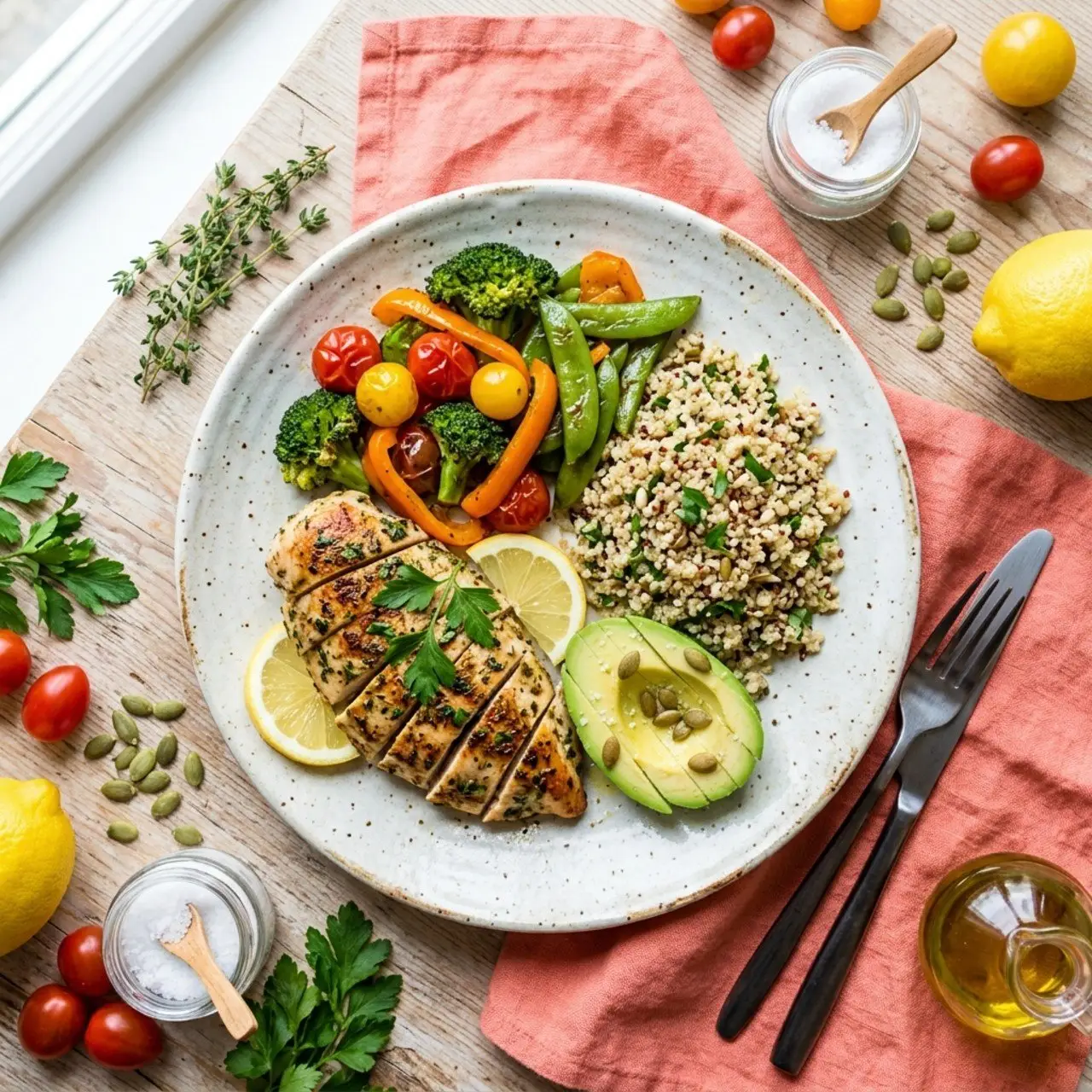
The familiar side effects of going too fast read like a warning label: fatigue, irritability, feeling cold all the time, muscle cramps, dizziness, nutrient deficiencies, and a frayed, anxious relationship with food.
Why “Too Fast” Is Riskier For Women Over 40
If you’re in your 40s or navigating perimenopause, extreme weight loss is a worse bet than ever. Not because your body is broken — because it’s changing, and crash dieting attacks exactly the systems already under pressure.
As oestrogen shifts, holding onto muscle gets harder, and bone density needs more protection, not less. A crash plan that strips muscle and skimps on nutrients hits a 45-year-old body far harder than it hit her at 25.
The same deficit that felt “motivating” a decade ago can now leave you exhausted, foggy, and somehow softer despite eating less. That’s not weakness. It’s biology — and it means the gentle, muscle-protecting approach isn’t optional anymore. It’s the whole game.
The research point that should reshape how you diet after 40 is this: muscle isn’t just about how you look in a sleeveless top. It’s your metabolic engine and your insurance against frailty later. The caloric-restriction research is clear that the women who held onto their lean mass during a deficit were the ones doing resistance training — not the ones cutting calories hardest.
So the worst possible move at this stage is the classic crash combo: eat far too little, skip the weights, and watch the scale “win” while your body quietly dismantles the very tissue keeping your metabolism alive. Slower loss plus strength training isn’t a nice-to-have after 40. It’s the difference between losing fat and losing function.


What Healthy Weight Loss Actually Looks Like
For lasting results, aim to lose about 1–2 pounds per week. It feels slow because it is slow — deliberately. That pace is what lets fat leave while your muscle, metabolism, and sanity stay intact. Here’s how the two approaches really compare once you look past week one:
| Factor | Extreme Weight Loss (crash) | Gradual Weight Loss (1–2 lb/week) |
|---|---|---|
| What you lose | Mostly water & muscle early on | Mostly fat |
| Metabolism | Slows, can stay suppressed for years | Largely protected |
| Gallstone & deficiency risk | Elevated (per NIDDK) | Lower |
| How it feels | Fatigue, cold, irritable, hungry | Sustainable, more energy |
| Keeps it off? | Rarely — yo-yo regain is common | Far more likely |
So what does the sustainable version actually involve? A moderate calorie reduction rather than a brutal one. Enough protein to defend your muscle while you’re in a deficit. Strength training at least a couple of times a week, because that’s the single biggest lever for keeping lean mass as the fat comes off.
And regular movement you can picture yourself still doing in six months, not a punishing regime you’ll abandon in three weeks. None of it is dramatic. That’s the point — it’s built to be repeatable, and repeatable is what eventually changes your body.
There is a narrow exception, and honesty demands it: people carrying a large amount of excess weight can sometimes lose faster safely — but only under proper medical supervision, with a doctor and dietitian guiding the plan.
If your weight is affecting your health, that’s the path: get professional eyes on it. And if you’re told that extreme methods aren’t for you, respect that. It’s your life and your call — but I’d trust the people who can actually see your bloodwork.
How To Spot An Extreme Plan Before You Start
Most crash diets wave the same red flags — you just have to know what to look for. Before you commit to any plan, run it past this quick list. If it ticks two or more, it’s steering you toward extreme weight loss, no matter how wellness-branded the packaging looks:
- It promises a specific big number fast — “lose 10 pounds in 7 days.” Honest plans can’t promise a rate, because fat loss isn’t that predictable.
- It cuts a whole food group entirely with no medical reason, or drops you below roughly 1,200 calories without supervision.
- It leans on “detox,” “cleanse,” or liquid-only phases — usually code for the water-weight trick.
- It says nothing about strength or protein — a sign it doesn’t care whether you keep your muscle.
- It makes you dread food or social meals. If a plan damages your relationship with eating, it’s already failing you.
A plan that passes this test will feel almost boringly reasonable. That’s exactly the feeling you’re after.
The Part That Hurts Most Isn’t Physical
The cruellest thing about extreme weight loss is what it does to your head, not just your body. The fast plan feels like proof you’re finally “doing it right.” So when the scale stalls and the weight creeps back — exactly as biology predicted — it doesn’t feel like the plan failed. It feels like you failed. Again.
That’s the trap, and it’s worth naming out loud, because the shame keeps women cycling. You try harder, restrict more, lose faster, rebound bigger, and each loop chips away at your trust in your own body.
Join Our Mailing List
Join thousands of women inside our community and receive our free guide, 10 Actions That Support Permanent Weight Loss — the exact behavioural shifts that make the difference between a two-week attempt and a lasting transformation.
No restriction plans. No guilt. Just what actually works — for real women with real lives.
The intimidation of starting over. The frustration of working so hard for water weight. The confusion of eating less and somehow feeling worse. None of that is a character flaw. It’s the predictable emotional cost of a method that was never going to work.
Here’s the reframe that changes everything: you don’t have a discipline problem. You have a pace problem. Once you stop demanding that your body do something it’s physically not built to do, the self-blame has nowhere to land — and that, quietly, is where consistency actually begins.
What We’ve Seen In Real Women
Here’s the pattern that convinced me, and it has nothing to do with a TV show. Inside our community, the women who chased extreme weight loss almost always told the same story: a thrilling first fortnight, a stall, then the slow, demoralising creep back.
The plan didn’t fail them on day one. It failed them on day fifty, when the regain showed up and took their confidence with it. The women who switched to a calmer pace — roughly a pound a week — had a different ending.
They were the ones still holding their results at the two-month mark, the point where crash dieters were already rebuilding. They didn’t have more willpower. They had a pace their bodies could actually sustain. That’s the quiet, unglamorous advantage nobody puts on a transformation reel.
The Contrarian Truth: The Scale Is The Worst Way To Judge Progress
The whole premise of extreme weight loss — that a fast-dropping scale means success — is the problem. The scale can’t distinguish between fat, water, and muscle. It rewards you most loudly for the changes that help you least: the water you’ll regain by Tuesday, the muscle you’ll spend years rebuilding. It’s a single noisy number being asked to measure a process it was never designed to see.
This is where the research and the lived experience point the same direction. The Biggest Loser data showed contestants whose scales screamed “success” while their metabolisms were quietly being damaged for years.
The honest reframe most extreme dieters never hear: a slower scale moving down by a pound a week, with your strength intact and your energy steady, is a better result than a fast scale moving down on borrowed water: same direction, completely different outcome.
If you want a real scoreboard, watch how your clothes fit, whether you’re getting stronger in your workouts, and how you feel at 4 p.m. Those tell you what the scale can’t.
You understand why crash plans backfire — now let’s turn that into habits that actually stick. Join thousands of women inside our community and grab our free guide, 10 Actions That Support Permanent Weight Loss: the practical, sustainable steps that translate everything you just read into real, lasting results.
Related Articles
The Bottom Line
So, is extreme weight loss healthy? For most women, no — and the scale’s early applause is exactly what makes it so seductive and so damaging. The fast number is water and muscle; the slowdown and the regain are the bill that comes due.
For the rare person with significant weight to lose under medical supervision, faster loss can be appropriate. For the rest of us, the answer is gentler and far more freeing: pick a pace your body can keep.
Aim for 1–2 pounds a week, protect your muscle, eat enough to function, and let the fat bucket empty on its own schedule. Slow isn’t the compromise. Slow is the version that’s still working two years from now.
Glossary Of Key Terms
FAQ
Extreme weight loss generally means losing more than 1–2 pounds (about 0.5–1 kg) per week. It sounds modest, but consistently going faster is where the health risks — and the regain — tend to show up. Slower really is the safer, more sustainable lane for most women.
Because it costs you more than it gives. Rapid loss can trigger nutrient deficiencies, muscle loss, a slowed metabolism, and a higher risk of gallstones. It also strains your mental health and your relationship with food — and the extreme restriction it relies on is almost impossible to maintain.
Yes. When you crash your calorie intake, your body adapts by burning fewer calories to conserve energy. As the six-year Biggest Loser follow-up showed, that slowdown can persist long after the diet ends — making weight easier to regain and harder to lose next time.
Mostly, no. That dramatic week-one drop is largely water released as your body burns through glycogen, not fat. It returns as soon as you eat and drink normally — which is why the fast start so often ends in a discouraging bounce-back.
It’s common. This “yo-yo” pattern happens because extreme plans aren’t sustainable. Once normal eating resumes — against a slowed metabolism — the weight tends to return, sometimes beyond where you started. A gradual pace is far more likely to stick.
Yes. Shifting hormones in perimenopause already make muscle and bone harder to hold onto. Crash dieting, which strips muscle and skimps on nutrients, hits a 40-plus body harder — making the gentle, muscle-protecting approach especially important at this stage.
A moderate calorie reduction, balanced nutrition, regular movement that includes strength training, and a pace of 1–2 pounds per week. Protect your muscles, eat enough to function, and let fat loss happen on a timeline your body can sustain. Looping in a doctor or dietitian helps tailor it to you.
You Know Why. Now Learn Exactly How
Join thousands of women inside our community and receive our free guide: 10 Actions That Support Permanent Weight Loss — the practical, sustainable habits that translate everything you just read into real, lasting results.
No fad diets. No extreme plans. Just what the research actually supports — written for real women.
Thanks for sharing this valuable post here!