
The 3 Most Effective Tips For Helping Women Lose Weight That Actually Work
Naomi Judd
Your Body Is Always Listening
Your body hears everything your mind says.
The Executive Summary
Discover effective strategies for weight loss tailored for women, addressing biological factors like hormones and stress. Prioritize emotional health to manage cortisol levels, which can trigger fat storage.
Combine strength training with cardio to build lean muscle and boost metabolism. Aim for 25–30g of protein per meal to control hunger and support muscle repair. Understand hormonal influences, such as estrogen and progesterone, to work with your body for sustainable fat loss.
If you've tried everything and still can't lose weight — or you lose it and gain it all back — I need you to hear this: you don't have a motivation problem. You have a system problem.
The fitness industry has spent decades recycling the same tired advice. Eat less. Move more. Just push harder. Meanwhile, it has completely ignored the science of the female body. Weight loss for women isn't simply about calories — it's about hormones, emotions, sleep, cortisol, and a hundred other variables that standard advice never touches.
This isn't a weakness. This is biology.
In this guide, I'm breaking down 3 proven, women-first tips for helping you lose weight for good — and why the approach your body actually needs looks nothing like what most programmes are selling.
Medical & Referral Disclaimer
This article is for informational and educational purposes only. It is not a substitute for professional medical advice, diagnosis, or treatment. Always consult your physician or qualified health provider before starting any new diet or exercise program.
Key Takeaways
- Women's weight loss is shaped by biology — hormonal cycles, cortisol, and life stages like menopause all affect fat loss differently than in men.
- Emotional health isn't optional; unmanaged stress directly increases fat storage through elevated cortisol.
- The most effective exercise routine combines strength training and cardio — not one or the other.
- Protein (25–30g per meal) is the single most powerful nutritional lever for managing hunger and building fat-burning muscle.
- Tangible, visual goals consistently outperform willpower as a long-term motivator.
- Sustainable fat loss requires a system — not sacrifice.
Why Is Losing Weight Harder For Women Than Men?
Women lose weight differently from men because of hormonal fluctuations across the menstrual cycle, pregnancy, and menopause. These biological rhythms directly affect metabolism, fat distribution, and hunger signals — making generic advice insufficient for the female body.
This isn't an excuse. It's essential context.
Your hormones are not your enemy — they are messengers. When you understand what they are telling you, you stop fighting your body and start working with it. Here's what the science actually shows:
- Estrogen promotes fat storage around the hips and thighs as an evolutionary energy reserve for pregnancy and nursing.
- Progesterone fluctuations in the luteal phase (days 15–28) increase carbohydrate cravings and disrupt sleep quality.
- Cortisol — the primary stress hormone — signals your body to store fat, especially in the abdominal area.
- Leptin and ghrelin (your hunger hormones) are more sensitive to sleep deprivation in women than in men.
Understanding these hormonal realities allows you to plan smarter: timing your most intense workouts for the follicular phase (days 1–14), opting for gentler movement in the luteal phase, and treating sleep as a genuine fat-loss tool — not a luxury.
For a deeper dive: How Hormones Affect Weight Loss in Women →
Tip #1: Why Emotional Health Is Your Secret Weight Loss Weapon
Emotional health is the foundation of successful, sustainable fat loss for women — not a nice-to-have add-on. Chronic stress, anxiety, and hormonal shifts trigger emotional eating patterns that no calorie deficit can override. Addressing your mental and emotional well-being is the first and most powerful step toward fat loss.
How Does Cortisol Cause Weight Gain in Women?
Chronic stress elevates cortisol — a hormone that directly promotes abdominal fat storage and amplifies cravings for high-sugar, high-fat foods. In women, cortisol dysregulation is both more common and more physiologically pronounced than in men, because estrogen amplifies the cortisol stress response.
When cortisol stays elevated, your body interprets it as a survival threat. Its response? Store fat. Break down muscle. Crave calorie-dense food. It is a brilliantly designed survival system — and a relentless obstacle to modern weight loss goals.
Signs that cortisol may be working against your fat loss
- Persistent belly fat despite regular exercise
- Strong cravings for sugar and salt, especially in the evening
- Fatigue even after a full night's sleep — the "wired but tired" feeling
- Waking between 2:00 and 4:00 am regularly
- Feeling overwhelmed by minor setbacks
This is where most weight loss programmes fail women entirely. They hand you a meal plan and a workout schedule and call it a system. But if your cortisol is chronically elevated, no meal plan will override it.
You don't have an eating problem. You have a stress management problem. Fix the stress, and the eating often fixes itself.

What Practical Steps Can Break the Emotional Eating Cycle?
The good news: this cycle is absolutely breakable. Research found that mindfulness-based stress reduction significantly lowered cortisol levels over just 8 weeks — and participants lost measurably more abdominal fat than the control group.
Evidence-based strategies that actually work:
- 10-minute daily meditation — Apps like Insight Timer or Calm make this achievable for even the busiest women.
- Trigger journalling — Write down what you ate, when, and how you felt beforehand; patterns emerge quickly and become impossible to ignore.
- Therapeutic movement — Yoga and Pilates lower cortisol while building strength and flexibility simultaneously.
- Quality sleep (7–9 hours) — According to the CDC, insufficient sleep raises ghrelin (the hunger hormone) and reduces leptin (the satiety hormone), dramatically increasing appetite the following day.
- Professional support when needed — Therapy or counselling is not a weakness; it is the highest-leverage investment in your long-term health.
Related reading: Using Mindfulness to Break the Cycle of Emotional Eating →
Tip #2: What's the Most Effective Exercise Mix for Women to Lose Weight?
The most effective exercise approach for women combines strength training (2–3 sessions per week) with cardiovascular exercise. This pairing builds metabolism-boosting lean muscle, improves hormonal balance, and sustains calorie burn around the clock — far beyond what cardio alone can achieve.
Why Does Strength Training Help Women Lose Weight Faster?
This is where most women leave significant results behind. Hours on the treadmill feel productive. But without strength training, you are missing the single biggest lever available to you: lean muscle mass.
Here's the science: one pound of muscle burns approximately 6–10 calories per day at rest, compared to roughly 2 calories for a pound of fat. Build 5 pounds of lean muscle, and you are burning an extra 40–50 calories every single day — without setting foot in the gym.
More importantly for women: strength training improves insulin sensitivity, which directly affects how your body processes carbohydrates and where it stores fat. A 2022 study in the Journal of Strength and Conditioning Research found that women who combined strength training with cardio lost 32% more body fat over 12 weeks than women who did cardio alone.
As researchers at Harvard T.H. Chan School of Public Health note, women who strength train regularly also experience improved bone density — a critical benefit as estrogen declines with age and perimenopause.

What Does a Weekly Fat-Burning Routine Look Like?
Here is a practical, hormone-friendly weekly template that builds lean muscle while supporting recovery:
| Day | Activity | Duration | Focus |
|---|---|---|---|
| Monday | Strength Training | 45–60 min | Lower body: squats, lunges, deadlifts |
| Tuesday | Active Recovery | 20–30 min | Walk, yoga, or gentle stretching |
| Wednesday | Strength Training | 45–60 min | Upper body: rows, push-ups, shoulder press |
| Thursday | Cardio | 30–45 min | Moderate intensity: cycling, swimming, brisk walk |
| Friday | Strength Training | 45–60 min | Full body: compound movements |
| Saturday | Cardio or Pilates | 30–45 min | Choice: class, run, or core-focused Pilates |
| Sunday | Rest | — | Full recovery — essential, not optional |
To get the most from each strength session
- Focus on compound movements — squats, deadlifts, rows, lunges — that engage multiple large muscle groups at once.
- Target 25–30g of protein per meal to support muscle repair and manage hormonal hunger cues. University of Missouri research found a high-protein breakfast alone reduced daily calorie intake by approximately 400 calories — without any conscious restriction.
- Supplement with iron, calcium, and Vitamin D, which are frequently under-consumed in women and directly impact energy and metabolic rate.
Build your training foundation: Fat-Burning Workouts That Melt Stubborn Fat →
Tangible Goal Inspires Hope And Commitment
Tip #3: Why The Right Mindset Creates Lasting Weight Loss Results
Sustainable fat loss motivation does not come from willpower or past-focused shame — it comes from tangible, future-focused goals. Investing in a physical representation of your desired outcome creates a daily psychological pull toward the habits that get you there — and research shows it works.
Why Do Tangible Goals Outperform Before-and-After Photos?
Before-and-after photos anchor you to the past. A more powerful psychological approach: Buy one item of clothing that doesn't quite fit yet — and put it somewhere you see it every single day.
This is not about shaming yourself. It is about creating a future-focused emotional anchor. Every time you see that item, your brain fires a forward-oriented motivation response — you are not reminding yourself of what you lack; you are reminding yourself of what you are building.
This is called implementation intention psychology, and multiple studies — including a widely cited meta-analysis in the British Journal of Health Psychology — show it increases goal follow-through by up to 91% compared to vague intentions.
Additional high-leverage mindset strategies
- Write your "why" list — not just "lose 15 pounds" but why you want that. How will it feel? What will you do differently? Who will you show up as?
- Track consistency, not perfection — a simple habit tracker builds identity-level momentum. Missing one day is normal. Missing two is a choice.
- Celebrate non-scale victories — sleeping better, lifting heavier, finishing a workout you used to dread. These are real wins.
Consistency is the skill, not motivation. Read: How to Motivate Yourself to Finish Workouts — Not Just Start Them →
Join Our Mailing List
Ready to take those three simple weight loss tips and turn them into real results? It's time to ditch the generic advice and discover what truly works for the female body.
Join thousands of women inside our community and receive our free guide, 10 Actions That Support Permanent Weight Loss — the exact behavioural shifts that make the difference between a two-week attempt and a lasting transformation.
No restriction plans. No guilt. Just what actually works — for real women with real lives.
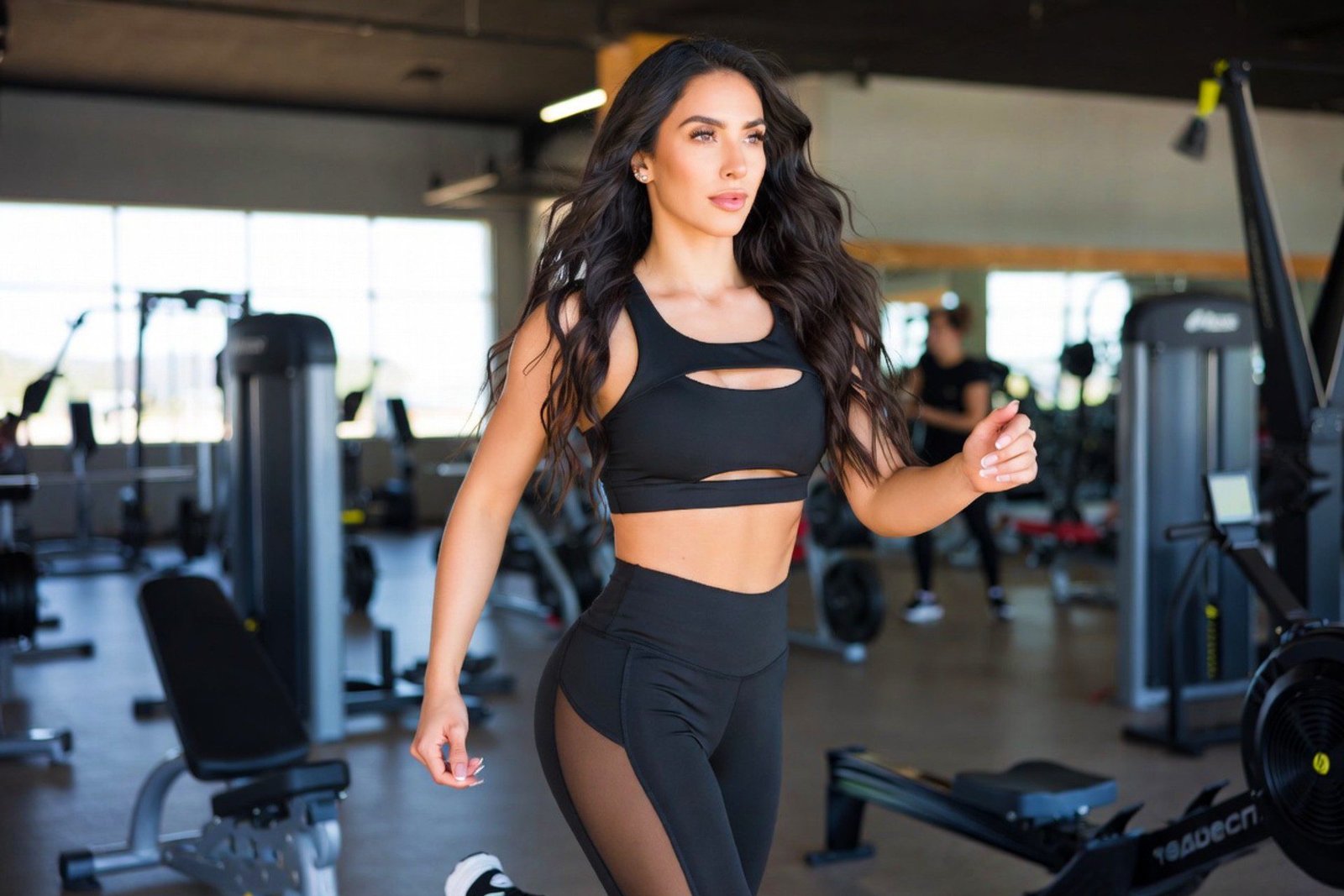
What Small Daily Habits Create the Biggest Weight Loss Results?
Women who achieve lasting transformation rarely do dramatic things. They do small, specific things — consistently.
| Habit | Why It Works | Time Investment |
|---|---|---|
| 10-minute morning walk | Lowers cortisol, improves insulin sensitivity, sets the tone for the day | 10 min |
| Protein at every meal (25–30g) | Manages hunger hormones, supports muscle, and reduces total calorie intake | 0 min (planning only) |
| 7–9 hours of sleep | Reduces ghrelin by up to 15%, supports hormonal recovery | — |
| Strength training 2–3x per week | Boosts resting metabolism, fundamentally changes body composition | 45–60 min |
| Daily water intake (2–2.5 litres) | Reduces hunger confusion, supports every metabolic process | — |
| Weekly (not daily) weigh-ins | Data over drama — tracks trends, not daily hormonal fluctuation noise | 2 min |
What Should Women Eat to Lose Weight?
Women aiming to lose weight should prioritise protein (25–30g per meal), fibre-rich vegetables, and healthy fats, while managing refined carbohydrate intake — especially in the luteal phase when progesterone increases cravings and blood sugar regulation becomes more challenging.
Instead of following a restrictive diet, think in terms of food quality and hormonal support:
| Nutrient | Daily Target | Best Sources | Why It Matters for Women |
|---|---|---|---|
| Protein | 1.6–2.0g per kg of bodyweight | Chicken, fish, eggs, Greek yoghurt, legumes | Builds muscle, manages hunger, elevates metabolism |
| Fibre | 25–35g | Vegetables, berries, oats, beans | Regulates blood sugar, feeds gut microbiome |
| Healthy Fats | 30–35% of total calories | Avocado, olive oil, nuts, oily fish | Hormone production, sustained satiety |
| Iron | 18mg (pre-menopause) | Red meat, spinach, lentils, fortified cereals | Energy, oxygen delivery, metabolic rate |
| Calcium | 1,000mg | Dairy, leafy greens, fortified alternatives | Bone health is linked to improved fat metabolism |
| Water | 2–2.5 litres daily | Water, herbal tea, water-rich vegetables | Reduces hunger confusion, supports all metabolic processes |
Limit (not eliminate) these:
- Ultra-processed foods high in refined sugar — they spike and crash blood sugar, amplifying hormonal cravings.
- Alcohol — it disrupts sleep quality, lowers decision-making inhibition around food, and is directly converted to acetate, blocking fat burning.
- High-sodium processed snacks — cause water retention that can mask real fat loss progress on the scale.
Plan your nutrition for the week: Weight Loss Meal Prep Ideas for Women →

A New Perspective on Your Weight Loss Journey
Here's what nobody tells you: you were probably never failing. You were using the wrong system.
The programmes, diets, and advice that made you feel like it was your fault for not sticking to them? They were built for a different body. A body that doesn't experience monthly hormonal cycles. A body that doesn't carry the mental and emotional load that most women carry.
A body that doesn't live in a culture that simultaneously demands women be smaller while offering fewer genuine tools to get there. The three tips in this article are not hacks or shortcuts. They are a reframe.
Prioritise your emotional health. Train your body to be strong, not just small. Set goals that pull you forward rather than shame you backwards.
When those three things align, something shifts. You stop fighting yourself. You stop white-knuckling through week three of yet another programme that wasn't designed for you. And you start building a body — and a life — that actually feels like yours.
Related Articles
The Bottom Line
Helping women lose weight effectively starts with one acknowledgement: the female body is biologically different from the male body, and it deserves a system built specifically for it.
The three most impactful steps you can take right now:
- Address your emotional health first — manage cortisol through sleep, stress reduction, and daily mindfulness.
- Train with intention — combine strength training with cardio for a metabolic foundation that lasts.
- Anchor your motivation — set a tangible, visible goal that pulls you forward every single day.
There are no quick fixes. But there is a smarter path. And it begins by recognising that your biology is not a barrier — it is your guide.
Did this help?
Share it with a woman you know who deserves better advice
Glossary Of Key Terms
FAQ
Women experience greater hormonal variation — monthly menstrual fluctuations, pregnancy, and menopause — which directly affect metabolism, fat storage patterns, and hunger signalling. Estrogen promotes fat storage around the hips and thighs, while heightened cortisol sensitivity makes chronic stress a stronger driver of abdominal weight gain in women than in men.
The most effective combination is strength training (2–3 sessions per week using compound movements like squats, deadlifts, and rows) paired with moderate cardio. Strength training builds metabolism-boosting lean muscle; cardio supports cardiovascular health and additional calorie expenditure. Pilates and yoga are valuable additions for core strength, flexibility, and cortisol reduction.
Prioritising protein (25–30g per meal), fibre (25–35g daily), and key micronutrients — particularly iron, calcium, and Vitamin D — supports lean muscle retention, manages hunger hormones, and sustains energy throughout the day. Reducing ultra-processed foods, alcohol, and refined sugars helps regulate blood sugar and reduces hormonal fat storage triggers.
Poor sleep raises ghrelin (the hunger hormone) and elevates cortisol — both of which increase appetite and promote abdominal fat storage. Aim for 7–9 hours of quality sleep per night. For women, inadequate sleep disrupts the hormonal environment required for effective fat loss as significantly as a poor diet.
Cortisol signals the body to store fat — particularly in the abdominal region — and increases cravings for high-calorie food. Women are more susceptible to cortisol-driven weight gain because estrogen amplifies the cortisol stress response. Managing stress through sleep, mindfulness, and therapeutic movement is therefore a direct fat loss strategy — not a soft lifestyle suggestion.
Yes — and extreme restriction is often counterproductive. Severely cutting calories lowers your metabolic rate, increases cortisol, and triggers muscle loss, all of which make long-term fat loss harder. A moderate calorie deficit (250–500 calories below maintenance), combined with adequate protein and strength training, produces more sustainable results for women's bodies.
You Know Why. Now Learn Exactly How
Ready to take the first step? Download the free Lean Body Formula Special Report — 10 evidence-based strategies for permanent fat loss, designed specifically for women's bodies.