


I Don’t Have Time To Cook While Losing Weight
Time-Crunched But Determined To Lose Weight? Learn How To Slim Down

Healthy eating is a way of life, so it's important to establish routines that are simple, realistically, and ultimately liveable.
Arthur Agatston ‧ American cardiologist and celebrity doctor
Navigating a weight loss journey often feels impossible when maintaining a busy schedule, but achieving your health goals does not require spending hours in the kitchen. Effective nutrition management relies on strategic planning rather than complex culinary skills.
This guide explores practical solutions for those who struggle with having no time to cook, offering insights into selecting nutrient-dense convenience foods, mastering simple meal prep techniques, and making informed choices to sustain a consistent calorie deficit without compromising your daily productivity.
Preparing and cooking quick, healthy meals should be easy. While it might feel good to put a delicious dinner on the table night after night, it can also be a time-consuming process.
When life gets busy, and you don't have time to cook, there are some great tricks up your sleeve to increase your chances of eating a healthy meal - after all, being busy and stressed is bad enough without feeling sick from too much takeaway.
Switching to fast food or frozen meals on days when you feel you have no energy left may feel like an easy solution, but you deserve better! We don't think you have to sacrifice your diet to save time and effort. Instead, here are eight practical cooking tips that will help you prepare healthy meals in no time!
Key Takeaways
- Shift from reactive eating to proactive meal planning: Success in weight loss on a busy schedule comes down to planning rather than making impulsive food decisions when exhausted. Dedicating time once a week to creating a shopping list and prepping components reduces "decision fatigue" and ensures healthy choices are the default.
- Embrace frozen and pre-chopped convenience: Do not hesitate to use pre-chopped vegetables or frozen produce, as they are nutritionally equivalent—and sometimes superior—to fresh items. These "game-changers" allow you to assemble meals like stir-fries or salads in minutes.
- Maximise efficiency through batch cooking: Prepare large quantities of versatile staples such as brown rice, quinoa, or proteins like hard-boiled eggs and chicken breasts at the start of the week. Additionally, doubling your dinner portions and freezing half creates a "stash" of healthy meals for nights when you cannot cook.
- Utilise time-saving kitchen appliances: Leveraging a microwave for steaming vegetables or a slow cooker for hands-off, one-pot meals can reduce active cooking time by up to 70%. These methods also help preserve vitamins by reducing exposure to high heat and water.
- Stock your pantry with healthy staples: Keep low-sodium canned foods like beans, lentils, and wild Alaskan salmon on hand for last-minute meals. Pairing these with pre-washed greens or pre-cooked rotisserie chicken makes it possible to assemble a nutritious dinner in under 20 minutes.
- Prioritise sustainable habits over perfection: Focus on building liveable routines by implementing one small strategy at a time, such as making overnight oats or prepping smoothie ingredients. These small, consistent changes are the ultimate key to achieving permanent weight loss without requiring extra time.
Video Overview
The 'No Time To Cook' Dilemma
In the constant tug-of-war between our intentions and our reality, our desire to eat healthily often loses out to our busy schedules.
We may start the day with plans to cook a nutritious meal at home, but by dinnertime, we're too exhausted to follow through. When life gets busy and you feel you have no energy left, the temptation to opt for fast food or frozen meals can be hard to resist.
However, you don't have to sacrifice your diet to save time and effort. The solution isn't about finding more hours in the day or mastering complex culinary skills. It's about changing your approach and adopting a few practical strategies that fit with your busy life.
#1. Make A Shopping List
The first operational pillar is proactive planning, which involves dedicating a small amount of time at the beginning to making decisions and preparing components, thereby minimising daily effort and cognitive load.
Systematising the initial stages of meal creation creates an environment where healthy choices become the default, even on the busiest days. Take some time one day every week to sit down and make a shopping list. Then visit the grocery store and purchase all of the ingredients for those recipes in advance.
Keeping a shopping list and sticking to it saves time and money, and stops you from buying unhealthy food. Another helpful tip is to never go to the supermarket when you're hungry!
#2. Shop Pre-Chopped Veggies
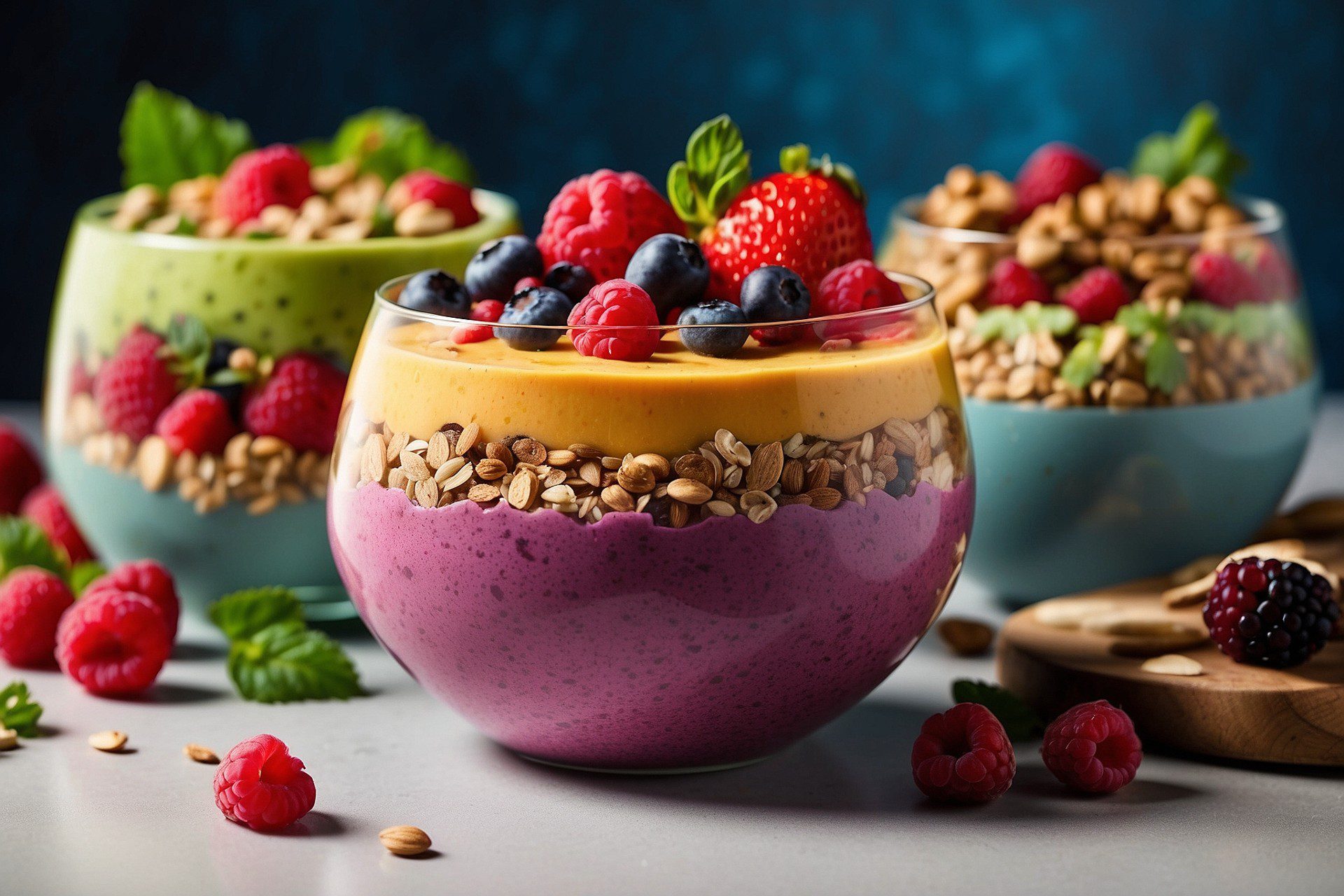
I used to look at those bags of pre-chopped stir-fry vegetables and wonder who was buying this stuff. Busy people, that's who! Having the prep done for you makes it so much easier to throw something together on the fly.
You can even get pre-cooked zucchini (courgette) pasta these days, which is a total game changer - pair it with frozen meatballs and a jar of sauce for an easy meal.
Grab a couple of bags of your favourite stir-fry mix or pre-washed salad greens, and you're basically halfway to dinner. Just add some protein, some crusty bread or pre-cooked rice on the side, and you're ready to go.
Time To Take Wait Loss To The Next Level?
Are you ready to get in shape? Join us and get the list of top 10 actions that support PERMANENT weight loss and make you look and feel better without being hungry in the process!
#3. Choose Frozen Veggies And/Or Fish
Time and time again, people choose frozen fruit and vegetables over fresh produce. The nutritional content is pretty much the same — studies show that frozen produce often retains vitamins due to being flash frozen at peak ripeness, making it nutritionally equivalent to, or sometimes superior to, fresh produce bought from a store.
They also come already chopped, diced and ready to eat. Frozen fruit, vegetables and fish have almost the same nutritional value as fresh produce. They are pre-chopped and have a much longer shelf life, making them ideal for those days when you can't make it to the supermarket.
#4. Make Food Ahead
Try preparing food ahead of time. Overnight oats are all the rage these days because they're healthy, delicious and easy to grab in the morning. A great idea is to batch cook brown rice, quinoa, farro and other healthy grains to keep in the fridge for when the week gets busy. Use this chart for a quick guide to cooking grains.
We also recommend freezing our fruit and veg smoothie ingredients so they're ready to pop in the blender when you roll out of bed in the morning. Try hard-boiling eggs ahead of time for a great source of grab-and-go protein!
#5. Cook In The Microwave
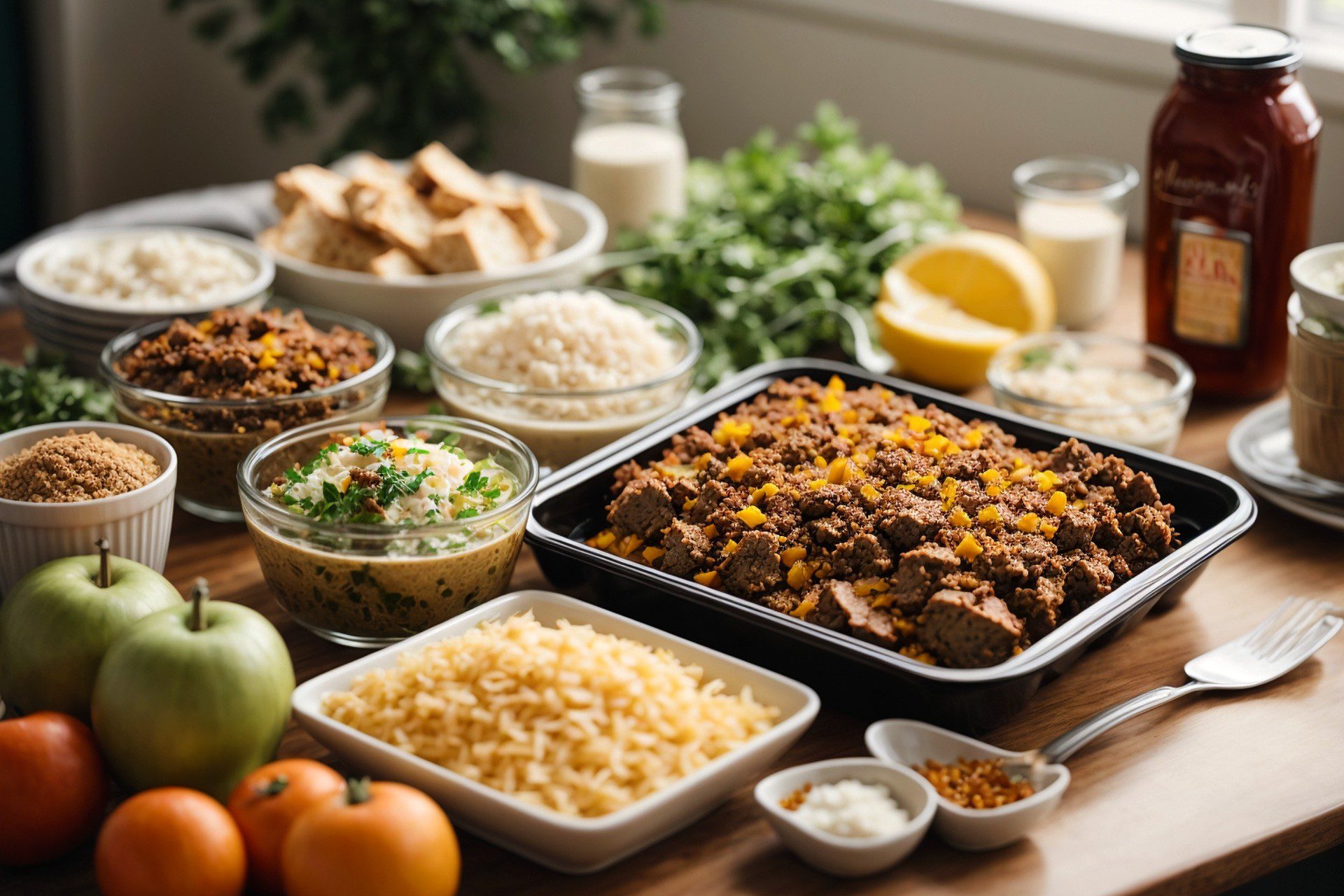
You invented the microwave for the fast-paced world we live in today. But that doesn't mean grabbing a ready meal and sticking it in the microwave is the best option.
You can still maintain the nutritional value of home cooking while using this appliance to speed up your meal preparation. We recommend steaming your vegetables in the microwave to save time.
Also consider microwaving individual portions. We also love making crisps in the microwave because it cuts down on the fat! You can also microwave your poultry to speed up the cooking time. The possibilities are endless...
#6. Double The Portions
The easiest way to eat at home when you're pressed for time is to double what you're making and freeze half of it. A stash of frozen meals means you can still serve a great meal on nights when you don't have time to defrost meat, babysit the stove or just don't feel like cooking.
It's the best way to cook in the freezer without spending a whole day in the kitchen. Double meals include casseroles, pizza dough, soups and baked goods.
And because it's just the two of us, we can usually make a full recipe and just freeze the half we don't eat. It's usually much easier to eat food that's been frozen at the peak of its freshness than to open a suspicious-looking container that's been sitting in the fridge for too long.
#7. Canned Foods
Carefully selected canned and jarred foods such as vegetable or chicken bouillon, sardines, wild Alaskan salmon, artichokes, roasted red peppers and others make it easy to throw together last-minute meals.
Always go for lower-sodium versions and read labels carefully to be sure that gluten, dairy, sugars, and other unwanted ingredients aren't inadvertently sneaking into your diet. If choosing canned food, opt for PBA free cans whenever possible.
#8. Get A Crockpot
Slow Cooker Meals
Start to cook slow-cooker meals. They usually make a ton, create a minimal mess, and the dishes usually keep and freeze super well.
We urge you to cook more slow cooker meals. They tend to make a lot of food, make a minimal mess and tend to keep and freeze really well. Most crockpot recipes require only a few ingredients that simmer all day and provide a scrumptious meal just in time for dinner.
But you can speed up the morning prep-work by gathering all the ingredients together the night before. Assemble in a bag and dump into your slow-cooker the next morning. Easy as walking in the park!
It's About Preparation, Not Perfection
Succeeding with healthy eating on a busy schedule ultimately comes down to shifting from reactive eating to proactive meal planning. By implementing these simple strategies, you can transform your kitchen into an asset that supports your health goals without taking up more of your time.
The impact of these small changes is significant. Techniques such as batch cooking, using frozen ingredients and making the most of your appliances can reduce active cooking time by up to 70%, while maintaining nutritional quality. The key is to build sustainable habits that work for you, one small step at a time.
Related Articles
The Bottom Line
The eight strategies above address the fundamental issue of making daily food decisions when you are overwhelmed by your schedule. Batch cooking grains, using frozen vegetables and investing in pre-chopped ingredients can reduce active cooking time, all while maintaining nutritional quality.
Slow cookers and microwave steaming preserve more vitamins than traditional methods, making these time-saving techniques superior in terms of nutrition. This is because they reduce exposure to high heat and water, which can leach water-soluble vitamins.
The key to success is shifting from reactive eating to proactive meal planning. Start by implementing one strategy this week, such as making overnight oats or doubling your next dinner recipe. These small changes quickly create sustainable habits that support weight loss without requiring an extra time investment.
Embrace Inspiration
Like What You Read? Be Sociable, Comment, And Share It! Thanks.
Glossary Of Key Terms
• Batch Cooking: The strategy of making large quantities of staple foods, such as quinoa, roasted vegetables, or grilled chicken, to be used in various dishes throughout the week.
• Cognitive Load: The mental effort involved in making decisions; the article suggests that proactive planning helps minimise this by deciding on meals in advance.
• Convenience Foods: Ready-to-use or quick-to-prepare food items that support weight loss goals, such as pre-cooked rotisserie chicken, canned beans, frozen vegetables, and bagged salads.
• Crockpot: Another name for a slow cooker, an appliance that cooks food at a low temperature over several hours, requiring minimal active preparation and mess.
• Decision Fatigue: The mental exhaustion that comes from making numerous decisions, which meal planning helps to eliminate by pre-determining what to eat.
• Meal Planning: A proactive approach that involves dedicating time, typically once a week, to plan meals, create shopping lists, and prepare ingredients to ensure healthy eating.
• Meal Prepping: The physical act of preparing ingredients or full meals for the week ahead, such as chopping vegetables, batch cooking grains, or assembling smoothie packs.
• Overnight Oats: A make-ahead breakfast dish that is described as healthy, delicious, and easy to grab in the morning.
• PBA free: A designation for cans made without the industrial chemical Bisphenol A, which the article recommends choosing when purchasing canned goods.
• Proactive Planning: The foundational strategy of dedicating a small amount of time at the beginning of the week to make decisions and prepare components, thereby minimising daily effort.
• Reactive Eating: The habit of making food choices in the moment based on hunger and convenience, often when tired or stressed, which typically leads to unhealthy options.
• Slow Cooker: A kitchen gadget recommended for hands-off cooking that saves active time, makes large quantities of food, and is ideal for meals that freeze well.
• Water-Soluble Vitamins: Nutrients that can be lost or leached out from food during cooking methods that involve high heat and water; the article notes that microwaving and slow cooking help preserve them.
FAQ
The 5 healthiest ways to cook:
- Steaming.
- Stir-frying.
- Broiling.
- Microwaving.
- Pressure cooking.
Embracing a few key time-saving hacks can revolutionise your weight loss journey. Start with meal prepping on a dedicated day, like Sunday, to prepare ingredients or full meals for the week ahead. Batch cooking is another powerful strategy; make large quantities of staples like quinoa, roasted vegetables, or grilled chicken to use in various dishes.
Utilise kitchen gadgets such as a slow cooker or pressure cooker for hands-off cooking that saves active time. Finally, make a list of five to seven quick and healthy meals that you can prepare in under 20 minutes and that you can easily make again. Quick meal examples:
- Sheet Pan Lemon Herb Salmon & Asparagus: Bake the protein and greens together (15 minutes prep/cook time).
- Five-Minute Tuna Salad: Mix canned tuna, reduced-sodium mayonnaise and celery, and serve over pre-washed salad leaves.
- Slow Cooker Lentil Curry: Place pre-chopped vegetables, lentils and canned coconut milk in the slow cooker overnight.
These strategies reduce daily decision fatigue and make healthy eating the most convenient option.
Eating healthy without daily cooking is entirely achievable with strategic planning. The cornerstone of this approach is dedicating a few hours once a week, perhaps on a Sunday afternoon, to meal planning and prepping. This single session can set you up for a full week of success.
You can batch cook versatile proteins like chicken breasts or lentils, prepare a large pot of a whole grain like brown rice, and wash and chop all your vegetables. Store everything in airtight containers in the fridge. This way, assembling a healthy salad, stir-fry, or grain bowl takes mere minutes each day, eliminating the stress and time crunch of weeknight cooking.
Yes, many healthy convenience foods can support your weight loss goals when you're short on time. Look for options like pre-cooked rotisserie chicken, which can be added to salads or wraps. Canned beans and lentils, once rinsed, are excellent sources of protein and fibre for quick soups or side dishes.
Don't overlook the freezer aisle; frozen fruits are perfect for smoothies, and frozen vegetables are just as nutritious as fresh for stir-fries or steaming. Pre-cut vegetables, bagged salads, and individual portions of Greek yoghurt or cottage cheese are also fantastic choices that help you assemble a nutritious meal in minutes without extensive prep work.
Meal planning is a powerful tool for weight loss, especially for busy individuals, because it addresses several key challenges at once. Beyond just saving time, it introduces structure and intention into your eating habits. By planning your meals, you regain control over your portions and ensure you're consuming a balanced mix of nutrients.
This proactive approach significantly reduces the temptation to grab unhealthy takeout or processed snacks when hunger strikes. It eliminates daily decision fatigue about what to eat, freeing up mental energy and making it far easier to stick to your health goals consistently, which is the ultimate key to achieving sustainable weight loss.
There are many healthy snacks that you can eat on the go, such as:
- Fruits and vegetables
- Nuts and seeds
- Hard-boiled eggs
- Yogurt
- Trail mix
- Protein bars
- Popcorn
- Hummus and carrots
These snacks are nutritious and filling, and they can help you stay on track with your weight loss goals.