
Ageing Process: Evidence-Based Strategies To Age Gracefully, Maintain Vitality, And Feel Stronger At Every Stage Of Life
Betty Friedan
A New Stage of Strength
Ageing is not lost youth but a new stage of opportunity and strength.
The Executive Summary
Discover evidence-backed strategies to slow down the ageing process and maintain vitality. Understand how lifestyle choices impact biological mechanisms like telomere length, oxidative stress, and inflammation.
Combat free radical damage with antioxidant-rich nutrition and extend telomeres through exercise, stress reduction, and quality sleep. A Mediterranean-style diet, like those in Blue Zone regions, offers a template for longevity, emphasizing plant-based foods and minimal sugar for optimal health.
There's a story most women are quietly told about ageing — that it happens to you. That you are a passenger. That's the best you can do: slow the inevitable decline with the right serum, the right supplement, the right procedure.
That story is incomplete. And it's costing women years of vitality they could have lived differently.
The science of the ageing process has advanced dramatically in the last two decades. We now understand ageing not as a single process but as a set of biological mechanisms — each with specific, modifiable levers. Telomere length. Oxidative stress. Chronic inflammation. Gut microbiome health. Mitochondrial function. Cortisol. Collagen synthesis.
Every one of these is influenced by the choices you make daily.
This guide gives you 5 natural, evidence-backed strategies to slow the ageing process — grounded in what the research actually shows, designed specifically for women's biology, and built around sustainable habits rather than expensive interventions.
You are not fighting time. You are choosing, every day, how powerfully you inhabit it.
Medical & Referral Disclaimer
This article is for informational and educational purposes only. It is not a substitute for professional medical advice, diagnosis, or treatment. Always consult your physician or a qualified health provider before making significant changes to your diet, skincare, or exercise routine.
Key Takeaways
- Ageing is driven by three distinct biological pathways — genetic, environmental, and hormonal — and addressing all three requires a different strategy for each.
- Oxidative stress from free radical damage is the primary driver of accelerated cellular ageing — and is significantly reduced by antioxidant-rich nutrition.
- Telomere length — the cellular clock — is measurably extended by exercise, stress reduction, quality sleep, and an anti-inflammatory diet.
- The female body ages differently than the male body: estrogen decline in perimenopause and menopause accelerates skin collagen loss, bone density reduction, and visceral fat accumulation — requiring women-specific strategies.
- Chronic inflammation is the most underappreciated driver of premature ageing — and is directly addressable through diet, sleep, stress management, and gut health.
- The most effective anti-ageing investment combines internal interventions (nutrition, movement, sleep) with targeted topical strategies (sun protection, vitamin C, retinoids) — not one or the other.
What Actually Causes The Ageing Process In Women?
The ageing process in women is driven by the accumulation of cellular damage from oxidative stress, progressive shortening of telomeres (the protective caps on chromosomes), chronic low-grade inflammation, declining hormone levels, and reduced cellular repair capacity — all of which are significantly influenced by lifestyle choices made over time.
What Are the Three Types Of Ageing — And Which One Is Driving Yours?
Dermatologist Dr Howard Murad's framework identifies three distinct ageing categories that operate simultaneously in every woman's body — and require different interventions:
| Ageing Type | What Drives It | Signs in the Body | Most Effective Interventions |
|---|---|---|---|
| Genetic Ageing | Inherited biological timeline; DNA programming | Lines, volume loss, skin laxity according to family pattern | Optimise all other factors to delay the genetic clock |
| Environmental Ageing | UV radiation, pollution, smoking, alcohol, blue light | Hyperpigmentation, broken capillaries, rough texture, premature lines | Sun protection, antioxidants, pollution-barrier skincare |
| Hormonal Ageing | Estrogen, progesterone, and cortisol shifts; menopause | Loss of skin elasticity, thinning hair, belly fat redistribution, joint changes | Hormone-aware nutrition, strength training, stress management |
Most women focus exclusively on environmental ageing (the visible kind) while hormonal and genetic ageing — which drive the structural changes underneath the skin — go unaddressed. A complete anti-ageing strategy targets all three.
How Does Oxidative Stress and Free Radical Damage Accelerate Ageing?
Free radicals are unstable molecules produced during normal cellular metabolism, physical stress, UV exposure, and processed food consumption. They attack healthy cells, damage DNA, and degrade collagen — the protein responsible for skin firmness and structural integrity.
Antioxidants are the body's defence system against free radicals. When antioxidant levels fall below the level needed to neutralise free radical production — a state called oxidative stress — cellular ageing accelerates measurably.
Research found that women with diets high in antioxidant-rich foods had measurably longer telomeres — the cellular marker of biological age — than matched subjects eating lower-antioxidant diets.
How Do Telomeres Determine Your Biological Age?
Telomeres are the protective caps at the ends of chromosomes — analogous to the plastic tips on shoelaces. Each time a cell divides, telomeres shorten slightly. When they become critically short, the cell can no longer divide and function: this is the cellular definition of ageing.
Harvard Medical School researchers have identified lifestyle factors that measurably slow telomere shortening:
- Regular aerobic exercise (associated with telomeres equivalent to 9 years younger in active vs sedentary adults)
- Anti-inflammatory, antioxidant-rich diet
- Quality sleep (7–9 hours per night)
- Chronic stress reduction
- Limiting alcohol and processed foods
These are not theoretical. Telomere length is a measurable biological variable — and it responds to the choices in this guide.
Hormonal ageing in women: How Hormones Affect Your Body Composition and Vitality →
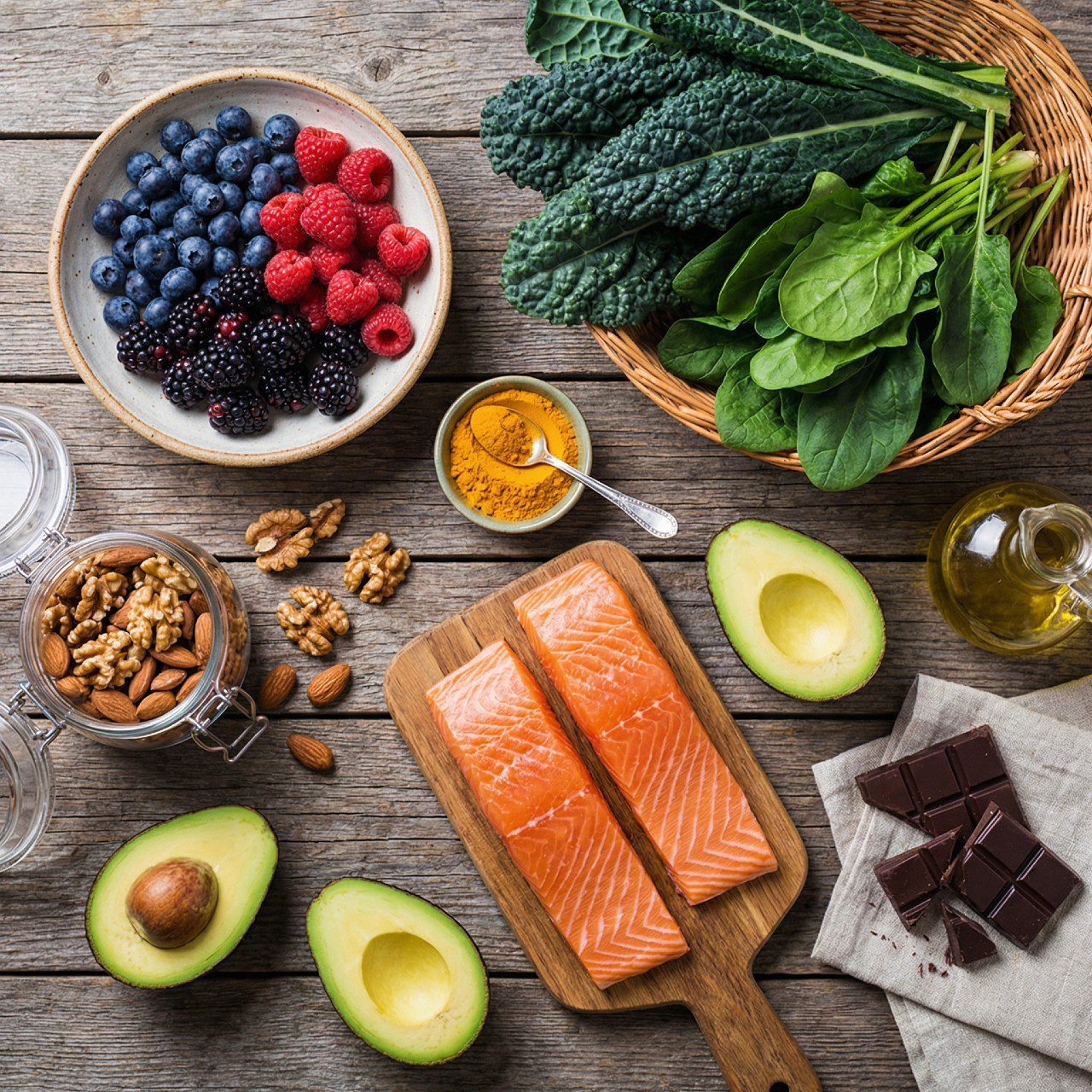
Way #1: How Does Nutrition Slow the Ageing Process In Women?
Anti-ageing nutrition works through three mechanisms: delivering antioxidants that neutralise free radical damage, providing the specific nutrients (vitamin C, proline, glycine, zinc) required for collagen synthesis, and reducing chronic inflammation that accelerates cellular ageing. Diet is the most powerful and most accessible anti-ageing intervention available.
Which Antioxidant-Rich Foods Have The Strongest Anti-Ageing Evidence?
The strongest anti-ageing dietary evidence points consistently toward a Mediterranean-style, antioxidant-dense eating pattern — the basis of what researchers studying the world's longest-lived populations (Blue Zones) have identified as the common dietary thread across Sardinia, Okinawa, Ikaria, and Loma Linda.
Top anti-ageing superfoods with documented mechanisms:
| Food | Key Compounds | Anti-Ageing Mechanism | Practical Dose |
|---|---|---|---|
| Blueberries | Anthocyanins, resveratrol | Reduces oxidative stress; protects DNA from free radical damage | 1 cup (150g) daily |
| Salmon/mackerel | Omega-3s, astaxanthin | Reduces chronic inflammation; protects skin from UV damage | 2–3 servings weekly |
| Leafy greens | Folate, vitamin K, lutein | Telomere protection; reduces inflammatory markers | 2 large handfuls daily |
| Extra-virgin olive oil | Polyphenols, oleocanthal | Anti-inflammatory (similar to ibuprofen); protects cell membranes | 2–3 tbsp daily |
| Dark chocolate (70%+) | Flavanols | Improves blood flow to skin; increases skin density and hydration | 20–30g daily |
| Green tea | EGCG catechins | Reduces cortisol; protects collagen from breakdown | 2–3 cups daily |
| Avocado | Glutathione, monounsaturated fats | Master antioxidant production; improves skin elasticity | ½ avocado daily |
| Turmeric (+ black pepper) | Curcumin | Reduces NF-κB inflammatory pathway; gut health | ½ tsp daily in food |
How Does Sugar Accelerate the Ageing Process?
Sugar is, alongside sun exposure, the most potent dietary accelerant of skin ageing. The mechanism is glycation: glucose molecules bind to collagen and elastin fibres, forming advanced glycation end products (AGEs) that make these proteins stiff and brittle.
The visual result: deeper, set wrinkles; loss of skin bounce; a sallow, dull complexion. The systemic result: accelerated cellular ageing, increased cardiovascular risk, and impaired mitochondrial function.
The specific foods most damaging to skin age:
- Refined sugar and high-fructose corn syrup.
- White bread, processed cereals, and refined carbohydrates (rapidly converted to glucose).
- Alcohol — accelerates dehydration, depletes vitamin C (essential for collagen synthesis), and generates free radicals.
- Deep-fried foods — high in AGEs and oxidised fats that promote inflammation.
What Does The Blue Zone Diet Teach Us About Longevity?
Researchers studying Blue Zone populations — regions with the world's highest concentration of centenarians — found consistent dietary patterns regardless of geography:
- 95–100% plant-based foods as the foundation
- Legumes (beans, lentils, chickpeas) as the primary protein source
- Minimal processed foods or added sugar
- Moderate intake of nuts and seeds
- Fish (in coastal communities) eaten 2–3 times weekly
- Olive oil as the primary fat source
- Red wine consumed moderately with meals (in some regions)
The common thread is not a single superfood — it's a diverse, antioxidant-rich, low-inflammatory dietary pattern maintained consistently over decades.
The nutrition-belly connection: How to Get Rid of Belly Fat Naturally Through Diet →

Way #2: How Does Hydration Affect the Ageing Process?
Cellular hydration is a foundational anti-ageing strategy — water maintains skin turgor (the tension that creates plumpness), supports the transport of nutrients into cells and toxins out, enables collagen synthesis, and facilitates every biochemical process involved in cellular repair. Chronic mild dehydration visibly accelerates skin ageing and impairs cellular regeneration.
What Is the 53% Rule — and Why Does It Matter for Ageing?
The human body is approximately 53% water by composition. Skin cells specifically are up to 70% water. When hydration falls below optimal levels — even by 2% — measurable changes occur:
- Skin cells lose turgor, creating visible fine lines
- Collagen and elastin fibres lose their plumpness and flexibility
- Cell division slows, reducing the rate of skin renewal
- Detoxification pathways become less efficient, increasing free radical accumulation
No topical serum penetrates as deeply or works as fundamentally as adequate cellular hydration. This is not a metaphor — it is the physiological basis of why hydrated skin consistently looks younger than dehydrated skin of the same chronological age.
What Hydration Habits Have the Strongest Anti-Ageing Impact?
- 2–2.5 litres of water daily — the baseline for most adult women (more during exercise, hot weather, or illness).
- Water-rich foods — cucumber (96% water), watermelon (92%), celery (95%), and leafy greens all contribute significantly to cellular hydration.
- Electrolytes in water — a small pinch of Himalayan salt in your morning water improves cellular absorption vs plain water alone.
- Morning hydration ritual — 500ml of water on waking restores overnight fluid loss before coffee or food.
- Reducing dehydrators — caffeine and alcohol both increase fluid excretion; balance each caffeinated drink with additional water.

TIP: Strength training is the single most powerful intervention against the physical effects of ageing in women for a specific reason: muscle loss (sarcopenia) accelerates from age 35 onward, and particularly after menopause.
Way #3: How Does Exercise Slow The Ageing Process In Women?
Regular exercise slows the ageing process through multiple simultaneous mechanisms: it measurably lengthens telomeres, reduces chronic inflammation, boosts circulation to deliver nutrients to skin cells, preserves muscle mass and bone density lost through hormonal ageing, and stimulates growth hormone production that supports cellular regeneration.
What Does Strength Training Do For the Ageing Female Body?
Strength training is the single most powerful intervention against the physical effects of ageing in women for a specific reason: muscle loss (sarcopenia) accelerates from age 35 onward, and particularly after menopause. Without active resistance training, women lose 3–5% of muscle mass per decade — a loss that compounds to become the primary driver of metabolic decline, bone fragility, postural deterioration, and loss of functional independence.
What strength training reverses or slows in women:
- Sarcopenia (muscle loss) — can be reversed at any age with consistent resistance training.
- Bone density decline — strength training is the most evidence-backed intervention for osteoporosis prevention in post-menopausal women.
- Metabolic rate decline — each pound of muscle burns 6–10 calories per day at rest.
- Insulin sensitivity decline — associated with fat redistribution and type 2 diabetes risk.
- Growth hormone decline — strength training acutely elevates HGH, which supports skin collagen production.
How Does Exercise Affect Telomere Length?
A landmark study published in Preventive Medicine found that regular exercisers had telomeres equivalent to 9 biological years younger than sedentary adults of the same chronological age. The effect was dose-dependent: more regular, varied exercise produced greater telomere preservation.
Exercise types and their specific anti-ageing effects:
| Exercise Type | Frequency | Key Anti-Ageing Benefit | Evidence Strength |
|---|---|---|---|
| Strength/Resistance Training | 2–3× weekly | Muscle preservation; bone density; metabolic rate; HGH | Very strong |
| Aerobic (brisk walking, swimming) | 150+ min/week | Cardiovascular health; telomere length; circulation | Very strong |
| HIIT | 1–2× weekly | Mitochondrial biogenesis; HGH; cellular energy | Strong |
| Yoga/Pilates | 2–3× weekly | Cortisol reduction; flexibility; posture; balance | Moderate-strong |
| Daily walking (10,000+ steps) | Daily | Sustained metabolic activity; mood; joint health | Strong |
Build your anti-ageing exercise plan: Fat-Burning Workouts That Also Combat Cellular Ageing →
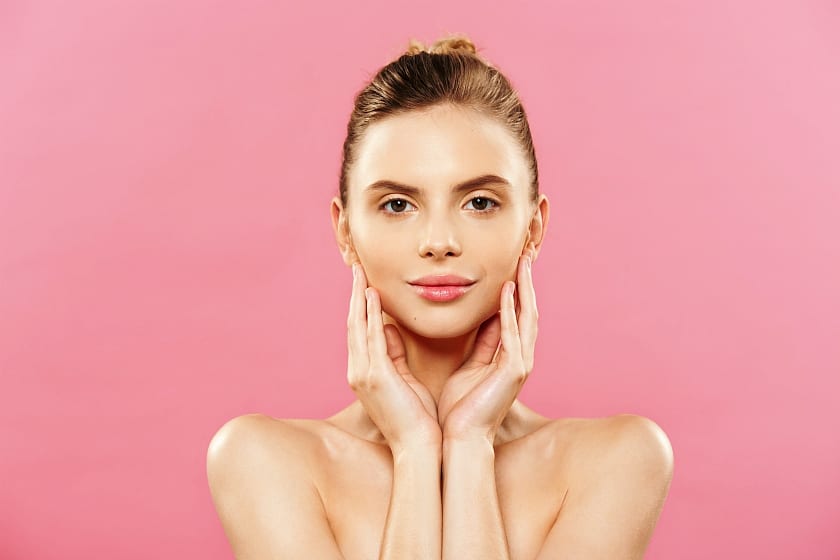
Way #4: How Does Skincare And Sun Protection Slow The Ageing Process?
Environmental ageing — driven primarily by cumulative UV exposure, pollution, and free radical damage to skin cells — accounts for approximately 80% of visible facial ageing. Strategic, evidence-backed topical skincare combined with consistent sun protection is the most direct intervention for the external signs of ageing.
What Causes Skin Ageing — And What Specifically Reverses It?
Intrinsic (genetic) skin ageing causes a gradual, predictable reduction in collagen production (approximately 1% per year after age 20), slower cell turnover, and diminishing hyaluronic acid in skin tissue.
Extrinsic (environmental) skin ageing — primarily UV radiation — breaks down existing collagen via matrix metalloproteinases, creates oxidative stress directly in skin cells, and causes the DNA damage responsible for age spots and uneven tone.
The intervention hierarchy, from highest to lowest evidence:
- Daily broad-spectrum SPF 30–50 — prevents new UV-induced collagen breakdown; the single most evidence-backed anti-ageing skincare step.
- Vitamin C serum (L-ascorbic acid, 10–20%) — stimulates collagen production; neutralises free radicals in skin; brightens existing hyperpigmentation.
- Retinoids/Retinol — the most evidence-backed topical ingredient for reversing existing signs of ageing; increases cell turnover, stimulates collagen, reduces wrinkle depth.
- Niacinamide — reduces hyperpigmentation; strengthens the skin barrier; reduces pore appearance.
- Hyaluronic acid — draws moisture into the skin; supports skin plumpness transiently.
- Regular exfoliation — chemical (AHAs like glycolic acid) preferred over physical; removes dead cell layer to reveal brighter skin and improves product penetration.
What Is The Role Of Professional Skin Renewal vs At-Home Care?
Professional treatments (chemical peels, microneedling, laser resurfacing) produce more dramatic, faster collagen stimulation than at-home skincare alone. A qualified dermatologist or aesthetician can access concentrations and technologies unavailable in consumer products.
However, professional treatments without a consistent daily at-home protocol lose their benefit quickly. Think of professional treatments as periodic accelerators of a daily foundation — not replacements for it.
A note on organic skincare: While reducing unnecessary synthetic chemicals in skincare makes sense for many women, "organic" alone does not guarantee anti-ageing efficacy. Prioritise evidence-backed ingredients (vitamin C, retinoids, SPF, niacinamide) regardless of whether the formulation is organic or conventional.
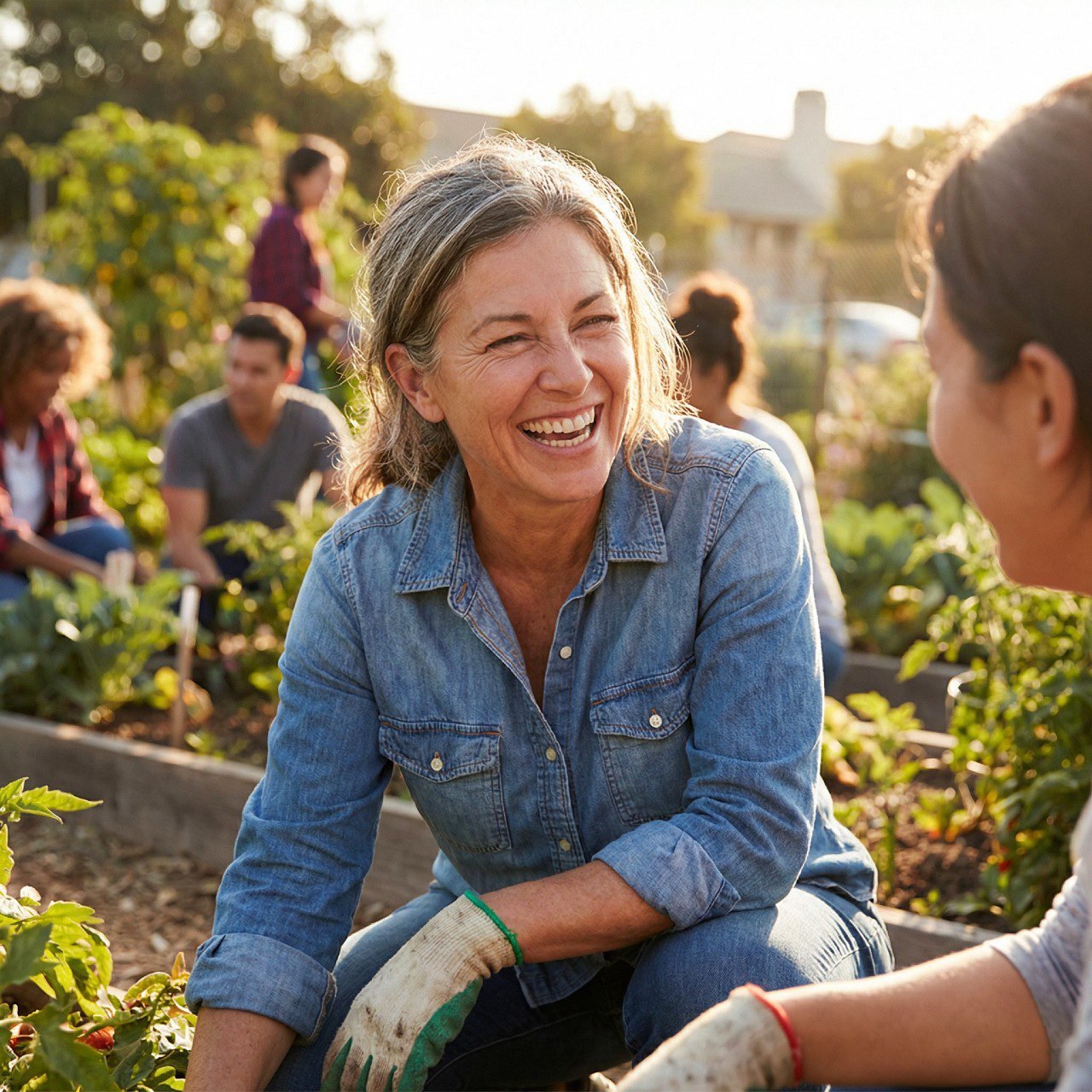
Way #5: How Do Sleep, Stress, And Mental Wellness Slow The Ageing Process?
Chronic stress measurably shortens telomeres, elevates cortisol that breaks down collagen and promotes visceral fat accumulation, and suppresses the immune functions responsible for cellular repair. Quality sleep and active stress management are therefore direct anti-ageing interventions — not lifestyle supplements but biological necessities.
How Does Chronic Stress Accelerate The Ageing Process?
The cellular mechanism is direct and well-documented: cortisol — produced during chronic stress — activates an enzyme called telomerase inhibitor that shortens telomeres with every stress episode.
A landmark study in PNAS comparing mothers of chronically ill children with mothers of healthy children found that the high-stress group had telomeres equivalent to 10 biological years older — the equivalent of a decade of additional ageing from chronic stress alone.
Cortisol also:
- Degrades collagen — activating matrix metalloproteinases that break down skin's structural proteins.
- Promotes visceral fat accumulation — which itself produces inflammatory compounds that further accelerate systemic ageing.
- Suppresses immune function — reducing the body's capacity to repair DNA damage and fight oxidative stress.
What Sleep Habits Have The Strongest Anti-Ageing Effect?
Sleep is when the body performs its most critical cellular repair: growth hormone is secreted primarily during deep sleep; cortisol is cleared; skin cell regeneration peaks between 11 pm and 4 am; the brain clears metabolic waste through the glymphatic system.
Evidence-backed sleep optimisation for anti-ageing:
- 7–9 hours per night — less than 6 hours consistently is associated with accelerated telomere shortening and 30% higher inflammatory marker levels.
- Consistent sleep and wake times — circadian rhythm stability reduces cortisol and optimises the hormonal repair cycle.
- Dark, cool bedroom (16–18°C / 61–65°F) — supports melatonin production and deep sleep architecture.
- Avoiding alcohol close to sleep — alcohol fragments REM sleep and inhibits growth hormone secretion, directly impairing the night-time repair process.
How Do Social Connection and Mental Stimulation Preserve Longevity?
The Blue Zone research identified two lifestyle factors beyond diet and exercise that consistently predict longevity: meaningful social connection and a sense of purpose. Both show direct physiological mechanisms:
- Social isolation is associated with inflammatory marker levels equivalent to smoking 15 cigarettes daily.
- Learning new skills builds new neural connections that provide cognitive reserve — reducing both the rate and impact of age-related cognitive decline.
- Mindfulness meditation has been shown to measurably increase telomerase activity — the enzyme that rebuilds telomeres — over an 8-week programme.
On the stress-weight-ageing connection: How Stress and Cortisol Drive Accelerated Ageing and Weight Gain →
Join Our Mailing List
Ready to build the complete foundation? Download the free Lean Body Formula Special Report — 10 evidence-based strategies for permanent fat loss and lasting vitality, designed specifically for women.
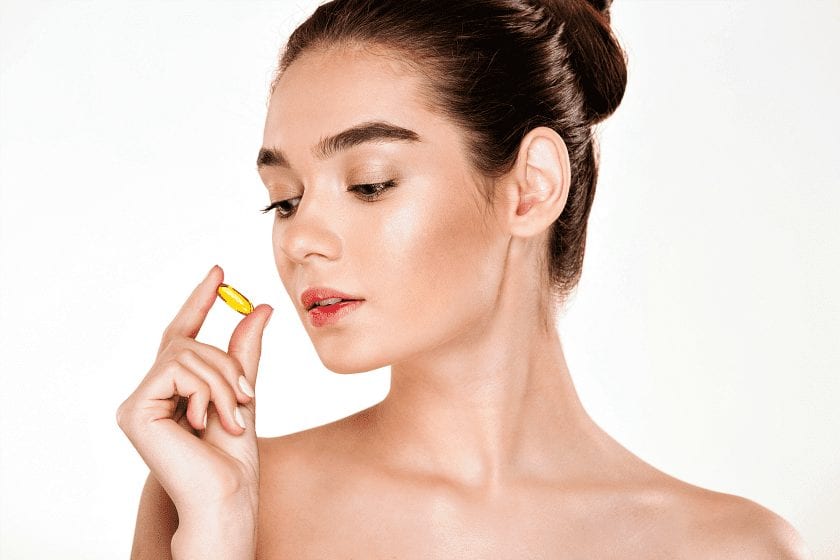
What Role Does Gut Health Play In The Ageing Process?
The gut microbiome — the community of bacteria, fungi, and other organisms in your digestive system — plays a direct role in the ageing process through its influence on inflammation, immune function, nutrient absorption, and hormone regulation. An imbalanced microbiome (dysbiosis) produces systemic inflammation that measurably accelerates cellular ageing.
Research published in Cell Host & Microbe identified that centenarians (people living past 100) consistently have more diverse gut microbiomes than average older adults — suggesting gut health is not just correlated with longevity but mechanistically linked to it.
Natural gut health strategies that support healthy ageing:
- 30+ different plant foods per week — diversity of plant intake is the strongest predictor of microbiome diversity
- Fermented foods daily (yoghurt, kefir, sauerkraut, kimchi) — introduce beneficial bacteria and support intestinal barrier integrity
- Prebiotics (garlic, onions, asparagus, oats) — feed existing beneficial bacteria
- Reduce ultra-processed foods — associated with microbiome imbalance, increased intestinal permeability ("leaky gut"), and systemic inflammation
- Probiotic supplementation where diet alone is insufficient — particularly relevant post-antibiotic use

A New Perspective On Ageing
Here is the reframe that changes everything: ageing is not the enemy. Accelerated, avoidable biological decline is the enemy. And the two are very different things.
Women who age with vibrancy, strength, and clarity are not the exceptions. They are not genetically blessed. They are the product of daily decisions — made consistently, over years — that protect their telomeres, reduce their inflammation, support their gut microbiome, build their muscle, and nourish their cells.
The fountain of youth that Sophia Loren described is real. It flows through your kitchen, your workout, your sleep ritual, your morning SPF, your meditation, and your social connections. It is not a product. It is a practice.
And the most powerful version of that practice begins with the next meal, the next walk, the next glass of water.
Related Articles
The Bottom Line
Slowing the ageing process naturally comes down to five science-backed strategies, each targeting a specific biological mechanism:
- Nutrition — antioxidants protect against free radical damage; eliminating sugar prevents glycation; a Blue Zone-inspired diet supports telomere length
- Hydration — cellular water content is the foundation of skin turgor, collagen function, and detoxification
- Exercise — strength training reverses sarcopenia and builds bone density; aerobic exercise preserves telomere length; HIIT stimulates mitochondrial health
- Skincare and sun protection — daily SPF plus evidence-backed actives (vitamin C, retinoids) address environmental ageing at the skin level
- Sleep, stress, and connection — cortisol management, quality sleep, and meaningful social engagement directly protect telomeres and cellular repair capacity
None of these is a miracle. All of them, practised consistently, compound into the measurably younger biological age that is entirely within your reach.
Found This Useful?
Share it with the woman in your life who deserves to know this.
Glossary Of Key Terms
FAQ
No single intervention dominates — the research consistently shows that the combination of regular aerobic exercise and strength training, an antioxidant-rich anti-inflammatory diet, quality sleep, stress management, and daily sun protection produces the most measurable biological age reduction. Exercise alone has been shown to produce telomere length equivalent to 9 years younger in consistent exercisers.
The biological answer: as early as possible. Collagen production starts declining at age 20 (by ~1% per year). Telomere shortening is ongoing from birth but measurably accelerated or decelerated by lifestyle from the teenage years onward. The most impactful decade to establish anti-ageing habits is your 20s and 30s — but the research is equally clear that starting at any age produces measurable benefit.
Yes — substantially. Studies comparing women with high-antioxidant diets to those with high-sugar, high-processed-food diets show measurably different telomere lengths, collagen integrity, inflammatory marker levels, and visible skin ageing. A Mediterranean-style diet rich in polyphenols, omega-3s, and fibre is the most evidence-backed dietary pattern for longevity.
Yes — and more dramatically than most women realise. Chronic stress shortens telomeres through cortisol-mediated mechanisms; degrades skin collagen; promotes visceral fat accumulation; and suppresses the immune functions responsible for DNA repair. The landmark study of caregiving mothers found chronic stress produced telomere length equivalent to 10 years of additional biological ageing.
Retinoids (prescription tretinoin and over-the-counter retinol) have the most robust evidence base of any topical anti-ageing ingredient, with over 30 years of clinical data showing measurable reduction in fine lines, wrinkle depth, hyperpigmentation, and skin texture. Vitamin C serum (L-ascorbic acid) has the second-strongest evidence for collagen stimulation and photoprotection. Both work best when combined with daily SPF 30–50.
A diverse, balanced gut microbiome reduces systemic inflammation — one of the primary drivers of accelerated cellular ageing. Research on centenarians shows consistently more diverse gut microbiomes than those of average older adults. Gut dysbiosis produces inflammatory compounds (LPS) that cross the gut barrier, promoting the chronic low-grade inflammation directly linked to skin ageing, cognitive decline, and metabolic deterioration.
You Know Why. Now Learn Exactly How
Join thousands of women inside our community and receive our free guide: 10 Actions That Support Permanent Weight Loss — the practical, sustainable habits that translate everything you just read into real, lasting results.
No fad diets. No extreme plans. Just what the research actually supports — written for real women.