

4 Low-Calorie Superfoods That Actually Keep You Full Without The Diet Drama
How These Low-Calorie Superfoods For Weight Loss Support Satiety, Energy, And A Leaner Body After 40
MICHAEL POLLAN
Author & food journalist
Don't eat anything your great-great-grandmother wouldn't recognize as food.
Summary (TL;DR)
Low-calorie superfoods for weight loss work not by shrinking your plate, but by filling it smarter. Watermelon, blueberries, peaches, and spinach are four clinically studied, nutrient-dense foods that create genuine satiety through high water and fibre content, while delivering antioxidants, vitamins, and bioactive compounds that specifically support women’s health after 40. This article gives you the science, a practical swap framework built on real client experience, a proprietary tool called the Volume Value Score, and a clear path from confusion to confident eating.
We’ve all been there — staring down a dinner plate the size of a saucer, wondering how this is supposed to be enough. If you’ve ever felt like weight loss for women just means white-knuckling through hunger, I want to offer you a different frame entirely.
The real question isn’t how much you’re eating — it’s what you’re eating. One of my clients swapped her afternoon 200-calorie bag of crisps for 200g of watermelon. That’s about 60 calories instead of 200, the same volume of food in her hands, and three times more food hitting her stomach.
She didn’t feel like she was dieting. She felt like she’d finally stopped fighting her body and started working with it. Two months later, she’d lost 4kg without ever once feeling deprived.
That’s the promise of low-calorie superfoods for weight loss — and it’s one backed by real research, not wellness-world wishful thinking. Below, I’m walking you through four of the most powerful, most underrated, and most actually delicious superfoods that deliver a huge nutritional return for very few calories.
And yes — I’ve included the perimenopause angle, because if you’re in your 40s or 50s and wondering why the same food choices that used to work have stopped, this is the article you’ve been looking for.
Medical & Referral Disclaimer
This article is for informational and educational purposes only. It is not a substitute for professional medical advice, diagnosis, or treatment. Always consult your physician or qualified health provider before starting any new diet or exercise programme.
Key Takeaways
- Volume over restriction: Low-calorie superfoods for weight loss work by physically filling your stomach with high-water, high-fibre foods — not by giving you less food or fewer pleasurable eating experiences.
- The research is solid: A clinical trial found watermelon produced significantly greater fullness and lower hunger than an equal-calorie portion of cookies. A 24-year study of 124,000 people linked blueberries to less weight gain than almost any other food. Spinach thylakoids are shown in randomised controlled trials to suppress appetite. Peach fibre independently predicts weight-loss adherence.
- After 40, this approach matters more: Falling oestrogen during perimenopause shifts fat storage to the abdomen and disrupts appetite hormones — making high-volume, low-calorie eating a physiologically targeted strategy, not just common sense.
- The Volume Value Score: A simple proprietary tool: divide grams of food by calories per 100-calorie serving. Spinach scores 857. Crisps score 50. Higher score = more food per calorie = less hunger without the diet drama.
- One practical swap beats ten rules: Replace a 200-calorie bag of crisps with 200g of watermelon, and you’ve cut 140 calories while eating more food by volume. That’s the whole strategy in one sentence.
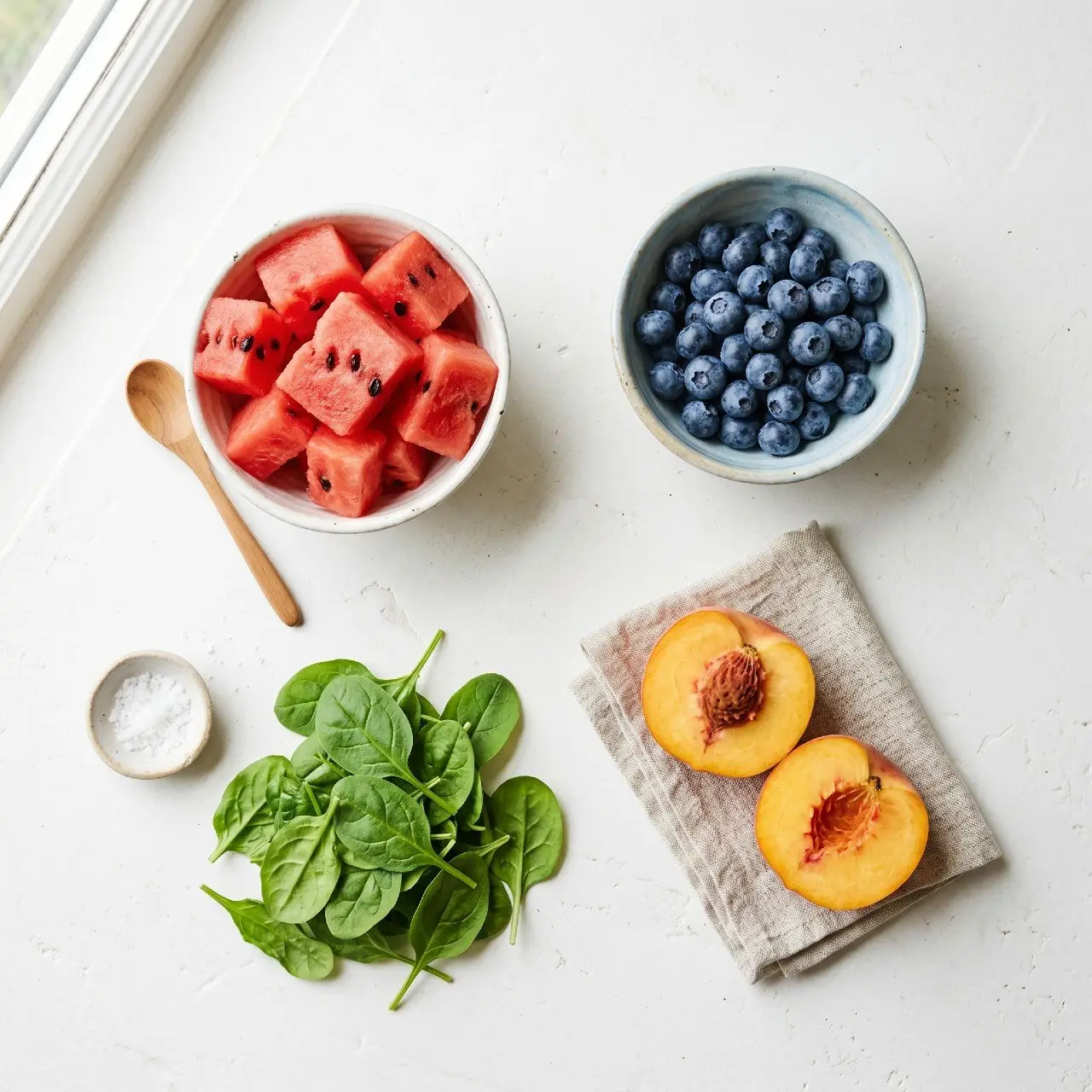
Why Low-Calorie Superfoods Hit Different After 40
During perimenopause, falling oestrogen accelerates abdominal fat storage and raises appetite-driving hormones. Research in Obesity Reviews confirms that the menopause transition creates a protein leverage effect that drives increased caloric intake — making high-volume, low-energy-dense foods a physiologically targeted, not just commonsense, strategy for women in this life stage.
Here's what nobody tells you when the scales start creeping up in your early 40s: it's not your willpower. It's your hormones.
As oestrogen declines during perimenopause, the body redistributes fat preferentially to the abdomen — a metabolic response that has nothing to do with how disciplined you are at the gym. At the same time, appetite-regulating hormones shift, making you feel hungrier at baseline than you did a decade ago.
Standard calorie-restriction advice — "eat less, move more" — doesn't account for this, which is why so many women in their 40s and 50s follow the same diets that worked beautifully in their 30s and get completely different, deeply frustrating results.
The strategic response isn't to eat less. It's to eat smarter — specifically, to choose low energy-dense foods that physically fill the stomach and trigger satiety signals without a heavy calorie cost. That's exactly what low-calorie superfoods do.
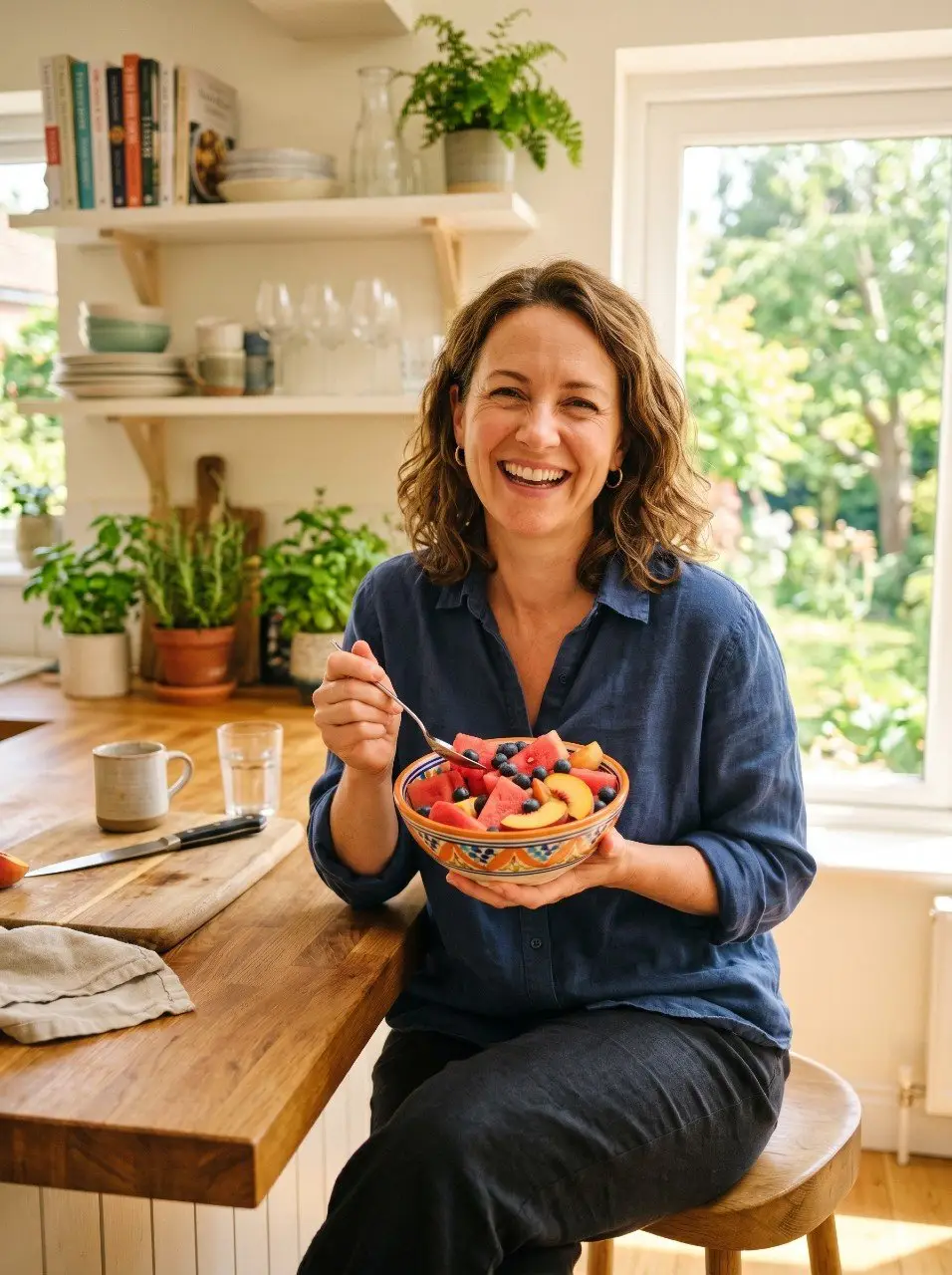
The Volume Value Score: A Simple Framework For Smarter Food Choices
Before we get into the individual superfoods, here's a practical tool you can use anywhere. I call it the Volume Value Score (VVS):
Volume Value Score = grams of food per 100 calories.
| Food | Volume Value Score (g per 100 kcal) | Satiety Potential |
|---|---|---|
| Spinach (raw) | 857g | ★★★★★ |
| Watermelon | 329g | ★★★★ |
| Peach | 254g | ★★★★ |
| Blueberries | 176g | ★★★ |
| Crisps (potato chips) | 50g | ★ |
| Milk chocolate | 19g | ★ |
Superfood Nutrition Quick-Reference
| Superfood | Serving | Calories | Water | Fibre | Key Nutrient |
|---|---|---|---|---|---|
| Watermelon | 2 cups (280g) | ~85 kcal | 92% | 1.1g | Lycopene, Vit C |
| Blueberries | 1 cup (148g) | ~84 kcal | 85% | 3.6g | Anthocyanins |
| Peach | 1 medium (150g) | ~59 kcal | 89% | 2.3g | Potassium, Vit C |
| Spinach (raw) | 2 cups (60g) | ~14 kcal | 91% | 1.2g | Iron, Mg, Thylakoids |
#1. Watermelon: The Weight-Loss Snack You're Probably Not Eating Enough Of
The research says: In a four-week randomised crossover trial, participants who ate two cups of watermelon daily reported significantly lower hunger, less desire to eat, and greater fullness compared to those eating an equal-calorie portion of low-fat cookies — and also showed significant reductions in body weight, BMI, and waist-to-hip ratio. (Nutrients, 2019).
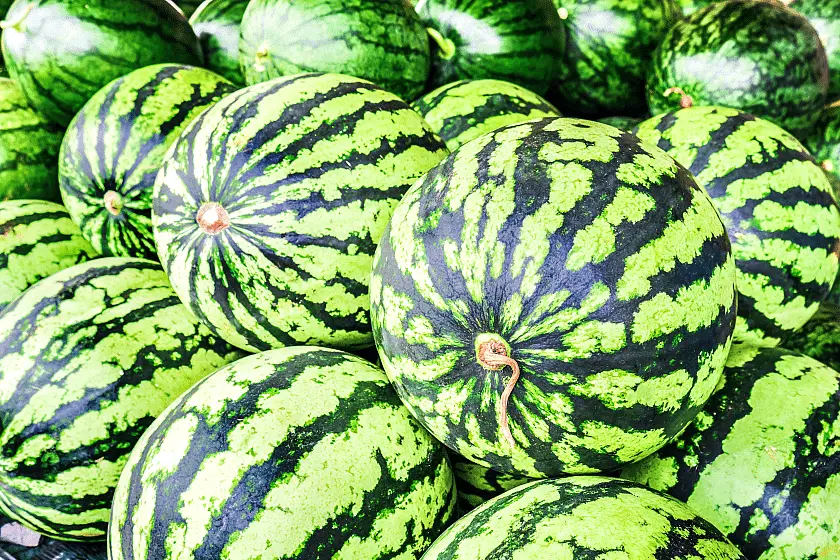
Two cups of watermelon. That's a generous, satisfying bowlful — the kind of portion that looks positively indulgent — for approximately 85 calories. Its 92% water content means it physically fills your stomach, triggering stretch receptors that send "I'm full" signals to your brain long before your calorie budget is anywhere near maxed out.
Watermelon is also one of the richest dietary sources of lycopene — the red carotenoid pigment linked to reduced cardiovascular risk and anti-inflammatory activity — alongside a useful dose of Vitamin C per serving. The swap example from the intro? A 200-calorie bag of crisps gives you roughly 50g of food, gone in a few mouthfuls.
Two generous cups of watermelon give you 280g of food for 85 calories. Your hands hold more. Your stomach registers more. And two hours later, you're not raiding the biscuit tin.
The confusion I hear most often: "But watermelon is so sugary, surely it's bad for weight loss?" It isn't. Its glycaemic load per serving is low because of its extraordinary water content, and the clinical trial above tested it directly against a common snack food — watermelon won on weight, satiety, and metabolic markers.
How to eat more of it: Cube it and keep it pre-cut in the fridge. Add chunks to a feta, mint, and cucumber salad. Blend with lime juice for a one-ingredient agua fresca. Or eat it straight from the bowl — no preparation required, no guilt attached.
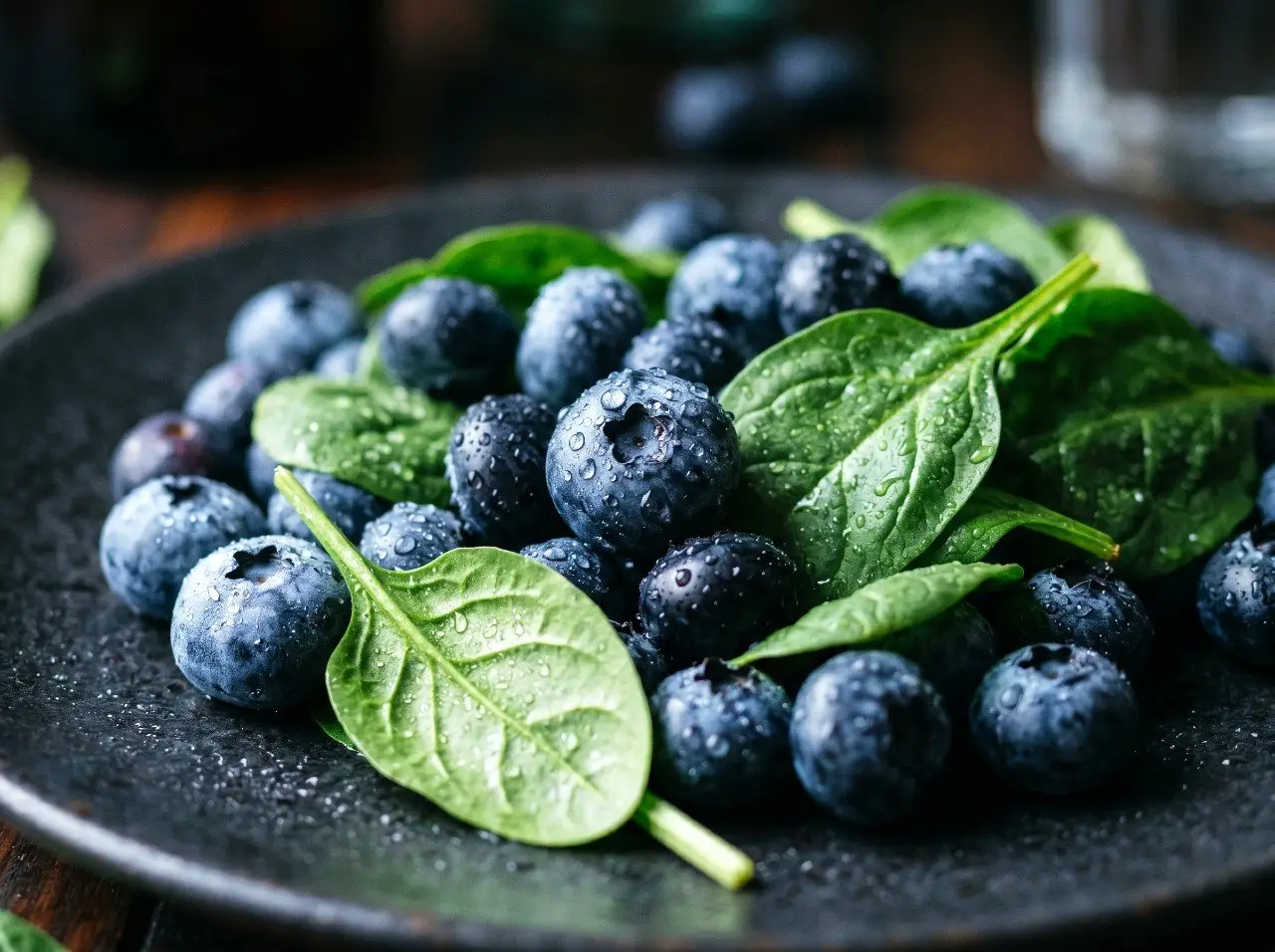
#2. Blueberries: The Tiny Fruit With An Outsized Weight-Loss Track Record
The research says: A landmark analysis tracking over 124,000 people across 24 years found that blueberry consumption was associated with less weight gain than almost any other fruit or vegetable — approximately 0.64 kg less per four-year period. (Advances in Nutrition, 2019).
Every wellness article in existence mentions blueberries for weight loss. But they keep showing up because the evidence genuinely keeps getting stronger. The 24-year, 124,000-person study above is not cherry-picked — it's one of the most robust long-term dietary analyses ever conducted on fruit consumption and body weight.
The active compounds are anthocyanins — flavonoids that give blueberries their signature blue-purple colour. A separate eight-week clinical trial showed they significantly reduced cardiovascular risk factors in obese adults with metabolic syndrome, including blood pressure and oxidised LDL, both increasingly relevant for women after 40.
One cup (148g) gives you 3.6g of fibre alongside 84 calories. That fibre slows digestion, moderates blood glucose response, and extends satiety between meals.
The intimidation factor with blueberries is usually price. The solution: frozen blueberries retain virtually all their anthocyanin content (freezing may actually make the compounds more bioavailable), at a fraction of the fresh price year-round.
How to eat more of them: Stir a handful into plain Greek yoghurt — you get blueberry benefits alongside protein-driven satiety. Add frozen to smoothies, toss fresh into a spinach salad, or eat them by the handful as a late-afternoon snack.
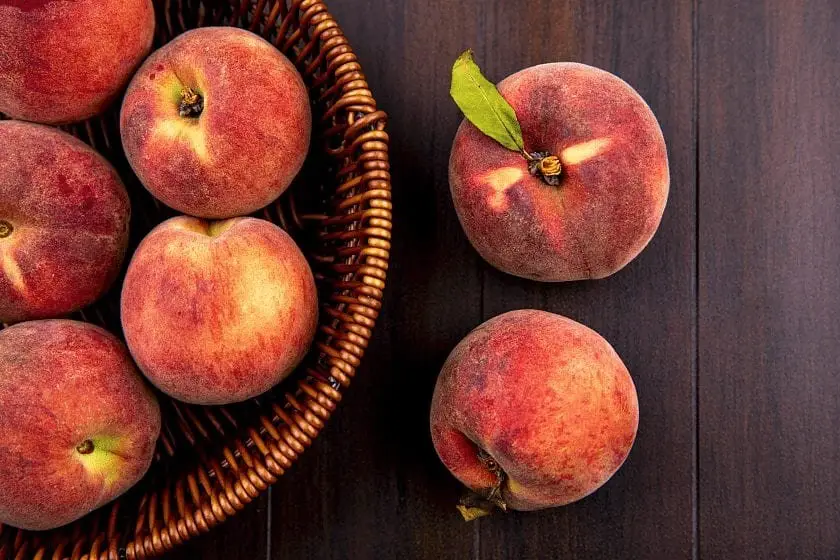
#3. Peaches: The Underrated Fat-Loss Fruit That Deserves A Permanent Spot In Your Shopping Basket
The research says: One medium peach contains just 59 calories alongside 2.3g of dietary fibre. Research in The Journal of Nutrition found that dietary fibre intake independently predicts weight-loss adherence in calorie-managed diets.
A separate study in Nutrients found that higher dietary potassium directly predicted weight loss in metabolic syndrome treatment — a medium peach delivers 285mg of potassium.
Peaches don't get nearly the superfood attention they deserve. But the nutritional case for them is genuinely strong, and at 59 calories for a medium fruit, they're one of the most calorie-efficient whole foods in your shopping basket.
Their 2.3g fibre is one of the most consistent predictors of whether someone actually sticks to their eating plan long enough to see results — not through discipline, but through biology. More fibre = less hunger = fewer impulsive high-calorie decisions.
Peaches also contain polyphenols — including chlorogenic acid and quercetin — that research has linked to anti-obesity and anti-inflammatory effects. Their fibre specifically supports digestive regularity, which becomes a more frequent concern for many women during perimenopause as gut transit slows.
Out-of-season fresh peaches are mealy and flavourless. The fix: canned peaches in juice (not syrup) retain their nutritional profile year-round. Frozen peach slices work equally well in cooking and smoothies.
How to eat more of them: Slice over overnight oats or cottage cheese. Grill alongside chicken thighs. Or eat one fresh, out of your hand — ripe, in season, no preparation needed.
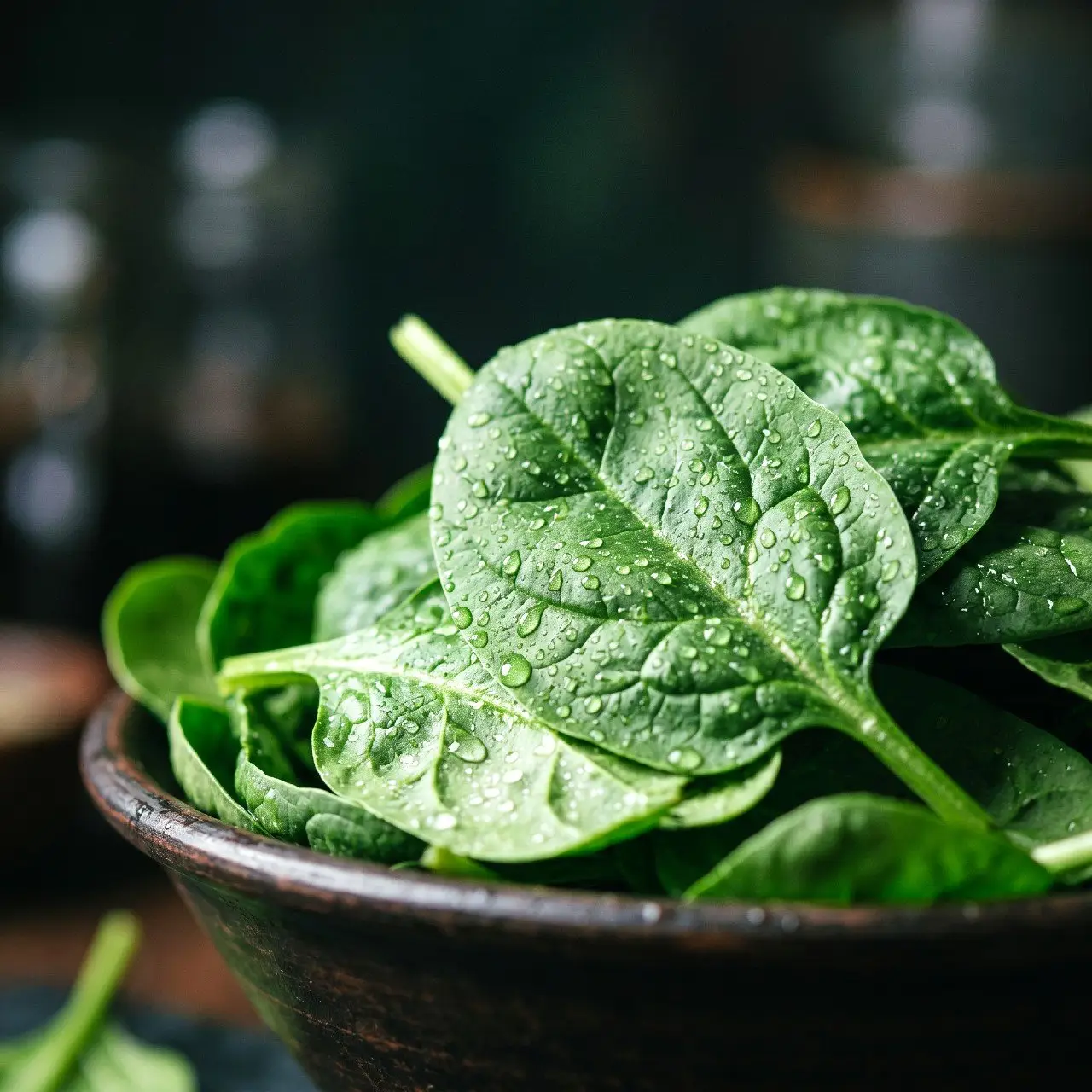
#4. Spinach: The Most Calorie-Efficient Superfood On This List (By A Country Mile)
The research says: Spinach contains thylakoids — membrane compounds that slow fat digestion and trigger satiety hormones, including GLP-1. A randomised controlled crossover trial found spinach extract rich in thylakoids significantly reduced hunger and increased fullness over two hours compared to placebo. This is a whole-food effect — thylakoids are present in the leaves themselves.
Two cups of spinach. Enough to generously fill a large salad bowl. The calorie cost? Fourteen. Fourteen calories. No other food on this list comes close to spinach's Volume Value Score of 857g per 100 calories. You literally cannot overeat spinach in any meaningful caloric sense.
But the calorie count is only part of the story. The thylakoid effect: when consumed, these membrane proteins slow the breakdown of dietary fat in the small intestine, triggering earlier release of GLP-1 and cholecystokinin — satiety hormones that signal fullness to the brain. A measurable appetite-suppressing effect from eating whole spinach, not from any supplement.
For women over 40, spinach also delivers:
- Magnesium — one of the best dietary sources of a mineral that declines with falling oestrogen and is associated with sleep quality, mood regulation, and reduced hot-flush severity.
- Iron — non-haem iron supporting energy levels in women experiencing heavier periods during perimenopause, a common cause of fatigue mistakenly attributed to ageing.
- Folate and Vitamin K — supporting cellular health and bone density as oestrogen levels decline.
"I can't eat salad every day" — you don't have to. Two handfuls blended into a fruit smoothie are completely undetectable in taste. Wilt into pasta in two minutes. Stir into scrambled eggs. Layer into a wrap. Spinach is the most flexible food on this list and the one with the highest ceiling for invisible daily use.
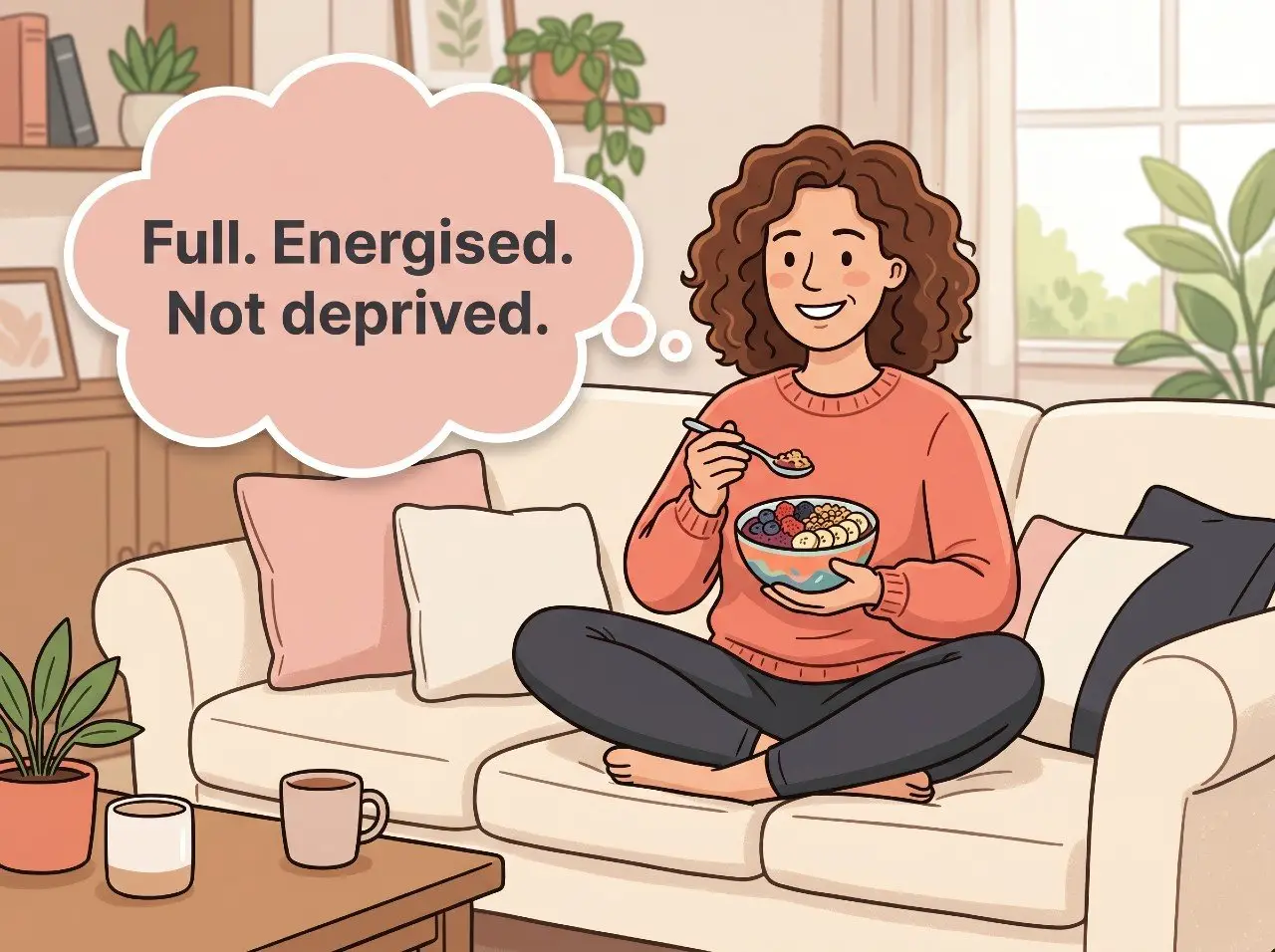
The "Eating Smarter, Not Less" Swap Framework
The core principle: Sustainable weight loss doesn't require eating less food — it requires eating foods with a higher Volume Value Score. Swap a low-score food for a high-score superfood, and you eat the same volume (or more), with significantly fewer calories. Your satiety hormones do the rest of the work. No willpower required.
This is the framework I find myself explaining to clients most often, because once it clicks, it changes the entire emotional experience of "being on a diet." There is no diet. There is no restriction. There is only a smarter choice of food — one that happens to leave you fuller on fewer calories.
| What You're Replacing | The Superfood Swap | Calories Saved | Volume & Nutrition Change |
|---|---|---|---|
| 200-cal bag of crisps | 200g fresh watermelon | −140 kcal | ~3× more food by weight; lycopene + Vit C added |
| 150-cal cereal bar | 1 cup blueberries + 100g plain Greek yoghurt | −30 kcal | ~2× more food; +6g protein, +3.6g fibre, anthocyanins added |
| 200-cal biscuits (2–3) | 1 medium peach + 2 tbsp almond butter | −50 kcal | Similar volume; 3× more fibre, healthy fats added |
| Shop-bought oily side salad | 2 cups spinach + lemon-olive oil dressing | −100–150 kcal | Same or greater volume; full thylakoid + magnesium benefit |
None of these swaps requires eating a smaller plate. None require extraordinary willpower or a degree in nutrition. They simply replace a low-Volume Value Score food with a high-Volume Value Score one — and the results compound over weeks and months, without the misery of chronic restriction.
Join Our Mailing List
Join thousands of women inside our community and receive our free guide, 10 Actions That Support Permanent Weight Loss — the exact behavioural shifts that make the difference between a two-week attempt and a lasting transformation.
No restriction plans. No guilt. Just what actually works — for real women with real lives.
Holistic Bonus: Beauty From Within
The benefits of these four superfoods extend well beyond the scales. The anthocyanins in blueberries fight the skin-ageing effects of free radical damage — protecting collagen integrity and supporting a clearer complexion from the inside out.
Watermelon's lycopene adds another layer of antioxidant protection at the skin level. Peaches' Vitamin C is a direct co-factor in collagen synthesis — the structural protein that keeps skin firm. At 59 calories a fruit, that's one of the best beauty ROI foods going.
Spinach's magnesium and iron profile supports hair growth and energy-level recovery — two things many women in their 40s notice declining and mistakenly attribute to inevitable ageing rather than correctable nutritional gaps. The same foods that keep you lean are the ones that keep you glowing — and that's not a coincidence.
Are you ready to take the next step in your health journey? Grab your free guide here to discover how Women's Lean Body Formula can help you reach your goals.
Related Articles
The Bottom Line
Weight loss after 40 doesn’t have to mean a constant battle with hunger, a shrinking plate, or a complicated programme you abandon by week three. The four low-calorie superfoods covered here — watermelon, blueberries, peaches, and spinach — are clinically supported, nutrient-dense, and designed by nature to produce genuine satiety.
They work because they deliver volume, fibre, water, and bioactive compounds that your body’s satiety system actually responds to — no willpower required.
Use the Volume Value Score the next time you’re standing in the snack aisle. Make one swap this week. Then another week after. The approach doesn’t require a complete dietary overhaul — it requires one good decision at a time, repeated until it’s simply how you eat.
Which of these four makes it into your shopping basket this week? Drop it in the comments below — I read every one.
Glossary Of Key Terms
FAQ
Low-calorie superfoods for weight loss are whole, nutrient-dense foods that deliver a high concentration of vitamins, minerals, antioxidants, and fibre for very few calories. Unlike processed “diet foods,” they work by providing genuine satiety through volume, water content, and bioactive compounds — not by engineering artificial fullness or reducing portion size. The four covered in this article — watermelon, blueberries, peaches, and spinach — are among the most clinically studied examples in this category.
The hormonal shifts of perimenopause — particularly falling oestrogen — change how the body stores fat (increasingly to the abdomen) and disrupt the hormones that regulate appetite. A calorie restriction that produced results in your 30s may deliver diminishing returns a decade later, not because your willpower has changed, but because your physiology has. High-volume, low-calorie eating works specifically because it addresses the physiological drivers of increased hunger — rather than relying on willpower to override them.
Approximately 85 calories for two cups of watermelon, 84 calories for a cup of blueberries, 59 calories for a medium peach, and just 14 calories for two cups of spinach. Together, you could eat all four in a single day for under 250 calories — a remarkable nutritional return for a very modest calorie investment. That’s the point: these foods give you a lot of nutrition for very little calorie cost.
Yes, and for most people, that’s exactly the goal. Rotating them throughout the week ensures dietary variety while maximising the combined benefits of different antioxidant profiles, fibre types, and micronutrients. There are no known adverse effects from daily consumption of any of these four foods for healthy adults. If you have a specific health condition — kidney disease, for instance, affects potassium tolerance — check with your GP or registered dietitian first.
It’s a simple, practical tool for evaluating how satiating a food will be relative to its calorie cost. Divide the weight in grams by the calories per 100-calorie serving. A bag of crisps scores 50 (you get 50g of food per 100 calories). Spinach scores 857 (you get 857g of food per 100 calories). The higher the score, the more food your stomach physically receives per calorie consumed — and the stronger the satiety signals sent to your brain. Use it anywhere, any time you’re deciding between two food options.
Yes, and specifically so. Watermelon’s potassium helps manage blood pressure, as cardiovascular risk rises during perimenopause. Blueberry anthocyanins reduce the oxidative stress that increases during hormonal transition. Peach fibre supports gut transit, which often slows during this phase.
Spinach provides magnesium — a mineral that binds to oestrogen and is associated with sleep quality, mood regulation, and reduced hot-flush severity — alongside iron to support energy. All four are genuinely perimenopause-relevant foods, not just generic healthy eating recommendations.
Start with one swap. Just one. Replace your afternoon snack — whatever it currently is — with 200g of watermelon or a cup of blueberries with plain yoghurt. Do that consistently for one week. You’ll likely notice you’re less hungry before dinner. That’s real, measurable progress — and it builds confidence and momentum. The goal isn’t a perfect diet from day one. It’s one good decision at a time, repeated until it’s simply how you eat.