
The Truth Revealed: Can Working Out Change Your Breast Size And Shape
LINDSAY & LEXIE KITE
Identical twins & doctoral researchers
Your body is an instrument, not an ornament.
The Executive Summary
Exercise influences breast size primarily through body composition shifts and pectoral muscle development. Because breasts consist mostly of adipose tissue, significant fat loss from consistent strength training or cardio may reduce overall volume.
Conversely, targeting the chest muscles can provide a natural "lift," improving firmness without changing the glandular tissue itself. For gym goers, prioritizing breast health with supportive gear is vital to prevent stretching Cooper’s ligaments, ensuring that your fitness routine enhances your physique while maintaining structural integrity.
When I first started strength training seriously, one of my biggest fears was losing my chest. I'd heard conflicting stories from friends—some said their breasts got bigger and perkier, others complained they'd "lost their boobs" after dropping weight.
If you're wondering whether working out will change your breast size, you're not alone. This question sits at the intersection of fitness myths and body transformation realities, and the answer is far more nuanced than most people imagine.
The truth? Exercise cannot directly increase or decrease breast size, but it absolutely can change how your breasts look and feel. Understanding the composition of breast tissue and how different workouts affect your body is essential for setting realistic expectations about your fitness journey.
Medical & Referral Disclaimer
This article is for informational purposes only. It is not intended to be a substitute for professional medical advice, diagnosis, or treatment. Always seek the advice of a physician or other qualified health provider with any questions you may have regarding a medical condition. Do not disregard professional medical advice or delay in seeking it because of something you have read in this article. This content is supported by the referenced studies, which provide the evidence base for these strategies.
Key Takeaways
- Exercise cannot directly increase breast tissue size – Breasts contain no muscle, only fatty tissue, glandular tissue, and connective tissue. You can't "grow" breasts through workouts, but you can build the pectoral muscles underneath to create a lifting effect and improved shape.
- Body fat loss from exercise may reduce breast volume – Since breasts are primarily composed of fat for most women, losing significant body fat through regular workouts and calorie deficits will likely decrease cup size. How much depends on your unique breast composition (fatty vs. glandular tissue).
- Chest exercises create a "perkier" appearance, not bigger breasts – Push-ups, chest presses, and flyes strengthen the pecs beneath breast tissue, pushing breasts forward and upward. Combined with improved posture from back training, this creates a more lifted, youthful bust shape even if actual volume decreases slightly.
- Your breast composition determines how much size change you'll experience – Women with primarily glandular (dense) breast tissue will see minimal size changes with weight loss, while women with more fatty breast tissue may experience dramatic cup size reductions during body transformation.
- Proper sports bra support is non-negotiable for breast health – High-impact exercise without adequate support stretches Cooper's ligaments permanently, leading to premature sagging. Women with large breasts often need specialized or double sports bras to protect their breast structure during workouts.
- The health benefits of exercise far outweigh aesthetic breast concerns – Regular physical activity reduces breast cancer risk by 10-20%, improves overall body composition, enhances posture, and builds confidence. Focus on what your body can do, not just how one body part looks.
Video Overview
Understanding Breast Tissue Composition: What Are Breasts Really Made Of?
Before we dive into how exercise impacts your bust, let's talk about what breasts are actually made of. This foundational knowledge changes everything about how you'll understand workout effects.
Your breasts are primarily composed of three types of tissue:
- Fatty tissue makes up the bulk of breast volume for most women. This adipose tissue is exactly what it sounds like—fat. The amount varies dramatically from woman to woman, which is why some women with large breasts notice significant changes when they lose weight, while others with smaller, denser breasts see minimal difference.
- Glandular tissue produces milk and gives breasts their functional purpose. This tissue doesn't respond to exercise or diet changes the same way fatty tissue does. Women with more glandular tissue relative to fat (often described as having "dense" breasts) will notice less dramatic size changes with weight fluctuations.
- Connective tissue (Cooper's ligaments) provides structural support, acting like internal scaffolding. These ligaments stretch over time due to gravity, pregnancy, and aging—but unfortunately, once stretched, they don't bounce back. No amount of exercise can "tighten" these ligaments once they've lost elasticity.
Here's the critical point: breasts contain no muscle. This means you cannot "build" breast tissue through exercise the way you build biceps or quads. However, there's an important player underneath those breasts that can be developed.
According to the Susan G. Komen Foundation's breast anatomy research, understanding the relationship between breast tissue and the underlying pectoral muscles is crucial for realistic expectations about how exercise affects your chest.
The Pectoral Muscle Factor: Can Chest Exercises Change Your Bust Shape?
Directly beneath your breast tissue lie your pectoral muscles—the pectoralis major and minor. These chest muscles can absolutely be developed through strength training exercises, and this is where things get interesting for women concerned about how working out might affect their appearance.
How Pectoral Muscle Growth Affects Breast Appearance
When you perform chest-focused exercises like push-ups, bench presses, or chest flyes, you're building the pectoral muscles underneath the breast tissue. Think of it like adding cushioning beneath a pillow—the pillow itself doesn't change, but its position and how it sits do.
For many women, developing the pectoral muscles creates several noticeable effects:
- A natural breast lift: Stronger pecs can push the breast tissue slightly forward and upward, counteracting some effects of gravity
- Enhanced upper chest fullness: The upper portion of your chest may appear more defined and filled out
- Better posture: Strong chest muscles (when balanced with back training) improve your overall posture, which makes breasts appear perkier
- More defined décolletage: The area between and above your breasts can look more toned and sculpted
However, let's address a common concern: Will chest exercises make my breasts look bigger and perkier, or will they make me look masculine?
The answer depends entirely on your training approach and genetics. Women don't produce enough testosterone to build massive chest muscles without very specific, intensive training (and often supplementation). Regular strength training exercises targeting the chest will create subtle, feminine enhancement—not a bodybuilder's physique.
Chest Workout For Women With Weights
Weight training for women's chest muscles by Pamela Reif.
Get ready for a combination of chest press exercises with weights, push-up variations (an easy alternative is shown) and a bodyweight burner at the end.
Best Chest Exercises For Women Who Want Natural Support
If you're interested in developing your pectoral muscles for a firmer appearance underneath the breasts, these exercises deliver results:
- Push-ups (and variations like incline or decline push-ups) are incredibly effective for building functional chest strength. The beauty of push-ups is that they engage your core simultaneously, contributing to overall body composition improvement.
- Chest press movements—whether with dumbbells, a barbell, or machines—target the pecs directly. Varying your grip width and bench angle (flat, incline, decline) ensures you develop all portions of the chest muscle.
- Chest flyes create a different stimulus than pressing movements, focusing on the stretch and contraction of the pectoral muscle. These are particularly good for developing the inner chest area.
- Incline exercises specifically target the upper pectorals, which can be especially beneficial for creating the appearance of lift and fullness in the upper bust area.
- Watch this helpful demonstration: 10 MIN BOOB LIFT - Chest Workout for women with weights by Pamela Reif (7.5M views)
The key is consistency and progressive overload—gradually increasing the challenge to your muscles over time. But remember: these exercises, like chest presses and push-ups, will enhance what's beneath your breast tissue, not the breast tissue itself.
Weight Loss Impact: The Real Reason Your Breast Size Changes With Exercise
Now we get to the aspect of exercise that does directly affect breast size: body fat reduction. Since breasts are primarily made of fatty tissue for most women, any significant fat loss throughout your body will likely result in some breast volume reduction. This is often the "downside" women worry about when they start working out regularly.
Join Our Mailing List
See how easily you can get fitter.
Sign up to get your free PDF report on 10 Actions That Support Weight Loss sent to your inbox!
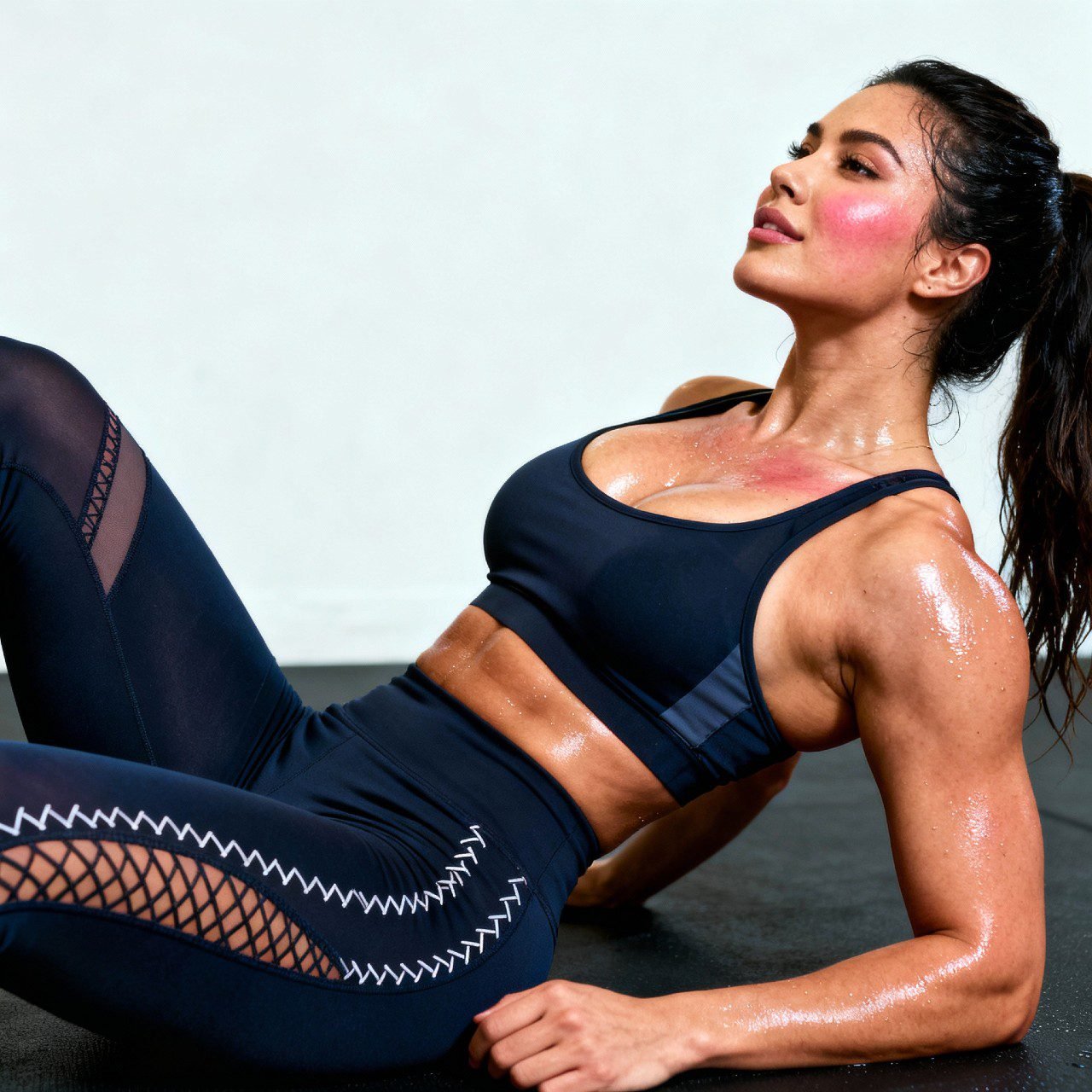
How Body Fat Reduction Affects Your Bust
When you engage in regular exercise—especially when combined with a calorie deficit for weight loss—your body burns fat stores for energy. Unfortunately, you cannot choose where that fat comes from. The concept of "spot reduction" is a fitness myth that refuses to die.
Your genetics determine your fat distribution pattern and, consequently, where you lose fat first. Some women lose breast volume early in their weight loss journey, while others maintain their bust size until they've lost considerable weight elsewhere first. There's no way to predict or control this pattern.
That said, several factors influence how much breast size you might lose:
- Your breast composition matters immensely. Women whose breasts are primarily glandular tissue (rather than fatty tissue) will notice minimal size changes even with significant weight loss. Conversely, women with breasts that are predominantly fat tissue may see dramatic reductions in cup size.
- The amount of weight loss obviously correlates with potential breast size changes. Losing 5 pounds probably won't dramatically affect your bust, but losing 30-50 pounds very likely will lead to some reduction in breast volume.
- Your genetics and hormones play crucial roles. Hormone levels, age, whether you've had children, and your genetic predisposition all influence how your breasts respond to fat loss.
For more insight on weight loss strategies that work for women, check out our guide on well-guarded tips for rapid weight loss.


Can Cardio Exercise Shrink Your Breasts?
Cardio itself doesn't specifically shrink breasts any more than strength training does. However, cardio burns calories, which contributes to the calorie deficit necessary for fat loss—and fat loss can reduce breast size.
High-impact cardio activities like running do present a unique concern: without proper support, the repetitive bouncing can stretch Cooper's ligaments over time, potentially contributing to sagging breasts. This is why a high-quality, properly fitted sports bra is non-negotiable for women with large breasts who engage in high-impact activities.
According to research published in the Journal of Women's Sports Medicine, sports bras significantly reduce breast pain and movement during physical activity compared to standard bras, making proper breast support essential for comfortable exercise.
Breast Size Changes: What Research and Board-Certified Plastic Surgeons Say
Board-certified plastic surgeons who specialize in breast procedures see firsthand how exercise and weight changes affect the breasts. Their insights are valuable for setting realistic expectations. According to plastic surgery professionals, the relationship between exercise and breast changes follows predictable patterns:
The balance of nutrition and fitness advice on Women's Lean Body Formula is just what I needed. It's not about dieting or pushing to extremes; it's about sustainable health and loving your body.
Samantha Aria Johnson ● Health Enthusiast
Volume vs Shape: Two Different Conversations
- Breast volume (actual size) primarily responds to fat loss and hormonal changes. Exercise cannot increase breast size through tissue growth—only through the addition of muscle beneath the breast tissue, which creates the appearance of enhanced volume in some cases.
- Breast shape responds to multiple factors including muscle development, posture improvement, skin elasticity, and ligament condition. Exercise can absolutely improve shape, even if actual volume decreases slightly.
Many women whose breasts change after weight loss find that while they may have dropped a cup size, their breasts appear more "perky" and sit higher on their chest wall due to improved muscle tone and reduced excess skin.
When Women Consider Breast Surgery After Weight Loss
For women with large breasts who lose significant weight, the resulting changes can be dramatic. Overly large breasts may become deflated-looking, with lost volume in the upper portion while maintaining lower fullness—creating a shape some describe as "empty socks."
This is when some women explore surgical options:
- Breast augmentation adds volume back using implants or, less commonly, fat transfer. Women who feel they've lost too much volume after achieving their goal weight sometimes choose this path.
- Breast lift (mastopexy) addresses sagging breasts by removing excess skin and repositioning the breast tissue higher on the chest. This doesn't change actual breast volume but dramatically changes appearance.
- Breast reduction surgery is sometimes pursued by women with heavy breasts who find the weight causes back pain, shoulder grooving from bra straps, or limits their ability to exercise comfortably. In these cases, the decision to have surgery is often about physical comfort and activity level as much as aesthetics.
See How Easily You Can Get Fitter
Sign up to get your free PDF report on 10 Actions That Support Weight Loss sent to your inbox!
BETSY MorrisON
It's not about dieting or pushing to extremes; it's about sustainable health and loving your body.
It's worth noting that board-certified plastic surgeons typically recommend patients reach and maintain their goal weight before undergoing breast surgery, since further weight fluctuations will affect surgical results.
The Female Body Transformation Reality: Managing Expectations About Breast Changes
Let's have an honest conversation about what happens to breasts during a fitness transformation. I've watched countless women go through this journey, and while everyone's experience is unique, certain patterns emerge.
What Most Women Experience
- A slight to moderate reduction in size is the norm for women losing significant body fat. How much depends on your starting composition and total weight loss. A woman who drops from 30% to 22% body fat will likely experience some reduction in breast volume.
- Improved breast shape and lift often accompany the size reduction, especially for women who incorporate strength training. Your breasts may be slightly smaller, but they sit higher and have a more youthful shape.
- Changes in breast feel are common. Some women report their breasts feel firmer (if they've built pectoral muscle underneath), while others notice they feel softer as dense fat reduces.
- Bra size adjustments are necessary for most women undergoing significant changes in body composition. You might go down a band size (as your ribcage circumference decreases) while maintaining or slightly reducing cup size, or you might experience changes in both measurements.
How To Lift Sagging Breasts With A Dumbbell Fly
How to lift sagging breasts with a dumbbell fly. The position of your hands is key to lifting saggy breasts with a dumbbell fly.
Exercises That Won't Make You "Lose Your Boobs"
A common question: Are there exercises I can do that won't affect my breast size?
The reality is that any exercise contributes to your overall calorie burn and, if you're in a deficit, fat loss. However, you can absolutely exercise while minimizing dramatic breast size changes:
- Strength training with adequate caloric intake allows you to build muscle and improve body composition without necessarily losing weight. This approach—often called "recomposition"—can actually improve your shape while maintaining or even slightly increasing weight.
- Focusing on lower body and core work means you're still getting fit and strong without emphasizing chest development (if that's your concern). Exercises targeting glutes, legs, and core can transform your physique while leaving the upper body relatively unchanged. Our article on the best moves for a sexy butt covers effective lower body training strategies.
- Moderate exercise combined with proper nutrition prevents the dramatic calorie deficits that lead to rapid fat loss. Slow, sustainable fat loss tends to be more "even" across the body rather than dramatically affecting one area.
The bottom line? If maintaining your breast size is important to you, focus on gradual body composition changes rather than aggressive weight loss, and ensure you're eating enough to support muscle growth rather than relying solely on fat loss for transformation.
Natural Breast Lift Through Exercise: What Actually Works
The phrase "natural breast lift" promises a lot, and while exercise alone cannot replicate the dramatic results of plastic surgery, certain training strategies can genuinely improve breast appearance.
The Foundation: Posture And Upper Body Strength
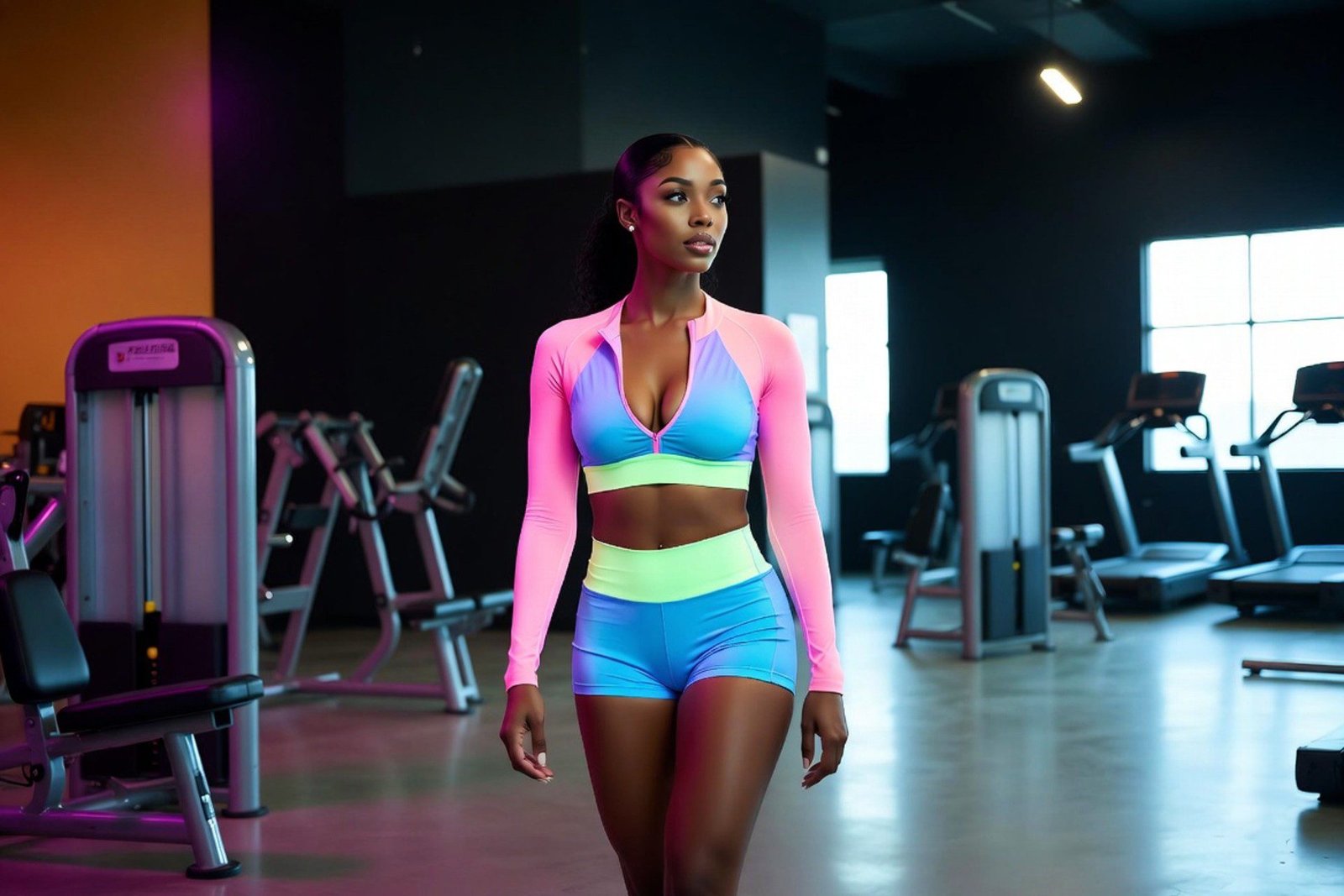
Poor posture—specifically rounded shoulders and forward head position—makes breasts appear to sag more than they actually do. When you strengthen your upper back muscles and improve your posture alignment, your breasts naturally sit in a more elevated position.
Key exercises for posture that indirectly "lift" breast appearance:
- Rows (all variations—bent over, seated, single-arm) strengthen the muscles that pull your shoulders back
- Face pulls specifically target the rear deltoids and upper back, correcting forward shoulder position
- Reverse flyes open up the chest and strengthen the posterior shoulder
- Lat pulldowns and pull-ups develop the latissimus dorsi muscles, which contribute to an upright, open-chest posture
Combine these back exercises with moderate chest training, and you create a balanced upper body that naturally showcases your bust in the most flattering position.
Watch this comprehensive guide: Chest LIFT Workout for Firm & Perky Breasts by Sanne Vander (118K views)
Core Strength And Breast Position
This connection surprises many women, but core strength directly affects how your breasts sit on your torso. A strong core supports your spine in proper alignment, preventing the forward slump that makes breasts appear lower and less perky.
Planks, dead bugs, bird dogs, and anti-rotation exercises build the core stability that maintains upright posture throughout the day—not just during workouts.
For comprehensive guidance on core and midsection training, explore our resource on how to get rid of belly fat naturally.
Join Our Mailing List
Are you ready to get in shape? Join us and get the list of top 10 actions that support PERMANENT weight loss, make you look and feel better without being hungry in the process!
Bust Shape Myths And Fitness Facts: What Science Really Tells Us
Fitness misinformation about breasts runs rampant. Let's separate fact from fiction.
Myth #1: Wearing A Sports Bra During Exercise Prevents Breast Growth
Fact: Breasts don't "grow" from exercise in the first place, so a sports bra can neither prevent nor promote growth. What a properly fitted sports bra does do is protect Cooper's ligaments from excessive stretching during high-impact activities. This ligament protection helps maintain long-term breast shape and can prevent premature sagging.
According to research from Sports Medicine Australia, athletes with large breasts (DD cup and above) often need to wear two bras simultaneously to achieve adequate breast support during high-impact exercise.
Myth #2: Bench Pressing Will Make Women's Breasts Bigger And Perkier Automatically
Fact: Bench pressing builds the pectoral muscles underneath breast tissue, which can create the appearance of lift and slightly enhanced size by pushing the breast tissue forward. However, this effect is modest and varies significantly based on genetics, starting breast size, and overall body composition. The muscle growth itself doesn't increase breast tissue volume.
Myth #3: Certain Exercises Can "Target" Breast Fat Loss
Fact: This is the spot reduction myth applied to breasts. Exercise cannot selectively burn fat from specific body areas. Chest exercises build chest muscle; they don't preferentially burn fat from breast tissue. Fat loss occurs systematically according to your genetic fat distribution pattern, not based on which body parts you train.
Myth #4: All Women With Large Breasts Will Lose Several Cup Sizes When They Get Fit
Fact: Women whose large breasts are primarily glandular rather than fatty tissue may see minimal size changes even with significant weight loss. The impact of fitness on breast size is highly individual and depends on your unique breast composition, which you can't know without medical imaging.
Fact: Strength Training Creates A More Favorable Body Composition That Often Enhances Relative Breast Appearance
While you might lose some breast volume through fat loss, you're simultaneously building muscle in your shoulders, back, and arms, reducing waist circumference, and improving posture—all of which create a more dramatic shoulder-to-waist ratio that actually makes your remaining breast tissue appear more prominent in relation to your frame.

Special Considerations: Breast Health And Exercise
Beyond aesthetics, exercise plays a significant role in breast health that every woman should understand.
Exercise And Breast Cancer Risk
Multiple studies have demonstrated that regular physical activity reduces breast cancer risk. According to research from the Susan G. Komen Foundation, women who engage in regular exercise have a 10-20% lower risk of developing breast cancer compared to inactive women.
The protective effect appears to stem from exercise's impact on hormone levels, body fat percentage, and immune function. Additional research published in JAMA Network Open found that even moderate physical activity was associated with a 60% lower risk of death among breast cancer survivors.
Heavy Breasts And Exercise Comfort
Women with naturally large breasts or overly large breasts face unique challenges when exercising:
- Finding appropriate support becomes paramount. A sports bra designed for your specific cup size and activity level isn't a luxury—it's a necessity for comfortable, sustainable exercise. Many women with large breasts avoid high-impact activities entirely due to discomfort, which limits their exercise options unnecessarily.
- Shoulder and back strain from breast weight can be exacerbated during exercise if proper form isn't maintained. Strength training that develops the upper back, rear shoulders, and core can help counterbalance the forward pull of heavy breasts.
- Exercise selection modifications might be necessary. For instance, women with very large breasts might find burpees or jumping jacks uncomfortable but tolerate rowing, cycling, or strength training perfectly well. For alternative cardio options, consider why swimming is one of the best exercises.
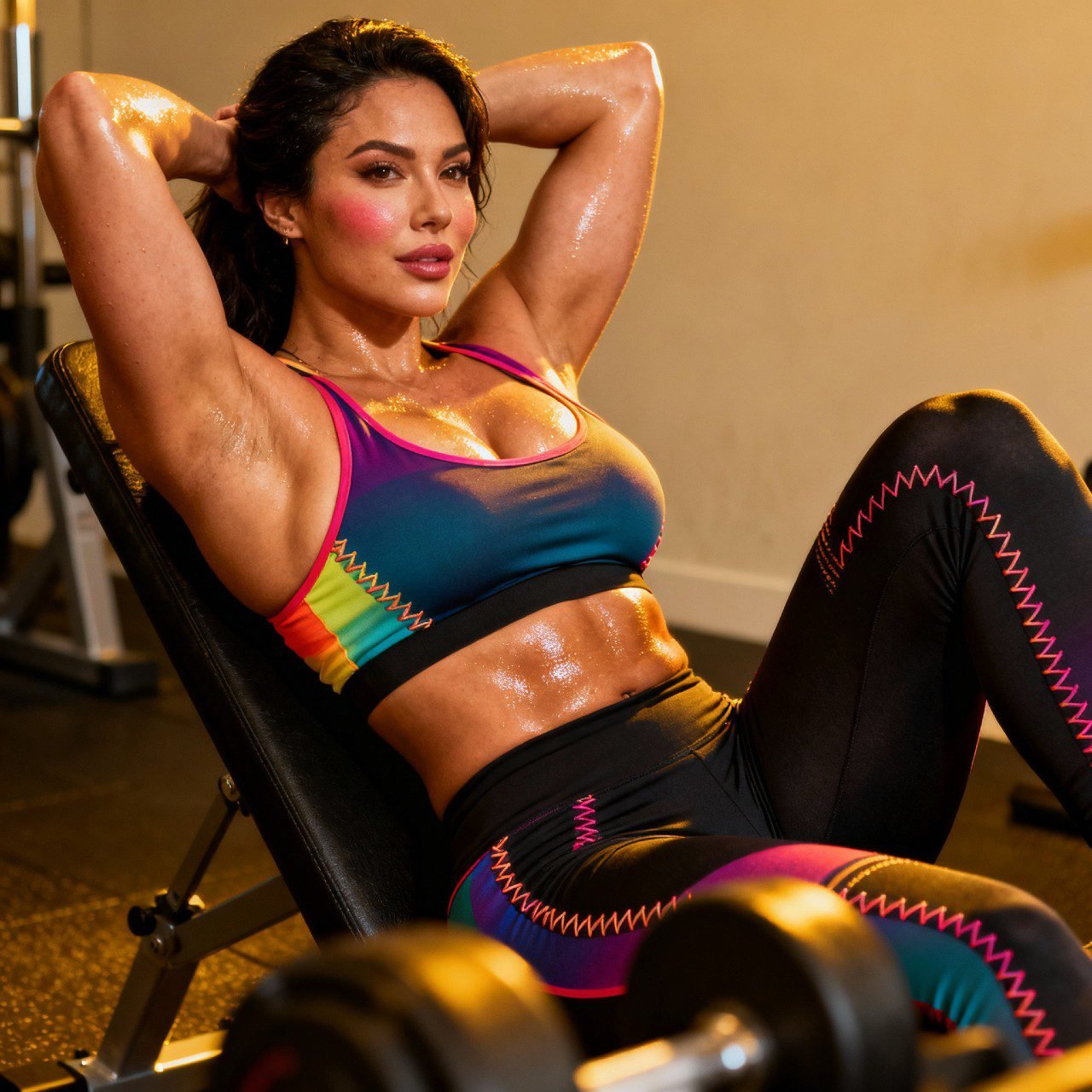
Some women with overly large breasts that interfere with their desired activity level ultimately explore breast reduction surgery not for aesthetics, but to remove physical barriers to comfortable exercise and movement.
Creating Your Workout Plan: Balancing Fitness Goals With Breast Concerns
If you're ready to start or continue your fitness journey while being mindful of how exercise might affect your breasts, here's a practical framework:
If Your Priority Is Maintaining Breast Size
- Focus on strength training with adequate caloric intake to support muscle growth without aggressive fat loss
- Implement a gradual approach to fat loss (no more than 0.5-1% body weight per week) to minimize dramatic changes
- Emphasize lower body and core training while keeping upper body work moderate
- Ensure sufficient protein intake to support muscle preservation during any calorie deficit
- Consider body recomposition rather than pure weight loss as your goal
For nutrition strategies that support muscle maintenance, read our guide on powerful protein foods for dieting.
If Your Priority Is Overall Fat Loss (Accepting Potential Breast Size Changes)
- Accept that some breast volume reduction is likely if you have significant fat to lose
- Incorporate chest exercises to build the pectoral muscles, which can partially offset volume loss with improved shape
- Prioritize back and posture work to ensure your breasts sit in the most elevated position possible
- Focus on overall body transformation rather than fixating on one body part
- Remember that proportional changes often mean that while your breasts become smaller, your entire physique becomes more defined, creating balanced aesthetics
Learn more about realistic expectations in our article on the secrets of fat and weight loss revealed.
FitFormula HUB
Explore our comprehensive suite of health and fitness calculators to discover personalised insights. No sign-up required — get instant, goal-specific results.
If Your Priority Is A "Perkier" Appearance
- Make posture correction a priority through upper back strengthening
- Include moderate chest training (2-3 times per week) focusing on upper chest
- Develop shoulder muscles to create better upper body proportions
- Maintain skin health through hydration, nutrition, and appropriate skincare to support elasticity
- Keep body fat at a moderate level—too low and you risk excessive volume loss; too high and you don't see muscle definition benefits
The Balanced Approach: Full-Body Strength Training
For most women, a balanced full-body strength training program 3-4 times per week, combined with moderate cardio and appropriate nutrition, delivers the best overall results. This approach:
- Improves overall body composition gradually
- Develops proportional muscle across all body parts
- Enhances posture and movement quality
- Supports long-term health and functional fitness
- Produces aesthetic changes that are balanced rather than extreme
Your breasts may change somewhat, but the total transformation creates a physique where those changes fit proportionally with the rest of your body's improvements. For comprehensive weight loss journey guidance, check out tips to improve your weight loss journey.
What Exercise Can And Cannot Do For Your Breasts
After exploring the science, myths, and realities, here's what you need to remember:
- Exercise cannot increase actual breast tissue. Your breasts are made of fat, glandular tissue, and connective tissue—none of which grow in response to training. Breast enhancement through exercise is limited to developing the underlying pectoral muscle and improving posture, both of which can create the appearance of lift and potentially slight size increase.
- Exercise can lead to breast size reduction through fat loss. If your breasts are primarily fatty tissue and you lose significant body fat through regular exercise and proper nutrition, you will likely experience some reduction in breast volume. The degree varies enormously based on genetics and composition.
- Exercise can dramatically improve breast shape and position. Through pectoral muscle development, posture improvement, and body recomposition, exercise can make your breasts appear perkier, more lifted, and more proportional to your frame—even if actual volume decreases.
- The decision to exercise shouldn't be dictated by breast concerns alone. The health benefits of regular physical activity—reduced disease risk, improved mental health, better functional capacity, increased bone density, and enhanced quality of life—vastly outweigh aesthetic concerns about one body part.
Join Our Mailing List
Are you ready to get in shape? Join us and get the list of top 10 actions that support PERMANENT weight loss and make you look and feel better without being hungry in the process!
If you're genuinely concerned about dramatic breast changes, consider working with a knowledgeable trainer who can help you design a workout plan aligned with your specific goals. And remember, if you do experience breast changes through your fitness journey that you're unhappy with, options exist—from strategic training approaches to properly fitted undergarments to, ultimately, surgical solutions if that's right for you.
Your breasts may change as your body transforms, but the strength, confidence, and health you gain through consistent exercise create benefits that extend far beyond breast size. The woman who emerges from a fitness transformation isn't just different on the outside—she's fundamentally stronger, more capable, and more confident in what her body can do rather than just how it looks.
For additional support on your fitness journey, explore our comprehensive guides on hormones and weight loss for women and how to become fitter yourself.
Related Articles
The Bottom Line
Embrace your transformation journey with confidence. The relationship between exercise and breast size is more nuanced than the simple "yes or no" answer many women seek.
While your breasts may change during your fitness journey—potentially losing some volume through fat loss or gaining a perkier appearance through muscle development and improved posture—these changes represent just one small chapter in a much larger story of transformation.
The woman who commits to regular strength training and healthy nutrition doesn't just reshape her body; she fundamentally rewires her confidence, resilience, and relationship with what her body is capable of achieving. Your breasts are part of your beautiful, evolving physique, but they don't define your worth, your strength, or your fitness success.
Embrace Inspiration: Like What You Read? Be Sociable, Comment, And Share It! Thanks.
Glossary Of Key Terms
• Adipose Tissue: The fatty tissue that makes up the bulk of breast volume for most women; its reduction leads to decreased cup size.
• Body Recomposition: A fitness strategy focusing on building muscle and losing fat simultaneously to change body shape without necessarily losing weight.
• Breast Augmentation: A surgical procedure that adds volume to the breasts using implants or fat transfer.
• Cooper’s Ligaments: The connective tissue that provides structural, internal support for the breasts; these can stretch permanently over time.
• Décolletage: The area of a woman's body including the neck, shoulders, and upper chest, which can be toned through pectoral and postural exercises.
• Glandular Tissue: The functional tissue in the breast responsible for milk production; it is denser than fat and less responsive to diet and exercise.
• Mastopexy: A surgical breast lift procedure that removes excess skin and repositions tissue higher on the chest wall.
• Pectoral Muscles: The pectoralis major and minor, the muscles located directly beneath the breast tissue, can be developed through strength training.
• Progressive Overload: The practice of gradually increasing the difficulty or weight in a workout to ensure continued muscle growth and development.
• Ptosis (Sagging): The downward displacement of breast tissue is often caused by the stretching of Cooper's ligaments, aging, or weight fluctuations.
• Spot Reduction: The scientifically debunked myth that one can lose fat from a specific body part by exercising the muscles in that area.
• Systemic Fat Loss: The process by which the body burns fat from all over the body based on genetic patterns rather than targeted exercise.
FAQ
Push-ups build the pectoral muscles underneath breast tissue, which can create a slight lifting effect and potentially make breasts appear marginally fuller by pushing the tissue forward. However, push-ups cannot increase actual breast tissue size or stimulate breast growth. The effect is limited to muscle development beneath the breast, not breast tissue enhancement.
Not necessarily. Whether working out affects your breast size depends primarily on whether you lose significant body fat (which can reduce breast volume) and your individual breast composition. Women with more glandular versus fatty breast tissue see less change. Building chest muscles may actually improve breast appearance even if slight volume loss occurs.
Focus on strengthening your pectoral muscles through exercises like chest presses, push-ups, and flyes. Equally important is developing your upper back and improving posture, which elevates breast position. Maintaining moderate body fat and keeping skin healthy through hydration also supports a perky appearance. This demonstration video shows a 5-minute workout specifically for perkier breasts.
Chest exercises themselves don't make breasts smaller—they build the muscle underneath. However, the overall exercise program that includes chest work may contribute to fat loss throughout your body, including potentially in breast tissue, which could reduce breast size. The exercises alone don't cause tissue reduction.
No specific exercises inherently cause breast tissue loss. If maintaining breast size is crucial, focus on eating adequate calories to prevent fat loss rather than avoiding particular exercises. That said, excessive cardio combined with a large calorie deficit creates conditions for fat loss that may affect breast volume. The key is nutrition management, not exercise avoidance.
You Know Why. Now Learn Exactly How
Join thousands of women inside our community and receive our free guide: 10 Actions That Support Permanent Weight Loss — the practical, sustainable habits that translate everything you just read into real, lasting results.
No fad diets. No extreme plans. Just what the research actually supports — written for real women.