
Guide To A Healthy Post-Baby Body: Effective Ways To Lose Pregnancy Weight

So, no matter where you’re at… whether you’re just starting and have 100 lbs to lose… or your trying to get rid of that last bit of belly fat… or anywhere in between… The LadyBoss Lifestyle is the new system you need to go from where you are now to where you want to be!
Kaelin Tuell Poulin
Navigating postpartum weight loss requires a strategic approach that prioritises your recovery while helping you achieve your physical goals. This comprehensive guide explores how to lose pregnancy weight fast through three scientifically supported methods specifically designed for new mothers.
We examine the crucial role of a nutrient-dense postpartum diet, the implementation of safe exercise routines, and the importance of lifestyle consistency in restoring your pre-baby figure. By focusing on sustainable health habits rather than restrictive trends, you can effectively shed baby weight and reclaim your vitality safely.
After welcoming a new baby, the pressure on new mothers to "snap back" to their pre-pregnancy body can feel immense. We see it everywhere, but the truth is that a rapid return to your former self is more myth than reality.
As the experts say, "no one — not even celebs! — snaps right back to her pre-baby body so quickly." Your body has just accomplished something incredible, and the recovery and adjustment period is a journey, not a race.
This article is here to quiet the noise and offer a supportive, realistic path forward. Forget the quick fixes and extreme diets. We're going to explore a few effective and perhaps surprising truths about postpartum weight loss that prioritise your long-term health, nourishment, and sustainable habits.
These foundational tips will help you make a plan with patience and commitment, ensuring you feel strong and healthy as you navigate motherhood.
Key Takeaways
- Reject the "snap back" myth and embrace a realistic recovery timeline of six to twelve months. While many women lose approximately half of their pregnancy weight by six weeks postpartum, the remaining journey should be viewed as a marathon rather than a sprint.
- Avoid the impulse to starve yourself, as drastically cutting calories can actually prevent weight loss by slowing your metabolism and triggering "fat storage" mode. Proper nourishment is vital for postpartum recovery and for supporting your milk supply if you are breastfeeding.
- Focus on nutrient-dense superfoods rather than strict calorie counting to ensure your body receives high-quality energy. Incorporating foods like salmon, blueberries, and peaches allows you to feel satisfied while meeting your nutritional needs.
- Prioritise gentle, consistent movement only after receiving clearance from your healthcare provider. Those with uncomplicated vaginal births may begin gentle exercises like walking within days, but those who had C-sections or complications usually require six to eight weeks to heal before starting more strenuous activities.
- Use hydration as a strategic tool by aiming for eight glasses of water a day to flush toxins and support your body's natural cleansing. Drinking a full glass of water before each meal is an effective tactic to naturally manage appetite and portion sizes.
- Adopt a mindset of nourishment over deprivation, focusing on building sustainable habits rather than just chasing a number on the scale. Instead of asking how to eat less, focus on how to nourish your body more to feel strong and capable as you navigate motherhood.
#1. Forget The "Snap Back"—Embrace The 6-Month Journey
The most common misconception about postpartum weight loss is speed
The idea of losing all the baby weight in just a few weeks is not only unrealistic but also unhealthy. Instead of aiming for a sprint, it's crucial to adopt the mindset of a marathon. A healthy, sustainable, and realistic timeframe is key to long-term success without compromising your well-being.
According to health experts, a more practical goal is to lose the extra weight within six to twelve months after giving birth. This approach allows your body the time it needs to recover and adjust.
Women should be able to lose their extra weight within six months after they give birth. Adopting this mindset is a powerful first step. It relieves the immense pressure to achieve immediate results, encourages patience with your body's natural process, and promotes a healthier approach that avoids the pitfalls of crash dieting.
Moving Your Body With Purpose
Once you feel ready and have clearance from your doctor, regular exercise is an effective way to help you lose weight faster. But more than that, movement is a powerful tool for boosting your energy levels, improving your mood, and combating the natural stress that comes with a new baby.
The goal isn't perfection; it's gentle, consistent movement that makes you feel strong and capable. Here’s a simple way to start:
- What to do: Begin with gentle activities like walking, jogging, or incorporating some form of strength and cardio training.
- How often: Aim for a few times a week. Be kind to yourself and start where you can.
- How long: Try to move for at least 30-45 minutes per session. This might mean a brisk 30-minute stroller walk while the baby naps, or breaking it into two 15-minute sessions when you find the time.
It is essential to talk to your healthcare provider before starting any exercise program. If you had an uncomplicated vaginal birth, you might be able to start gentle exercises within a few days. However, if you had a C-section or other complications, your body may need around 6 to 8 weeks to heal before you begin more strenuous activities.
#2. The Counter-Intuitive Truth: You May Need To Eat More
When trying to lose weight, the instinct can be to drastically cut calories, but this can backfire
This is one of the most counter-intuitive truths of postpartum weight loss: not eating enough can actually prevent you from shedding pounds. The impulse to "starve yourself" is a direct path to slowing down your progress.
When your body doesn't receive enough fuel, your metabolism slows down to conserve energy. This signals your body to enter a "fat storage" mode, making it much harder to lose weight.
Instead of deprivation, the focus should be on providing your body with consistent, high-quality energy. The key isn't eating less, but rather choosing the right foods to nourish your body and support a healthy metabolism.
Join Our Mailing List
See how easily you can get fitter. Sign up to get your free PDF report on 10 Actions That Support Weight Loss sent to your inbox!

#3. Focus On Superfoods, Not Starvation
Instead of counting every calorie, shift your focus to eating "superfoods"—foods that are low in calories but packed with high nutritional value
This strategy allows you to eat satisfying meals that fuel your body's recovery and energy needs without derailing your weight loss goals. Here are a few excellent superfoods to incorporate into your diet:
- Salmon: This fish is loaded with beneficial Omega-3s, is low in calories, and has a rich flavour that makes for a satisfying meal.
- Blueberries: When you're craving something sweet, a handful of blueberries is a perfect choice. They can satisfy your sweet tooth without adding excess calories.
- Peaches: This delicious fruit is loaded with essential nutrients while being limited in calories, making it an ideal snack.
Superfoods are rich in nutrients and work wonders in keeping your mind and body healthy. This approach is far more effective and sustainable than starvation.
It properly nourishes your body for postpartum recovery and supports milk supply if you are breastfeeding, all while preventing the metabolic slowdown caused by severe calorie restriction.
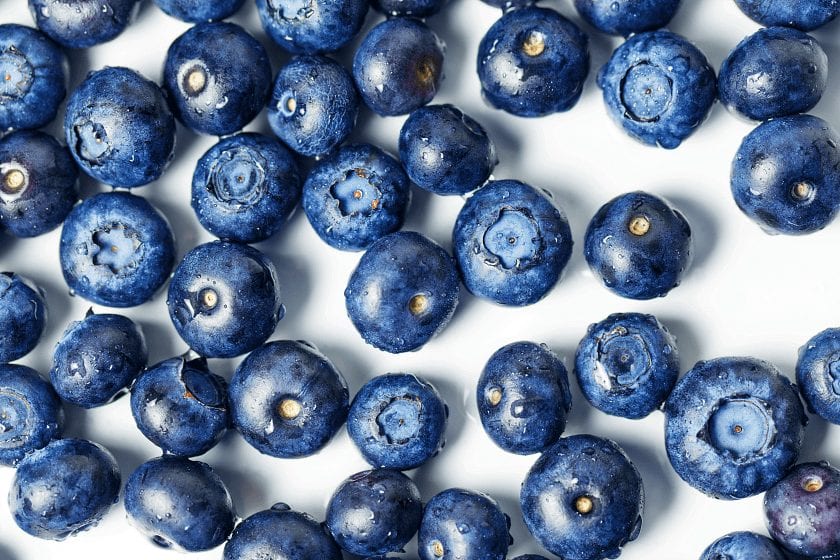
TIP: Superfoods are rich in nutrients and work wonders in keeping your mind and body healthy.
#4. Use Water As A Strategic Tool
One of the simplest yet most powerful tools in your postpartum wellness kit is water
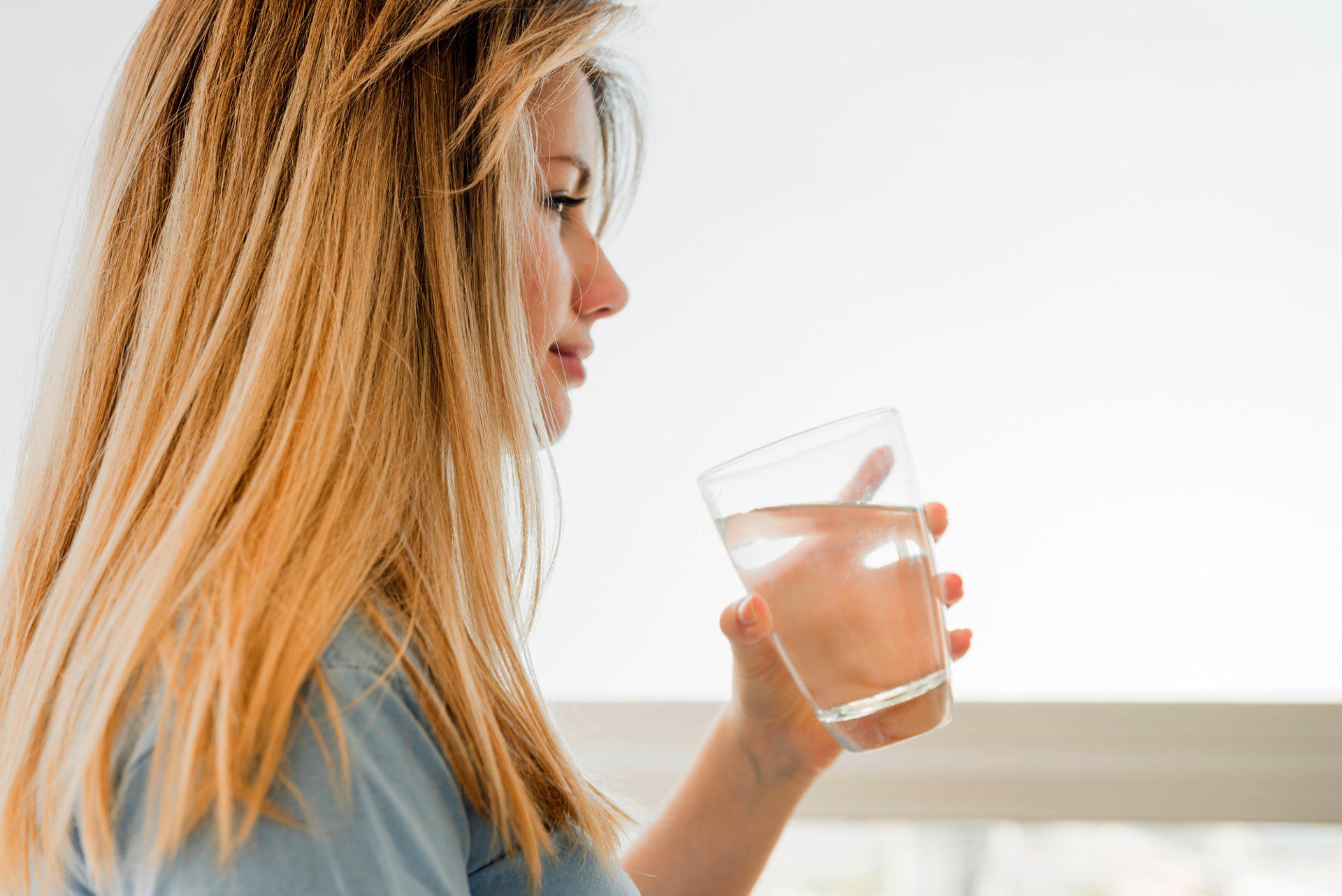
While drinking water is always important for general health, it becomes a strategic asset when you're aiming to lose pregnancy weight. Aim to drink around eight glasses a day to maximise its benefits.
Water helps your body in two crucial ways:
- It flushes toxins out of your body, a process that is essential for achieving your weight loss goals.
- It helps reduce your appetite. Drinking a full glass of water before each meal is a simple but effective tactic to help you feel fuller and manage portion sizes naturally.
Think of hydration not as a passive health tip, but as a deliberate strategy. Using water to manage hunger and support your body's natural cleansing processes is a foundational habit for successful and healthy postpartum weight loss.
The Bottom Line
Losing pregnancy weight is a journey that requires commitment, patience, and a deep respect for what your body has been through. The key is to focus on nourishment rather than deprivation and to celebrate consistent, healthy habits, rather than chasing a number on the scale.
By embracing a realistic timeline, understanding the importance of fueling your body properly with superfoods, and utilising a simple tool like water strategically, you can create a sustainable plan that works for you.
Instead of asking 'how can I eat less?', try asking 'how can I nourish myself more?' Your answer lies in patience, superfoods, and a tall glass of water.
Embrace Inspiration: Like What You Read? Be Sociable, Comment, And Share It! Thanks.
Glossary Of Key Terms
• Crash dieting: An unhealthy weight loss method involving extreme and sudden calorie restriction, which is discouraged in the text.
• "Fat storage" mode: The body's physiological response to receiving insufficient fuel, where metabolism slows down to conserve energy, making weight loss more difficult.
• Gentle exercise: Low-impact physical activities such as walking, jogging, and stretching are recommended for starting a postpartum fitness routine.
• Marathon mindset: An approach to postpartum weight loss that focuses on patience, sustainability, and a long-term timeframe (6-12 months) rather than immediate results.
• Metabolism: The bodily process of converting food into energy, which the article notes can be slowed by severe calorie restriction.
• Nourishment: The practice of providing the body with consistent, high-quality energy and nutrients, presented as the healthy alternative to deprivation.
• Omega-3s: Beneficial fatty acids mentioned as a key nutritional component of salmon.
• Postpartum weight loss: The journey of losing the extra weight gained during pregnancy in the period after giving birth.
• "Snap back" myth: The unrealistic and unhealthy cultural expectation that new mothers can and should quickly return to their pre-pregnancy bodies.
• Superfoods: Foods described as being low in calories but packed with high nutritional value, such as salmon, blueberries, and peaches.
• Sustainable habits: Healthy and consistent practices, such as purposeful movement and mindful eating, that can be maintained over the long term.
FAQ
Women should be able to lose their extra weight by six months after they give birth, Lovelady said. Not all the experts agreed that all the weight had to come off within six months. However, 12 months seems to be the upper limit for how long it should take for women to lose all of their pregnancy weight.
You're not eating enough—or choosing the wrong foods. Your metabolism isn't necessarily the same as it was pre-baby, and not eating slows it down. This can lead to not losing baby weight and even extra weight gain down the road. If you are not eating enough food, your body will store fat.
Most women lose half of their baby weight by 6 weeks after childbirth (postpartum). The rest most often comes off over the next several months. A healthy diet with daily exercise will help you shed the pounds. Breastfeeding can also help with postpartum weight loss.
It's important to talk to your healthcare provider before starting any exercise programme after giving birth. Typically, women who have had an uncomplicated vaginal birth can start gentle exercises such as walking and pelvic floor exercises within a few days of giving birth. However, those who have had a caesarean section or complications may take longer, often around 6 to 8 weeks, before doing more strenuous exercises.
Effective dietary changes include focusing on whole foods such as vegetables, fruit, lean proteins and whole grains. It's important to avoid crash diets, especially if you're breastfeeding. Instead, aim for gradual weight loss with a balanced diet that provides enough nutrients for you and your baby. Staying hydrated and eating smaller, more frequent meals can also help manage hunger and boost your metabolism.
For new mothers, physical activity should be gentle and gradually increased in intensity. Start with walking, pelvic floor exercises and stretching. As you gain strength and your body recovers, you can gradually introduce low-impact aerobic exercise, light weight training and postnatal yoga or Pilates. Always listen to your body and avoid overexertion.
Join Our Mailing List
See how easily you can get fitter.
Sign up to get your free PDF report on 10 Actions That Support Weight Loss sent to your inbox!