Beyond The Crunch: Effective Ways To Build A Flat Stomach For Women
EARL NIGHTINGALE
American radio speaker & author
Never give up on a dream just because of the time it will take to accomplish it. The time will pass anyway.
Summary (TL;DR)
To achieve a flat stomach, focus on nutrition, movement, and lifestyle. Reducing refined carbs and increasing protein/fiber intake are crucial. Combine core exercises like planks with HIIT and cardio to target belly fat effectively.
Manage stress and prioritize sleep to lower cortisol levels, which contribute to fat storage. Remember that consistency and hydration are key for visible results in 8–16 weeks.
You've done the crunches. You've tried the cleanses. You've Googled "how to get a flat stomach" at midnight more times than you'd like to admit — and yet the results are frustratingly slow.
Here's the truth: getting a flat stomach isn't about doing more sit-ups. It's about combining the right nutrition, targeted movement, lifestyle habits, and a consistent strategy that your body actually responds to.
According to the Mayo Clinic, belly fat — especially visceral fat — increases health risks for women, including heart disease, type 2 diabetes, and hormonal disruption. But the good news is it's one of the most responsive fat types to the right lifestyle changes.
This guide gives you everything you need: what to eat, how to train, what habits to build, and the science-backed reasons why each step works.
Medical & Referral Disclaimer
This article is for informational and educational purposes only. It is not a substitute for professional medical advice, diagnosis, or treatment. Always consult your physician or a qualified health provider before beginning any new diet or exercise programme, especially if you have an existing medical condition.
Key Takeaways
- Belly fat is both a cosmetic and a health concern — visceral fat around the organs increases risk of heart disease and diabetes, but it is highly responsive to lifestyle changes.
- Nutrition is 80% of your flat stomach results — focus on reducing refined carbs, increasing protein and fiber, and supporting gut health with probiotics.
- You cannot spot-reduce fat — no amount of crunches will eliminate belly fat without an overall caloric deficit and lower body fat percentage.
- The best exercise strategy combines core stability training + HIIT workouts + cardio for belly fat — each one targets your midsection from a different angle.
- Planks outperform sit-ups for building core strength and muscle definition without spinal compression.
- Bloating and belly fat are different — chronic bloating from digestive triggers can be resolved quickly with dietary adjustments and mindful eating habits.
- Sleep and stress are not optional — cortisol from poor sleep and chronic stress actively stores fat in the abdominal region.
- Visible results take 8–16 weeks — consistency beats perfection; a realistic timeline prevents burnout.
- Hydration matters more than most people realize — 2–3 liters of water per day reduces water retention, boosts metabolism, and improves digestive health.
- Posture is a free, instant upgrade — standing tall activates your core passively and can make your stomach appear visibly flatter immediately.
What Really Causes Belly Fat In Women?
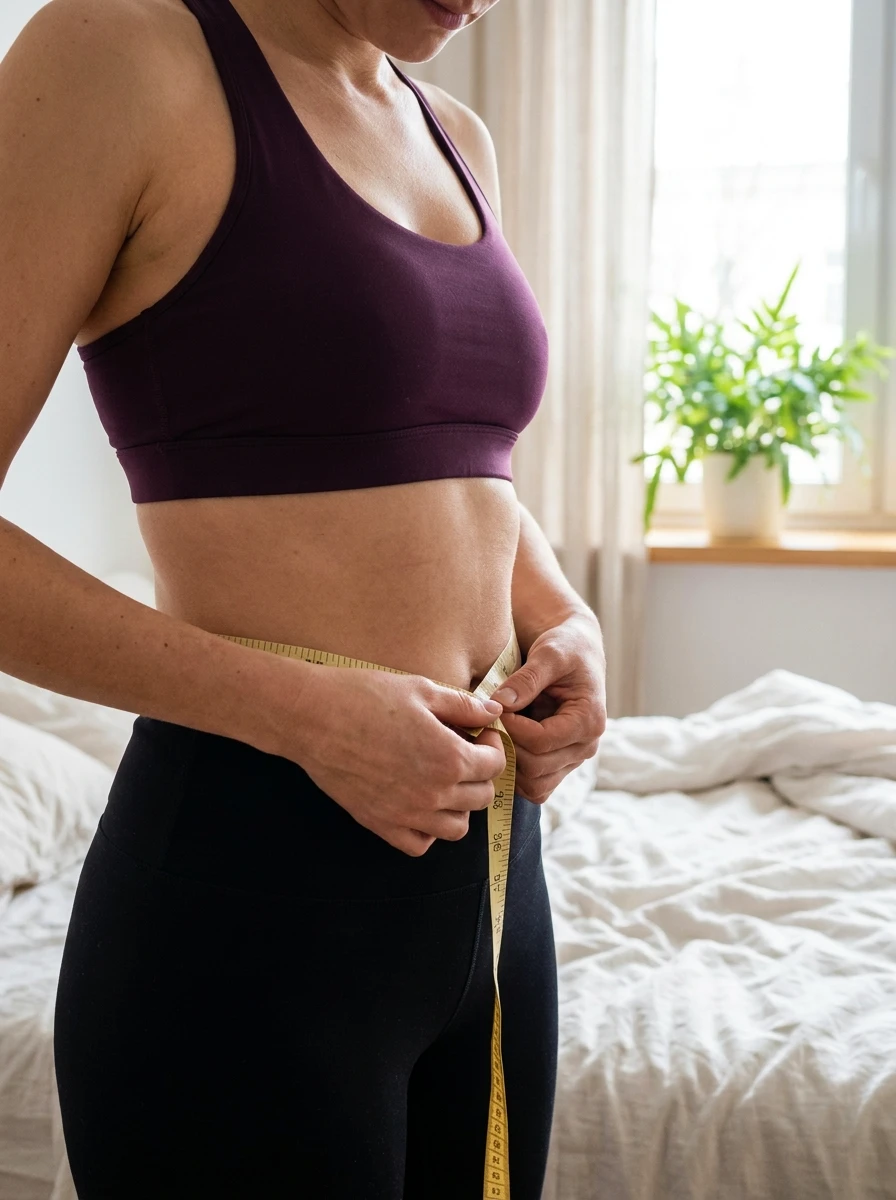
Women accumulate belly fat due to a combination of hormonal fluctuations, elevated cortisol, poor diet, sedentary habits, and genetics. Unlike subcutaneous fat, you can pinch, visceral fat wraps around your organs and requires consistent, targeted lifestyle changes to reduce.
Understanding the root cause of your belly fat is the most important first step. There are two types of abdominal fat:
- Subcutaneous fat — the soft, pinchable layer just under the skin.
- Visceral fat — the deeper fat surrounding your organs, linked to metabolic and cardiovascular disease.
For women specifically, hormonal changes during perimenopause and menopause shift fat distribution toward the abdomen. Elevated cortisol from chronic stress also signals the body to store fat in the belly region — making stress management not a luxury, but a weight-loss tool.
What doesn't work:
- Spot reduction (targeting one area with exercises) — this is a fitness myth; you can't choose where your body burns fat.
- Crash diets — they trigger cortisol spikes and muscle loss, which slows your metabolism.
- Excessive cardio without strength training — burns muscle as well as fat, reducing your body's calorie-burning efficiency.
What does work:
- A caloric deficit paired with high-protein, high-fiber nutrition.
- Compound strength training + cardio for belly fat.
- Sleep, stress reduction, and gut health management.
- Patience — visceral fat loss is real, but takes 4–12 weeks to become visible.
What Should You Eat To Get A Flat Stomach?
A flat stomach diet focuses on reducing processed carbs and sugar, increasing dietary protein to 25–30% of daily calories, eating 25–38g of fiber daily, and supporting gut health with probiotics. These four pillars together create a sustainable caloric deficit while reducing bloating.
Nutrition accounts for roughly 80% of your midsection transformation results. No amount of planks will undo a diet high in refined carbohydrates, added sugars, and inflammatory foods.
Reduce Refined Carbs And Sugar For Waistline Reduction
Why Refined Carbs Expand Your Waistline
Refined carbohydrates — white bread, pasta, pastries, sugary drinks — cause rapid insulin spikes. When insulin is chronically elevated, your body prioritizes fat storage, particularly around the midsection. Research published by Johns Hopkins Medicine shows that reducing refined carbs is more effective than reducing dietary fat for belly fat loss.
Swap these out:
- White bread → Whole-grain sourdough or sprouted grain bread
- White rice → Cauliflower rice or brown rice
- Sugary cereals → Rolled oats with cinnamon
- Fruit juice → Whole fruit or infused water
- Flavoured yoghurt → Plain Greek yoghurt with berries
Low-carb snack ideas that won't spike insulin:
- Hard-boiled eggs with cucumber slices
- Celery sticks with almond butter
- A small handful of mixed nuts (almonds, walnuts)
- Cottage cheese with cherry tomatoes
- Sliced avocado with sea salt and lemon
Increase Protein For A Leaner Midsection
How Protein Supports Muscle Definition And Belly Fat Loss
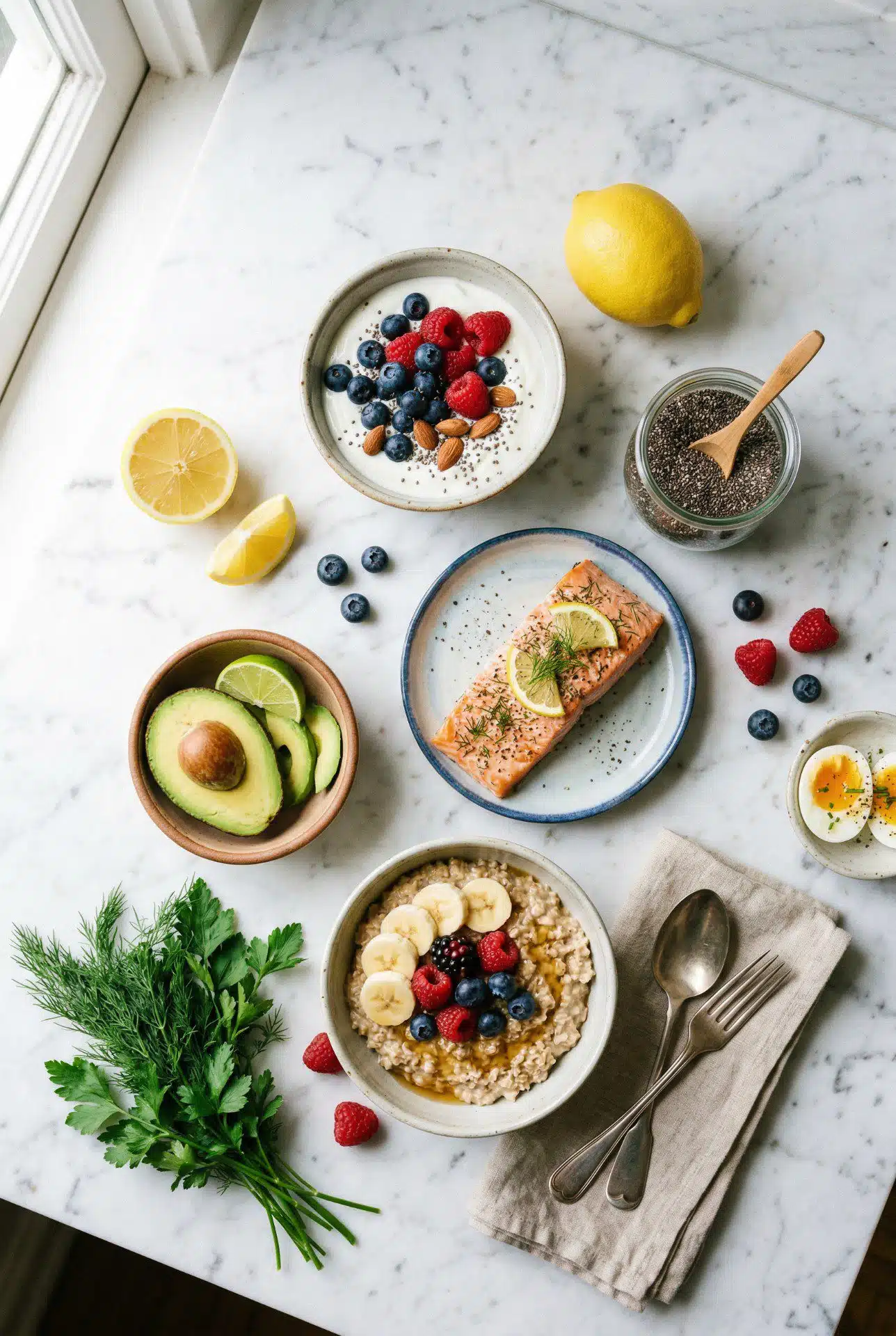
Protein is the single most important macronutrient for changing your body composition. It builds and preserves lean muscle (which burns more calories at rest), increases satiety, and requires more energy to digest — a process called the thermic effect of food.
Studies show that women who eat 20–30% of their calories from protein have measurably slimmer waistlines than those who eat a low-protein diet.
Best protein sources for a flat stomach:
- Chicken breast and turkey (lean, versatile)
- Wild salmon and canned tuna (protein + omega-3s to fight inflammation)
- Greek yoghurt and cottage cheese (dairy-based, high satiety)
- Legumes — lentils, chickpeas, black beans (protein + fiber combo)
- Eggs (complete protein, rich in choline, which supports fat metabolism)
For a structured approach, see this high-protein diet plan for sustainable weight loss.
Prioritize Fiber-Rich Foods For Digestive Health And Bloating Prevention
Soluble fiber — found in oats, flaxseed, apples, and legumes — absorbs water and slows digestion, keeping you fuller longer and reducing overall caloric intake. It also feeds beneficial gut bacteria, which play a direct role in belly fat regulation.
Insoluble fiber (found in vegetables and whole grains) keeps your digestive system moving efficiently, preventing constipation and bloating that can make your stomach appear larger than it actually is.
Target: 25–38g of fiber per day
High-fiber foods to add to your plate:
- Avocado (6.7g per half)
- Chia seeds (10g per 2 tbsp)
- Black beans (15g per cup)
- Broccoli (5g per cup)
- Pears (5.5g per medium fruit)
- Rolled oats (4g per cup)

Boost Gut Health With Probiotics
The Gut-Belly Fat Connection
Your gut microbiome — the trillions of bacteria living in your digestive tract — influences how your body stores fat, processes inflammation, and regulates hunger hormones. An imbalanced microbiome is directly linked to increased visceral fat storage.
Adding probiotics to your diet restores beneficial bacteria, improves digestive health, reduces bloating, and may directly aid belly fat reduction.
Probiotic-rich foods to include daily:
- Plain Greek yoghurt (live cultures)
- Kefir (higher probiotic count than yoghurt)
- Sauerkraut and kimchi (fermented vegetables)
- Kombucha (fermented tea — watch sugar content)
- Miso and tempeh (fermented soy)
Flat Stomach Nutrition Guide: Eat This, Not That
| Category | Foods That Help | Foods to Limit or Avoid | Why It Matters |
|---|---|---|---|
| Carbohydrates | Oats, quinoa, sweet potato, brown rice | White bread, pastries, white rice, sugary cereals | Refined carbs spike insulin and promote fat storage |
| Protein | Chicken, salmon, eggs, Greek yoghurt, lentils | Processed deli meats, fried chicken, sausages | Protein builds muscle and increases satiety |
| Fats | Avocado, olive oil, almonds, walnuts, flaxseed | Trans fats, vegetable oils, fast food | Healthy fats reduce inflammation linked to visceral fat |
| Snacks | Hard-boiled eggs, nuts, cottage cheese, veggies | Crisps, biscuits, chocolate bars, crackers | Low-carb snacks prevent insulin spikes between meals |
| Drinks | Water, green tea, black coffee, kefir, kombucha | Alcohol, fruit juice, soda, energy drinks | Liquid calories and alcohol directly promote belly fat |
| Gut Health | Kefir, sauerkraut, kimchi, yoghurt, miso | Artificial sweeteners, processed foods | Gut microbiome imbalance promotes visceral fat accumulation |
| Fiber | Chia seeds, avocado, beans, broccoli, pears | Low-fiber processed foods | Fiber reduces appetite, bloating, and overall caloric intake |

What Are The Best Exercises For A Flat Stomach?
The most effective exercise approach for a flat stomach combines core stability training (planks, dead bugs, hollow holds) with HIIT workouts 2–3x per week and 150+ minutes of moderate cardio weekly. This trio reduces visceral fat, builds muscle definition, and boosts resting metabolism.
The key insight from research: you cannot spot-reduce belly fat. Doing 500 crunches daily won't burn fat specifically from your midsection. What works is lowering your overall body fat percentage through a combination of training modalities while building visible core muscle definition underneath.
Core Stability And Abdominal Exercises For Muscle Definition
Core stability exercises engage the deep abdominal muscles — the transverse abdominis — that pull your waist inward and support your spine. These are the muscles that create the "toned abs" look as overall body fat decreases.
Most effective core exercises:
- Plank (and variations): Engages your entire core, shoulders, and glutes simultaneously.
- Dead bug: Excellent for deep core activation with low injury risk.
- Hollow body hold: Builds the transverse abdominis — the muscle that cinches your waist.
- Bicycle crunches: Activates both upper and oblique abdominals.
- Mountain climbers: Combines core work with cardio for belly fat.
For a complete beginner-friendly routine, visit these flat stomach exercises for beginners.
Planking Benefits — Why Planks Beat Sit-Ups
Planks are consistently ranked above crunches and sit-ups for core strength development. Here's why:
- They engage more muscle groups simultaneously (core, glutes, shoulders, back).
- They build core stability rather than just surface muscle.
- They eliminate the spinal compression risk associated with crunches.
- A 60-second plank activates more total core muscle fiber than 60 crunches.
Plank progression for beginners:
- Week 1–2: 3 × 20-second holds
- Week 3–4: 3 × 40-second holds
- Week 5–6: 3 × 60-second holds
- Week 7+: Side planks, plank with shoulder taps, RKC planks
HIIT Workouts For Visceral Fat Reduction
High-Intensity Interval Training (HIIT) is the most time-efficient method for reducing visceral fat. It creates a significant "afterburn" effect (EPOC — excess post-exercise oxygen consumption), meaning your body continues burning calories for up to 24–48 hours after the session ends.
A simple home HIIT workout routine (20 minutes):
- Warm-up: 3 minutes of marching in place + arm circles
- 40 seconds work / 20 seconds rest × 4 rounds:
- Jump squats
- Mountain climbers
- Burpees (or modified: step out burpees)
- High knees
- Alternating reverse lunges
- Cool down: 3 minutes of walking + static stretches
Aim for 2–3 HIIT sessions per week with at least one rest day between sessions.
Cardio For Belly Fat: Steady-State And Low-Impact Options
Steady-state cardio — walking, cycling, swimming, rowing — burns calories and directly reduces visceral fat when performed consistently. The American Heart Association recommends 150–300 minutes of moderate-intensity cardio per week for health and body composition.
Cardio options ranked by belly fat impact:
- Swimming (full-body, low-impact, high calorie burn)
- Incline walking (accessible, effective, easy to maintain)
- Cycling (low-impact, strong cardio for belly fat)
- Rowing (combines cardio with core engagement)
- Dance cardio / aerobics classes
See the 4 best exercises for women to lose weight for a full breakdown.

Exercise Comparison For Flat Stomach Results
| Exercise Type | Weekly Frequency | Primary Benefit | Fat Burned Per Session | Best For | Difficulty Level |
|---|---|---|---|---|---|
| HIIT Workouts | 2–3x | Visceral fat reduction, metabolism boost | 400–600 kcal | Fast results, time-efficient | Intermediate |
| Core Stability (Planks, Dead Bugs) | 4–5x | Muscle definition, waistline tightening | 150–250 kcal | Toned abs appearance | Beginner–Advanced |
| Strength Training | 2–3x | Lean muscle building, higher resting metabolism | 300–500 kcal | Long-term body composition | Beginner–Advanced |
| Steady-State Cardio | 4–5x | Overall fat burning, heart health | 300–500 kcal | Sustainable daily movement | Beginner |
| Yoga / Pilates | 2–3x | Core stability, posture, stress reduction | 150–300 kcal | Stress-related belly fat | All levels |
| Swimming | 3–4x | Full body fat burning, low-impact cardio | 400–700 kcal | Joint-friendly fat loss | All levels |
How Does Hydration Support Belly Fat Loss?
Drinking 2–3 liters of water daily supports belly fat loss by boosting metabolism by up to 30% temporarily, suppressing appetite between meals, reducing water retention and bloating, and improving the body's ability to metabolize stored fat.
Chronic dehydration is one of the most overlooked obstacles to a flat stomach. When your body is dehydrated, it retains water — particularly in the abdominal area — creating puffiness that mimics fat. Adequate hydration flushes excess sodium, reduces bloating, and keeps your digestive system running efficiently.
Hydration for weight loss — practical tips:
- Drink a full glass of water (500ml) immediately upon waking.
- Drink water 20–30 minutes before each meal to naturally reduce portion sizes.
- Carry a marked water bottle (1L minimum) and refill it twice daily.
- Add lemon, cucumber, or mint to make plain water more appealing.
- Swap one tea or coffee per day with herbal tea (peppermint and ginger are especially good for bloating prevention).
- Limit alcohol — even one drink triggers cortisol release and water retention around the midsection.
Signs you're not drinking enough:
- Dark yellow urine
- Afternoon energy crashes
- Persistent bloating despite clean eating
- Cravings for sweet foods (often a dehydration signal)

Can Improving Your Posture Give You A Flatter Stomach Instantly?
Yes — correcting your posture can make your stomach appear visibly flatter without losing a single pound. Slumping forward allows the abdomen to protrude and disengages core muscles. Standing tall with a neutral spine activates the transverse abdominis and can make you look up to 5 pounds slimmer instantly.
Beyond the visual effect, good posture directly strengthens your core stability over time. Every hour you spend sitting upright rather than slumped is an hour of passive core engagement.
Tips for better posture:
- Keep your shoulders back and down, not raised toward your ears.
- Imagine a string pulling the crown of your head toward the ceiling.
- Engage your core gently (10–20% contraction) throughout the day.
- Avoid looking down at your phone for extended periods — this creates forward head posture and disengages the core.
- Set hourly reminders to stand up and walk for 2 minutes if working at a desk.
- Strengthen your posterior chain (glutes, hamstrings, upper back) with resistance training to support natural upright posture.
For a more comprehensive approach, see tummy slimming secrets for women.
Good posture also works your deep core all day. When your ribs are stacked over your hips, your transverse abdominis, the muscle that wraps your middle like a natural corset, stays switched on. Think of it as low-level core training between workouts, not a fat-loss trick.
How Is Bloating Different From Belly Fat And How Do You Prevent It?
Bloating is temporary abdominal distension caused by trapped gas, food intolerances, or digestive slowdown — not actual fat. It can add 2–4cm to your waistline within hours. Preventing it requires identifying trigger foods, eating mindfully, and supporting digestive health with probiotics and adequate hydration.
This distinction matters enormously: many women believe they "can't get rid of belly fat" when what they're actually experiencing is chronic bloating, which is far faster to resolve.
Common bloating triggers:
- Carbonated drinks (including sparkling water for sensitive digestive systems).
- Beans and legumes are eaten without a gradual introduction.
- Cruciferous vegetables (broccoli, cauliflower, Brussels sprouts), when eaten in large quantities.
- Artificial sweeteners (sorbitol, xylitol, erythritol) are found in "sugar-free" products.
- Chewing gum (swallows air).
- Eating too quickly (insufficient chewing → poor digestion).
- Dairy, if you're lactose sensitive.
Mindful eating habits that prevent bloating:
- Chew each bite 20–30 times before swallowing.
- Don't eat while distracted (TV, phone) — this leads to overeating and poor digestion.
- Sit down for every meal — eating standing or walking slows digestion.
- Leave 20 minutes between finishing a meal and deciding if you want more.
- Eat in a calm environment — stress activates the "fight or flight" response, which redirects blood away from digestion.
For supplement strategies that support digestive health, see the role of supplements for a flat stomach.
How Do Sleep And Stress Affect Your Midsection?
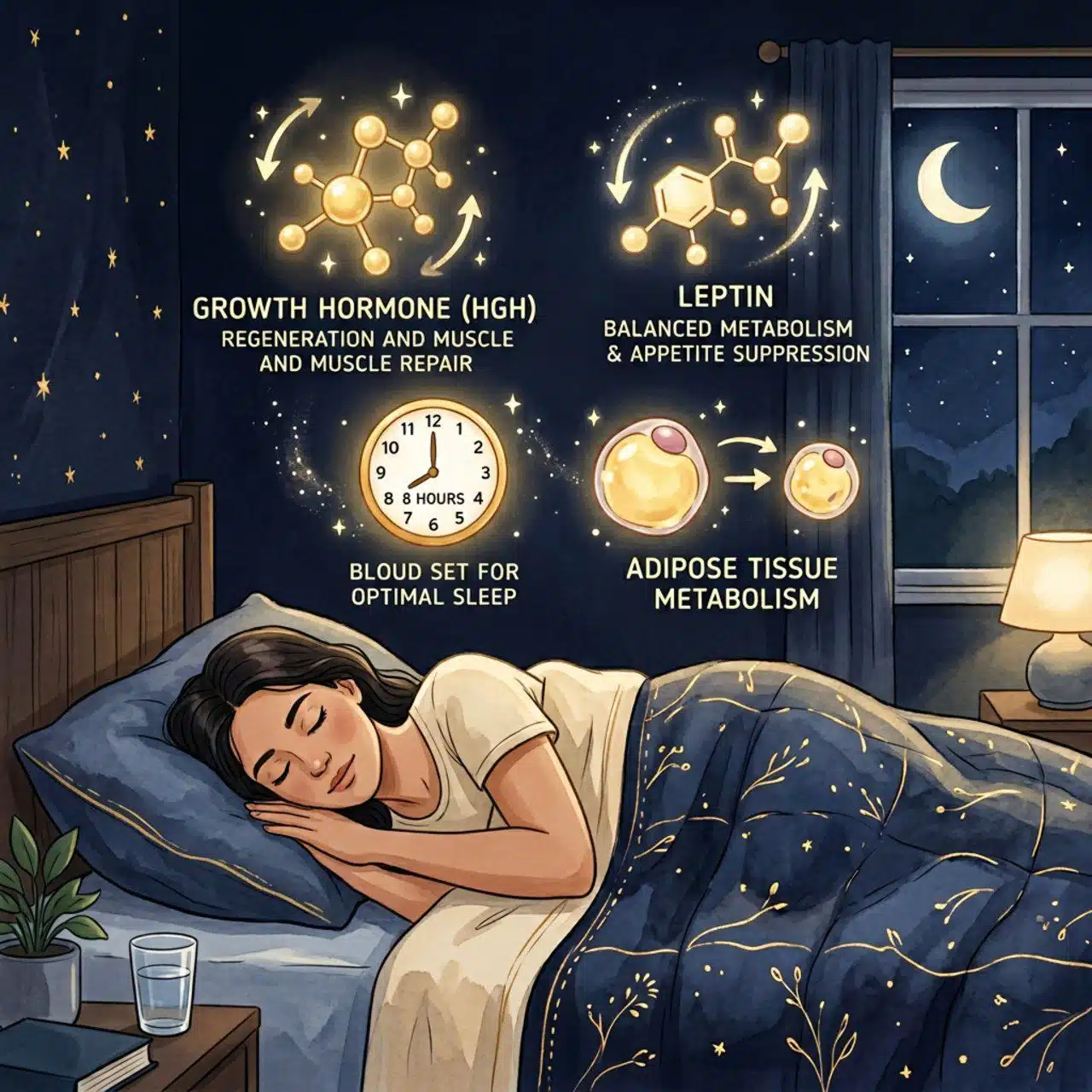
Poor sleep (under 7 hours per night) raises ghrelin (hunger hormone) by up to 15% and lowers leptin (fullness hormone), causing increased appetite and belly fat storage. Chronic stress elevates cortisol, which directly signals the body to store fat around the abdominal organs.
These two factors are the "invisible saboteurs" of flat stomach progress. You can be eating clean and training hard — but if you're sleeping 5 hours a night and running on cortisol, your body will resist releasing belly fat.
Sleep strategies for belly fat reduction:
- Aim for 7–9 hours per night, in a cool (16–19°C), dark room.
- Avoid screens (phones, tablets, TV) for 60 minutes before bed — blue light suppresses melatonin.
- Keep a consistent sleep and wake time, even on weekends.
- Limit caffeine after 2 pm.
Stress reduction techniques:
- 10-minute daily meditation or breathing exercises (box breathing: 4 counts in, 4 hold, 4 out, 4 hold).
- Daily walks in nature — shown to lower cortisol more effectively than indoor exercise.
- Journaling 3 things you're grateful for each night — reduces ruminative thought patterns that spike cortisol.
- Progressive muscle relaxation before sleep.
For a deeper dive into how hormones affect your weight, see hormones and weight loss in women.
Stress deserves extra attention after 40. Chronic stress keeps cortisol raised, and a Yale study found that otherwise slender women who were more vulnerable to stress carried more abdominal fat. As estrogen falls in perimenopause, that link can feel stronger, so the same stress you handled in your 30s may now show up around your middle.
You cannot remove stress, but you can lower your daily dose. A review of mindfulness programs found they reduced cortisol across several studies. Try 10 minutes of mindfulness or slow breathing a day, two or three yoga sessions a week, or box breathing (4 counts in, hold for 4, out for 4, hold for 4) when stress spikes. For the full picture, read our guide to cortisol and belly fat.
How Long Does It Take To Get A Flat Stomach?
Most women see measurable waistline reduction within 4–8 weeks of consistent clean eating and training. Visible muscle definition typically appears within 8–16 weeks. Timeline varies based on starting body fat percentage, hormonal factors, sleep quality, and consistency of the programme.
Setting realistic expectations is a core part of fitness motivation — and prevents the frustration that causes most women to abandon their progress.
| Timeframe | What to Expect |
|---|---|
| Week 1–2 | Reduced bloating, less water retention, lighter feeling |
| Week 3–4 | Initial waistline measurement reduction (1–3cm) |
| Week 5–8 | Visible fat loss, clothes fitting better, improved energy |
| Week 8–12 | Meaningful body composition change, emerging muscle definition |
| Week 12–16+ | Significant midsection transformation, visible toned abs |
Remember: results are non-linear. The scale may not move for a week while your body recomposes (building muscle, losing fat simultaneously). Measure your waist with a tape measure weekly, track your energy levels, and take progress photos — these tell a more accurate story than the scale.
For practical day-to-day support, read how to unlock lasting weight loss and practical strategies to build workout motivation.
For your next step, explore fat loss workouts for beginners or how to get rid of belly fat naturally. Want to take the next step toward that defined, flat stomach? We know how confusing all the information out there can be, so we created a simple guide to cut through the noise.
Grab your free guide here for a clear plan of action to help you finally see the results you're after.
Flat Stomach Myths And Realities After 40
Two myths keep women stuck: that crunches burn belly fat, and that a flat stomach means a perfectly flat line.
- Myth: You can spot reduce. Ab work strengthens the muscles under your belly fat, but it does not burn the fat on top. Fat loss happens across your whole body through food, strength training and daily movement. Our article on the truth about spot reduction explains the research.
- Myth: Flat means no curve. Some lower-belly curve is normal anatomy, especially after children and in perimenopause. Aim for a stronger, less bloated midsection that feels good, not a magazine photo.
- Reality: Bloat, fat and a weak core need different fixes. If you are not sure which one you are dealing with, run the quick check in our guide to achieving a flat stomach after 40.
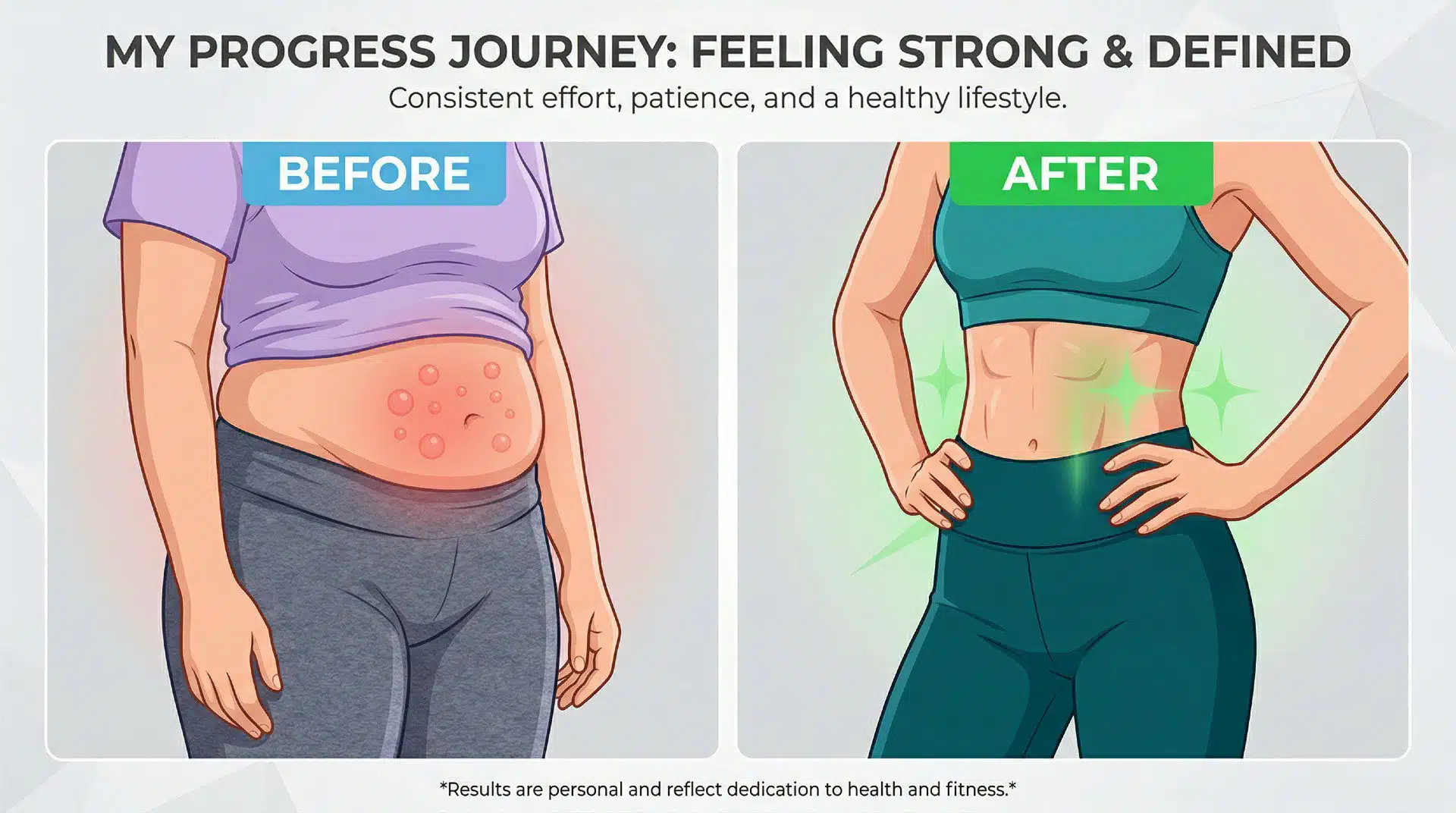
The Bottom Line
Getting a flat stomach is the result of a complete lifestyle approach — not a single hack, supplement, or exercise. The women who achieve lasting midsection transformation are those who commit to:
- A clean eating plan that reduces refined carbs, prioritizes protein and fiber, and supports digestive health,
- A smart home workout routine that combines core stability, HIIT, and cardio for belly fat,
- Daily habits — hydration for weight loss, quality sleep, stress management, and mindful eating,
- A patient, consistent timeline — understanding that body composition change takes 8–16 weeks to become clearly visible,
There is no shortcut, but there is a formula. Every tip in this article is science-backed and sustainable. Start with one or two changes this week, build momentum, and stack habits over time. Your body is capable of more than you think — it just needs a consistent, intelligent strategy.
Glossary Of Key Terms
- Visceral Fat: Deep fat stored around the internal organs in the abdominal cavity, associated with increased metabolic and cardiovascular health risks.
- Subcutaneous Fat: The layer of fat situated directly under the skin that can be pinched; while a cosmetic concern, it is less metabolically active than visceral fat.
- Transverse Abdominis: The deep core muscle that acts as a natural corset, pulling the waist inward and providing spinal stability.
- Insulin Spike: A rapid increase in blood insulin levels following the consumption of refined sugars, which promotes fat storage.
- HIIT (High-Intensity Interval Training): A workout method involving short bursts of intense exercise followed by rest, known for its efficiency in burning visceral fat.
- EPOC: Excess Post-exercise Oxygen Consumption; the physiological process where the body burns additional calories for hours following intense physical activity.
- Cortisol: A stress hormone that, when chronically elevated, triggers the body to store fat specifically in the midsection.
- Probiotics: Beneficial bacteria found in fermented foods that support a healthy gut microbiome and help reduce abdominal bloating.
- Soluble Fiber: A type of fiber that dissolves in water to form a gel-like substance, slowing digestion and aiding in appetite control.
- Caloric Deficit: A state where the body consumes fewer calories than it expends, which is the fundamental requirement for overall fat loss.
FAQ
What Are Some Effective Flat Stomach Tips?
To get a flatter stomach, eat a balanced diet with fewer carbs. Add more high-fibre foods and stay hydrated. Also, exercise regularly, focusing on core exercises and HIIT.
How Do I Get A Flat Tummy?
For a flat tummy, eat healthily by increasing protein and probiotics. Do effective abdominal workouts and improve your posture. Stay consistent, manage stress, and get good sleep.
What Is The Best Way To Lose Stomach Fat?
Losing stomach fat means eating well, exercising, and living healthily. Eat fat-burning foods, control your portions, and stay active. This helps with fat loss overall.
How Can Diet Contribute To Belly Fat Reduction?
Eating right is key to losing belly fat. Limit refined carbs, eat more high-fibre and protein, and add probiotics for gut health.
Are Core Exercises Important For A Flat Stomach?
Yes, core exercises are crucial for strong abs and toned muscles. They boost fitness and posture, making your stomach look flatter.
What Are Some Foods That Promote Digestive Health?
Foods like high-fibre fruits, vegetables, whole grains, yoghurt, and cucumbers help your digestion. They prevent bloating and support gut health.
How Does Stress Affect Belly Fat?
Stress can lead to emotional eating and more cortisol, a hormone that makes you gain weight, especially around the belly. Exercise and relaxation can reduce belly fat.