


The Weight Loss Diet With Real Results: What Actually Works For Women
How To Build A Weight Loss Diet With Real Results That Stick For Life
Mike Chang
Fitness trainer
Nutrition-wise, I keep it simple. I cook with fresh ingredients and avoid processed food. And I don’t go out to eat as often.
Summary (TL;DR)
A weight loss diet with real results isn't the strictest plan you can find — it's the boring, sustainable one you'll still be following in a year. After more than a decade coaching women through this, the pattern is the same every time: the women who keep the weight off don't out-discipline everyone else, they out-last them.
This guide gives you the evidence-backed REAL Results Method (Realistic deficit, Enough protein, Anchor foods, Long-game habits), two data tables to plan your plate, and the real reason 47% of our readers quit — so you don't become one of them.
Are you tired of starting a new diet on Monday, seeing a flicker on the scale barely, and quietly giving up by Thursday? Aren't we all. If you've ever stood in front of the mirror feeling that mix of frustration and self-consciousness — like your body simply won't cooperate no matter how "good" you've been — you're not broken, and you're definitely not alone.
Here's the part the diet industry won't tell you: most plans aren't designed to fail you because they're too gentle. They fail because they're too extreme to keep up. They demand a version of you who has unlimited willpower, no social life, and a private chef. So you white-knuckle it for a fortnight, you slip, and then you blame yourself instead of the plan.
This article flips that script. We're going to build a weight loss diet around how women actually live and how women's bodies actually work — not a punishment routine you'll abandon by month's end. The goal isn't a dramatic before-and-after that vanishes in six weeks. It's real, lasting results you can still see next year.
Medical & Referral Disclaimer
This article is for informational and educational purposes only. It is not a substitute for professional medical advice, diagnosis, or treatment. Always consult your physician or qualified health provider before starting any new diet or exercise programme, especially if you have an existing health condition, are pregnant, or take medication.
Key Takeaways
- A weight loss diet with real results is defined by what you can sustain, not by how restrictive it is. The boring plan you keep beats the perfect plan you quit.
- Gradual loss of about 1 to 2 pounds per week is far more likely to stay off than rapid drops, according to the CDC.
- Hunger is the number one diet-killer. A full 47% of WLBF readers told us hunger was the main reason they quit, which is exactly why protein and fibre matter so much.
- One simple change, aiming for 30 grams of fibre a day, produced weight loss comparable to a far more complex diet in a randomised controlled trial.
- Even a 5% weight reduction meaningfully improves blood pressure, cholesterol, and blood sugar (CDC).
- Repeated crash-and-regain cycles (yo-yo dieting) are common and demoralising, but the long-term ability to lose weight again isn't ruined (Fred Hutch).

What Is A Weight Loss Diet With Real Results?
A weight loss diet with real results produces fat loss you can actually keep — because it fits your real life, not a fantasy version of it. It's sustainable first, impressive second.
That definition matters because it's the opposite of how most diets are sold. We're shown the fastest, most extreme transformation possible, then told that's the standard. But the body doesn't care about your six-week deadline. The plan that quietly works while you keep living your life will always beat the brutal one you abandon.
The Contrarian Truth: The Best Diet Is The Boring One
The best weight loss diet is the boring one you'll still be doing in a year — not the one with the most impressive science on paper.
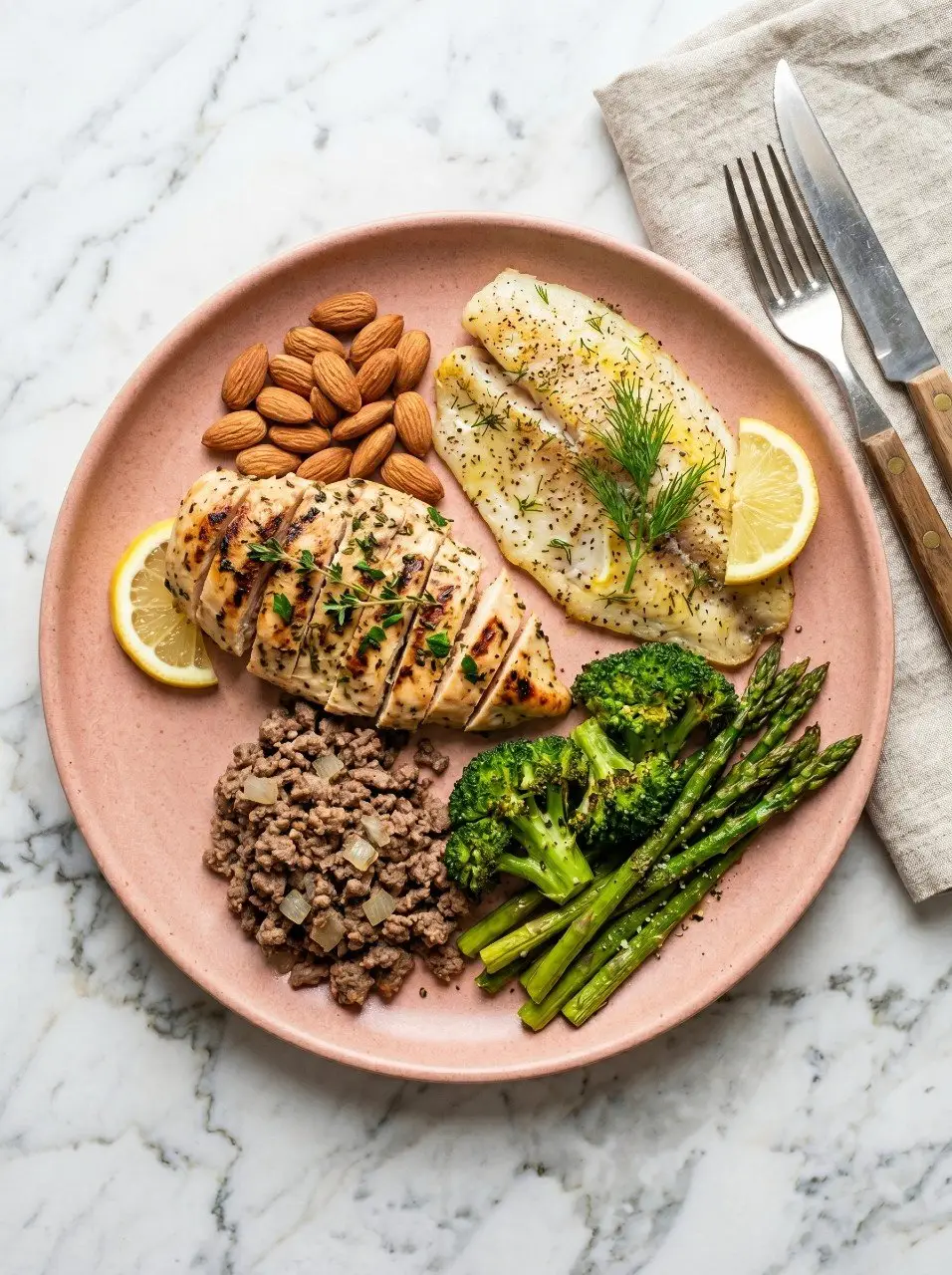
This is the single biggest mindset shift I share with women, and it's a hard sell. Boring doesn't trend. Nobody posts a viral video about "grilled chicken, broccoli, and consistency." But after coaching women for over a decade, I've watched dramatic plans collapse and dull, repeatable ones win — over and over.
Within our own community, the women who shifted from chasing the newest 30-day challenge to eating a handful of simple, repeatable meals they genuinely liked were the ones who finally stopped regaining. They traded excitement for results, and it worked.
Why So Many Diets Fail Women (The Emotional Side No One Talks About)
Most diets fail women because they ignore the two things that actually drive eating: hunger and emotion. You can't willpower your way past biology forever.
When we surveyed our readers, 47% said hunger was the number one reason they quit their last diet. Not a lack of motivation. Not laziness. Hunger. They were doing everything "right" and were simply starving — and eventually their body won, the way they're wired to.
Then comes the emotional spiral that the glossy ads never show. You feel intimidated before you even start ("I don't know what I'm doing"). You feel confused by the contradictions ("Is fat good now? Are carbs the enemy this week?").
And when the restrictive plan inevitably breaks, you feel like you failed — when really, the plan was never survivable. That shame is what keeps the cycle spinning. The fix isn't more discipline. It's a plan that doesn't leave you hungry or confused in the first place.
The REAL Results Method: A Framework You Can Actually Follow
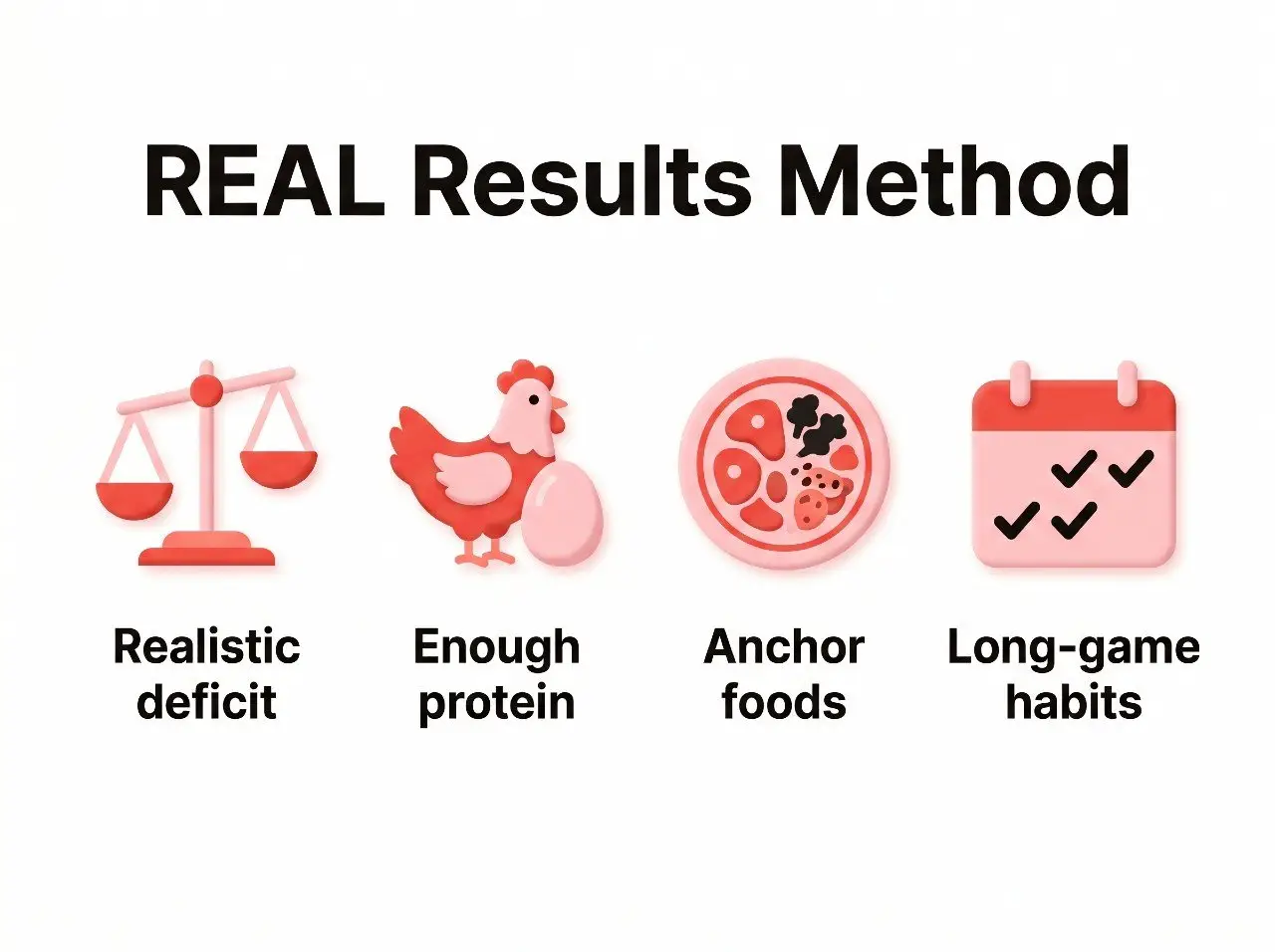
The REAL Results Method is a four-part framework for building a sustainable weight loss diet: Realistic deficit, Enough protein, Anchor foods, and Long-game habits. Each part exists to remove one common reason women quit.
I built this after years of watching women bounce off complicated plans. It's deliberately simple — because simple is what survives contact with a busy week.
R — Realistic Deficit
A realistic deficit means losing weight at a pace your body and your sanity can tolerate: roughly 1 to 2 pounds per week. People who lose weight gradually are more likely to keep it off than those who drop it fast, per the CDC.
The aggressive 1,200-calorie crash plan feels productive for about ten days. Then the hunger, fatigue, and irritability hit, and you rebound. A gentler deficit is slower on paper but dramatically faster in real life, because you don't quit. And remember: even a 5% reduction improves your blood pressure, cholesterol, and blood sugar (CDC). You don't need to reach "goal weight" to start collecting real health wins.
E — Enough Protein
Enough protein is the single most effective lever for staying full while eating less, which is why it sits at the heart of any diet that beats hunger. Protein keeps you satisfied for longer, so the deficit stops feeling like deprivation.
This directly answers our readers' biggest complaint. If 47% quit because of hunger, then the food that fights hunger hardest — protein — isn't optional, it's the foundation. Build every meal around a protein source first, then add everything else around it.
A — Anchor Foods
Anchor foods are the handful of simple, repeatable meals you genuinely enjoy and can make on autopilot. They're the backbone of the "boring diet that works."
You do not need 50 recipes. You need five or six you actually like, that hit your protein and fibre targets, and that you can throw together when you're tired. Decision fatigue is a silent diet-killer; anchor foods remove the daily "what do I eat?" negotiation that so often ends at the takeaway menu.

L — Long-Game Habits
Long-game habits are the small, boring behaviours — tracking what you eat for a few days, prepping ahead, getting enough sleep — that compound over months. The CDC's own weight-loss guidance leads with "understand your why" and tracking, not with a meal plan (CDC).
This is where the "still doing it in a year" magic lives. Habits don't need motivation; they run on autopilot once they're built. The women in our community who succeeded weren't more motivated — they'd simply made the healthy choice the easy choice.
How To Build Your Plate: The Real Food Breakdown
Building a results-driven plate is simpler than the diet industry wants you to believe: a lean protein, a fibre-rich vegetable, a smart carb, and a healthy fat. Here's the kitchen method I actually use, expanded from years of feeding myself and my family on a budget.
Protein Sources That Earn Their Place
These are the workhorses — affordable, lean, and easy. The table below shows roughly what you get per serving and why each one made the cut.
| Protein Source | Approx. Protein (per 100g cooked) | Why It Works | My Real-Kitchen Tip |
|---|---|---|---|
| Chicken breast | ~31g | Lean, versatile, filling | Grill or bake it; or use a little oil in a skillet when you're short on time |
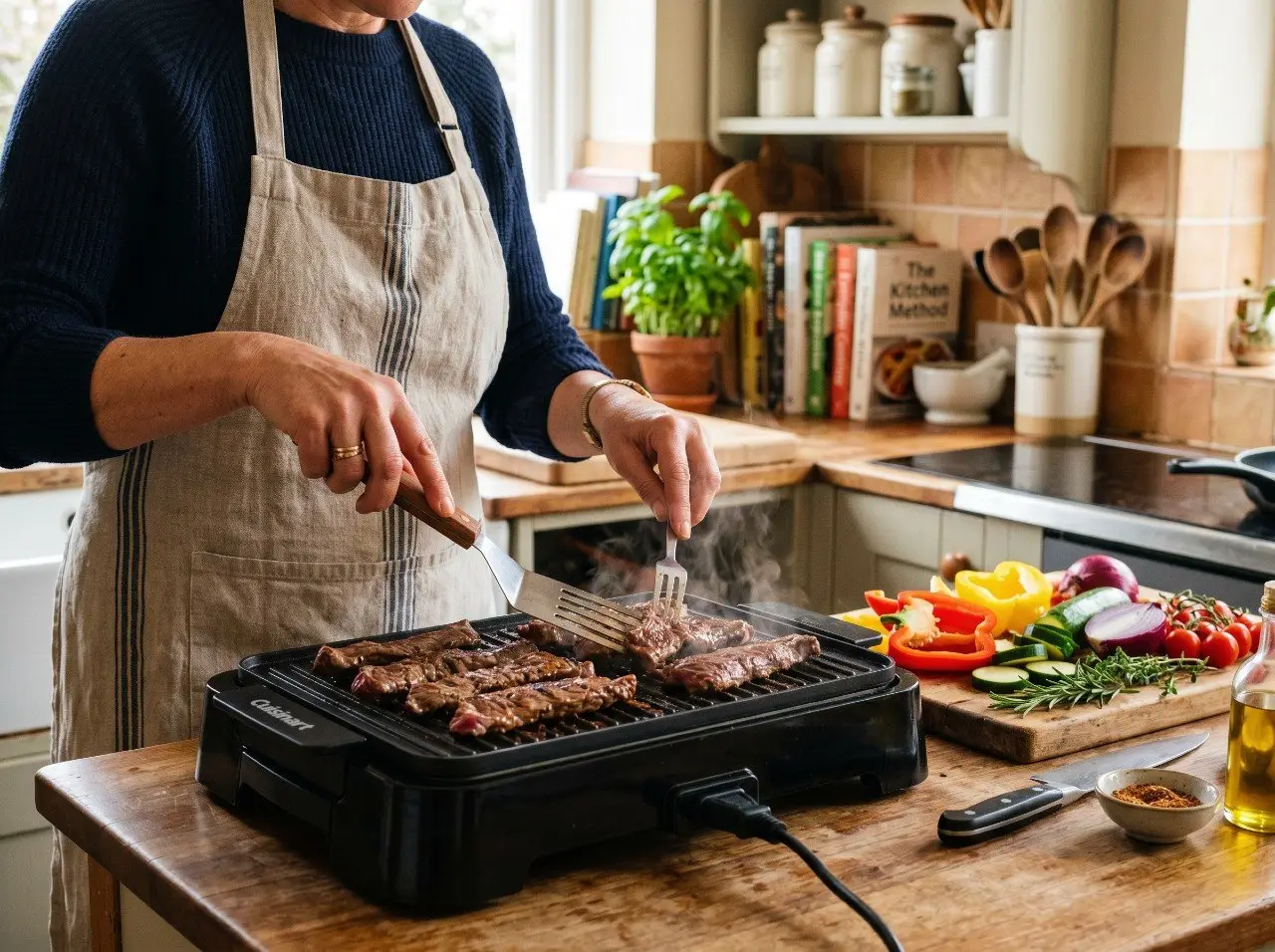
| 80/20 ground beef | ~26g | Budget-friendly, satisfying | I use a George Foreman grill — it's the most efficient way to drain the excess fat; pour off the grease if it's looking greasy |
| Tilapia | ~26g | Lean, heart-friendly, cheap | Buy it individually packaged and flash-frozen; run the fillet under warm water, season, bake ~15 minutes |
| Almonds & walnuts | ~21g (almonds) | Healthy fats + protein, great snack | A small handful as a late-night snack fills the gap without wrecking your day — and the healthy fats actually help you burn more fat |
Yes, I genuinely use 80/20 beef — it holds a little extra fat, but it's far more pleasing to the wallet, and the George Foreman handles the rest. Real food, real budget, real life.
Fibre & Vegetables: The Quiet Hero
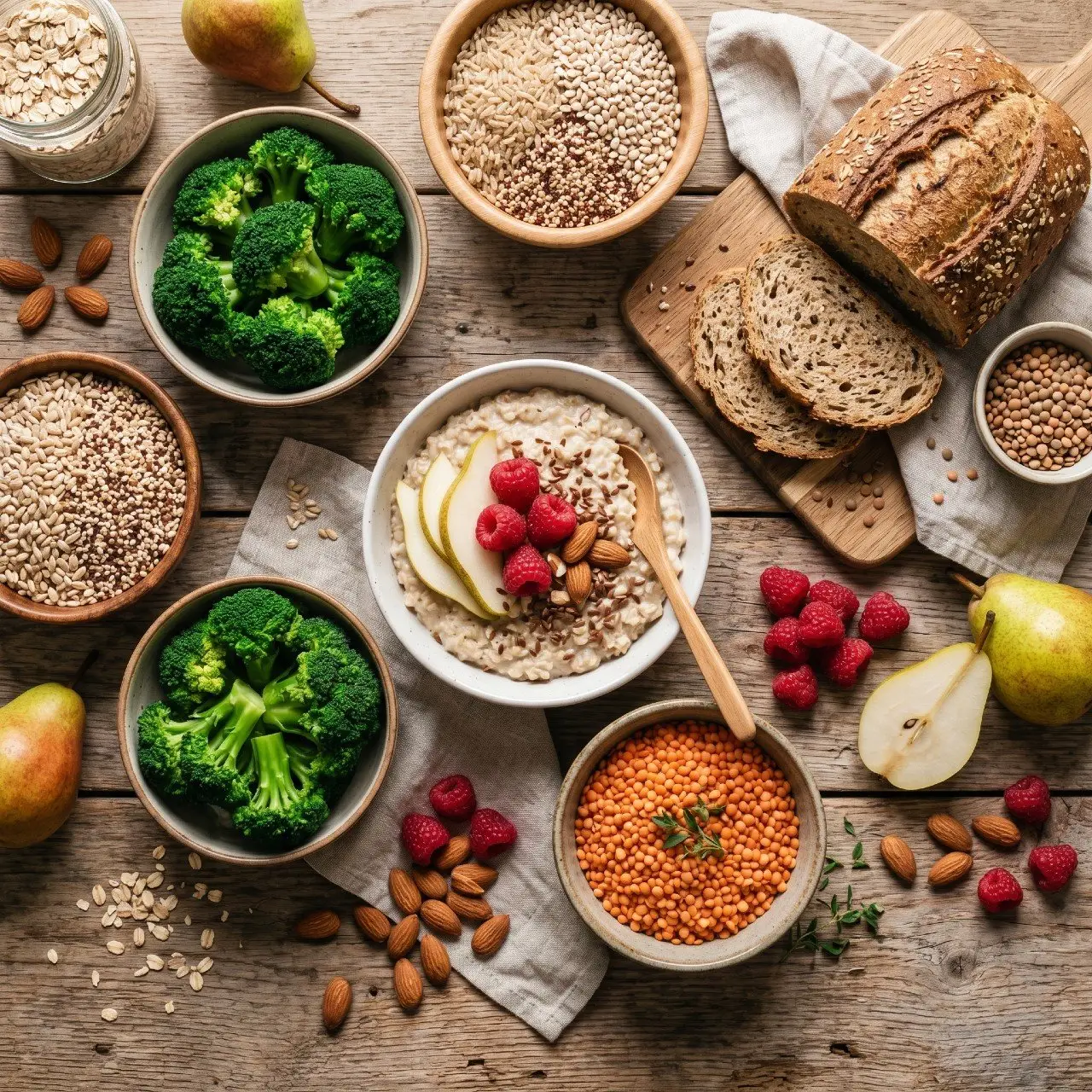
Fibre is the most underrated tool in any weight loss diet, and it's the easiest single change you can make. Broccoli and asparagus are my favourites — loaded with vitamins and so much better when you cook them properly instead of boiling them to death.
Here's why fibre deserves top billing: in a randomised controlled trial published in the Annals of Internal Medicine, people told only to eat 30g of fibre a day lost weight comparable to those following a far more complex heart-healthy diet — roughly 4.6 pounds versus 5.9 pounds over a year, as Harvard Health summarised.
One simple rule, real results. Pair fibre-rich veg and fresh fruit with your protein, and you tackle hunger from both sides.
A 7-Day Sample Plate Plan You Can Actually Repeat
A sustainable weight loss diet runs on a handful of simple, repeatable plates, not 21 different recipes a week. The plan below is built entirely from the anchor foods above: a lean protein, a fibre-rich vegetable, a smart carb, and a healthy fat at each meal.
Treat this as a template, not a rulebook. Swap any protein for another on the list, repeat your favourite days, and lean on leftovers. The whole point is that it's boring enough to keep and tasty enough that you want to.
| Day | Breakfast | Lunch | Dinner | Snack |
|---|---|---|---|---|
| Mon | Oats with berries + a boiled egg | Grilled chicken, broccoli, brown rice | Baked tilapia, asparagus, sweet potato | Small handful of almonds |
| Tue | Greek yoghurt, walnuts, sliced pear | Leftover tilapia salad with chickpeas | 80/20 beef (grilled, drained), green beans, quinoa | Apple with skin |
| Wed | Veggie omelette + whole-grain toast | Chicken, mixed leaves, kidney beans | Tilapia traybake with broccoli | Carrot sticks + a few cashews |
| Thu | Oats with banana + flaxseed | Beef and vegetable stir-fry, brown rice | Grilled chicken, asparagus, baked potato | Greek yoghurt |
| Fri | Greek yoghurt + berries + seeds | Leftover stir-fry | Baked tilapia, green beans, quinoa | Small handful of walnuts |
| Sat | Veggie omelette + avocado | Chicken and chickpea salad | 80/20 beef burgers (no bun), broccoli slaw | Pear with skin |
| Sun | Oats with berries + boiled egg | Leftover beef + roasted veg | Grilled chicken, asparagus, sweet potato | Almonds |
Notice how few ingredients repeat across the week. That's the feature, not a flaw: one shop, batch-cooked proteins, and almost no daily "what do I eat?" decisions. This is the boring engine that quietly delivers a weight loss diet with real results.

Comparing The Most Popular Weight Loss Diets
There's no single "best" weight loss diet — the right one is the one you'll stick to. Below is an honest, evidence-aware comparison so you can pick the approach that fits your life, not someone else's highlight reel.
| Diet Approach | How It Works | Best For | The Honest Catch |
|---|---|---|---|
| Higher-protein | Builds meals around protein to control hunger | Women who quit because they're always hungry | Requires planning protein into every meal |
| Higher-fibre | Targets 30g+ fibre daily to boost fullness | Anyone who wants one simple rule | Ramp up slowly to avoid bloating |
| Mediterranean | Emphasises veg, whole grains, fish, healthy fats | Long-term health + heart benefits | Slower scale results; it's a lifestyle, not a sprint |
| Low-carb | Reduces carbs to lower overall calorie intake | Those who feel fuller without bread/pasta | Can feel socially restrictive |
| Volumetrics | Prioritises high-water, high-volume foods | People who want to eat more food, not less | Needs cooking-from-scratch habits |
Notice what every successful approach has in common: it controls hunger, and it's repeatable. That's the real engine. The label on the diet matters far less than whether you'll still be doing it next spring.
What About Yo-Yo Dieting? Don't Let It Stop You
If you've lost and regained weight more times than you can count, take a breath — you have not "ruined your metabolism." Weight cycling is incredibly common, and research from Fred Hutch found it doesn't sabotage your long-term ability to lose weight again.
The damage from yo-yo dieting is mostly emotional, not metabolic: each failed crash diet chips away at your confidence and makes the next attempt feel hopeless. The REAL Results Method exists to break that loop — not with another extreme plan, but with one gentle enough to keep. Your past attempts weren't wasted. They were data.
If you're done with restrictive plans that leave you starving and discouraged, let us help you build the sustainable version. Grab our free guide and join thousands of women getting real, lasting results — practical, science-backed, and built around how women's bodies actually work.
Related Articles
The Bottom Line
A weight loss diet with real results isn't a secret formula or a 30-day miracle — it's a realistic deficit, enough protein, a few anchor foods you love, and habits you can run on autopilot.
There are many proven ways to lose weight, but the one that works is the one that fits your lifestyle and food preferences, because that's the one you'll actually keep.
Stop chasing the most exciting plan and start building the most repeatable one. Boring, consistent, and still standing in a year beats dramatic and gone by February.
You don't have to feel intimidated, confused, or self-conscious anymore. You just need a plan that doesn't leave you hungry — and the patience to let it work.
Glossary Of Key Terms
FAQ
It's a sustainable eating pattern that helps you lose weight and keep it off, because it fits your real life. Real results come from consistency over months, not extremes over days — the plan you can keep always beats the plan you quit.
About 1 to 2 pounds per week. The CDC notes that people who lose weight gradually are more likely to keep it off than those who lose it quickly. Slow is sustainable, and sustainable is what produces real results.
Most likely because the diet was too restrictive to sustain, not because you lack willpower. In our reader survey, 47% said hunger was the main reason they quit. Choose a plan built around protein and fibre that keeps you full, and "failing" largely disappears.
Aim for 30 grams of fibre a day. In a randomised controlled trial, that one simple goal produced weight loss comparable to a far more complex diet. One rule, real results.
No. Weight cycling is common and emotionally draining, but research from Fred Hutch found it doesn't ruin your long-term ability to lose weight again. Your past attempts weren't wasted — treat them as data and choose a gentler, more sustainable approach this time.
No. Even a 5% weight reduction meaningfully improves blood pressure, cholesterol, and blood sugar, according to the CDC. Health wins start long before "goal weight."
The one you'll actually stick to. Higher-protein, higher-fibre, Mediterranean, and low-carb can all work — what matters is that it controls your hunger and fits your lifestyle. Pick the repeatable option, not the most extreme one.