
Why The "Hardest" Workout Isn't The Secret: 5 Surprising Habits Of Women Who Stay Fit For Life

Take care of your body. It's the only place you have to live.
Jim Rohn
Embarking on a women’s fitness journey is a transformative step toward long-term health and vitality. For those new to exercise, prioritizing regular physical activity offers profound benefits that extend far beyond aesthetics, including improved cardiovascular health and a more resilient metabolic rate.
By incorporating consistent movement, fitness beginners can significantly enhance their mental well-being while building essential bone density to prevent future injury. Adopting a healthy lifestyle today ensures a foundation of strength and energy, empowering every woman to navigate life’s demands with confidence and physical longevity.
Why most women "fail" at fitness? Let’s be honest: Most of us have been told that staying fit is a matter of willpower and calorie counting. But if that were true, why do so many high-achieving women feel exhausted, "puffy," and stuck despite hitting the gym?
The truth is, your body isn't a calculator—it’s a biological ecosystem. For women, "staying fit" isn't about fitting into a smaller dress size for a summer wedding. It’s about metabolic insurance. Between the ages of 30 and 80, women can lose up to 40% of their muscle mass, leading to a plummeting metabolism and increased injury risk.
If you've ever felt "fitness overwhelm," it’s likely because you’re training against your biology instead of with it. In this guide, we’re stripping away the gym-bro myths and looking at the 5 surprising habits that allow women to maintain peak vitality, stay fit, balanced hormones, and effortless energy for life.
Key Takeaways
- Consistency Over Intensity: Sustainable, daily movement is more effective for longevity than sporadic, grueling sessions.
- Movement is a Non-Negotiable: Integrating activity into non-gym hours—known as incidental movement—is a primary strategy for busy schedules.
- Hormonal Modulation: Physical activity is a tool to improve insulin sensitivity and manage the unique physiological shifts of the female life cycle.
- Recovery is Active: Proper hydration and 6–7 hours of restorative sleep are essential to prevent impaired nerve and muscle function.
- Strength as Autonomy: Resistance training is the ultimate insurance policy for maintaining bone density and functional independence.
1. The Consistency Paradox: Why Less Is Often More
A pervasive myth in the fitness industry suggests that "staying fit" is synonymous with "staying exhausted." However, the most successful wellness strategies rely on the Consistency Paradox: the biological impact of regular, moderate activity far outweighs the occasional high-intensity burst that leads to burnout or injury.
Professional health guidelines recommend a baseline of 150 minutes of moderate aerobic activity per week, supplemented by strength training at least twice weekly. This isn't about chasing aesthetic "abs"; it is about moving a permanent fixture of your daily rhythm.
"Movement is a non-negotiable part of life." By prioritizing regular practice—whether it is a brisk walk or a focused morning session—you maintain a steady metabolic rate and build a reservoir of energy that supports weight management and longevity.

2. Movement Beyond The Four Walls: Reclaiming Your "Non-Gym" Hours
Expert strategists understand that fitness is not confined to a 60-minute window. Women who maintain peak health excel at "incidental movement," reclaiming the hours outside the gym to boost energy and body confidence.
We see this in the success stories of women like Maria, who transformed her energy levels by committing to consistent 20-minute yoga sessions, or Sarah, a busy mother who maintains her fitness through "short bursts" of activity. Sarah integrated 10-minute yoga blocks and impromptu dance breaks into her schedule, proving that even the most packed calendar can accommodate movement.
To integrate these Micro-Movements into your own routine, consider this checklist:
- Opt for stairs over elevators to engage lower-body muscle groups.
- Walk to local destinations instead of driving to increase daily step counts.
- Engage in active hobbies like hiking, gardening, or swimming.
- Implement "movement breaks" during work hours to offset the effects of sedentary behavior.

Join Our Mailing List
See how easily you can get fitter.
Sign up to get your free PDF report on 10 Actions That Support Weight Loss sent to your inbox!
3. Hormonal Harmony: The Science Of Why We Move
For women, exercise is a powerful tool for managing the complex interplay of estrogen, progesterone, and cortisol. Beyond weight loss, regular activity is a clinical "game-changer" for hormonal health.
Science Insight: Modulating The Endocrine Response
Physical activity significantly improves insulin sensitivity, which is vital for stabilizing energy levels and preventing the metabolic shifts associated with weight gain. By regulating blood sugar, exercise helps manage the symptoms of PMS, PCOS, and the transition into menopause.
Furthermore, movement triggers the release of neurotransmitters like endorphins while reducing cortisol, the primary stress hormone. This creates a natural mood boost and builds emotional resilience.
From a cardiovascular perspective, staying active is a primary defence. Regular exercise can reduce the risk of heart disease—the leading cause of death for women—by up to 30%. It also lowers the risk of Type 2 diabetes and stroke, serving as a pillar of disease prevention.
12 Science-Backed Ways Women Should Train
Based on Dr Stacy Sims's research, here are 12 scientifically proven tips to help women train optimally and achieve results! This video is aimed at women of all ages.
4. The Recovery Secret: Why Sleep And Hydration Are "Workouts"
A common oversight in wellness planning is the failure to account for recovery. Your body does not grow stronger during the exertion phase; the structural "reset" occurs during rest.
Hydration is not merely about thirst; it is essential for maintaining metabolism and supporting the immune system. Dehydration has clinical consequences, including impaired nerve and muscle function, which directly impacts coordination and physical performance.
Similarly, sleep is when the body repairs muscle tissue and regulates hormones that govern appetite and metabolism. While clinical standards vary, prioritizing at least 6–7 hours of quality sleep ensures your mind resets and your body remains a powerful vehicle for health.
Join Our Mailing List
Are you ready to get in shape? Join us and get the list of top 10 actions that support PERMANENT weight loss and make you look and feel better without being hungry in the process!
5. Aging Like A Boss: Strength Training As An Insurance Policy
There is a persistent, unfounded fear that resistance training causes women to become "bulky." In clinical reality, lifting weights makes you "unbreakable." As we age, we experience a natural decline in muscle mass and bone density, particularly after menopause. Strength training is the most effective intervention to ensure functional independence and autonomy in later life.
Benefits For Longevity And Bone Health:
- Osteoporosis Prevention: Weight-bearing exercises maintain bone density and significantly reduce fracture risks.
- Functional Independence: Building muscle mass ensures you can perform daily tasks with ease well into your 60s, 70s, and beyond.
- Metabolic Support: Increased lean muscle mass supports a healthy metabolism, aiding in long-term weight management and cardiovascular health.
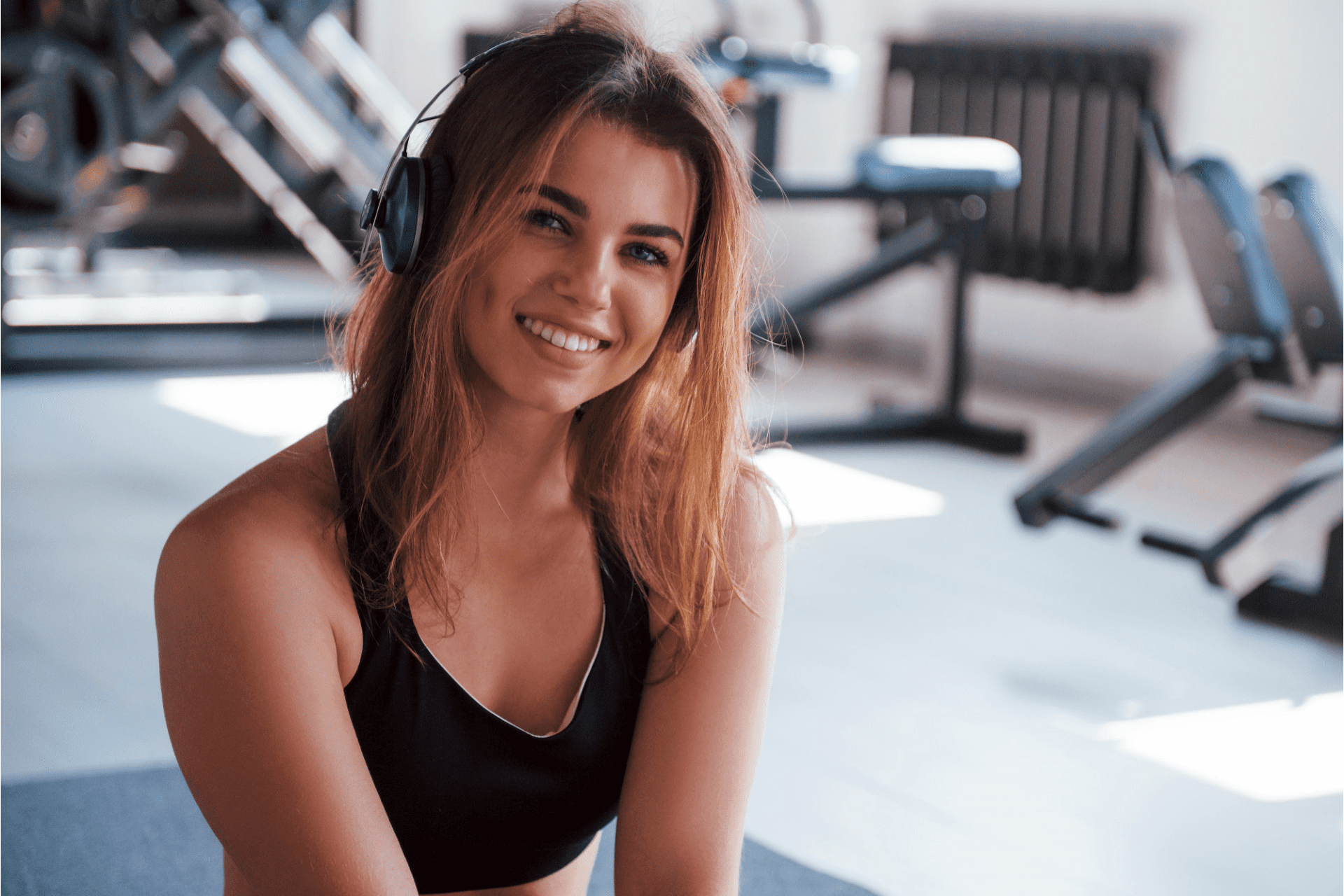
TIP: One of the best things about being in good shape is that you will have more energy.
Realistic Expectations: Your Wellness Timeline
True transformation requires a growth-oriented mindset and a realistic understanding of the physiological timeline. Based on the experiences of seekers, who reported a "huge difference" in stamina and sleep quality after 3 months, we can map the following progression:
- Immediate (Day 1): Improved mood via neurotransmitter release and immediate stress reduction.
- 1–4 Weeks: Noticeable improvements in sleep quality, daily energy levels, and mental clarity.
- 3+ Months (Structural Transformation): Measurable changes in strength, improved flexibility, increased stamina, and a shift in body composition.
Related Articles
The Bottom Line
The women who stay fit for life do not view exercise as a punishment or a chore. They view it as an empowering form of self-care and a joyful, lifelong practice. It is a mindset that values progress over perfection and treats every day as a new opportunity to honor the body.
By adopting these sustainable habits—from strength training for longevity to prioritizing hydration for nerve function—you move beyond the cycle of fitness frustration. What is one small, consistent change you can make today to begin your journey toward a more vibrant, healthy life?
There are many reasons why every woman should try to stay healthy. Staying in shape can improve your overall health, boost your energy levels and make you feel great. It can also help you fight off disease and stay strong as you get older. So what are you waiting for? Get moving and start living a healthier life today!
Embrace Inspiration: Like What You Read? Be Sociable, Comment, And Share It! Thanks.
Glossary Of Key Terms
• Consistency Paradox: The principle that regular, moderate activity provides superior long-term biological benefits compared to occasional high-intensity exercise.
• Incidental Movement: Physical activity that occurs during daily routines outside of structured gym sessions, such as gardening or taking the stairs.
• Insulin Sensitivity: The body's effectiveness in using insulin to regulate blood sugar; improved through exercise to stabilize energy and prevent weight gain.
• Cortisol: The primary stress hormone; its levels are typically reduced through regular physical activity to build emotional resilience.
• Endorphins: Neurotransmitters released during exercise that act as natural mood lifters and stress reducers.
• Resistance Training: Physical exercises, such as lifting weights, designed to improve strength and endurance; essential for maintaining bone density.
• Osteoporosis: A condition characterized by decreased bone density and increased fracture risk, which weight-bearing exercise helps prevent.
• Functional Independence: The ability to perform daily tasks and maintain autonomy in later life, supported by lean muscle mass.
• Moderate Aerobic Activity: Sustained exercise, such as brisk walking, recommended for at least 150 minutes per week to maintain cardiovascular health.
• Micro-Movements: Short bursts of activity (e.g., a 10-minute yoga block or a movement break) used to offset sedentary behavior.
• Reconditioned: A physiological state where muscles weaken and lose bulk due to inactivity, leading to breathlessness and reduced physical capacity.
• Hormonal Equilibrium: The state of balanced hormones (such as estrogen and progesterone) achieved through a combination of exercise, sleep, and nutrition.
FAQ
Physical fitness is absolutely crucial for women's long-term health because it directly addresses gender-specific physiological changes. As women age, particularly post-menopause, bone density decreases significantly, increasing the risk of osteoporosis. Regular weight-bearing exercise helps maintain bone mass and strength.
Furthermore, staying fit helps regulate hormonal fluctuations that impact metabolism and mood, reducing the risk of developing chronic conditions like type 2 diabetes and heart disease.
Beyond physical stability, consistent physical activity enhances mental clarity and emotional resilience, providing a buffer against anxiety and depression. Prioritizing fitness is not just about aesthetics; it is a vital investment in longevity, mobility, and overall quality of life as you navigate different life stages.
Here are the main benefits to keep fit and enhance your life:
- Exercise rewires mental toughness.
- Exercise and inflate more energy.
- Staying fit leads to be more creative and intellectual.
- Exercise supplements self-confidence.
- A reduced amount of stress and adds happiness.
Engaging in regular physical activity is a powerful tool for enhancing a woman's mental well-being and emotional stability. Exercise triggers the release of endorphins and serotonin, which are natural mood lifters that combat feelings of anxiety, stress, and depression.
A consistent fitness routine also improves sleep quality, which is fundamental for cognitive function and emotional regulation. By dedicating time to care for your body, you foster a sense of accomplishment and self-efficacy, which significantly boosts self-confidence and body image.
Whether it is yoga for mindfulness or cardio for stress relief, staying fit provides a necessary mental break from daily responsibilities, allowing you to recharge and approach life's challenges with a clearer, more positive mindset.
If you do less exercise or activity, you will become reconditioned. Your muscles weaken and lose bulk, including the muscles you need for breathing and the large muscles in your legs and arms. You will become more breathless as you do less activity.
If you're eating the right food and keeping fit, your body will be strong and help you to cope with stress and also fight illness. Eating well and exercising often when you're a teenager will also help you stay in good health later in life.
Yep, it's possible to get fit without a gym! Going to the gym isn't always the best option when you want to work out. Getting to the gym can also cut into your time. It can take several hours a week to get to and from the gym, especially if you tend to go doing rush-hour.
Yes, maintaining a regular exercise routine is one of the most effective strategies for preventing chronic diseases in women. Scientific studies consistently show that staying active significantly lowers the risk of cardiovascular diseases, stroke, and type 2 diabetes by improving heart health and regulating blood sugar levels.
Additionally, physical fitness helps manage weight, which is a key factor in reducing the risk of breast and colon cancers. Exercise also boosts the immune system, making the body more resilient against infections and inflammation. By keeping blood pressure and cholesterol levels in check, a fit lifestyle acts as a proactive shield, ensuring that your body functions optimally well into your later years, ultimately reducing healthcare burdens.
Finding time for fitness amidst a busy schedule requires prioritizing efficiency and consistency over long duration. High-Intensity Interval Training (HIIT) is an excellent solution for busy women, as it delivers substantial metabolic benefits in short sessions of twenty minutes or less.
Integrating movement into daily activities, such as taking the stairs or walking during lunch breaks, also contributes significantly to overall fitness levels. It is essential to schedule workouts like appointments to ensure they are non-negotiable parts of your day.
Remember that quality often trumps quantity; brief, focused workouts performed consistently are far more effective than sporadic long sessions. By adapting your routine to fit your lifestyle, staying fit becomes a sustainable habit rather than a time-consuming chore.
Join Our Mailing List
See how easily you can get fitter.
Sign up to get your free PDF report on 10 Actions That Support Weight Loss sent to your inbox!

I do not comment regularly on blogs or any sort of sites but I have to say this is one of the most informative articles I have ever read congratulations on a well-thought-out article and I will definitely be looking out in the future for the next one
Thank you Christo for a good word. I am glad you like it and find it handy.
Hi Mary, this is such an informative blog! Staying fit is important for being well and peace of mind. Also, it helps in improving and maintaining overall mental, emotional health. Thanks & keep sharing!
Thank you, Sonika. I hope it helps!