
Why The "Hardest" Workout Isn't The Secret: 5 Surprising Habits Of Women Who Stay Fit For Life

Take care of your body. It's the only place you have to live.
Jim Rohn
Summary (TL;DR)
Most women approach fitness with the wrong playbook — chasing intensity over consistency, skipping recovery, and fearing the weight rack. The five habits that actually keep women fit for life aren't the hard ones. They're the sustainable ones: consistent moderate movement, incidental daily activity, hormonal awareness, deliberate recovery, and strength training as long-term insurance. This guide walks through each one with the science, plus a practical framework — the CAFE Method — to make it all stick.
Why most women "fail" at fitness? Let's be honest: most of us have been told that staying fit is a matter of willpower and calorie counting. But if that were true, why do so many high-achieving women feel exhausted, "puffy," and stuck despite hitting the gym?
The truth is, your body isn't a calculator — it's a biological ecosystem. For women, "staying fit" isn't about fitting into a smaller dress size for a summer wedding. It's about metabolic insurance. Between the ages of 30 and 80, women can lose up to 40% of their muscle mass, triggering a plummeting metabolism and increased injury risk that compounds with every passing decade.
After more than ten years of researching, testing, and writing about women's fitness, the pattern I've seen most consistently isn't that women lack discipline — it's that they've been given the wrong instructions. The women who stay genuinely fit for life aren't the ones punishing themselves in 90-minute boot camps five times a week. They're doing something quieter, more strategic, and far more sustainable.
If you've ever felt "fitness overwhelm" — that defeated feeling of starting a new programme, going hard for three weeks, and then crashing — it's almost certainly because you've been training against your biology instead of with it. In this guide, I'm stripping away the gym-bro myths and walking you through the five habits that allow women to maintain peak vitality, balanced hormones, and real energy for life.
Medical & Referral Disclaimer
This article is for informational and educational purposes only. It is not a substitute for professional medical advice, diagnosis, or treatment. Always consult your physician or qualified health provider before starting any new diet or exercise program.
Key Takeaways
- Consistency over intensity: Sustainable daily movement is more effective for longevity than sporadic, grueling sessions.
- Movement is non-negotiable: Integrating activity outside gym hours — incidental movement — is a primary strategy for women with packed schedules.
- Hormonal modulation: Physical activity is a powerful tool for improving insulin sensitivity and managing the hormonal shifts of every female life stage.
- Recovery is active: Proper hydration and 7–9 hours of restorative sleep are not optional extras — they're structural to your results.
- Strength as autonomy: Resistance training is the single most effective intervention for preserving bone density and functional independence as you age.
- The CAFE Method: Four pillars — Consistency, Active Recovery, Functional Strength, Endocrine health — form a complete, sustainable fitness framework for women.
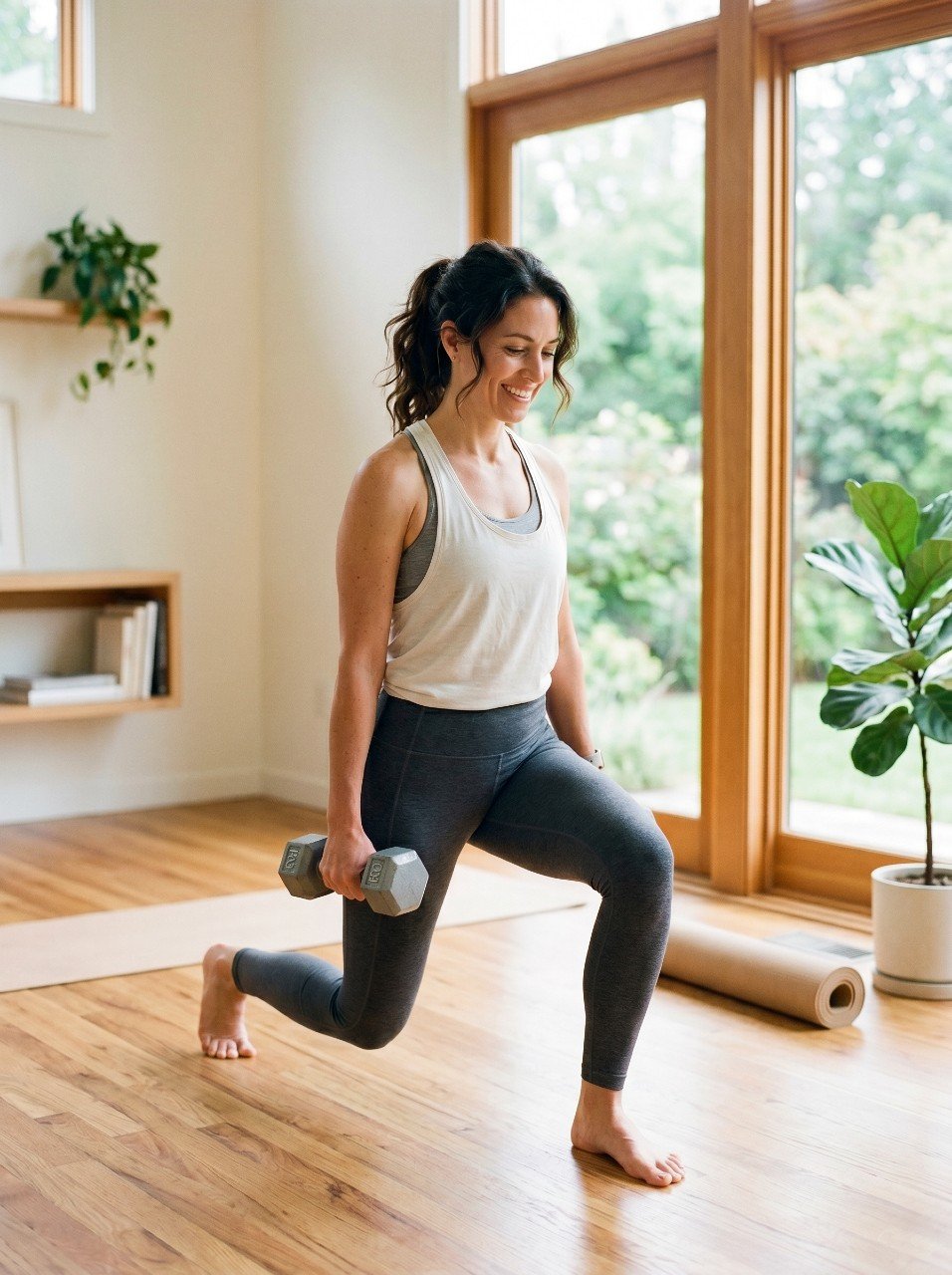
The CAFE Method: A Framework For Women Who Want To Stay Fit For Life
Before we get into the five reasons, here's the original framework that ties them together. Every woman I've studied — and every insight I've gathered from a decade of writing about women's physiology — maps back to four pillars:
| Pillar | What It Means | Why It Matters For Women |
|---|---|---|
| C — Consistency | Regular, moderate movement over time | Compounds have metabolic and hormonal benefits that intensity cannot replicate |
| A — Active Recovery | Sleep, hydration, and rest as training inputs | Muscle repair, appetite regulation, and cortisol control happen here |
| F — Functional Strength | Resistance training built around real-life movement | Preserves bone density and independence — the biggest longevity play available to women |
| E — Endocrine Awareness | Training in sync with hormonal cycles | Reduces PMS, PCOS symptoms, and menopausal friction instead of fighting them |
Each of the five reasons below maps to one or more of these pillars. That's not a coincidence — it's the point. Fitness doesn't work for women when it's random. It works when it's structured around how the female body actually functions.
1. The Consistency Paradox: Why Less Is Often More
Staying fit long-term isn't about how hard you can push — it's about how consistently you can show up. Regular, moderate activity compounds over time in ways that occasional high-intensity effort never will.
A pervasive myth in the fitness industry equates "staying fit" with "staying exhausted." But the most successful women I've watched maintain their health for decades aren't the ones crushing themselves in early morning HIIT classes. They're the ones who never miss a Tuesday.
Professional health guidelines from the American Heart Association recommend a baseline of 150 minutes of moderate aerobic activity per week, supplemented by strength training at least twice weekly. This isn't about chasing aesthetic "abs" — it's about moving a permanent fixture in your daily rhythm rather than a season.
Here's what I've observed firsthand: the women who hit the gym intensely for six weeks and then disappear often come back six months later in worse shape than when they started. Not because they're lazy. Because their programme wasn't built to last. Moderate, consistent effort doesn't feel heroic. But it's the biology that actually works.
The Consistency Paradox in practice: A 30-minute brisk walk five days a week, maintained for a year, produces better metabolic outcomes than a 90-minute bootcamp attended twice a month. The dose matters less than the frequency.
CAFE pillar: C — Consistency

2. Movement Beyond The Four Walls: Reclaiming Your "Non-Gym" Hours
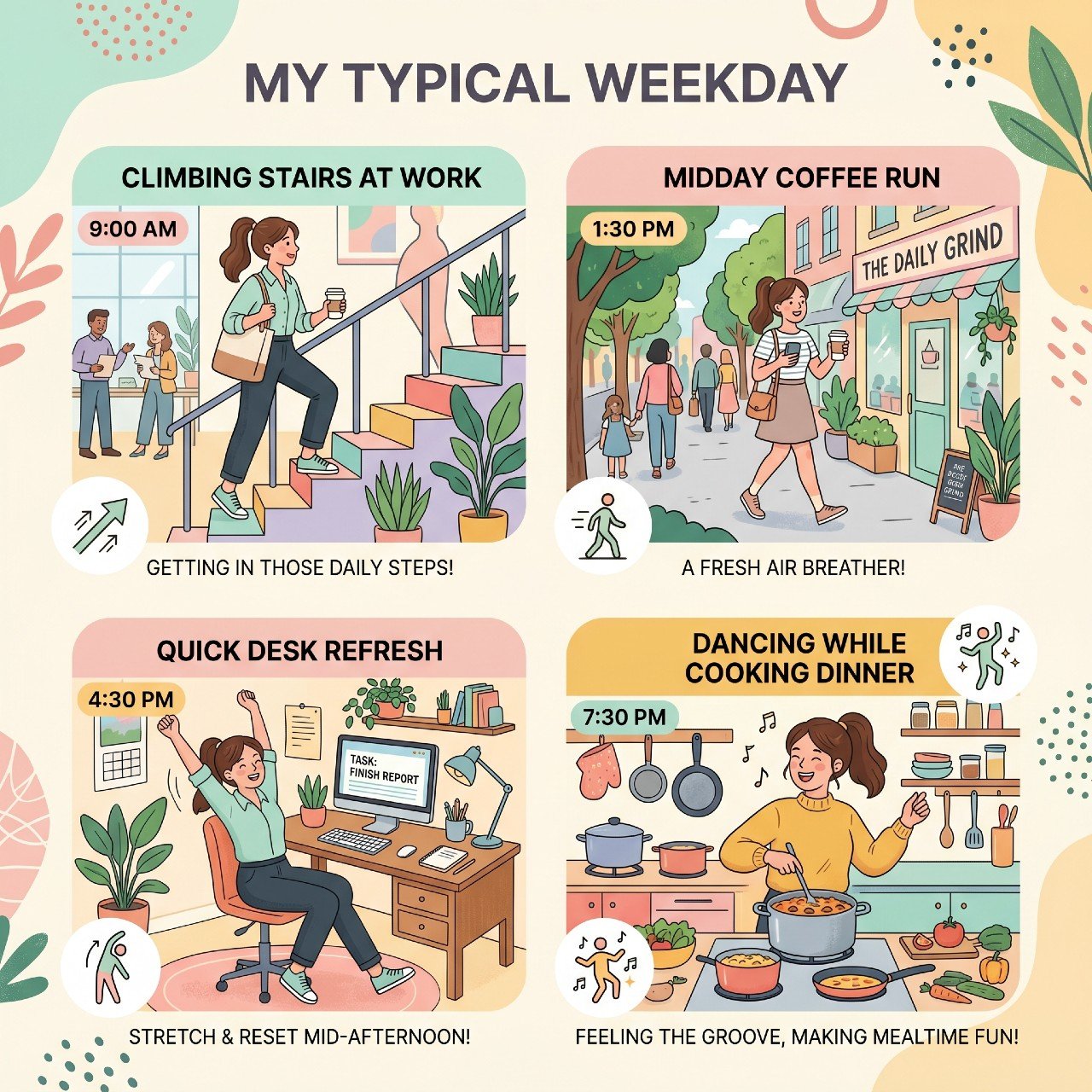
The women who stay fit aren't necessarily spending more time working out — they're spending less time sitting. Incidental movement woven through everyday life is one of the most underrated fitness tools available.
Expert wellness strategists understand that fitness isn't confined to a 60-minute window. When I began tracking my own daily step count alongside formal workout sessions, the results were revealing: on days I "exercised" but sat for the rest of the time, my total active minutes barely exceeded days when I skipped the gym but stayed consistently on my feet.
The women who maintain peak health long-term excel at what researchers call incidental movement — reclaiming the hours outside the gym to keep the body active without adding a single extra session to the calendar. For busy women, especially, this isn't a consolation prize. It's a legitimate strategy.
Micro-movements to integrate immediately:
- Opt for stairs over elevators — engages lower-body muscle groups and adds real cardiovascular load over a day.
- Walk to local destinations instead of driving — a 10-minute walk each way adds 100+ minutes of movement to your week without touching your schedule.
- Active hobbies — hiking, gardening, swimming, dancing — count. They count more than most people realise.
- Movement breaks every 45–60 minutes during desk work — brief standing or walking offsets the metabolic drag of prolonged sitting.
The frustration I hear most from busy women isn't "I don't want to exercise." It's "I don't have time." Incidental movement is the answer to that frustration — not a workaround, but the actual mechanism.
CAFE pillar: C — Consistency + E — Endocrine Awareness (movement reduces cortisol accumulation from sedentary stress)
3. Hormonal Harmony: The Science Of Why We Move
For women, exercise isn't just about burning calories — it's one of the most powerful hormonal regulators available without a prescription. It directly improves insulin sensitivity, reduces cortisol, and eases the friction of every major hormonal transition in a woman's life.
This is the section most generic fitness content skips entirely, and it's the one that matters most.
Science Insight: Modulating The Endocrine Response
Physical activity significantly improves insulin sensitivity, which is vital for stabilising energy levels and preventing the metabolic disruption associated with weight gain. In women with PCOS specifically, higher physical activity levels correlate with lower insulin resistance — a finding with major implications for the estimated 1 in 10 women affected by the condition.
Beyond insulin, movement triggers endorphin and serotonin release while suppressing cortisol — the primary stress hormone. This isn't feel-good language; it's a measurable neurochemical shift that builds emotional resilience over time.
From a cardiovascular perspective, the data are stark. Regular aerobic exercise reduces the risk of heart disease — the leading cause of death for women — by up to 30%, based on meta-analyses of prospective cohort studies tracking women's physical activity and cardiac events.
Hormonal Phases And Training: A Practical Guide
One insight that transformed my approach to writing about women's fitness: women aren't small men. The hormonal fluctuations across the menstrual cycle, perimenopause, and post-menopause aren't inconveniences to work around — they're signals to train with.
| Hormonal Phase | What's Happening | Training Approach |
|---|---|---|
| Follicular (Days 1–14) | Oestrogen rising, energy higher | Ideal for strength and higher-intensity sessions |
| Luteal (Days 15–28) | Progesterone rising, fatigue may increase | Favour moderate cardio, yoga, and longer recovery |
| Perimenopause | Oestrogen fluctuating, insulin sensitivity declining | Prioritise strength training and stress-reducing movement |
| Post-menopause | Oestrogen low, bone loss accelerating | Resistance training + weight-bearing cardio is non-negotiable |
CAFE pillars: E — Endocrine Awareness + C — Consistency

4. The Recovery Secret: Why Sleep And Hydration Are "Workouts"
Your body doesn't get stronger during the workout — it gets stronger during recovery. Neglecting sleep and hydration doesn't just slow your progress; it actively reverses it.
A common oversight in wellness planning is treating recovery as passive. It isn't. Sleep and hydration are the two inputs that determine whether the stress of exercise becomes an adaptation or an injury.
On hydration: it's not merely about thirst. Acute dehydration impairs endurance and affects the muscle contractile capacity that you need for coordination and physical performance. The mechanism is electrolyte disruption — sodium and potassium imbalances that impair nerve conduction and reduce muscle fibre recruitment, particularly the slow-twitch fibres used in sustained activity.
On sleep: short sleep duration is directly associated with disrupted levels of leptin and ghrelin — the hormones that govern appetite and satiety. When you're underslept, your body biochemically pushes you toward overeating. This is not a willpower problem. It's a physiological problem. The American Academy of Sleep Medicine recommends 7–9 hours for adults, not 6, as was commonly cited in older literature.
The most consistent piece of feedback I've received from women who finally "cracked" their fitness plateau? It wasn't a new training programme. It was when they started treating sleep like a training variable.
Practical recovery floor: 7+ hours of sleep, 2+ litres of water daily (more on training days), and at least one full rest day per week where movement is gentle and intentional — not zero, not punishing.
CAFE pillar: A — Active Recovery
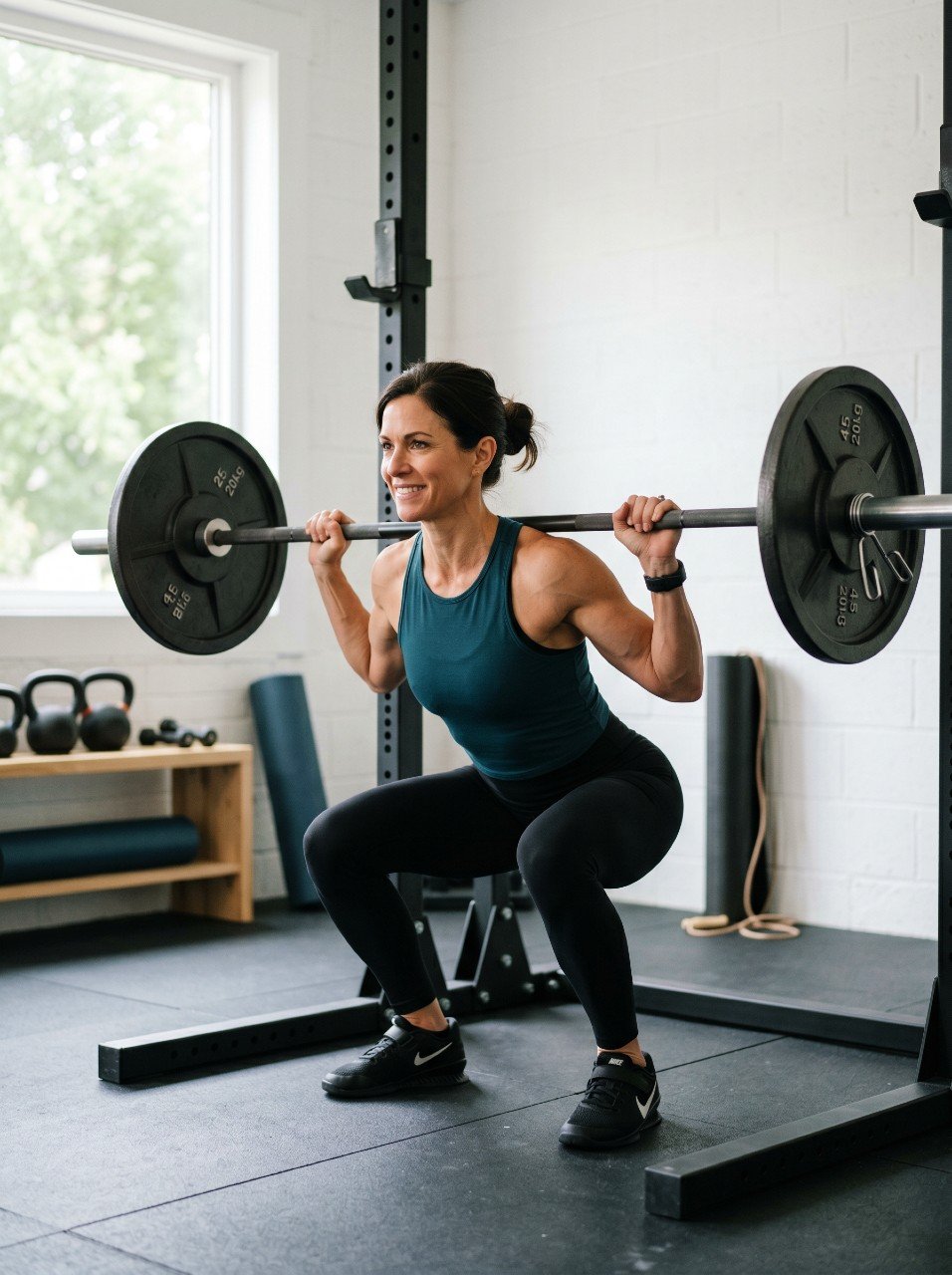
5. Aging Like A Boss: Strength Training As An Insurance Policy
Resistance training is the single most evidence-backed intervention for preserving bone density, preventing osteoporosis, and maintaining functional independence as women age. The fear of getting "bulky" is not just unfounded — it's actively keeping women from their most powerful longevity tool.
I've been addressing the "bulky" myth for years, and it still frustrates me every time I see it stop a woman from picking up a weight. Let me be direct: the hormonal profile required to build the kind of muscle mass women fear requires levels of testosterone that women simply don't have. What resistance training actually produces in women is a leaner, denser, more metabolically active body — one that handles ageing dramatically better.
Systematic reviews confirm that resistance training at 70–80% of one-rep maximum, performed 2–3 times per week, is an effective and accessible intervention for increasing bone mineral density in women, particularly post-menopausal women, who face the steepest bone loss curve.
Benefits For Longevity And Bone Health
- Osteoporosis prevention: Weight-bearing exercises maintain bone density and reduce fracture risk. Post-menopause, bone loss can accelerate to 1.5–2.5% annually without intervention.
- Functional independence: The ability to carry groceries, climb stairs, and get up from the floor without assistance in your 70s is directly predicted by the lean muscle you build in your 40s and 50s.
- Metabolic support: Increased lean muscle raises your resting metabolic rate — the number of calories your body burns at rest — making long-term weight management significantly easier.
- Injury resilience: Strong muscles protect joints. Women who strength train consistently have lower rates of knee and hip injuries than sedentary women in midlife.
Join Our Mailing List
Join thousands of women inside our community and receive our free guide, 10 Actions That Support Permanent Weight Loss — the exact behavioural shifts that make the difference between a two-week attempt and a lasting transformation.
No restriction plans. No guilt. Just what actually works — for real women with real lives.
Realistic Expectations: Your Wellness Timeline
True transformation requires a growth-oriented mindset and a realistic understanding of the physiological timeline. Based on consistent patterns reported by women who committed to the CAFE framework:
| Timeframe | What You'll Actually Notice |
|---|---|
| Day 1 | Improved mood via endorphin and serotonin release; immediate stress reduction |
| 1–2 Weeks | Better sleep onset, slightly more morning energy, reduced afternoon crashes |
| 4–8 Weeks | Measurable improvement in strength (especially lower body); clothes fitting differently before the scale moves |
| 3+ Months | Structural changes: improved flexibility, increased stamina, visible body composition shift, and — critically — the habit is no longer something you maintain. It's just what you do. |
The 3-month mark is where the psychology flips. Before that, it's discipline. After that, it's identity. Getting a woman to month four is more important than the specific programme she's on.
CAFE pillar: F — Functional Strength + A — Active Recovery
Dealing with bot verification can be annoying when you're just trying to get started. If you're looking for a simpler way to begin your fitness journey, grab your free guide here. It's designed to help you cut through the noise and focus on what really works.
The Bottom Line
The women who stay fit for life don't view exercise as a punishment or a chore. They view it as an empowering form of self-care — a non-negotiable part of how they function, not something they do when they feel motivated.
The CAFE Method isn't a programme. It's a lens. Every fitness decision you make can be evaluated against four questions: Does it build consistency? Does it support recovery? Does it develop functional strength? Does it work with my hormones, not against them?
By adopting these sustainable habits — from strength training for longevity to prioritising hydration for nerve function — you move beyond the cycle of fitness frustration that catches so many women in an exhausting loop of start, crash, repeat. What is one small, consistent change you can make today?
Glossary Of Key Terms
- CAFE Method: A four-pillar framework (Consistency, Active Recovery, Functional Strength, Endocrine Awareness) designed to align fitness with female physiology.
- Incidental Movement: Physical activity woven into daily life outside of formal exercise, such as walking or taking the stairs, to reduce sedentary time.
- Endocrine Awareness: The practice of tailoring exercise intensity and type to match hormonal fluctuations during the menstrual cycle or menopausal transitions.
- Insulin Sensitivity: The body's effectiveness at using insulin to stabilize energy levels; improved by regular physical activity.
- Cortisol: A primary stress hormone that can accumulate from sedentary stress or overtraining; its levels can be suppressed through moderate exercise.
- Follicular Phase: The first 14 days of the menstrual cycle when estrogen is rising and energy is typically higher, making it ideal for high-intensity training.
- Luteal Phase: The latter half of the menstrual cycle characterized by rising progesterone and potential fatigue, requiring more focus on recovery and moderate movement.
- Metabolic Insurance: The use of muscle mass and consistent movement to protect the metabolism against age-related decline and injury.
- Leptin and Ghrelin: Hormones that regulate hunger and fullness, which are often disrupted by a lack of sleep.
- Functional Strength: Resistance training built around real-life movements that preserves bone density and the ability to perform daily tasks independently.
FAQ
Why Is Physical Fitness Essential For Women's Long-Term Health?
Physical fitness is essential for women's long-term health because it directly counters the gender-specific physiological changes that accelerate with age. After menopause, bone density decreases at 1.5–2.5% annually without resistance training intervention — a rate that compounds into significant fracture risk within a decade. Beyond skeletal health, regular exercise regulates the hormonal fluctuations that affect metabolism, mood, and body composition at every life stage. It reduces the risk of cardiovascular disease (the leading cause of death in women), type 2 diabetes, and several cancers. Fitness isn't an aesthetic choice — it's the most accessible longevity investment a woman has available.
What Are The Real Benefits Of Staying Fit — Beyond "Losing Weight"?
Sustainable fitness delivers benefits that most people never associate with "working out": sharper cognitive function, better emotional regulation, reduced PMS and menopausal symptoms, stronger immune response, improved sleep quality, and significantly higher functional independence in later life. The weight-loss framing is reductive — and it's partly why so many women cycle in and out of fitness programmes. When the goal is longevity and vitality rather than a number on a scale, the motivation holds.
How Does Exercise Improve A Woman's Mental Wellbeing?
Exercise triggers measurable increases in endorphins and serotonin — the neurotransmitters most directly associated with mood stability and anxiety reduction. Consistent physical activity also improves sleep quality, which is fundamental to emotional regulation and cognitive performance. For women specifically, the cortisol-suppressing effect of moderate exercise is significant: it counters the chronic stress response that accumulates from caregiving, career pressure, and hormonal fluctuation. The mental benefit isn't a side effect of fitness. For many women, it's the primary reason to keep going.
Is It Really Possible To Get Fit Without A Gym?
Yes — and the evidence strongly supports it. Bodyweight resistance training, walking, cycling, swimming, and home-based HIIT sessions all produce clinically meaningful fitness adaptations. What research consistently shows is that the specifics of where you train matter far less than whether you train consistently and progressively, progressively meaning you gradually increase challenge over time. A 20-minute home routine performed four times a week will outperform a gym membership used twice a month every time.
Why Do Women Fear Strength Training — And Should They?
The "I'll get bulky" fear is one of the most persistent and damaging myths in women's fitness. The hormonal reality: women's testosterone levels are approximately 10–20 times lower than men's — the primary driver of rapid muscle hypertrophy. What strength training actually produces in women is increased bone density, higher resting metabolic rate, and a leaner body composition. The fear isn't just unfounded; it's actively keeping women away from the single most evidence-backed intervention for long-term health available to them.
How Do I Start If Fitness Feels Completely Overwhelming?
Start with the smallest version of consistency you can actually maintain. Not the most impressive programme — the most sustainable one. That might mean a 15-minute walk every morning, two bodyweight sessions per week, and 7 hours of sleep. The intimidation is real, and it's legitimate: most fitness content is designed for people who already feel confident in gym environments. The CAFE framework is designed specifically to give women a structured entry point that doesn't require a gym, a trainer, or a complete schedule overhaul. Start with C — consistency — and build from there.
Can Regular Exercise Prevent Chronic Disease In Women?
Yes. The evidence base here is extensive and consistent. Regular moderate exercise reduces cardiovascular disease risk by up to 30%, significantly lowers type 2 diabetes risk through improved insulin sensitivity, reduces certain cancer risks (breast and colon cancer, especially), and is associated with meaningfully longer healthspan. The mechanism varies by disease — insulin regulation, inflammation reduction, immune modulation, hormonal balance — but the direction of the evidence is unambiguous: consistent physical activity is the most broadly effective preventive health tool available without a prescription.
I do not comment regularly on blogs or any sort of sites but I have to say this is one of the most informative articles I have ever read congratulations on a well-thought-out article and I will definitely be looking out in the future for the next one
Thank you Christo for a good word. I am glad you like it and find it handy.
Hi Mary, this is such an informative blog! Staying fit is important for being well and peace of mind. Also, it helps in improving and maintaining overall mental, emotional health. Thanks & keep sharing!
Thank you, Sonika. I hope it helps!