
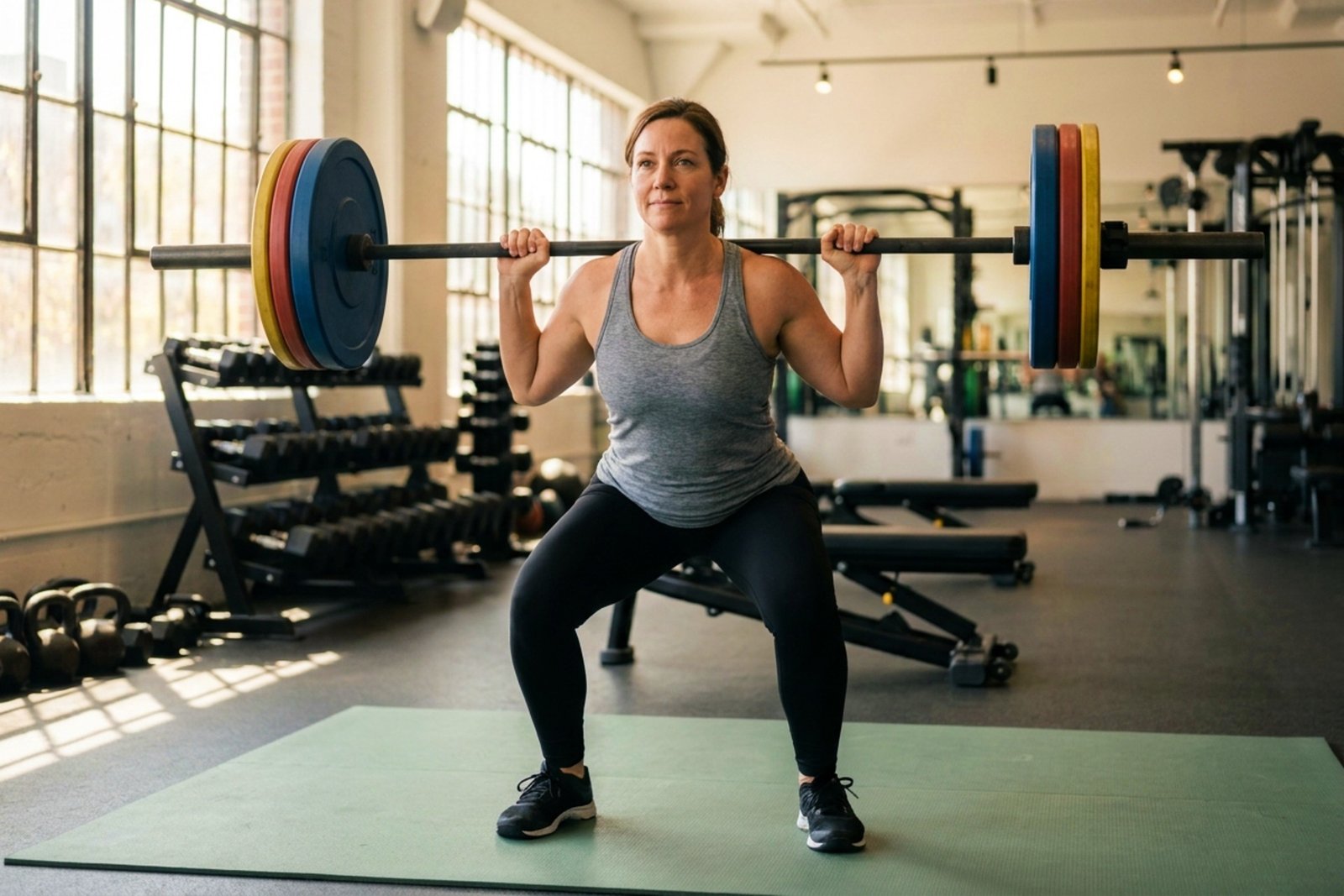
4 Workout Benefits For Females
The Workout Benefits For Females That Have Nothing To Do With The Scale

The women who stick with exercise the longest were never chasing a smaller body. They were chasing a stronger heart, sturdier bones, and a mind that doesn’t feel like it’s fighting itself.
Mary James ‧ Founder, Women’s Lean Body Formula
Summary (TL;DR)
Most content about the workout benefits for females leads with weight loss, and that framing is quietly working against you. A 2024 study of over 400,000 U.S. adults published in the Journal of the American College of Cardiology found women who exercise regularly get a 36% reduced risk of a fatal cardiovascular event, versus 14% for men, and reach some benefit thresholds in roughly half the weekly minutes men need.
Strength training won’t “bulk you up” (the physiology says otherwise); it builds bone density, protects your immune system, and improves body confidence more than any mirror-focused goal does. This guide covers the real, research-backed benefits - cardiovascular, hormonal, mental, and everyday - and how to start even if you’re exhausted, intimidated, or not sure where to begin.
If the idea of “get moving for your health” feels like one more thing you’re failing at, or the gym itself feels like a place built for someone else, you are not the problem. The advice usually is.
Most of it was written for a 25-year-old man’s physiology and handed to every woman regardless of age, hormones, or how her week actually looks, and then women are told they’re the ones falling short of it.
From Mary: In over ten years of talking to women about exercise, the same three feelings come up more than any question about reps or routines: intimidation about walking into a gym, frustration when the scale doesn’t move the way an app promised it would, and confusion about which piece of advice to actually trust.
None of that is a personal failing. It usually means the advice you were handed was never built around what your body is actually doing.
This guide is built around what actually changes for a woman’s body and mind when she works out, not what changes on a scale. It covers the science behind four areas: strength and body composition, long-term health, mind and mood, and everyday energy, plus exactly how to start even on the days none of this feels possible.
Medical & Referral Disclaimer
This article is for informational and educational purposes only. It is not a substitute for professional medical advice, diagnosis, or treatment. Always consult your physician or a qualified healthcare provider before starting any new diet or exercise program, particularly if you are pregnant, postpartum, managing a chronic condition, or navigating perimenopause or menopause.
Key Takeaways
- Women get more cardiovascular benefit from exercise than men do, often in less time. NIH-funded research on over 400,000 adults found women reduced their risk of a fatal heart attack or stroke by 36%, compared to 14% for men, at comparable activity levels.
- The “bulking up” fear isn’t supported by the physiology. A controlled resistance-training study found no meaningful sex differences in how muscle adapts to strength work – and women’s naturally lower testosterone makes dramatic size gains biologically unlikely without deliberate, extreme training.
- Resistance training measurably protects bone density. A 2025 meta-analysis found it beneficially influences bone mineral density in postmenopausal women, particularly at the spine, hip, and femoral neck.
- Regular activity strengthens immune function – it doesn’t weaken it. A widely cited immunology review concluded that an active lifestyle is beneficial, not detrimental, to immune function across the lifespan.
- Confidence gains come from competence, not appearance. A meta-analysis on female body esteem found exercise’s biggest effect was on how strong and capable women felt physically – not on perceived attractiveness.
- You don’t need to be well-rested to start. Even low-intensity movement has been shown to cut fatigue symptoms by roughly 65% in people who felt too tired to exercise in the first place.
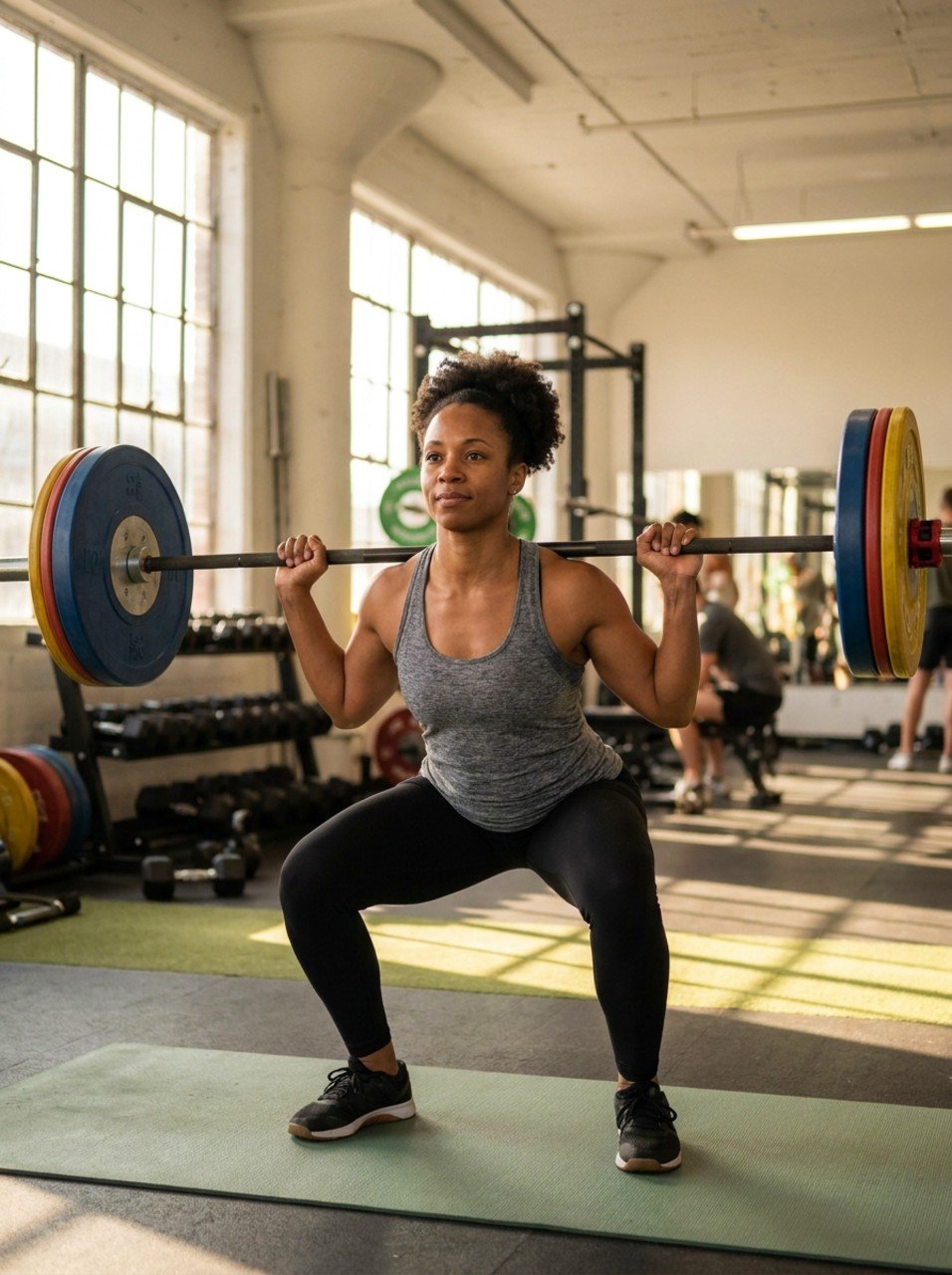
Build Real Strength And A Body That Works For You
Will Strength Training Make Me Bulky?
Direct answer: No, and the fear that it will is one of the most persistent myths in women’s fitness.
A controlled study measuring resistance-training adaptations in men and women found “no specific sex differences in morphological, functional and contractile muscle adaptations,” meaning women’s muscles respond to strength work the same way men’s do – just without the much higher testosterone levels that drive dramatic size gains. What lifting weights actually builds is lean muscle: firmer, more defined, and metabolically active tissue, not bulk.
This is one of the most persistent pieces of fitness folklore around, and it is worth saying plainly: the “before and after” transformation photos that fuel this fear almost always involve years of deliberate, calorie-surplus training most women never come close to by accident. A normal strength-training habit will not sneak up on you.
What Female Muscle Growth Actually Does For Your Body
In short: Building lean muscle through resistance training raises your resting metabolic rate, supports fat loss for women beyond what cardio alone achieves, and creates the firmer, more defined look most women actually mean when they say “toned.”
Muscle is metabolically active tissue – it burns calories even while you sleep – so preserving and building it protects the exact mechanism most weight-focused advice quietly ignores.
This is a deep enough topic that it deserves its own space: our full breakdown of what exercise actually does for weight management walks through the metabolism, hormone, and visceral-fat mechanics in detail, including why the scale often lags behind real progress.
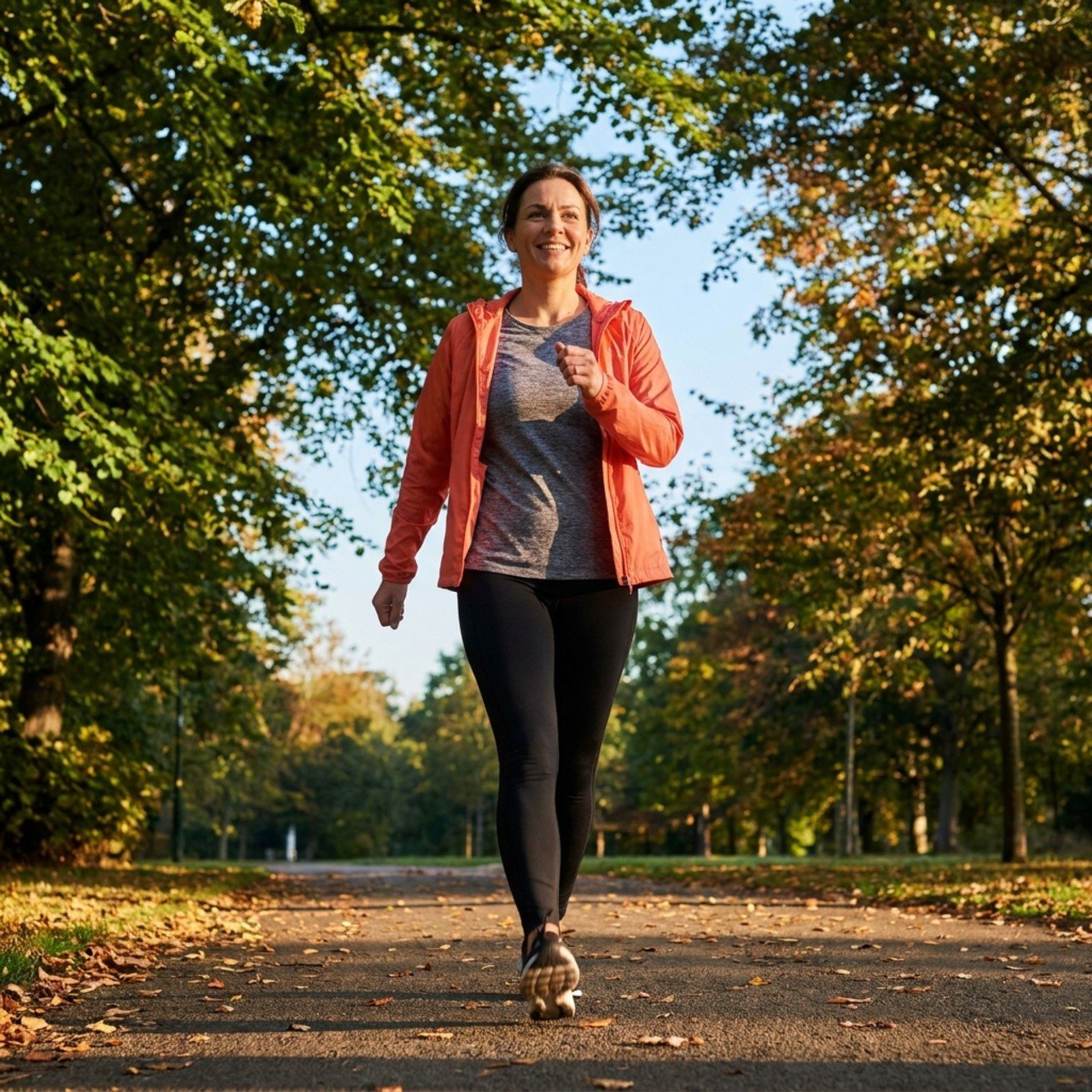
Core Strength, Posture, And Everyday Resilience
Direct answer: Core-focused and postural exercise measurably improves posture and self-image, not just how you look standing up straight but how capable your body feels doing ordinary things.
A study on an exercise and diet program tracking women’s fitness, posture, and self-image found meaningful improvements across all three when strength and core work were part of the routine.
Core strength for women is the quiet infrastructure behind everything else on this list. It shows up as being able to carry the groceries in one trip, lift a child without a second thought, or move furniture around without worrying about your back – the kind of physical capability that builds real, everyday confidence because your body has proven, repeatedly, that it can be relied on.
| The Common Fear | What The Research Actually Shows |
|---|---|
| Lifting weights will make me bulky | No sex-specific difference in muscle adaptation to resistance training; women’s hormone profile makes dramatic size gains biologically unlikely |
| Cardio is the only way to lose fat | Resistance training preserves metabolically active lean muscle, supporting fat loss cardio alone doesn’t |
| Strength training is just for looking “toned” | Core and resistance work improve measurable posture and functional strength, not just appearance |
| Feeling strong is about how you look | Confidence gains from exercise are driven mainly by physical competence and strength, not appearance ratings |
Protect Your Long-Term Health Where It Actually Counts
The Cardiovascular Health Case Nobody Leads With
Direct answer: Regular exercise lowers cardiovascular risk more for women than it does for men, and it does it faster. The 2024 NIH-funded study referenced above, tracking more than 400,000 adults over two decades, found women reduced their risk of a fatal heart attack, stroke, or other cardiovascular event by 36%, compared to 14% for men at similar activity levels.
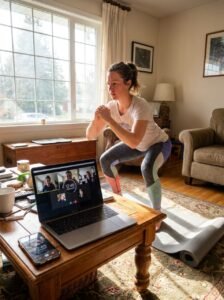
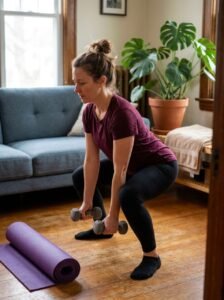
For moderate aerobic activity specifically, women hit an 18% reduced mortality-risk mark in about 140 minutes a week – roughly half the 300 minutes men needed for the same benefit.
This matters because cardiovascular health is not a background concern for women – it is the front line. The American Heart Association projects that 6 in 10 U.S. women will have some form of cardiovascular disease by 2050. Heart disease is often talked about as a men’s health issue; the data says otherwise, and it says the workout you skip is doing more for your heart specifically than it would for a man doing the identical routine.
Bone Density Improvement: Your Real Defense Against Osteoporosis
In short: Resistance training measurably protects bone mineral density, and the protection is strongest with structured strength work rather than cardio alone.
A 2025 meta-analysis found that resistance training beneficially influences bone mineral density in postmenopausal women, particularly at the spine, hip, and femoral neck, with the strongest effects from higher-intensity training (roughly 70%+ of one-rep max) performed a few times a week.
This is one of the most consequential, least-discussed items on this entire list. Bone loss accelerates sharply around menopause, and by the time a fracture happens, the strength-training window that could have prevented it has usually long passed.
Bone density improvement is not a someday concern – it is one of the strongest, most evidence-backed reasons to start resistance training now, regardless of your current age or fitness level.
Hormone Balance And Insulin Sensitivity
Direct answer: Exercise is one of the most direct levers available for supporting hormone balance, particularly the hormones that shift during menstrual cycles and menopause.
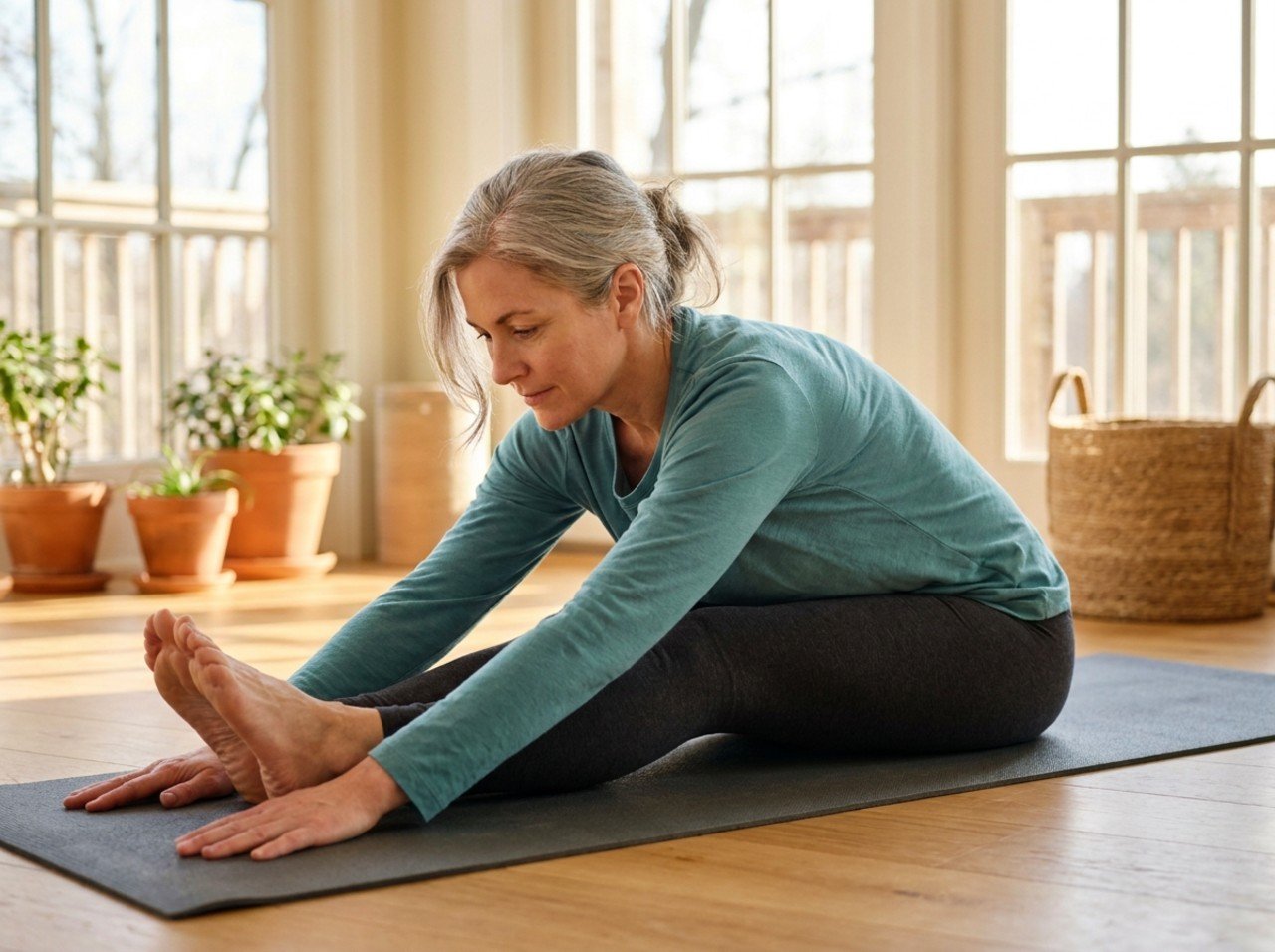
While many people associate exercise mainly with heart health, its effect on a woman’s hormones is one of its most under-discussed benefits – helping regulate the shifts that can make menstrual and menopausal symptoms harder to manage.
Resistance training in particular improves insulin sensitivity, which becomes especially relevant as women move through perimenopause and menopause, when insulin resistance becomes markedly more common.
For the full mechanics of how exercise interacts with insulin, appetite hormones, and fat storage, our guide to the real role of exercise in weight management goes several layers deeper than this overview can.
Immune System Boost: Debunking The “Exercise Makes You Sick” Myth
Direct answer: Regular moderate exercise strengthens immune function – it does not weaken it, despite a persistent myth to the contrary.
A widely cited immunology review concluded that leading an active lifestyle is “beneficial, rather than detrimental, to immune function”, and that even vigorous, sustained activity is unlikely to increase your risk of infection the way the old “open window” theory suggested.
An immune system boost from consistent movement is a genuinely underrated benefit – it does not make headlines the way weight loss does, but it is one of the more reliable protective effects a regular fitness routine provides, especially heading into cold and flu season.
Anti-Aging Fitness Benefits: What Exercise Does At The Cellular Level
In short: Regular moderate-to-vigorous aerobic activity appears to help preserve telomere length, a key biomarker researchers use to measure biological aging.
A systematic review on physical activity and telomeres found that consistent aerobic training helps preserve telomere length, though the exact intensity and duration needed are still being refined by ongoing research.
Anti-aging fitness benefits are usually marketed with skincare and supplements. The actual cellular-level evidence points somewhere much simpler: showing up for a walk or a workout most days of the week.
Disease Prevention Fitness: What Regular Exercise Actually Protects Against
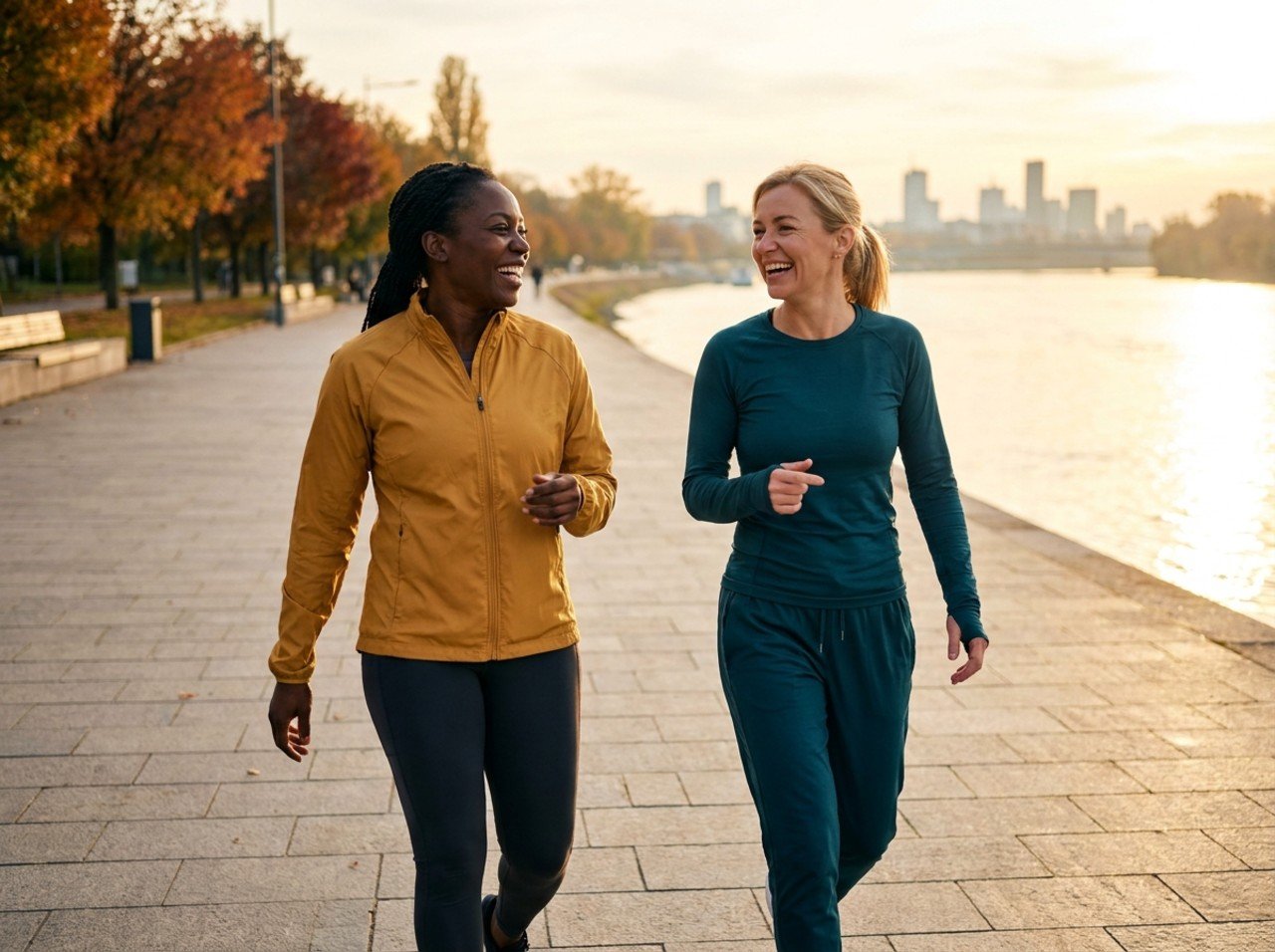
Direct answer: Consistent physical activity is one of the most well-established, lowest-cost tools for reducing risk across several of the conditions most likely to affect women as they age. Per CDC guidance, meeting the recommended activity level is linked to a meaningfully lower risk of:
- Heart disease and stroke – the leading cause of death for U.S. women, and the condition the cardiovascular research above addresses directly.
- Type 2 diabetes – supported by the insulin-sensitivity improvements resistance and aerobic training both produce.
- Certain cancers, including breast and colon cancer, where regular activity is associated with reduced risk.
- Osteoporosis and fracture risk – the direct result of the bone density protection covered above.
- Cognitive decline – tied to the same cardiovascular and metabolic mechanisms that protect the heart.
| Benefit Category | What The Evidence Supports | Realistic Starting Point |
|---|---|---|
| Cardiovascular risk reduction | Women see benefit in roughly half the weekly minutes men need | 140 min/week moderate aerobic activity |
| Bone density protection | Strongest effect from higher-intensity resistance work | 2–3 resistance sessions weekly, major muscle groups |
| Immune function support | Regular moderate activity, not occasional vigorous bursts | Most days, 20–30 minutes moderate movement |
| Cellular aging (telomere preservation) | Consistent moderate-to-vigorous aerobic training | Building toward CDC’s 150 min/week guideline |
| Disease prevention broadly | Reduced risk of heart disease, type 2 diabetes, and some cancers | Per CDC guidance: 150+ min moderate aerobic activity plus 2 days of strength work weekly |
Give Your Mind What It’s Been Missing
Mental Clarity And The Endorphin Release Workout Effect
Direct answer: Exercise triggers a release of endorphins, your body’s natural mood elevators, producing the calmer, clearer-headed feeling many women notice within 20 to 30 minutes of moderate movement.
That shift in mental clarity from exercise is not a coincidence or a placebo – it is brain chemistry responding in real time, and it is one of the fastest benefits on this entire list to actually feel.
Stress Relief And Confidence Boosting Exercises
In short: Exercise lowers circulating cortisol, supporting genuine stress relief, and builds confidence through a specific mechanism that has nothing to do with appearance.
A meta-analysis on physical exercise and body esteem among females found a real, statistically significant improvement overall – but the effect was concentrated almost entirely in physical condition and physical strength, not in how attractive women rated themselves.
That distinction matters more than it might seem. Confidence boosting exercises work because they give you direct, repeated proof of what your body can do – finishing a set you almost skipped, walking further than last week, lifting five more pounds – not because they change how you look in a mirror.
If the mental and emotional side of exercise is what you came here for, our full guide to the mental health benefits of exercise covers the mood, anxiety, and perimenopause-specific research in depth.
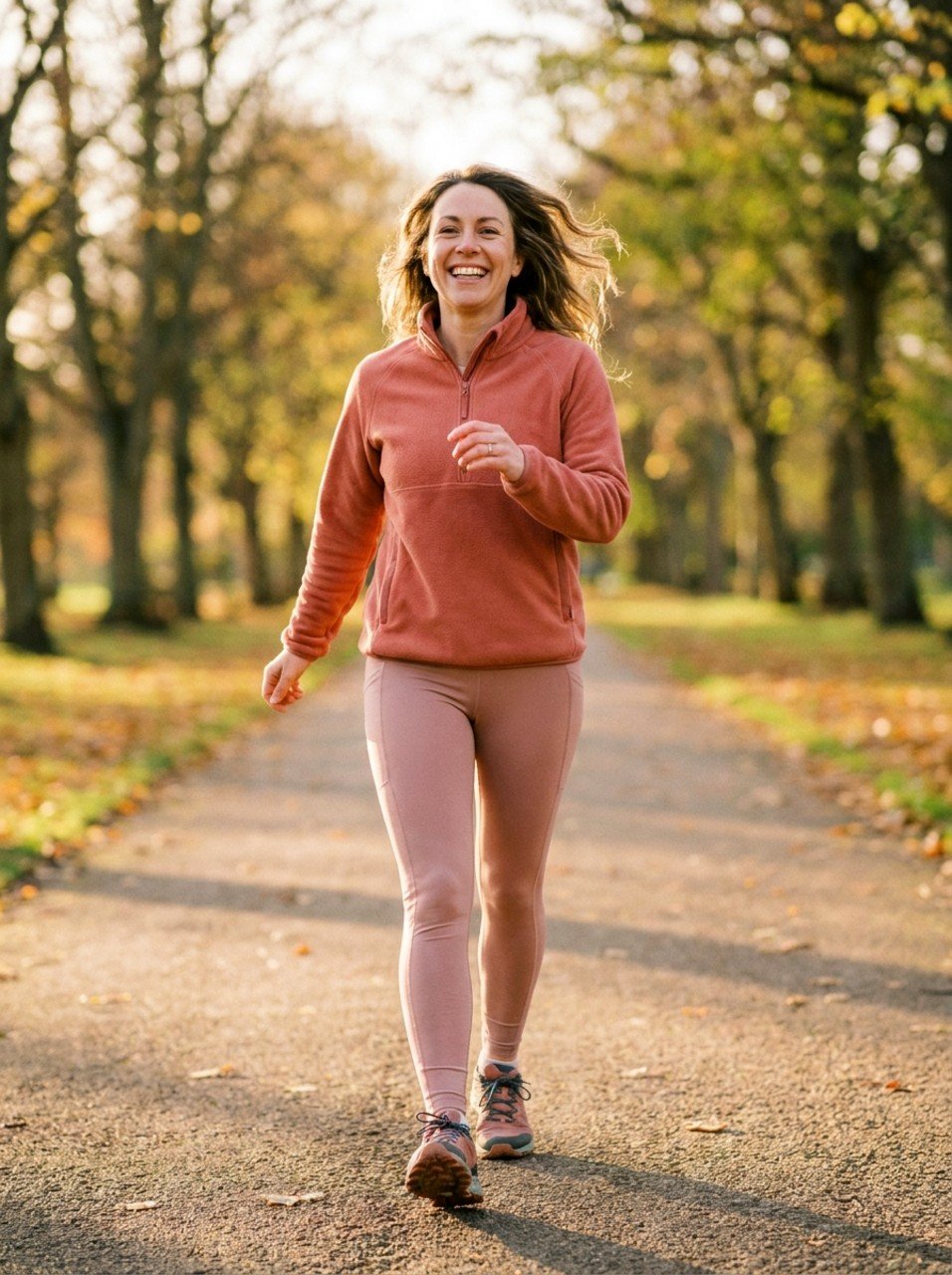
Reclaim Your Energy, Sleep, And Everyday Life
Energy Boosting Workouts (Even When You’re Exhausted)
Direct answer: Movement is one of the few reliable fixes for low energy that doesn’t require more sleep or more caffeine – and you do not need intensity to get the benefit.
Research on exercise and fatigue found that low-intensity exercise reduced fatigue symptoms by roughly 65% in previously sedentary adults reporting persistent tiredness – and it outperformed moderate-intensity exercise for this specific purpose.
This is worth sitting with if “I’m too tired to work out” is the thought stopping you most often. Energy-boosting workouts don’t require you to already have energy to spare. A slow walk counts. The fatigue is often the thing exercise fixes, not the reason to skip it.
Better Sleep Through Fitness
In short: Regular daytime exercise measurably improves sleep duration for women, even those already dealing with insomnia.
A 2025 study found that women with short-duration insomnia who exercised at least 30 minutes daily gained roughly 15 additional minutes of sleep compared with women who didn’t exercise – a meaningful gain from a genuinely non-pharmaceutical intervention.
Better sleep through fitness works partly through body temperature: activity raises it, and the drop afterward helps signal your body it’s time to wind down. Timing matters – vigorous exercise too close to bedtime can backfire for some women – so earlier in the day tends to work better if sleep is your main goal.
Flexibility And Mobility: Staying Independent As You Age
Direct answer: Flexibility, balance, and functional mobility work meaningfully to reduce fall risk, which matters more than most fitness content admits.
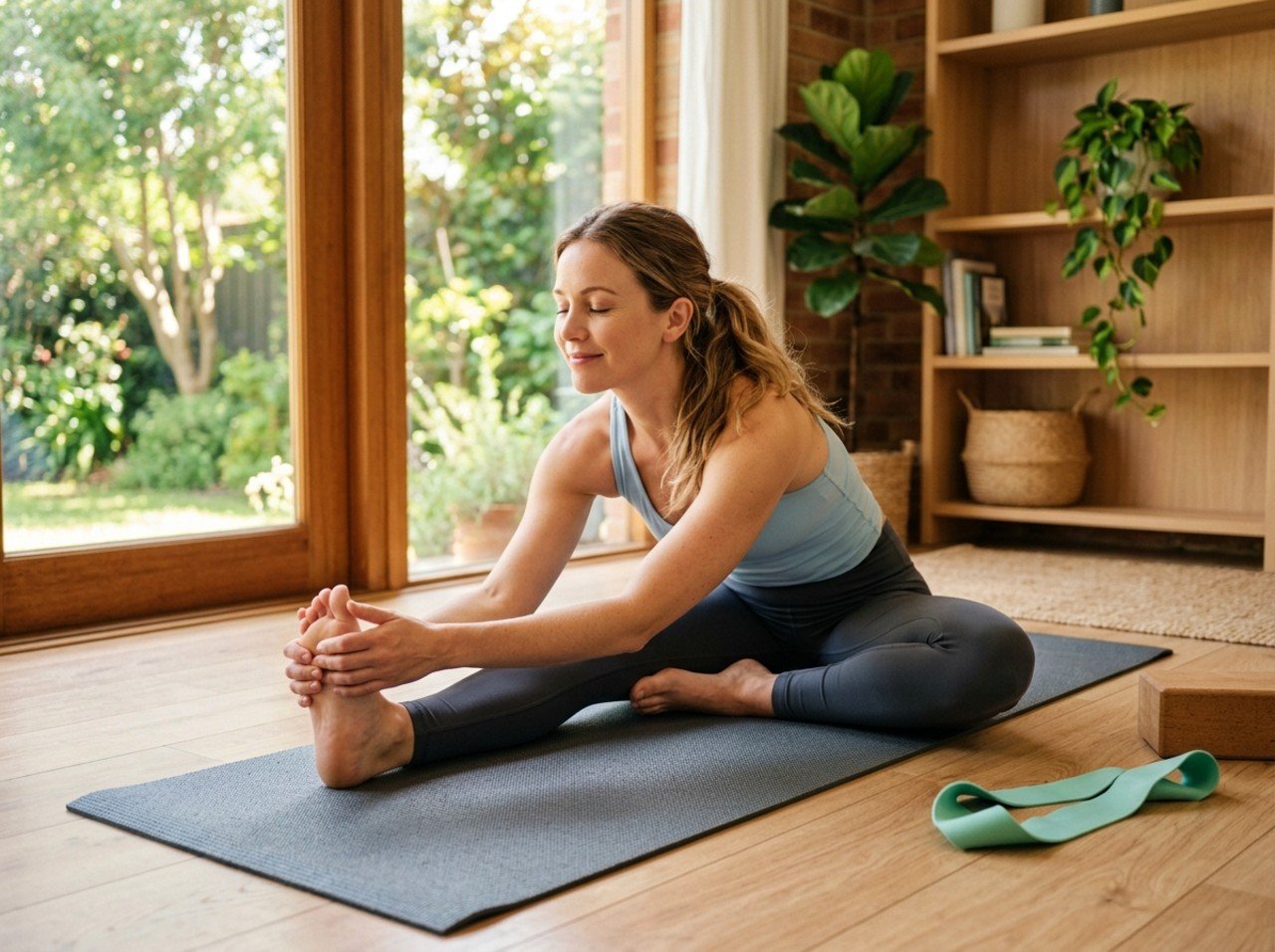
Research on fall prevention found that balance and functional exercises reduce the rate of falls by roughly 24%, with tai chi specifically linked to a 20% reduction in the number of people who experience a fall at all.
Flexibility and mobility work rarely gets the spotlight next to strength training or cardio, but it is doing quiet, long-horizon work: protecting the independence and confidence of the woman you’ll be in twenty or thirty years, not just the one training today.
Metabolism Boost Workout: What’s Actually True
Direct answer: Exercise supports your metabolism mainly by preserving lean muscle mass, not by burning enough calories in the moment to move the scale on its own – your body compensates for a surprising amount of workout-calorie burn elsewhere in the day.
A true metabolism boost workout is really a muscle-preservation strategy in disguise. For the full research on why the “burn more, weigh less” framing oversimplifies what’s really happening, see our deep dive on the role of exercise in weight management.
Building A Fitness Routine For Women That Actually Sticks
Direct answer: The most sustainable fitness routine for women starts smaller than feels necessary and treats intimidation, exhaustion, and confusion as solvable logistics problems, not personal failings. None of the benefits above matter if the plan collapses in week two.
- “The gym feels intimidating.” You don’t need one to start. A living room, a hallway, or a short walk around the block is a legitimate starting point – strength training with resistance bands or bodyweight counts as real resistance training.
- “I don’t know where to start.” Pick one activity, not the “optimal” one. Consistency with an imperfect routine beats intensity with something you abandon.
- “I’m too exhausted most days.” Start with low-intensity movement specifically – the fatigue research above found it outperforms harder workouts for this exact problem.
- “I’ve tried before, and it didn’t stick.” A previous attempt that didn’t fit your life isn’t proof you can’t do this – it’s data on what to change this time.
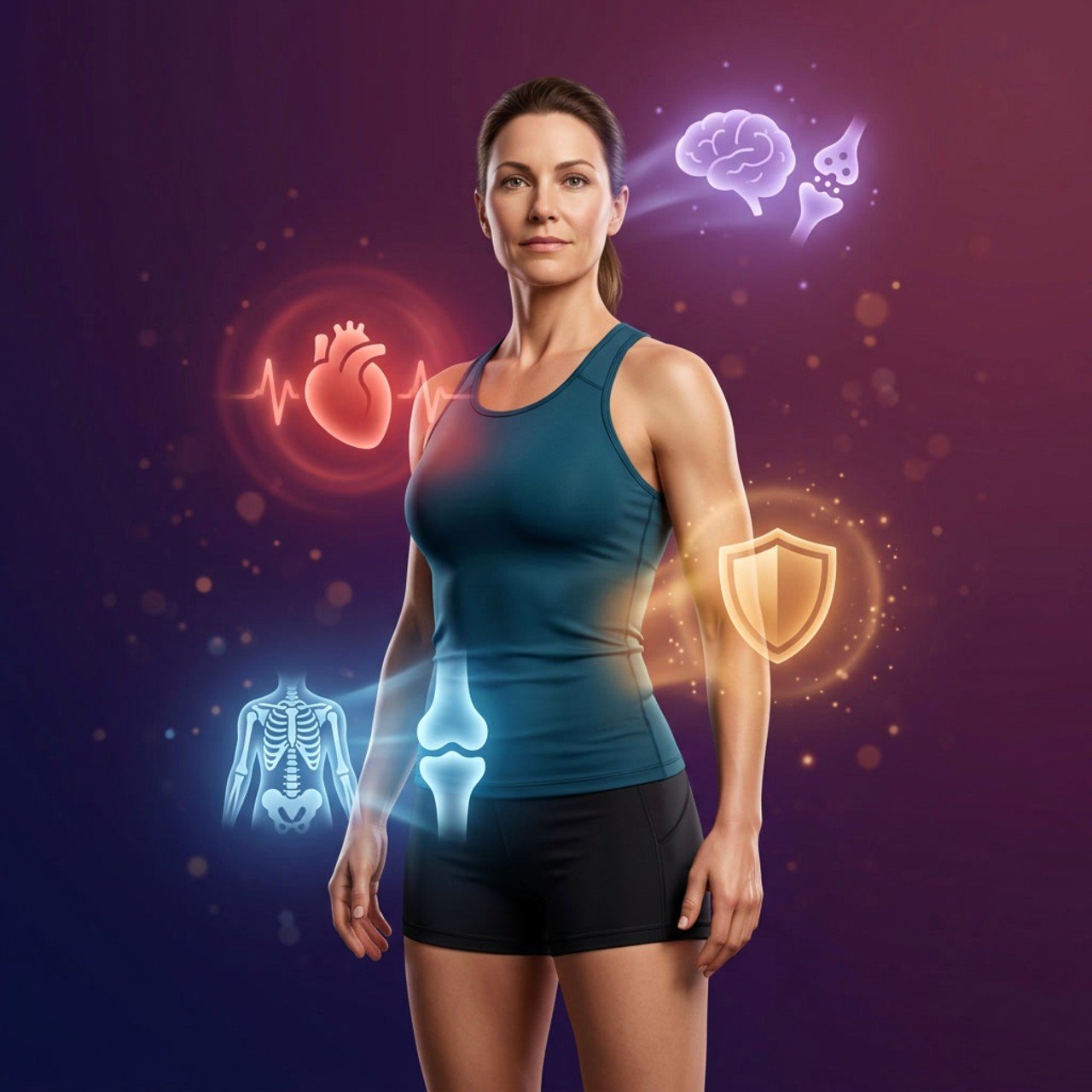
A realistic starting week for a fitness routine for women juggling work, family, and everything else looks less like a gym schedule and more like this:
- Use your breaks: a short walk during your lunch break counts as real activity toward your weekly total.
- Try at-home workouts: a focused 20-minute bodyweight or resistance-band session at home builds the same strength-training habit as a longer gym session.
- Make it a shared activity: weekend movement with family or friends combines connection with consistency, which makes the habit easier to keep.
- Rotate two or three activities: alternating walking, strength work, and something you genuinely enjoy prevents the boredom that ends most routines by week three.
All of it moves you toward the women’s fitness journey that actually lasts, not the one that looks perfect for two weeks and disappears.
Ready To Build A Routine That Fits Your Actual Life?
Knowing why exercise matters is one thing. Building a routine around a real schedule, real exhaustion, and a body that doesn’t need punishing workouts to get the benefits above is another.
Our free guide, 10 Actions That Support Permanent Weight Loss, was built around exactly that kind of realistic consistency – the same principle behind every benefit in this article. No extreme plans. No all-or-nothing rules that set you up to quit in week two. Just the research-backed habits real women have used to build something that lasts.
Get The Free Guide: 10 Actions That Support Permanent Weight Loss.
The Bottom Line
The real workout benefits for females were never really about the number on the scale. They are a stronger heart that needs less time investment than a man’s to see comparable protection, bones that hold up decades from now, an immune system that works better rather than worse, and a mind that has one of its most reliable tools sitting in a pair of sneakers.
Strength training will not make you bulky. It will make you capable – and capability is the benefit that compounds, long after any appearance-based goal would have stopped feeling like enough.
This is female empowerment through fitness in the most literal, physical sense: a body that does more for you, for longer, because you gave it the input it needed. Start smaller than feels necessary. It still counts.
Glossary Of Key Terms
- Bone Mineral Density (BMD): A measure of the amount of minerals (mostly calcium and phosphorus) contained in a certain volume of bone; it is a critical indicator of bone strength and a primary defence against osteoporosis.
- Cardiovascular Event: An incident that causes damage to the heart muscle or blood vessels, such as a heart attack or stroke; exercise significantly reduces the risk of these events.
- Endorphins: The body's natural mood-elevating chemicals released during exercise that can produce feelings of mental clarity and calm within 20 to 30 minutes of activity.
- Insulin Sensitivity: A measure of how effectively the body uses insulin to reduce blood glucose levels; improving this is vital for preventing Type 2 diabetes, especially during menopause.
- Lean Muscle: Metabolically active tissue that burns more calories at rest than fat tissue; building it improves body composition and resting metabolic rate without necessarily increasing body size.
- Moderate Aerobic Activity: Exercise that increases heart rate and breathing, such as brisk walking; the CDC recommends 150 minutes of this weekly for adults.
- Postmenopausal: The period of time after a woman has not had a menstrual cycle for 12 consecutive months, during which bone loss often accelerates.
- Resistance Training: Physical exercises, such as lifting weights or using resistance bands, designed to improve strength and endurance by exercising muscles against external resistance.
- Resting Metabolic Rate (RMR): The number of calories the body burns while at rest to maintain basic physiological functions; this is supported and preserved by lean muscle mass.
- Telomeres: Protective caps at the ends of chromosomes that shorten as cells age; their length is considered a biomarker for biological aging.
FAQ
What Are The Main Workout Benefits For Females?
The core workout benefits for females include reduced cardiovascular risk (greater and faster than the benefit men see at similar activity levels), stronger bones, better immune function, improved mood and confidence, better sleep, and long-term protection against chronic disease – not just weight management.
Will Strength Training Make Me Bulky?
No. Research comparing muscle adaptations between men and women found no meaningful sex-specific differences in how muscle responds to resistance training, and women’s naturally lower testosterone levels make significant size gains biologically unlikely without deliberate, extreme training and nutrition choices.
How Many Days A Week Should Women Exercise For Real Health Benefits?
The CDC recommends 150+ minutes of moderate aerobic activity weekly plus 2 days of strength training, but research shows women can reach meaningful cardiovascular benefit thresholds in as little as 140 minutes weekly – roughly half of what men need for a comparable reduction in mortality risk.
Can Exercise Really Improve Bone Density?
Yes. A 2025 meta-analysis found that resistance training beneficially influences bone mineral density in postmenopausal women, particularly at the spine, hip, and femoral neck, with the strongest effects from higher-intensity strength training performed a few times weekly.
Does Exercise Weaken Or Strengthen The Immune System?
It strengthens it. Despite a persistent myth that intense exercise temporarily suppresses immunity, a widely cited immunology review concluded that an active lifestyle is beneficial, not detrimental, to immune function, and that regular activity does not meaningfully increase infection risk.
What If I’m Too Tired Or Intimidated To Start Exercising?
Start smaller than feels necessary. Research on fatigue found that low-intensity movement reduced tiredness by roughly 65% in people who felt too exhausted to exercise in the first place, and you don’t need a gym – a short walk or a bodyweight routine at home is a legitimate, evidence-backed starting point.
How Long Until I Notice The Benefits Of Working Out?
Some benefits, like the mental clarity and mood lift from endorphin release, can show up within 20 to 30 minutes of a single session. Others, like bone density protection and cardiovascular risk reduction, build over weeks and months of consistency – which is why sustainability matters more than intensity.