

Gluten-Free Diet With Delicious Choices
Nutritious And Delicious: Gluten-Free Diet Ideas

Most people don't realize this, but you can eat organic, all natural, gluten-free food without telling everyone around you.
Chris Rock
Adopting a gluten-free diet constitutes a strategic nutritional approach for managing celiac disease and gluten sensitivity, while simultaneously offering broader health advantages for digestive wellness.
This comprehensive guide delineates delicious food choices that prioritise naturally safe ingredients, such as nutritious whole grains, fresh vegetables, and lean proteins, ensuring that necessary dietary restrictions never compromise flavour or satiety.
By focusing on unprocessed whole foods and balanced macronutrients, individuals can effectively support sustained energy levels and maintain a lean body composition through a sustainable, professionally structured healthy eating plan.
About 1% of people in the Western world have celiac disease, leading to a big demand for gluten-free foods. More people are learning about gluten sensitivity and its effects on health. This has made the gluten-free diet not just a need for some but also a fun way to explore new tastes.
Living gluten-free means you can still enjoy tasty and healthy meals. But it's important to know how to avoid gluten to stay safe. This includes being careful with foods that might have hidden gluten and making sure to keep foods separate.
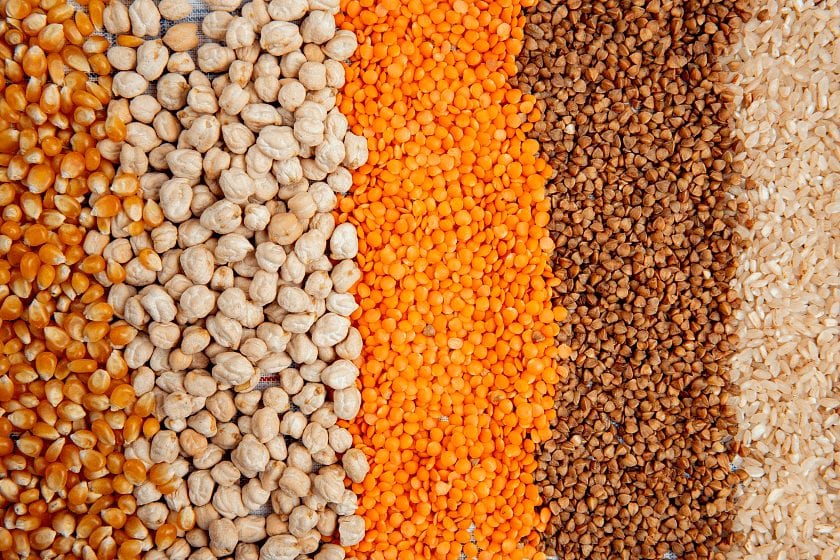
There are many gluten-free foods to try, like fresh fruits and veggies. You can also enjoy grains like quinoa and rice. These foods offer a wide range of flavours to discover.
This article will look at why a gluten-free diet is good for you. It will also talk about who might benefit from it and share tasty gluten-free recipes. These recipes show that you don't have to give up flavour when you go gluten-free.
Key Takeaways
- Understanding Medical Necessity: While only about 1% of the Western population has celiac disease, many others benefit from a gluten-free diet due to non-celiac gluten sensitivity, wheat allergies, or gluten ataxia.
- Prioritise Naturally Gluten-Free Foods: A healthy diet should focus on whole, unprocessed foods such as fresh fruits, vegetables, and lean proteins, alongside safe grains like quinoa, rice, and buckwheat.
- Be Vigilant Against Hidden Gluten: Gluten is often found in unexpected places, such as sauces, condiments, and processed items; additionally, oats are naturally gluten-free but are frequently contaminated during processing.
- Focus on Nutritional Balance: It is vital to avoid over-relying on processed gluten-free products, which can be high in sugar, sodium, and fat; instead, plan meals around nutrient-dense whole foods to ensure adequate fibre intake.
- Implement Safe Kitchen Practices: To avoid adverse reactions, individuals must read food labels carefully and prevent cross-contamination by using separate kitchen tools and cleaning shared surfaces thoroughly.
Understanding Gluten And Its Effects On Health
Gluten is a set of proteins found mainly in grains like wheat, rye, barley, and triticale. It makes bread and baked goods chewy. But for some people, it can be harmful.
What Is Gluten?
Gluten is more than just a protein; it's a key ingredient that improves food taste, texture, and nutrition. Oats are gluten-free by nature but can get contaminated with gluten during processing. This is a concern for those with gluten intolerance or celiac disease.
Health Conditions Related To Gluten
Celiac disease is a serious condition caused by gluten, damaging the small intestine. It leads to symptoms like stomach pain and bloating. Some people might have intestinal permeability, causing inflammation from undigested gluten. Other issues linked to gluten include gluten sensitivity, wheat allergy, and gluten ataxia, which affects muscle control.
Going gluten-free means avoiding many foods like bread, cereals, and pasta. It's crucial to watch out for gluten in foods that seem safe. Luckily, fruits, vegetables, and some grains like quinoa and rice are naturally gluten-free. But, processed gluten-free foods can be high in sugar and fat, so be careful.
| Health Condition | Explanation | Symptoms |
|---|---|---|
| Celiac Disease | Autoimmune disorder triggered by gluten | Abdominal pain, bloating, diarrhoea |
| Gluten Sensitivity | Non-autoimmune response to gluten | Similar to celiac, including abdominal distress |
| Wheat Allergy | Immune system reaction to wheat proteins | Allergic reactions, digestive issues |
| Gluten Ataxia | Autoimmune disorder affecting the nervous system | Coordination problems, muscle control issues |
Gluten-Free Diet: What You Need To Know
The gluten-free diet is vital for those with celiac disease and can help others with non-celiac gluten sensitivity. It's important to know which foods contain gluten and to choose gluten-free options instead.
Who Should Follow A Gluten-Free Diet?
People with celiac disease must follow a gluten-free diet for life to control their symptoms. Those with non-celiac gluten sensitivity might feel bloated or tired after eating gluten. If you think you might be sensitive to gluten, see a doctor for a proper check-up.
Getting Started On A Gluten-Free Diet
Learn all about reading food labels. Find out how the Food and Drug Administration's new food labelling laws affect products on grocery store shelves.
Nutritional Considerations For A Gluten-Free Diet
Switching to a gluten-free diet means paying attention to what you eat. It helps your digestion but you need to make sure you get enough fibre from things like quinoa and brown rice. Eating too many processed gluten-free foods can lead to too much sodium, sugar, and unhealthy fats. Plan your meals with whole foods like veggies, fruits, proteins, and gluten-free grains.
Benefits Of Gluten-Free Lifestyle
Going gluten-free is more than just avoiding certain foods. Many people feel better and have more energy without gluten. Some even lose weight by eating fewer processed foods and less refined carbs. But, you don't have to cut out gluten completely if you're not sensitive to it or have celiac disease.
Time To Take Wait Loss To The Next Level?
Are you ready to get in shape? Join us and get the list of top 10 actions that support PERMANENT weight loss and make you look and feel better without being hungry in the process!
Delicious Gluten-Free Recipes For Every Meal
Gluten-free recipes offer tasty choices for every meal. Using whole, minimally processed ingredients can make your meals healthier and tastier. Here are some great gluten-free ideas for breakfast, lunch, dinner, and baking.
Gluten-Free Breakfast Ideas
Start your day with gluten-free breakfast ideas that boost your energy. Try overnight oats with fruits, nuts, and seeds for a tasty start. For a quick snack, nut butter on rice cakes is a great choice.
Smoothies with spinach, bananas, and gluten-free protein powder are also refreshing. They're perfect for a busy morning.
Wheat-Free Lunch And Dinner Recipes
Lunch and dinner can be exciting with wheat-free foods. Try quinoa salads with seasonal veggies and grilled chicken. Or, make a quick vegetable stir-fry in a pressure cooker for a busy day.
For a special treat, try beef soya with peanuts and seasonings. It adds an international twist. There are also many vegetarian and meatless options for a healthy meal.
Gluten-Free Baking And Desserts
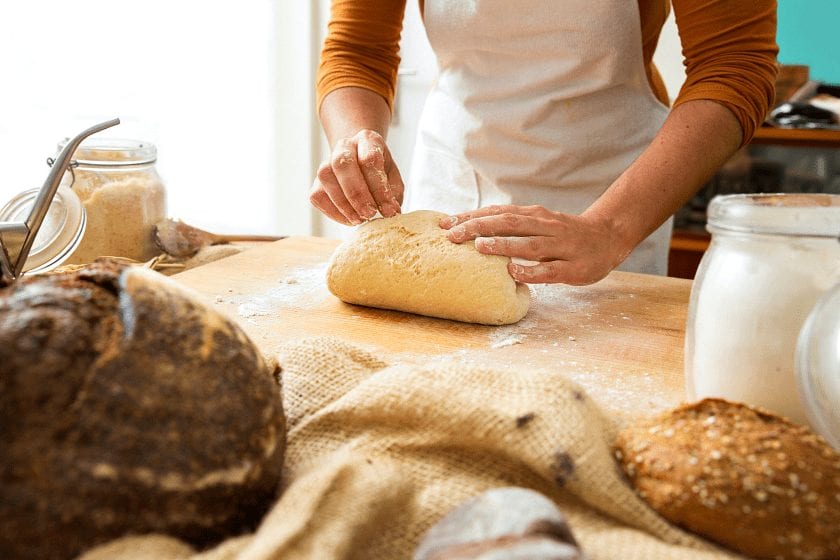
Baking gluten-free treats is fun and creative. Use gluten-free flour like garbanzo bean flour for delicious cakes and cookies. Seasonal fruits can make your muffins or tarts even tastier.
Gluten-free baking lets you try new textures and flavours. It's a great way to satisfy your sweet tooth and have fun in the kitchen.
Related Articles
The Bottom Line
Embracing a gluten-free lifestyle brings many health benefits. It helps those looking to ease symptoms or manage conditions like celiac disease. With 30% of adults in the US cutting down on gluten, there are now more gluten-free foods available. This makes it easy to enjoy tasty gluten-free choices without missing out.
Going gluten-free does more than just avoid gluten; it boosts overall health and encourages trying new foods. With millions choosing gluten-free, it shows how important it is to think about what we eat. A balanced gluten-free diet can satisfy cravings and ensure you get all the nutrients you need.
The path to a gluten-free life is both tasty and fulfilling. By trying different recipes and gluten-free products, you can keep your diet interesting and healthy. This lifestyle offers a world of delicious and nutritious options. It lets you enjoy meals without gluten.
Embrace Inspiration
Like What You Read? Be Sociable, Comment, And Share It! Thanks.
FAQ
A gluten-free diet means avoiding foods with gluten. Gluten is a protein in grains like wheat, rye, and barley. It's key for those with celiac disease, gluten sensitivity, or intolerance to stay healthy.
Gluten intolerance can cause bloating, stomach pain, diarrhoea, fatigue, and headaches. These symptoms can differ in people and often lessen when gluten is cut out.
For gluten-free meals, always check food labels and look for gluten-free labels. Choose grains like quinoa and brown rice. Also, avoid processed foods that might have hidden gluten.
Yes, going gluten-free can boost digestive health, energy, and reduce inflammation for those with gluten issues. Many people feel better overall without gluten in their diet.
Gluten-free foods include whole fruits, veggies, lean meats, legumes, nuts, seeds, and gluten-free grains. There are also gluten-free versions of traditional wheat products available.
To avoid gluten contamination, use separate tools for gluten-free foods. Clean any shared items well before using them again. Also, pick gluten-free baking supplies to keep things safe.
Many restaurants now have gluten-free choices. But, tell the staff about your dietary needs. Look for gluten-free labels or ask how they prevent cross-contamination.