
Why Your Body Won't Burn Fat (And How The Ketogenic Diet Fixes The Metabolic Switch)

Eating a low-fat diet rich in whole grains such as bread, rice, pasta, and cereal can easily make you fat and malnourished.
Mark Sisson ‧ Fitness author and former elite triathlete
Summary (TL;DR)
The ketogenic diet works by cutting carbohydrates to 20–50g daily, forcing your body to burn fat for fuel instead of glucose. This shift — called nutritional ketosis — takes 3–5 weeks to complete and comes with a real adaptation phase. For women, the hormonal benefits (reduced hunger, improved insulin sensitivity) can be significant, but the diet carries genuine trade-offs that most keto content glosses over. This guide covers how it actually works, what to expect week by week, and where it's worth the effort — and where it isn't.
Are you tired of doing "everything right" — counting every calorie and sweating through endless cardio — only to see the scale refuse to budge? You aren't failing your diet. Your metabolic switch might just be stuck.
It is easy to feel overwhelmed when a diet that promises transformation delivers confusion instead. Week one looks promising. Week two, the scale stalls. Week three, you're exhausted and wondering if this was a mistake. That pattern is predictable — and preventable — if you understand what's actually happening inside your body.
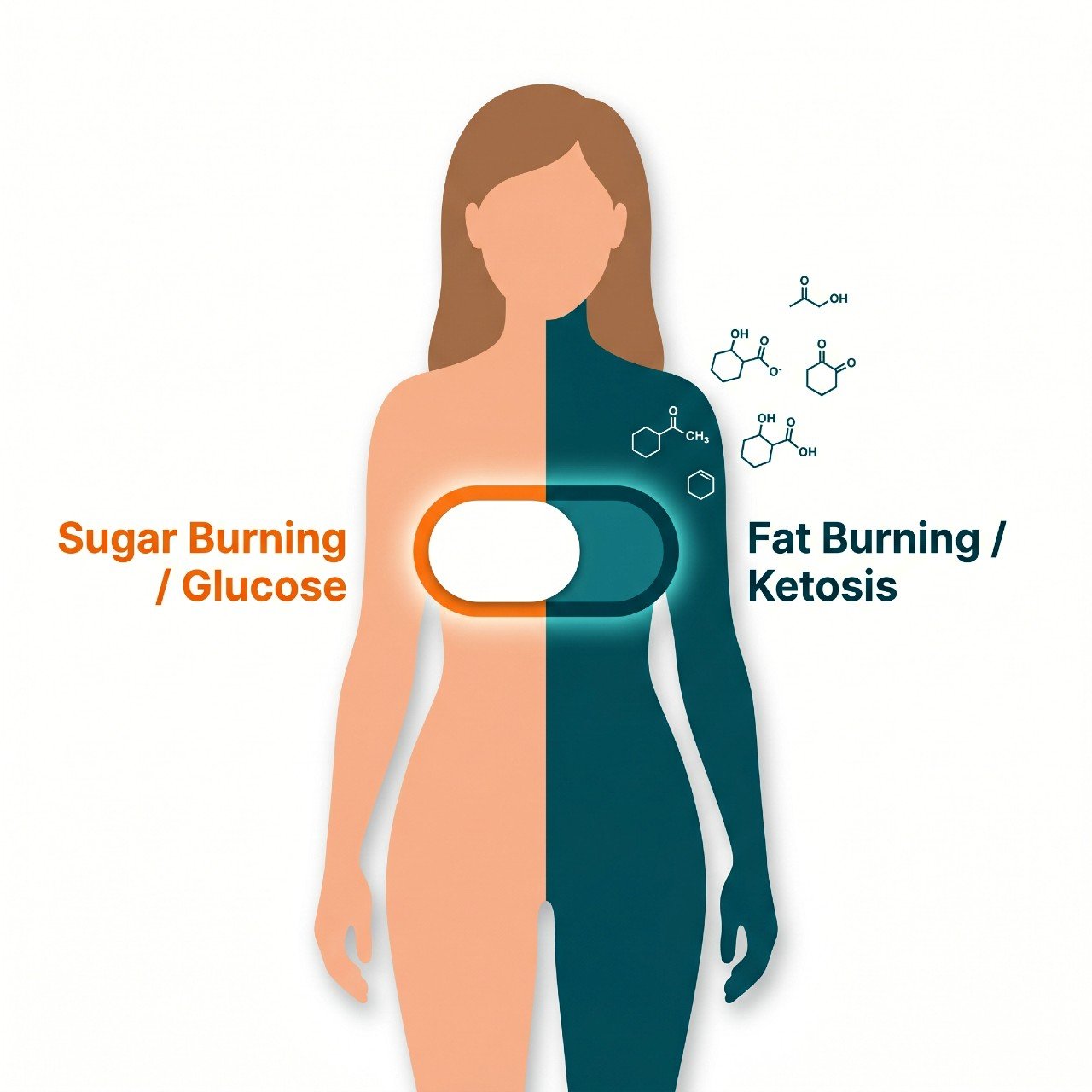
The Ketogenic Diet, or "Keto," is far more than a trend. It represents a profound metabolic shift. By implementing strict carbohydrate restriction, moderate protein, and high healthy fat intake, you are essentially training your body to transition from a "sugar-burning" state to a "fat-burning" one.
To determine if this path aligns with your long-term health goals, we must look past the viral headlines and ground our understanding in the technical reality of metabolic science.
In this comprehensive guide, we're stripping away the confusion. We'll show you exactly how to reach nutritional ketosis safely, maintain your energy, and finally achieve the lean body formula you've been working for.
Medical & Referral Disclaimer
This article is for informational purposes only. It is not intended to be a substitute for professional medical advice, diagnosis, or treatment. Always seek the advice of a physician or other qualified health provider with any questions you may have regarding a medical condition. Do not disregard professional medical advice or delay in seeking it because of something you have read in this article. This content is supported by the referenced studies, which provide the evidence base for these strategies.
Key Takeaways
- Nutritional Ketosis as a Metabolic Shift: The ketogenic diet works by drastically restricting carbohydrates (20–50g daily) to deplete glycogen stores, forcing the body to switch from burning glucose to burning fat for energy.
- The Week-Two Plateau Is Real — And Normal: The dramatic initial weight loss is mostly water, not fat. Knowing this in advance is the single most important factor in not quitting when the scale stalls.
- Hormonal Benefits for Women: Keto can help stabilize insulin sensitivity and lower ghrelin (the hunger hormone), making it a targeted metabolic intervention for women managing conditions like PCOS.
- The Keto-Hormone Nuance: For women over 35, the interaction between keto, cortisol, thyroid hormones, and estrogen is real and worth understanding — especially in the first few weeks of adaptation.
- Navigating the "Keto Flu": Symptoms like fatigue and headaches during the 3–5 week adaptation phase are signals of energy recalibration, not failure. They can be managed with electrolyte replenishment and gradual transition.
- Importance of Nutrient Density: Avoiding "Keto Malnutrition" requires going well beyond "bacon and butter." Prioritizing monounsaturated fats and micronutrient-dense swaps — leafy greens, nuts, berries — protects your long-term health.
- Critical Safety Distinctions: Nutritional ketosis is a safe metabolic state for most women. It must be clearly distinguished from ketoacidosis (a medical emergency). Women with Type 1 diabetes or on SGLT2 inhibitors require strict medical supervision.
Video Overview
It's A Metabolic State, Not Just A Food List (Understanding Nutritional Ketosis)
Keto is a specific biological state — not just a list of foods to eat or avoid. Its power lies in reaching and maintaining Nutritional Ketosis, where your body adapts to using fat as its primary fuel source rather than glucose.
The Biological Switch
Under typical conditions, your body relies on glucose from carbohydrates. When you restrict carbs to roughly 20–50 grams per day, you trigger a metabolic countdown. Over 3–4 days, your body exhausts its glycogen reserves (stored glucose) in the liver and muscles.
As insulin levels drop, the liver begins breaking down fats into three specific ketone bodies: beta-hydroxybutyrate (BHB), acetoacetate, and acetone. BHB is the dominant ketone in circulation and the primary fuel source for your brain once adaptation is complete.
What makes this shift significant is that BHB is more than just an energy substrate. Research has found it also acts as a signalling molecule — inhibiting histone deacetylases (HDACs) and influencing gene expression related to inflammation and cellular stress. This is one reason why researchers have been studying ketosis for conditions well beyond weight loss.
A Vital Distinction: Ketosis vs. Ketoacidosis
Nutritional ketosis is not the same as ketoacidosis. While nutritional ketosis is a controlled metabolic state with a normal blood pH, ketoacidosis is a dangerous medical emergency involving toxic levels of acid in the blood. For most healthy women, the body produces enough insulin to prevent excessive ketone buildup.
According to Harvard T.H. Chan School of Public Health's Nutrition Source, the brain can use ketones as a fuel source in the absence of glucose, and in healthy individuals, the body typically produces enough insulin to prevent ketone levels from reaching a dangerous threshold (ketoacidosis).

The "10 Pounds In 2 Weeks" Reality Check (Managing Expectations)
The dramatic early drop on the scale is real — but it is not fat loss. Understanding this distinction upfront may be the most important thing you read in this entire article.
The Sodium And Water Connection
Glycogen is stored with water in the muscles — approximately 3–4 grams of water per gram of glycogen. As glycogen is depleted during the first few days of carbohydrate restriction, that water is released. Simultaneously, the drop in insulin signals the kidneys to excrete surplus sodium, pulling even more water from the body. The result: a rapid initial drop that is primarily fluid, not fat.
Long-Term Perspectives
True fat loss follows this initial water shed. Clinical data show that while keto can produce slightly greater short-term weight loss than a low-fat diet, the difference at one year is often as small as 2 pounds. For sustainable weight management, the goal must be metabolic flexibility and adherence — not chasing the first dramatic (but largely temporary) plunge.
This is the reality the keto marketing complex rarely advertises. But understanding it means you won't quit in week three when the scale stalls, because you'll know exactly why it stalled and what comes next.
The One Keto Mistake Women Make In Week Two (And How To Avoid It)
Most women who quit keto, quit in week two. Not because the diet stopped working — but because it looks like it did.
Here's the pattern: Week one delivers a dramatic 5–8 pound drop (water weight, as explained above). Then week two arrives, glycogen is already depleted, and the water weight is already gone. The scale barely moves. Cravings are still present. Energy is inconsistent. And the thought arrives: "This isn't working for me."
It is working. Week two is precisely when fat-burning metabolism is beginning to establish itself — it just doesn't announce its arrival loudly. The dropout rate data from keto adherence studies is consistent: retention drops sharply after the first few weeks, and the primary driver is unmet expectations from the initial plateau, not the diet itself.
The fix is a mental model, not a dietary change. Reframe week two as "metabolic rewiring week" — the unglamorous but essential phase between losing water and losing fat. Keep your macros tight. Trust the electrolytes. Do not increase calories. The adaptation is happening; it just isn't visible on the scale yet.
Mary's note: The women who succeed on keto are almost never the ones with the most willpower. They're the ones who understood in advance that week two would feel like failure — and prepared for it.
The "Keto Flu" Is A Signal, Not A Failure (The Adaptation Phase)
Fatigue. Headaches. Irritability. Brain fog. If this sounds familiar from your first week on keto, you are not alone — and you are not doing it wrong.
The transition period — lasting roughly 3–5 weeks — is when your body "rewires" its energy systems. During this time, many women experience what's commonly called "Keto Flu."
A 2020 study analysing 300 users across 43 online forums confirmed that approximately one third of keto followers experience these symptoms, with the most common being fatigue, headache, nausea, dizziness, and "brain fog." Symptoms typically peak in week one and resolve within four weeks.
This isn't the diet failing. It's your body undergoing a major energy recalibration — and it is manageable.
Actionable Management Steps
The frustration of feeling worse before you feel better is real. The key is not to push through on willpower alone, but to support your body's mineral balance so the transition is as smooth as possible.
Checklist For Managing Symptoms:
- Replenish Electrolytes: Actively supplement Sodium, Potassium, and Magnesium. When insulin drops, the kidneys excrete more sodium — taking potassium and magnesium with it. This mineral loss, not ketosis itself, is what causes most keto flu symptoms.
- Prioritize Hydration: Drink water consistently throughout the day to offset the initial diuretic effect.
- Sip Bone Broth: A practical source of both hydration and natural minerals, particularly sodium.
- Transition Gradually: Easing carbs down over 1–2 weeks rather than cutting cold turkey can significantly reduce symptom severity.
- Allow for Rest: Your mitochondria are literally restructuring their fuel-processing machinery. Give your body space to adapt during the first month.
What No One Tells You About Keto And Your Hormones After 35
Keto affects more than insulin and hunger hormones — and for women over 35, the hormonal picture is more complex than most guides acknowledge.
A pilot randomized-controlled crossover trial found that the ketogenic diet significantly lowered T3 (active thyroid hormone) concentrations compared to a high-carbohydrate diet, while T4 levels increased. This T3 reduction reflects a metabolic efficiency adaptation rather than hypothyroidism — but for women who are already managing thyroid issues, it warrants attention and monitoring.
Additionally, research on sex-based differences in keto responses has found that short-term adherence can temporarily raise cortisol concentrations as the body transitions to fat as its primary fuel source. Elevated cortisol interacts with estrogen — and during the luteal phase of the menstrual cycle specifically, this can amplify cravings for high-fat and high-sugar foods.
This is not a reason to avoid keto; it is a reason to time your keto start strategically (beginning just after your period, when hormonal pressure is lowest) and to be aware that cravings in weeks 1–2 may have a hormonal driver beyond willpower.
The practical takeaway for women over 35: The first four weeks of keto are hormonally noisy. Build your entry strategy around that reality — not against it.
Satiety vs. Starvation (The Hormonal Advantage)
The ketogenic diet's most underrated feature isn't fat loss — it's that it makes calorie restriction feel manageable rather than like deprivation.
The Impact On Ghrelin And Insulin
Research confirms that beta-hydroxybutyrate plasma concentration is associated with lower concentrations of ghrelin (the "hunger hormone") and higher concentrations of the satiety hormones GLP-1 and CCK.
By stabilizing insulin sensitivity and reducing the hormonal drive to eat, keto removes the constant background noise of hunger that makes other diets feel like a battle of willpower.
For many women, this shift is the most transformative aspect of the diet — not the fat loss itself, but the quiet that replaces the constant urge to snack.

A Note On Women's Health: PCOS
The hormonal stabilization is particularly significant for women managing Polycystic Ovary Syndrome (PCOS). A 2024 randomized controlled trial found that a ketogenic diet produced greater improvements in body measurements, metabolic factors, and reproductive hormones — including reductions in luteinizing hormone, free testosterone, and DHEA-s — compared to a moderate-carbohydrate diet in women with PCOS.
Because PCOS is fundamentally driven by insulin resistance, the reduction in circulating insulin through a ketogenic approach addresses the root metabolic driver, not just the symptoms.
Notably, a 2024 pilot study found that these benefits — including restored menstrual cycles in women with oligomenorrhea — were largely independent of body weight loss, even in normal-weight women. This is a meaningful finding: the mechanism is hormonal, not just caloric.
Diversity Is The Key To Avoiding The "Keto Pitfall" (Nutrient Density)
Keto is not a licence to eat only bacon, cheese, and butter. Restricting entire food groups like grains and legumes without deliberate substitution leads to genuine micronutrient gaps — Vitamin A, E, B6, fibre, calcium, and magnesium among them.
Protecting Long-Term Vitality
To avoid the clinical risks associated with poor keto execution — including kidney stones and decreased bone mineral density (a particular concern for women as they age) — prioritize healthy fats from monounsaturated sources like avocados and olive oil over excessive saturated fat from processed meats.
Your cardiovascular health and LDL cholesterol levels will thank you over the long term.

Smart Keto Swaps For Micronutrients
| Missing Nutrient-Dense Food | Keto-Friendly Alternative | Why It Matters |
|---|---|---|
| Whole Grains | Leafy Greens (Spinach, Kale), Flaxseeds | Provides B-vitamins, B6, and essential fibre |
| Starchy Veggies | Cruciferous Veggies (Cauliflower, Broccoli) | High in Vitamin C, fibre, and Vitamin A |
| High-Sugar Fruits | Berries (Raspberries, Blackberries) | Vital antioxidants with lower net carbs |
| Legumes | Nuts (Walnuts, Macadamias), Seeds | Rich in Magnesium, Vitamin E, and Calcium |
The "Keto-Friendly" Pantry: Quick Reference Guide
To maintain nutritional ketosis, align your daily macronutrients with the following target ratios:
- 70–80% Fat
- 10–20% Protein
- 5–10% Carbohydrates (aiming for 20–50g of net carbs)
How to Calculate Net Carbs: Total Carbohydrates − Dietary Fibre = Net Carbs. Fibre is indigestible and does not raise blood sugar, so it is subtracted from the total. This is the number that determines whether you stay in ketosis — not total carbohydrates.
Foods To Prioritize
- Healthy Oils: Extra virgin olive oil, avocado oil, coconut oil, and ghee.
- Proteins: Fatty fish (salmon, mackerel), grass-fed beef, poultry, eggs, and tofu.
- Non-Starchy Vegetables: Spinach, kale, broccoli, cauliflower, asparagus, and bell peppers.
- Fats & Dairy: Avocados, hard cheeses, butter, and heavy cream (in moderation).
- Nuts & Seeds: Macadamias, walnuts, almonds, chia seeds, and pumpkin seeds.
Keto Diet: Does It Really Work For Weight Loss?
Dr. O'Donovan explains the ketogenic diet for weight loss — a popular form of fasting involving consuming a very low amount of carbohydrates and replacing them with fat, which helps your body to burn fat for energy.
Foods To Avoid
- Grains: Wheat, rice, oats, pasta, bread, and cereals.
- Sugars: Soda, fruit juice, candy, honey, and maple syrup.
- Starchy Vegetables: Potatoes, sweet potatoes, corn, and peas.
- Most Fruits: Bananas, grapes, pineapple, and citrus (except small portions of berries).
- Legumes: All beans, lentils, and chickpeas.
The Keto Diet Uncovered: The Truth About Fat vs. Carbs
The contrarian take most keto advocates won't give you: keto is a powerful short-to-medium-term metabolic tool, not a magic long-term solution. Here's what the honest data shows.
| The Claim | What The Evidence Actually Says |
|---|---|
| "Keto melts fat faster than any other diet" | Short-term: yes, more than low-fat. Long-term (12 months): difference is ~2 pounds |
| "You'll never feel hungry" | BHB does reduce ghrelin for many women — but the mechanism is more complex and varies individually |
| "It's sustainable forever" | Dropout rates run 20–50% in most trials; adherence at 3 years drops to ~38% |
| "Keto is the only diet that works hormonally for women" | It has real hormonal advantages — but the cortisol and thyroid interactions in the first weeks are real trade-offs, not minor footnotes |
The conclusion is not "don't do keto." It's this: use keto as a metabolic reset, understand its trade-offs clearly, and build an exit strategy before you start. Whether that means cycling carbs back in after 90 days, or maintaining a modified version long-term, the women who succeed are the ones who go in with a plan — not a blind commitment.

The Transition Timeline: What To Expect
Your body needs time to retool its cellular energy machinery. Here is a realistic window of what you might experience, mapped against the actual physiology.
| Phase | What Is Happening Biologically | What You Might Feel |
|---|---|---|
| Days 1–3: The Emptying Phase | Glycogen stores depleting; insulin dropping | Rapid drop on scale (water weight), possible carb cravings |
| Week 1–2: The Adaptation Phase | Liver ramping up ketone production; mineral excretion elevated | Keto Flu symptoms most likely here; energy inconsistent |
| Weeks 3–5: Full Metabolic Adaptation | Brain and muscles running efficiently on BHB; mitochondrial density increasing | Energy and mental clarity stabilize; hunger decreases noticeably |
Most women find that weeks 3–5 are the reward for surviving weeks 1–2. The brain has adapted to using BHB, sugar-burning cravings fade, and the diet begins to feel genuinely sustainable. Getting to week three is the job. Everything else follows.
Fueling For Success: The Keto Macronutrient Blueprint
To maintain this metabolic switch, structure your meals around specific macronutrient targets. A standard ketogenic blueprint is distinctive for its exceptionally high-fat content and strictly moderate protein.
- Healthy Fats (70–80%): These are your primary energy pillars. Focus on whole sources — avocados, olive oil, nuts, fatty fish, and grass-fed butter.
- Moderate Protein (10–20%): Essential for muscle preservation, but protein must stay moderate. Excess amino acids can be converted to glucose through gluconeogenesis, potentially disrupting ketosis.
- Carbohydrate Restriction (5–10%): This is the lever that maintains ketosis. Track net carbs — total carbohydrates minus dietary fibre — and keep this under 50g daily, ideally under 30g in the first two weeks.
The Keto Diet Uncovered: The Truth About Fat vs Carbs
Here, we’re talking about the keto diet, a global phenomenon that favours fats over carbohydrates and is lauded for its potential health benefits, such as improved blood sugar control and weight loss.
The Keto Food Guide
| Green Light (Foods to Embrace) | Red Light (Foods to Avoid) |
|---|---|
| Healthy Fats: Avocado, Olive Oil, Grass-fed Butter | Grains: Bread, Pasta, Rice, Cereal, Flour products |
| Protein: Fatty Fish (Salmon), Eggs, Poultry, Beef | Sugars: Soda, Juice, Candy, Honey, Syrups |
| Vegetables: Spinach, Kale, Broccoli, Cauliflower | Starchy Tubers & Veggies: Potatoes, Corn, Peas |
| Small Portions: Berries (Blackberries, Raspberries) | Legumes: Beans, Lentils, Chickpeas, Peanuts |
Your Keto Pantry: The "Swap This For That" Cheat Sheet
Success on keto is determined at the grocery store. Use this quick-reference table to keep your macros on track and inflammation low.
| Category | Limit/Avoid (High Carb / Pro-Inflammatory) | Enjoy (Keto-Friendly / Anti-Inflammatory) |
|---|---|---|
| Cooking Fats | Canola, Soybean, & Corn Oil | Grass-fed Butter, Ghee, Avocado Oil |
| Proteins | Processed Deli Meats with Sugar/Fillers | Wild-caught Salmon, Ribeye, Pastured Eggs |
| Snacks | Pretzels, Low-fat Yogurt, Crackers | Macadamia Nuts, Pecans, Hard Cheeses |
| Sweeteners | Agave, Honey, Brown Sugar | Monk Fruit, Erythritol, Stevia |
| Vegetables | Potatoes, Corn, Carrots | Spinach, Kale, Cauliflower, Zucchini |
Pro-Tip: Focus on single-ingredient foods. If the food has a label with a long list of chemical names, it's likely not keto-approved — and it's almost certainly working against you.
Troubleshooting The Shift: "Keto Flu" And Safety
As your body shifts its mineral and water balance, side effects are common. The 2020 Frontiers in Nutrition study confirmed approximately one-third of keto followers experience keto flu symptoms. If you feel this way, you are not failing. Your body is adjusting.
Join Our Mailing List
Join thousands of women inside our community and receive our free guide, 10 Actions That Support Permanent Weight Loss — the exact behavioural shifts that make the difference between a two-week attempt and a lasting transformation.
No restriction plans. No guilt. Just what actually works — for real women with real lives.

Managing The "Keto Flu"
The most common symptoms — fatigue and headaches — are primarily caused by mineral and water loss, not ketosis itself.
- Stay Hydrated: Drink plenty of water throughout the day.
- Replenish Electrolytes: Focus on sodium, potassium, and magnesium specifically.
- Transition Gradually: Reducing carbs over 1–2 weeks rather than cutting all at once reduces severity significantly.
Pro-Tip: Why electrolytes matter? When insulin levels drop, your kidneys excrete more sodium. This diuretic effect is why many women find relief by adding a pinch of sea salt to water or sipping bone broth during the first week. It's not a comfort ritual — it's biochemistry.
A Note On Safety
- Type 1 Diabetes: Individuals with Type 1 Diabetes are at high risk for ketoacidosis and must be under strict medical supervision before attempting keto.
- SGLT2 Inhibitors: If you take this medication class for Type 2 Diabetes, avoid the ketogenic diet due to the risk of euglycemic diabetic ketoacidosis.
- Long-term Heart Health: While keto is effective for short-term weight loss and blood sugar control, long-term lipid data is mixed. Professional monitoring of lipid levels is recommended beyond the initial 90-day window.
Join thousands of women inside our community and receive our free guide: 10 Actions That Support Permanent Weight Loss — the practical, sustainable habits that translate everything you just read into real, lasting results.
No fad diets. No extreme plans. Just what the research actually supports — written for real women. Click here to join.
The Bottom Line
The Ketogenic Diet is a high-precision metabolic tool. It offers proven advantages for weight management, body fat reduction, and insulin sensitivity — and for women managing PCOS or insulin resistance specifically, it addresses the root hormonal mechanism, not just the symptoms.
But it is not a one-size-fits-all miracle, and the marketing around it does women a disservice by skipping over the adaptation reality. The first two to three weeks are genuinely hard. The hormonal interactions are real. The week-two plateau is real. And the long-term adherence data show that most people don't maintain strict keto beyond a year.
Our honest take: Use keto as a powerful 90-day metabolic reset. Understand what is happening physiologically at each stage. Build your exit strategy — whether that's a modified low-carb approach or cyclical carb reintroduction — before you begin. And accept that the "keto works, but not like you think it works" answer is more useful than any before-and-after photo.
As you consider your wellness journey, ask yourself: how would my energy levels and my relationship with food change if I focused on feeding my metabolism for efficiency rather than simply eating for restriction?
Glossary Of Key Terms
- Nutritional Ketosis: A metabolic state induced by carbohydrate restriction where the body burns fat and ketones for fuel instead of glucose.
- Beta-hydroxybutyrate (BHB): The primary ketone body used by the brain for energy and a signaling molecule that influences gene expression related to inflammation.
- Glycogen: The stored form of glucose found in the liver and muscles, which is depleted during the initial stages of a ketogenic diet.
- Gluconeogenesis: The metabolic pathway through which the body creates glucose from non-carbohydrate sources, such as excess protein.
- Ghrelin: Known as the "hunger hormone"; its levels are typically suppressed by the presence of BHB, leading to increased satiety.
- Ketoacidosis: A critical medical condition involving dangerously high levels of ketones and blood acidity, distinct from the safe state of nutritional ketosis.
- Net Carbs: The total amount of carbohydrates in a food minus its fiber content; the primary metric for maintaining ketosis.
- Electrolytes: Essential minerals (sodium, potassium, magnesium) that must be replenished on keto due to increased excretion by the kidneys.
- Metabolic Flexibility: The body's ability to efficiently switch between burning carbohydrates and burning fat for energy.
- PCOS (Polycystic Ovary Syndrome): A hormonal disorder driven by insulin resistance that may see improvement through the insulin-lowering effects of a ketogenic diet.
FAQ
What Is The Ketogenic Diet?
The ketogenic diet is a high-fat, low-carbohydrate, moderate-protein eating pattern. By drastically reducing carbohydrate intake and replacing it with fat, it shifts your body into a metabolic state called nutritional ketosis, where fat, rather than glucose, becomes your primary fuel source.
How Does The Ketogenic Diet Work?
When carbohydrate intake drops below approximately 50g daily, your body depletes its stored glycogen. Once glycogen stores are exhausted, the liver begins converting fat into ketone bodies — beta-hydroxybutyrate, acetoacetate, and acetone — which the brain and other organs use for energy. This is the mechanism behind keto fat burning.
What Are The Benefits Of The Ketogenic Diet?
The strongest evidence supports keto for short-to-medium-term weight loss, improved blood sugar control, reduced hunger (via lower ghrelin), and — particularly for women with PCOS — meaningful improvements in insulin sensitivity and reproductive hormones. Some evidence also supports its use for epilepsy management and metabolic syndrome.
What Are The Risks Of The Ketogenic Diet?
The most common risks include electrolyte imbalances during the adaptation phase, potential kidney stones with long-term use, and modest reductions in T3 thyroid hormone. Women with thyroid conditions, kidney disease, Type 1 Diabetes, or those on SGLT2 inhibitors should not attempt keto without direct medical supervision.
What Are Some Ketogenic-Friendly Foods?
Prioritize: fatty fish (salmon, mackerel), pastured eggs, grass-fed beef, avocados, olive oil, nuts (macadamias, walnuts), non-starchy vegetables (spinach, kale, broccoli, cauliflower), and small portions of berries. These provide both the macronutrient profile and the micronutrient density that protect long-term health on keto.
What Does A Simple Keto Day Look Like?
- Breakfast: 2–3 eggs with avocado and sautéed spinach in olive oil
- Lunch: Grilled salmon over mixed greens with olive oil dressing and a handful of walnuts
- Dinner: Grass-fed ribeye with roasted broccoli and cauliflower mash
- Snack: A small portion of macadamia nuts or hard cheese
Is Keto Right For Me If I've Tried It Before And Quit?
Almost certainly, yes — if you now understand why you quit. The most common reason women leave keto is the week-two plateau (water weight gone, fat loss not yet visible) combined with unmanaged keto flu. Both are predictable and manageable. If your first attempt lacked that context, this guide gives you what your previous attempt didn't. Start with a gradual carb reduction over 5–7 days, prepare your electrolytes in advance, and plan through week three before you evaluate whether it's working.
How Do I Know If Keto Is Working For Me As A Woman?
Look for stable energy, manageable hunger, training performance you can sustain, and a downward trend in waist or average weight over several weeks—not day-to-day ketones alone. If sleep, mood, or cycles worsen, loosen carbs slightly around training and reassess with a clinician if needed.
Hi Mary,
Absolutely informative and amazing blog. keep it up!!
Thank you, Manish. I am glad you find it helpful.