Surprising High-Protein Foods To Transform Your Weight Loss Journey

The only secret to food combination is a balance of protein, carbs and fat - they all play a key role in our health.
Jorge Cruise
Achieving sustainable weight loss requires a strategic focus on high-quality protein sources that optimize metabolic health and ensure long-term satiety. By prioritizing lean protein options like Greek yogurt, wild-caught salmon, and eggs, women can effectively manage hunger while supporting muscle mass preservation during a calorie deficit.
Incorporating these nutrient-dense foods into a daily routine not only stabilizes blood sugar but also leverages the thermic effect of food to accelerate fat loss. This evidence-based approach provides a foundational pillar for anyone seeking a healthier, leaner physique.
With any diet, it's important to find the right balance of nutrients. This can be difficult sometimes because we often associate certain types of nutrients with foods that we often avoid during dieting. An example of this is a protein.
For many, the most exhausting part of weight loss isn't the workout—it’s the "hunger gap." It is that relentless space between meals where cravings peak and willpower begins to erode. If you have ever felt like you were wrestling with hunger all day, understand that this is rarely a failure of discipline; it is often a sign of a missed macronutrients opportunity.
In my practice, I guide women to stop viewing food through the lens of deprivation and start curating a metabolic environment that favors fat oxidation. Transitioning to a high-protein diet is the ultimate weight loss strategy because it transforms protein from a simple building block into a sophisticated metabolism booster.
Beyond its role in muscle recovery, protein is the lever that shifts your body from "survive" to "thrive," making weight management feel like a natural byproduct of a well-nourished system rather than a daily chore.
Key Takeaways
- Master Hunger Hormones: Protein is the "gold standard" for satiety because it actively reduces ghrelin (the hunger hormone) while increasing peptide YY, the messenger that signals fullness to the brain.
- Leverage the Thermic Effect: Unlike fats or carbohydrates, protein has a high Thermic Effect of Food (TEF), meaning your body burns significantly more calories just by digesting and processing it.
- Prioritise "Pure" Proteins: While chicken is a staple, turkey breast is technically a "purer" source, with protein making up 82% of its calories compared to chicken's 73%.
- Utilise the "Add a Zero" Shopping Hack: To quickly identify high-protein snacks, add a zero to the grams of protein per serving; if that number is equal to or higher than the total calories, it is a high-protein win.
- Optimise Plant-Based Satiety: For those following a vegetarian diet, combining complete proteins like tempeh with high-fiber lentils creates a "satiety duo" that ensures long-lasting fullness.
- Focus on Metabolic Health: Shifting to a high-protein diet does more than cut calories; it protects lean muscle mass, fuels cellular repair, and creates a metabolic environment that favours fat oxidation.
Powerful Protein Foods For Dieting
Data synthesised from the websites of the Harvard Health Publishing, USDA FoodData Central, Weight Watchers, Moshy Health | Interactive dashboard
The Satiety Secret: Curating Fullness Through Amino Acids
The reason protein is the "gold standard" for satiety lies in its complex interaction with your hormones. When you consume high-quality Amino Acids, your body signals a reduction in ghrelin (the "hunger hormone") while simultaneously increasing peptide YY, the chemical messenger that tells your brain you are truly satisfied. This is why protein scores significantly higher on the Satiety Index than fats or carbohydrates.
However, the real "Integrative Nutritionist" secret is the Thermic Effect of Food (TEF). Protein requires significantly more energy to digest and process than other nutrients. This means you are essentially burning more calories simply by metabolizing your meal, helping you avoid that dreaded 3 PM slump and late-night grazing.
Protein is a powerful macronutrient. It can help control your appetite, make you feel fuller for longer and reduce cravings. It can also help you retain muscle while losing fat.
The "Purest" Contenders: Lean Poultry And The Turkey Advantage
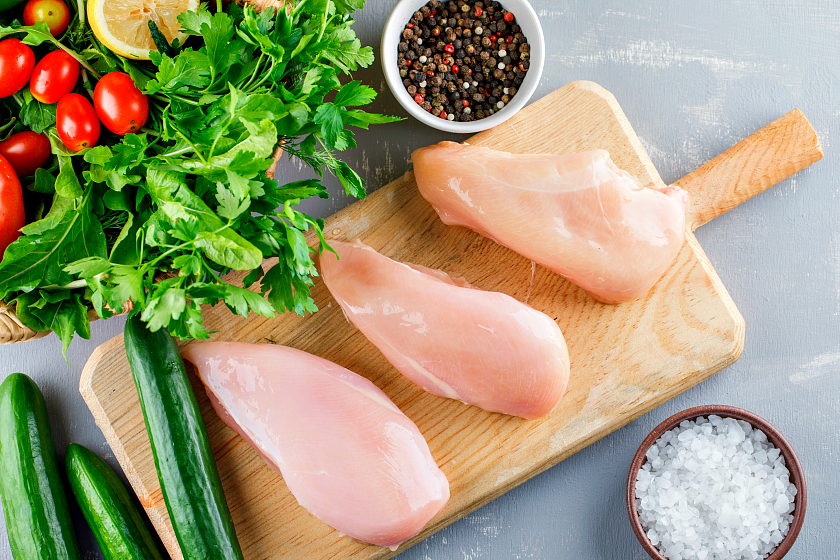
While Lean Chicken Breast is a staple—offering 31g of protein per 100g and essential nutrients like Niacin and B6—there is a "purer" contender you might be overlooking.
Turkey Breast: The Metabolic Secret
According to recent data, roasted Turkey Breast provides up to 30g of protein per 100g. While chicken is roughly 73% protein by calorie, turkey breast sits at a staggering 82%.
This makes it technically the "purer" protein source for those seeking maximum Nutritional Value with minimal caloric overhead. It is also rich in tryptophan, which aids in serotonin synthesis—crucial for maintaining a stable mood while dieting. I recommend opting for skinless white meat to maximize these benefits.
What Are You Waiting For? Start Making A Real Difference Now!
The Sea’s Hidden Gems: Nutrient Density And Mercury Nuance
Seafood is a literal game-changer for volume eaters. It allows you to consume a significant amount of food for very few calories, keeping your plate full and your Low Carb Foods diverse.
- Shrimp: A powerhouse offering 23g of protein per 100g. It is rich in astaxanthin, an antioxidant that helps reduce oxidative damage.
- Cod and Alaskan Pollock: These are almost "pure protein" and water. Cod provides 19g of protein per 100g (89% of calories).
- The Mercury Nuance: While seafood is vital, I advise a clinical approach to sourcing. Alaskan Pollock is an FDA "best choice" due to low mercury. However, I recommend that pregnant or breastfeeding women limit Tuna and Tilapia to 2–3 servings a week, and Halibut to just one serving per week due to higher methylmercury levels.
12 High-Protein Foods For Weight Loss
Here are 12 high-protein foods for weight loss that don't include chicken breast or protein powder.
The Dairy Revolution: Fermented Powerhouses
Fermented dairy has made a major comeback in high-end wellness circles, and for good reason.
Greek Yogurt And The "Dry" Trend Greek Yogurt
It contains roughly 10.3g to 15g of protein per 100g—nearly double that of regular yogurt. The "Dry Yogurt" trend is particularly effective; by straining the yogurt further, you create a concentrated, creamy paste that is incredibly high in protein and probiotics, perfect for gut health and fat loss.
The Cottage Cheese Comeback
With approximately 24g of protein per cup, Cottage Cheese is a versatile Healthy Meal Prep staple. In my kitchen, I recommend blending it into a silky, high-protein Alfredo sauce or using it as a base for high-protein pancakes. It provides a creamy texture without the heavy saturated fats of traditional sauces.
Join Our Mailing List
See how easily you can get fitter.
Sign up to get your free PDF report on 10 Actions That Support Weight Loss sent to your inbox!
Plant-Based Power: Complete Proteins And The Fiber Factor
For those prioritizing Plant Based Sources, the goal is to find "complete" proteins that provide all nine essential Amino Acids.
- Tofu and Tempeh: These soy-based powerhouses are non-negotiable for vegetarians. Tempeh, being fermented, offers 20.3g of protein per 100g and is easier on the digestive system.
- Lentils: The Satiety Duo: Lentils are a nutritionist's favorite because they combine 18g of protein per cup with 15g of fiber. This "Protein + Fiber" combination is the ultimate secret for long-lasting fullness.

TIP: Identifying truly high-protein snacks shouldn't require a degree in dietetics.
Surprising Protein "Hacks" And The "Add A Zero" Trick
Identifying truly high-protein snacks shouldn't require a degree in dietetics. I teach my clients the "Add a Zero" Trick to use while walking the grocery aisles:
- Look at the grams of protein per serving.
- Add a zero to that number.
- Compare it to the total calories. If the calories are equal to or less than that number, it’s a high-protein win.
Example: Bocconcini Cheese has 8g of protein. Add a zero to get 80. Since a serving is only 70 calories, it passes the test beautifully.
Join Our Mailing List
Are you ready to get in shape? Join us and get the list of top 10 actions that support PERMANENT weight loss and make you look and feel better without being hungry in the process!
Quick-Start Scannable Protein Boosters
- Parmesan Cheese: A surprising 10g of protein per ounce; perfect for a savory flavor boost.
- Hemp Seeds: 3 tablespoons provide 10g of plant protein and heart-healthy omega-3s.
- Jerky: A convenient on-the-go snack (choose low-sodium, low-sugar varieties).
- Whey Protein: An efficient supplement for Muscle Recovery, often providing 27g of protein for just 110 calories.
- The Combo Hack: Maximize satiety by combining sources—try adding black beans to turkey nachos for a synergistic protein and fiber hit.
Related Articles
The Bottom Line
Just because you're on a diet doesn't mean you have to eat the same boring protein over and over again. These five foods will give you the protein your body needs, while giving you the variety you crave.
Weight loss is no longer a struggle of "willpower versus hunger" when you prioritize nutrient-dense whole foods. By shifting your focus toward these high-protein powerhouses, you are doing more than just cutting calories; you are fueling your body’s cellular repair, protecting your lean muscle, and mastering your appetite.
Protein is the most important piece of the metabolic puzzle, but it works best alongside healthy fats and complex carbohydrates. Which of these surprising protein sources will you add to your grocery list this week to finally make hunger a thing of the past?
Embrace Inspiration: Like What You Read? Be Sociable, Comment, And Share It! Thanks.
Glossary Of Key Terms
• Amino Acids: The building blocks of protein that trigger hormonal signals for satiety and are essential for tissue repair.
• Astaxanthin: An antioxidant found in shrimp that helps reduce oxidative damage in the body.
• Complete Proteins: Plant-based or animal sources, such as tofu and tempeh, that provide all nine essential amino acids.
• Fat Oxidation: The metabolic process by which the body burns stored fat for energy, encouraged by a high-protein diet.
• Ghrelin: Known as the "hunger hormone," its levels are reduced in the presence of high-quality protein consumption.
• Macronutrients: The primary nutrients required by the body in large amounts, specifically protein, carbohydrates, and fats.
• Methylmercury: A toxic form of mercury found in certain fish; levels must be monitored in species like tuna and halibut.
• Peptide YY: A chemical messenger that increases after eating protein to signal the brain that the body is satisfied.
• Satiety Index: A scale used to measure how effective different foods are at reducing hunger and maintaining fullness.
• Serotonin: A neurotransmitter synthesized from tryptophan that helps maintain a stable mood during the dieting process.
• Thermic Effect of Food (TEF): The caloric cost of digesting and processing food, which is significantly higher for protein than for other nutrients.
• Tryptophan: An amino acid found in turkey that serves as a precursor to serotonin synthesis.
FAQ
Protein plays a pivotal role in weight loss primarily due to its high thermic effect, which means your body burns more calories digesting it compared to fats or carbohydrates.
Additionally, consuming adequate protein increases satiety hormones while reducing hunger hormones like ghrelin, effectively curbing cravings and helping you consume fewer calories naturally throughout the day. Beyond appetite control, a high-protein diet is essential for preserving lean muscle mass during a calorie deficit.
Maintaining muscle is vital for a healthy metabolic rate, ensuring that the weight you lose comes from fat stores rather than muscle tissue, ultimately leading to a leaner, more toned physique and sustainable long-term weight management results.
Some high-protein, low-calorie foods include chicken breast, turkey, lean cuts of beef, Greek yoghurt and pulses such as lentils and chickpeas. These foods provide a substantial amount of protein while being relatively low in calories, making them ideal for weight loss diets.
Yes, a plant-based diet can provide enough protein for weight loss. Foods, such as lentils, chickpeas, quinoa, tofu and various seeds and nuts are excellent sources of protein for those following a plant-based diet. They also provide additional nutrients and fibre that are beneficial for overall health.
Fish is an excellent source of protein and is generally low in fat, making it an ideal choice for a protein-rich diet. Oily fish such as salmon, trout and sardines are also high in omega-3 fatty acids, which are beneficial for heart health. Including fish in your diet a few times a week can make a significant contribution to your protein intake.
Eggs are an excellent choice for a protein-rich diet. Not only are they high in protein, but they also contain essential vitamins and minerals. The protein in eggs is considered high quality and contains all nine essential amino acids. They are also versatile and can be prepared in a number of different ways, making them a convenient source of protein.
Protein shakes or supplements can be a convenient addition to a dietary plan, especially for those with busy lifestyles or those who find it difficult to get their protein from food alone. They can be particularly useful after exercise to aid muscle recovery. However, it's important to choose supplements that are low in sugar and artificial additives, and to use them as a supplement to a balanced diet, not as a replacement for whole foods.
The most effective protein foods for dieting are those that are nutrient-dense and low in unnecessary calories. Lean meats like chicken breast and turkey are excellent staples because they provide high-quality protein with very little fat. Eggs are another powerhouse, offering a complete amino acid profile and healthy fats that promote fullness.
Fatty fish like salmon provide protein alongside omega-3 fatty acids, which support heart health and reduce inflammation. Greek yogurt is also a superior choice due to its high protein content and gut-healthy probiotics. Lastly, lean cuts of beef or plant-based options like lentils offer iron and fiber, ensuring you meet nutritional needs while adhering to your weight loss goals.
Protein significantly impacts metabolism through a process known as the Thermic Effect of Food (TEF). This phenomenon refers to the energy your body requires to digest, absorb, and process nutrients. Protein has a much higher TEF (20-30%) compared to carbohydrates (5-10%) and fats (0-3%), meaning you burn more calories simply by digesting protein-rich meals.
Furthermore, a higher protein intake supports muscle maintenance and growth. Since muscle tissue is metabolically active, having more lean muscle mass increases your resting metabolic rate (RMR), allowing you to burn more calories even when you are at rest. This dual effect makes protein a critical component for optimizing metabolic health during weight loss.
While protein is essential for weight loss, it is technically possible to consume too much, although it is difficult to do so from whole food sources alone. Ultimately, weight loss is governed by an energy balance; consuming a massive surplus of calories, even from protein, can lead to weight gain. However, because protein is so satiating, it is self-limiting for most people, making overconsumption unlikely.
The main concern with extremely high protein intake involves potential digestive issues or strain on the kidneys in individuals with pre-existing conditions. For the general population, prioritizing protein within a balanced, calorie-controlled diet is safe and highly effective. Focus on hitting your daily targets without excessive force-feeding to ensure optimal results.
The optimal protein intake for women seeking weight loss generally falls between 0.7 to 1 gram of protein per pound of lean body mass or target body weight. This amount ensures you have enough amino acids to support muscle repair and recovery, especially if you are incorporating exercise into your routine.
For a sedentary woman, the requirement might be slightly lower, but higher intakes are beneficial for controlling appetite and blood sugar levels. Spreading this intake across three to four meals throughout the day maximizes muscle protein synthesis and keeps energy levels stable.
It is always recommended to calculate your specific needs based on your activity level and goals or consult with a nutritionist for a personalized plan.
Join Our Mailing List
See how easily you can get fitter.
Sign up to get your free PDF report on 10 Actions That Support Weight Loss sent to your inbox!