Simple Postpartum Meal Prep Strategies For Exhausted New Moms
MARY JAMES
Women's Lean Body Formula
When I talk to new moms about meal planning after childbirth, most tell me the same thing: I barely have time to shower, let alone cook. If that sounds familiar, you are not alone — and you are not failing. You are simply doing one of the hardest things a human body can do.
The Executive Summary
Postpartum meal prep is essential for new moms to ensure proper nutrition for recovery, energy, mood stability, and milk supply if breastfeeding. The ideal time for freezer meal prep is during the third trimester, around weeks 28-36, to build a supply of 20-30 meals.
Prioritize meals rich in iron, protein, and healthy fats, focusing on easy, one-handed options like soups and casseroles. Remember that nutrition directly impacts postpartum recovery, so skip restrictive dieting and focus on nutrient-dense foods.
The postpartum period is relentless. You are running on fragmented sleep, your body is recovering from a major physical event, and somehow you are expected to nourish yourself properly — often while holding, feeding, or soothing a newborn at the same time.
Here is the truth that most birth preparation content skips entirely: what you eat in the weeks after birth directly affects how fast you heal, how stable your mood is, how much energy you have, and — if you are breastfeeding — the quality and quantity of your milk supply. Postpartum nutrition is not a nice-to-have. It is a recovery infrastructure.
Postpartum meal prep is the practice of preparing nutrient-dense, easy-to-reheat meals before or shortly after childbirth — so that nourishing food is available when you are too exhausted, too sore, or too occupied with a newborn to cook. It is the difference between grabbing processed snacks at 3 AM and having a bowl of iron-rich soup ready in ninety seconds.
This guide gives you everything: the best foods for recovery and breastfeeding, a step-by-step prep system, a full grocery list, a 4-week timeline, and honest advice for the days when even reheating feels like too much. No perfection required. Just nourishment, one meal at a time.
Medical & Referral Disclaimer
This article is for informational purposes only. It is not intended to be a substitute for professional medical advice, diagnosis, or treatment. Always seek the advice of a physician or other qualified health provider with any questions you may have regarding a medical condition. Do not disregard professional medical advice or delay in seeking it because of something you have read in this article. This content is supported by the referenced studies, which provide the evidence base for these strategies.
Key Takeaways
- Postpartum meal prep is essential survival planning, not perfectionism. Here's what matters most for exhausted new moms:
- Prep during weeks 28-36 of pregnancy for best results—aim for 20-30 freezer-friendly meals to cover your first crucial weeks postpartum when cooking feels impossible.
- Prioritize iron, protein, and healthy fats in every meal. Your body needs iron-rich foods (beef, lentils, spinach) to combat postpartum anemia, 70-100g of protein daily for tissue repair and milk production, and omega-3s (salmon, walnuts) for hormone balance and mental health.
- Focus on one-handed eating and minimal reheating—soups, casseroles, egg cups, and energy balls become lifesavers when you're holding a baby or running on two hours of sleep.
- Proper storage prevents wasted effort: Use freezer-safe containers, remove excess air, label everything with dates and reheat instructions, and freeze soups flat in bags to maximize space. Most meals stay fresh for 2-3 months.
- Nutrition directly impacts postpartum mood and recovery—inadequate eating worsens fatigue, increases postpartum depression risk, and compromises milk supply. Having ready-made meals removes barriers when you don't have the energy to cook.
- Skip the diet mentality entirely. Your body needs adequate calories and nutrients to heal from childbirth. Focus on nourishment first; healthy weight naturally follows over 6-12 months when you consistently eat nutrient-dense foods.
Video Overview
Why Does Postpartum Nutrition Matter More Than You Think?
Your body just performed an Olympic-level feat. Whether you delivered vaginally or via cesarean, your body needs specific nutrients to heal tissue, restore blood volume, balance hormones, and—if you're breastfeeding—produce up to 30 ounces of milk daily.
Research shows that inadequate postpartum nutrition is linked to slower physical recovery, increased fatigue, higher rates of postpartum depression, and compromised milk production for breastfeeding mothers. According to the CDC's guidelines on maternal diet and breastfeeding, nutrient-dense eating patterns directly impact both maternal health and infant development.
But let's be real: when you've been up since 4 AM with a crying newborn, the last thing you want to do is stand in the kitchen chopping vegetables. This is exactly why postpartum meal prep works. You're not trying to cook when you're exhausted—you've already done the work.
Watch this helpful overview on postpartum nutrition basics: #1 Tip for Better POSTPARTUM Recovery: DIET | Birth Doula
What Your Body Actually Needs After Birth
Your nutritional needs spike dramatically in the postpartum period. If you're breastfeeding, you need an extra 450-500 calories per day according to the USDA's Dietary Guidelines for Americans 2020-2025. But it's not just about quantity—it's about getting the right nutrients.
Iron tops the list. You lost blood during delivery, and your iron stores need replenishing. Iron-rich foods prevent the crushing fatigue that so many new moms attribute to sleep deprivation when it's actually postpartum anemia.
Think grass-fed beef, dark leafy greens, lentils, and pumpkin seeds. Research from The 360 Mama shows that combining heme iron (from animal sources) with non-heme iron (from plant sources) optimizes recovery.
- Protein is non-negotiable. Your body needs it to repair tissue, produce breast milk, and maintain muscle mass. Aim for 70-100 grams daily—more if you're breastfeeding. Eggs, chicken, fish, Greek yogurt, and legumes should become staples.
- Healthy fats support hormone production and brain function (both yours and your baby's if you're nursing). Omega-3s from salmon, walnuts, and flaxseeds are particularly important for postpartum mental health and reducing inflammation. The Mayo Clinic emphasizes that breastfeeding mothers especially need adequate healthy fat intake for both milk quality and hormonal balance.
- Complex carbohydrates give you sustained energy without the blood sugar crashes that make exhaustion worse. Sweet potatoes, quinoa, oats, and brown rice keep you fueled through those long days and nights. Similar to how you'd approach building lasting healthy habits, the foundation starts with balanced nutrition.
Don't forget hydration. If you're breastfeeding, you might need an extra liter of water per day. Dehydration tanks your energy and milk supply faster than anything else.
Breastfeeding And Diet - What I Should (And Shouldn't) Be Eating
What are you eating now that you're breastfeeding? For most people, probably nothing different to what they would eat if they weren't breastfeeding. And that's mostly fine. However, there are a few things to bear in mind when choosing what to eat while you are lactating.
When Should You Start Postpartum Meal Prep?
The ideal time to prepare postpartum freezer meals is during your third trimester, specifically between weeks 28-36, when you still have energy but aren't yet in the unpredictable final weeks of pregnancy. This gives you a fully stocked freezer before your due date arrives.
That said, not everyone has the energy or foresight to prep before baby arrives. If you're reading this with a newborn already in your arms, don't panic. You can still implement postpartum meal prep strategies that work for your current situation.
Third Trimester Prep: The Ideal Scenario
If you're still pregnant, dedicate one or two days to a massive cook-and-freeze session. Invite a friend, put on a podcast, and make it manageable. Focus on:
- Breakfast options like baked egg cups, overnight oats portions, and smoothie freezer packs
- Lunch and dinner meals like soups, stews, casseroles, and marinated proteins
- Snacks like energy balls, muffins, and pre-portioned nuts
Aim for at least 20-30 meals, so you're covered for the first crucial weeks. Trust me, future-you will weep with gratitude when you open that freezer at 2 AM.
Get inspired by this comprehensive meal prep session: Prepping 3 weeks of freezer meals before baby! dinner, breakfast, & treats!
Join Our Mailing List
Join thousands of women inside our community and receive our free guide, 10 Actions That Support Permanent Weight Loss — the exact behavioural shifts that make the difference between a two-week attempt and a lasting transformation.
No restriction plans. No guilt. Just what actually works — for real women with real lives.
Already Postpartum? Here's Your Strategy
If the baby is already here, you need a different approach. You're not doing marathon prep sessions—you're working smarter.
- Utilize your meal train. When people ask how they can help, be specific: "A big batch of chicken soup we can freeze in portions would be amazing." Don't be shy about this. People genuinely want to help; they just need direction.
- Batch cook during contact naps. If your baby sleeps on you, this isn't cooking time. But if you have a 20-minute window when they're in the bassinet, you can throw together a simple slow cooker meal or chop vegetables for the week.
- Use grocery delivery services. Order pre-cut vegetables, rotisserie chickens, pre-cooked grains, and other semi-prepared ingredients. Yes, they cost more. They're worth it. Just as with managing fitness goals when exhausted, sometimes convenience is the key to consistency.
- Partner participation is mandatory. If you have a partner, they need to be actively involved in meal prep. This isn't optional. Your job is to recover and care for a newborn—not to be the sole household chef.
What Are The Best Postpartum Meal Prep Ideas For New Moms?
The best postpartum meal prep ideas are nutrient-dense, freezer-friendly meals that reheat easily and can be eaten one-handed, such as hearty soups, casseroles, pre-portioned breakfast options, and energy-dense snacks.
These meals support recovery and breastfeeding while requiring minimal effort to prepare and consume. Let's break down specific meal ideas that actually work in the trenches of new parenthood.
Freezer-Friendly Breakfast Options
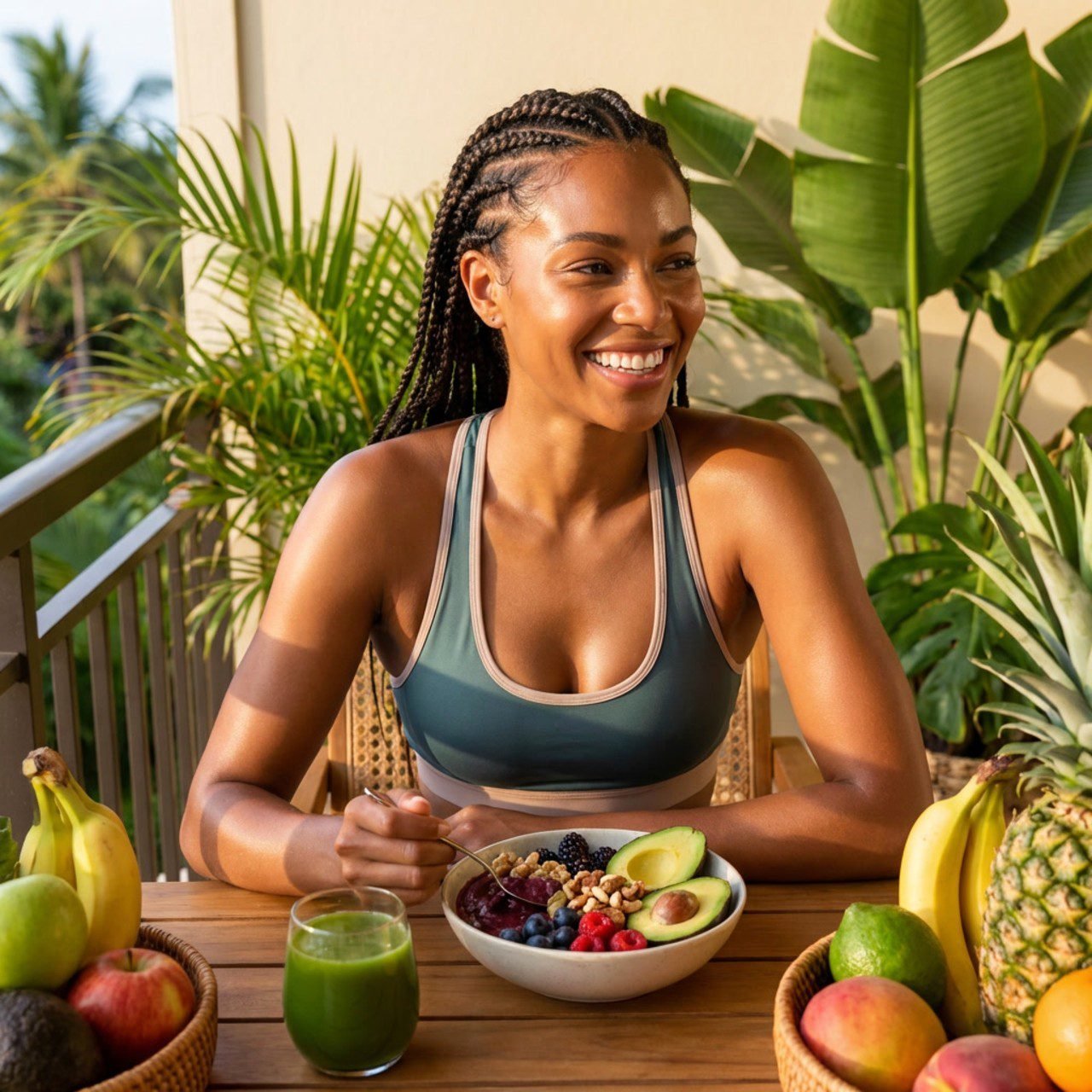
Breakfast is often the most skipped meal for new moms, yet it's critical for setting your blood sugar and energy levels for the day.
- Baked egg cups are genius for postpartum. Mix eggs with vegetables, cheese, and cooked sausage or bacon, pour into muffin tins, bake, and freeze. Pop one in the microwave for 60 seconds and you've got a protein-packed breakfast you can eat while breastfeeding.
- Watch this quick tutorial on freezer breakfast cups: Postpartum Breakfast Freezer Cups
- Overnight oats in jars can be prepped in bulk. Combine oats, chia seeds, milk (dairy or plant-based), and your choice of add-ins like peanut butter, berries, or banana. Make ten at once, refrigerate for the week, or freeze for longer storage. Research shows that oats may support lactation through their iron content and potential effects on prolactin.
- Smoothie freezer bags save you morning decision-making. Pre-portion fruits, vegetables, protein powder, and any add-ins into individual bags. When you want a smoothie, dump the contents into your blender with liquid and blend. It's fast enough to make even when you're half-asleep.
- Breakfast burritos freeze beautifully. Fill large tortillas with scrambled eggs, black beans, cheese, salsa, and avocado. Wrap individually in foil, freeze, and reheat in the oven or microwave. They're portable and satisfying. Similar to how you'd plan nutrition for hormone balance, these breakfast options combine protein, healthy fats, and complex carbs.
Hearty Soups And Stews
Soups are the MVP of postpartum meal prep. They're hydrating, easy to digest, packed with nutrients, and you can eat them with one hand while holding a baby.
- Chicken soup is classic for a reason. Make a huge batch with bone broth (for collagen and minerals), shredded chicken, vegetables, and noodles or rice. Freeze in individual portions using wide-mouth mason jars or freezer-safe containers.
- Lentil and vegetable soup delivers protein, fiber, and iron without any meat. Red lentils cook quickly and break down into a creamy texture. Add carrots, spinach, tomatoes, and warming spices like cumin and turmeric for anti-inflammatory benefits.
- Beef chili is protein-rich, iron-rich, and incredibly satisfying. Make it in a slow cooker or Instant Pot, portion it out, and freeze. Top with cheese and sour cream for extra calories and healthy fats.
- Thai coconut curry soup provides healthy fats from coconut milk, vegetables, and your choice of protein. The warming spices support digestion and reduce inflammation.
Get more freezer meal inspiration here: 5 freezer meals for new moms
Join Our Mailing List
Thousands of women in our community have navigated exactly what you are navigating right now — the exhaustion, the recovery, the pressure to do everything well when your body is asking you to simply rest and heal.
Inside our free guide, you will find the 10 daily habits that help women build a foundation of sustainable nourishment — starting gently, building gradually, and never from a place of restriction or guilt.
Easy Dinner Meals That Freeze Well
Dinner meals should require zero mental energy. You want things you can reheat and eat without thinking.
- Casseroles are your friend. They're complete meals in one dish and freeze perfectly. Try chicken and rice casserole, shepherd's pie with sweet potato topping, or enchilada casserole. Make two, eat one, freeze one.
- Marinated proteins save you so much time. Prepare chicken breasts, salmon fillets, or pork chops with marinades in freezer bags. When you're ready to cook, thaw and bake. Pair with frozen vegetables and microwaveable rice for a complete meal in 20 minutes.
- Pasta bakes like baked ziti, lasagna, or stuffed shells are carb-heavy comfort food that also delivers protein and vegetables. Assemble in disposable aluminum pans so you don't tie up your cookware in the freezer.
- Meatballs and sauce give you multiple meal options. Freeze meatballs separately from sauce so you can portion exactly what you need. Serve over pasta, in a sub sandwich, or with roasted vegetables.
- Pulled pork or chicken made in a slow cooker shreds easily and freezes in portions. Use it for tacos, sandwiches, rice bowls, or salad toppers.
Quick Postpartum Snacks You Can Grab One-Handed
This is where the real survival happens. You need snacks that you can grab from the fridge or pantry and consume while nursing, changing a diaper, or bouncing a baby.
- Energy balls pack serious nutrition into bite-sized portions. Blend dates, nuts, oats, protein powder, chia seeds, and dark chocolate chips. Roll into balls and refrigerate. They're essentially healthy cookies that don't require a plate or utensils.
- Hard-boiled eggs are pure protein and incredibly easy to prep. Make a dozen at once, keep them in the fridge, and eat them with a sprinkle of salt or everything bagel seasoning.
- Nut butter packets are portable and calorie-dense. Pair with apple slices, banana, or eat straight from the packet when you need quick energy.
- Greek yogurt bowls prepped in jars with granola, berries, and a drizzle of honey become grab-and-go breakfasts or snacks. The protein keeps you full longer than sugary snacks.
- Cheese and crackers aren't fancy, but they work. Pre-portion cheese cubes in small containers with whole grain crackers for a balanced snack.
- Trail mix made with nuts, seeds, dried fruit, and dark chocolate gives you healthy fats, protein, and just enough sweetness to feel like a treat.
- Lactation snacks like oatmeal cookies with brewer's yeast and flaxseed can support milk production if you're breastfeeding. Make a double batch and freeze half.
See one-handed breastfeeding snack ideas: 5 Breastfeeding snacks that you can eat with one hand



How Do You Actually Execute Postpartum Meal Prep?
To execute postpartum meal prep successfully, dedicate one or two days during your third trimester to batch cooking 20-30 freezer-friendly meals, store them properly in labeled containers with reheat instructions, and organize your freezer strategically for easy access.
This ensures you have nourishing food available when you're too exhausted to cook. Knowing what to make is one thing. Actually doing it is another. Here's the step-by-step approach that works.
Step 1: Plan Your Menu
Don't wing this. Sit down with a list of recipes, preferably ones you've made before so you know you like them. Choose 8-10 recipes that freeze well and use overlapping ingredients to save money and reduce waste.
For example, if you're buying rotisserie chicken, plan for chicken soup, chicken casserole, and chicken tacos. If you're buying ground beef, make chili, meatballs, and taco meat. Work smarter, not harder.
Write out your complete grocery list organized by store section. This prevents forgotten ingredients and multiple store trips.
Step 2: Choose Your Prep Day
Pick a day when you have help. This is not a solo mission. If your partner can't take the day off, invite your mom, sister, or best friend. Make it a meal prep party with music and good company.
Start in the morning when you have the most energy. You'll likely need 4-6 hours, depending on how many meals you're preparing.
Watch a full prep day in action: Freezer Meals For New Moms! 21 Dinners Ready To Go!
If You Are Recovering From A C-Section
A cesarean birth is major abdominal surgery. The 4-6 hour prep day described above is not appropriate for C-section recovery, particularly in the first 6-8 weeks. Your body needs time to heal layers of muscle and tissue — prolonged standing, heavy lifting, and sustained physical exertion will delay that healing and increase your risk of complications.
What C-section recovery changes about your prep approach:
- Before baby arrives: Your third trimester prep session is even more important if you know or suspect you may have a C-section. Front-load as much cooking as possible while you can still stand comfortably. Aim for 30+ meals rather than 20.
- Weeks 1-2 postpartum: Do not cook. Reheat only — and have your partner, support person, or visitor do even that when possible. This is not optional; it is medical.
- Weeks 3-6: Short tasks only — 10 to 15 minutes maximum of standing. Assemble, do not cook. Rotisserie chicken pulled apart at the table, canned beans rinsed into a bowl, pre-washed salad opened onto a plate.
- After 6-8 weeks: With your healthcare provider's clearance, gradually return to light cooking tasks. Listen to your incision site — any pulling, pain, or discomfort is a signal to stop and rest.
- Lean heavily on your meal train and partner participation: For C-section recovery specifically, external help is not a bonus — it is part of your recovery plan.
Your nutritional needs after a C-section are identical to vaginal birth recovery — but your ability to prepare food is significantly more limited in the early weeks. Plan accordingly before baby arrives.
Step 3: Prep Smart
Start with tasks that can run simultaneously. Get your slow cooker going with soup or pulled meat, put casseroles in the oven, and while those cook, prep ingredients for other meals.
Use shortcuts without guilt. Pre-chopped vegetables, pre-cooked grains, rotisserie chickens, and jarred sauces aren't cheating—they're sanity savers.
Set up an assembly line. If you're making muffins or energy balls, double or triple the batch. You're already doing the work; make it count.
Step 4: Package and Label Properly
Proper freezer storage prevents freezer burn and wasted food. According to USDA freezing guidelines, proper packaging is essential for maintaining quality.
Use:
- Freezer-safe containers with tight-fitting lids
- Wide-mouth mason jars (leave headspace for expansion)
- Heavy-duty freezer bags (squeeze out excess air)
- Aluminum pans with lids for casseroles
Label everything with the meal name, date prepared, and reheating instructions. Trust me, when you're running on no sleep, you won't remember what's in that mysterious frozen container.
Step 5: Organize Your Freezer
This is where most people fail. They prep all these amazing meals and then can't find them in the freezer chaos.
Designate a freezer shelf or section specifically for postpartum meals. Arrange them so you can see everything at a glance. Put the meals that need to be eaten soonest in front.
Keep a list on the outside of your freezer so you know what's inside without digging. Cross off meals as you eat them.
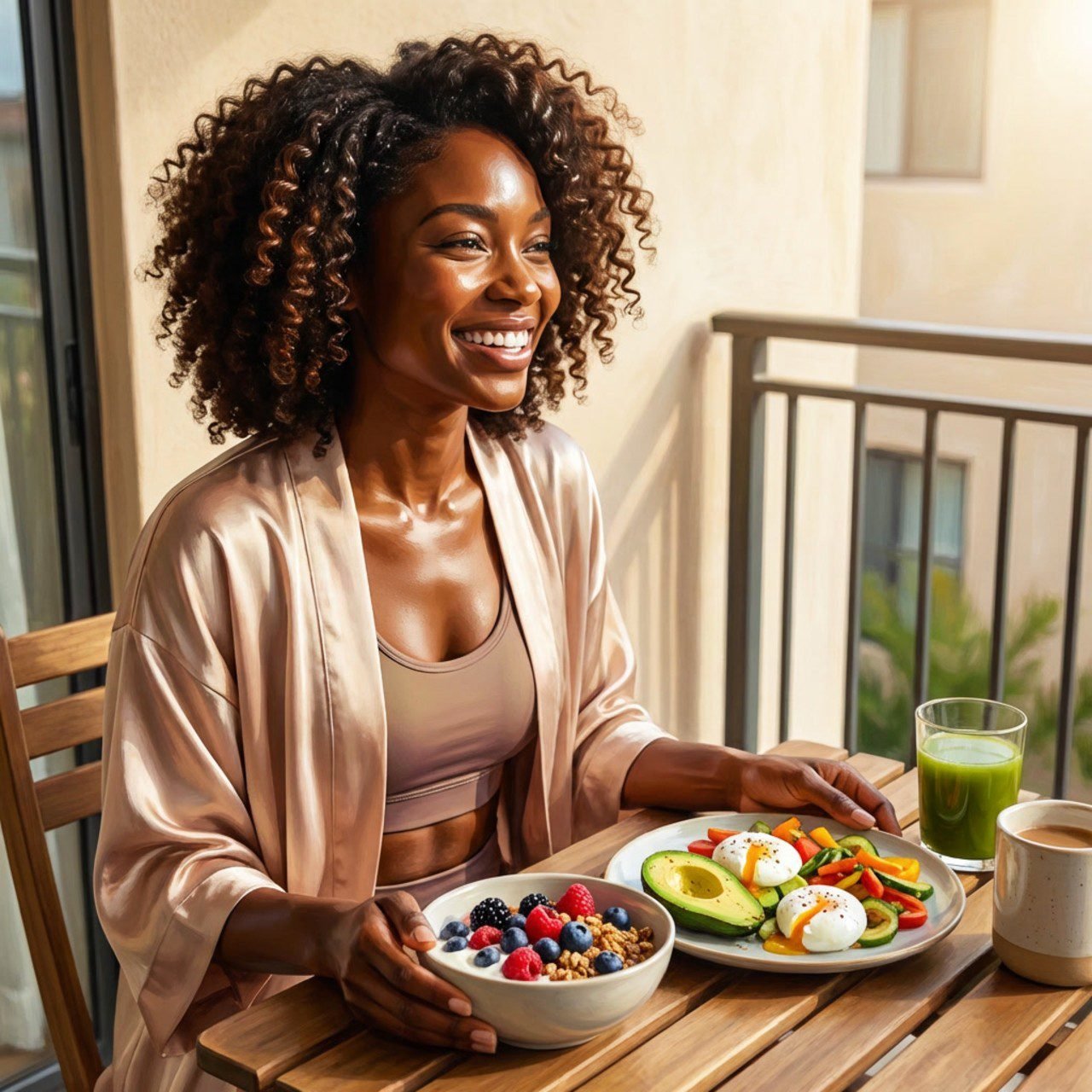
What Are The Best Foods To Support Postpartum Recovery And Breastfeeding?
The best foods for postpartum recovery and breastfeeding are nutrient-dense options high in protein, iron, healthy fats, and complex carbohydrates, including salmon, eggs, leafy greens, oats, sweet potatoes, bone broth, and legumes.
These foods support healing, hormone balance, energy levels, and milk production. Certain foods specifically target the unique challenges of the postpartum period.
Iron-Rich Foods To Combat Postpartum Fatigue
Postpartum fatigue isn't just about lack of sleep. Blood loss during delivery depletes your iron stores, and low iron means your cells aren't getting enough oxygen. The result? Crushing exhaustion that no amount of coffee can fix.
According to Tianwei Signature's dietitian recommendations, combining different iron sources optimizes absorption and recovery.
- Grass-fed beef and lamb are the most bioavailable sources of heme iron, which your body absorbs more easily than plant-based iron. A 4-ounce serving of beef provides nearly half your daily iron needs.
- Dark leafy greens like spinach, kale, and Swiss chard contain non-heme iron plus vitamin K for blood clotting and calcium for bone health. Pair them with vitamin C-rich foods to increase absorption.
- Lentils and beans deliver iron along with protein and fiber. Add them to soups, salads, or make them the base of vegetarian meals.
- Pumpkin seeds are a sneaky iron source. Sprinkle them on yogurt, oatmeal, or salads for a nutritional boost.
See iron-rich meal ideas: Iron-Rich Postpartum Recipes: 12 Delicious Meals
Join Our Mailing List
See how easily you can get fitter. Sign up to get your free PDF report on 10 Actions That Support Weight Loss sent to your inbox!

Healthy Fats For Hormone Balance
Your hormones are on a wild ride postpartum. Supporting hormone production with healthy fats can ease mood swings, support brain function, and reduce inflammation. This is similar to how diet impacts emotional well-being during stressful periods.
- Salmon and fatty fish provide omega-3 fatty acids EPA and DHA, which are crucial for postpartum mental health and infant brain development if you're breastfeeding. Aim for two servings per week.
- Avocados are creamy, satisfying, and packed with monounsaturated fats that support hormone production. They're also easy to eat—just slice and sprinkle with salt.
- Nuts and nut butters provide healthy fats plus protein. Keep almond butter, cashew butter, or peanut butter in your pantry for quick snacks.
- Olive oil and coconut oil should be your cooking fats of choice. Coconut oil contains medium-chain triglycerides (MCTs) that provide quick energy.
Lactation-Boosting Foods
If you're breastfeeding, certain foods have been traditionally used to support milk production. While research is mixed on some galactagogues, many women report positive results.
- Oats are perhaps the most well-known galactagogue (milk-promoting food). They contain iron, fiber, and plant compounds that may boost prolactin, the milk-making hormone. Overnight oats, oatmeal cookies, and granola are easy ways to get more oats.
- Brewer's yeast is a nutritional supplement rich in B vitamins, iron, and protein. Add it to smoothies or baked goods (it works great in lactation cookies).
- Flaxseed and fenugreek are common in lactation recipes. Flaxseed provides omega-3s and fiber, while fenugreek has a long traditional use for increasing milk supply.
- Fennel, garlic, and ginger are herbs and spices that many cultures use to support breastfeeding. Add them liberally to your cooking.
Anti-Inflammatory Foods For Healing
Your body is healing from a major physical event. Reducing inflammation speeds recovery and improves how you feel.
- Bone broth provides collagen, gelatin, and amino acids that support tissue repair. Use it as the base for soups or sip it like tea with a pinch of salt.
- Turmeric and ginger are potent anti-inflammatory spices. Add them to curries, soups, smoothies, or golden milk lattes.
- Berries are packed with antioxidants that combat oxidative stress. Keep frozen berries on hand for smoothies or thawed as a yogurt topper.
- Dark leafy greens reduce inflammation while providing vitamins A, C, K, and folate.
How Do You Prevent Freezer Burn And Maximize Freezer Space?
To prevent freezer burn, remove as much air as possible from containers before freezing, use proper freezer-safe packaging, and consume frozen meals within 2-3 months for best quality.
To maximize freezer space, use stackable containers, freeze liquids flat in freezer bags, and organize strategically by meal type. You did all this work—don't let it go to waste because of poor storage. The FDA's refrigerator and freezer storage chart provides official guidance on safe storage times.
Preventing Freezer Burn
Freezer burn happens when air reaches your food and causes ice crystals to form, resulting in dry, discolored, and bland-tasting food.
- Remove air from freezer bags by sealing them almost completely, then using a straw to suck out remaining air before sealing fully. Or invest in a vacuum sealer if you're doing this regularly.
- Don't overfill containers with liquids. Leave about an inch of headspace in jars and containers because liquids expand when frozen. But for solid foods, minimize air space.
- Wrap foods twice if you're storing them long-term. Wrap tightly in plastic wrap or foil, then place in a freezer bag or container.
- Use freezer-specific bags and containers, not regular storage bags. They're thicker and protect better against air and moisture.
Maximizing Freezer Space
Space is premium, especially if you're working with a standard freezer attached to your fridge.
- Freeze soups and sauces flat in freezer bags. Lay them flat on a baking sheet until frozen, then stack them like files. This saves enormous space and they thaw quickly.
- Use square or rectangular containers instead of round ones. They stack more efficiently and waste less space.
- Label the tops of containers, not just the sides, so you can identify them when stacked.
- Keep an inventory list on your fridge. This prevents the "what's in the freezer" hunt that wastes time and lets cold air escape.
- Remove items from original packaging when possible. Pre-packaged foods often have extra packaging that takes up unnecessary room.
Join Our Mailing List
Sign up to get your free PDF report on 10 Actions That Support Weight Loss sent to your inbox!
How Do You Deal With Meal Prep On No Sleep?
When dealing with meal prep on no sleep, focus on minimal-effort strategies like using grocery delivery for semi-prepared ingredients, accepting help from meal trains, utilizing slow cookers and Instant Pots, and keeping a stocked pantry of easy-to-assemble foods.
You're not trying to cook elaborate meals—you're trying to stay nourished with minimal effort. Let's be honest: some days you'll be too tired to even microwave a proper meal. That's normal. The goal isn't perfection—it's having options that don't require a functioning brain.
Keep A Postpartum Pantry Stocked
Having shelf-stable staples means you can always throw together something nourishing even when your freezer meals run out.
Canned beans and lentils, canned tuna or salmon, nut butter, whole grain crackers, oats, rice or quinoa, pasta and jarred sauce, canned soup, protein bars, nuts and trail mix, and dried fruit.
These items let you create meals like tuna salad, bean and rice bowls, peanut butter toast, or quick pasta dinners without grocery shopping.
Master The Slow Cooker And Instant Pot
These appliances are designed for exhausted people. Throw ingredients in, walk away, come back to a finished meal.
- Slow cooker favorites: Pot roast, pulled chicken or pork, chili, soup, steel-cut oats (overnight for breakfast)
- Instant Pot wins: Rice and beans, hard-boiled eggs, bone broth, soup, chicken from frozen in 30 minutes
Many recipes require zero browning or pre-cooking. Just dump and go.
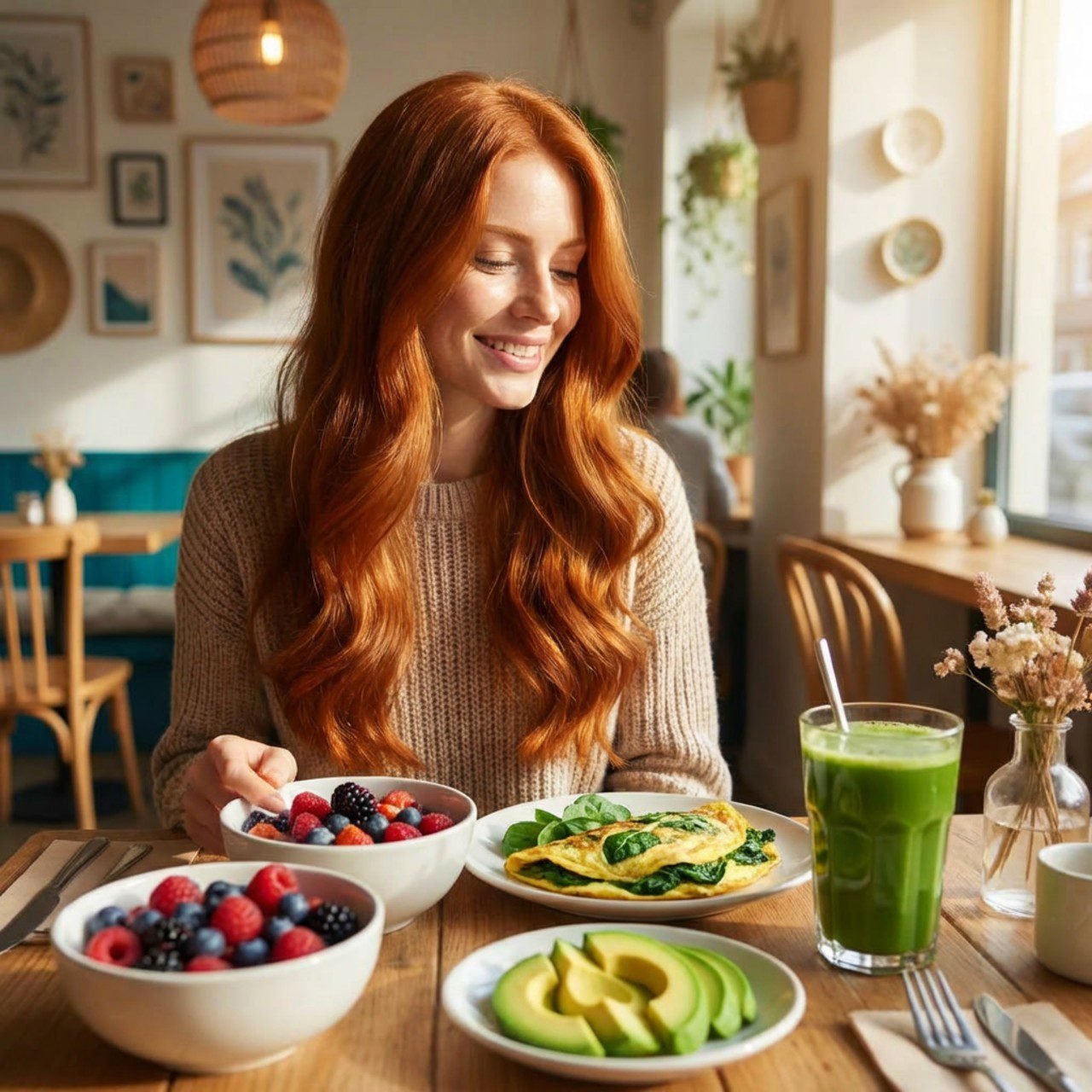
Accept Help From Your Village
If someone offers to bring a meal, say yes. Always. Even if your freezer is full. You can freeze it for later or eat it fresh and save a freezer meal for another day.
Be specific when people ask how they can help. "Could you bring us dinner on Thursday?" works better than "we're okay for now."
Consider setting up a meal train through websites like MealTrain.com or TakeThemAMeal.com. Friends and family can sign up for specific days, and you avoid duplicate meals or too much food at once.
Order Takeout Without Guilt
Some days, you will order takeout or delivery. That's okay. Feeding yourself however you can is better than not eating because you feel like it should be homemade.
Choose options that have some nutritional value when possible—poke bowls, Mediterranean food, burrito bowls, and Chinese with vegetables and protein. But honestly, pizza is fine too when you're in survival mode.
What About Postpartum Weight Loss And Meal Prep?
Postpartum meal prep supports healthy, gradual weight loss by providing nutrient-dense, portion-controlled meals that prevent extreme hunger and poor food choices, but aggressive dieting immediately postpartum is not recommended, especially while breastfeeding.
Focus on nourishment and healing first; weight loss can be addressed after you've recovered and established feeding routines. This is a sensitive topic, and I want to be very clear: the postpartum period is not the time for restriction or aggressive weight loss efforts.
The balance of nutrition and fitness advice on Women's Lean Body Formula is just what I needed. It's not about dieting or pushing to extremes; it's about sustainable health and loving your body.
Samantha Aria Johnson ● Health Enthusiast
Why You Shouldn't Diet Immediately Postpartum
Your body needs adequate calories and nutrients to heal from childbirth. Cutting calories too drastically can:
- Slow your physical recovery
- Tank your energy when you need it most
- Compromise milk supply if breastfeeding
- Worsen postpartum mood issues
- Lead to nutritional deficiencies
Most healthcare providers recommend waiting at least six weeks postpartum before considering weight loss efforts, and longer if you're breastfeeding.
How Postpartum Meal Prep Naturally Supports Healthy Weight
Here's the good news: focusing on nutrient-dense postpartum meal prep naturally supports a healthy weight trajectory without restriction.
- Protein and fiber keep you satisfied, preventing the blood sugar crashes that lead to grabbing whatever's fastest (usually something processed and high in empty calories).
- Batch-cooked healthy meals mean you're less likely to rely on takeout and convenience foods multiple times per day.
- Regular eating patterns prevent extreme hunger, which often leads to overeating.
- Reduced inflammation from whole-food nutrition can help your body regulate hormones and metabolism more effectively.
Many women find that when they focus on eating enough of the right foods rather than restricting, their body gradually returns to a healthy weight over 6-12 months postpartum.
If You Choose To Focus On Weight Loss Later
When you're truly ready and have the okay from your healthcare provider, postpartum meal prep makes weight management easier because:
- Portion control is built-in. Pre-portioned freezer meals prevent eating straight from the pan or going back for seconds mindlessly.
- You control ingredients. Restaurant and takeout meals often have hidden calories from excessive oil, butter, and salt.
- You eliminate decision fatigue. When you're tired, you make poor food choices. Having meals ready removes that decision point.
Pair prepared meals with movement that feels good (not punishing exercise) and adequate sleep when possible. For more on supporting your body during this transition, consider reading about maintaining a healthy body weight and creating sustainable weight loss habits.
How Does Postpartum Nutrition Affect Mental Health?
Postpartum nutrition significantly affects mental health because nutrient deficiencies—particularly in omega-3 fatty acids, B vitamins, iron, and vitamin D—are linked to increased risk of postpartum depression and anxiety.
Consuming a nutrient-dense diet supports neurotransmitter production and hormone balance, which can improve mood and emotional resilience during this vulnerable period. The connection between what you eat and how you feel is profound, especially postpartum, when hormones are fluctuating wildly.
Join Our Mailing List
Are you ready to get in shape? Join us and get the list of top 10 actions that support PERMANENT weight loss and make you look and feel better without being hungry in the process!
The Nutrition-Mood Connection
Your brain requires specific nutrients to produce neurotransmitters like serotonin and dopamine, which regulate mood. When you're nutrient-depleted, your brain can't make these chemicals efficiently.
- Omega-3 fatty acids are particularly important. Studies have found that women with higher omega-3 intake during pregnancy and postpartum have lower rates of postpartum depression. Fatty fish, walnuts, and flaxseeds should be regular parts of your diet.
- B vitamins, especially folate and B12, support neurotransmitter production. Deficiency is associated with increased depression risk. Get them from eggs, leafy greens, legumes, and if you're vegetarian or vegan, consider a supplement.
- Iron deficiency causes not just physical fatigue but also mood problems. Low iron is strongly linked to postpartum depression. This is one reason why iron-rich foods are non-negotiable in postpartum meal prep.
- Blood sugar stability matters more than people realize. When your blood sugar crashes from going too long without eating or eating high-sugar foods, it affects your mood dramatically. Regular meals with protein, fat, and complex carbs prevent this.
Eating When You're Feeling Depressed Or Anxious
If you're struggling with postpartum mood issues, you might not feel like eating at all. This creates a vicious cycle—not eating worsens your mood, which makes you less likely to eat.
This is where postpartum meal prep becomes actual self-care. Having food ready that requires zero preparation removes barriers when you don't have the energy or motivation to cook.
- Keep snacks visible and accessible. If you can see it, you're more likely to eat it. Keep a basket of shelf-stable snacks on the counter and prepared snacks at eye level in the fridge.
- Set phone reminders to eat if you're forgetting meals. Every 3-4 hours, eat something even if it's small.
- Ask for support. If you're experiencing signs of postpartum depression or anxiety, please talk to your healthcare provider. Nutrition is important, but it's not a substitute for professional mental health support when needed.
For more on managing stress and emotional challenges during this period, this article on emotional eating and stress-related weight changes offers additional perspective.
What's The Ultimate Postpartum Meal Prep Guide?
The ultimate postpartum meal prep guide involves planning 20-30 freezer-friendly meals during your third trimester, focusing on nutrient-dense recipes high in protein, iron, and healthy fats, storing them properly in labeled containers, organizing your freezer strategically, and maintaining a stocked pantry of easy-to-assemble foods for those times when even reheating feels like too much.
This approach ensures you're nourished during the most demanding weeks of new parenthood. Let me give you a clear, actionable framework you can use whether you're preparing before baby arrives or scrambling to get organised afterwards.
Your 4-Week Postpartum Meal Prep Timeline
- Weeks 32-34 of pregnancy: Finalize your menu, create your shopping list, and schedule your prep day(s). Order any storage containers you need.
- Weeks 35-36: Execute your main prep day. This is your sweet spot—early enough that you're not hugely uncomfortable, late enough that baby probably won't arrive before you're done.
- Week 37+: Make a few fresh meals if you have energy, but don't stress. Your freezer is stocked. Focus on having easy snacks and breakfast items accessible.
- After baby arrives: For the first two weeks, don't even think about cooking. Live off your freezer stash and meal train contributions. Weeks 3-4, you might start to feel slightly human again. This is when you might do very simple cooking (think scrambled eggs or rotisserie chicken with frozen vegetables), but don't push it.
You Are Not Alone In This — And You Do Not Have To Figure It Out From Scratch
Thousands of women in our community have navigated exactly what you are navigating right now — the exhaustion, the recovery, the pressure to do everything well when your body is asking you to simply rest and heal.
Inside our free guide, you will find the 10 daily habits that help women build a foundation of sustainable nourishment — starting gently, building gradually, and never from a place of restriction or guilt:
- The simple eating rhythm that keeps your energy and mood stable on broken sleep
- How to nourish your body during recovery without counting, tracking, or overthinking food
- The mindset shift that makes healthy habits feel like self-care — not another thing on your to-do list
This is not a weight loss program. It is a foundation for feeling like yourself again — one meal, one day, and one gentle step at a time.
Written for real women. Backed by research. Free.
Yes, Send Me The Free Guide →The Essential Postpartum Grocery List
Here's what should be on your list for both pre-baby prep and ongoing pantry restocking:
- Proteins: Chicken breasts and thighs, ground beef or turkey, eggs, canned tuna or salmon, Greek yogurt, cottage cheese, beans and lentils
- Vegetables: Frozen mixed vegetables (these are your best friend), fresh spinach, kale, carrots, sweet potatoes, bell peppers, onions, garlic
- Fruits: Frozen berries, bananas, apples, citrus fruits
- Grains: Oats, quinoa, brown rice, whole wheat pasta, whole grain bread
- Dairy: Milk (dairy or fortified alternative), cheese, butter
- Healthy fats: Avocados, nuts, nut butters, olive oil, coconut oil
- Seasonings and basics: Salt, pepper, garlic powder, onion powder, cumin, turmeric, ginger, chicken or vegetable broth
- Convenience items: Rotisserie chicken, pre-cooked grains, jarred pasta sauce, canned soup
Easy Postpartum Meal Plan Example
Here's what a practical day of eating might look like when you're running on minimal sleep:
- Breakfast: Pre-made egg cup from freezer + piece of fruit + yogurt
Or: Overnight oats jar from fridge + handful of nuts - Mid-morning snack: Energy ball + string cheese
Or: Apple with almond butter - Lunch: Bowl of chicken soup from freezer + whole grain crackers
Or: Leftover dinner casserole reheated - Afternoon snack: Trail mix + hard-boiled egg
Or: Smoothie (if you have 5 minutes) - Dinner: Freezer meal (casserole, pasta bake, or slow cooker meal) + side salad if you have energy
Or: Takeout without guilt - Evening snack (especially if breastfeeding): Greek yogurt with berries and granola
Or: Peanut butter toast
Join Our Mailing List
See how easily you can get fitter.
Sign up to get your free PDF report on 10 Actions That Support Weight Loss sent to your inbox!
This isn't gourmet. It's functional. And that's exactly what you need right now. Similar to how becoming fitter requires sustainable, realistic approaches, postpartum nutrition thrives on practicality over perfection.
Related Articles
- What Should Women Eat In The Morning For Hormone Balance And Fat Loss
- Can Diet Really Help With Emotional Eating And Stress-Related Weight Gain In Women
- What Diet Works Best For Women Who Can't Exercise Due To Injury
- 3 Tips Getting Weight Loss Journey Started
- 3 Reasons Women Stay Healthy Weight
- How To Become Fitter Yourself
The Bottom Line
Here's what I want you to remember: postpartum meal prep isn't about being a perfect parent or impressive homemaker. It's about respecting your body enough to fuel it properly during one of the most demanding times of your life.
You're not being dramatic when you say you're too tired to cook. You're not being weak when you need help. You're recovering from a major physical event while keeping a tiny human alive. That deserves support, and having nourishing food ready is one concrete way to give yourself that support.
If you're reading this while pregnant, take an afternoon to prep now. You will thank yourself later with tears of relief when you open that freezer at 2 AM.
If you're already postpartum and feeling overwhelmed, start small. Make one big batch of soup this weekend. Accept that meal train offer. Order groceries online. Progress, not perfection.
And if you're struggling—truly struggling with fatigue, mood, or feeding yourself—please reach out to your healthcare provider. Nutrition is important, but it's one piece of the puzzle. You deserve comprehensive support. Your body did something extraordinary. Feed it accordingly.
Embrace Inspiration:
Like What You Read? Be Sociable, Comment, And Share It! Thanks.
FAQ
Absolutely. Focus on plant-based proteins like lentils, chickpeas, black beans, tofu, and tempeh. Prep meals like lentil soup, vegetable curry with chickpeas, black bean enchiladas, and veggie-packed pasta dishes. Pay extra attention to iron (pair with vitamin C for absorption), B12 (you may need a supplement), and omega-3s from walnuts, flaxseeds, and chia seeds.
Most properly stored meals maintain the best quality for 2-3 months in the freezer according to USDA guidelines. After that, they're still safe to eat but may lose flavor and texture. Label everything with dates and try to rotate through your stash within this timeframe.
If freezer space is limited, modify your approach. Make smaller batches (5-7 meals instead of 30), focus on refrigerator-stable meal prep for the week ahead, utilize your meal train more heavily, stock your pantry with easy-to-assemble shelf-stable ingredients, and consider a meal delivery service for a few weeks if budget allows.
Yes! Freezing actually preserves nutrients quite well. In some cases, frozen vegetables are more nutritious than "fresh" vegetables that have been sitting in transit and on store shelves for days. The key is proper storage to prevent freezer burn and nutrient oxidation.
For food safety and quality, thaw frozen meals in the refrigerator overnight when possible. Reheat thoroughly until steaming hot (165°F internal temperature). Soups and stews reheat beautifully in a pot on the stove or in the microwave. Casseroles can go from freezer to oven (covered with foil) at 350°F until heated through. If you're reheating from frozen in the microwave, use 50% power and stir frequently to avoid cold spots.
Most women can eat anything while breastfeeding. According to Children's Hospital of Philadelphia's breastfeeding guidance, you don't need to avoid spicy foods, garlic, or cruciferous vegetables. A tiny percentage of babies might react to cow's milk protein or other foods in mom's diet, but this is uncommon. Eat a varied, nutritious diet and only eliminate foods if you notice a clear pattern of baby discomfort related to your diet.
This varies based on your pre-pregnancy weight, activity level, and whether you're breastfeeding. Generally, breastfeeding women need an extra 450-500 calories per day beyond their normal calorie needs according to the Dietary Guidelines for Americans.
But honestly? Now is not the time to count calories. Focus on eating nutrient-dense foods when you're hungry and stopping when you're full. Your body is good at regulating this if you listen to it. For more guidance on creating balanced nutrition plans, check out healthy meal planning strategies.
You Know Why. Now Learn Exactly How
Join thousands of women inside our community and receive our free guide: 10 Actions That Support Permanent Weight Loss — the practical, sustainable habits that translate everything you just read into real, lasting results.
No fad diets. No extreme plans. Just what the research actually supports — written for real women.