
Why The Benefits Of Taking Supplements Matter More For Women Than Ever Before
Thomas Edison
Inventor & Visionary
The doctor of the future will no longer treat the human frame with drugs, but rather will cure and prevent disease with nutrition.
Summary (TL;DR)
Many women experience nutritional deficiencies despite a healthy diet, due to modern food systems and lifestyle demands. Supplements offer a targeted approach to address these gaps, providing benefits like increased energy, hormone and metabolism support, and reduced inflammation.
Key nutrients often lacking include iron, B vitamins, Vitamin D, and magnesium. Women over 40 and those in perimenopause may have elevated needs. Probiotics can further support immune health. Always consult a healthcare provider before starting any new supplement.
You eat reasonably well. You try to get your vegetables in. You stay active.
So why do you still feel exhausted by 3 p.m.? Why is your sleep erratic, your energy unreliable, and your metabolism behaving like it has a personal grudge against you?
The answer is often not what you're doing wrong. It's what's missing — and it's happening to millions of women every day.
Modern food systems, soil depletion, chronic stress, hormonal cycles, and the relentless demands of a busy life create nutritional gaps that even a solid diet can't fully close. According to the National Institutes of Health Office of Dietary Supplements, the majority of American women are deficient in at least one key nutrient — and many are deficient in several simultaneously.
That's exactly where the benefits of taking supplements become not just helpful, but genuinely transformative.
This guide breaks down five evidence-based benefits of daily supplementation — written specifically for women's bodies, hormonal reality, and the real demands on your life. Not generic advice. Not recycled from men's health content. The actual science, for you.
Struggling with stubborn fatigue that never fully lifts? Before diving in, see why: Why You're Always Tired — and How to Stop It.
Medical & Referral Disclaimer
This article is for educational and informational purposes only. It is not a substitute for professional medical advice, diagnosis, or treatment. Supplements can interact with medications and may not be appropriate for all individuals. Always consult a qualified healthcare provider or registered dietitian before starting any new supplement, especially if you are pregnant, breastfeeding, managing a chronic condition, or taking prescription medications. Individual results vary.
Key Takeaways
- Most women have at least one nutritional deficiency — supplements close the gap that even a healthy diet leaves behind.
- Iron, B vitamins, and magnesium are the top energy-critical nutrients women are most commonly low in.
- Vitamin D, omega-3, and magnesium are the three supplements with the strongest evidence base for women's hormonal health, mood, and metabolic function.
- Perimenopause and women over 40 have significantly higher supplement needs — particularly for calcium, vitamin D, collagen, and adaptogens for cortisol.
- Probiotics do more than support digestion — they directly influence immune health, mood, and the gut-hormone axis.
- Supplements are not a substitute for a balanced diet — they are a targeted, evidence-based strategy for filling specific gaps your food can't fully cover.
- Always consult a healthcare provider before starting new supplements, especially if you are pregnant, breastfeeding, or managing a health condition.
What Are The Real Benefits Of Taking Supplements For Women?
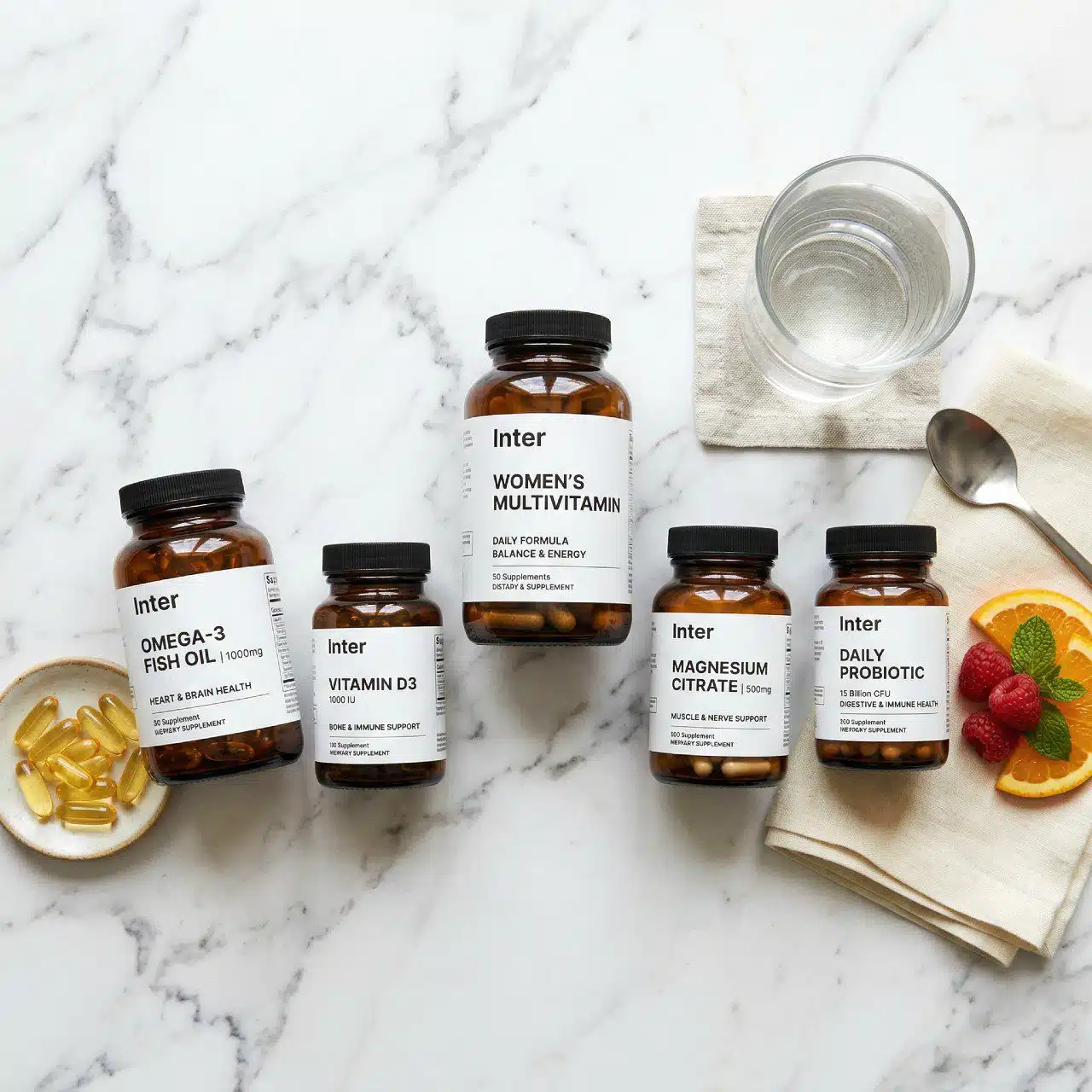
The core benefits of taking supplements for women are: closing nutritional gaps that diet alone can't fill, boosting sustainable energy, supporting hormonal balance and metabolism, reducing inflammation and disease risk, and accelerating recovery. These benefits are amplified for women due to unique physiological demands across the menstrual cycle, perimenopause, and beyond.
Supplements are not magic. They don't replace food, sleep, or movement. But for women navigating the demands of modern life — often while running on disrupted sleep, chronic low-grade stress, and meals that fall short of optimal — they are a powerful and practical tool.
The question isn't really whether the benefits of taking supplements are real. The research is clear: they are, for the right woman, with the right supplements. The real question is which ones matter most for your specific needs. Let's work through each benefit in detail.
How Do Supplements Help Fill Nutritional Gaps In Women's Diets?
Even women who eat well are frequently low in key vitamins and minerals. A 2017 analysis published in the Journal of Nutrition found that over 70% of American women fall short of recommended intakes for vitamin D, magnesium, calcium, and iron — nutrients essential for everything from bone health to energy production. A well-chosen multivitamin or targeted supplement acts as an insurance policy for your health.
Modern agricultural practices have depleted the nutrient density of food. A 2004 study in the Journal of the American College of Nutrition found that some vegetables today contain up to 38% less nutrients than the same vegetables grown 50 years ago. You'd need to eat significantly more food to get the same nutritional value your grandmother got from dinner.
Add in busy schedules, dietary restrictions, frequent dieting, and the unique demands of the female hormonal cycle, and nutritional gaps become almost inevitable.
This is why multivitamin benefits for busy women are so well-documented. A high-quality multivitamin doesn't supercharge your health. It floors your baseline so the rest of your nutrition can work properly.
The Most Common Nutritional Deficiencies In Women
According to the Harvard T.H. Chan School of Public Health:
- Iron — affects up to 20% of women of reproductive age; critical for oxygen transport and energy.
- Vitamin D — deficient in an estimated 40% of US women; governs calcium absorption, immune function, and mood.
- Magnesium — low in roughly 60% of women; required for 300+ enzymatic reactions including sleep, stress regulation, and muscle function.
- B12 — especially common in women over 40 and those following plant-based diets.
- Omega-3 fatty acids — most women consume far below the recommended 250–500mg DHA/EPA per day.
- Folate/B9 — critical during reproductive years; most women don't reach recommended levels through diet alone.
- Calcium — particularly important for women approaching and post-menopause.
Practical note for busy women: Rather than trying to perfectly track every micronutrient daily, a quality multivitamin — combined with one or two targeted supplements based on your personal pattern — is a realistic, sustainable approach that delivers real nutritional protection.
How Do Vitamins And Minerals Boost Energy Levels In Women?
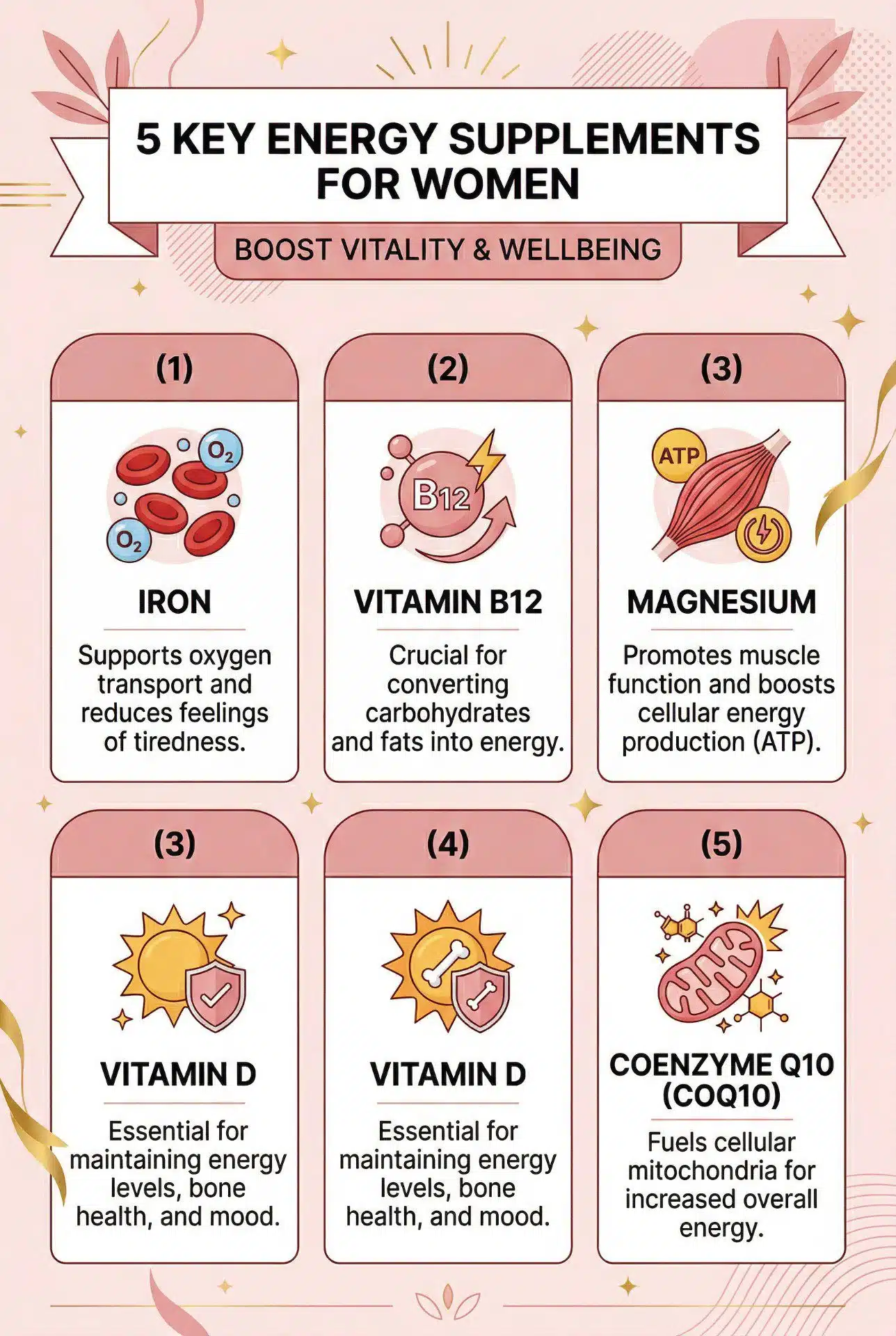
Everyday supplements for energy work in women by addressing the root causes of fatigue — primarily iron, B vitamins, and magnesium deficiencies — rather than masking tiredness with stimulants. When your cells have the micronutrients they need for ATP (cellular energy) production, sustainable energy improves noticeably within 2–6 weeks.
If you've ever felt chronically tired despite sleeping enough, the problem is likely not sleep quality — it's cellular energy production. And that's a nutrient problem. Here's how the key energy supplements work at a cellular level:
Iron — The Energy Mineral Most Women Are Missing
Iron carries oxygen in red blood cells. Without adequate iron, your muscles and organs receive less oxygen, which translates directly to fatigue, brain fog, and reduced exercise tolerance. Iron deficiency is the most common nutritional deficiency in women worldwide, according to the World Health Organization.
Women lose iron monthly through menstruation. Women who train regularly lose additional iron through sweat and foot-strike hemolysis. If you're tired all the time despite doing "everything right," a simple blood test for ferritin (stored iron) often reveals the answer.
Note: Never supplement iron without a confirmed deficiency test — excess iron is harmful. Ask your doctor for a ferritin panel.
B Vitamins — The Energy Conversion Complex
The B vitamin group — particularly B1 (thiamine), B2 (riboflavin), B3 (niacin), B5 (pantothenic acid), B6, B9 (folate), and B12 — collectively govern the conversion of food into cellular energy. B vitamins' benefits for women's energy are well-established; low B12 in particular causes profound fatigue, nerve issues, and cognitive fog.
Women over 40 absorb B12 less efficiently from food, making supplementation increasingly important with age. Vegans and vegetarians are at particular risk of B12 deficiency.
Magnesium — The Mineral That Regulates 300+ Functions
Magnesium benefits for women daily are staggering in scope. It's required for ATP synthesis (your body's energy currency), muscle contraction and relaxation, blood sugar regulation, nerve function, and sleep quality. When magnesium is low, everything runs inefficiently — including your energy.
Magnesium is also rapidly depleted by stress — meaning the busier and more stressed you are, the more you need, and the less likely your diet is to provide it. Supplementing with magnesium glycinate (300–400mg at night) is one of the most consistently reported game-changers for women's energy and sleep quality.
Additional Energy-Supporting Supplements
- Ginkgo biloba — may support cerebral circulation and mental clarity.
- Green tea extract — provides sustained energy via L-theanine + low-dose caffeine without the crash.
- Asian ginseng (Panax ginseng) — adaptogenic; supports physical stamina and mental focus.
- Guarana — natural caffeine source; use cautiously and only as needed.
- CoQ10 — essential for mitochondrial energy production; particularly valuable for women over 40.
How Do Supplements Support Hormonal Balance And Women's Health?
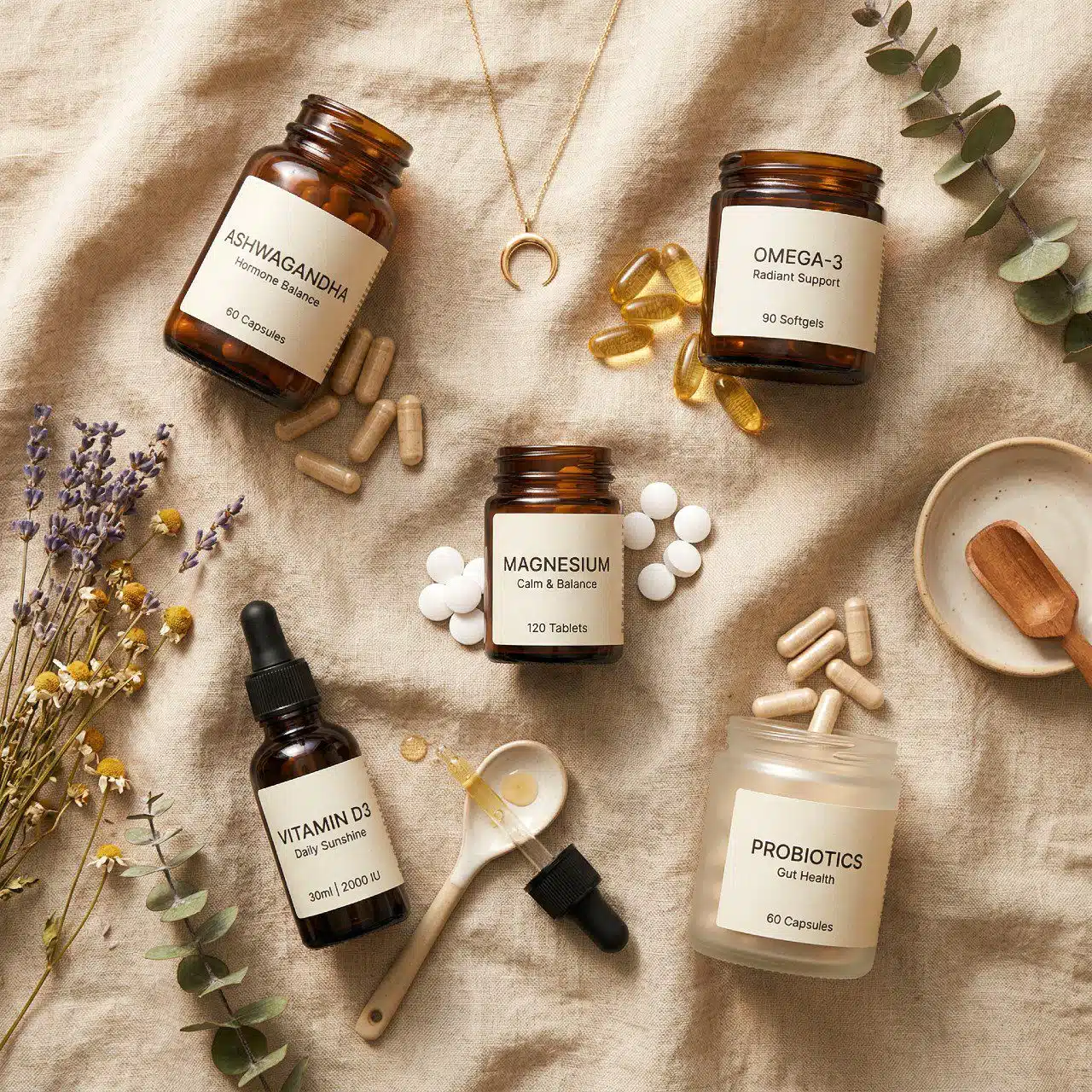
Supplements for hormonal balance in women work by supporting the body's natural hormone regulation systems — reducing cortisol overload, supporting thyroid function, improving estrogen metabolism, and easing the hormonal transitions of perimenopause. Key supplements include magnesium, vitamin D, omega-3, zinc, and adaptogenic herbs like ashwagandha.
Hormones run everything in a woman's body. Energy, mood, metabolism, fat storage, sleep, libido, skin health, and cognitive function are all downstream of hormonal balance. And modern life is remarkably good at disrupting it.
This is one of the most underdiscussed aspects of why women should take supplements — not just to cover nutritional gaps, but to actively support hormonal ecosystems that are under constant pressure.
Supplements For Stress And Cortisol In Women
Chronic stress elevates cortisol, and elevated cortisol suppresses progesterone, disrupts the thyroid, accelerates fat storage (especially around the abdomen), and degrades sleep quality. It's a cascade that affects almost everything.
Ashwagandha (an adaptogenic herb) has the strongest clinical evidence for reducing cortisol in women. A 2019 double-blind randomized controlled trial found that 300mg of ashwagandha root extract twice daily reduced cortisol levels by 27.9% in chronically stressed adults. For women managing work, family, and the biology of a menstrual cycle, that matters enormously.
Want to understand the connection between stress, cortisol, and weight gain in women? Read our deep-dive: Can Diet Really Help With Emotional Eating and Stress-Related Weight Gain?

Vitamins For Women Over 40 — The Perimenopause Transition
Perimenopause typically begins in the mid-40s and can span a decade before menopause. During this transition, estrogen and progesterone fluctuate dramatically — affecting bone density, cardiovascular health, sleep quality, mood, and weight distribution.
The best supplements for women with perimenopause address these specific shifts:
- Calcium + Vitamin D — bone density loss accelerates dramatically after 40; vitamin D also governs calcium absorption and immune function.
- Magnesium glycinate — reduces anxiety, poor sleep, and muscle tension that peak during perimenopause.
- Omega-3 (DHA/EPA) — shown to reduce hot flashes, support cardiovascular health, and improve mood stability.
- B12 + B6 — declining absorption with age makes active supplementation essential post-40.
- Collagen — estrogen decline accelerates collagen loss in skin, joints, and connective tissue; supplementation shows measurable benefit in joint comfort and skin elasticity.
- Adaptogens (ashwagandha, maca root) — support the adrenal-hypothalamic axis as ovarian hormone production declines.
For a complete guide on navigating perimenopause weight changes: How to Lose Weight During Perimenopause Without Starving Yourself.
Supplements For Better Sleep In Women
Sleep quality is profoundly affected by hormonal fluctuations, and poor sleep creates a negative feedback loop through cortisol, insulin resistance, and appetite hormones. The supplements with the strongest evidence for sleep in women:
- Magnesium glycinate (300–400mg before bed) — the most evidence-backed sleep supplement for women.
- Ashwagandha — reduces nighttime cortisol that disrupts sleep onset.
- L-theanine — promotes relaxation without sedation; pairs well with low-dose melatonin.
- Melatonin (0.5–1mg) — use the lowest effective dose; higher doses can cause dependence.
Probiotics Benefits For Women's Hormonal Health
The gut-hormone connection is one of the most exciting areas of women's health research. The gut microbiome contains a collection of bacteria called the "estrobolome" — which directly regulates estrogen circulation in the body. Poor gut health can cause estrogen to recirculate instead of being cleared, contributing to hormonal imbalance, PMS, and weight issues.
Probiotics benefits for women daily extend far beyond digestion. Strains like Lactobacillus acidophilus, Lactobacillus reuteri, and Bifidobacterium longum have been specifically studied for women's hormone balance, vaginal health, and immune function.
To understand how your menstrual cycle affects your nutrition and supplement needs: Cycle Syncing for Weight Loss: How to Eat and Work Out With Your Menstrual Cycle.
How Do Supplements Support Female Fat Loss And Metabolism?
The best supplements for female fat loss don't burn fat directly — they fix the metabolic, hormonal, and nutritional conditions that make fat loss possible. Key supplements for women's metabolism include omega-3, vitamin D, iron, B vitamins, magnesium, and protein, all of which support insulin sensitivity, thyroid function, and energy expenditure.
Let's be honest about what supplements can and can't do for weight management. No supplement replaces a calorie deficit, consistent training, and adequate sleep. Anyone selling you "fat-burning pills" is exploiting your frustration.
But here's what is true: when your body is deficient in key nutrients, your metabolism runs below its natural capacity. Fat loss becomes harder not because of willpower, but because of physiology.
Supplements for women's metabolism work by removing these physiological barriers:
- Vitamin D — low vitamin D is strongly associated with higher body fat percentage and insulin resistance; correcting it supports both fat metabolism and thyroid function.
- Omega-3 fatty acids — reduce inflammation, improve insulin sensitivity, and have been shown in studies to support fat oxidation during exercise.
- Iron — when iron is low, exercise performance drops and calorie burn decreases; restoring adequate iron improves workout capacity and fat-burning potential.
- Magnesium — governs insulin sensitivity and blood sugar regulation; deficiency contributes to sugar cravings and energy crashes that undermine fat loss efforts.
- Probiotics — emerging research links gut microbiome composition to metabolic rate, appetite regulation, and body composition.
- Protein powder (whey or plant-based) — adequate protein is the foundation of lean body composition; supplementing to reach 0.7–1g per pound of bodyweight supports muscle retention during fat loss.
For women specifically, the hormonal environment heavily influences fat distribution. To understand the hormonal drivers: How Hormones Affect Weight Loss in Women.
How Do Supplements Support Immune Health, Recovery, And Disease Prevention In Women?
Supplements support immune health in women by providing the nutrients the immune system requires to function optimally — particularly vitamin C, vitamin D, zinc, and probiotics. They also accelerate tissue repair and recovery after exercise, and certain antioxidant vitamins reduce the oxidative stress linked to chronic disease.
Your immune system is not a passive system. It's an active, energy-intensive biological network that requires specific micronutrients to mount effective responses to pathogens, repair tissue damage, and regulate inflammation.
The Immune Supplement Stack For Women
- Vitamin C — supports white blood cell production and function; also a potent antioxidant that neutralizes free radicals linked to cellular damage and chronic disease.
- Vitamin D — arguably the most important immune-regulating nutrient; receptors for vitamin D exist on nearly every immune cell; deficiency is directly associated with increased infection susceptibility.
- Zinc benefits for women's health include T-cell production, wound healing, skin integrity, and immune signaling — yet most women fall below optimal zinc levels.
- Probiotics — 70% of the immune system lives in the gut; probiotic supplementation directly supports immune response through the gut-associated lymphoid tissue (GALT).
- Elderberry (Sambucus nigra) — concentrated antioxidant; several clinical trials show reduced severity and duration of upper respiratory infections.
Antioxidants And Disease Prevention
Vitamins A, C, and E function as powerful antioxidants — neutralizing free radicals that damage DNA and drive chronic disease development. While no supplement guarantees disease prevention, consistent antioxidant intake supports the body's long-term cellular defence system.
According to a National Institutes of Health review, vitamin C supplementation is associated with a lower risk of cardiovascular disease, and adequate vitamin D status is associated with significantly lower risk of several forms of cancer.
Calcium And Vitamin D For Recovery And Bone Health
For women actively training — and especially for women over 40 — calcium and vitamin D work in tandem to support bone mineral density, tissue repair, and recovery. Post-exercise, calcium plays a critical role in muscle contraction recovery. Vitamin D enhances calcium absorption and supports the muscle protein synthesis that rebuilds stronger tissue.
Collagen supplements' benefits for women extend to connective tissue recovery: specifically, supplementing with 5–15g of hydrolyzed collagen within 60 minutes of exercise has been shown in studies to support joint and tendon repair — especially relevant for women whose estrogen decline accelerates connective tissue degeneration.
What Are The Best Daily Supplements For Women?
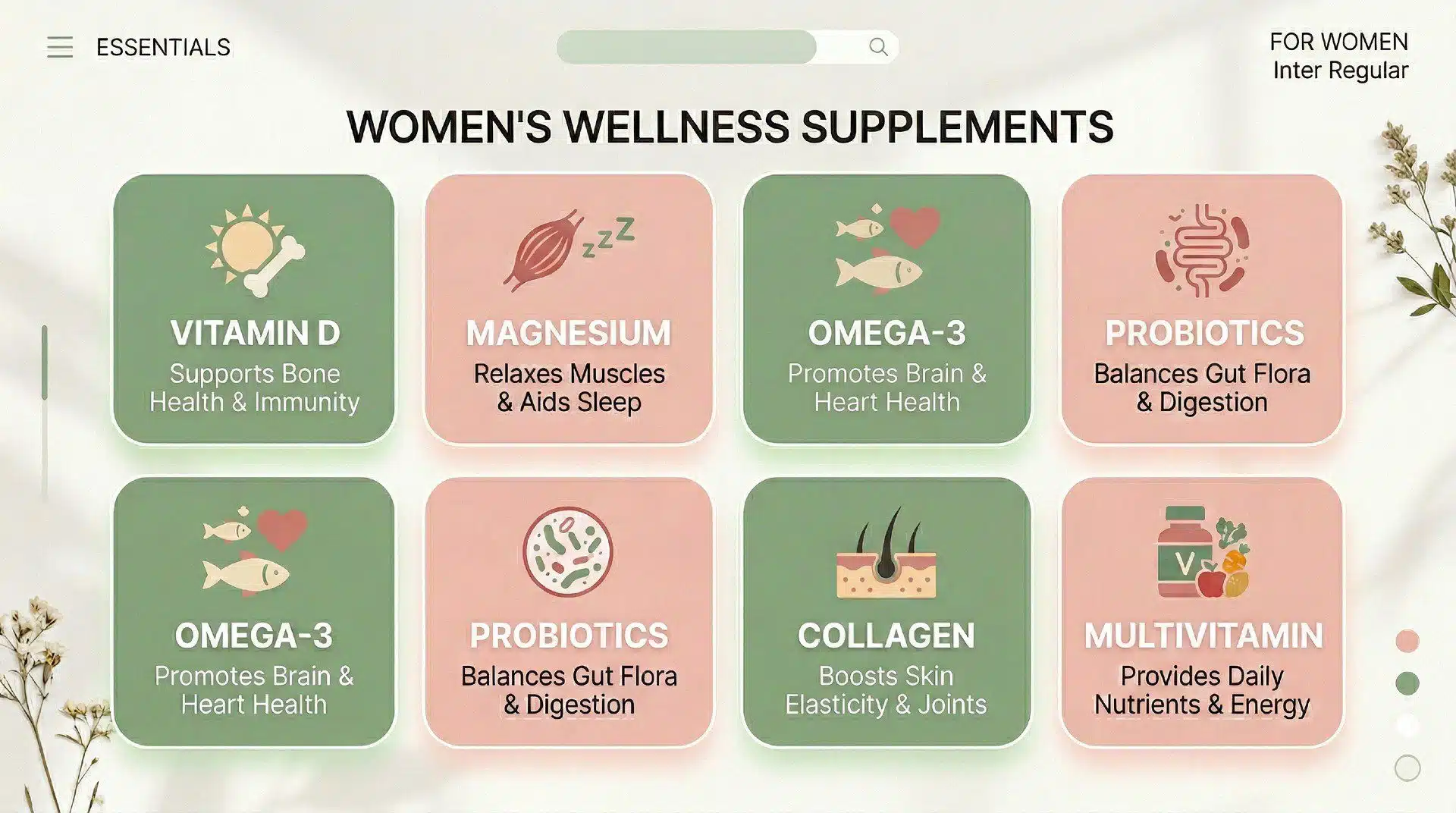
The best daily supplements for women are vitamin D3, magnesium glycinate, omega-3 (DHA/EPA), a high-quality multivitamin, probiotics, and iron (if deficiency is confirmed). For women over 40, add collagen peptides and an adaptogen to support cortisol. These supplements address the most common deficiencies and physiological needs specific to the female body.
The table below consolidates the evidence-based recommendations. Use it as a reference guide — not a prescription. Your individual needs depend on age, health status, diet, and lab results.
TABLE #1 — Best Daily Supplements for Women: Benefits, Dosage & Key Considerations
| Supplement | Primary Benefit for Women | Daily Dosage Range | Best Form | Women Over 40? | Notes |
|---|---|---|---|---|---|
| Vitamin D3 | Bone health, immune function, hormonal balance, mood | 1,000–4,000 IU | D3 + K2 combined | Essential | Test serum 25-OH-D before dosing; target 40–60 ng/mL |
| Magnesium Glycinate | Sleep, stress/cortisol, energy, PMS relief, muscle function | 200–400mg | Glycinate or malate form | Essential | Take at night; avoid oxide form (poor absorption) |
| Omega-3 (DHA/EPA) | Hormonal balance, inflammation, cardiovascular health, mood | 1,000–2,000mg combined EPA+DHA | Fish oil or algae oil | Essential | Algae oil for plant-based women; store in fridge |
| Multivitamin | Broad nutritional gap insurance; B vitamins, folate, zinc | Per product label | Food-based preferred | Recommended | Choose a women-specific formula; avoid synthetic folic acid |
| Iron | Energy, oxygen transport, cognitive function | Only with confirmed deficiency | Ferrous bisglycinate | Conditional | Test ferritin first; excess iron is harmful |
| Probiotics | Gut-hormone axis, immune health, digestion, mood | 10–50 billion CFU | Multi-strain: Lactobacillus + Bifidobacterium | Recommended | Take with food; refrigerated preferred |
| Vitamin C | Immune function, collagen synthesis, antioxidant | 500–1,000mg | Ascorbic acid or buffered | Recommended | Split dosing improves absorption |
| Zinc | Immune health, hormone production, skin, thyroid | 8–25mg | Zinc picolinate or glycinate | Recommended | Don't exceed 40mg/day; take with food |
| B12 | Energy, nerve function, cognitive health | 500–1,000mcg | Methylcobalamin | Essential post-40 | Especially critical for vegans/vegetarians |
| Collagen Peptides | Skin elasticity, joint health, connective tissue recovery | 5–15g | Hydrolyzed collagen types I & III | Essential post-40 | Take with vitamin C to enhance synthesis |
| Ashwagandha (KSM-66) | Cortisol/stress reduction, sleep quality, hormonal balance | 300–600mg | KSM-66 standardized extract | Recommended | Avoid during pregnancy |
| Calcium | Bone mineral density, muscle contraction | 500–600mg (split doses) | Calcium citrate | Essential post-40 | Never take more than 600mg at once; absorption drops |
Sources: NIH Office of Dietary Supplements; Mayo Clinic Nutrition Guidelines.
TABLE #2 — Common Women's Health Goals Matched to Supplements
| Health Goal | Top Supplement Priorities | Supporting Supplements |
|---|---|---|
| Sustained Daily Energy | Iron (if deficient), B12, B-complex, Magnesium | CoQ10, Ginseng, Vitamin D |
| Hormonal Balance | Magnesium, Omega-3, Vitamin D, Zinc | Ashwagandha, Maca, B6 |
| Perimenopause Support | Vitamin D3 + K2, Calcium, Magnesium, Omega-3 | Collagen, Ashwagandha, B12 |
| Fat Loss / Metabolism | Vitamin D, Omega-3, Iron (if deficient), Protein | Magnesium, Probiotics |
| Immune Health | Vitamin D, Vitamin C, Zinc, Probiotics | Elderberry, Selenium |
| Better Sleep | Magnesium Glycinate, Ashwagandha | L-theanine, Melatonin (low dose) |
| Stress & Cortisol | Ashwagandha, Magnesium, B5 (Pantothenic Acid) | Rhodiola, Vitamin C |
| Skin & Joint Health | Collagen, Vitamin C, Omega-3 | Zinc, Biotin, Vitamin E |
| Bone Health (Over 40) | Calcium Citrate, Vitamin D3+K2, Magnesium | Boron, Collagen |
| Gut Health | Probiotics (multi-strain), Prebiotics | L-glutamine, Magnesium |

FACT: The key to having the amount of energy that you need to get through your days will depend on the number of nutrients you put into your body.
How Do You Choose The Right Supplements For Women?
The best way to choose the right supplements is to start with bloodwork — test for vitamin D, ferritin (iron stores), B12, magnesium, and thyroid function. This removes the guesswork and ensures you're addressing actual deficiencies, not spending money on supplements your body doesn't need.
Here's a practical framework for navigating the overwhelming supplement market:
Step 1: Get the Basics Right First
Before evaluating specialised supplements, ensure your foundational layer is covered:
- A quality women's multivitamin.
- Vitamin D3 (most women need this regardless of diet).
- Magnesium glycinate (most women are low; benefits are immediate and broad).
- Omega-3 (most Western diets are significantly omega-3 deficient).
Step 2: Identify Your Specific Gaps
If you have persistent symptoms — ongoing fatigue, hair thinning, poor sleep, irregular cycles, brain fog — request a full blood panel from your doctor. Look specifically at: ferritin, vitamin D (25-OH-D), B12, TSH (thyroid), and HbA1c (blood sugar).
Step 3: Layer In Targeted Supplements
Once your baseline is covered, add specific supplements based on your life stage and goals:
- Under 35, reproductive years: Iron (if low), folate (if planning pregnancy), probiotics, vitamin D.
- 35–45: Add magnesium, ashwagandha, omega-3, and B-complex.
- 45+, perimenopause: Add calcium citrate, collagen, vitamin D3+K2, potentially maca or black cohosh.
Step 4: Quality Matters More Than Brand Name
Look for these quality indicators:
- Third-party tested (NSF, USP, or Informed Sport certified).
- Bioavailable forms — magnesium glycinate, not oxide; methylcobalamin B12, not cyanocobalamin; D3, not D2.
- No unnecessary fillers — avoid titanium dioxide, artificial dyes, and hydrogenated oils in capsule products.
- Transparent labeling — full ingredient amounts disclosed, no proprietary blends that hide dosing.
Are daily supplements worth it for women? When chosen correctly — based on actual needs, not marketing — the answer is consistently yes. The cost of quality supplementation is modest compared to the energy, hormonal balance, and long-term health outcomes they support. As the Mayo Clinic notes, supplements can play an important role when dietary intake falls short — which for most women, it does.
Join Our Mailing List
Join thousands of women inside our community and receive our free guide, 10 Actions That Support Permanent Weight Loss — the exact behavioural shifts that make the difference between a two-week attempt and a lasting transformation.
No restriction plans. No guilt. Just what actually works — for real women with real lives.
For more on building a nutrition foundation that complements your supplement strategy, see our guide to high-protein eating for sustainable female weight loss.
Also consider how hormonal fluctuations affect what your body needs day-to-day: How to Eat for Hormone Balance and Fat Loss in the Morning.
TABLE #3 — Key Takeaways Summary
| Benefit | Top Supplements | Who Needs It Most |
|---|---|---|
| Fill Nutritional Gaps | Multivitamin, Vitamin D, B12, Folate | All women — especially busy women |
| Energy | Iron, B-complex, Magnesium, CoQ10 | Women with fatigue, women who train |
| Hormonal Balance | Magnesium, Omega-3, Vitamin D, Ashwagandha | All women; especially 35–55+ |
| Fat Loss / Metabolism | Vitamin D, Omega-3, Iron, Protein | Women on fat loss plans |
| Immune Health & Recovery | Vitamin C, Zinc, Vitamin D, Probiotics, Collagen | All women; especially post-40 |
Ready to build the nutrition and lifestyle foundation that makes everything work better? Download our free guide — 10 Actions That Support Permanent Weight Loss — written specifically for women's bodies.
The Bottom Line
The benefits of taking supplements for women are real — and they're significant when the right supplements are matched to the right needs.
But the key phrase is the right supplements. This isn't about taking everything in the aisle and hoping for the best. It's about understanding what your body specifically needs — factoring in your age, hormonal stage, energy demands, and dietary gaps — and filling those needs strategically.
Vitamin D, magnesium, omega-3, a quality multivitamin, and probiotics are the five supplements most consistently supported by evidence for the broadest range of women. From there, building a personalised stack based on your goals and bloodwork is how you move from adequate to optimal.
You're not deficient because you're doing something wrong. You're navigating a modern world that makes it genuinely difficult to get everything your body needs from food alone. Supplements are not a sign of failure — they're an intelligent, evidence-based tool. Use them well.
Glossary Of Key Terms
- ATP (Adenosine Triphosphate): The primary energy currency of the cell; B vitamins and magnesium are essential for its synthesis.
- Adaptogens: A category of herbs, such as Ashwagandha and Maca root, that help the body manage stress by supporting the adrenal-hypothalamic axis.
- Bioavailability: The degree and rate at which a substance is absorbed into the living system; higher bioavailability ensures the body can actually use the supplement.
- Cortisol: A stress hormone that, when chronically elevated, can disrupt thyroid function, progesterone levels, and sleep quality.
- Estrobolome: A specific collection of bacteria in the gut microbiome responsible for metabolizing and circulating estrogen.
- Ferritin: A blood protein that contains iron; testing ferritin levels is the most accurate way to determine a person's iron stores.
- Foot-strike Hemolysis: The breakdown of red blood cells caused by the physical impact of the foot hitting the ground, common in women who train regularly and contributes to iron loss.
- GALT (Gut-Associated Lymphoid Tissue): The component of the immune system located in the digestive tract, where approximately 70% of immune activity is regulated.
- Mitochondria: The "powerhouse" of the cell where cellular energy is produced; nutrients like CoQ10 are vital for their function.
- Third-Party Tested: A quality control process where an independent organization (e.g., NSF, USP) verifies that a supplement contains the ingredients listed on the label without contaminants.
FAQ
What Are The Primary Benefits Of Taking Supplements Daily For Women?
The primary benefits of taking daily supplements for women are: filling nutritional gaps that modern diets consistently leave (particularly vitamin D, magnesium, iron, and B vitamins); supporting sustainable energy production through B vitamins, iron, and magnesium; maintaining hormonal balance across the menstrual cycle and perimenopause transition; supporting immune function via vitamin C, vitamin D, zinc, and probiotics; and providing antioxidant protection against chronic disease. These benefits are amplified for women because female physiology has specific, dynamic nutritional demands that change across life stages.
Do Supplements Actually Work For Women?
Yes — when chosen based on actual deficiencies and evidence-based needs, supplements work for women. The research is clear that vitamin D supplementation improves immune function and bone density; omega-3 reduces inflammation and supports hormonal balance; magnesium improves sleep quality and stress resilience; and iron corrects the energy deficits caused by deficiency. What doesn't work is supplementing randomly without addressing your actual gaps, relying on low-quality products in poorly absorbed forms, or expecting supplements to compensate for a poor diet and lifestyle. The supplement industry also contains many overhyped, underdelivering products — choosing third-party tested supplements in bioavailable forms is essential.
What Is The Healthiest Supplement To Take For Women?
If forced to choose just one, vitamin D3 is the most universally beneficial supplement for women. An estimated 40% of American women are deficient, and vitamin D receptors exist on nearly every cell in the body — governing immune function, hormonal balance, bone density, mood, and metabolic function. Beyond vitamin D, the next highest-impact additions are magnesium glycinate and omega-3 fatty acids — both address widespread deficiencies with broad, multi-system benefits. A high-quality women's multivitamin rounds out the foundation.
What Are The Best Supplements For Perimenopause Women?
The best supplements for perimenopause address the specific changes driven by declining estrogen and progesterone: calcium citrate (500–600mg twice daily) plus vitamin D3+K2 for accelerating bone loss; magnesium glycinate for sleep disruption, anxiety, and hot flashes; omega-3 DHA/EPA for cardiovascular protection and mood stability; collagen peptides for joint and skin health as estrogen-dependent collagen production declines; B12 for energy and nerve function as absorption naturally decreases; and adaptogenic herbs like ashwagandha for cortisol and adrenal support during the hormonal transition.
Can Vitamins And Supplements Hurt Your Health?
Yes — when misused. The most common risks include: taking fat-soluble vitamins (A, D, E, K) in excessive doses, which accumulate to toxic levels; supplementing iron without a confirmed deficiency, which causes oxidative damage; exceeding the tolerable upper intake for zinc (40mg/day) or vitamin B6 (100mg/day); and supplement-drug interactions — particularly vitamin K with blood thinners, and St. John's Wort with antidepressants and contraceptives. Kidney disease creates additional restrictions on potassium, phosphorus, and some vitamins. Always work with your healthcare provider and stay within established upper safe limits.
What Is The Most Important Vitamin For Women's Bodies?
The single most important vitamin for women's bodies changes with life stage, but vitamin D consistently ranks as the most critical across all ages — primarily because deficiency is so widespread and its downstream effects (immune suppression, bone loss, hormonal disruption, depression risk, insulin resistance) are so far-reaching. Beyond vitamin D, the nutrients with the most common and impactful deficiencies in women are magnesium, iron (reproductive years), B12 (over 40 and plant-based), folate (reproductive years), and omega-3 fatty acids.
How Do Supplements Support Immune Health In Women?
Supplements support immune health by providing the micronutrients required for immune cell production, activation, and regulation. Vitamin C supports white blood cell function and acts as an antioxidant that protects immune cells from oxidative damage. Vitamin D activates immune genes and regulates inflammatory responses. Zinc is required for T-cell production and wound healing. Probiotics maintain the integrity of the gut lining — through which 70% of immune activity is regulated — and directly enhance antibody production. Together, these supplements create a comprehensive nutritional foundation for immune resilience.